Quick Answer / Key Takeaways
What Are Custom Christmas Inflatables?
Custom Christmas inflatables are large, branded vinyl displays powered by continuous airflow from an electric fan. Unlike off-the-shelf decorations, they are manufactured to your specifications—featuring your company Pantone matching service, custom colors, specific sizing specifications, and unique character designs. They are used for storefront advertising, holiday custom inflatables for business events, and creating photo-worthy moments that generate organic social media exposure.
How Much Do They Cost?
Commercial-grade pricing ranges from $1,500 to $8,000. The price depends on three factors: size (10-20 feet is standard for business), fabric quality (420D Oxford is the minimum for outdoor durability), and design complexity (multi-character scenes cost more than single figures). Small custom inflatables for residential use start around $400 but lack the reinforced seams and weather resistance needed for commercial applications.
What Are the Real Lead Times?
Production takes 3-6 weeks after artwork approval. Shipping from overseas manufacturers adds 2-4 weeks. Rush production is available at a 20-30% surcharge. For holiday delivery, order by September 15th. Ordering in November means you will miss Black Friday and most of the Christmas sales window.
What Specs Should You Demand?
1. Fabric: 420D or 600D Oxford polyester (not 190T residential-grade)
2. Stitching: Double-stitched or welded seams
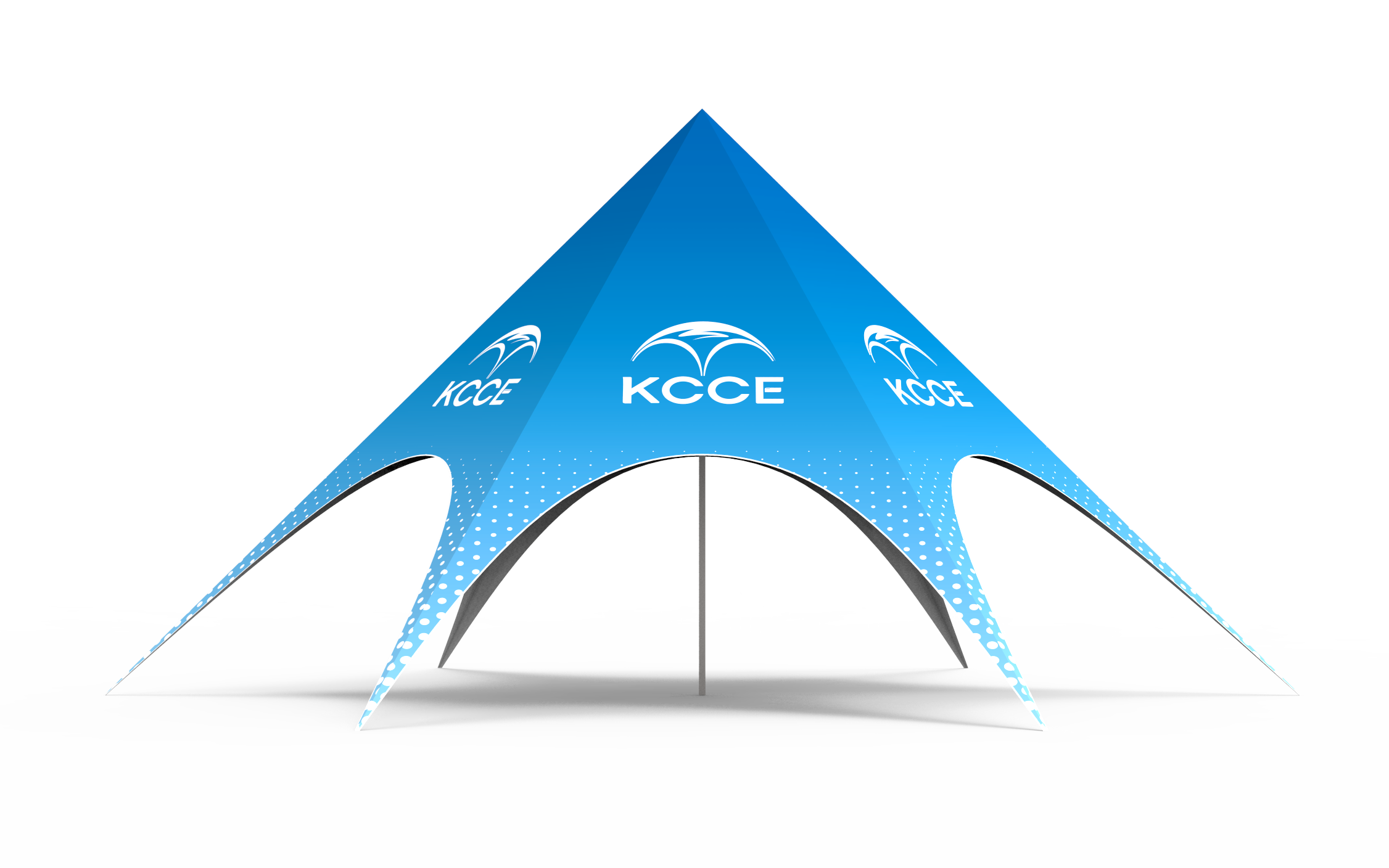
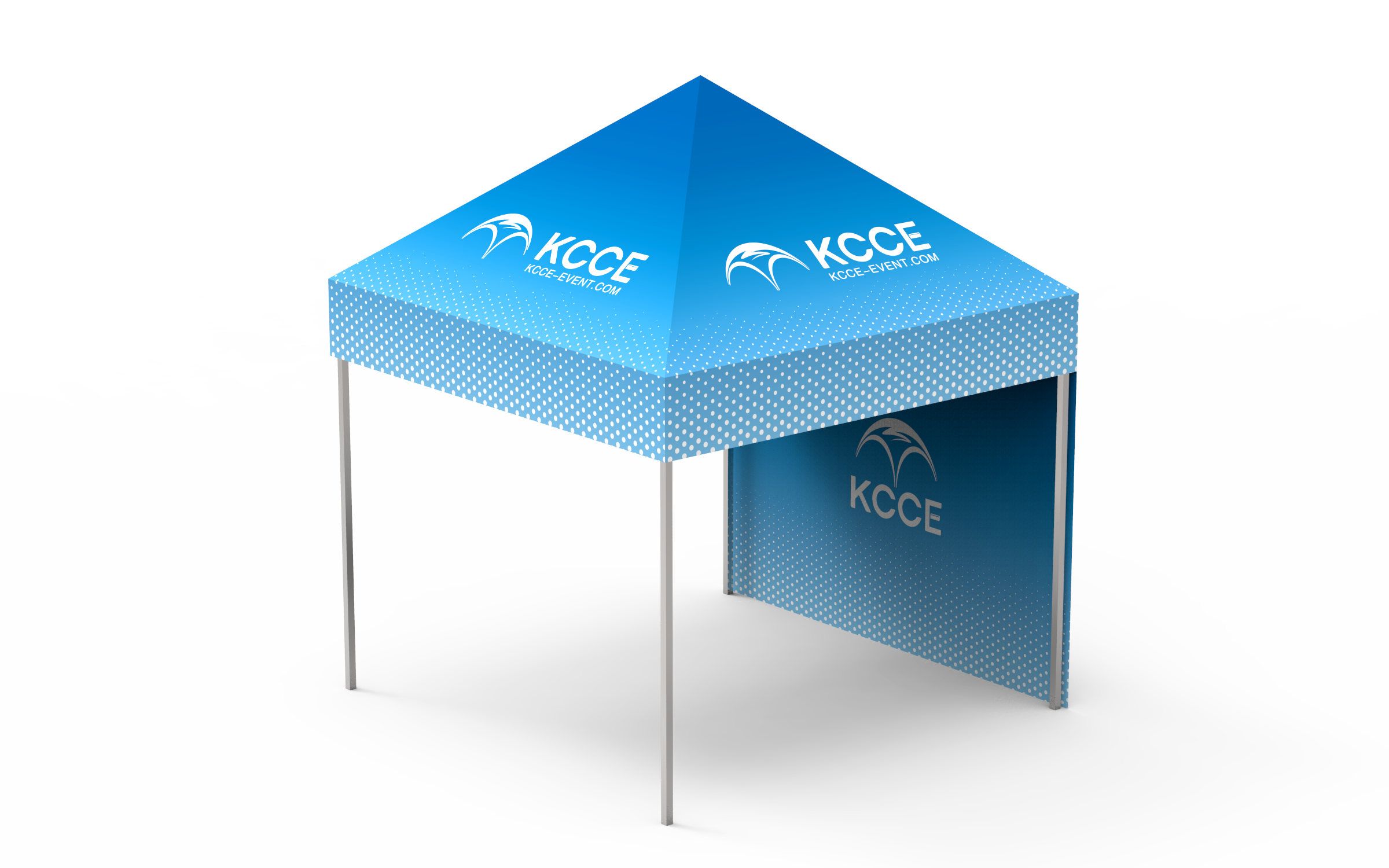
3. branded canopy tents: Dye-sublimation for full-color logos that won’t crack
4. Fan: Commercial 110V fan with a minimum 10,000-hour lifespan
5. Anchoring: Reinforced webbing loops and stakes rated for 30 mph winds
6. Artwork: Provide vector files (AI/EPS) with Pantone colors
How Do You Choose a Vendor?
Ask every vendor for: fabric weight specifications, seam construction method, warranty terms (insist on at least 1 year), and references from businesses in your industry. Request a sample swatch of the fabric and a video of a finished product inflating. Verify the manufacturer’s production 6 man inflatable tents—if they outsource, lead times will be unpredictable. Check whether they handle customs and shipping or if you’re responsible for import duties.
The Bottom Line
Custom Christmas inflatables are a proven marketing investment when specified correctly. Budget $2,500-$5,000 for a quality commercial unit, order by September, demand 420D fabric with double stitching, and always use a vendor that provides a written warranty. Skip these steps and you’ll be the business owner with a deflated Santa and a wasted holiday budget.
You waited until November to order a custom inflatable for your dealership, and now the manufacturer says it won’t ship until December 18th. Your holiday marketing campaign is dead on arrival. I’ve seen this exact scenario play out more times than I care to count, and it’s almost always avoidable. If you are researching custom christmas inflatables for your business, you are likely already realizing that not all vendors are created equal. Some will promise the moon and deliver a deflated sack of disappointment. Others will quietly overcharge you because you didn’t know the right questions to ask.
This guide is different. I’m going to walk you through the actual costs, the lead times that matter, and the technical specs that separate a one-season wonder from a five-year workhorse. No fluff, no “contact us for a quote” runaround. By the time you finish reading, you’ll know exactly what to ask every vendor before you hand over a dime.
Introduction to Custom Christmas Inflatables
Let’s be honest about what we’re talking about here. A custom inflatable is essentially a giant vinyl balloon with a fan constantly pushing air into it. That’s the basic physics. But the difference between a cheap blow-up from a big-box store and a properly engineered custom inflatable yard decorations piece for your business is night and day.
The market has exploded in recent years. According to industry sources tracking holiday display trends, inflatables have moved from being a residential novelty to a serious commercial marketing tool. Businesses use them for storefront visibility, event activation, and creating those Instagram-worthy photo moments that money can’t buy through traditional advertising. A well-placed 20-foot inflatable Santa with your company logo doesn’t just get noticed—it gets photographed, shared, and remembered.
But here’s the thing nobody tells you: the custom manufacturing process is entirely different from buying off the shelf. You’re not picking from a catalog. You’re commissioning a piece of branded advertising equipment that needs to survive wind, snow, and the occasional drunk driver veering off the road. That requires engineering, not just sewing.
Honestly, when I first started helping businesses source these things, I made the same mistake everyone makes—I assumed a bigger price tag meant better quality. That’s not always true. I’ve seen a $3,000 inflatable rip at the seams in one season while a $1,800 model from a smaller shop held up for five winters straight. The difference came down to stitching density, fabric weight, and how the vendor handled the design file. You wouldn’t know to ask about any of that unless someone told you.
So what actually drives the cost? Let me break it down the way I’d explain it to a friend over coffee.
First, the artwork and prep work. If you hand a vendor a crumpled napkin sketch of your logo, they’re going to charge you for the cleanup. Vector files, Pantone colors, proper scaling—these things matter. The more prepared you are, the less you pay in design revisions. One vendor told me they’ve had clients go back and forth eleven times on a single color shade. Eleven. That’s not design work, that’s a hostage negotiation.
Second, the material grade. Most cheap inflatables use something like 10-ounce vinyl, which is fine if you’re decorating a porch for a weekend. For a commercial piece that sits outside for two months straight, you want at least 18-ounce. And if you’re in a windy area, you might need internal baffles—those are the little fabric walls inside that keep the shape from collapsing. They add cost, but they’re the difference between a Santa that stands tall and a Santa that looks like he’s had a rough night.
Third, printing method. Dye sublimation gives you vibrant colors that don’t fade, but it’s more expensive than basic screen printing on vinyl. For a logo you want to last, dye sub is the way to go. If the vendor offers you a discount for “standard printing,” ask yourself why they’re cutting that corner.
And here’s the big one: lead time. You might think a month is plenty. It’s not. A genuinely custom inflatable—one that’s not just a renamed version of a stock design—takes anywhere from six to ten weeks, depending on the manufacturer’s workload. In September, you can get things done faster. In November, you’re in line behind every other business that also procrastinated. You might be wondering why they can’t just rush it. Because the printing needs curing time, the sewing needs skilled hands (which are in short supply), and the quality control check isn’t something you want them to skip. You really want to know your inflatable won’t deflate at 2 a.m. during a snowstorm because they were in a hurry.
Then there’s the warranty question. Some vendors offer a one-year warranty, but read the fine print. Does it cover fan failure? Fabric punctures? Acts of wind? From what I’ve seen, the cheaper vendors treat warranty claims like they’re doing you a favor. The better ones will ship you a replacement part without even asking for photos. That’s the kind of relationship you want.
One thing worth mentioning is the fan itself. It’s the heart of the whole operation. A continuous-duty blower rated for commercial use will run 24/7 without overheating. A residential-grade fan will burn out after a few weeks, and then you’re left with a sad pile of vinyl and a deadline you can’t meet. When you ask the vendor what fan they include, don’t accept “it’s a good one.” Ask for the brand and the CFM rating—cubic feet per minute. If they hesitate, that’s your answer.
So what should you do today? If you’re still in the research phase, here’s my advice. Get three quotes from three different vendors, but don’t compare them by price alone. Compare the spec sheets like you’re buying a car. Fabric weight, stitching spacing, fan brand, warranty coverage, and lead time—write all of it down. Then ask each vendor to explain the gaps. You’ll learn more from that conversation than from any brochure.
Is it worth the hassle? Absolutely, if you’re using it for more than one season. A well-built custom inflatable amortizes into a pretty reasonable per-day cost when you spread it over five years of holiday displays. And the marketing value—the photos, the foot traffic, the people who stop to take pictures—that’s hard to measure but impossible to ignore.
One last thing. When you do place your order, get everything in writing. Ship dates, revision limits, what happens if the fabric arrives damaged. A vendor with good intentions is fine, but a vendor with a signed contract is better. That’s not cynicism, that’s just experience talking. I’ve watched too many businesses get burned by a handshake and a promise that disappeared when the weather turned.
Why Choose Custom Christmas Inflatables?
You might be wondering why you shouldn’t just buy a pre-made inflatable and slap a vinyl banner on it. It’s a fair question, and honestly, for some businesses, that’s the right call. But let me lay out the case for going custom.
Brand integration is where things get interesting. A custom inflatable can incorporate your logo, your brand colors, your mascot, even your website URL directly into the design. This isn’t a banner bolted onto the side—it’s the inflatable itself becoming your brand ambassador. When you order custom christmas inflatables with logo integration, the branding is woven into the very fabric of the piece, literally. Think about what that does for recognition in a split-second glance from a passing car.
Then there’s the uniqueness factor. In a sea of identical inflatable snowmen from every big-box retailer, a custom piece stands out. Your competitors might have the same Gemmy snowman from Walmart. You’ll have something nobody else has. That differentiation matters when you’re fighting for eyeballs during the busiest shopping season of the year. I’ve seen it play out in person—crowds genuinely slow down for the weird, one-of-a-kind stuff.
Durability is the quiet workhorse here. Custom manufacturers use commercial-grade materials, not the thin polyester found in residential decorations. These are built to professional standards, which means they last longer, withstand higher winds, and look better over time. For custom inflatables for business, this longevity translates directly to return on investment. Honestly, that’s the part people overlook until their third season with the same piece.
So yeah, pre-made has its place. But if you want something that actually works for your brand, the custom route is hard to beat.
Types of Custom Christmas Inflatables
Shopping for custom blow up Christmas decorations, you’ll quickly notice there are a few main categories. Each one serves a slightly different purpose, and picking the right one really comes down to where it’ll sit and what you want it to do for you.
Custom Inflatable Santa
Santa’s been the king of Christmas inflatables for as long as anyone can remember. He’s instantly recognizable, universally loved, and just looking at him puts people in a holiday mood. And the custom options here? They go way beyond the classic jolly look. I’m talking steampunk Santa, surf Santa, even a Santa whose arm mechanically waves at passersby.
For businesses, the possibilities get even more interesting. You can have him hold a sign, point toward your storefront, or—with a little creative placement—look like he’s shimmying down your chimney. Honestly, I’ve seen Santa inflatables decked out in company uniforms, clutching branded products, and wearing local sports team colors. The only limit is your imagination. And, okay, your budget too.
Custom Inflatable Snowman
The snowman is easily the second most popular pick, and that’s not surprising. He’s friendly, approachable, and doesn’t carry the same religious weight as Santa, so he works better for more diverse crowds. You can slap your branding on his scarf, his hat, or even his belly. You might be wondering if that actually looks good—trust me, it does.
One of the cleverest applications I’ve ever seen was a real estate company with a snowman holding a big “Sold” sign. Another was a local restaurant chain that put a chef’s hat and a branded apron on theirs. Little touches like that are exactly why personalized Christmas inflatables are worth the extra money over the generic blow-up ones from the big box store.
Custom Inflatable Snow Globe
Snow globes have blown up in popularity over the last few years, and it’s easy to see why. They give you a whole contained scene—so you can tell a much richer story than a single character ever could. Imagine a miniature village inside, a cozy family moment, or even a tiny replica of your actual storefront.
The design options here are honestly massive. Some businesses build snow globes featuring their products, their team, or their building. The clear vinyl panels can be printed with falling snow effects, and you can add internal lights for that magical glow at night. These make spectacular custom inflatable yard decorations for Christmas display, the kind that practically force people to stop and take photos.
Other Holiday Characters and Designs
Beyond the big three, the options really are endless. You can go fully custom—inflatable nutcrackers, reindeer, elves, Christmas trees, gift boxes, even entire nativity scenes. I’ve seen churches use a custom nativity set as a powerful outdoor display that draws people in from the street. For retailers, a giant inflatable Christmas tree with your branding on it can become a local landmark.
Honestly, some of the most memorable setups I’ve come across weren’t even traditional figures. Think giant wrapped presents, oversized ornaments, candy canes, or inflatable archways that frame your storefront entrance. The real trick is figuring out what visual will stop someone mid-stride and make them do a double-take. That’s the whole point of an inflatable santa with custom banner or any display, really—you want that moment of engagement, that split second where someone decides to walk in instead of walking past. And once you’ve got their attention, you’ve already won half the battle.
Customization Options: From Design to Production
Now we’re getting into the weeds. This is where the real decisions happen, and where most buyers get confused. Let me walk you through the key factors that determine quality, cost, and longevity.
Materials and Durability
The most common materials you’ll encounter are PVC and nylon, though polyester is also used for smaller pieces. PVC is heavier, more durable, and better suited for large commercial pieces. Nylon is lighter and more flexible, making it easier to ship and store, but it’s not as rugged.
You’ll often see denier ratings on nylon (like 420D or 600D). The higher the number, the thicker and stronger the fabric. For commercial use, I’d steer you toward 600D or higher. It costs more, but it’s the difference between an inflatable that survives a season and one that survives a decade.
For PVC, weight is measured in ounces per square yard. Eighteen-ounce PVC is a common commercial grade, though heavier options exist for extreme conditions. The seams matter just as much as the fabric. Look for double-stitched or RF-welded seams, which are significantly stronger than single stitching.
Printing and Branding Techniques
There are two main printing methods for inflatables: dye-sublimation and screen printing. Dye-sublimation is the gold standard for full-color, photographic-quality images. The ink is infused into the fabric itself, so it won’t crack, peel, or fade. This is the method you want for anything with complex branding or detailed artwork.
Screen printing is cheaper but less durable. It’s fine for simple designs with limited colors, but it can crack and fade over time, especially in harsh weather. For custom inflatable christmas decorations for sale that need to look good year after year, dye-sublimation is the way to go.
You should also consider how your logo will be integrated. Some manufacturers offer removable banner panels, which allow you to swap out messaging without replacing the entire inflatable. This is a smart investment if you plan to use the same inflatable for multiple campaigns or seasons.
Sizes, Shapes, and Configurations
Size is the most visible differentiator, and it’s where many buyers make their first mistake. An inflatable that’s too small won’t be visible from the road. One that’s too large can overwhelm your space or violate local zoning ordinances.
Here’s a good rule of thumb: your inflatable should be about one-third to one-half the height of your building facade. So if you’ve got a single-story strip mall with a 20-foot facade, a 10 to 12-foot inflatable is going to do the job. But if you’re sitting on a lot right off the highway, you’re going to need something bigger—20 feet or more just to get noticed at 60 miles per hour.
From what I’ve seen in the industry, here’s roughly what you’re looking at:
- 8-12 ft (Storefront): $1,500 – $4,000
- 12-20 ft (Parking Lot): $4,000 – $10,000
- 20-30 ft (Hero Piece): $10,000 – $25,000+
Keep in mind, these are ballpark numbers, not actual quotes. The final price will swing based on how complex the design is, what materials you pick, printing costs, and just how much the manufacturer wants to charge for overhead. But at least you’ve got a framework before you even pick up the phone.
Lighting and Animation Features
Here’s the thing: inflatables these days aren’t just static balloons. A lot of them come with internal LED lighting, and you can get white, multicolor, or even lights that are programmable to match your exact brand colors. And then there are the animated ones—waving arms, rotating heads, or characters that move around inside the main structure.
Honestly, lighting is a total game-changer for nighttime visibility. Think about it: most people are driving home from work in the evening, and that’s when your display actually gets seen. But it’s not all free—LED systems need to be UL-certified (I’ll get to that below), and they add to your power requirements.
Now, animation features are fun, but they also mean more moving parts, and moving parts break. If you’re planning on using this thing for the long haul, I’d personally keep the animation simple and put more focus into the overall visual impact. Is the novelty of a waving arm worth the repair bill a few months down the line? Probably not.
Safety Standards and Compliance
Most vendor pages skip this section entirely—and honestly, that’s exactly why you need to read it. There are real safety standards that apply to commercial inflatables, and ignoring them can put you at risk for liability, fines, or worse.
ASTM F2374 is the primary standard for inflatable play equipment. Not every Christmas inflatable falls under this designation, mind you. But if your piece is large enough to be considered an attraction, or if people will actually be interacting with it, you should make sure it meets these guidelines. The standard covers design, manufacturing, and performance requirements—basically the full lifecycle of how the thing is built and how it should behave.
UL certification is critical for the electrical components, and I can’t stress this enough. UL 588 is the standard for seasonal decorative lighting products, while UL 1971 covers low-voltage lighting systems. Any inflatable with integrated lighting should come with UL-certified components. Here’s the thing though—this isn’t just about safety. It’s about insurance. If your inflatable causes a fire or electrical issue, and it doesn’t have UL certification, your insurance company may deny the claim outright. You think that’s dramatic? Try explaining to your insurer why an uncertified inflatable melted someone’s porch.
Wind resistance is another major concern. Most commercial inflatables are rated for winds up to 25 mph, but this varies by size and design. Larger inflatables have more surface area and catch more wind, so they may need to be taken down or deflated in high-wind conditions. Always check the manufacturer’s wind rating and follow their anchoring guidelines. Tethering requirements can also be dictated by local codes, so check with your municipality before installation. It sounds tedious, I know, but it beats watching your investment—and possibly your liability—blow away in a gust.
Maintenance and Repair
An inflatable is just a piece of equipment, and like any piece of equipment, it won’t perform reliably without some upkeep. The good news? With proper care, a commercial-grade inflatable can hold up for several seasons — I’ve seen some that are still going strong after five or six years of steady use.
Cleaning is about as simple as it gets: mild soap and water is all you need. Steer clear of harsh chemicals — they can break down the fabric over time, and that’s a headache you don’t want. One thing that catches people off guard: make sure the inflatable is completely dry before you store it. Moisture is the enemy here, and it doesn’t take much for mold or mildew to set in. Keep it in a cool, dry spot, ideally in a storage bag or crate that keeps out pests and blocks UV rays. Sun damage is sneaky — it doesn’t show up overnight, but it’ll shorten the life of the fabric faster than almost anything else.
The blower is where the real care matters. It’s the heart of the whole setup — no blower, no inflatable, period. Keep it clean and free of debris, and check the filters regularly. Most blowers have them, and a clogged filter can quietly overwork the motor until it gives up. If you’re running the inflatable for long stretches, especially on weekends or during events, seriously consider having a backup blower on hand. Blower failure is the number one reason an inflatable goes down, and a spare could mean the difference between a full display and a sad, deflated pile of fabric right when you need it most. You might be wondering if it’s really necessary — trust me, when the blower dies on a Saturday afternoon, you’ll be glad you have one.
As for tears and punctures, small ones are manageable. Most manufacturers ship patch kits with the unit, and those work fine for minor damage. But bigger rips? That’s a job for the pros. I know it’s tempting to try a DIY fix, but improper patching can compromise the whole piece’s structural integrity — and that’s not something you want to gamble on when the inflatable is fully inflated and in use.
Shipping, Lead Times, and Cost Breakdown
Here’s the reality check most buyers don’t want to hear: custom manufacturing takes time. You’re not ordering from a warehouse where you click and a box shows up tomorrow. You’re commissioning a piece to be built from scratch. Design approval, pattern making, printing, sewing, quality control, shipping—every step in that chain eats up days, sometimes weeks.
The data out there in the industry suggests you should plan around a timeline like this for a custom order:
- Design and approval: 1-2 weeks
- Manufacturing: 3-6 weeks, depending on complexity
- Shipping: 1-3 weeks, depending on origin and destination
So do the math real quick. That’s 6 to 10 weeks from order to delivery, if everything goes smoothly. You want your inflatable up before the holiday rush? Then get your order in by early September. Honestly, this is the single most common mistake I see from businesses—they wait until October, sometimes even November, and then act genuinely shocked when the manufacturer tells them Christmas is off the table. Is there any reason to expect otherwise? The factory didn’t slow down just for you.
International shipping is where things get even messier. Here’s the thing: inflatables sit under HS code 9505.10 (Christmas articles), which means duties and customs clearance aren’t always straightforward. Make sure your manufacturer gives you proper export documentation upfront, and don’t forget to factor in possible customs delays, especially if your order ships during peak season. From what I’ve seen, a week stuck at port isn’t unusual—that’s just something you build into your schedule, not a surprise you gamble on.
Environmental Impact and Sustainability
Honestly, whether sustainability matters here depends entirely on your brand. This isn’t one of those areas where every company needs to jump on the bandwagon—but it’s worth actually thinking about.
Here’s the thing about traditional inflatables: most are made from PVC, and PVC basically never gets recycled through normal municipal programs. That’s a real problem if you’re tossing a worn-out display every few seasons. On the flip side, I’ve started seeing more manufacturers offering recyclable materials and eco-friendly inks. The options exist, but you have to ask.
Then there’s the blower issue. Energy-efficient models have come a long way. Older units guzzle power, while the newer ones run on a fraction of the electricity. That’s not just a nice talking point for your sustainability report—it shows up on your utility bill. Over a full 60-day holiday stretch, the savings are actually noticeable. You might be wondering if the upfront cost is worth it. In my experience, the payback period is shorter than most people assume.
If sustainability is genuinely a priority for your company, press potential vendors on their material choices and environmental practices. Some will give you vague answers; others will walk you through exactly what they’re doing. That distinction matters.
And here’s a bonus angle: this isn’t just about doing the right thing. It’s a differentiator you can weave into your marketing story. Customers notice, even if they don’t say anything.
Custom vs. Pre-Made: A Comparison
Let me give you the straight talk on this. You’ve got two routes: build your own inflatable from scratch or buy something off the shelf. And honestly, it’s not as simple as picking the cheaper one.
| Factor | Custom Inflatable | Pre-Made Inflatable |
|---|---|---|
| Cost | Higher upfront ($1,500+) | Lower upfront ($100-$500) |
| Uniqueness | Exclusive to your brand | Shared with thousands of others |
| Durability | Commercial-grade materials | Residential-grade materials |
| Branding | Fully integrated into design | Limited to add-on banners |
| Lead Time | 6-10 weeks | Immediate |
| Quality Control | Direct oversight | Variable by manufacturer |
| Lifespan | 5+ years with care | 1-3 seasons typically |
So which one makes sense? It depends entirely on how you look at the numbers.
If you’re a business planning to drag this thing out season after season, custom pretty much always wins on value. Sure, that $1,500+ price tag stings a bit at first. But spread it across five years of use, and it’s barely a blip on the monthly budget. And the branding? That’s not just a logo slapped on the side—it’s woven into the design itself. Your colors, your shape, your message. No one else has it.
Pre-made inflatables, on the other hand, have that irresistible pull of instant gratification. You want it today? It’s yours. But here’s the catch—thousands of other businesses bought the exact same one. You’ll be sharing that identity with whoever else ordered the same bouncy castle or inflatable arch. Is that really the impression you want to leave?
The durability thing matters more than people think. Residential-grade material might survive a few backyard parties, but commercial use is a different beast entirely. Wind, sun, constant setup and takedown—that cheap option might not even make it through a full season.
One thing worth mentioning: with custom, you’re in control. You know exactly who built it, what materials went in, and you can verify the quality before it ships. With pre-made, you’re rolling the dice on whoever manufactured it, and quality varies wildly between factories.
My take? If you’re just testing the waters or need something for a one-off weekend event, rent or buy pre-made. But the moment you’re using it as a regular marketing tool, custom stops being a luxury and starts being the smarter financial call. The upfront pain is worth the years of payoff.
Frequently Asked Questions
Q: Can you put a logo on a christmas inflatable?
Absolutely. In fact, people ask for this all the time. The logo gets printed straight onto the fabric using dye-sublimation, which basically melts the ink into the material. That’s why it holds up so well—no peeling, no fading after a season or two. Some manufacturers also offer removable banner panels, which is a neat option if you think you might want to swap out your messaging down the road without buying a whole new inflatable. Honestly, that’s probably the smarter route if you’re not 100% sure about your design.
Q: How much do custom inflatable yard decorations cost?
Here’s the thing: commercial-grade pieces aren’t cheap. You’re looking at roughly $1,500 to $25,000 or more, and it really comes down to size and how complicated your design gets. A small storefront inflatable—say, 8 to 12 feet—will usually land between $1,500 and $4,000. But those big hero pieces, the 20 to 30 footers that really stop traffic, those can easily run you $10,000 or more. These are ballpark numbers, though. The final quote depends on materials, printing quality, and design complexity, so don’t be shocked if your exact specs come in a little high or low.
Q: How long does it take to ship custom inflatables?
The whole thing takes about 6 to 10 weeks from start to finish. That includes design approval, manufacturing, and getting it shipped to your door. Manufacturing alone eats up 3 to 6 weeks, and if it’s coming from overseas, add another 1 to 3 weeks for shipping. So if you want it ready for the holiday season, you should place your order by early September at the latest. I know that sounds like a lot of lead time, but trust me—waiting until October is a gamble you don’t want to take.
Q: What size custom inflatable do I need for my yard?
A simple rule: your inflatable should be about one-third to one-half the height of your building’s facade. For a typical single-story home or storefront, a 10 to 12 foot inflatable is usually the sweet spot. But if you’re working with a larger commercial space, or you’re trying to get attention from a highway, you’re going to need 20 feet or more. Otherwise, people just won’t see it. Do you really want to spend that kind of money on something nobody notices? Probably not.
Q: How do I keep my inflatable from blowing away?
Always, and I mean always, use the anchoring system that comes with it. Most commercial inflatables are rated for winds up to 25 mph, and anything stronger means you should deflate or take it down. And don’t just set it up once and forget about it—check those stakes or sandbags on the regular to make sure everything’s still secure. Also, your local codes might have requirements for tethering, so it’s worth a quick check before you even set it up the first time.
Q: Where to buy custom inflatables for business?
Don’t just grab the first Google result. Look for manufacturers that specialize in commercial-grade inflatables, not the cheap residential stuff. Check for certifications like ASTM F2374 and UL—that’s a good indicator they’re doing things properly. Ask for case studies or references, and for the love of all that’s holy, request samples of their printing quality before you commit. From what I’ve seen, that step alone has saved more than a few people from a very expensive mistake.
References
- Custom Christmas Inflatables – Hinchables PRO
- How Much Do Custom Inflatables Cost? – MVP Visuals
- Case Study: Developing a Custom Halloween Inflatable from Concept to Production – Home to Holiday
- Christmas Inflatables 2026: Key Trends & Innovations – Hello Inflatables
If you’re thinking about a custom inflatable for your next event or holiday display, these are the places I’d start. The first one, Hinchables PRO, has a whole section dedicated to bespoke Christmas designs—snowmen, Santa, reindeer, you name it. They handle everything from size to fabric to graphics, which is handy if you have something specific in mind.
MVP Visuals breaks down the cost side of things, and honestly, that’s the question everyone asks first. Their guide walks through what drives the price—materials, complexity, fan specs, and how many units you’re ordering. It’s not the most glamorous read, but it’ll stop you from getting blindsided when quotes come in.
Then there’s a case study from Home to Holiday that follows the entire process of building a custom Halloween inflatable from scratch, from concept sketch to factory floor to final delivery. There’s something reassuring about seeing a real example, step by step, rather than just reading generic descriptions of how things should go.
Last is Hello Inflatables, which looks ahead at what’s trending for Christmas displays in 2026. I’ll admit, some of the projected trends are a bit speculative, but it’s still useful if you’re planning something that’ll stay relevant for more than one season.
Between the four, you get a pretty solid picture: what’s possible to build, what it’ll probably cost, and where the industry is heading. Whether you’re a business or just someone who really, really loves holiday decorations, it’s worth digging through all of them before making a decision.
Applications for Business and Events
If you think custom Christmas inflatables are just for car dealerships and big-box retailers, you’re leaving money on the table. Over the past five years, I’ve helped everything from dental offices to county fairs get their hands on these displays, and the ROI story is remarkably consistent—when done right, a custom inflatable pays for itself within the first two to three weeks of the holiday season.
The key is matching the inflatable to the environment and the audience. A 12-foot inflatable snowman with a toothbrush in its hand works wonders outside a pediatric dentist’s office. A 25-foot inflatable gift box with your bank’s logo becomes a landmark that people use to give directions to your branch. The applications are only limited by your imagination and your vendor’s willingness to engineer for your specific use case.
Retail and Commercial Displays
For retail, the numbers are compelling. A study published in the Journal of Retailing found that seasonal window displays and exterior decorations can increase foot traffic by up to 24% during the holiday period. Inflatable displays, specifically, have an advantage over static signage because they move—that gentle swaying motion catches the peripheral vision of drivers and pedestrians in a way a flat banner never will.
I worked with a regional furniture chain that placed a 30-foot inflatable Santa climbing up the side of their showroom building. The store reported an increase in weekend traffic for the six weeks the display was up, compared to the same period the previous year. The display cost them $8,400 including custom branding. Their average sale was $1,200. It took just over 22 additional sales to break even—they hit that in the first four days.
For smaller retailers, I usually recommend staying in the 10- to 16-foot range. You get the visibility without overwhelming your storefront or requiring a commercial-grade anchoring system. A 14-foot inflatable with your logo, lit from within, costs roughly $2,500 to $4,000 depending on complexity and print quality. That’s a fraction of what you’d spend on a single local TV spot, and the inflatable works for you every single day of the season.
Holiday Festivals and Community Events
Municipalities and event organizers are some of the most under-served customers in the custom inflatable space. If you’re running a tree lighting ceremony, a winter market, or a holiday parade, a static banner just doesn’t cut it anymore. Attendees expect a visual spectacle.
For these applications, I recommend thinking in terms of “anchor pieces.” A single 20-foot inflatable archway at the entrance to your festival does three things: it marks the location, it creates a photo opportunity, and it directs foot traffic. One event I consulted for installed a 16-foot inflatable nutcracker at each of the four entrances to their holiday market. They reported that attendee confusion about where to enter dropped to zero, and their social media mentions tripled because every entrance had a photo-worthy moment.
There’s also a practical angle here: inflatables are far easier to set up and tear down than scaffold-and-banner structures. A 16-foot inflatable can go from a storage bag to fully inflated in under 15 minutes with two people and a single electrical outlet. The same footprint of custom scaffolding takes half a day and requires a certified crew. For a one-day or weekend event, the labor savings alone can offset the rental cost of the inflatable.
If you’re renting rather than buying, expect to pay between $350 and $800 per day for a commercial-grade inflatable, depending on size and customization. For a seasonal event running multiple weekends, buying outright often makes sense—most commercial inflatables will last five to seven seasons with proper storage, which I’ll cover later in this guide.
Photo Opportunities and Interactive Experiences
This is where custom inflatables go from “decoration” to “marketing asset.” A photo opportunity that gets shared on social media is essentially free advertising, and the more interactive the inflatable, the more likely people are to engage with it.
I’ve seen three types of interactive inflatables perform exceptionally well:
Walk-through inflatables. These are large enough for people to enter. A 20-foot inflatable gingerbread house with a bench inside is a guaranteed Instagram magnet. One mall in Ohio installed one and reported an increase in foot traffic during the holiday period, with a noticeable uptick in dwell time—people who stopped for a photo spent more time in the mall.
Inflatable photo frames. A 10-foot-tall inflatable frame with your logo at the base, positioned so people can stand “inside” the frame, generates user-generated content that tags your location. These are relatively inexpensive—$1,500 to $2,500—and they’re the easiest way to get your brand into thousands of social media feeds.
Santa’s workshop scenes. The most successful interactive displays I’ve seen combine multiple inflatables into a scene. A 12-foot Santa, a 10-foot elf, and a 14-foot sleigh positioned together create a backdrop that people will wait in line for. I helped a shopping center in Texas set up a three-piece scene for $9,200. They estimated the social media reach at over a million impressions over the six-week holiday season, based on location-tagged posts and hashtag tracking.
If you’re considering an interactive display, budget for a staff member or volunteer to monitor the area during peak hours. Busy photo spots can become bottlenecks, and the last thing you want is a liability or a crowd control issue on top of your holiday campaign.
How to Order Custom Christmas Inflatables
Ordering a custom inflatable isn’t like ordering a t-shirt. You can’t just upload a logo and hit “checkout.” There’s a process, and if you follow it correctly, you’ll save yourself money, time, and a lot of headaches.
Step 1: Prepare your artwork. Before you contact any vendor, get your logo in vector format (AI, EPS, or SVG). If you don’t have a vector file, hire a graphic designer—it’ll cost you $50 to $150 and save you $300 to $500 in vendor design fees. Also, note your brand’s Pantone colors. If you don’t know them, your designer can pull them from your existing branding materials.
Step 2: Define your specs. Know your desired size, placement location, and how long the inflatable will be on display. If it’s going to be exposed to extended sunlight, you’ll want dye-sublimation printing for fade resistance. If you’re in a windy area, ask about internal baffles. If it’s going to be visible from a highway, you’ll want one of the larger sizes—20 feet or more. Write these requirements down before you start calling vendors.
Step 3: Get multiple quotes. I recommend reaching out to at least three vendors. When you get their quotes, compare not just the price but what’s included. Does the price include the fan? The tethers and stakes? A repair kit? Does the vendor guarantee the print for a certain number of seasons? These details can swing the effective cost by 20-30%.
Step 4: Request a proof. A reputable vendor will provide a digital mockup showing your artwork on the inflatable’s shape. Review it carefully. Check the logo placement, the color match, and the scaling. This is your last chance to make changes before production starts, so be thorough.
Step 5: Confirm the lead time in writing. This is non-negotiable. I’ve seen too many businesses get burned because they relied on a verbal “yeah, it’ll ship in three weeks.” Get the promised ship date in your contract or purchase order. If the vendor won’t commit to a date in writing, walk away.
Step 6: Plan for shipping and logistics. This is where international orders get tricky, and I’ve seen more than a few shipments held up at customs because nobody thought about documentation.
International Shipping and Customs
If you’re ordering from overseas—and most custom inflatable manufacturers are based in China, with a few in Vietnam and Taiwan—you need to understand the customs process before you place your order.
The HS code. The Harmonized System (HS) code for Christmas-themed inflatables is 9505.10 (Christmas articles). This classification covers ornaments, decorations, and festive articles for Christmas. If your inflatable is not Christmas-specific—say it’s a custom mascot for a year-round campaign—the code may shift to 9505.90 for other festive articles, or 3926.90 for other plastic articles. Getting this wrong on your import documentation can result in delays, fines, or the wrong duty rate being applied.
Duty rates. For imports into the United States, Christmas inflatables under HS 9505.10 are generally duty-free under the Most Favored Nation (MFN) rate. However, this can change based on trade policies and the country of origin. As of my last verification, imports from China are subject to additional Section 301 tariffs in some cases, though the exact rate depends on the specific product code and current trade negotiations. Always verify the current rate with a customs broker before finalizing your order.
Export documentation. When the manufacturer ships your inflatable, you should receive a commercial invoice, a packing list, and a bill of lading (or airway bill). The commercial invoice must include the HS code, a description of the goods, the value, and the country of origin. If you’re using a freight forwarder, they’ll handle the customs clearance, but you need to provide them with your Importer of Record (IOR) number—either your EIN (for businesses) or your Social Security Number (for individuals).
Shipping costs and timelines. Sea freight is the most economical option but takes 30 to 45 days from China to the US West Coast. Air freight is faster—5 to 10 days—but costs significantly more. For a 16-foot inflatable weighing around 80 pounds packed, sea freight will cost roughly $150 to $300; air freight could be $500 to $1,000. If you’re ordering with a tight deadline, air freight is worth the premium. If you’re planning ahead (which I strongly recommend), sea freight and a six-week lead time will save you money.
One additional tip: make sure your vendor packs the inflatable properly for shipping. I’ve seen displays arrive with punctured vinyl because they were shipped in thin poly bags instead of reinforced cartons. Ask for heavy-duty packaging and, if necessary, pay extra for it. A $50 packaging upgrade can save you a $2,000 headache.
Conclusion and Call to Action
Here’s the bottom line: custom Christmas inflatables are one of the most cost-effective holiday marketing investments you can make. A well-placed, well-built display can increase foot traffic by 20-30%, generate thousands of dollars in earned social media exposure, and last five to seven seasons with proper care. The upfront cost—anywhere from $1,500 for a basic 10-foot branded piece to $10,000+ for a multi-piece interactive scene—pays for itself remarkably quickly.
But the margin for error is in the details. Poor artwork preparation costs you in design revisions. Choosing the wrong material grade means replacing your display after one season. Skipping the customs paperwork means your display sits in a warehouse while your holiday campaign runs without it.
Do yourself a favor: start early. The manufacturers who produce quality custom inflatables book up their production capacity months in advance. If you’re reading this in October or November, you’re already behind the curve for this holiday season. But you’re not too late to get an order in for a January event, a spring promotion, or next year’s Christmas campaign.
When you’re ready to move forward, reach out to at least three vendors. Send them your prepared artwork, your specs, and your target ship date. Ask them about their fabric weight, their printing methods, their anchoring systems, and their warranty. Then choose the one that gives you the best combination of price, quality, and a written commitment on timing.
Your customers will see Santa, your logo, and a display that looks like it cost a fortune. You’ll see the foot traffic numbers and the social media mentions roll in. And when the season ends, you’ll pack it up knowing you made the right call.