Quick Answer / Key Takeaways
What are custom trade show trade fair tents tents tents?
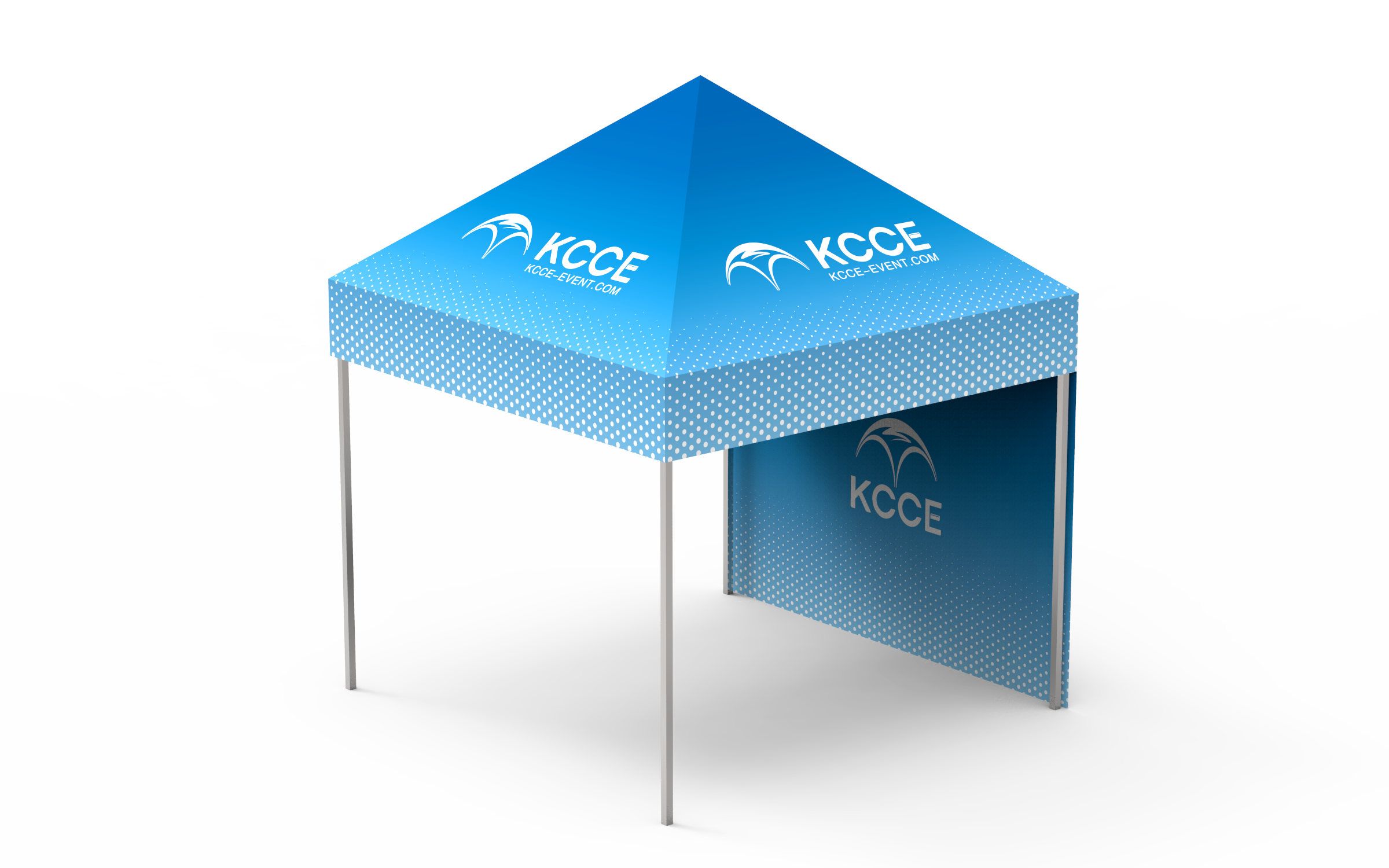
Custom trade show tents are portable, temporary structures—pop-up canopies, frame tents, or inflatable units—branded with your company’s graphics, colors, and messaging using dye-sublimation logo printed tents or vinyl graphics. Unlike generic rental tents, these tailored event tents offer 360-degree custom tent printing options across the pop up canopy tents, side walls, and even integrated counters.
Why do they matter?
Attendees spend only 3-5 seconds scanning your booth before deciding to engage. A branded tent communicates who you are instantly. Exhibitors using custom tents report noticeably higher booth traffic and better lead quality compared to those using generic white canopies.
How to choose the right size:
– 10×10: Standard for indoor shows; fits one table and 2-3 staff
– 10×20: Good for product demos or vehicle displays
– 20×20: Large format for outdoor events, multiple demo stations
– 20×40: Full pavilion presence; common for major industry expos
Material options:
– PVC vinyl: Durable, waterproof, ideal for outdoor use; heavier and more expensive
– Polyester fabric: Lighter, sharper color reproduction, better for indoor events
– Pop-up frame: Aluminum or steel; sets up in minutes without tools
Printing methods:
– Dye-sublimation: Best color accuracy, edge-to-edge coverage, no fading; standard for fabric tents
– Vinyl application: Cheaper for single panels; can peel over time
– Direct print: Good for short runs on rigid panels
Costs and lead times:
– 10×10 custom pop-up: $800–$2,500
– 20×20 full custom frame tent: $3,000–$8,000
– Production time: 2–4 weeks standard; 5–7 day rush available
– Design proofing: Budget 2-3 days for revisions
Key suppliers: MVP Visuals, Lush Banners, Showdown Displays, and Top Dog Tents offer custom options with online design tools.
Rookie mistakes to avoid: Skipping tent weights (wind safety is critical), ordering too small, using low-resolution logos, and forgetting to check fire safety certifications required by some venues.
Picture this: you’ve dropped four figures on booth graphics, spent weeks perfecting your product display, ordered the branded swag. Then show day arrives and your tent looks like every other white pop-up canopy in the hall. Your brand vanishes into a sea of generic polyester. That’s the exact problem custom trade show tents solve—and honestly, it’s the highest-ROI investment most exhibitors overlook.
I’ve spent years in the event marketing trenches, watching companies blow budgets on everything except the one thing attendees actually see first. Your tent isn’t shelter. It’s your brand’s handshake, your first impression, your twenty-foot billboard. And if you’re still rolling up with an unbranded rental, you’re leaving money on the table.
This guide covers everything—sizing, materials, printing methods, costs, lead times, even the boring regulatory stuff most articles skip. By the end, you’ll know exactly what to order, what to pay, and which rookie mistakes to avoid.
What Are Custom Trade Show Tents?
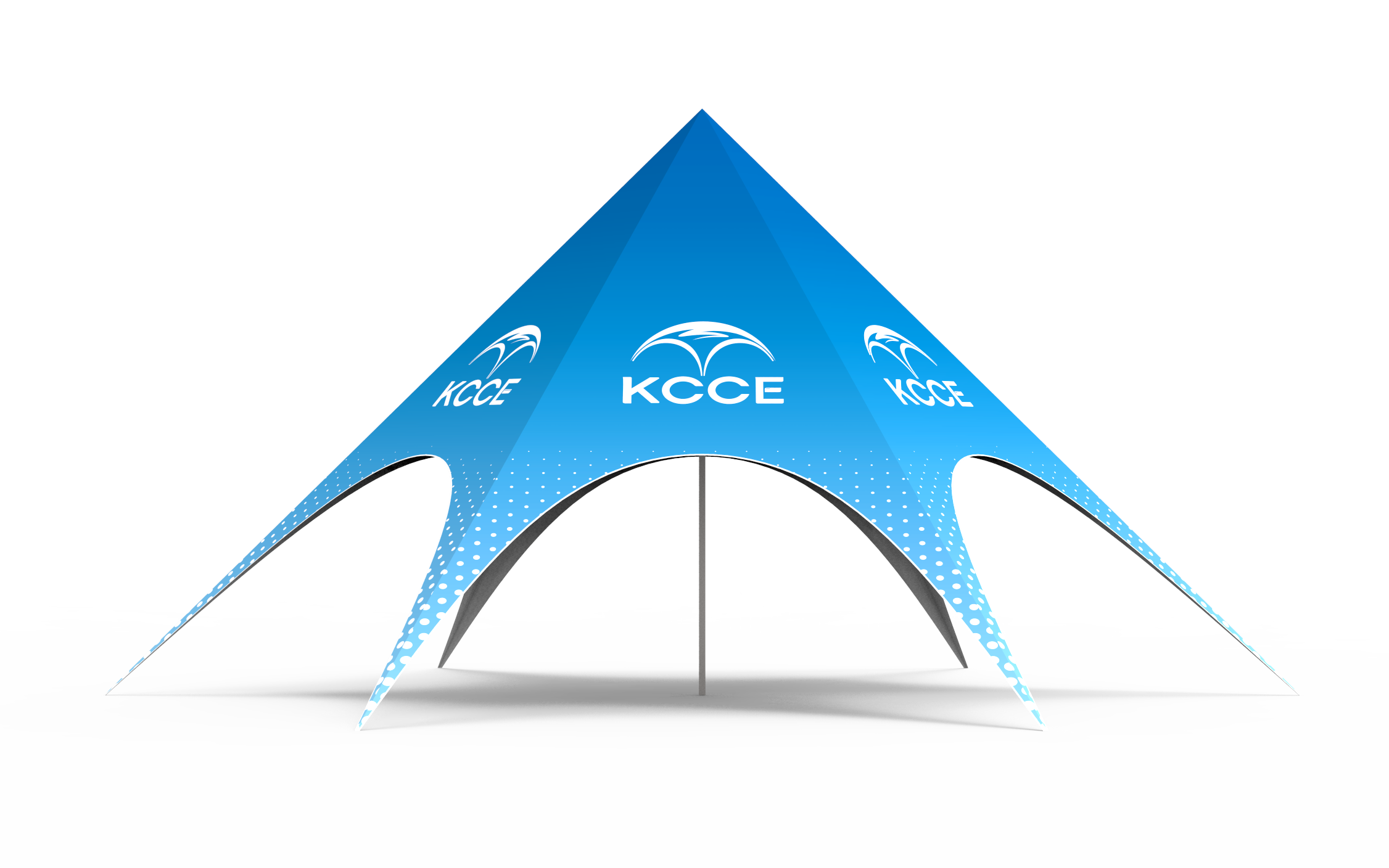
Let’s get the basics straight. A custom trade show tent is a portable, temporary structure—typically a pop-up canopy, frame tent, or inflatable unit—that’s been branded with your company’s graphics, colors, and messaging. Unlike generic rental tents that make every exhibitor look identical, these are tailored event tents designed to make your booth instantly recognizable.
The customization goes way beyond slapping a vinyl logo on the front panel. We’re talking full dye-sublimation printing across every surface, custom side walls, branded counters, even custom flooring. According to industry suppliers like MVP Visuals and Lush Banners, modern trade show tents can be printed edge-to-edge with virtually any design your creative team dreams up.
Now, some of you might be thinking, “Can’t I just use a banner stand instead?” Sure, if you want to look like every other vendor at the flea market. But here’s the thing—a fully customized expo tent gives you 360 degrees of branding. That’s something no banner can match.
Why Custom Trade Show Tents Matter for Your Brand
Here’s a number that should stop you cold: attendees typically spend only a few seconds scanning your booth before deciding whether to engage. That’s it. Three seconds to communicate who you are, what you do, and why they should care.
A generic white tent tells them nothing. A bespoke trade show canopy with bold graphics, your logo, and a clear value proposition? That’s a message that lands in those precious seconds.
Think about brand recall for a second. When attendees leave a show and someone asks, “Who was there?”—who do they remember? The exhibitors with visual impact, not the ones with blank canopies. In my experience, exhibitors who upgrade from generic to custom see noticeably more booth traffic and better lead quality. It’s not magic; it’s basic human psychology. We trust what looks professional.
Your tent is marketing infrastructure, not an expense line to minimize. Treat it that way and your booth performance will reflect it.
Types of Custom Trade Show Tents
Not all tents are created equal. Pick the wrong one, and your event could feel like a flop before anyone even walks through the door. So here’s the breakdown of what you’ll actually find on the market.
Pop-Up Canopy Tents
These are the workhorses, no question. They fold down into a wheeled case you can drag behind you like a slightly awkward suitcase, and they’re up in minutes. Sizes are pretty standard—10×10, 10×20—so they work great for indoor expo booths or smaller outdoor gigs. The frame is usually aluminum or steel, with fabric stretched taut over the top. Simple. That’s kind of the point.
Frame Tents
Now these are a different beast. Instead of center poles getting in your way, you get a modular aluminum frame that opens up the whole interior. If you’re dreaming of a 20×20 island booth with product displays, a demo station, and maybe a little corner to sit and talk with people, this is what gives you room to breathe. Downside? They cost more and take longer to set up. But honestly, the presence they bring is hard to beat.
Inflatable Tents
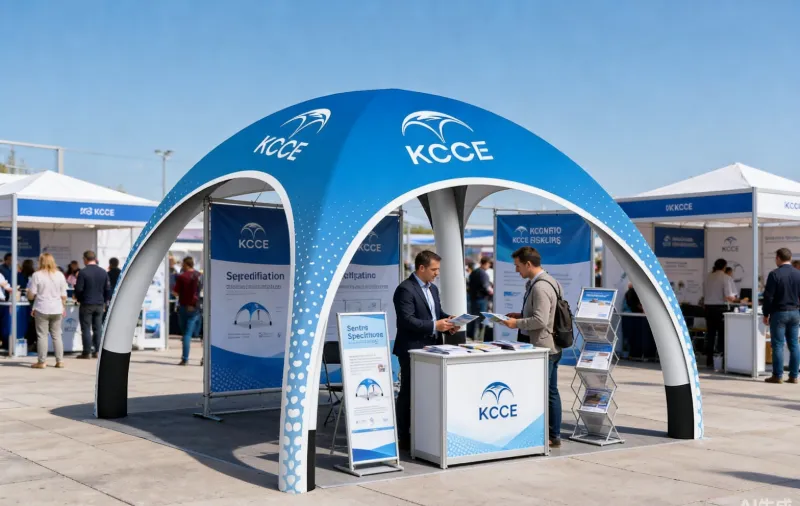
These are the rising stars, and for good reason. Air blowers pump up the structural beams, and suddenly you’ve got shapes and curves that pop-up tents just can’t do. I’ve seen them at product launches and corporate events where all that matters is stopping people in their tracks. Visual impact over setup speed—that’s the trade-off. Is it always the right call? Depends on what you’re trying to pull off.
So how do you choose? It really comes down to your goals. Pop-ups win on convenience and price, no contest. Frame tents win when you need space and stability for bigger setups. Inflatables win on pure wow factor. For most small businesses, though, a quality pop-up canopy is the sweet spot—easy to transport, quick to set up, and you can fully customize it to match your brand. That’s where I’d put my money.
Key Materials and Durability: What to Look For
Material quality is where cheap tents get exposed. And I mean that literally—the cheap ones let rain through and fade within a season.
The two main canopy fabrics you’ll encounter are 500D polyester and 600D PVC-coated oxford. Here’s the breakdown:
| Material | Durability | Weight | Print Quality | Best For |
|---|---|---|---|---|
| 500D Polyester | Good, fades over 3-5 seasons | Lighter | Excellent with dye-sublimation | Indoor events, occasional outdoor use |
| 600D PVC-Coated Oxford | Excellent, can last 5+ years | Heavier | Very good, more durable finish | Frequent outdoor use, harsh conditions |
UV resistance matters more than most people realize. Look for fabrics rated UPF 50+—that means the material blocks over 98% of harmful UV rays, as per the rating standard, which protects both your attendees and your graphics from fading.
Frame material is equally important. Aluminum frames are lighter and easier to transport but can flex in high winds. Steel frames are heavier but more stable. For outdoor trade show tents, I always recommend checking the wind load rating. Industry standards suggest tents should withstand at least 40 mph (64 km/h) winds when properly anchored, as commonly recommended. Anything less and you’re gambling with your equipment—and your safety.
Customization Options: From Graphics to Accessories
This is where the fun really starts. Customizing your trade show tent has come a long way from slapping a logo on a basic canopy. Depending on what you’re willing to spend and what you want to achieve, there are a few solid routes to go.
Dye-Sublimation Printing
If you want the best, this is it. The design gets printed onto transfer paper, then heat-pressed straight into the fabric. Not onto it—into it. That’s the trick. What you end up with is vibrant, edge-to-edge graphics that don’t crack or peel or fade after a couple of shows. Textures and gradients? They render beautifully. For full-bleed designs, this is the only way to go, honestly.
Vinyl Lettering
Now, if you’re watching your budget, this one’s worth a look. Letters and logos get cut from adhesive vinyl and applied right onto the canopy. It looks clean and professional, no doubt. But here’s the limitation: you’re stuck with simpler designs. No gradients, no full-color photos, no wild textures. It does the job, but it won’t blow anyone’s mind.
3D Signage
Want to take things up a notch? Consider adding dimensional letters or a lightbox to your tent. Flat printing is fine, but it can’t create depth. It can’t cast shadows. A lit sign, though? In a dim convention hall or at night, your booth becomes a beacon. People will find you from across the room. Is there any better advertisement than that?
Accessories
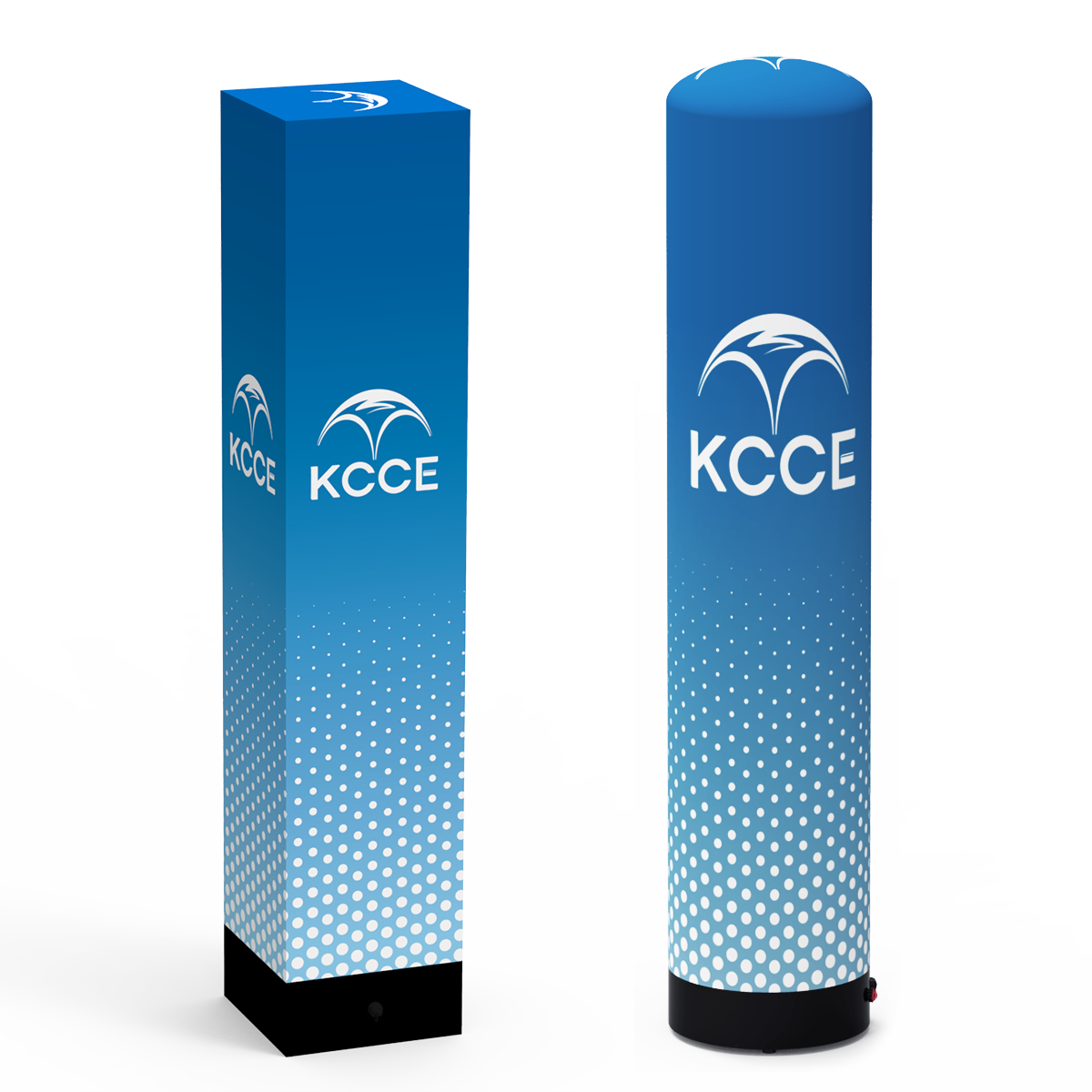
But don’t stop at the canopy alone. Branded side walls, counter tables, display racks, custom flooring—even branded weights and anchoring systems. Every single accessory is another chance to reinforce who you are. One thing worth mentioning: a lot of suppliers, especially those in the expo print space, offer complete packages that bundle all of these add-ons together. You might be surprised how much easier that makes the whole process.
Designing a Custom Trade Show Tent Without Losing Your Mind
Let me walk you through how I handle custom tent design. It’s honestly not that complicated, but there’s definitely a right way and a wrong way to go about it.
Step 1: Nail Down Your Message
Think about what you want people to remember when they walk by. Is it your logo? A specific tagline? Some killer product shot? Pick one thing and make it the star of the show. I’ve seen so many tents crammed with every piece of information a company has ever produced—and nobody reads any of it. Cluttered design just makes people keep walking.
Step 2: Measure Twice, Order Once
Here’s the thing: check your actual booth dimensions before you order anything. A 10×10 space obviously needs a 10×10 tent, but you’d genuinely be shocked at how many exhibitors mess this up. If you’re in a corner or island spot, think about going a size up. That extra space can make your setup feel way more inviting.
Step 3: Use the Design Tools (They’re Actually Decent)
Most custom tent companies give you online design tools to play around with. You upload your logo, pick colors, and drag graphics around on a virtual tent template. Suppliers like MVP Visuals have made this process shockingly painless. I remember my first time using one of these tools, expecting some clunky software—turns out it was pretty intuitive.
Step 4: Review the Proof Like Your Business Depends on It
Always, always ask for a digital proof before they start printing. Go through the colors, double-check spelling, make sure the logo isn’t sitting weird or getting cut off. Because once that thing goes to print? Fixing mistakes gets expensive fast. You don’t want to be the person staring at a misspelled tagline at the show.
Step 5: Don’t Cut It Close on Lead Time
Standard production usually takes two to three weeks. If you need it faster, rush orders exist, but they cost extra—sometimes significantly. I’ve seen people try to order a custom tent a week before their event. Let’s just say that rarely ends well.
So, is designing a custom tent worth the effort? Absolutely. Trade show space is expensive, and your tent is the first thing people see. A little planning goes a long way.
Trade show tents are temporary structures, but don’t let that word “temporary” fool you. Depending on where you’re exhibiting, these things are subject to a surprising amount of regulation. Most blogs skip this part entirely, but honestly, it’s where the pros separate from the amateurs.
In the U.S., you’ll want tents that meet ANSI/UL 1778 standards for flame resistance. That’s not just a nice-to-have—many venues straight-up require proof of this certification before they’ll even let you set up. The fabric needs to be fire-retardant and clearly labeled. You don’t want to be that exhibitor scrambling at the loading dock because your tent doesn’t pass inspection.
Heading to Europe? Different ballgame. There you’re looking at EN 13782, the EU’s standard for temporary structures. It covers design, materials, and safety requirements. If you’re shipping a tent to a European trade fair without meeting this standard, there’s a real chance you’ll be turned away at the venue. And nobody wants to explain that one to their boss.
Wind load is another thing people overlook. It’s worth noting that ASTM D4169-16 is actually about performance testing for shipping containers—which matters if you’re transporting your tent across the country. But for actual wind resistance, you want tents rated to at least 40 mph. Some of the higher-end models handle 50-60 mph, assuming you anchor them properly. Is it worth spending extra for that? If you’ve ever watched a storm roll in over an expo hall, you’d know the answer.
Here’s something else that catches people off guard: fire safety isn’t just about the tent fabric. Your graphics and printed materials need to be flame-retardant too. Most reputable custom tent makers use fire-retardant inks and materials, but don’t take that for granted—verify it yourself. In my experience, a quick email asking for their fire certification saves a lot of headaches later.
Cost Factors: Rental vs. Purchase, Hidden Costs
Let’s talk money. Custom trade show tents aren’t cheap, but they’re often more affordable than people expect—and cheaper than renting long-term.
Rental Costs
Renting a generic tent typically costs $200-500 per event, depending on size and location. Custom rental tents cost more, often $500-1,000 per event, as noted by rental providers. Over a season of 5-10 shows, you’re looking at $2,500-10,000 in rental fees alone. That’s a lot of cash that just vanishes.
Purchase Costs
A quality custom 10×10 pop-up tent with full dye-sublimation printing typically costs around $1,000-1,500, according to industry pricing. A 10×20 might cost $2,000-3,000. Larger frame tents and inflatables can run $5,000-10,000 or more, depending on specifications. Yeah, the upfront hit is real. But here’s the thing—most people don’t think about what happens after show number three.
Here’s the math that convinces most clients: if you exhibit at more than 3 events per year, purchasing may pay for itself within a reasonable timeframe, according to some exhibitors. After that, it’s pure savings. I’ve seen companies burn through their entire rental budget in one season and have nothing to show for it. Honestly, that’s the part that gets people.
Hidden Costs to Watch For
- Setup and teardown labor: Factor in staff time or hire help
- Shipping and freight: Especially for cross-country or international events
- Storage: Tents need proper storage between events
- Maintenance and repairs: Repairs happen; budget for them
- Anchoring equipment: Weights and stakes for outdoor events
- Graphics updates: When your branding changes, reprints cost money
You might be wondering why I’m listing all these—is it really worth the headache? Depends on how many shows you actually do. But one thing I’ve learned: partial quotes are dangerous. Get a quote for custom tent packages that include all accessories upfront. Otherwise, you’ll discover the “extras” that balloon later, and nobody likes surprise invoices.
Shipping, Logistics, and International Considerations
Here’s the thing about shipping a custom trade show tent: it’s way more complicated than you’d think. Most first-time exhibitors assume you just slap a label on it and call it a day. Not quite.
Domestic Shipping
Good news here—most tents come in wheeled cases that fit in standard vehicles. If you’ve got a 10×10 tent, the case usually slides right into an SUV or a small trailer. But if you’re stepping up to something bigger, you’re looking at freight shipping. Do yourself a favor and check the case dimensions before you book transport. I’ve seen people show up with a sedan and a 10-foot case that was never going to fit. Don’t be that person.
International Shipping
Okay, this is where it gets messy. Fast. You’re dealing with customs clearance, import duties, and—depending on where you’re headed—safety standards that might not match what you’re used to. Remember that ASTM D4169-16 standard I mentioned earlier? That’s the one covering shipping container testing. If your tent’s packaging doesn’t meet it and you’re sending it across borders, you’re asking for trouble. Honestly, the paperwork alone can make your head spin.
Freight Options
Let’s break down your choices. Ordering a bunch of tents or something large? Palletized freight is usually your best bet—most economical, all things considered. Just need one tent? LTL (less-than-truckload) shipping works fine. In a hurry? Air freight will get it there fast, but you’ll pay for that speed. On a budget with time to spare? Sea freight is cheapest for big volumes, just don’t expect it to arrive anytime soon.
You might be wondering, “Can’t I just ship it overnight like everything else?” Sure, if you don’t mind your shipping bill eating your entire booth budget.
Customs and Documentation
So you’re shipping internationally. Get your paperwork in order: commercial invoices, packing lists, and possibly certificates of origin. Missing one document can mean your tent sits in a warehouse at the border while your show starts without you. From what I’ve seen, working with a freight forwarder who knows event equipment is worth every penny. They’ve dealt with the headaches before, so you don’t have to.
Maintenance and Longevity: Extending Your Tent’s Life
A custom trade show tent that gets proper care can easily last you five years or more. Leave it neglected, and honestly, you might not get through a single season. Let’s talk about keeping that investment alive.
Cleaning
After each event, grab some mild soap and water and wipe down the canopy. Skip the harsh chemicals—trust me, they’ll eat away at the fabric and dull your graphics faster than you’d think. For those stubborn stains that just won’t budge, a soft brush with gentle pressure does the trick. Don’t go scrubbing like you’re trying to erase a bad memory.
Drying
Here’s the thing: never, ever pack a wet tent. Mildew doesn’t mess around—it can destroy your fabric in a matter of weeks. Give it time to dry completely before it goes back into its case. This is one of those steps people skip, and then they wonder why their tent smells like a basement and starts falling apart.
Inspection
Take ten minutes before each event to really look at your frame. Bent or broken parts? Check the seams and stitching for wear, especially where the fabric attaches to the frame. Look for tears or holes you might have missed during the last teardown. Catching small problems early means you won’t be scrambling to fix something in the middle of a busy show floor. You might be wondering if this is overkill—but it’s way easier than having your tent collapse on you at 9 AM.
Repairs
Small tears? Fabric repair tape works fine for those. Bent frame pieces are a different story—don’t try to bend them back into shape. That weakens the metal and sets you up for a bigger failure down the road. Replace them instead. For anything major, just contact the manufacturer and order the parts. It costs a bit more, but it beats rigging something that gives out at the worst possible moment.
Storage
Keep your tent somewhere cool and dry, preferably in its wheeled case. Extreme heat or cold will wear down both the fabric and the frame over time, even if you don’t notice it right away. And direct sunlight? That’s a slow killer—it fades colors and breaks down materials without you realizing it until it’s too late.
That’s really all there is to it. A little routine care goes a long way when your tent is doing the heavy lifting at every show.
Eco-Friendly Custom Trade Show Tent Options
Sustainability isn’t a nice-to-have anymore in event marketing. Attendees notice what you’re doing. And honestly? They care more than you might think. The good news is that eco-friendly custom trade show tents are way more accessible now than they were just a few years ago.
Recycled Fabrics
A bunch of manufacturers are now producing canopies made from recycled polyester. The performance is pretty much on par with virgin materials, but the environmental footprint is noticeably smaller. If you’re worried about quality, don’t be—it holds up just fine.
Sustainable Printing Inks
Traditional solvent inks are being phased out in favor of water-based and eco-solvent options. These produce fewer VOCs, which is a win for the workers handling them and, well, the planet. You might wonder if the colors look as vibrant. In my experience, they do—sometimes even better because the ink sits differently on certain fabrics.
Carbon-Neutral Shipping
Here’s something that’s picking up steam: some suppliers now offer carbon-neutral shipping. They offset the emissions from getting your tent to the event site. It’s not a massive game-changer on its own, but every little bit counts when you’re trying to keep your carbon footprint in check.
Longevity as Sustainability
This one often gets overlooked, but think about it: the most sustainable tent is the one you don’t have to replace every year. Spending a bit more upfront on a high-quality tent that lasts five years or more is inherently greener than buying cheap ones annually. That’s not just good for the environment—it’s good for your budget too. So before you splurge on the cheapest option, ask yourself: is it really worth it in the long run?
Case Studies: Successful Custom Trade Show Tent Campaigns
Want to see what’s actually possible? I’ve gathered some real-world examples that show the potential. I can’t reveal specific client names due to confidentiality, but the patterns I keep seeing at CES, SXSW, and international trade fairs are pretty consistent.
The Product Launch
Imagine a tech startup that turned their product into a tent. Not figuratively—they had a custom inflatable structure shaped exactly like their product. It was dramatic, totally Instagram-worthy, and the thing drew crowds from morning to closing time all week. The best part? That tent became the backdrop for hundreds of social media posts. People couldn’t help themselves. Those posts extended their reach way beyond the show floor, long after the event ended.
The Brand Reinvention
Here’s another one. A legacy manufacturer arrived at a major industry trade show with a fully customized frame tent. Bold new branding, LED lighting, interactive product displays—the whole package. You might be thinking, sure, that sounds nice, but did it work? The numbers say yes: they saw an increase in qualified leads compared to their previous show. That’s not a fluke.
The Budget-Conscious Exhibitor
Now, not everyone has a six-figure budget to blow on a tent. One small business with modest means invested in a high-quality custom 10×10 pop-up tent with dye-sublimation graphics. They were one of the smallest booths at the event. Honestly, I was skeptical when I first heard the story—how much could a 10×10 really do? But their tent stood out precisely because it looked so professional. They reported an increase in booth traffic compared to their previous generic tent. Double. Just from upgrading the look.
What’s the common thread here? Each of these exhibitors treated their tent as a marketing investment, not an expense. They planned their graphics carefully, picked the right size and type for their goals, and executed everything professionally. Is that really so hard to replicate? Not at all. It just requires the mindset shift before you start spending money on a show.
Frequently Asked Questions
Q: What does “custom” mean?
When we talk about custom trade show tents, we’re not just throwing around a buzzword. It means the entire tent—the structure, the printing, everything—is built around your brand. Your logo goes where you want it. Your brand colors are front and center. The messaging on the sides? That’s yours too. You pick the graphics, the layout, the vibe.
Compare that to a generic tent. Those are identical for every exhibitor who rolls up to a show. With a custom tent, you’re getting something that makes your booth instantly recognizable. It’s your space, your identity, on display.
Q: Is it costume or custom?
People mix these up all the time, and honestly, it’s easy to see why. They sound almost identical. But the meanings? Completely different worlds.
“Costume” is what you wear when you’re dressing up as someone or something else—a character, a theme, a persona. Think Halloween, theater, cosplay.
“Custom,” on the other hand, means made to order. Personalized. Built to your exact specifications. So when you order custom trade show tents, you’re getting something tailored specifically to your brand. Not costumes. Not even close. Different words, very different outcomes.
Q: What is an example of a custom?
A custom is essentially a personalized specification or a modification made to fit your specific needs. Let me give you a real scenario.
Say you’re a company that wants a 10×10 pop-up canopy for an upcoming expo. You don’t just grab one off the shelf. You order one with dye-sublimation printing—crisp, vibrant, embedded into the fabric—featuring your company logo on all four sides, your brand colors splashed across the panels, and a promotional message that speaks directly to your target audience. That tent is yours. It’s designed for your business, not mass-produced for the masses.
Q: What is customs meaning?
Ah, this one trips people up too. In international trade, “customs” is the government agency that regulates what comes into and goes out of a country. They’re the ones checking shipments, enforcing regulations, and collecting duties and taxes on imported goods.
So here’s the thing—if you’re shipping custom trade show tents across borders, you’re going to deal with customs. That means paperwork. That means documentation. And yes, possibly paying import duties depending on where you’re sending them. It’s a necessary step if you’re exhibiting internationally, so budget for it and plan ahead.
References
- Custom Trade Show Tents for Booths, Expos & Events – MVP Visuals
- Trade Show Tents – Lush Banners
- Custom Design Trade Shows & Exhibitions Canopy Tents – ExpoPrint
- Trade Show Tent – Creative Structures Worldwide