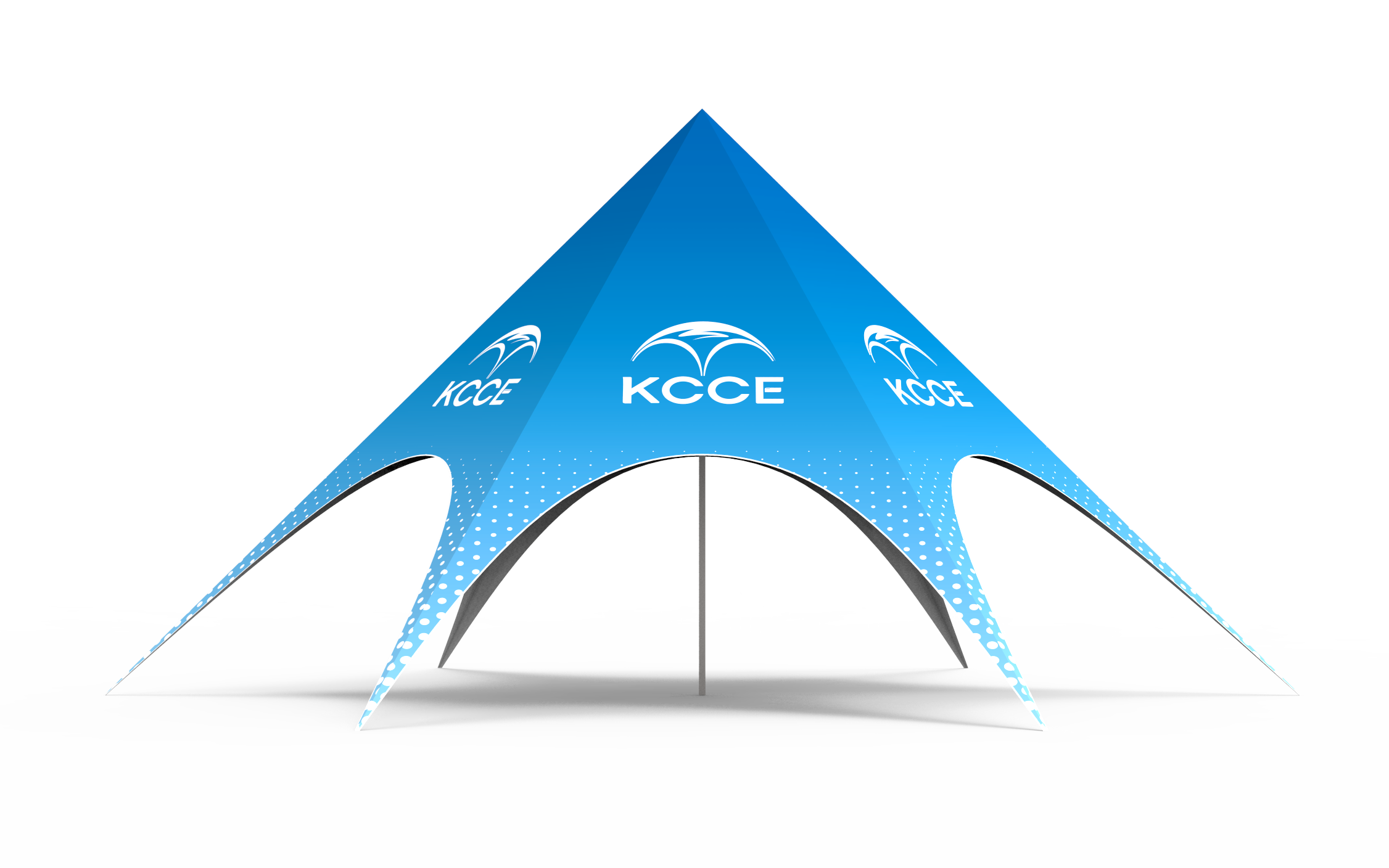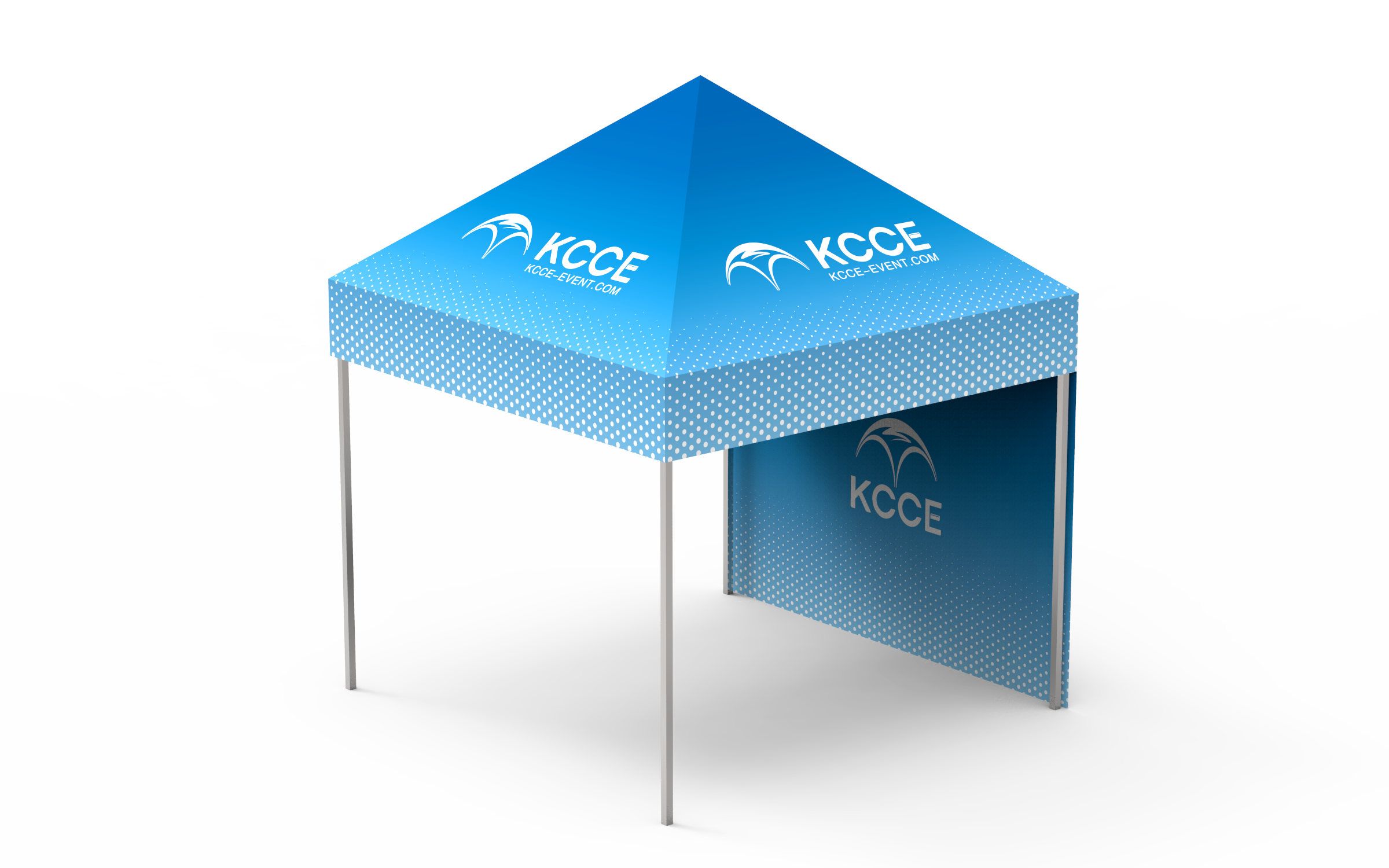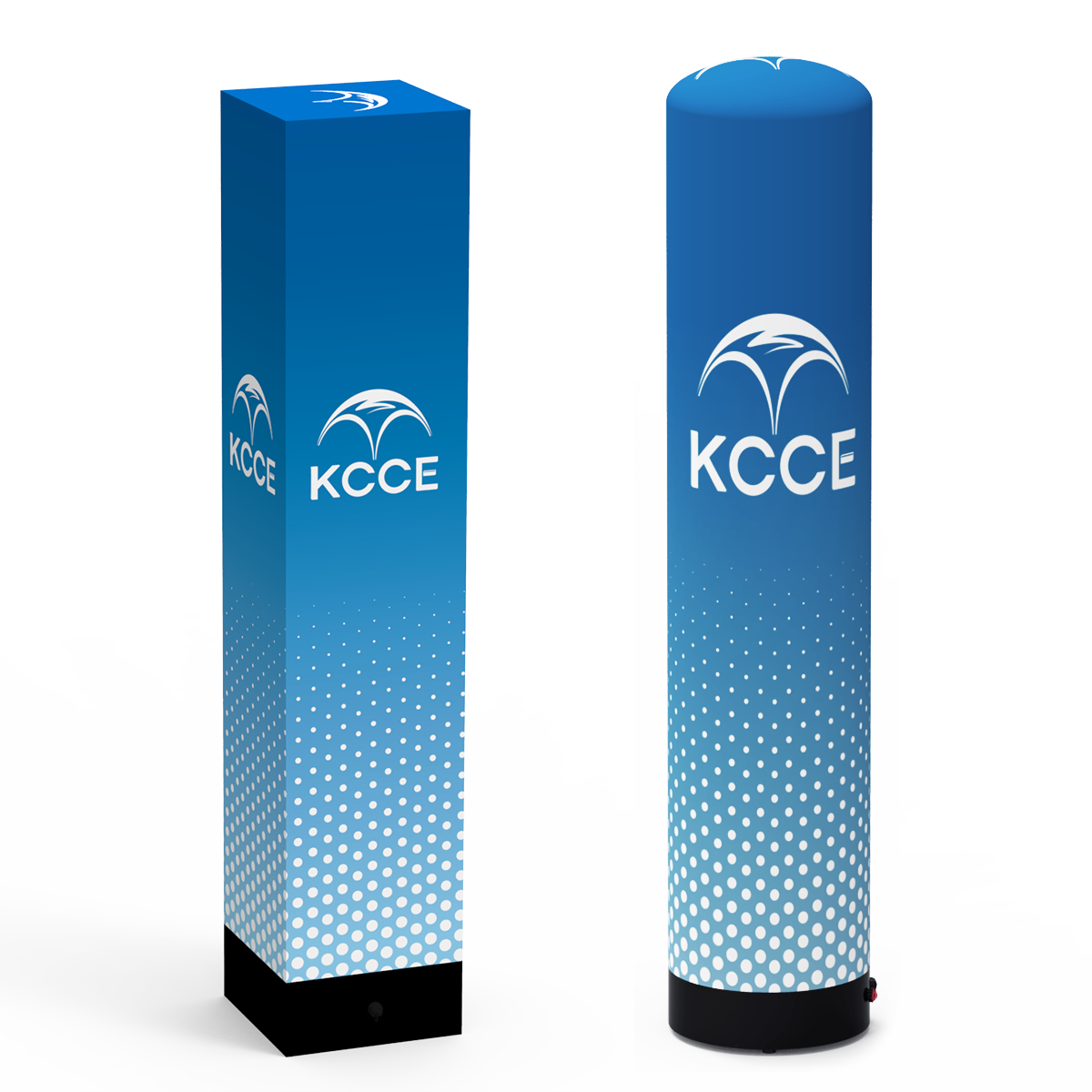
In today’s fast-paced world, decision-makers face challenges in quickly sourcing reliable, durable, and easy-to-deploy shelters for diverse needs — from outdoor events to emergency disaster relief. Traditional tents often fall short in agility and operating manual time, creating bottlenecks during critical moments. Inflatable shelter tents have emerged as a game-changing solution, combining rapid deployment with superior structural integrity and versatility. This article offers an in-depth analysis of inflatable shelters, exploring their features, benefits, supplier landscape, and real-world applications. You’ll gain actionable insights to make informed procurement decisions and optimize operational outcomes.
What Is an Inflatable Shelter? Definition and Key Features
An inflatable shelter is a temporary structure that uses air-filled beams or chambers to form its frame, replacing traditional rigid poles and supports found in conventional tents. Unlike traditional tents, which rely on metal or fiberglass poles, inflatable shelter tents utilize pressurized air to achieve structural stability, allowing for rapid inflation and deflation.
Key Design Components and Materials
- Air Beams: Made from high-strength materials such as PVC (Polyvinyl Chloride) or TPU (Thermoplastic Polyurethane) coatings, these beams serve as the skeleton of the shelter.
- Fabric pop up canopy tents: Typically constructed from waterproof and UV-resistant fabrics, often reinforced with ripstop nylon or polyester.
- Inflation Mechanism: Electric or manual pumps rapidly inflate the beams, creating a taut and stable frame.
- Modularity: Many inflatable shelters are designed with modular sections that can be connected for scalability, enabling customization of size and shape.
How Inflatable Shelters Operate
The shelter begins as a compact, folded package. Upon arrival, the inflation pump channels air into the beams, which expand and lock into place. This method eliminates the need for complex pole assembly, significantly reducing setup time. Deflation is equally simple, allowing the shelter to collapse back into a compact form for storage and transport.
Durability and Certification
Modern inflatable shelters undergo rigorous testing for puncture resistance, flame retardancy, and weatherproofing. Certifications such as NFPA 701 for flame resistance and ISO standards for material durability often apply.
Diagram: A cross-sectional infographic can illustrate an inflatable shelter tent’s air beam, fabric layers, and anchoring points, providing a clear visual understanding of its structure.
Benefits of Inflatable Shelters Over Traditional Options
Fast Setup and Takedown
Inflatable shelter tents can be deployed in as little as 10-15 minutes, compared to traditional tents which may require hours and skilled labor. This rapid setup drastically reduces labor costs and downtime, critical in emergency or time-sensitive scenarios.
Lightweight and Highly Portable
Thanks to the absence of heavy poles and rigid frames, inflatable shelters are significantly lighter and more compact when packed. This makes transport easier, especially to remote or hard-to-access locations.
Superior Weather Resistance and Durability
Inflatable shelters are engineered to withstand harsh weather conditions, including strong winds, heavy rain, and snow loads. The air beam structure can flex without breaking, providing resilience that traditional rigid-frame tents often lack.
Data-Backed Comparison
| Feature | Inflatable Shelter Tent | Traditional Tent |
|---|---|---|
| Average Setup Time | 10-15 minutes | 1-3 hours |
| Weight per sqm | 3-5 kg | 10-15 kg |
| Wind Resistance | Up to 100 km/h+ | Up to 60 km/h |
| Portability | High | Moderate |
User Testimonials
A disaster relief organization noted, “Our inflatable shelter tents allowed us to provide safe and weather-resistant cover within an hour of arrival, significantly faster than our previous solutions.”
Key Use Cases and Industry Applications of Inflatable Shelters
Outdoor Events and Festivals
Inflatable shelters offer scalable solutions for event organizers requiring rapid, visually appealing structures. Their modular designs allow for seamless expansion, and the smooth fabric surfaces can be branded or illuminated, enhancing aesthetics.
Disaster Relief and Emergency Response
The speed and ease of deploying inflatable shelter tents make them ideal for emergency shelters, field hospitals, and command centers. Their weather resistance ensures reliable protection for vulnerable populations.
Military and Remote Operations
Military units value inflatable shelters for their robustness, portability, and modularity. These shelters provide quick cover in remote or hostile environments, supporting operations with minimal logistical burden.
Commercial and Industrial Applications
In industries like construction and warehousing, inflatable shelters provide temporary workspaces, storage areas, or protective canopies that can be set up and dismantled with minimal disruption.
Case Study Example
During the 2023 flood response in Southeast Asia, inflatable shelter tents were deployed across multiple sites, reducing setup times by 70% compared to traditional tents and providing durable protection for over 1,000 displaced individuals.
How to Choose the Right Inflatable Shelter: Factors and Supplier Evaluation
Important Selection Criteria
- Size and six person inflatable tents: Assess the number of occupants or equipment to be sheltered.
- Material Quality: Opt for high-grade PVC or TPU coatings with proven durability.
- Durability: Look for puncture resistance, UV protection, and flame retardancy.
- Ease of Setup: Evaluate inflation mechanisms and anchoring systems.
- Modularity: Consider if expandable units are necessary.
Supplier Evaluation Framework
- Delivery Lead Time: Critical for time-sensitive projects.
- Customization Options: custom tent printed inflatable tents options, size, and additional features.
- After-Sales Service: Warranty, spare parts availability, and technical support.
- Certification and Compliance: Ensure suppliers meet industry standards.
Price Range and Cost-Benefit Analysis
| Model Type | Price Range (USD) | Features |
|---|---|---|
| Basic Inflatable Shelter Tent | $1,500 – $3,000 | Small size, manual inflation |
| Mid-Range Modular Units | $4,000 – $8,000 | Larger size, electric pumps |
| Premium Customized Shelters | $10,000+ | Full customization, advanced materials |
Supplier Scorecard Template can help decision-makers comparatively rate suppliers on delivery, quality, and service to identify the best-fit partner.
Step-by-Step Guide to Setting Up an Inflatable Shelter
Pre-Setup Preparations and Site Considerations
- Choose a flat, debris-free surface.
- Ensure sufficient space for shelter footprint and anchoring.
- Prepare inflation equipment and power sources.
Inflation and Anchoring Steps
- Unfold the inflatable shelter tent on the designated area.
- Connect the inflation pump and begin inflation according to manufacturer instructions.
- Monitor pressure gauges to avoid over or under-inflation.
- Secure anchoring points using stakes or weighted anchors, ensuring stability.
- Attach any modular sections or accessories as needed.
Safety Checks and Maintenance Tips
- Verify all seams and valves for leaks post-inflation.
- Regularly inspect fabric for tears or damage.
- Clean after use with appropriate materials to avoid degradation.
- Store in a dry, temperature-controlled environment to prolong lifespan.
Checklist: A printable setup and maintenance checklist can streamline operations and ensure no critical step is missed.
Regional Market Insights and Procurement Tips for Inflatable Shelter Suppliers
Key Regional Markets Overview
- North America: Mature market with strong demand in disaster relief and commercial sectors.
- Europe: Emphasis on high-quality materials and compliance with strict safety standards.
- Australia: Growing market focused on outdoor events and emergency services.
Local Regulations and Logistics
Compliance with regional safety and environmental regulations affects supplier selection. Logistics challenges such as customs clearance and shipping times vary, influencing procurement timelines.
Best Practices for Localized Procurement
- Engage suppliers with local warehouses or service centers.
- Negotiate contracts including maintenance and training.
- Leverage regional trade shows and industry events for direct supplier evaluation.
Example Vendor List by Region
| Region | Notable Inflatable Shelter Suppliers |
|---|---|
| North America | KCCE, ShelterWorks, Inflatable Structures Inc. |
| Europe | AirTent Solutions, EuroShelters |
| Australia | AusInflate, ShelterPro |
Frequently Asked Questions (FAQs) About Inflatable Shelters
How much does an inflatable shelter cost?
Prices range from $1,500 for small basic models to over $10,000 for large, customized units. Cost depends on size, materials, and features.
Are inflatable shelters durable in extreme weather?
Yes, they are designed with high-strength materials and tested for wind, rain, and UV exposure, often outperforming traditional tents.
How does setup time compare with traditional tents?
Inflatable shelter tents typically set up in 10-15 minutes, significantly faster than the 1-3 hours required for traditional tents.
Can inflatable shelters be customized?
Most suppliers offer options for branding, sizes, and modular expansions to fit specific needs.
What maintenance is required?
Routine inspection for leaks, cleaning, and proper storage are essential to maintain durability.
Inflatable shelters provide a versatile, efficient, and reliable solution for diverse temporary shelter needs. By understanding their features, evaluating suppliers carefully, and considering regional factors, decision-makers can significantly optimize deployment efficiency and cost-effectiveness. Ready to explore the best inflatable shelter options for your needs? Contact our expert team for tailored advice and supplier recommendations to ensure your next project succeeds with confidence.