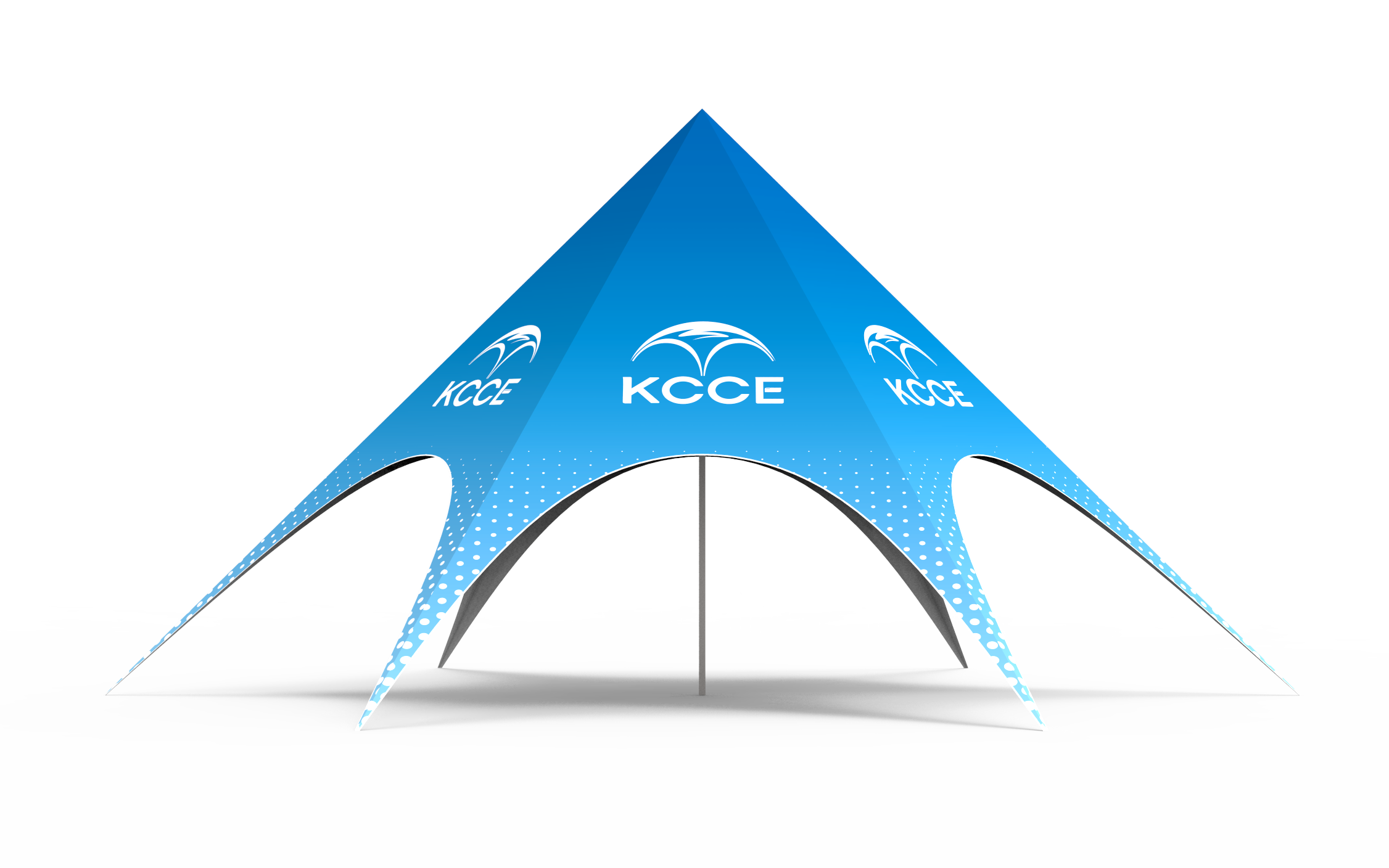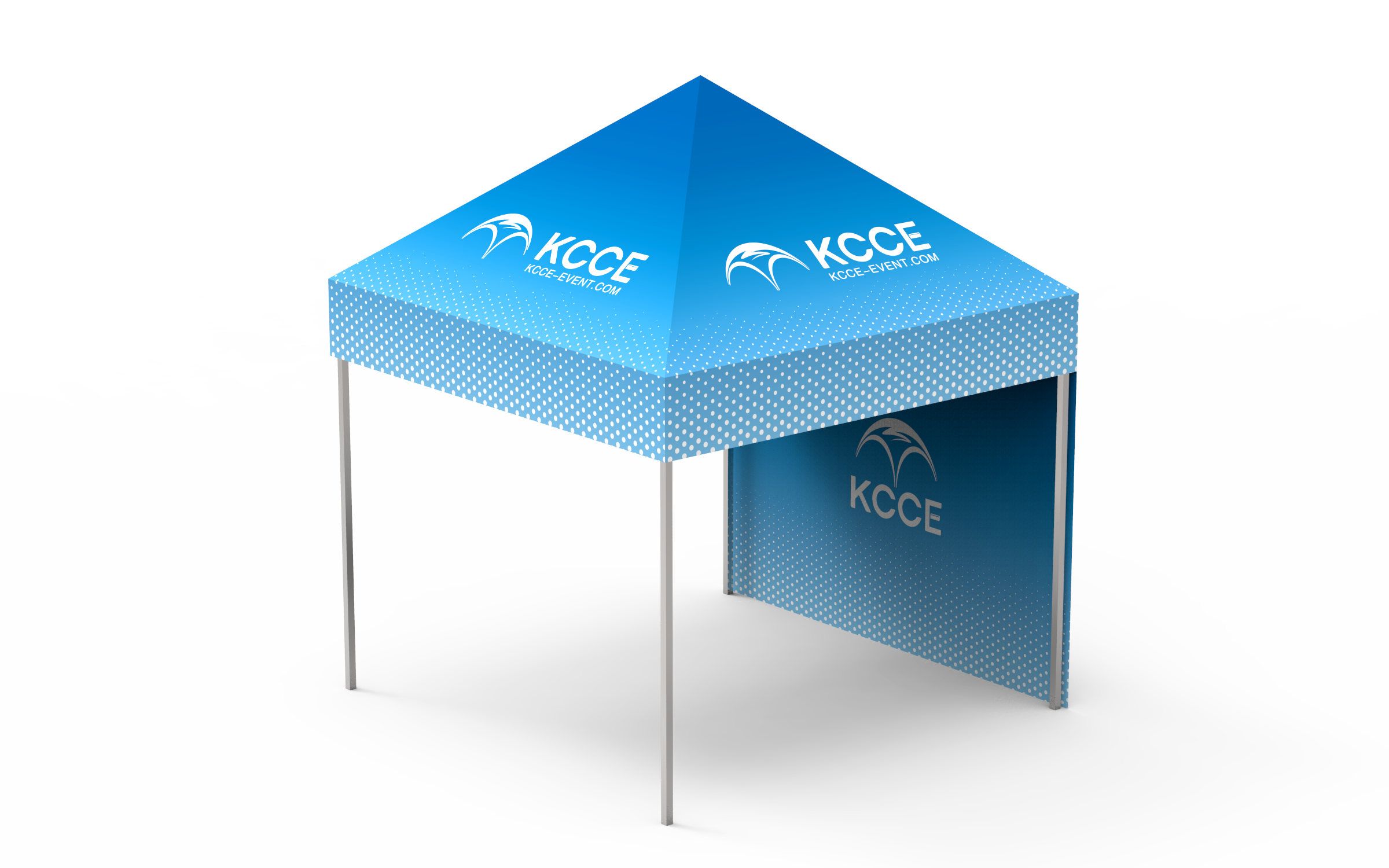
Why Your Business Needs an Inflatable Advertising Tent
Picture this: you’re three weeks out from the biggest trade show booth tents of the season. Booth space is locked in, product samples are packed, the giveaway swag is ordered. Then you glance at your canopy—the same generic pop-up every other vendor in the hall is using. Your brand is about to drown in a sea of white polyester and aluminum frames.
Sound familiar? It should. I’ve been in the event branding world for years, and I’ve watched business owners trip over the same hurdles again and again. They buy on price alone, ignore wind ratings, underestimate setup logistics—and end up with a tent that looks fantastic in the showroom but folds like a cheap lawn chair at the first real gust.
Here’s the thing. An inflatable advertising tent isn’t just a shelter. It’s a billboard, a brand statement, and a crowd magnet all rolled into one. Get it right, and you could triple your booth traffic. Get it wrong? That’s a $3,000 mistake that’ll be gathering dust in your garage for the next decade. You might be wondering if it’s really worth the hassle. I get it.
But if you’re trying to pick the right inflatable tent for your business, the process can feel overwhelming—not because there aren’t enough options, but because there are too many. Every manufacturer claims theirs is the best, every price point seems reasonable until you dig deeper, and suddenly you’re drowning in spec sheets and pressure ratings.
So let me share what I wish someone had told me before my first purchase. Think about the events you actually attend. How often are you setting up? Is it a weekend farmers market or a week-long industry expo? The answers change everything. A lightweight model makes sense for monthly pop-ups, but if you’re hauling gear across the country, you’ll want something sturdier—even if it costs more upfront.
Then there’s the branding side. Your tent is essentially a 10-foot-tall business card. Can you swap the graphics easily when you rebrand? Does the shape actually match your logo’s vibe? I’ve seen companies buy rounded dome tents for sharp, angular brand identities, and trust me, the mismatch is painfully obvious.
And let’s talk budget—honestly, this one trips people up the most. I’m not saying you need to splurge, but the cheapest option usually isn’t the cheapest in the long run. Replacement parts, repairs, and the cost of looking unprofessional add up fast.
At the end of the day, a practical checklist—event type, frequency, branding needs, budget—will steer you right. No fluff, no vendor hype. Just the stuff that actually matters when you’re standing in a windy parking lot at 7 AM wondering if your tent will survive the day.
What Is an Inflatable Advertising Tent? A Complete Definition
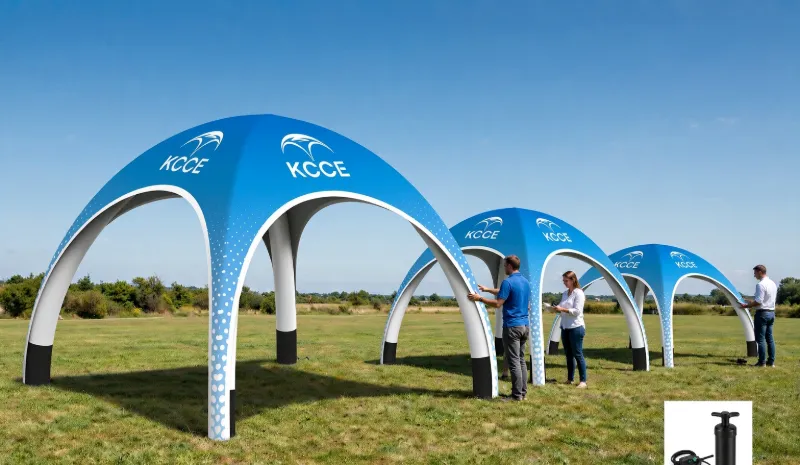
Let’s get the basics straight before we go any deeper. An branded inflatable tents — you might also hear it called an inflatable canopy tent or an air dome tent — is a portable structure that holds its shape using air pressure. No metal poles, no rigid frame. Instead, it runs on inflatable beams or chambers kept pressurized by a continuous blower.
The construction is almost laughably simple. High-strength fabric — typically PVC-coated polyester or vinyl — gets cut and welded into shape. When the blower pushes air in, the chambers swell and the whole thing rises. Keep the air flowing, and the tent stays rigid. Cut the power, and it just collapses into a pile of fabric that fits in a rolling bag. That’s it.
Of course, there are a few different setups you’ll come across. The inflatable pop-up tent is the most common — it uses inflatable beams that arch over the space, kind of like a traditional frame tent but without all the metal. The air dome tent is a whole different animal, honestly. It’s fully pressurized with no internal beams at all, more like a bouncy castle in shape than anything you’d normally pitch. And then there are event inflatable shelters, which blend inflatable frames with traditional canopy designs. You get the big branding impact of a dome while keeping the familiar footprint of a regular canopy.
So what actually sets these apart from a standard branded canopy tent? It comes down to the structural logic. A traditional canopy holds its shape through tension on a metal frame. An inflatable holds its shape purely through air pressure. That one difference drives everything else — how fast you can set it up, how it handles wind, how portable it really is, and what it’s going to cost you. Everything else is just details on top of that.
Inflatable Tents vs. Pop-Up Tents vs. Frame Tents: 2026 Comparison Matrix
Here’s where most buyers get stuck, so let’s just settle it with a side-by-side comparison. I’ve gone through the industry data from sources like KCCE Event’s buyer guide, and honestly, the differences are pretty stark.
| Factor | Inflatable Tent | Pop-Up Canopy | Frame Tent |
|---|---|---|---|
| Setup time | 5–10 minutes with blower | 15–30 minutes with 2+ people | 45–90 minutes with crew |
| Wind rating | 50–60 mph typical | 25–35 mph typical | 60–70 mph with proper anchoring |
| Starting price | ~$2,000 | ~$300 | ~$1,500 |
| Portability | Folds to rolling bag | Folds to bag, but bulky | Heavy, requires vehicle |
| Branding surface | 360° uninterrupted | Limited to roof/side panels | Good, but framed sections |
| Power requirement | Continuous blower | None | None |
| Lifespan | 5–10 years with care | 1–3 seasons | 10+ years |
Now, some of you might push back on those wind numbers. Fair enough — they vary by manufacturer and model. But the pattern holds. Inflatable tents handle significantly higher wind loads than pop-ups, largely because the air-filled beams flex and absorb gusts instead of resisting them rigidly. It’s a design thing, not just marketing talk.
The comparison gets more interesting when you factor in branding. An inflatable canopy tent gives you one seamless, curved surface that can be printed edge-to-edge with your logo, messaging, and imagery. A pop-up has that central pole and frame structure that breaks up your graphics — you end up with those awkward cuts right through your design. A frame tent has cleaner lines, sure, but it just doesn’t have the same visual drama.
Here’s my honest take: if you’re exhibiting more than five times a year, or standing out matters more than saving a few bucks, go inflatable. If it’s a once-a-year event and budget is tight, rent one or just stick with a pop-up. No shame in that — it’s just math. What’s the point of buying premium gear you barely use?
Key Factors to Consider When Choosing an Inflatable Tent for Your Business
Most people start shopping for an inflatable tent by looking at price and size. That’s exactly backwards. Before you even pull out a tape measure, you need to answer four questions.
What’s your primary event type? A trade show inside a convention hall is a completely different beast than a muddy music festival or a sunny street fair. Indoor events let you relax a bit on anchoring and materials. Outdoors, though? You’re dealing with wind resistance, UV-stable fabrics, and sometimes fire certifications just so the venue’s insurance will let you through the door.
I’ve seen too many people skip this step and end up with a tent that’s perfect for a parking lot but useless in a field.
How often will you actually use it? This is the biggest factor in whether you should buy or rent, honestly. Running a weekend activation every month? Buying makes sense. One annual expo? Just rent it. The math isn’t complicated — I’ll get into the numbers in the cost section, but the decision usually comes down to how many times a year you’re setting this thing up.
What’s your branding priority? Are you trying to grab attention from across a crowded hall, or do you need usable space to show products and talk to customers? An air dome tent is a statement piece — it’s loud, it’s bold, it demands to be seen. An inflatable pop-up tent is more of a workhorse, giving you covered room for tables, displays, and actual conversations. You can’t have both equally, no matter what the marketing photos suggest.
Who’s setting it up? Here’s something people forget: inflatable tents need a blower, and blowers need power. If your event doesn’t have electricity at the booth, you’re hauling a generator or battery backup. And while setup is faster than a frame tent, it’s not instant — you still have to unroll, position, and anchor the whole thing. If you’re flying solo, plan for that extra hour.
One thing worth mentioning about quality versus price, because this comes up every time someone posts about tents online. I’ve watched people grab cheap inflatable event tents from auction sites and then complain when they leak air or fade after one season. You get what you pay for, plain and simple. The fabric weight, the welding quality, the blower reliability — that’s where your money actually goes. A $500 inflatable tent isn’t a bargain. It’s a future repair bill wearing a discount sticker.
Tent Size Guide: How to Select the Right Dimensions for Your Event
“What size inflatable tent do I need for a trade show?” — I get asked this constantly, and the honest answer is “it depends.” But there’s a framework that actually works, and I’ll walk you through it.
Start with your booth space dimensions. Trade show booths run standard sizes — 10×10, 10×20, 20×20 — and your tent has to fit within that footprint. Push it too far and you’ll be in hot water with event organizers and fire marshals before you even set up. That’s not a conversation you want to have.
Now, what’s going inside? That’s the real question. Just handing out flyers and grabbing leads? A 10×10 will do the job fine. Need product displays, seating for consultations, or a live demo area? Then you’re looking at a 10×20 or bigger. In my experience, exhibitors almost always underestimate their space needs — they figure they’ll squeeze things in, then regret it by day two.
Here’s a practical sizing guide based on what I’ve actually seen work in the field:
- 10×10 (3x3m): Perfect for standard trade show booths, craft fairs, and street fairs. Fits a table, a couple of chairs, and a presenter. This is the entry-level inflatable canopy tent size, and honestly, it’s where most people start.
- 10×20 (3x6m): The workhorse for serious exhibitors. Room for multiple tables, product displays, and a small meeting area. If you’re planning to have real conversations at your booth, this is the sweet spot.
- 20×20 (6x6m): Festival booths, food and beverage operations, sports sponsorship activations. At this size, inflatable event tents start to feel like actual buildings. You could almost host a small party in there.
- Dome tents (various): These are more about visual impact than usable space. An air dome tent is a landmark, not a workspace. Think entry statement or photo opportunity — not where you’d want to run your day-to-day operations.
Here’s something that catches first-time buyers off guard: the footprint of an inflatable tent is often larger than the usable interior space. The inflatable beams eat up room, and the anchoring system extends past the edges. So that spec sheet? Don’t just glance at it — check both the inflated dimensions and the actual usable space. Otherwise you might show up with a tent that looks right on paper but leaves you fighting for every square foot.
Branding and Customization: Printing Techniques, Materials, and Design Rules
This is where inflatable advertising tents really shine. A branded canopy with your logo printed on the roof? Sure, that’s fine. But an inflatable tent with your brand wrapped around every single surface? That’s a spectacle. People will stop. They’ll take photos. They’ll remember you.
The two most common printing methods are dye-sublimation and screen printing. Dye-sublimation is the gold standard if you want full-color, photographic quality graphics on polyester. The ink actually infuses into the fabric fibers, so it won’t crack or peel no matter how many times you pack it up. Screen printing, on the other hand, is more limited—usually one to four colors—but it’s durable and cost-effective for simple designs. If you’re on a budget and your logo is straightforward, screen printing gets the job done.
Now, when you’re designing graphics for an inflatable tent, there are a few rules I’ve learned the hard way. Trust me on these.
First, avoid large areas of solid dark colors. They absorb heat, which raises the internal temperature and puts more strain on the blower. Light colors reflect heat and keep the structure cooler—and your visitors happier. Second, keep critical text away from seams and welds. The printing process doesn’t always align perfectly across panels, and there’s nothing worse than your phone number getting sliced in half. Third—and this one trips up a lot of people—design for the curved surface. What looks great on a flat screen will distort when it’s wrapped around an inflatable beam. You wouldn’t print a business card on paper and wrap it around a soda can, would you? Same logic applies here.
Most manufacturers offer custom inflatable tent services with free design proofs. The good ones will actually work with you to optimize your artwork for the specific tent shape and size. Don’t skip this step. Honestly, a poorly designed tent looks worse than no tent at all—it’s a billboard for sloppiness.
Material choice matters just as much as the printing. PVC-coated polyester is the industry standard—it’s durable, weather-resistant, and takes printing well. Vinyl is heavier and more rigid, but it offers better UV stability for long-term outdoor use. If you’re doing desert events or strong sun, look for fabrics with heat-reflective coatings. And for winter activations? You’ll need materials that stay flexible in cold temperatures—standard PVC can become brittle below freezing, and a cracked tent is a wasted investment.
Durability and Safety: Wind Ratings, Fire Certifications, and Weather Resistance
Let’s talk about the stuff that keeps you out of trouble—and out of the hospital.
Wind resistance is the big one. Inflatable tents are typically rated for winds of 50–60 mph, which is significantly better than the 25–35 mph rating of most pop-up canopies. But here’s the catch: that rating assumes proper anchoring. An unanchored inflatable tent is a kite waiting to happen.
The relevant standards are ASTM D4166 for inflatable amusement devices and EN 13782 for temporary structures. These standards define testing procedures for wind load, structural integrity, and safety. When you’re comparing tents, ask for the manufacturer’s test data. Reputable manufacturers like Inflatable 2000 and Airquee publish their wind load testing results. If a vendor can’t tell you the wind rating, walk away.
Fire safety is non-negotiable for event venues. Most venues require tents to meet NFPA 701—the standard for flame propagation of textiles—or CPAI-84, which is specific to tents and awnings. In my experience, a significant percentage of event venues now require these certifications before they’ll even issue a permit. Don’t assume your tent is compliant—check the label. Fire-retardant treatments can degrade over time, especially with repeated washing or exposure to the elements.
Weather resistance goes beyond wind. UV exposure degrades fabrics over time—look for materials with UV inhibitors. Rain and humidity can cause mold and mildew if the tent is stored wet. Snow load is a real consideration for winter events—a heavy snowfall can collapse a tent that isn’t rated for the weight. Ask about the manufacturer’s snow load rating if you’re planning winter activations.
Setup Time, Inflation Systems, and Power Requirements
This is the stuff event planners lose sleep over, and honestly, they have every reason to. Setup time isn’t just a scheduling detail — it’s money sitting on the table.
Here’s the reality: an inflatable canopy tent goes from bag to standing in about 5 to 10 minutes, and all it takes is a blower. That’s it. Now compare that to a pop-up canopy, which usually eats up 15 to 30 minutes of your time and needs at least two people wrestling with poles. And a frame tent? You’re looking at 45 minutes to over an hour, plus a whole crew. Over the course of a season, those minutes add up fast. You might be wondering if the time savings really matter that much — but when you’re doing back-to-back events, they absolutely do.
But here’s the thing that nobody tells you upfront: the blower. Inflatable tents don’t just stay up on their own. They need a constant flow of air, which means that blower is running from the moment the tent goes up until the moment you take it down. So you’re either plugging into a wall outlet, or you’re hauling a generator around, or you’re investing in battery backup. There’s no way around it.
The blowers themselves vary quite a bit. A standard commercial one runs at roughly 60 to 70 decibels — think normal conversation or a dishwasher humming in the next room. But I’ve seen some budget models that are noticeably louder, and that becomes a real problem when you’re setting up in a quiet indoor venue or a library courtyard. Ask about the decibel rating before you hand over your credit card. Trust me on this one.
Power draw is worth thinking about too. A typical blower pulls about 1 to 1.5 amps on a standard 120V circuit, which most venues can handle without complaint. But if you’re running multiple tents at once, or you’ve got a sound system, lights, and a coffee cart all on the same circuit, you’re flirting with a tripped breaker. Some manufacturers now offer battery backup systems that’ll keep the tent inflated during brief outages. If you work in areas where the power’s unreliable, that’s not a luxury — that’s peace of mind.
And finally, pay attention to how the inflation system is built. Good tents come with multiple inflation points and separate chambers, so if one beam gets punctured or fails, the rest of the structure stays standing. Look for those separate inflation zones specifically. In my experience, that redundancy is the difference between a minor hiccup and a full collapse at the worst possible moment.
The Real Cost of Buying vs. Renting an Inflatable Tent
Let’s talk money, because that’s where decisions actually get made.
A custom inflatable tent will run you anywhere from about $2,000 to north of $15,000 depending on size, complexity, and how much you customize it. That’s no small chunk of change for most small businesses. But here’s the thing—when you stack it against renting for every single event, the math can surprise you.
Let me walk you through a simple way to think about the return. Say you’re doing six events a year and each rental sets you back $500 to $1,000 depending on the tent size and any customization you need. That’s $3,000 to $6,000 a year just on rentals. Over three years? You’re staring at $9,000 to $18,000. Now think about this: a tent priced at $5,000 to $8,000 basically pays for itself within the first year or two. Is it really worth dragging that expense out year after year?
But hold on—there are costs you won’t see on the rental invoice, and they can sneak up on you.
Shipping and logistics are the big ones. Inflatable tents are bulky and heavy, no way around it. Smaller tents can go through parcel carriers, but once you scale up, you’re looking at LTL freight (that’s less-than-truckload, if you’re not familiar). And if you’re shipping internationally, brush up on the HS code for inflatable tents—it’s 6306.22—because customs will ask, and you don’t want to fumble that one. Then there’s storage. You need a clean, dry space to keep the tent between events, and that’s not always as easy to find as you’d think.
Maintenance is another beast. Blowers need servicing now and then. Fabrics get patched—most manufacturers sell repair kits, which helps. From what I’ve seen, you should plan on setting aside 5-10% of the purchase price every year just for upkeep.
Honestly, renting makes sense in some situations. If you’re doing one-off events, testing a new market, or still figuring out what tent configurations work best for you, renting is the smart play. It’s also the way to go if you don’t have storage space or a vehicle that can haul a large tent. No shame in that.
But for businesses that exhibit on the regular, buying is almost always the better long-term move. Your branding stays consistent, the tent is always there when you need it, and the cost per use drops off a cliff over time. Once you’ve used it ten, twenty, thirty times, that initial investment starts looking pretty small.
Industry-Specific Recommendations: Trade Shows, Festivals, Sports, Retail, and Food & Beverage
Different industries have different needs, and the right tent for a tech company at CES is not the same as the right tent for a food truck at a music festival.
Trade shows and corporate events: You’re indoors, on a flat floor, with power available. That changes everything. Your priority here is branding impact and professional appearance. An inflatable dome tent makes a statement — you can’t really argue with that. Or an inflatable canopy tent with clean, corporate graphics works well for B2B. Since you’re indoors, wind ratings matter less, but fire certifications matter more — convention centers are strict about NFPA 701 compliance, and they will check.
Festivals and outdoor events: Wind resistance and anchoring are critical — non-negotiable, honestly. You’re dealing with grass or dirt, unpredictable weather, and long hours. Look for tents with reinforced anchoring systems and high wind ratings. UV-resistant fabrics are essential for multi-day events in the sun. Setup speed matters when you’re doing load-in at 6 AM — trust me, the last thing you want is to be fumbling with poles while the coffee hasn’t kicked in yet.
Sports sponsorship and activations: These are all about visibility and energy. Inflatable tents in team colors with bold graphics can be seen from across the venue. Consider tents with open sides for merchandise sales or interactive games. The air dome tent is particularly effective here — it’s a destination, not just a shelter. People will find it. That’s the whole point.
Retail and pop-up shops: If you’re doing seasonal or temporary retail, you need a tent that can be set up and broken down frequently. Portability is key. Look for tents that fold compactly and can be transported in a standard vehicle — you don’t want to rent a van every time. Consider the interior space carefully — you need room for displays, racks, and customer flow. Getting this wrong means a cramped, awkward space that hurts sales. You might be wondering: is it worth sacrificing display space for portability? Depends on your schedule, honestly. If you’re moving weekly, yes. If it’s a month-long pop-up, go bigger.
Food and beverage: This is a demanding use case, no two ways about it. You need a tent that can handle heat, grease, and constant activity. Look for flame-retardant materials and easy-to-clean surfaces. Ventilation matters if you’re cooking inside the tent — it gets smoky and hot fast. Check local health department requirements for food service tents — some jurisdictions have specific standards, and getting shut down on day one over a tent issue is not a story you want to tell.
Case Study: How a Small Business Tripled Booth Traffic with a Custom Inflatable Tent
Let me tell you about a client I worked with — a specialty coffee roaster that was struggling to stand out at regional food festivals. They had a decent product, but their pop-up canopy was indistinguishable from every other vendor’s setup. They were getting lost in the crowd.
We helped them design a custom inflatable canopy tent in their brand colors — a deep espresso brown with their logo in bold cream letters. The tent was 10×20, with side walls printed with their story and product photography. The centerpiece was an inflatable coffee cup arch that topped the tent — a distinctive silhouette that could be seen from across the festival grounds.
The results were dramatic. Their booth traffic tripled compared to the previous season. More importantly, the quality of conversations improved — people came to their booth specifically because the tent caught their attention. The tent paid for itself within three events.
The lesson here isn’t just “buy a bigger tent.” It’s that your tent is your most visible marketing asset at any event. It’s working for you 24/7, whether you’re actively talking to visitors or not. A well-designed inflatable tent doesn’t just shelter your booth — it markets your business.
Maintenance, Repair, and Storage Best Practices
Your inflatable tent is an investment, and like any investment, it needs care. Here’s what I’ve learned about keeping tents in service for years.
Cleaning: After every event, wipe down the tent with mild soap and water. Pay special attention to the inflation points and valves where dirt accumulates. Never use harsh solvents or pressure washers — they can damage the fabric coating and the welds.
Inspection: Before each use, inspect the tent for punctures, abrasions, and worn areas. Check the seams and welds for separation. Test the blower and make sure the inflation system is working properly. Most manufacturers sell repair kits that include patches and adhesive — a small puncture can be fixed in minutes if you catch it early.
Storage: This is where most tents get prematurely retired. Never store a tent wet — mold and mildew will destroy the fabric. Make sure it’s completely dry before packing. Store in a cool, dry place away from direct sunlight. UV exposure degrades fabrics and coatings over time, even when the tent isn’t in use.
Blower maintenance: The blower is the most critical component — without it, your tent is just a pile of fabric. Keep the intake clean and free of debris. Check the power cord for damage. Most blowers have replaceable filters — change them regularly. Consider buying a spare blower if you’re doing frequent events; a blower failure at a show is a disaster.
Repairs: Minor repairs — small punctures, loose seams — can be handled with a repair kit. Major repairs — torn panels, damaged welding — should be done by the manufacturer or a professional. Attempting to weld PVC without the right equipment will make things worse.
Insurance: If you’re using your tent for business, check your insurance coverage. Some policies don’t cover inflatable structures. If you’re renting tents out, you’ll need liability coverage — this is especially important and often overlooked. Used inflatable tents for rental businesses are a particular concern — you need to verify their condition and safety before putting them in service.
Frequently Asked Questions
Q: Are inflatable tents good for outdoor events?
A: Honestly, they’re not just good — they’re often better than pop-up canopies. Here’s the thing: inflatable tents are typically rated for winds of 50-60 mph, whereas a standard pop-up starts to look like a kite at around 25-35 mph. Rain isn’t much of a problem either, since those curved surfaces just shed water right off. That said, don’t get complacent. You still need to anchor them properly and check the manufacturer’s wind rating before you commit to one.
Q: How long do inflatable advertising tents last?
A: If you take care of it, a quality inflatable tent can last you a solid 5-10 years. The big factors are fabric quality, how much sun it gets, and whether you actually maintain it. Store it dry, clean it on a regular basis, and give it a quick once-over before every use. The blower might die earlier if you bought a budget one, and you’ll inevitably have to patch up some fabric from time to time. But the structure itself? Surprisingly tough.
Q: What size inflatable tent do I need for a trade show?
A: Start with your booth space — most standard trade show booths are either 10×10 or 10×20. Your tent has to fit within that allocated space, no exceptions. From there, think about what you’re putting inside. A simple table setup works perfectly in a 10×10, but if you’re planning product displays or a little meeting area, you’re going to want a 10×20 or bigger. One thing worth mentioning: check the usable interior space, because it’s always smaller than the inflated footprint. Don’t learn that the hard way.
Q: How do I anchor an inflatable canopy tent?
A: Proper anchoring isn’t optional — it’s essential. Use the anchoring system the manufacturer recommends, which usually means heavy-duty stakes for grass and dirt, or sandbags and water barrels on hard surfaces. Some venues have their own specific requirements, so check with the event organizer beforehand. Whatever you do, never rely on the tent’s weight alone. That wind rating assumes you’ve anchored it properly, and physics doesn’t negotiate.
Q: Is it worth buying a used inflatable for a rental business?
A: It can be, but only if you inspect it like your livelihood depends on it — because it does. Check the seams, air valves, and material wear thoroughly. Look for signs of UV damage, mold, or any previous repairs. Verify the blower is in good working condition. And here’s a big one: make sure the tent meets current fire safety standards, like NFPA 701 or CPAI-84, and confirm your insurance requirements before you hand over any money.
Q: How much does a custom inflatable tent with logo cost?
A: Prices start around $2,000 and can climb past $15,000 for large, complex structures. The price tag depends on size, shape, printing complexity, and material quality. For most small businesses, a 10×10 or 10×20 custom inflatable canopy tent with full-color branding will land somewhere between $3,000 and $8,000. Is it worth the investment? If it brings the right customers to your booth, absolutely.
References
- Custom Inflatable Tent & Pop Up Tent – Branded Canopy Tents
- How To Choose An Inflatable Event Tent (Buyer’s Guide) – KCCE Event
- How to Customize an Inflatable Dome Tent: A Budget-Friendly Guide – MVP Visuals
- Custom Inflatable Tents with Logo for Events & Branding – West Shade
- Inflatable Tents vs. Traditional Frame Tents: Which One is Right – OpenPR
Honestly, if you’re hunting for reliable sources on inflatable tents, the list above is a solid starting point. Branded Canopy Tents has a decent rundown of custom options, covering both pop-up and inflatable models—good if you’re after something quick to set up. KCCE Event’s buyer’s guide goes a bit deeper, walking you through the practical stuff like size, material, and airflow. That one’s worth a read before you drop money on anything.
MVP Visuals keeps it refreshingly budget-conscious. They break down how to customize a dome tent without burning through your whole event budget. I found their tips on printing and branding pretty straightforward—no fluff, just what works. West Shade, on the other hand, leans more toward the corporate side, showing how logos look on these things for events or brand activations. If you’re wondering which type actually suits your needs, the OpenPR article compares inflatable tents against traditional frame tents. It doesn’t pick sides, but it lays out the trade-offs clearly enough that you can decide for yourself.
Sustainability: Eco-Friendly Materials and Recycling Options
Let’s tackle the elephant in the room—or rather, the PVC elephant. I get asked about eco-friendliness at least once a week, and honestly, the industry has been slow to clean up its act. But that’s changing faster than most buyers realize.
The PVC vs. Vinyl Reality Check
Here’s the honest breakdown. Traditional inflatable tents use PVC-coated polyester, and it’s a workhorse—durable, waterproof, and relatively cheap. But PVC has a dirty secret: it’s tough to recycle because of the plasticizers and stabilizers mixed in. Most municipal recycling programs won’t touch it, and it can take centuries to break down in a landfill.
Vinyl, on the other hand, is often used interchangeably with PVC in marketing materials, but there’s a real difference. High-frequency welded vinyl tents (typically 18 oz to 22 oz material) are even more durable than standard PVC-coated polyester, but they’re also heavier and harder to recycle for the same reasons. Neither is truly “green” in the traditional sense.
What’s Actually Changing
Here’s the good news. Several manufacturers are now offering recyclable PVC alternatives. Look for tents made with PVC-free polyurethane or polyethylene-coated fabrics. These are lighter (think 12-14 oz vs. 18-22 oz), and they can be recycled through specialized textile recovery programs. The trade-off? They don’t hold up quite as well in extreme UV exposure—you might get 3-4 years instead of 5-7 years from a PVC tent.
Recycling Options That Actually Work
If you’re stuck with a PVC tent that’s reached the end of its life, don’t just toss it. There are a few practical paths. Some manufacturers run take-back programs—you ship the old tent back, and they grind it down into secondary materials like industrial flooring or traffic cones. Companies like Sunforger and Fabpro have started offering this in the last couple of years. It’s not free, but it’s usually cheaper than landfill fees, and it keeps you from being the person who dumps 80 pounds of PVC into a dumpster.
The Practical Sustainability Checklist
When you’re shopping, here’s what actually matters. Ask about the fabric weight and coating type. Request the material safety data sheet (MSDS) to see exactly what’s in the fabric. Check if the manufacturer offers a take-back program. And consider the carbon footprint of shipping—a tent made in China has a much higher embedded carbon cost than one made in North America or Europe, even if the price tag looks better.
One more thing: the blower. A 1 HP continuous blower running for 10 hours uses about 7.5 kWh of electricity. That’s not nothing when you’re running events all season. Some newer models have variable-speed drives that cut energy use by up to 30% when the tent is fully pressurized. Look for blowers with a “low-speed” setting for steady-state operation.
At the end of the day, the most sustainable tent is the one you don’t have to replace every year. Buy quality, maintain it properly, and plan for its end-of-life from day one.
Your 5-Step Action Plan to Choose the Perfect Inflatable Tent
Alright, you’ve made it through the weeds. Now let’s boil all of this down into something you can actually use. Here’s the exact process I walk my clients through when they’re ready to pull the trigger. No fluff, just action.
Step 1: Match the Tent to Your Event Calendar
Grab your calendar and count your events for the next 12 months. If you’re doing more than 15 events a year, invest in the heavy-duty option. If you’re under 10, a mid-range model will serve you fine. And if you’re doing fewer than 5—just rent. Seriously. The math doesn’t work out for ownership unless you’re using it regularly.
Step 2: Verify the Specs Against Your Worst-Case Scenario
Don’t shop for your best day. Shop for your worst. Pull the wind load rating and check it against your region’s typical weather. If you’re in the Midwest, you need something rated for at least 65 mph gusts. On the coast? Salt air corrodes metal frames but doesn’t bother inflatable beams much—so that’s a point for air tents. And if you’re doing winter events, make sure the fabric can handle snow loads. A 10-foot span with 6 inches of wet snow adds about 300 pounds of load. Your tent needs to handle that without collapsing.
Step 3: Calculate the Real Cost of Ownership
Here’s the formula I use. Take the purchase price, add the cost of spare parts (figure 10-15% of the purchase price per year for maintenance), add shipping logistics, then subtract what you’d have spent renting for the same number of events. If the number is positive after 3 years, buy. If not, rent. Let me give you a concrete example. A 20×20 inflatable tent costs around $8,000 delivered. Spare parts and maintenance run about $1,000 a year. Over 3 years, that’s $11,000. Renting the same tent for 20 events a year at $350 per rental is $21,000. So buying saves you $10,000. But if you’re only doing 5 events a year, rental is $5,250 total—and buying loses you money.
Step 4: Check the Certifications Before You Sign
Don’t skip this step. Ask for the test reports. Look for NFPA 701 and CPAI-84 fire retardancy certifications—these aren’t just nice-to-haves, they’re required for event permits in most major venues. Check the wind load rating against ASTM D4166 or EN 13782 standards. Make sure the manufacturer can provide documentation in writing. If they can’t, walk away.
Step 5: Plan the Logistics Before You Commit
Measure your vehicle. A 20×20 tent in its transport bag is about 5 feet by 2 feet by 2 feet and weighs around 150 pounds. Can you lift that without a second person? Do you have space for it in your storage unit? And check the shipping costs—a tent that size ships LTL freight, which adds $300-600 to your total cost. International orders require the HS code 6306.22 for customs, and duties vary from country to country.
That’s it. Five steps, maybe two hours of your time, and you’ll have a tent that works for your business instead of against it. The right inflatable tent is an investment in how your brand shows up in the world—make sure you choose one that reflects your standards, not your budget’s lowest common denominator.