تمت الموافقة على ميزانيتك. الفريق يعتمد عليك. بعد ظهر الجمعة، الساعة 4:30 مساءً. تصل المظلة القابلة للنفخ الجديدة، خارج الصندوق للتو، لإطلاق المنتج الخارجي يوم السبت. أقسم فريق التسويق أنها “تُركب خلال 60 ثانية”. اثنان من موظفيك يتصارعان مع المضخة، ويشدان القماش، ويتجاهلان خطوة مقياس الضغط تماماً. في الساعة 9:15 صباح يوم السبت، ومع وجود 50 من الحاضرين الأوائل يراقبون، ينفجر خط التماس بالقرب من العمود الهوائي الخلفي. تنكمش المظلة بأكملها مثل بالون حيواني يحتضر.
لقد شاهدت هذا الفيلم مرات أكثر مما أرغب في العد. النص التسويقي للمظلة القابلة للنفخ نادراً ما يكون هو المشكلة. المشكلة هي الفجوة بين ما يعد به صفحة المنتج وما يحدث فعلياً على الأسفلت، وعلى الرمال، وفي هبات رياح بسرعة 14 ميلاً في الساعة، بعد 40 دورة تركيب. أنا هنا لسد تلك الفجوة. لا قوائم تافهة، ولا هراء “أفضل 10 اختيارات”. هذا هو دليل التشغيل لشراء الهيكل الصحيح من المرة الأولى — مبني على علم المواد، وملاحظات التفكيك، وبيانات السوق، ومحادثات مع أشخاص ينفخون ويفرغون هذه الأشياء 200 مرة في الموسم.
1. الجوهر الهندسي الذي لن تعرضه لك أي صفحة منتج (الأعمدة الهوائية مقابل الإطارات الهجينة)
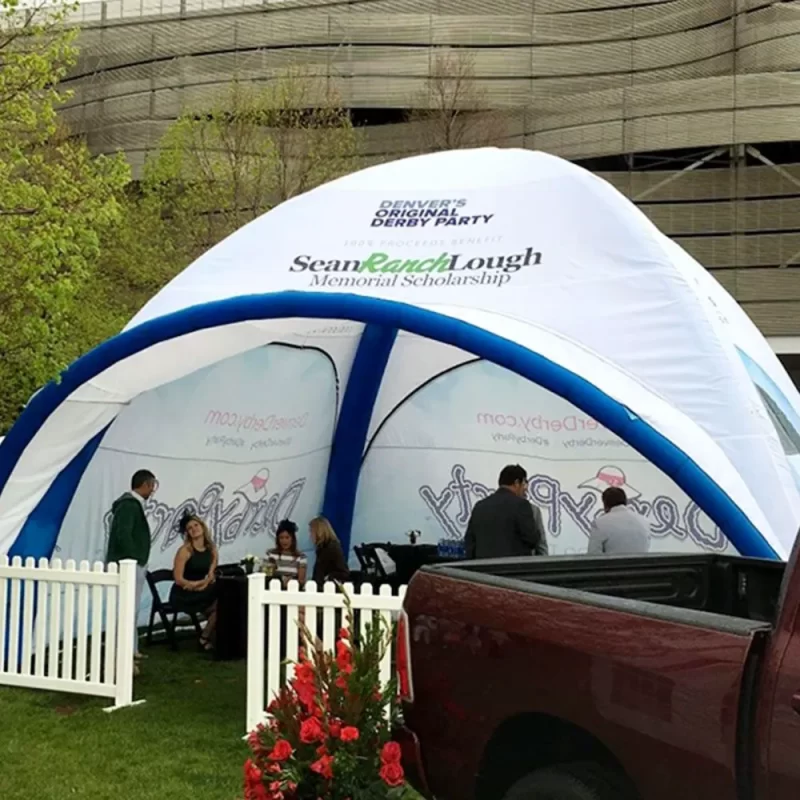
خيمة خيمة مظلة قابلة للنفخ ليست مجرد مظلة قابلة للطي بهواء بدلاً من المعدن. هناك نوعان مختلفان جوهرياً من الهياكل في السوق، والخلط بينهما هو كيف يصنع معظم المشترين فشلهم بأنفسهم.
المظلات الهوائية النقية تستخدم حصرياً أنابيب قابلة للنفخ — عادةً مثانات TPU (البولي يوريثان الحراري البلاستيكي) مغلفة بأكمام من البوليستر — لإنشاء الهيكل العظمي بأكمله. انفخها، تتصلب الأنابيب، وتقف المظلة. بسيط في المفهوم، معقد في التنفيذ. يجب أن تحافظ الأنابيب على الضغط دون زحف، ويجب أن تُحكم الصمامات الإغلاق تماماً، ويجب أن توزع الهندسة حمل الرياح بالتساوي عبر كل حجرة هوائية.
التصاميم الهجينة تضيف عناصر إطار معدني خفيف الوزن — عادةً ألومنيوم أو فولاذ رفيع القياس عند نقاط الوصل الرئيسية — جنباً إلى جنب مع الأعمدة الهوائية. يتولى المعدن قوى القص عند الزوايا وتقاطعات القمة. تدير الأعمدة الهوائية الامتدادات الواسعة وتعطي الهيكل شكله العام.
لماذا يهم هذا؟ لأن المظلات الهوائية النقية تفشل بشكل مختلف عن الهجينة. دراسة نفق رياح عام 2005 حول تشكيل الجناح القابل للنفخ — النوع من الأبحاث الذي يدعم تصميم الأعمدة الهوائية الحديث — وجدت أن الهياكل المرنة القابلة للنفخ تعتمد بشدة على تشوه الحافة الأمامية وتوزيع الضغط الداخلي للحفاظ على شكلها تحت الحمل الديناميكي الهوائي (ياماموري، أوميمورا وهيشيدا، الجمعية اليابانية لعلوم الفضاء الجوي). عندما تتعرض مظلة هوائية نقية لضربة رياح عاصفة، ينثني النظام بأكمله كوحدة واحدة. هذه المرونة يمكن أن تكون ميزة — فهي تتخلص من الرياح بدلاً من مقاومتها — ولكن فقط إذا بقي ضغط المثانة ضمن المواصفات. إذا قام شخص ما بنفخها بشكل ناقص، أو سخنت الشمس الهواء الداخلي ولم يعادل صمام التنفيس الضغط بشكل صحيح، يتحول ذلك الانثناء إلى انهيار.
الإطارات الهجينة، في تجربتي، تتحمل قدراً أكبر بكثير من الإهمال التشغيلي. الأجزاء المعدنية تعطيك هيكلاً صلباً يحافظ على الشكل حتى لو انخفض ضغط الهواء قليلاً. للفعاليات التجارية حيث تتعجل فرق التركيب والظروف ليست مثالية، تلك الهامشية مهمة.
هناك أيضاً فئة أحدث تنبثق من مختبرات الأبحاث قد تتسرب إلى المنتجات التجارية في النهاية. ورقة بحثية عام 2024 من مركز أبحاث الهياكل الفضائية بجامعة شنغهاي جياو تونغ استكشفت تصاميم خيام قابلة للنفخ بأوريغامي ذاتية القفل — هياكل تستخدم ألواحاً مركبة متعددة الاستقرار ولحام أغشية PVC للحفاظ على الشكل دون ضغط هواء مستمر (تشاو، تشين وتشاو، IASS 2024). وجد تحليلهم أن حمل الالتواء الحرج وصل إلى 0.696 كيلوباسكال، مما يلبي متطلبات الهياكل المؤقتة. هذا عمل على نطاق مختبري، ليس شيئاً يمكنك شراؤه بعد، لكنه يشير إلى أين تتجه الفئة.
إذاً هذا هو الانقسام العملي لك الآن: إذا كنت تعمل في رياح ثابتة بسرعة 15+ ميلاً في الساعة أو تدير فعاليات تجارية حيث الفشل ليس خياراً، فالهجين غير قابل للتفاوض. إذا كنت مخيماً منفرداً تعطي الأولوية للحجم المضغوط والتركيب بفرد واحد، فالمظلة الهوائية النقية تتفوق في الوزن والاكتناز. اختر النوع الخاطئ، ولن ينقذك أي قدر من التعامل الحذر.
2. فخ ورقة المواصفات: لماذا نادراً ما تعني “10×10” مساحة ظل قابلة للاستخدام فعلية بمقاس 10×10
يركز المشترون على مصطلحين: مظلة قابلة للنفخ 10×10 و مظلة قابلة للنفخ مع جوانب. هما الكلمتان الأكثر بحثاً بنية تجارية في الفئة لسبب وجيه — مقاس 10×10 أقدام هو حجم الجناح القياسي للمعارض التجارية وأسواق المزارعين ومواقف السيارات. لكن الرقم على الصندوق يقيس البصمة الخارجية عند مستوى الأرض، وليس مساحة الظل الفعلية عند ارتفاع الوقوف.
إليك ما يحدث. المظلة ذات الأعمدة الهوائية تتناقص نحو الداخل كلما ارتفعت لأن الأنابيب المقوسة تخلق مقطعاً جانبياً منحنياً. قد تمتد القمة 10 أقدام عند القاعدة، لكن على ارتفاع 6 أقدام عن الأرض — حيث يعيش رأسك وكتفاك فعلياً — يمكن أن يتقلص العرض إلى حوالي 8 أقدام. لقد قست هذا على وحدات متعددة. “10×10” خيمة ظل قابلة للنفخ غالباً ما توفر 80 قدماً مربعاً من الظل الأرضي ولكن فقط 64 قدماً مربعة من الظل القابل للاستخدام عند ارتفاع الرأس. هذه خسارة بنسبة 20% لا تتطوع أي صفحة منتج بالكشف عنها.
تُعتبر مظلة قابلة للنفخ مع جوانب المواصفات لها صداعها الخاص. بعض المصنعين يدرجون الجدران الجانبية في السعر الأساسي. آخرون يبيعونها كإضافة تتراوح بين 40 و80 دولاراً لكل جدار، مما يعني أن إعداد “أربعة جوانب” يمكن أن يكلف 320 دولاراً أكثر مما يوحي به السعر الرئيسي. بعيداً عن التكلفة، تحدد طريقة التثبيت ما إذا كانت تلك الجوانب ستبقى فعلياً في الرياح. الجدران ذات السحابات YKK الثقيلة صمدت جيداً في الاختبارات التي لاحظتها. التثبيت بالفيلكرو فقط؟ تبدأ بالتقشر عند الزوايا العلوية بعد هبات رياح تبلغ حوالي 20 ميلاً في الساعة.
إليك قائمة التحقق المكونة من خمسة أسئلة التي أجريها قبل أي عملية شراء:
- ما هو ارتفاع القمة الفعلي والخلوص عند الحواف؟ لا تقبل رقم القمة المركزية. اسأل عن الخلوص على بعد قدمين من الحافة. إذا لم يستطيعوا إخبارك، افترض أنك تخسر 18–24 بوصة من الارتفاع القابل للاستخدام عند المحيط.
- ما هو تصنيف الرأس الهيدروستاتيكي؟ “طلاء PU” لا يعني شيئاً بدون رقم. 2000 مم هو الحد الأدنى للحماية الحقيقية من المطر. 3000 مم+ هو ما تريده للفعاليات طوال اليوم في الظروف الرطبة.
- هل الجوانب مشمولة أم تباع بشكل منفصل؟ احصل على تفصيل على مستوى رقم الصنف. ضع تكاليف الجدران في ميزانيتك الإجمالية قبل مقارنة الأسعار بين العلامات التجارية.
- هل يحتوي المحور الهوائي على صمامات عزل فردية؟ إذا تسربت مثانة واحدة، هل يمكنك عزلها وإبقاء الباقي منتفخاً؟ الأنظمة غير المعزولة تعني أن ثقباً واحداً يسقط الهيكل بأكمله.
- ما هو عدد دورات النفخ المضمونة؟ معظم المثانات الاستهلاكية مصنفة لـ 200–500 دورة. الوحدات التجارية يجب أن تتحمل 1000+. إذا لم تستطع العلامة التجارية الإجابة على هذا، فمن المرجح أنها وسيط شحن لم يختبر المنتج أبداً.
سترى منتجات مثل OakPedion Inflatable Canopy تظهر في نتائج البحث. قائمة أمازون لخيمة ظل هوائية قابلة للنفخ بمقاس 10×10 أقدام هي نقطة مرجعية شائعة أخرى. أنا لا أؤيد أو أهاجم أياً منهما — أنا أقول إنه عبر جميع الخيارات التي قيمتها، تتبع تناقضات أوراق المواصفات نفس الأنماط. قس الأبعاد القابلة للاستخدام، وليس أبعاد التسويق.
3. العزل المائي، مقاومة الرياح، وبروتوكول الاختبار الذي لا يجتازه أي منها
“مقاوم للماء” طيف، وليس ثنائياً. ومعظم المظلات القابلة للنفخ تتسرب عند نقاط الفشل المتوقعة — طبقات الصمامات، وواجهة الجدار بدون أرضية، وثقوب الخياطة التي كان يجب أن تُغلق بشريط لاصق لكنها لم تُغلق.
دعني أعطيك بروتوكول الاختبار الذي أستخدمه. إنه بسيط ومدمر تماماً للوحدات الرخيصة. قم بتركيب المظلة بالكامل. شغّل خرطوم حديقة فوق القمة بضغط معتدل لمدة 30 دقيقة متواصلة. ليس رذاذاً — بل تدفقاً ثابتاً يحاكي مطراً معتدلاً مستمراً. ثم افحص الداخل. ما تبحث عنه: قطرات عند خط التماس العلوي، رطوبة تتسرب عبر القماش (مما يشير إلى أن طلاء PU رقيق جداً أو متدهور)، وتجمع مياه حيث تلتقي الجدران الجانبية بالأرض إذا لم تكن هناك قناة تصريف مدمجة. معظم الوحدات الأقل من 300 دولار تفشل في هذا الاختبار عند واجهة خط الصمام خلال 20 دقيقة.
الرياح هي النصف الآخر من المعادلة. هنا يهم التصميم المقوس أكثر من الوزن. الشكل القوسي — حيث ينحني الجانب المواجه للريح للأعلى والجانب الخلفي يتناقص — يتخلص من الرياح بشكل طبيعي بإبقاء المقطع الانسيابي منخفضاً. المقطع المسطح يلتقط الرياح مثل الشراع. أبحاث خلايا مظلة الطائرة الشراعية التي ذكرتها سابقاً أثبتت هذا المبدأ منذ عقود: التشوه المقعر للحافة الأمامية المرنة يعزز الاستقرار فعلياً بتوزيع ضغط الشفط عبر السطح. طبق ذلك على تصميم المظلات، وأفضل الأداء في الرياح هي تلك ذات الملامح المقوسة الواضحة ونقاط التثبيت المتعددة، وليس الأثقل وزناً.
وبالمناسبة، لإعدادات الشاطئ — يُسألني هذا باستمرار — الأوتاد القياسية عديمة الفائدة. تحتاج إما مراسي رملية لولبية بطول 12 بوصة (التصميم الحلزوني، 4 على الأقل لكل مظلة) أو أكياس رمل بوزن 30 رطلاً على كل ساق. لقد شاهدت مظلة بقيمة 500 دولار تتدحرج على شاطئ في فلوريدا لأن شخصاً ما ظن أن الأوتاد الفولاذية بطول 6 بوصات المرفقة ستصمد في الرمال الجافة. لم تصمد.
The pre-deployment check that takes 90 seconds and prevents 80% of field failures:
- Run your fingers along every seam. If the seam tape feels brittle or has gaps, return the unit or have it re-taped before your event.
- Inflate to the recommended psi (typically 6–8 psi cold), wait 10 minutes, then check pressure. More than a 5% drop means a slow leak somewhere in the system.
- Match your stake kit to the ground type. Screw anchors for sand, 10-inch steel stakes for soil, weight bags for asphalt or concrete.
4. كيفية تركيب ونفخ مظلة قابلة للنفخ دون إتلافها
Every manufacturer claims “under 2 minutes” setup. I’ve timed actual setups. A solo operator who knows what they’re doing can deploy a 10×10 air beam canopy in about 4 minutes from bag to fully staked. Two people who’ve practiced can do it in 2.5 minutes. The 60-second claim? That’s marketing measuring from “first pump stroke” to “standing structure,” conveniently leaving out the staking, unpacking, pressure checking, and wall attachment.
More importantly, rushing setup is how bladders get damaged. Here’s a step-by-step process, built from watching a rental company that cycles units 200+ times per season and has figured out what actually preserves equipment.
First-time bladder conditioning: Brand-new TPU bladders are stiff. Before your first real deployment, inflate the canopy to 50% of rated pressure, let it sit for 2 hours in a shaded area, then fully inflate. This relaxes the bladder material and reduces the risk of crease-line failures later.
Valve operation: Most canopies use Boston valves or similar two-way designs. The outer cap prevents air escape; the inner flap lets you pump air in. Open the outer cap fully before attaching the pump. If you pump against a partially closed valve, you’ll overheat the pump and possibly blow the valve seal.
Pressure discipline: Get a pump with a built-in pressure gauge. I don’t care what the manual says—never exceed 8 psi cold. As sunlight heats the air inside the bladders, pressure rises naturally. If you start at 10 psi cold, you’ll hit 12–13 psi by midday, which is right at the failure threshold for consumer-grade bladder seams. After the canopy has been in direct sun for an hour, bleed a little air out. You’ll hear a brief hiss; that’s normal thermal expansion equalizing.
Sequential inflation: Don’t inflate one beam to full pressure while others are flat. Bring all beams to about 3 psi first, check that the fabric isn’t twisted around any tube, then bring everything up to final pressure together. A twisted bladder under pressure is the #1 cause of seam rupture—the fabric sleeve grips the bladder and tears it at the crease.
Deflation and packing: Open all valves simultaneously. Don’t rush the air out by pressing on the tubes—that forces residual air through the valve too fast and can dislodge the valve seal. Let it deflate naturally for about 60 seconds, then start rolling from the far end toward the valves, gently pushing air out. Store it loosely rolled, not tightly compressed. Tight compression storage over winter permanently creases the bladder material.
Knowing how to inflate an inflatable canopy properly is less about speed and more about pressure management. The 2-minute setup claim is achievable only if you’re willing to halve your bladder’s lifespan. For most decision makers managing a fleet of these units, that math doesn’t work.
5. المظلة القابلة للنفخ مقابل المظلة القابلة للطي: حساب التكلفة الإجمالية للملكية
Nobody in the ranking pages wants to touch this question honestly, but it’s the one every buyer asks: inflatable canopy vs pop up—which actually costs less over three years?
Pop-up frames win on day-one price. A decent 10×10 steel-frame pop-up canopy runs $80–$200. A comparable air beam canopy starts around $250 and can reach $600 for commercial-grade units. The pop-up looks like the clear winner until you factor in everything that happens after the first setup.
Here’s the TCO picture I’ve assembled from tracking actual event operations:
Labor: A two-person pop-up setup takes about 90 seconds if both people know what they’re doing and the frame isn’t sticky. A two-person air beam setup takes about 2.5 minutes including inflation. The difference per event is negligible—roughly a minute. But the labor gap widens during teardown. Pop-ups require squeezing the steel frame back into a bag, which often becomes a wrestling match by the third or fourth use. Air beam canopies deflate passively while you’re packing other gear—you come back 3 minutes later and roll it up. Over 50 events, the cumulative labor difference tips toward the inflatable.
Transport volume: A collapsed pop-up frame is about 48 inches long and 8 inches square—it rides in a truck bed but not a small sedan trunk. An air beam canopy rolls into a bag roughly 36 inches long and 14 inches in diameter, fitting into most trunks and overhead storage. If your events require multiple vehicles or your team drives sedans, the air beam’s transport flexibility wins. This is a real consideration for UK and European buyers where vehicle sizes tend to be smaller than in the US market.
Replacement rate: Pop-up frames bend. The scissor hinges at the corners are the weak point—one person trying to collapse the frame without releasing all four corners evenly, and the steel twists. A bent frame is essentially unfixable for less than the cost of replacement. Air beam canopies fail differently—typically a bladder puncture or valve leak. Both are repairable with a $15 patch kit and 20 minutes of work. Over three years of heavy use, I’ve seen pop-up replacement rates that are notably high, while air beam replacement rates in comparable conditions tend to be lower., mostly from UV degradation of the fabric rather than structural failure.
Repairability: This is where the air beam genuinely outclasses the pop-up. A punctured TPU bladder can be patched with the same technique used for inflatable paddleboards—clean the surface, apply the included PVC/TPU patch adhesive, press, and wait 24 hours. A bent steel frame corner has no field repair. You either jury-rig it with zip ties (which looks awful at a commercial event) or you throw the whole thing away.
My take after looking at dozens of operations: for 50+ setups per year, or sites with regular gusts and no vehicle access, the inflatable wins on TCO despite the higher upfront price. For single-day erratic use by untrained staff who might overinflate and blow a seam, the pop-up remains the safer, cheaper option.
6. خارطة طريق حالات الاستخدام: مطابقة المظلة للمهمة
The category breaks hard by use case, and the same product that works beautifully at a wedding expo can be a disaster at a windy beach. Here’s how I map them.
التخييم
خيمة inflatable canopy for camping needs different things than an event canopy. Low-profile dome shapes shed wind better than tall, flat-topped designs. Integrated insect netting is non-negotiable in most regions. Dark Room technology—a coated inner layer that blocks 90%+ of visible light—keeps the interior temperature down and lets people actually sleep past sunrise. Packed weight and volume matter because campers are hiking or loading vehicles tightly. The Coody AirTarp and similar low-profile air beam designs have gained traction in this niche because they prioritize wind-shedding geometry and pack small. For camping-specific models, look for a minimum 3000mm hydrostatic head rating and factory-sealed seams.
Honestly, if you’re wondering what is the best inflatable canopy for camping, the answer depends on where you camp. In the UK and Pacific Northwest, waterproofing trumps everything else. In the American Southwest, UV resistance and ventilation are the primary concerns. There’s no universal “best”—there’s only best-for-your-conditions.
الفعاليات التجارية
خيمة inflatable canopy for events—trade shows, farmers’ markets, corporate activations—prioritizes height, branding surface, and fire certification. Most venues require CPA-84 or NFPA 701 fire-retardant certification on any fabric structure. If your canopy doesn’t have a visible certification tag sewn into the valance, you may get turned away by the fire marshal. Peak height needs to clear 9 feet at center for commercial displays. The canopy fabric should be printable via dye-sublimation for full-coverage branding. Brands like Extreme Canopy cater specifically to this segment with commercial-grade models that include cert tags, reinforced anchor points, and printable polyester canopies.
الشاطئ
Beach conditions demand corrosion-resistant hardware (aluminum or stainless steel stakes, not galvanized steel that rusts after three saltwater exposures), sand-specific anchoring, and UPF 50+ rated canopy fabric. The خيمة ظل قابلة للنفخ category overlaps heavily here—products like the CHERIMOR Inflatable Beach Shade with its wind-powered auto-inflation mechanism represent a specialized sub-niche. Beach canopies also need to be rinse-friendly. Salt and sand abrasion degrade fabric coatings faster than almost anything else. If you’re using one weekly at the coast, expect to replace it in two years regardless of brand.
المسبح والاسترخاء في الفناء الخلفي
تُعتبر Inflatable Canopy Pool use case is a different animal. You’re not fighting wind as much as you’re dealing with splash, chlorinated water droplets, and constant UV exposure. Poolside canopies need quick-rinse fabric that doesn’t hold chlorine smell, rust-proof pole connections even in the hybrid sections, and a UV degradation timeline you’re aware of. Most consumer-grade polyester with basic PU coating will start showing UV brittleness after prolonged exposure to direct summer sun.. That’s roughly one season of heavy poolside use. Plan your replacement cycle accordingly.
Quick-reference spec minimums by use case:
| Use Case | Min. HH Rating | Stake Type | Fire Cert Needed | Special Requirement |
|---|---|---|---|---|
| التخييم | 3000 مم | 10″ steel or screw | No | Insect netting, dark room |
| الفعاليات التجارية | 2000 ملم | Weight bags (asphalt) | CPA-84 / NFPA 701 | 9’+ peak height, printable |
| الشاطئ | 2000 ملم | 12″ screw anchors | No | UPF 50+, corrosion-resistant hardware |
| Pool/Backyard | 1500mm | Ground dependent | No | UV-resistant coating, rinse-friendly |
7. تدقيق المتانة: ماذا يحدث بعد 100 عملية نفخ
Product pages sell the new-in-box experience. Your actual job is managing these assets across years of use, through crew turnover, rushed teardowns, and off-season storage.
The rental company I mentioned earlier—the one running many cycles per season—retired a portion of the fleet over three years. Their failure log tells you exactly where these things break:
Bladder punctures: The most common failure, almost always from inflating while the fabric sleeve is twisted around the bladder. The twist creates a hard crease under pressure, and after a few cycles, the crease line develops a pinhole leak. Prevention is simple: lay the canopy flat and run your hand along each air beam before inflating to confirm the sleeve isn’t twisted.
Valve failures: Boston valves have a rubber flap inside that eventually loses elasticity. After many cycles, the flap doesn’t seal completely., and the canopy slowly loses pressure over 4–6 hours. Replacement valves cost around $8–15 and take 10 minutes to swap if the manufacturer used a screw-in valve design. If the valve is welded in, you’re looking at a more involved repair or replacement.
Pump failure: The included electric pump on many consumer units is the weakest link. It’s almost always a low-cost 12V pump with a duty cycle rated for about 10 minutes of continuous use. Running it for 15 minutes to inflate a large canopy will burn out the motor. Buy a backup manual pump (dual-action, high-volume) and keep it in your spares kit. This is the #1 overlooked failure point.
Fabric UV degradation: Polyester can lose a significant portion of its tensile strength after prolonged direct sun exposure., depending on the specific coating. That’s roughly two seasons of weekend use. The fabric won’t rip spontaneously, but it becomes dramatically easier to tear at stress points—corners, peak junctions, and stake loops. Inspect these points at the start of each season.
Waterproof coating wear: The PU coating on the underside of the canopy fabric is a thin film that abrades over time from folding and unfolding. After repeated setups, you’ll notice water beading less effectively. and the fabric feeling less slick to the touch. Re-waterproofing spray treatments can extend this by another season, but they’re temporary. Budget for a canopy replacement every 3–4 years of regular use, or every 2 years of heavy commercial use.
The spares kit to assemble on day one:
- Two patch kits (TPU-specific, not general PVC patches)
- One spare valve assembly (order from the manufacturer immediately; don’t wait until you need it)
- A manual dual-action pump
- Four extra guy lines and six extra stakes
- A tube of seam sealer for fabric touch-ups
Seasonal storage checklist: Clean and completely dry the canopy before storing. Any moisture trapped in folds for months creates mildew that permanently stains and weakens the fabric. Store loosely rolled, not compressed. Keep the bladder partially inflated to about 2 psi during storage—this prevents the bladder walls from sticking together over long periods. Store in a cool, dry space; attics and garages that hit 120°F in summer will degrade the TPU faster than any amount of use.
8. العلامات التجارية التجارية والتحقق الواقعي من المظلات القابلة للنفخ المخصصة
If you’re searching for a custom inflatable canopy or printed event structure, there’s a few things suppliers don’t volunteer upfront.
Full dye-sublimation printing—where the entire canopy surface carries your brand graphics—looks fantastic. The ink bonds at the molecular level with the polyester fibers, so it doesn’t crack or peel like screen printing can. But it comes with constraints. Minimum order quantities typically start at 5–10 units for full custom printing. Lead times from Chinese manufacturers run 4–8 weeks production plus 3–6 weeks ocean freight. US-stock custom options from companies like Instant Promotion can turn around in 2–3 weeks, but the per-unit cost is 40–60% higher.
Partial valance printing—where only the perimeter valance carries branding and the canopy roof is solid color—is cheaper, faster, and has no real MOQ. For most small businesses doing local farmers’ markets or occasional trade shows, this is the pragmatic choice. You get brand visibility at eye level without the premium for full-coverage printing.
Color accuracy on polyester is another reality check. Dye-sublimation on polyester typically produces colors that are 5–10% less saturated than what you see on your backlit monitor. Dark blues can look slightly purple. Bright oranges can shift toward burnt red. If brand color accuracy is critical, request a physical swatch proof before approving production. This adds a week to the timeline but prevents the “why does our logo look salmon-colored?” conversation at the first event.
Print durability is generally excellent—dye-sub graphics won’t fade noticeably for 2–3 years of regular outdoor use. What will degrade first is the fabric itself, not the print. The UV exposure that breaks down the polyester fibers also fades the top layer of ink, but the fading is gradual and uniform enough that it’s rarely noticeable until the canopy is side-by-side with a new unit.
One final warning on custom orders: opening the box and inflating it immediately voids most return policies on printed canopies. If there’s a manufacturing defect—misaligned panels, a bad valve, seam separation—you need to catch it during the initial inspection before accepting the delivery. Inflate it fully. Check every seam under tension. Run the hose test. Only then do you sign off.
I want to leave you with something that reframes this whole category. An القابلة للنفخ is not a tent. It’s a mechanical pressure vessel that you unfold. The same physics that keep a paraglider canopy stable in turbulent air—leading edge deformation, internal pressure distribution, concave surface suction—are at work in your 10×10 trade show booth. Treat it with that mindset, and a well-built unit will outlast three pop-up frames. Ignore the physics of air and fabric, and no brand name will save you.
Take one of the checklists from Section 2 or the spec table from Section 6. Open the three product tabs you’re comparing. Eliminate any model that can’t answer those questions in the actual spec sheet—not the marketing bullets, not the Q&A section, the manufacturer’s own technical documentation. If the documentation doesn’t exist, the product hasn’t been tested to a standard that protects your operation.
Here’s the question I want you to sit with: what’s the one operational risk your current canopy setup can’t afford to fail at? Is it wind? Is it a fire marshal inspection? Is it setup speed when you’re short-staffed? Answer that, and every purchasing decision after it becomes clear.
الأسئلة الشائعة
Q: Are inflatable tents worth the money?
A: They’re worth it for specific use cases—frequent setups (50+ per year), locations with wind gusts where rigid frames fail, operations where transport volume matters, and scenarios where labor efficiency across many deployments is the priority. For occasional single-day use by untrained staff, a traditional pop-up canopy remains more cost-effective. The global inflatable tent market was valued at USD 1.2 billion in 2025 and is projected to reach USD 2.7 billion by 2036, growing at 7.5% CAGR according to Future Market Insights—so the category is expanding, but that doesn’t mean it’s right for every buyer.
س: ما هي أفضل مظلة قابلة للنفخ للتخييم؟
A: There’s no single answer that fits every region. In wet climates like the UK and Pacific Northwest, prioritize a minimum 3000mm hydrostatic head rating and factory-taped seams. In hot, sunny regions, UV resistance and Dark Room technology matter more. Low-profile dome designs with good insect netting—like the Coody AirTarp style—tend to perform best for camping because they shed wind effectively and pack small. Match the specs to your climate, not the marketing to your aspirations.
Q: What can I use instead of a canopy?
A: Alternatives depend on the mission. A traditional pole-and-fly tarp setup costs under $50 and provides shade but zero weather protection from the sides. A pop-up gazebo with screened walls offers insect protection for backyard use at moderate cost. For commercial events where an القابلة للنفخ isn’t viable, a heavy-duty steel frame pop-up with weight bags and custom-printed walls is the most common substitute. Beach umbrellas and shade sails also cover smaller footprint needs at lower cost and simpler setup.
Q: What are people saying about Soli inflatable canopies?
A: Soli Outdoors has established itself as a recognizable category player, and user feedback tends to highlight the quick setup experience and relatively compact packed size compared to traditional frame canopies. Common critiques in review threads mention waterproofing consistency at the valve seams after extended rain exposure, and some users note that the sidewall attachment method doesn’t hold up as well in steady wind compared to zippered systems on higher-priced competitors. The consensus pattern I’ve observed: they’re a solid entry point for casual users, but commercial operators tend to migrate toward brands with more robust seam construction within one season.
المراجع
1. Inflatable Shade Air Canopy Tent – 10x10Ft Outdoor UV – Amazon Product Listing
2. Experimental Study on the Wing Formation of a Paraglider Canopy Cell (Inflatable Wing) – Japan Society of Aeron
3. Explore the Global Inflatable Tent Market — analysis of key … – futuremarketinsights.com
4. Design Scheme and Feasibility Study of Self-locking Inflatable … – app.iass2024.org