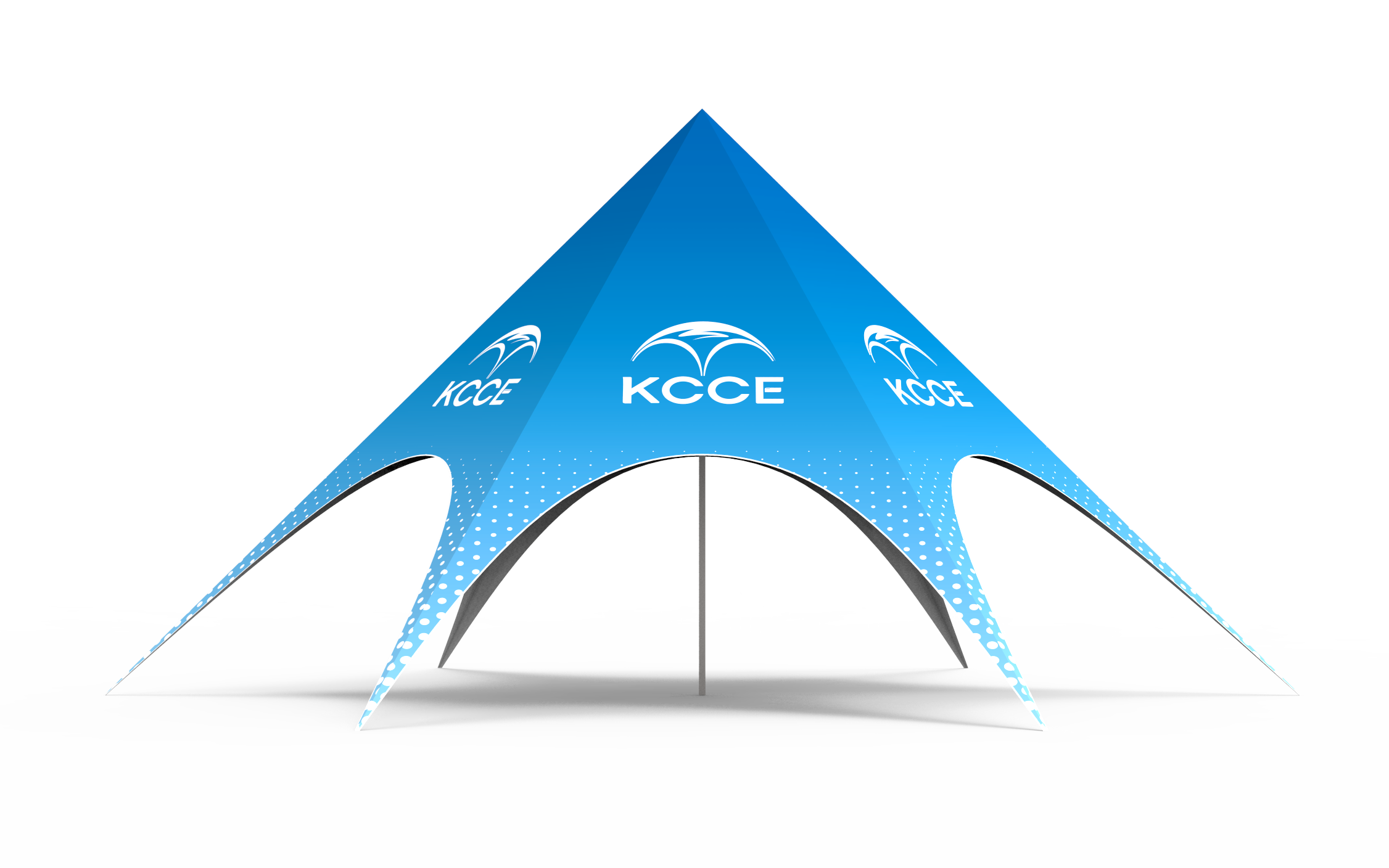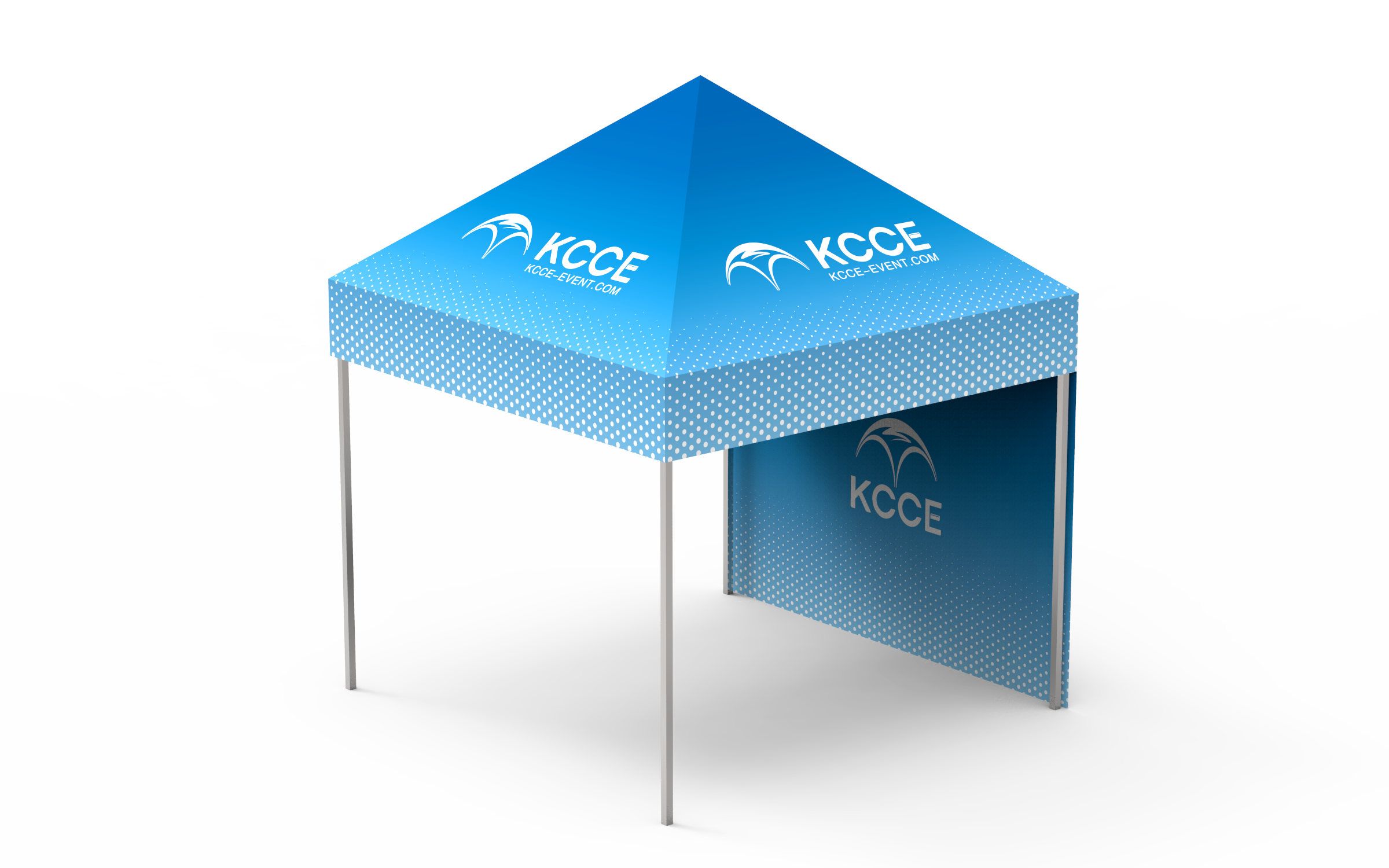
您策划了一场为期三天的品牌推广活动。您的标准白色弹出式帐篷看起来还行——直到您看到竞争对手的logo在完全品牌化的拱形充气帐篷上闪耀。现在您的团队正匆忙寻找临时定制订单,而交货周期是八周。如果这听起来很熟悉,您已经知道为什么选择合适的 充气定制帐篷 不仅仅是“越大越好”。我将带您详细了解如何评估供应商、比较定制限制,并决定是租赁还是购买——而不必浪费时间在那些隐藏真实成本的通用产品页面上。.
我在这个行业工作了八年,见过的错误决策比我想承认的还要多。一位客户为贸易展购买了一顶廉价的充气遮阳篷——侧板第一天就撕裂了。另一位客户从一家网站光鲜但售后支持为零的供应商那里订购了一顶充气定制帐篷。帐篷到货时接缝漏气,四周后他们仍在等待更换。正是这样的案例促使我撰写本指南。.
“定制”对充气帐篷而言的真正含义
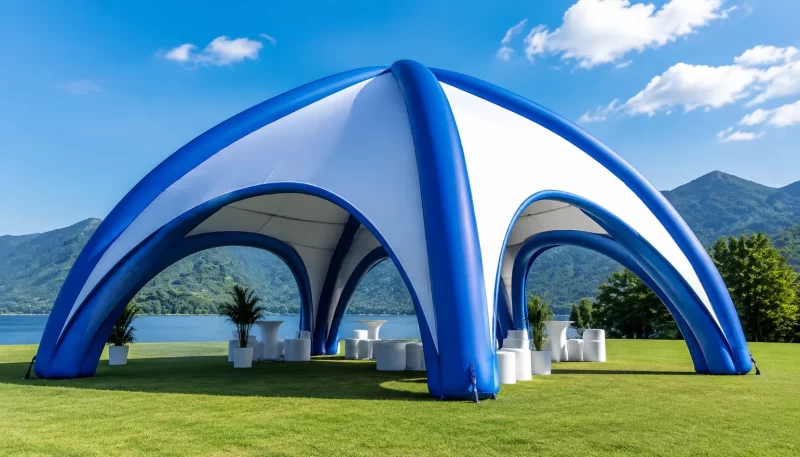
说实话:当大多数人说出“我想要一个 定制充气帐篷,”时,他们脑海中浮现的是自己的logo贴在一个普通白色帐篷的侧面。但请相信我,这只是冰山一角。真正的定制远不止于此——机遇和陷阱都在其中。.
首先是, 尺寸和形状. 。您当然可以选择标准的方形或矩形,但何不考虑一个作为拍照背景的拱形?或者一个看起来像品牌快闪店的穹顶?又或者一个引导与会者进入VIP区域的隧道?根据我的经验,定制充气结构从小型产品发布会的3×3米拱门,到企业晚宴的20×20米穹顶不等。形状决定了所有要素——材料、充气时间和成本。.
然后是 侧围. 。很多人忽略了这一点,但一个 带侧围的充气定制帐篷 可以将简单的遮阳篷变成完全封闭的空间。您可以添加墙壁、门、窗户,甚至透明面板用于展示照明。这对于天气或隐私需要关注的活动至关重要。例如,美食节摊主可能需要带实心侧围的帐篷,以防止风和灰尘影响烹饪设备。活动策划者可能需要一顶带侧围的充气定制帐篷,侧围可拉链打开,形成前场演示区域。.
颜色和印刷 是定制的基本要素。但“定制颜色”在不同供应商那里可能意味着完全不同的含义。有些可以匹配任何潘通色号;另一些只提供有限的色板。印刷方法也各不相同:丝网印刷便宜但褪色更快;热转印能呈现鲜艳耐久的图像,但成本更高。我强烈建议您在决定前索要材料样品——同一种蓝色在LED灯下和阳光下可能看起来截然不同。.
门窗 常常被事后才想起,但它们对功能性至关重要。需要多少个入口?它们应该在哪里?窗户应该是透明的、有色还是网纱的?是否需要带拉链的门用于空调管道?这些细节在常规沟通中容易被忽略,但它们决定了您的帐篷是否真正适合您的特定活动。.
这里有一份 定制检查清单 ,您可以在与供应商沟通时使用:
- 尺寸尺寸:长、宽、高、拱形半径
- 形状:方形、矩形、拱形、穹顶、隧道、定制侧围:全封闭、半封闭、无侧围、带透明或网纱面板
- 颜色:主体、点缀色和印刷的潘通色号印刷:丝网印刷、热转印、乙烯基贴花
- 门:数量、类型(拉链、魔术贴、系带)窗户:数量、位置、类型(透明、有色、网纱)
- 通风口/开口:用于暖通空调、线缆或照明加固:角部补片、额外缝线、织带环
- 充气系统: Quantity, type (zipper, hook-and-loop, tie-back)
- Windows: Quantity, position, type (clear, tinted, mesh)
- Vents/Openings: For HVAC, cables, or lighting
- Reinforcements: Corner patches, extra stitching, webbing loops
- Inflation system: Integrated blower, external pump, or hand pump
One more thing: distinguish between semi-custom 和 full custom. Semi-custom means you choose from an existing frame or design and just change colors/printing. Full custom means the supplier builds a brand-new mold or pattern. The lead time for full custom can be 12-16 weeks, compared to 4-8 weeks for semi-custom. And the cost difference? You’re looking at roughly 30–50% more for full custom. So ask yourself: do you really need a unique shape, or will a standard rectangle with custom graphics do the job?
尺寸、形状与使用场景:让帐篷匹配您的活动
I’ve lost count of how many times a client ordered a tent that was too big, too small, or the wrong shape for their actual event. It’s not their fault—there’s a lot of confusion out there. Let me break it down.
Events and their typical sizes:
- Trade show booth: A 10×10 or 10×20 foot rectangular tent. That’s about 3x3m or 3x6m. Plenty for a product display and one staff member.
- Brand activation: A 3x3m arch tent is popular for photo ops and entrance branding. Or a 6x6m (20×20) square for a lounge.
- Wedding or party: For a seated dinner, allow 12-15 square feet per person. So a 20×30 foot tent (about 600 sq ft) serves 40-50 guests. For a cocktail party, 8-10 sq ft per person works. What size inflatable tent for a party? That depends on your guest list and the layout.
- Food festival or pop-up: A 6x6m with sides is ideal—enough space for a cooking station, storage, and a display counter.
- Large outdoor event: We’re talking 20x20m domes that can hold 200+ people. These are often used for VIP areas or main stages.
Why shape matters:
- Rectangular tents are best for linear spaces like trade show aisles or food lines.
- Square tents are great for lounges or seated areas where you want a balanced layout.
- 拱形 tents work as photo backdrops, entrances, or product launch reveals.
- 圆顶 tents provide high interior space with no center poles—perfect for immersive experiences or product showcases.
- 隧道 tents create a guided path or an impressive entrance.
One client I worked with originally wanted a 5x5m square tent for a pop-up store. But after discussing the need for a checkout counter, display racks, and customer flow, we switched to a 3x6m arch with a tunnel exit. The arch created a natural retail flow, and the tent took up less ground space while serving the same number of customers.
Another common mistake: ordering a tent without considering the venue restrictions. Some convention centers limit tent dimensions. Outdoor parks may have fire lanes that require specific clearances. Always check with the venue before placing a custom order.
Here’s a rough capacity chart:
| Tent Size (LxW) | Approx. Sq Ft | Standing Cocktail | Seated Dinner |
|---|---|---|---|
| 10×10 ft | 100 | 10-15 | 6-8 |
| 10×20 ft | 200 | 20-30 | 12-16 |
| 20×20 ft | 400 | 40-60 | 25-30 |
| 20×30 ft | 600 | 60-80 | 40-50 |
| 20×40 ft | 800 | 80-100 | 55-65 |
| 30×30 ft | 900 | 90-120 | 60-75 |
| 40×40 ft | 1600 | 160-200 | 100-120 |
Take this as a starting point, not a rule. Actual capacity depends on furniture layout, stage size, and other features.
材料至关重要:PVC与TPU与尼龙
If you ask me, material is the most underappreciated factor in choosing an 充气定制帐篷. People obsess over color and logo placement but forget that the fabric determines the tent’s durability, weight, wind resistance, and cost. I’ve seen too many tents that looked great for two events and then turned into floppy, fading disasters.
Let’s break down the three common materials.
PVC(聚氯乙烯)
- 重量: Heavy. A typical PVC inflatable tent for sale might weigh 10-15 kg for a 10×10.
- 耐用性: Excellent abrasion resistance and UV stability. Can last 3-5 years with proper care.
- 抗风能力: Good, but only if the tent has adequate anchoring. In high winds (40+ mph), PVC tents can flap and tear at seams.
- Temperature: Works well in mild climates (15-30°C). In extreme heat (above 40°C), PVC softens and may sag. In cold (below -10°C), it becomes stiff and brittle.
- 成本: Cheapest option. A 10×10 PVC custom inflatable tent might cost $800-$1500.
- 最适合: Short-term events, trade shows, indoor use, or occasional outdoor use in moderate weather.
TPU(热塑性聚氨酯)
- 重量: Lighter than PVC. A 10×10 TPU tent could be 6-8 kg.
- 耐用性: Superior tear resistance and puncture resistance. Often rated for 5-10 years of regular use.
- 抗风能力: Much better than PVC because it stays flexible in a wider temperature range. Some TPU tents are rated for winds up to 60 mph.
- Temperature: Works from -30°C to 70°C without significant degradation. That’s why I see TPU used for extreme-weather events like mountain festivals or winter trade shows.
- 成本: More expensive. A TPU inflatable custom tent for the same size could be $1500-$3000.
- 最适合: Frequent use, extreme temperatures, windy locations, or where weight matters for transport.
尼龙(涂层或防撕裂)
- 重量: Lightest of the three. A 10×10 nylon tent might weigh 3-5 kg.
- 耐用性: Good for short-term use, but nylon abrades faster than PVC or TPU. Ripstop nylon resists tearing but can leak at seams if not properly sealed.
- 抗风能力: Not as good as TPU. Nylon tents are best in calm weather.
- Temperature: Works in moderate temperatures but can degrade under strong UV exposure over time.
- 成本: Similar to PVC or slightly cheaper. Expect $600-$1200.
- 最适合: Lightweight, portable applications like camping, backpacking, or short-term events where weight is critical.
My personal recommendation: For any business or event usage (as opposed to weekend camping), invest in TPU if your budget allows. The durability and weather resilience will save you money in the long run, especially if you plan to use the tent more than 2-3 times a year. PVC is fine for budget-conscious one-off events, but be prepared for replacement sooner.
Don’t forget the printing surface. PVC rarely holds dye-sublimation printing well; it tends to blister or fade after a few sun exposures. TPU takes dye-sublimation beautifully and retains color for years. If your tent is going to be heavily branded, TPU is almost always the better call.
搭建时间、人员与物流
Here’s a question I hear all the time: “Are air tents easy to put up?” And the answer is… it depends. A simple inflatable canopy 10×10 can be set up by two people in under 10 minutes. A 20×20 dome with sides and windows? That might take three people 20-30 minutes. And a huge 40x40m structure? You’re looking at a 5-person crew for over an hour.
Why setup time matters for decision-makers: It affects labor costs, schedule planning, and venue restrictions. If you’re running a series of events in a single day—say, three brand activations in three different locations—setup time can make or break your schedule.
What influences setup time:
- Tent size and shape: Larger and more complex shapes require more inflation time and more people to anchor properly.
- Inflation system: A built-in blower (electric) is faster than a hand pump. Some tents have a battery-powered blower, which adds portability but may be slower.
- Number of sides: Tents with removable sides take extra time to attach.
- Site preparation: Uneven ground or obstacles can slow everything down.
Quick setup time estimate formula:
(Volume in cubic meters) × 0.2 = setup minutes
Number of crew = Volume (cubic meters) ÷ 15
So for a 10x10x8 foot tent (that’s roughly 3x3x2.5 meters → 22.5 cubic meters):
22.5 × 0.2 = 4.5 minutes (optimistic). Real-world: assume 10-15 minutes with two people.
Crew: 22.5 ÷ 15 ≈ 1.5 → so two people.
For comparison, a traditional pole tent of the same size might take 3-4 people 1-2 hours. That’s a huge difference.
Logistics tip: Most inflatable tents fold into a duffel bag about the size of a large suitcase. A 10×10 might fit in a standard sedan trunk. But a 20×20 could require a small SUV or van. Always ask the supplier for packed dimensions and weight.
If you’re wondering where to find an inflatable custom tent locally, or maybe inflatable custom tent near me, check with rental companies first. They can often deliver and set up for you, saving you the crew cost and logistics hassle.
One more thing: Don’t underestimate the importance of a compressor or pump. If you’re using an electric blower, make sure you have access to a power outlet at your event site. Some tents have a hand pump option, but that adds 5-10 minutes to setup time. Battery-powered blowers are excellent for remote locations but check the battery life—usually 30-60 minutes of continuous use, enough for 2-3 setups.
安全、抗风等级与许可证(不可忽视)
I’m going to be blunt here: safety is the part most articles ignore, and it’s the part that can cost you a lawsuit. I remember a case from 2018 where a carnival inflatable collapsed in a gust of wind, injuring several children. The operator had failed to anchor the tent properly. That’s a nightmare scenario.
Wind ratings: Every reputable inflatable custom tent should come with a wind rating. For example, a typical PVC tent might be rated for 28-35 mph. A TPU tent can handle 40-60 mph. But here’s the catch: the rating assumes proper anchoring. If your tent is not staked or weighted down, all bets are off.
Anchoring options:
- Stakes: Good for grass or soft ground.
- Sandbags / water barrels: Needed for concrete, asphalt, or indoor use.
- Integrated tie-down points: Look for D-rings or loops on corners and along sides.
For an 带侧围的充气定制帐篷, the wind load is higher because the tent acts like a sail. You may need extra anchoring on the side facing the wind.
Permits and regulations: This varies wildly by location. In the U.S., many cities require a temporary structure permit for tents larger than 10×10 feet. In the UK, you need a fire safety certificate for any tent used for public events. Always ask the venue or local fire marshal before committing to a tent.
A universal “Permit Quick Check” list:
- Convention centers / indoor venues: Usually require a layout plan and a fire marshal visit. No permit needed if tent is under 400 sq ft.
- Public parks: Often require a special event permit, which may include a tent inspection.
- Beaches / open fields: Check with local council—some have strict wind restrictions for inflatable structures.
- Private property: Usually no permit needed, but check insurance requirements.
What about inflatable custom tent with sides and a door? That’s considered a temporary structure with an enclosed space. Most fire codes require at least two exits for tents over 200 sq ft. Ask your supplier to provide a drawing showing entrance/exit locations.
定制限制:最低起订量、交货周期与成本驱动因素
Every supplier loves to say “we do custom orders.” But the fine print tells a different story. I’ve seen instances where a supplier quoted a 50-unit minimum order for a simple color change—ridiculous for a small business.
Minimum Order Quantity (MOQ):
- For standard shapes (rectangles, squares), MOQ is often low—like 5 or 10 units for a full custom print job.
- For custom shapes (arches, domes), expect higher MOQs because the supplier has to create a new pattern. That could be 25-50 units.
- But it’s not set in stone. I’ve negotiated with suppliers to get a MOQ of 1 unit for a trade show client—but only because the design was close to an existing pattern.
Lead times:
- Semi-custom (choose from existing design, change colors/print): 4-6 weeks.
- Full custom (new design, new pattern): 8-16 weeks.
- Rush orders: Some suppliers offer expedited service for an extra 20-30% fee. Lead time can drop to 2-4 weeks.
Cost drivers:
- Tent size: Cost per square foot decreases as the tent gets larger. A 10×10 may cost $8-10 per sq ft; a 20×20 might cost $5-7 per sq ft.
- 材料: TPU is roughly 30-50% more expensive than PVC. Nylon is comparable to PVC.
- Number of printing colors: Each additional color adds $0.50-1.00 per sq ft for screen printing. Dye-sublimation is a flat fee regardless of colors.
- Sides and accessories: Windows, doors, zippers, and tie-downs each add cost.
- Shipping: Inflatable tents are heavy and bulky. A 10×10 packed size is about 30x20x20 inches and weighs 15-20 kg. Shipping cross-country can add $100-200.
Quick cost estimate: For a 10×10 inflatable custom tent with sides and full-color dye-sublimation printing:
- PVC: $1,000 – $1,500
- TPU: $1,500 – $2,500
- Nylon: $800 – $1,200
When you search for “Inflatable custom tent for sale”, always ask for a written quote that includes MOQ, lead time, and a breakdown of costs. Don’t trust a verbal estimate. And if a supplier promises a custom tent in two weeks for $500, run the other way. Quality and safety take time.
租赁与购买:管理者的决策框架
This is the million-dollar question. I’ve seen both strategies work—and both fail. The key is to match the decision to your actual event frequency and budget.
Rent when:
- You only need the tent for a single event or 2-3 events a year.
- You don’t want to worry about storage, maintenance, or warranties.
- You need a very large or complex tent that you’d never use again.
- The event location is near a rental company that can set up and tear down.
Buy when:
- You use the tent 3+ times a year. The breakeven point is usually around the third use.
- You want consistent branding across events.
- You need a custom color or design that no rental company offers.
- You want to avoid rental logistics and waiting lists during peak event season.
Decision tree (5 questions):
- How many events will this tent serve over the next 12 months? Answer: <3 → rent; 3+ → buy.
- Is the tent design unique to your brand (custom shape, colors, printing)? Yes → buy; No → rent.
- Do you have storage space for the tent when not in use? Yes → buy; No → rent.
- Is the event in a location with limited rental options? Yes → buy; No → rent.
- Is your budget fixed and the tent cost less than 2x the rental cost? Yes → buy; No → rent.
Simple cost comparison:
- Rent a 10×10 inflatable custom tent for a weekend: $200-400 per event.
- Buy the same tent: $1,000-2,000.
- Break-even: after 3-4 rentals, buying is cheaper.
A client of mine ran a series of 10 brand activations over two years. She initially rented for $300 each, spending $3,000 total for 10 events. Then she bought a $1,500 tent. After the third event, the investment paid off. After 10 events, she saved $1,500. And she had a tent with her logo on it for future use, which she could resell or repurpose.
One caveat: That breakeven only works if the tent holds up. I’ve seen a cheap PVC tent start leaking after 5 uses, which means the “buy” option fails. Stick with reputable suppliers and high-quality materials.
Before you send that next RFP, ask yourself one question: Would I rather save $200 on a tent that lasts one season, or invest in a structure that can be rebranded for five different campaigns?
Your next move: Download the free Customization Checklist from Step 1, fill out your specs, and send it to at least three suppliers. Compare their MOQ, lead time, and per-unit cost—then decide. You’ll close the loop in half the time.
选择合适的 充气定制帐篷 starts with knowing exactly what you need. Now you have the tools to do it.
常见问题解答
Q: What is the average lifespan of an inflatable custom tent?
答: PVC帐篷的使用寿命为3-5年;而TPU帐篷在妥善存放的情况下可使用5-10年。使用寿命还取决于帐篷的使用频率及其所面临的气候条件。定期清洁并避免紫外线照射存放,可延长其使用寿命。.
Q: Can I get an inflatable custom tent with sides for a trade show?
答: 当然可以。带侧边的充气定制帐篷在贸易展会上非常受欢迎。它们能提供私密性,保护您的产品免受灰尘侵扰,并让您控制照明。只需确保侧边可拆卸,以保持灵活性。.
Q: How much does an inflatable custom tent cost for a party?
答: A 10×10 inflatable custom tent for a party, with sides and full-color printing, typically costs $1,000-$2,500. For a larger tent like 20×20, expect $2,500-$5,000. Rental options are available for single-use events. Inflatable party tent rental costs around $200-$600 per weekend.
Q: Are inflatable custom tents safe in bad weather?
答: Yes, if properly anchored and rated for wind speed. Always check the manufacturer’s wind rating and use the recommended anchoring system. In high winds (40+ mph), take down the tent or secure it with extra sandbags. Never use an inflatable tent in a storm.
Q: Where can I find an inflatable custom tent near me?
答: 搜索“附近的充气定制帐篷”,以找到当地的租赁公司或供应商。可查看谷歌地图、活动用品目录或行业展会。许多供应商也提供全国范围内的配送服务。若需快速交付,本地供应商通常是最佳选择。.
Q: What’s the best size inflatable canopy 10×10 for a backyard party?
答: A 10×10 inflatable canopy 10×10 is ideal for small parties with 10-15 guests. For larger gatherings, consider a 10×20 or 20×20. Remember that the tent size includes the sides; a 10×10 with sides will feel smaller than an open-sided one. Always measure your yard space before ordering.