You’ve planned a three-day brand activation. Your standard white pop-up tent looks okay—until you see your competitor’s logo glowing from a fully branded, arch-shaped inflatable. Now your team is scrambling for a last-minute custom order, and lead times are eight weeks. If that sounds familiar, you already know why picking the right インフレータブルカスタムテント isn’t just about “bigger is better.” I’m going to walk you through exactly how to evaluate suppliers, compare customization limits, and decide whether to rent or buy—without wasting time on those generic product pages that hide the real costs.
I’ve spent eight years in this industry, and I’ve seen more bad decisions than I’d like to admit. One client bought a cheap inflatable canopy tent for a trade show—the side panels ripped on day one. Another ordered an inflatable custom tent from a supplier with a glossy website but zero after-sales support. The tent arrived with a leaky seam, and four weeks later they were still waiting for a replacement. Stories like these are exactly why I wanted to write this guide.
What “Custom” Actually Means for an Inflatable Tent
Let’s be real: when most people say “I want a カスタムインフレータブルテント,” they’re picturing their logo slapped on the side of a generic white tent. But trust me, that’s barely scratching the surface. Real customization goes way deeper—and that’s where both the opportunity and the pitfalls live.
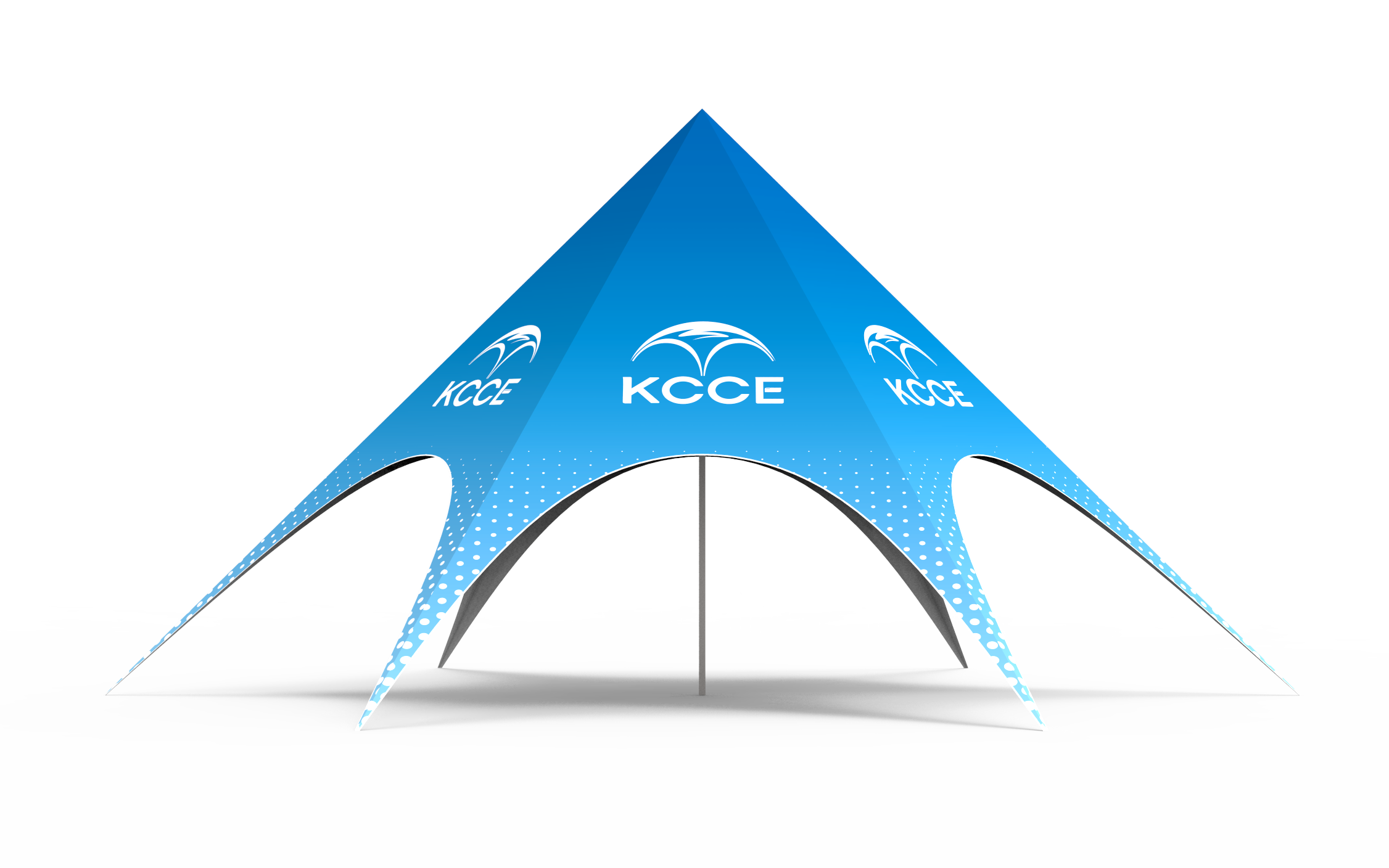
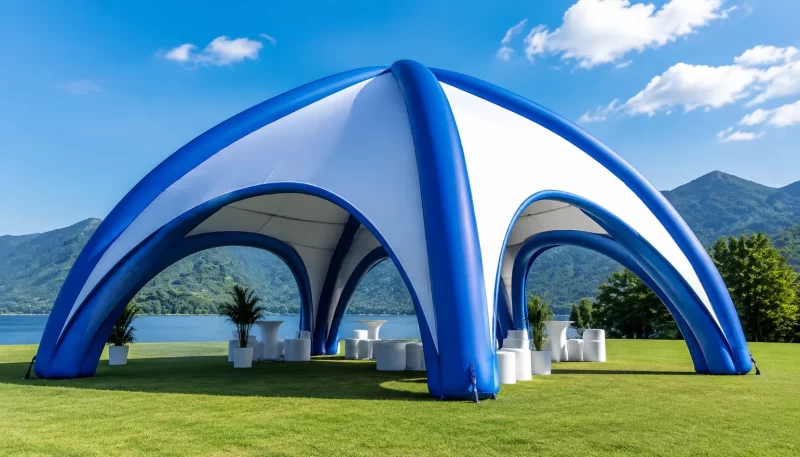
First up, size and shape. You can get a standard square or rectangle, sure, but what about an arch that frames a photo backdrop? Or a dome that looks like a branded pop-up shop? Or a tunnel that guides attendees into a VIP area? In my experience, custom inflatable structures range from a 3×3 meter arch for a product launch to a 20×20 meter dome for a corporate gala. The shape dictates everything—material, inflation time, and cost.
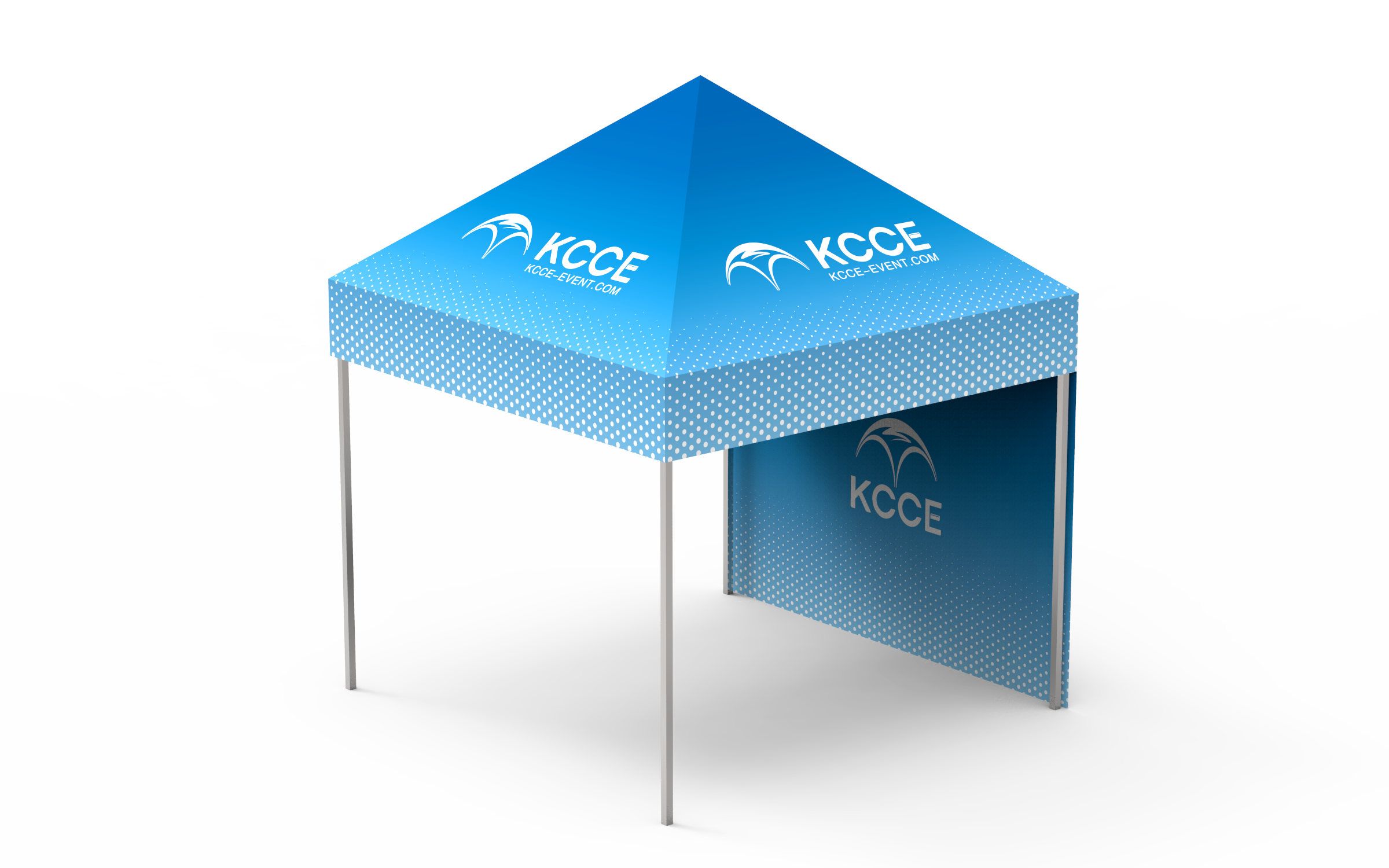
Then there’s sides. A lot of people overlook this, but an inflatable custom tent with sides can turn a simple canopy into a fully enclosed space. You can add walls, doors, windows, even transparent panels for showcase lighting. This matters a ton for events where weather or privacy is a concern. For example, a food festival vendor might need a tent with solid sides to keep wind and dust off their cooking equipment. An event planner might want an inflatable custom tent with sides that zip open to create a front-of-house demo area.
Color and printing are the bread and butter of customization. But “custom color” can mean totally different things depending on the supplier. Some can match any Pantone color; others only offer a limited palette. Printing methods vary too: screen printing is cheap but fades faster; dye-sublimation gives vibrant, durable images but costs more. I strongly suggest you ask for a material sample before committing—one shade of blue can look very different under LED lights versus sunlight.
Doors and windows are often an afterthought, but they’re critical for functionality. How many entrances? Where should they be? Should the windows be clear, tinted, or mesh? Do you need a zippered door for air conditioning tubing? These details get lost in typical conversations, but they define whether your tent actually works for your specific event.
Here’s a Customization Checklist you can use when talking to suppliers:
- サイズ: Length, width, height, arch radius
- 形状: Square, rectangle, arch, dome, tunnel, custom
- Sides: Full, half, without sides, with transparent or mesh panels
- Color: Pantone numbers for main body, accent, and printing
- 印刷: Screen print, dye-sublimation, vinyl appliqué
- Doors: Quantity, type (zipper, hook-and-loop, tie-back)
- Windows: Quantity, position, type (clear, tinted, mesh)
- Vents/Openings: For HVAC, cables, or lighting
- Reinforcements: Corner patches, extra stitching, webbing loops
- Inflation system: Integrated blower, external pump, or hand pump
One more thing: distinguish between semi-custom と full custom. Semi-custom means you choose from an existing frame or design and just change colors/printing. Full custom means the supplier builds a brand-new mold or pattern. The lead time for full custom can be 12-16 weeks, compared to 4-8 weeks for semi-custom. And the cost difference? You’re looking at roughly 30–50% more for full custom. So ask yourself: do you really need a unique shape, or will a standard rectangle with custom graphics do the job?
Size, Shape & Use Case: Matching the Tent to Your Event
I’ve lost count of how many times a client ordered a tent that was too big, too small, or the wrong shape for their actual event. It’s not their fault—there’s a lot of confusion out there. Let me break it down.
Events and their typical sizes:
- Trade show booth: A 10×10 or 10×20 foot rectangular tent. That’s about 3x3m or 3x6m. Plenty for a product display and one staff member.
- Brand activation: A 3x3m arch tent is popular for photo ops and entrance branding. Or a 6x6m (20×20) square for a lounge.
- Wedding or party: For a seated dinner, allow 12-15 square feet per person. So a 20×30 foot tent (about 600 sq ft) serves 40-50 guests. For a cocktail party, 8-10 sq ft per person works. What size inflatable tent for a party? That depends on your guest list and the layout.
- Food festival or pop-up: A 6x6m with sides is ideal—enough space for a cooking station, storage, and a display counter.
- Large outdoor event: We’re talking 20x20m domes that can hold 200+ people. These are often used for VIP areas or main stages.
Why shape matters:
- Rectangular tents are best for linear spaces like trade show aisles or food lines.
- Square tents are great for lounges or seated areas where you want a balanced layout.
- アーチ tents work as photo backdrops, entrances, or product launch reveals.
- ドーム tents provide high interior space with no center poles—perfect for immersive experiences or product showcases.
- トンネル tents create a guided path or an impressive entrance.
One client I worked with originally wanted a 5x5m square tent for a pop-up store. But after discussing the need for a checkout counter, display racks, and customer flow, we switched to a 3x6m arch with a tunnel exit. The arch created a natural retail flow, and the tent took up less ground space while serving the same number of customers.
Another common mistake: ordering a tent without considering the venue restrictions. Some convention centers limit tent dimensions. Outdoor parks may have fire lanes that require specific clearances. Always check with the venue before placing a custom order.
Here’s a rough capacity chart:
| Tent Size (LxW) | Approx. Sq Ft | Standing Cocktail | Seated Dinner |
|---|---|---|---|
| 10×10フィート | 100 | 10-15 | 6-8 |
| 10×20 ft | 200 | 20-30 | 12-16 |
| 20×20 ft | 400 | 40-60 | 25-30 |
| 20×30 ft | 600 | 60-80 | 40-50 |
| 20×40 ft | 800 | 80-100 | 55-65 |
| 30×30 ft | 900 | 90-120 | 60-75 |
| 40×40 ft | 1600 | 160-200 | 100-120 |
Take this as a starting point, not a rule. Actual capacity depends on furniture layout, stage size, and other features.
Material Matters: PVC vs. TPU vs. Nylon
If you ask me, material is the most underappreciated factor in choosing an インフレータブルカスタムテント. People obsess over color and logo placement but forget that the fabric determines the tent’s durability, weight, wind resistance, and cost. I’ve seen too many tents that looked great for two events and then turned into floppy, fading disasters.
Let’s break down the three common materials.
PVC (Polyvinyl Chloride)
- 重量: Heavy. A typical PVC inflatable tent for sale might weigh 10-15 kg for a 10×10.
- 耐久性: Excellent abrasion resistance and UV stability. Can last 3-5 years with proper care.
- 風抵抗: Good, but only if the tent has adequate anchoring. In high winds (40+ mph), PVC tents can flap and tear at seams.
- Temperature: Works well in mild climates (15-30°C). In extreme heat (above 40°C), PVC softens and may sag. In cold (below -10°C), it becomes stiff and brittle.
- コスト: Cheapest option. A 10×10 PVC custom inflatable tent might cost $800-$1500.
- 最適な用途: Short-term events, trade shows, indoor use, or occasional outdoor use in moderate weather.
TPU (Thermoplastic Polyurethane)
- 重量: Lighter than PVC. A 10×10 TPU tent could be 6-8 kg.
- 耐久性: Superior tear resistance and puncture resistance. Often rated for 5-10 years of regular use.
- 風抵抗: Much better than PVC because it stays flexible in a wider temperature range. Some TPU tents are rated for winds up to 60 mph.
- Temperature: Works from -30°C to 70°C without significant degradation. That’s why I see TPU used for extreme-weather events like mountain festivals or winter trade shows.
- コスト: More expensive. A TPU inflatable custom tent for the same size could be $1500-$3000.
- 最適な用途: Frequent use, extreme temperatures, windy locations, or where weight matters for transport.
Nylon (coated or ripstop)
- 重量: Lightest of the three. A 10×10 nylon tent might weigh 3-5 kg.
- 耐久性: Good for short-term use, but nylon abrades faster than PVC or TPU. Ripstop nylon resists tearing but can leak at seams if not properly sealed.
- 風抵抗: Not as good as TPU. Nylon tents are best in calm weather.
- Temperature: Works in moderate temperatures but can degrade under strong UV exposure over time.
- コスト: Similar to PVC or slightly cheaper. Expect $600-$1200.
- 最適な用途: Lightweight, portable applications like camping, backpacking, or short-term events where weight is critical.
My personal recommendation: For any business or event usage (as opposed to weekend camping), invest in TPU if your budget allows. The durability and weather resilience will save you money in the long run, especially if you plan to use the tent more than 2-3 times a year. PVC is fine for budget-conscious one-off events, but be prepared for replacement sooner.
Don’t forget the printing surface. PVC rarely holds dye-sublimation printing well; it tends to blister or fade after a few sun exposures. TPU takes dye-sublimation beautifully and retains color for years. If your tent is going to be heavily branded, TPU is almost always the better call.
Setup Time, Crew & Logistics
Here’s a question I hear all the time: “Are air tents easy to put up?” And the answer is… it depends. A simple inflatable canopy 10×10 can be set up by two people in under 10 minutes. A 20×20 dome with sides and windows? That might take three people 20-30 minutes. And a huge 40x40m structure? You’re looking at a 5-person crew for over an hour.
Why setup time matters for decision-makers: It affects labor costs, schedule planning, and venue restrictions. If you’re running a series of events in a single day—say, three brand activations in three different locations—setup time can make or break your schedule.
What influences setup time:
- Tent size and shape: Larger and more complex shapes require more inflation time and more people to anchor properly.
- Inflation system: A built-in blower (electric) is faster than a hand pump. Some tents have a battery-powered blower, which adds portability but may be slower.
- Number of sides: Tents with removable sides take extra time to attach.
- Site preparation: Uneven ground or obstacles can slow everything down.
Quick setup time estimate formula:
(Volume in cubic meters) × 0.2 = setup minutes
Number of crew = Volume (cubic meters) ÷ 15
So for a 10x10x8 foot tent (that’s roughly 3x3x2.5 meters → 22.5 cubic meters):
22.5 × 0.2 = 4.5 minutes (optimistic). Real-world: assume 10-15 minutes with two people.
Crew: 22.5 ÷ 15 ≈ 1.5 → so two people.
For comparison, a traditional pole tent of the same size might take 3-4 people 1-2 hours. That’s a huge difference.
Logistics tip: Most inflatable tents fold into a duffel bag about the size of a large suitcase. A 10×10 might fit in a standard sedan trunk. But a 20×20 could require a small SUV or van. Always ask the supplier for packed dimensions and weight.
「 where to find an inflatable custom tent locally, or maybe inflatable custom tent near me, check with rental companies first. They can often deliver and set up for you, saving you the crew cost and logistics hassle.
One more thing: Don’t underestimate the importance of a compressor or pump. If you’re using an electric blower, make sure you have access to a power outlet at your event site. Some tents have a hand pump option, but that adds 5-10 minutes to setup time. Battery-powered blowers are excellent for remote locations but check the battery life—usually 30-60 minutes of continuous use, enough for 2-3 setups.
Safety, Wind Ratings & Permits (Don’t Skip This)
I’m going to be blunt here: safety is the part most articles ignore, and it’s the part that can cost you a lawsuit. I remember a case from 2018 where a carnival inflatable collapsed in a gust of wind, injuring several children. The operator had failed to anchor the tent properly. That’s a nightmare scenario.
Wind ratings: Every reputable inflatable custom tent should come with a wind rating. For example, a typical PVC tent might be rated for 28-35 mph. A TPU tent can handle 40-60 mph. But here’s the catch: the rating assumes proper anchoring. If your tent is not staked or weighted down, all bets are off.
Anchoring options:
- Stakes: Good for grass or soft ground.
- Sandbags / water barrels: Needed for concrete, asphalt, or indoor use.
- Integrated tie-down points: Look for D-rings or loops on corners and along sides.
For an inflatable custom tent with sides, the wind load is higher because the tent acts like a sail. You may need extra anchoring on the side facing the wind.
Permits and regulations: This varies wildly by location. In the U.S., many cities require a temporary structure permit for tents larger than 10×10 feet. In the UK, you need a fire safety certificate for any tent used for public events. Always ask the venue or local fire marshal before committing to a tent.
A universal “Permit Quick Check” list:
- Convention centers / indoor venues: Usually require a layout plan and a fire marshal visit. No permit needed if tent is under 400 sq ft.
- Public parks: Often require a special event permit, which may include a tent inspection.
- Beaches / open fields: Check with local council—some have strict wind restrictions for inflatable structures.
- Private property: Usually no permit needed, but check insurance requirements.
What about inflatable custom tent with sides and a door? That’s considered a temporary structure with an enclosed space. Most fire codes require at least two exits for tents over 200 sq ft. Ask your supplier to provide a drawing showing entrance/exit locations.
Customization Limits: Minimum Orders, Lead Times & Cost Drivers
Every supplier loves to say “we do custom orders.” But the fine print tells a different story. I’ve seen instances where a supplier quoted a 50-unit minimum order for a simple color change—ridiculous for a small business.
Minimum Order Quantity (MOQ):
- For standard shapes (rectangles, squares), MOQ is often low—like 5 or 10 units for a full custom print job.
- For custom shapes (arches, domes), expect higher MOQs because the supplier has to create a new pattern. That could be 25-50 units.
- But it’s not set in stone. I’ve negotiated with suppliers to get a MOQ of 1 unit for a trade show client—but only because the design was close to an existing pattern.
Lead times:
- Semi-custom (choose from existing design, change colors/print): 4-6 weeks.
- Full custom (new design, new pattern): 8-16 weeks.
- Rush orders: Some suppliers offer expedited service for an extra 20-30% fee. Lead time can drop to 2-4 weeks.
Cost drivers:
- Tent size: Cost per square foot decreases as the tent gets larger. A 10×10 may cost $8-10 per sq ft; a 20×20 might cost $5-7 per sq ft.
- 素材: TPU is roughly 30-50% more expensive than PVC. Nylon is comparable to PVC.
- Number of printing colors: Each additional color adds $0.50-1.00 per sq ft for screen printing. Dye-sublimation is a flat fee regardless of colors.
- Sides and accessories: Windows, doors, zippers, and tie-downs each add cost.
- Shipping: Inflatable tents are heavy and bulky. A 10×10 packed size is about 30x20x20 inches and weighs 15-20 kg. Shipping cross-country can add $100-200.
Quick cost estimate: For a 10×10 inflatable custom tent with sides and full-color dye-sublimation printing:
- PVC: $1,000 – $1,500
- TPU: $1,500 – $2,500
- Nylon: $800 – $1,200
When you search for “Inflatable custom tent for sale”, always ask for a written quote that includes MOQ, lead time, and a breakdown of costs. Don’t trust a verbal estimate. And if a supplier promises a custom tent in two weeks for $500, run the other way. Quality and safety take time.
Rent vs. Buy: A Decision Framework for Managers
This is the million-dollar question. I’ve seen both strategies work—and both fail. The key is to match the decision to your actual event frequency and budget.
Rent when:
- You only need the tent for a single event or 2-3 events a year.
- You don’t want to worry about storage, maintenance, or warranties.
- You need a very large or complex tent that you’d never use again.
- The event location is near a rental company that can set up and tear down.
Buy when:
- You use the tent 3+ times a year. The breakeven point is usually around the third use.
- You want consistent branding across events.
- You need a custom color or design that no rental company offers.
- You want to avoid rental logistics and waiting lists during peak event season.
Decision tree (5 questions):
- How many events will this tent serve over the next 12 months? Answer: <3 → rent; 3+ → buy.
- Is the tent design unique to your brand (custom shape, colors, printing)? Yes → buy; No → rent.
- Do you have storage space for the tent when not in use? Yes → buy; No → rent.
- Is the event in a location with limited rental options? Yes → buy; No → rent.
- Is your budget fixed and the tent cost less than 2x the rental cost? Yes → buy; No → rent.
Simple cost comparison:
- Rent a 10×10 inflatable custom tent for a weekend: $200-400 per event.
- Buy the same tent: $1,000-2,000.
- Break-even: after 3-4 rentals, buying is cheaper.
A client of mine ran a series of 10 brand activations over two years. She initially rented for $300 each, spending $3,000 total for 10 events. Then she bought a $1,500 tent. After the third event, the investment paid off. After 10 events, she saved $1,500. And she had a tent with her logo on it for future use, which she could resell or repurpose.
One caveat: That breakeven only works if the tent holds up. I’ve seen a cheap PVC tent start leaking after 5 uses, which means the “buy” option fails. Stick with reputable suppliers and high-quality materials.
Before you send that next RFP, ask yourself one question: Would I rather save $200 on a tent that lasts one season, or invest in a structure that can be rebranded for five different campaigns?
Your next move: Download the free Customization Checklist from Step 1, fill out your specs, and send it to at least three suppliers. Compare their MOQ, lead time, and per-unit cost—then decide. You’ll close the loop in half the time.
適切な インフレータブルカスタムテント starts with knowing exactly what you need. Now you have the tools to do it.
よくある質問(FAQ)
Q: What is the average lifespan of an inflatable custom tent?
A: PVC tents last 3-5 years; TPU tents can last 5-10 years with proper storage. Lifespan also depends on how often you use the tent and the weather conditions it faces. Regular cleaning and storing it away from UV light will extend its life.
Q: Can I get an inflatable custom tent with sides for a trade show?
A: Absolutely. An inflatable custom tent with sides is very popular for trade shows. They provide privacy, protect your products from dust, and allow you to control lighting. Just make sure the sides are removable for flexibility.
Q: How much does an inflatable custom tent cost for a party?
A: A 10×10 inflatable custom tent for a party, with sides and full-color printing, typically costs $1,000-$2,500. For a larger tent like 20×20, expect $2,500-$5,000. Rental options are available for single-use events. Inflatable party tent rental costs around $200-$600 per weekend.
Q: Are inflatable custom tents safe in bad weather?
A: Yes, if properly anchored and rated for wind speed. Always check the manufacturer’s wind rating and use the recommended anchoring system. In high winds (40+ mph), take down the tent or secure it with extra sandbags. Never use an inflatable tent in a storm.
Q: Where can I find an inflatable custom tent near me?
A: Search for “Inflatable custom tent near me” to find local rental companies or suppliers. Check Google Maps, event supply directories, or industry trade shows. Many suppliers also ship throughout the country. If you need quick delivery, a local supplier is usually the best option.
Q: What’s the best size inflatable canopy 10×10 for a backyard party?
A: A 10×10 inflatable canopy 10×10 is ideal for small parties with 10-15 guests. For larger gatherings, consider a 10×20 or 20×20. Remember that the tent size includes the sides; a 10×10 with sides will feel smaller than an open-sided one. Always measure your yard space before ordering.