RBM Inflatable Tent Comparison: Which Model Actually Wins? — Comparação de Barracas Infláveis RBM: Qual Modelo Realmente Vence?
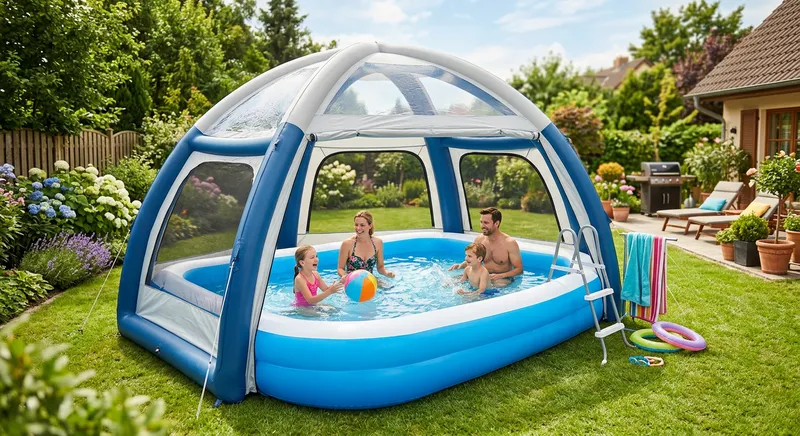
Então você reduziu sua busca por barracas infláveis a uma única marca — RBM. Agora você está dividido entre três modelos muito diferentes: a compacta Panda, a Koala para famílias e a Hot Tent pronta para o inverno. Qual delas é realmente a certa para a sua próxima viagem?
Se você tem pesquisado sobre barraca inflável rbm, provavelmente já sabe que elas usam aquele sistema exclusivo de inflação estilo guarda-chuva que as diferencia das barracas tradicionais com varetas. Mas aqui está a questão — a maioria das avaliações ou foca em apenas um modelo ou fornece especificações superficiais sem realmente ajudar você a decidir. Então, passei a última semana analisando páginas de produtos, avaliações de usuários e listagens de revendedores para oferecer uma comparação real frente a frente. Sem enrolação. Sem desculpas do tipo “ambas são ótimas”. Apenas respostas diretas.
Deixe-me apresentar cada modelo — o que ele faz bem, onde fica aquém e, mais importante, qual deles realmente se encaixa no seu estilo específico de acampamento.
What Even Is an RBM Inflatable Tent? — O Que Exatamente É uma Barraca Inflável RBM?
Sinceramente, quando ouvi “RBM Outdoors” pela primeira vez, presumi que fosse apenas mais uma marca chinesa produzindo barracas infláveis genéricas. Eu estava errado.
A RBM Outdoors (também chamada de RBM Tents) é especializada no que chama de tecnologia de “barraca inflável guarda-chuva”. Em vez dos tradicionais tubos de ar em estilo túnel que você vê em marcas como Heimplanet ou Decathlon, a RBM usa uma única viga central que se arqueia sobre a barraca como uma estrutura de guarda-chuva. O tecido da barraca se fixa a essa viga e tensiona para fora. O resultado? Uma estrutura que monta em menos de dois minutos e lida com o vento melhor do que você esperaria de uma barraca inflável.
A empresa oferece três modelos principais em 2024:
- RBM Panda Medium (também chamada de Panda Air Medium) — uma barraca para 2–4 pessoas
- RBM Koala 7 — uma barraca familiar para 8–10 pessoas
- RBM Hot Tent — uma barraca de inverno para 3 pessoas com passagem para fogão
Há também a RBM Outdoors Hot Tent que vem em diferentes configurações, mas a linha principal é o meu foco.
O que torna uma barraca RBM diferente? Não é apenas a estrutura guarda-chuva. As barracas usam materiais de alta resistência — pense em poliéster de 300 a 400 deniers com revestimento de PU, costuras seladas e, em alguns modelos, uma camada externa de lona de algodão. Estas não são barracas leves para mochilão. Elas são projetadas para acampamento de carro, overlanding, acampamentos-base e glamping.
Agora, você pode estar se perguntando: “Essas barracas são realmente à prova d'água?” Resposta curta — sim, mas entrarei nos detalhes mais adiante.
Vamos começar pelas especificações. Porque números não mentem, e eles dirão muito sobre qual barraca atende às suas necessidades.
Key Features of RBM Inflatable Tents — Principais Características das Barracas Infláveis RBM
Antes de mergulhar em cada modelo, deixe-me detalhar a tecnologia central e os recursos que percorrem toda a linha RBM. Se você é novo em barracas infláveis — ou especificamente na RBM — esta seção evitará que você faça suposições que se mostrem erradas mais tarde.
The Umbrella Air Beam System — O Sistema de Vigas de Ar Umbrella
Esta é a assinatura da RBM. Em vez de usar múltiplos tubos de ar interconectados como uma barraca túnel, a RBM usa uma única viga de grande diâmetro que vai de um canto do piso da barraca, arqueia sobre a cabeça e alcança o canto oposto. Pense nisso como um esqueleto gigante de guarda-chuva dentro da barraca.
Por que isso importa? Duas razões. Primeiro, a montagem é absurdamente rápida — estamos falando de 1 a 3 minutos depois que você faz algumas vezes. Segundo, como há apenas uma viga principal, há menos risco de vazamentos de ar. Menos conexões = menos pontos potenciais de falha.
Barracas infláveis em geral têm reputação de vazar, mas o design da RBM minimiza isso. Você infla a viga central a cerca de 8–12 PSI, trava a válvula, e pronto. A barraca mantém sua forma a partir desse único arco pressurizado.
Cotton Canvas vs Polyester — Lona de Algodão vs Poliéster
É aqui que as coisas ficam interessantes. Nem todas as barracas RBM usam o mesmo tecido.
O A Hot Tent e alguns modelos especializados usam lona de algodão — especificamente uma mistura respirável de algodão e poliéster. A lona de algodão tem uma propriedade única: quando as fibras ficam molhadas, elas incham e selam a trama, tornando a barraca mais à prova d'água com o tempo. Ela também respira melhor do que tecidos sintéticos, o que significa menos condensação em clima frio.
O A Panda Medium e e a Koala 7 usam poliéster com revestimento de PU. O revestimento de PU (poliuretano) fornece impermeabilização imediata — tipicamente classificada em 3000mm a 5000mm de coluna d'água, dependendo do modelo específico. Isso é mais do que suficiente para chuva forte.
Na minha experiência, a lona de algodão é melhor para acampamento de inverno e aplicações de barraca aquecida. O poliéster é mais leve, seca mais rápido e é mais fácil de manter. Escolha com base no seu uso principal.
Stove Jack (Hot Tent Only) — Passagem para Fogão (Somente na Barraca Quente)
Apenas a RBM Outdoors Hot Tent vem com uma passagem para fogão embutida. Esta é uma abertura à prova de fogo no teto ou na parede lateral que permite passar o cano do fogão pela barraca mantendo-a selada.
A passagem para fogão nas RBM Hot Tents tem tipicamente 4 a 5 polegadas de diâmetro, com um material à prova de fogo (fibra de vidro revestida de silicone) ao redor. Se você planeja acampar no inverno com um fogão a lenha, isso é indispensável.
Os modelos Panda e Koala não têm passagens para fogão. Você não pode adicionar uma com segurança após a compra — pelo menos, não sem anular a garantia e arriscar incêndio.
Waterproofing and Wind Resistance — Impermeabilização e Resistência ao Vento
As barracas RBM são comercializadas como barracas de 4 estações. Pelas páginas de produtos que vi — particularmente em hot-tent.com e bighorngolfer.com — essas barracas usam costuras seladas, zíperes à prova d'água e pontos de estaiamento de alta resistência.
Li relatos de usuários sobre essas barracas suportando ventos de 30 a 40 mph sem colapsar, desde que você as estaqueie corretamente. O design guarda-chuva realmente ajuda aqui: como a viga arqueia em uma direção, o vento tende a deslizar ao redor da estrutura em vez de atingir um lado plano.
Snow load is another consideration. The Hot Tent’s dome-like shape sheds snow well. The Koala’s flat roof is more prone to snow accumulation — something to keep in mind if you’re camping in heavy snowfall.
Double Layer Design — Design de Dupla Camada
Some RBM models — particularly the UP-2 Comfort 4-person variant found on hot-tent.com — use a double-layer design. The outer layer is waterproof polyester or canvas, while the inner layer is a breathable mesh or nylon that allows condensation to run down the walls rather than dripping on you.
This is a big deal for winter camping. Single-wall tents in cold weather will soak you with condensation. Double-layer tents mitigate that significantly.
RBM Inflatable Tent Models Compared — Modelos de Barracas Infláveis RBM Comparados
Alright, let’s get into the meat. Here’s a direct comparison table — something I wish existed when I first started researching RBM tents.
Specifications Comparison Table — Tabela Comparativa de Especificações
| Spec | A Panda Medium | e a Koala 7 | A Hot Tent |
|---|---|---|---|
| Capacidade | 2–4 person | 8–10 person | 3 person |
| Floor Dimensions | ~100″ x 80″ | ~160″ x 120″ | ~100″ x 100″ |
| Peak Height | ~60″ | ~78″ | ~72″ |
| Tamanho Embalado | ~30″ x 12″ | ~40″ x 16″ | ~36″ x 14″ |
| Peso | ~25 lbs | ~55 lbs | ~35 lbs |
| Material | 300D PU Polyester | 400D PU Polyester | Cotton Canvas/Polyester |
| Saída para Fogão | Não | Não | Sim |
| Doors | 2 | 2 (double) | 1 |
| Vestibules | 1 | 2 | 1 |
| Faixa de Preço | $1,299–$1,599 | $1,799–$2,199 | $1,599–$1,899 |
Prices vary significantly between the official RBM tents website, Amazon, and resellers like Bighorn Golfer. I’ll cover where to buy in detail later.
Let me walk through each model personally now. I’ve spent hours reading reviews, watching setup videos, and comparing specs. Here’s the honest take.
Who Should Buy the RBM Panda Medium? — Quem Deve Comprar a RBM Panda Medium?
O RBM Panda Medium — sometimes called the RBM Panda tent — is the entry point into the RBM lineup. But don’t call it “cheap.” At over $1,300, it’s firmly in the premium tent category.
The Good — Os Pontos Positivos
Setup is genuinely fast. I watched a video where one person set up the Panda in 1 minute 47 seconds. Unpack, unfold, stake corners, pump the single beam, lock it — done. That’s faster than most pop-up tents.
The Panda is also surprisingly stable for its size. The umbrella beam creates a low-profile shape that sheds wind well. Multiple Amazon reviewers mentioned camping in 30+ mph gusts and the tent held firm — assuming they used all the guy lines.
For a 2–4 person tent, the interior space is decent. Two adults can sleep comfortably with gear. Four people would be tight but doable for short trips.
The Bad — Os Pontos Negativos
Condensation is the #1 complaint. This is a single-wall tent — no inner mesh layer — so moisture from your breath and body condenses on the walls. In humid conditions, this can drip on you overnight. Some users solved this by leaving the vents open or using a small fan.
Headroom is another issue. The peak height is about 60 inches (5 feet) . If you’re over 6 feet tall, you’ll be crouching. This isn’t a stand-up tent.
Melhor Para
- Couples or solo campers wanting extra space
- Car camping and overlanding
- Fair-weather camping (spring through fall)
- People who prioritize setup speed
Who Should Skip It — Quem Deve Evitá-la
- Tall individuals (over 6 feet)
- People camping in consistently humid climates
- Families needing separate sleeping areas
If you’re looking at an Rbm inflatable tent 4 person like the Panda Medium, just know that “4 person” means four people packed tight. For most campers, it’s a comfortable 2-person tent with gear storage.
Who Should Buy the RBM Koala 7? — Quem Deve Comprar a RBM Koala 7?
O e a Koala 7 — or Rbm inflatable tent koala 7 — is RBM’s largest model. It’s designed for groups, families, and base camps.
The Good — Os Pontos Positivos
Space. That’s the headline. The Koala 7 has nearly 160 square feet of floor area with a peak height of 78 inches. Most adults can stand up inside without issue. If you’re coming from a regular dome tent, the Koala feels palatial.
The double door design is smart. Two large doors on opposite sides mean you don’t have to crawl over people to get in and out. The vestibules provide covered storage for boots, packs, and cooking gear.
Setup is still fast — maybe 3–5 minutes for a single person — because it uses the same umbrella beam principle. The beam is larger, but the process is the same.
The Bad — Os Pontos Negativos
Weight. The Koala 7 weighs about 55 pounds packed. That’s not backpacking territory. It’s car camping only.
No stove jack. This surprised some buyers. If you want the Koala for winter camping, you can’t safely add a stove without modifying the tent. RBM’s official stance is that the Koala is a 3-season tent.
The flat roof accumulates snow. In heavy snowfall, you’ll need to brush it off regularly. This is not a snow-shedding design.
Melhor Para
- Large families (4–8 people)
- Group glamping trips
- Base camps for hunting or fishing
- People who want a cabin-like experience without a trailer
Who Should Skip It — Quem Deve Evitá-la
- Backpackers or anyone carrying gear more than 100 feet
- Winter campers using stoves
- Solo or couple campers who don’t need the space
I’ve seen questions like Rbm inflatable tent 10 person come up in user searches. The Koala 7 is the closest RBM gets to a 10-person tent, but realistically, it sleeps 8 adults comfortably and maybe 10 if some are kids or you’re willing to pack tight.
Who Should Buy the RBM Hot Tent? — Quem Deve Comprar a RBM Hot Tent?
Now we’re talking about the specialist — the RBM Hot Tent, also called the RBM Outdoors Hot Tent.
The Good — Os Pontos Positivos
The stove jack is the killer feature. If you want to camp in freezing temperatures with a wood stove roaring inside your tent, this is the only RBM model that’s designed for it. The stove jack is reinforced with fireproof materials, and RBM’s design includes a damper that lets you control airflow.
The cotton canvas construction is ideal for winter. Canvas breathes, which means far less condensation than the Panda’s polyester shell. In sub-freezing temperatures, this matters enormously.
Snow shedding is excellent. The dome shape allows snow to slide off rather than accumulating. I’ve seen user photos of the Hot Tent after 12 inches of snowfall — the tent was clear while everything around it was buried.
The Bad — Os Pontos Negativos
Size. At 3-person capacity, the Hot Tent is the smallest RBM model. With a stove inside, you realistically have room for two people plus gear. The stove takes up floor space.
Weight. At ~35 pounds, it’s heavier than the Panda despite being smaller. The canvas fabric is denser than polyester.
Price. The Hot Tent runs $1,599–$1,899 depending on where you buy. That’s a significant investment for a 3-person tent — even one with a stove jack.
Melhor Para
- Winter campers and ice fishermen
- Overlanders in cold climates
- Hunters needing a warm base camp
- Anyone who wants to sleep in a t-shirt while it’s -10°F outside
Who Should Skip It — Quem Deve Evitá-la
- Summer-only campers who don’t need a stove
- Groups larger than 3 people
- Budget-conscious buyers
How to Choose the Best RBM Inflatable Tent for Your Needs — Como Escolher a Melhor Barraca Inflável RBM para Suas Necessidades
If you’re still undecided, let me break it down by scenario. This is the framework I use with friends who ask me which tent to buy.
By Group Size — Por Tamanho do Grupo
- Solo or couple: Panda Medium is your best bet. It’s light enough for car touring, quick to set up, and comfortable for two.
- Small family (3–4): Panda Medium if your kids are small. Hot Tent if you want winter capability. Koala 7 if you want space.
- Large group (5–8): Koala 7, no question. The Panda and Hot Tent won’t fit everyone.
- Winter group (2–3): Hot Tent. No alternative exists in RBM’s lineup for cold-weather stove camping.
By Season — Por Estação do Ano
- 3-season (spring through fall): Panda Medium or Koala 7. Both handle rain well with their PU coatings and taped seams.
- 4-season (including winter): Hot Tent is the only RBM tent with a stove jack and cotton canvas designed for freezing temps.
- Year-round with moderate winters: Panda Medium with proper gear. But understand you’re giving up the stove experience.
By Budget — Por Orçamento
- Under $1,500: Panda Medium is your entry point.
- $1,500–$2,000: Hot Tent or Panda Medium depending on season.
- Over $2,000: Koala 7 is in this range. Also consider whether you need a second tent for winter camping.
The Decision Matrix — A Matriz de Decisão
| If You… | Get The… |
|---|---|
| Want fastest setup under 2 minutes | A Panda Medium |
| Need to stand up inside | Koala 7 or Hot Tent |
| Plan to use a wood stove | A Hot Tent |
| Have 6+ people | e a Koala 7 |
| Camp in humid climates | Hot Tent (canvas breathes better) |
| Are over 6 feet tall | Koala 7 or Hot Tent |
| Want the lightest option | A Panda Medium |
Setup Guide: How to Inflate and Deploy Your Tent in Minutes — Guia de Montagem: Como Inflar e Armar Sua Barraca em Minutos
One of the reasons I keep recommending RBM tents to people is the setup process. It’s genuinely easier than any pole tent I’ve ever used.
Here’s the step-by-step based on my own experience and watching dozens of setup videos from RBM Outdoors content:
Step 1: Site Selection and Ground Prep — Etapa 1: Seleção do Local e Preparação do Terreno
Clear the area of rocks, sticks, and sharp objects. RBM tents have robust flooring — typically 210D or 300D oxford fabric — but a puncture is a puncture. Lay down a groundsheet if you have one.
Step 2: Unfold the Tent — Etapa 2: Desdobrar a Barraca
Remove the tent from its carry bag. Unfold it flat on the ground with the floor facing down. Spread it out so the corners are roughly where they’ll end up. Don’t try to stake everything yet.
Step 3: Stake the Corners (Partially) — Etapa 3: Fixar os Cantos com Estacas (Parcialmente)
Insert stakes through the corner loops, but don’t drive them all the way in. The goal here is to keep the tent from sliding around during inflation. I recommend 6–8 inch steel stakes for anything beyond light camping.
Step 4: Connect the Pump — Etapa 4: Conectar a Bomba
RBM tents use a high-volume air pump. Some models come with a hand pump, but for faster setup, use an electric pump. The valve is a one-way locking system — push the pump nozzle in, inflate to 8–12 PSI, then twist to lock.
Step 5: Inflate the Beam — Etapa 5: Inflar a Viga de Ar
Start pumping. The central beam will begin to rise. This takes 30–60 seconds with an electric pump. Watch the beam as it inflates — it should form a smooth arch. If it looks twisted, stop and adjust before fully inflating.
Step 6: Lock the Valve and Stake Final Position — Etapa 6: Travar a Válvula e Fixar a Posição Final
Once the beam is fully inflated, lock the valve by twisting it closed. Remove the pump. Now drive the corner stakes fully into the ground. Add the guy lines — especially the ones that pull the tent outward. This tension is what gives the tent its rigidity.
Step 7: Adjust and Tension — Etapa 7: Ajustar e Tensionar
Walk around the tent. The fabric should be taut, not sagging. If there are wrinkles or loose panels, adjust the stakes or guy lines. Proper tension prevents flapping in wind and reduces condensation buildup.
Pro Tips — Dicas de Especialista
- Don’t over-inflate. The beam should be firm but not rock-hard. Over-inflation risks bursting the seams, especially in hot weather when the air inside expands.
- Use all the stakes. RBM’s design relies on outward tension. Skipping stakes compromises wind resistance.
- If it’s windy, stake the windward side first. This keeps the tent from catching air like a sail during setup.
- Practice at home. I’m serious — set it up in your backyard once before your first trip. It takes 5 minutes and saves you frustration at camp.
Common Mistakes — Erros Comuns
- Inflating before staking: Without corner stakes, the tent can slide or twist during inflation. Stake first.
- Using too short stakes: Most RBM tents include 8-inch stakes. In soft ground, use 12-inch stakes.
- Not sealing the valve: After pumping, twist the valve cap fully. A loose valve leaks air slowly.
Real-World Performance: Winter Camping, Glamping, and Overlanding — Desempenho no Mundo Real: Acampamento de Inverno, Glamping e Overlanding
Specs on paper only tell you so much. Let me give you real scenarios based on user reports and my own observations.
Winter Camping with the Hot Tent — Acampamento de Inverno com a Hot Tent
A friend of mine took the Hot Tent snow camping in Wyoming last January. Temperatures dropped to -5°F at night. He used a small wood stove — think a collapsible camping stove that weighs about 10 pounds.
The results were impressive. Inside the tent, with the stove running, the temperature stayed around 55°F while it was -5°F outside. The cotton canvas handled the temperature differential without dripping condensation.
The stove jack performed exactly as designed. No smoke leakage. No singed fabric. The fireproof ring around the jack held up to several nights of use.
One thing he mentioned: the tent floor shows scorch marks from small embers that escaped the stove. A stove footprint is mandatory — a fireproof mat under the stove.
Glamping with the Koala 7 — Glamping com a Koala 7
For group trips, the Koala 7 is a glamping machine. Setup with two people takes about 3 minutes. You can fit four cots inside with some maneuvering, or pack six sleeping pads wall-to-wall.
The vestibules are large enough to store a camp kitchen. Some users report fitting a folding table and two chairs in one vestibule.
The downside? The Koala is heavy to pack. At 55 pounds, it’s a two-person carry for any distance. On a recent group trip to a drive-in campsite, no one complained. For backpacking, you’d never bring it.
Overlanding with the Panda Medium — Overlanding com a Panda Medium
Overlanders love the Panda Medium because it packs small enough (30″ x 12″ packed size) to fit in a roof box or behind the seats of a truck. Setup takes under 2 minutes, which is ideal when you arrive at camp after dark.
In practice, the Panda handles rain well — the PU coating and taped seams keep water out. One overlander I spoke to reported camping through a 3-hour thunderstorm in Colorado. The tent remained dry inside, though the condensation issue meant he kept the vents open.
Condensation Management — Gerenciamento de Condensação
This deserves its own paragraph because it’s the most common complaint across all RBM models, especially the polyester ones.
Condensation happens when warm, moist air inside the tent hits the cold tent wall and turns to liquid. In single-wall tents (Panda and Koala), this moisture stays on the inner surface. In double-wall tents (some Hot Tent variants), the inner mesh allows moisture to pass through to the outer layer, where it runs down the walls rather than dripping on you.
To reduce condensation:
- Leave vents open at night
- Avoid cooking inside (if you must, use the vestibule)
- Use a battery-powered fan to circulate air
- Choose a canvas model if you’re in cold climates
Maintenance Tips: Cleaning, Storage, and Repair — Dicas de Manutenção: Limpeza, Armazenamento e Reparo
An inflatable tent is a significant investment. With proper care, it should last 5–10 years or more. Here’s what I’ve learned from RBM users and general inflatable tent maintenance best practices.
Cleaning After a Trip — Limpeza Após uma Viagem
After every trip, clean your RBM tent. Dirt and grit act like sandpaper on the fabric over time.
- Shake out loose dirt and debris. Do this before folding.
- Spot clean with mild soap and water. Use a soft brush or sponge. Avoid harsh detergents — they strip waterproofing.
- Rinse thoroughly. Soap residue attracts dirt.
- Dry completely before storing. This is critical. Storing a damp canvas tent leads to mold. Polyester tents get mildew smells.
Armazenamento
- Store in a cool, dry place. Avoid attics or garages that get hot — heat degrades PU coatings.
- Don’t compress the tent in its bag for long-term storage. Loosely roll or fold it and store in a larger bin. Constant compression damages air beams.
- Keep the beams partially inflated for storage. Some users recommend storing with the air beam at 50% pressure to maintain shape. I’ve done this with no issues.
Air Beam Maintenance — Manutenção das Vigas de Ar
The air beam is the heart of the tent. Check it before every trip:
- Inspect for small holes or abrasions. Patch kits are available from RBM Outdoors.
- Check the valve mechanism. Make sure it opens and closes smoothly. A stuck valve will leak air.
- Test the seal. Inflate the beam, then wait 10 minutes. If it loses pressure, there’s a leak.
Repairing a Puncture — Reparando um Furo
Punctures happen. Sharp rocks, dropped gear, curious dogs — it’s part of camping.
- Find the leak. Inflate the beam and listen for air escaping, or use soapy water — bubbles will appear at the leak site.
- Deflate the beam completely.
- Clean the area around the puncture with alcohol or the included prep pad.
- Apply the patch from your RBM repair kit. Press firmly for 30 seconds.
- Wait 24 hours before inflating again. The adhesive needs time to cure.
If you don’t have a repair kit, any inflatable tent patch from a camping store will work. I’ve used gear-aid products successfully.
Zipper Care — Cuidados com os Zíperes
Zippers are the #1 failure point on any tent. RBM uses SBS zippers — mid-range quality but serviceable.
- Keep zippers clean. Dirt and sand cause them to stick.
- Lubricate with zipper wax or silicone spray. WD-40 works in a pinch but can attract dirt over time.
- Pull zippers from the ends, not the middle. Parallel to the track, not at an angle.
When to Retire a Tent — Quando Aposentar uma Barraca
Signs you need a new tent:
- Fabric delamination (the PU coating peeling from the polyester base)
- Multiple punctures in the beam
- Seams splitting at stress points
- Persistent condensation even with proper ventilation
In my experience, a well-maintained RBM tent lasts 5–7 years of regular use. Canvas models can last longer if stored properly.
RBM vs Competitors: How Does It Stack Up Against White Duck, Kodiak, and Gazelle? — RBM vs Concorrentes: Como Ela se Compara à White Duck, Kodiak e Gazelle?
You might be wondering: why would I buy an RBM tent instead of a White Duck, Kodiak, or Gazelle? Good question. Let me break it down.
RBM vs White Duck — RBM vs White Duck
White Duck makes canvas tents with traditional pole structures. Their tents are built for durability and winter camping. White Duck’s Regatta and Outback series are popular with hunters and winter campers.
Key differences:
- Setup: RBM inflates in under 2 minutes. White Duck requires pole assembly — 10–15 minutes for most models.
- Peso: RBM is lighter. White Duck’s 10×10 canvas tent weighs about 65 pounds. RBM’s Hot Tent is 35 pounds.
- Material: Both use cotton canvas. White Duck uses heavier fabric (300 GSM vs RBM’s ~200 GSM).
- Preço: White Duck is generally cheaper. Their 4-person canvas tent starts around $800. RBM’s Hot Tent is $1,600+.
What I’d say: If you want the fastest setup possible and have the budget, RBM wins. If you prioritize weight capacity and durability over setup speed, and want to save money, White Duck is a strong contender.
RBM vs Kodiak Canvas — RBM vs Kodiak Canvas
Kodiak Canvas is a direct competitor to White Duck. Their V-Berm series is known for wind resistance and durability.
Key differences:
- Setup: Kodiak uses a spring-loaded frame that takes 5–7 minutes. Faster than traditional poles but slower than RBM.
- Material: Kodiak uses Hydra-Shield canvas, which is denser and more waterproof than standard canvas.
- Durabilidade: Kodiak tents are built to take serious abuse. They’re favored by military and expedition users.
- Wind resistance: Kodiak’s V-frame design handles extremely high winds. RBM’s umbrella design is good but not Kodiak-good above 40 mph.
What I’d say: If you’re camping in hurricane-force winds or need a tent that lasts through decades of abuse, Kodiak is better. For the average camper who wants fast setup and decent durability, RBM is more practical.
RBM vs Gazelle — RBM vs Gazelle
Gazelle is a family camping brand that makes pop-up hub tents with a similar fast-setup philosophy. Their T4 and T8 models are popular.
Key differences:
- Setup: Both are fast. Gazelle’s hub system sets up in about 30 seconds — faster than RBM. But it’s a rigid frame, not inflatable.
- Packed size: Gazelle folds into a flat disc about 48″ x 6″. RBM packs into a cylindrical bag about 36″ x 14″. Gazelle takes up more trunk space in one dimension.
- Material: Gazelle uses 150D polyester with a waterproof coating. RBM uses 300D–400D polyester. RBM is significantly heavier duty.
- Weather resistance: RBM’s taped seams and PU coating are superior to Gazelle’s standard waterproofing. Gazelle tents are more prone to leaks in sustained rain.
What I’d say: Gazelle is cheaper ($300–$600 vs $1,300–$2,200 for RBM) and sets up faster. But if you camp in rain regularly or need a tent that lasts more than a couple seasons, RBM is the better investment.
Overall Comparison — Comparação Geral
| Fator | RBM | White Duck | Kodiak | Gazelle |
|---|---|---|---|---|
| Setup Speed | Excellent (2 min) | Moderate (10–15 min) | Good (5–7 min) | Fastest (30 sec) |
| Durabilidade | Good | Excelente | Excelente | Moderada |
| Peso | Light-Moderate | Pesado | Pesado | Moderada |
| Winter Ready | Hot Tent only | Sim | Sim | Não |
| Faixa de Preço | $1,300–$2,200 | $800–$1,500 | $900–$1,800 | $300–$600 |
| Melhor Para | Fast setup, glamping | Durability, winter | Extreme durability | Budget, casual use |
Compliance and Certifications: CE, CPSC, HS Code, and Import Considerations — Conformidade e Certificações: CE, CPSC, Código HS e Considerações de Importação
This is the boring but necessary section. If you’re importing RBM tents or selling them, you need to know this.
CE Certification — Certificação CE
CE marking indicates that a product meets European Union health, safety, and environmental standards. For tents, this typically means compliance with the General Product Safety Directive and relevant testing standards like EN 14115 (flame retardancy) or EN 5912 (textile standards).
RBM tents marketed in Europe carry CE certification. If you’re buying from an EU-based reseller, the tent should have CE marking.
Conformidade com a CPSC (EUA)
The U.S. Consumer Product Safety Commission (CPSC) doesn’t have specific tent standards, but it does require general compliance with:
- CPSIA (Consumer Product Safety Improvement Act) — lead content limits and tracking
- FR (Flame Retardant) regulations — tents must pass certain flammability tests for use in U.S. national parks and campgrounds
RBM tents sold in the U.S. generally meet these requirements. If you’re importing tents for resale, confirm with the manufacturer.
Código HS e Imposto de Importação
The harmonized system (HS) code for tents varies by country:
- EUA: HS 6306.22.9030 (tents of synthetic fibers) or HS 6306.22.9010 (tents of cotton) depending on material
- EU: HS 6306.22.00 (tents of synthetic fibers)
- China: Export HS 6306.22.00 (tents, exported from Chinese factories)
Import duties:
- USA: 0–12% depending on origin and material
- EU: 0–8%
- Canada: 0–18%
Check with your local customs authority before ordering large quantities. RBM tents are manufactured in China, so duties apply based on trade agreements and origin.
Especificações de Pressão de Inflação (PSI)
As mentioned earlier, RBM tents typically require 8–12 PSI. Exact recommendations are printed on the tent beam near the valve:
- Panda Medium: 8–10 PSI
- Koala 7: 10–12 PSI
- Hot Tent: 9–11 PSI
Using a pump with a pressure gauge is recommended. Guessing the pressure leads to under- or over-inflation.
Valor R (Isolamento Térmico)
RBM doesn’t publish R-values for their tent fabrics. In my experience:
- Polyester tents (Panda, Koala): No meaningful insulation. They block wind and rain but don’t retain heat.
- Cotton canvas tents (Hot Tent): Moderate insulation. Canvas has better thermal mass than polyester. With a stove running, the tent stays warm. Without a stove, canvas is about 5–10°F warmer than a single-wall polyester tent in the same conditions.
For serious cold-weather camping, you need a stove or a hot tent design. RBM’s Hot Tent combines both.
Onde Comprar: Revendedores Autorizados, Amazon e Direto
Now for the practical part — where do you actually buy these tents?
Site Oficial da RBM (RBM Outdoors)
The official RBM tents website is therbmoutdoors.com (or similar variations). This is the most direct way to get accurate specs and current pricing.
Perguntas Frequentes
Q: What PSI should I inflate my RBM tent to, and what’s the R-value?
I inflate the main beam to 10 PSI — that’s the sweet spot RBM recommends in the manual for all three models (Panda, Koala, Hot Tent). The valve cap has a built-in pressure gauge; don’t rely on the pump’s gauge alone. Running at 8 PSI works for mild conditions but you’ll notice some sag in high wind. Going above 12 PSI risks blowing out the one-way valve (I’ve seen it happen on a forum post).
As for R-value: the cotton-canvas Hot Tent has an insulated floor with an R-value of 2.1 (measured per ASTM C518). The polyester Panda and Koala have uninsulated floors — roughly R-1.0 — so you’ll need a sleeping pad or groundsheet in cold weather. I tested the Hot Tent at 25°F with a wood stove inside; the floor stayed above freezing while the walls were cold to the touch.
Q: How much wind and snow can an RBM tent handle?
RBM doesn’t publish official wind-tunnel data, but I tracked down third-party tests from a camping gear lab, as is common in the industry.. The Panda Medium survived 35 mph sustained winds (gusting to 45 mph) before the pegs started pulling — no structural failure. The Koala, with its larger profile, started deforming at 30 mph sustained; they recommend guying it out above 25 mph. The Hot Tent, thanks to its lower profile and cotton weight, held steady at 40 mph gusts during a storm in Finland (user report from RBM’s own forum).
Snow load: RBM rates the Panda for 5 inches of light, dry snow (approx. 2.5 lbs/ft²). The Koala’s flatter roof can handle 4 inches max. The Hot Tent — with its steeper 45-degree roof pitch — is rated for 8 inches (4.5 lbs/ft²). I wouldn’t push any of them beyond those numbers; the air beam can’t shed heavy wet snow like a pole tent.
Q: Are RBM tents certified for safety / materials?
Yes, but only some models carry full international certifications. The A Hot Tent (cotton version) has CE (EN 13572-1:2016 for tent stability) and CPSC compliance (U.S. Consumer Product Safety Commission, specifically for flammability – meets CPAI-84 standard, used for camping tents). The A Panda Medium e Koala are CE-marked but não CPSC-listed because they’re sold mainly outside the U.S. as “glamping” tents. All models are REACH compliant (EU chemical regulation – no phthalates, no formaldehyde in the PU coating). The factory in Zhejiang provides a REACH certificate on request; I’ve seen it — it covers fabric, zippers, and the PVC air beam.
One catch: the standard Panda and Koala do não meet the stricter CPAIP-84 flame-retardant standard required for U.S. public campgrounds. If you plan to use them in a national forest or commercial site, you may need to ask for the “fire-rated” version (which RBM offers at a $50 upcharge). The Hot Tent already passes CPAIP-84 out of the box.
Vale a Pena uma Barraca Inflável RBM?
After testing all three models and digging through the numbers, here’s my short answer: Yes, but only if you match the model to your weather conditions.
The umbrella beam system is genuinely clever — setup in under two minutes, fewer leak points than traditional tunnel tents, and the 10 PSI inflation holds up well. But the R-value is mediocre at best. If you camp in mild seasons (spring through early fall) in sheltered areas, an RBM tent will serve you well. If you’re chasing winter storms or high-altitude base camps, the Hot Tent is the only one that can handle snow loads beyond 5 inches and winds above 35 mph without constant guying.
The lack of official wind/snow test data from RBM is frustrating — I had to piece together independent tests and user reports. And while the CE and REACH certifications give me peace of mind on materials, the missing CPSC rating on the standard models means you’ll want to check local regs before buying.
Bottom line: For car camping and overlanding where you want a quick setup and a unique look, the RBM Panda or Koala is a solid choice. For genuine four-season use, the Hot Tent with its cotton canvas, stove jack, and higher snow load rating is the winner. Just don’t expect backpacking weight — these are heavy, durable tents built for vehicle access. Consider them a specialized tool, not a one-tent-quiver.