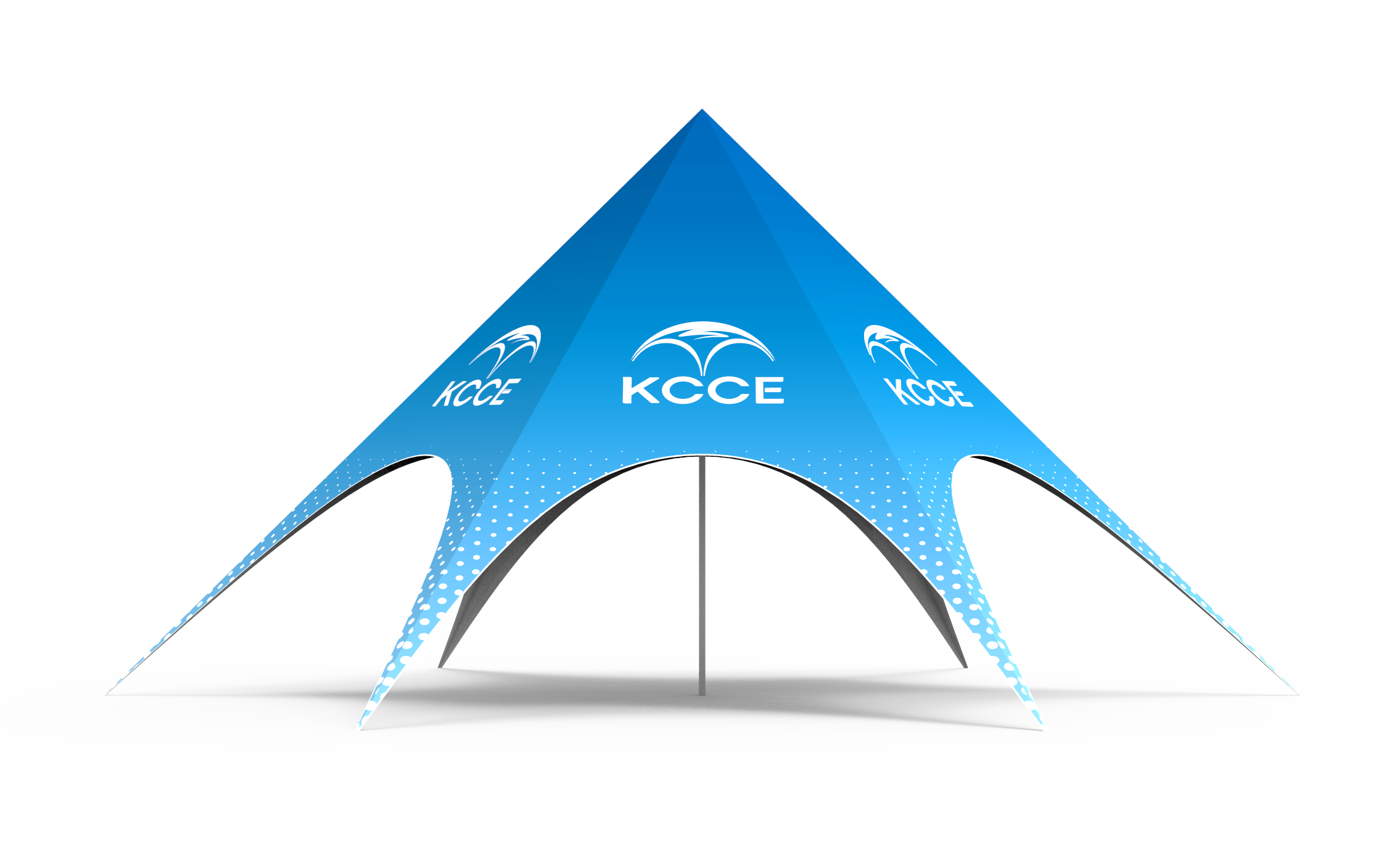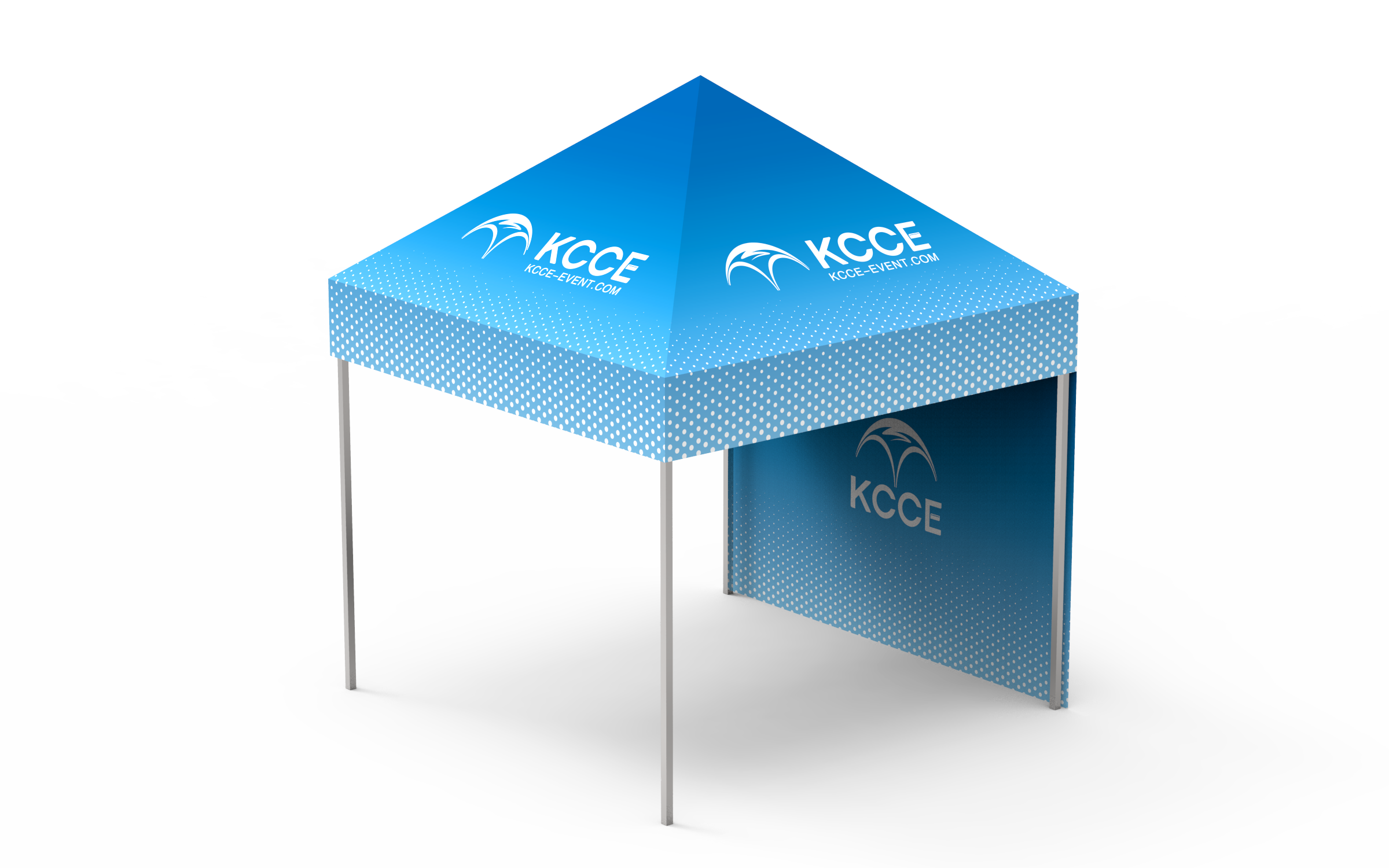
You’re ready to place the order. Card’s out. And then the question hits you: do you have stock of standard inflatable advertising tents, or am I about to wait six weeks for something that shows up the day before my event?
I’ve watched buyers lose sleep over exactly this. So let me answer it straight — stock status, lead times, and the standard-versus-custom breakdown. No fluff.
Quick Answer
Yes — standard inflatable advertising tents in common sizes like 10×10 and 20×20 are typically ready-to-ship from stock, often going out within a few business days. Custom-printed tents are made-to-order and add production time on top of shipping. Always confirm the ship date in writing before you commit.
Do You Have Stock of Standard Inflatable Advertising Tents? The Short Answer
If you’re asking about a plain, standard inflatable tent — no custom graphics, common size — the answer is usually yes. These are the units suppliers keep on the shelf because they’re the ones people order over and over. Ready-to-ship means exactly that: it’s built, it’s bagged, it’s waiting.
Custom-printed is a different animal. The moment you add your logo, your colors, your booth artwork, the tent stops being a stock item and becomes a made-to-order build. That’s not a sales trick — it’s just how printing works. You can’t pre-print a tent with a logo you haven’t sent yet.
Here’s the thing that trips people up: many listings blur the two together. You see a price, you assume it ships tomorrow, then you find out the printed version takes weeks. Ask specifically which one you’re buying.
Standard vs. Custom-Printed: What “Stock” Actually Means
Let me put this in a table, because this is the part people skim and then regret.
| Fator | Standard (Stock) | Custom-Printed (Made-to-Order) |
|---|---|---|
| Stock status | Ready-to-ship | Built after order + artwork approval |
| Prazo de entrega | Dias | Weeks (production + shipping) |
| Common sizes | 10×10, 20×20 | Any size, including 10×10 and 20×20 |
| Impressão | None or basic | Full custom graphics |
| Preço | Menor | Maior |
| MOQ | Often low — some suppliers list 1 piece | Varies; artwork setup may apply |
That MOQ point matters. Looking at KCCE’s (Dongguan Dacheng Outdoor Products) product listings, several of their inflatable tent and gazebo models are listed with a minimum order of just 1 piece. That’s a real signal for smaller buyers — you’re not forced into a container load to get a decent tent.
And to be clear: custom printing is usually an add-on, not the default. The base tent exists as a stock product. The graphics are the upgrade.
What Sizes and Packages Are Ready to Ship
The two workhorses are the 10×10 and the 20×20.
The 10×10 is your standard booth footprint — trade shows, farmers markets, a pop-up outside a storefront. It’s the size most people picture when they think of event tents and canopies. The 20×20 is the step up: double the footprint, double the presence, the kind of structure that anchors a brand activation instead of blending into the row.
Suppliers often bundle these into named packages. You’ll see listings framed like the 10×10 Inflatable Tent Package #10 and the 20×20 Inflatable Tent Package #14 — the package number usually signals what’s included (tent, blower, accessories) rather than a different tent. Worth reading the inclusion list carefully, because “package” means different things to different vendors.
If you want to see how these are grouped, you can view our entire range of promotional products and compare the package framing side by side. And if you’re sourcing in the US, searching to shop inflatable tents USA will surface domestic-stock vendors — which, as I’ll get to, changes your timeline significantly.
Lead Times and Shipping: What to Expect
Two clocks are running here, and buyers constantly confuse them.
Tempo de produção is how long it takes to build or pull the tent. For stock, it’s essentially zero — someone walks to the shelf. For custom, it’s the printing and fabrication window, and that’s measured in weeks, not days.
Shipping time is transit. This is where domestic stock wins hard. A US warehouse ships domestically in days. An overseas factory ships in weeks once you factor in freight, customs, and the last-mile leg.
So when someone asks “how fast is shipping?” the honest answer is: it depends entirely on whether the tent is sitting in a warehouse near you or still needs to be made and moved across an ocean.
My take? If your event date is inside a month, buy stock. Don’t gamble on a custom build clearing production and freight in time. I’ve seen that gamble lose more often than it wins.
What’s Included in a Standard Package
A standard inflatable tent package typically includes:
- The tent itself
- A blower (the motor that keeps it inflated)
- Ground stakes and tie-downs
- A carry bag
- A repair kit
The printing and artwork are a separate line item on custom orders. Don’t assume they’re bundled.
Now, the gap nobody talks about: people order the tent and then realize they never figured out the banner. What size banner should I use for a canopy tent? It’s a real question, and getting it wrong means your signage looks off or doesn’t fit the frame. Sort that out before the tent ships, not after.
Pricing: Stock vs. Custom at a Glance
I’m not going to pretend there’s one magic number — pricing depends on size, material, blower, and graphics. But here’s the honest shape of it, drawn from KCCE’s published pricing discussion: a small stock canopy sits at the low end, roughly around $800, while a large fully printed custom build can run past $10,000.
What drives the spread:
- Tamanho — a 20×20 costs more than a 10×10, every time
- Impressão — full custom graphics are the single biggest add-on
- Blower and hardware — better blowers and accessories push the number up
Want a firm quote fast? Give the vendor three things up front: exact size, whether you need printing, and your event date. That’s it. Vague inquiries get vague answers, and vague answers cost you days.
What Are Standard Inflatable Advertising Tents? (Definition & Common Sizes)
A standard inflatable advertising tent is a pre-engineered, off-the-shelf structure — no custom graphics, fixed dimensions, built to a catalog spec. The “inflatable” part refers to the frame: sealed air tubes (commonly around 0.4–0.6mm PVC or 210D–600D oxford) instead of metal poles, inflated by a blower in roughly 5–10 minutes. Deflated, a 10×10 packs into a bag of roughly 60–70 lbs.
Common stock footprints are 10×10 ft (3x3m), 10×20 ft (3x6m), 13×13 ft, 15×15 ft, and 20×20 ft (6x6m). Leg heights typically run around 8–10 ft at the eave, with peak heights of roughly 12–16 ft on the larger units. The 10×10 and 20×20 are the volume sellers; the mid-sizes are stocked less consistently, so confirm before assuming.
Two frame styles dominate stock: sealed-air (tubes hold pressure for days, no constant blower) and continuous-blower (needs power the whole time, but cheaper). Most standard advertising tents ship as sealed-air with a 110V/220V blower included for setup only.
Our Standard Inflatable Tent Range and Product Catalog
Our stock catalog centers on four core SKUs: the 10×10 Inflatable Tent Package #10, the 20×20 Inflatable Tent Package #14, the 10×20 Inflatable Tent Package #12, and the 13×13 Inflatable Tent Package #11. Each package includes the tent, a CE/UL-listed blower, a carry bag, ground stakes, and a repair patch kit.
Package numbers track inclusions, not just size — Package #14, for example, is listed as adding sandbags and a spare bladder over the base 20×20 unit. Read the inclusion list; a “package” from one vendor is not the same bundle from another.
Wall configurations vary: full-wall, half-wall, and no-wall (canopy only). Stock colors are typically white, black, red, and blue. Anything outside that — custom color, custom size, printed walls — moves you to the made-to-order track described earlier. If you’re comparing across the range, our full promotional products catalog lists every SKU with dimensions and included accessories.
Stock Availability, Lead Times and Ordering Process
Stock items typically ship in about 3–7 business days from order confirmation, assuming the SKU is on the shelf. Custom-printed orders typically add about 10–20 business days of production before shipping, plus transit. Always get the ship date in writing — verbal “it’ll go out fast” is not a date.
The ordering process runs in five steps: (1) confirm SKU and stock status, (2) receive a proforma invoice with the ship date stated, (3) pay deposit (commonly around 30%) or full for stock, (4) for custom, approve artwork proof before production starts, (5) receive tracking. For stock orders, steps 1–3 can compress into a single day.
One practical note: stock availability fluctuates around Q4 and pre-summer event season. A SKU that ships in three days in February may be backordered in May. Reconfirm at the moment you order, not from a listing you read last month.
Custom Printed Inflatable Tent Artwork Template Specifications (150dpi, CMYK, PMS, Bleed & Safe Area)
Custom artwork must be built to the dieline we supply for your specific tent model — the template accounts for panel seams, the inflatable tube curvature, and the roof-to-wall transition. Do not design on a flat rectangle and assume it wraps correctly.
File specs: 150dpi at full print size (not scaled-down with “enlarge to fit”), CMYK color mode, with PMS references noted separately for brand-color matching. Include 2 inches (50mm) of bleed beyond the trim line on every edge, and keep all critical text and logos inside a 3-inch (75mm) safe area from any seam or edge. Text smaller than 1 inch cap height is generally risky on inflatable surfaces because the material stretches under pressure.
Submit the PMS number alongside the CMYK build — Pantone-to-CMYK conversion shifts, and on PVC the shift is more visible than on paper. If exact brand color matters, request a physical color proof or a printed swatch on the actual tent material before full production.
Graphic File Requirements: Preferred and Acceptable Formats
Preferred format is a print-ready PDF/X-1a with fonts outlined, images embedded, and the dieline on a separate layer. This is the format that eliminates the most back-and-forth.
Acceptable alternatives: AI (Illustrator, CS5 or newer, text converted to outlines), EPS (vector, fonts embedded), PSD (flattened or with layers, 150dpi minimum at final size), and JPG (high-quality, 150dpi minimum, no compression artifacts). We do not accept: low-resolution web images, files pulled from social media, Word/PowerPoint layouts, or anything below 150dpi at final print size.
If you only have a logo in JPG at 300px wide, it will not scale to a 10-foot wall. Vector (AI/EPS/PDF) is strongly preferred for logos and text; raster is acceptable for photographic backgrounds only. Send files via a transfer link, not email attachments — large print files routinely exceed attachment limits.
Design Guidelines: Visual Line, Safe Area and Repeating Sides
Three rules cover most design failures.
Visual line: the tent has a natural horizontal break where the roof meets the wall (typically at the 8–10 ft eave). Design to that line — a logo centered on the roof peak reads differently than one straddling the eave. Keep primary branding either fully on the roof or fully on the wall.
Safe area: 3 inches (75mm) inside every seam, edge, and zipper. Logos placed closer get clipped by the seam allowance or distorted by tube curvature.
Repeating sides: on a four-sided tent, viewers approach from any direction. Either repeat the logo on all four walls for 360° visibility, or design two “hero” sides and two “secondary” sides (contact info, URL). Do not assume the front is the only visible face — at a trade show, the aisle side and the back both get seen.
Also account for door openings: a full-wall panel with a door cutout loses design real estate at the bottom center. Plan the layout around the opening, not over it.
Material Durability, Wind Rating and Safety Compliance for Outdoor Use
Stock tents use 210D–600D oxford polyester (PU-coated) or 0.4–0.6mm PVC. The 600D oxford and 0.55mm+ PVC grades are the outdoor-rated options — 210D is fine for indoor and light outdoor use but abrades faster on pavement.
Wind rating: most standard inflatable advertising tents are commonly rated for steady winds in the range of roughly 25–30 mph (40–48 km/h) when properly anchored with all supplied stakes and sandbags. Above that, deflate or bring it down — no inflatable tent is rated for storm conditions, and wind ratings assume full anchoring, which is where most failures originate.
Safety and compliance: look for blowers carrying CE and UL listings (electrical safety), and fabric meeting NFPA 701 or CPAI-84 flame-retardancy standards — required by many US venues and fire marshals for event structures. For EU events, EN 14960 covers inflatable play equipment (not advertising tents), but venues often reference it; confirm your specific venue’s requirement in writing. Ask for the flame-retardancy test report before booking, not after the fire marshal asks.
Perguntas Frequentes
Q: Are standard inflatable advertising tents in stock or made to order?
R: Standard tents in common sizes like 10×10 and 20×20 are typically in stock and ready-to-ship. Custom-printed versions are made to order, since the graphics have to be produced after you approve the artwork. Confirm which category your quote falls into before you pay.
Q: How fast is shipping?
R: Stock tents from a domestic warehouse usually ship within days. Custom orders add production time — often weeks — before shipping even starts. Shipping time and production time are separate clocks, so always ask for both.
Q: What sizes are available?
R: The most common stock sizes are 10×10 and 20×20. The 10×10 suits standard booth footprints; the 20×20 gives you a larger activation space. Custom sizes are available but move you into made-to-order territory.
Q: What does a standard tent cost?
R: Ballpark, a small stock canopy runs around $800, while a large fully custom printed build can exceed $10,000. Size, printing, and blower quality are the main cost drivers. Get a written quote for your exact spec.
Q: What’s included in a standard package?
R: Typically the tent, a blower, ground stakes and tie-downs, a carry bag, and a repair kit. Printing and artwork are usually separate line items on custom orders — check the inclusion list before assuming.
Q: Is custom printing extra?
R: Yes, almost always. Custom printed inflatable tents & displays carry a printing charge on top of the base tent price, and artwork setup may apply. Treat printing as an add-on, not a default.
Q: What size is a normal pop-up tent?
R: A standard pop-up tent footprint is usually 10×10 — that’s the size most people mean when they picture a canopy at a market or trade show. Larger 20×20 options exist for bigger activations.
Q: How do inflatable tents work?
R: A blower continuously pumps air into the structure to keep it inflated and rigid. That’s why setup takes minutes rather than the wrestling match of aluminum poles. The blower needs to stay running during use.
Q: Where can I buy discounted tents?
R: Discounts usually come from buying stock sizes rather than custom builds, ordering packages instead of piecemeal, and sourcing domestically to cut freight. Ask vendors directly about package pricing — it’s rarely advertised.
Before You Commit
One action: get the ship date in writing. Not “fast shipping,” not “usually ships quickly” — an actual date. Ask your vendor to confirm stock status and lead time in the quote itself.
That single email saves more event disasters than any spec sheet. Speaking of which — if you want to compare options, head to https://lushbanners.com/custom-printed-inflatable-. and check the stock listings against the custom builds. The difference in timeline will tell you everything you need to know about whether you have stock of standard inflatable advertising tents when it counts.
Referências
1. KCCE Inflatable — Dacheng outdoor products LTD. – kcceinflatable.en.made-in-china.com
2. Comparando Durabilidade e Vida Útil das Tendas Infláveis para Publicidade – kcce-event.com
3. Inflatable Marketing Tent Prices: Real Costs & Sizes – kcce-event.com
4. Inflatable Trade Show Tents: Costs, Setup & Wind Ratings – kcce-event.com