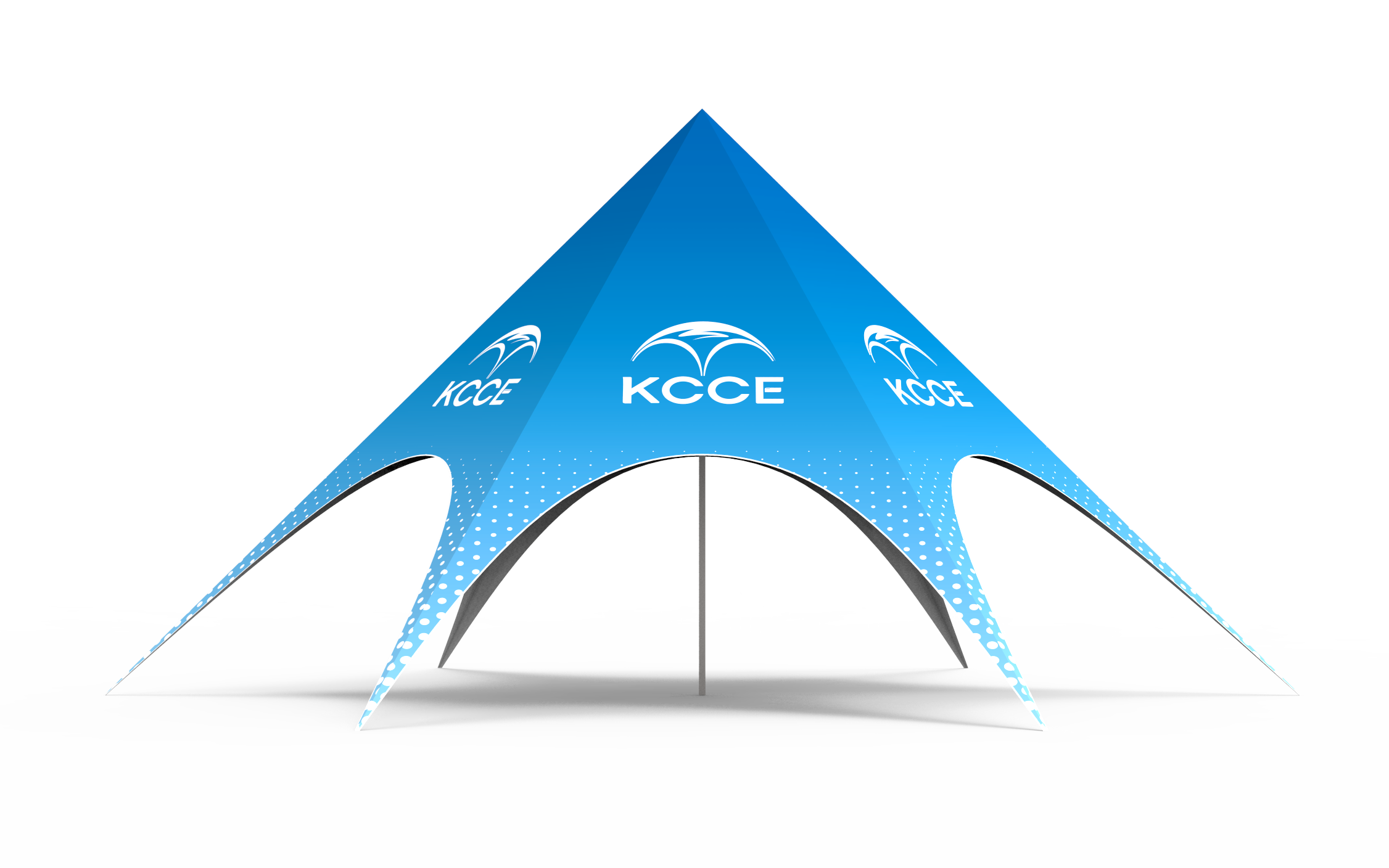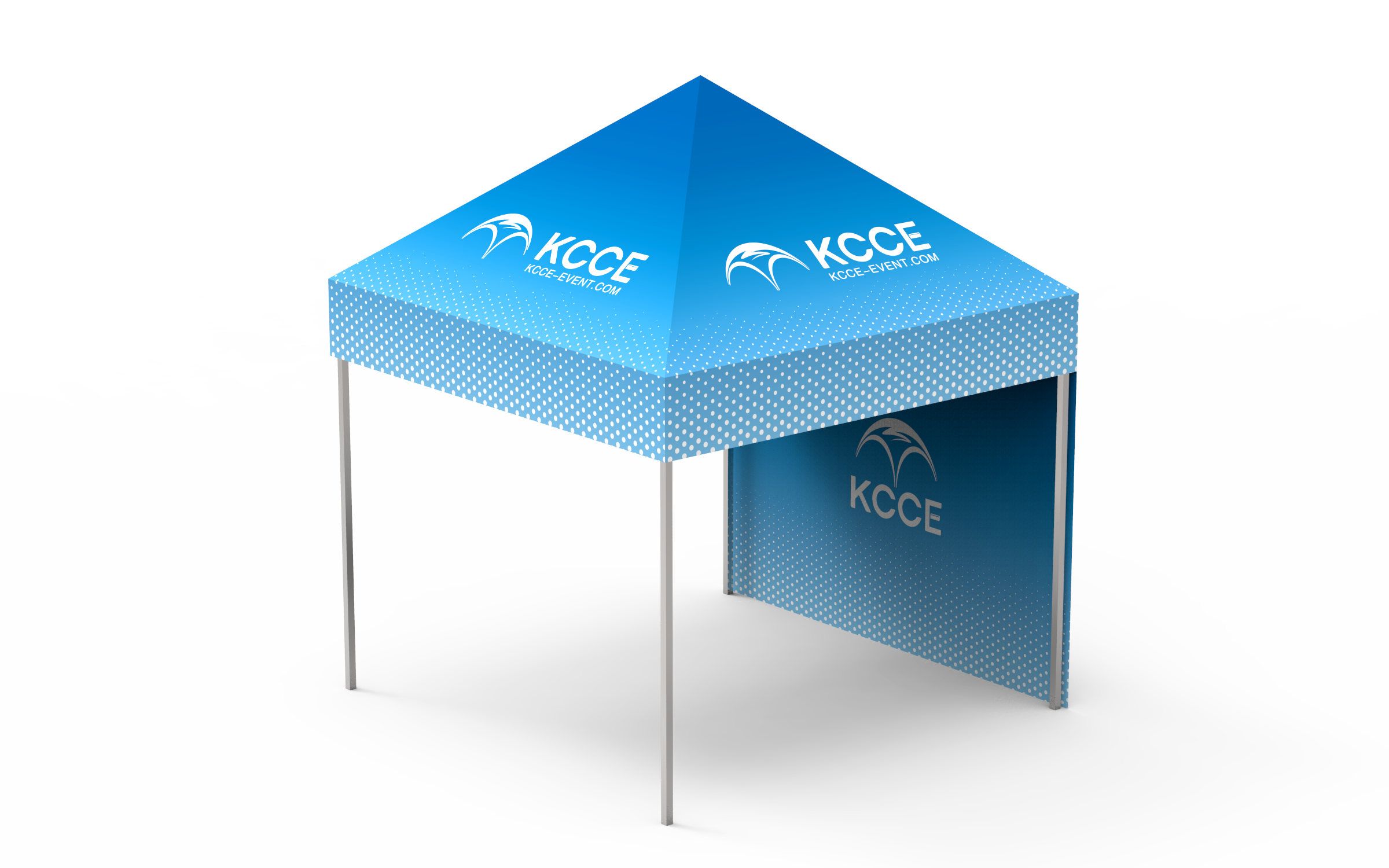
Resposta Rápida / Principais Conclusões
What Is an Instant Promotion Tent?
An instant promotion tent is a portable, pop-up canopy designed for rapid deployment—typically under 60 seconds—with custom printed branding. It features a scissor-style folding frame (steel or aluminum) and a polyester or polyethylene fabric top with a denier rating of 300D to 600D. The higher the denier, the more tear-resistant the fabric. Standard size is 10×10 feet, weighing 40-60 lbs. Commercial-grade models cost $300-$800+, while budget options start around $150.
How to Choose the Right One
- Material da Estrutura: Aluminum is lighter (saves 10-15 lbs) but less strong than steel. Steel with a powder-coated finish offers the best durability-to-cost ratio.
- Fabric Denier: For frequent use, choose 500D or 600D polyester. It resists UV damage, water pooling, and tears. Cheaper tents use 150D-300D, which degrades quickly.
- Wind Rating: Look for models tested to withstand 20-25 mph winds when staked. Always secure with ratchet straps and sandbags for outdoor events.
- Qualidade de Impressão: Ensure the manufacturer uses dye-sublimation printing on the fabric before assembly. This prevents peeling or cracking after repeated folds.
Top Brands
- E-Z UP: Industry standard, known for reliable frames and wide accessory availability. Prices start at $300.
- KD Kanopy: Strong commercial focus, excellent for heavy use. 10×10 models start around $400.
- Resellers (InstantPromotion.com, PromoDirect): Bundle custom printing with tents, ideal for branded events. Expect 5-10 day turnaround.
Setup Process (60 Seconds)
- Remove the tent from the carry bag.
- Unfold the frame and position it upright.
- Extend the scissor arms until the legs lock.
- Pull the top cover over the frame and secure with hook-and-loop fasteners.
- Stake the legs and attach ratchet straps for stability.
Cost-Per-Use Calculation
- Budget tent: $150 / 10 events = $15 per event (plus replacement costs).
- Commercial tent: $650 / 50 events = $13 per event (plus better brand presentation).
Verdict: If you host more than five events per year, invest in a commercial-grade instant promotion tent. The upfront cost is higher, but the longevity, wind resistance, and professional appearance deliver better ROI.
Picture this: you’re at a trade show, the sky opens up, and your canopy starts sagging in the middle. Water pools on the roof, the seams start to weep, and suddenly your branded merchandise is getting a shower it didn’t sign up for. I’ve seen it happen more times than I care to count. The thing is, it wasn’t the weather’s fault—it was the tent. Choosing the right instant promotion tent isn’t just about picking the cheapest option on the shelf. It’s about understanding what you’re actually buying, and whether it’ll hold up when it matters.
I’ve spent years in the event and promotional products space, and honestly, the difference between a good pop-up tent and a bad one is night and day. The cheap ones can cost you more in the long run—replacement canopies, lost time, and a damaged brand image. So let’s break down what you need to know, from setup speed to fabric denier, and I’ll point you toward some solid options that won’t leave you high and dry.
Why Buy an Instant Promotion Tent vs. Standard Pop-Up
Let’s get one thing straight: not all tents are created equal. A standard pop-up might take two people and twenty minutes to wrestle into submission. An instant promotion tent, on the other hand, is designed to be deployed in about sixty seconds. That’s the whole point. You pull it out of the bag, extend the frame, and lock the legs. Done.
But speed isn’t the only factor. The frame durability matters just as much. Most quality instant canopies use a steel or aluminum frame with a powder-coated finish to resist rust. The fabric is usually a polyester or polyethylene weave, and the denier rating tells you how thick the threads are. A higher denier, like 300D or 600D, means a tougher, more tear-resistant fabric. If you’re doing frequent events, the cost-per-use math starts to favor a more durable tent. One that lasts fifty events instead of ten is a better investment, even if the upfront price is higher.
Top 5 Instant Promotion Tents for 2026
Now, I can’t list every model out there, but I can tell you what to look for in the best instant promotion tent for your needs. You’ll see brands like E-Z UP and KD Kanopy pop up all over, and for good reason. They’re the industry workhorses. But you also have the option of buying through resellers like InstantPromotion.com or PromoDirect, which often bundle in custom printing.
When you’re comparing, look at the size, weight, and price range. A standard 10×10 is the most common, weighing in around 40 to 60 pounds. Prices can range from $300 to over $800 for a commercial-grade model with a full-color print. For a 10×20, you’re looking at double the space and a price tag that can stretch past $1,500. The key feature to check is the wind resistance rating. A good frame should handle winds up to 20-25 mph when properly secured, but that’s a separate topic we’ll get to.
Before you buy, I’d also suggest checking out some instant promotion tent review sites and reading what other event planners have to say. And if you’re in the UK, make sure you’re looking at Instant Promotion UK suppliers, because shipping and support can be a hassle if you buy from overseas.
Size Guide: 10×10 vs. 10×20 vs. Custom
The size of your promotional tent size should match the scale of your event. A 10×10 is the standard for a single booth at a trade show or a farmers market. It’s enough for a table, some signage, and a couple of people. A 10×20 is essentially a double booth, giving you room for more product displays, a seating area, or a demo station.
Height is another consideration. Most tents have an adjustable leg height, with a peak around 10 to 11 feet. This gives you a decent clearance for hanging banners or lights. Sidewalls are a common add-on, especially if you’re worried about sun or rain. Just remember, the more fabric you add, the more surface area there is for the wind to catch. And printing area limits—most canopies have a printable area on the top and the sides, but the exact dimensions vary by manufacturer. Make sure you get the art specs before you finalize your design.
Durability & Weather Resistance
This is where the rubber meets the road. A custom printed tent is a big investment, and you want it to survive more than one season. Look for a waterproof rating, often expressed in millimeters of hydrostatic head. A rating of 3000mm is decent, but 5000mm is better for heavy rain. Seams should be taped or welded to prevent water from seeping through the needle holes.
Wind is the bigger enemy. Weight bags are a must, and I’m not talking about the little sandbags that come with a $200 tent. You need real weight. Many people use 40-pound weights on each leg, or even better, auger-style stakes if you’re on grass. The frame build matters too. A truss-style frame is stronger than a standard scissor frame, but it’s also heavier and more expensive. Honestly, if you’re in a windy area, you might want to look into a more robust structure, like an inflatable option that can handle the elements better. We have a line of inflatable tents that are incredibly stable, and you can check out our Análise da Barraca Air Tight X: Abrigo Definitivo com Vedação Hermética, À Prova d'Água e de Insetos if you want to see what I mean.
Printing & Customization Options
Your tent is a billboard, so the printing quality is non-negotiable. The gold standard is full-color dye sublimation. This process infuses the dye into the fabric, so the colors won’t crack or peel. The result is a vibrant, edge-to-edge print that looks professional from every angle. The alternative is vinyl heat transfer, which is cheaper but can peel over time, especially if the tent is folded and unfolded frequently.
Setup fees can be a hidden cost. Some companies charge a one-time fee to set up your print file, which can range from $50 to $150. Turnaround time is another factor. If you need a tent in a week, you’ll pay a rush fee. Standard production is usually 5 to 10 business days, plus shipping. And if you think you’ll need a replacement canopy down the line, check the reorder cost. It’s often cheaper than buying a whole new tent, but only if the manufacturer keeps the same frame design.
Price Comparison & Hidden Costs
Let’s talk money. You can find an instant promotion tent for sale as low as $300, but you get what you pay for. A budget tent might have a thinner frame, lower denier fabric, and a print that fades after a few uses. A mid-range tent, priced between $500 and $800, is usually the sweet spot for most businesses. It offers a good balance of durability and print quality. Commercial-grade tents, which can cost $1,000 or more, are built for daily use and come with heavy-duty frames and top-tier fabric.
But don’t forget the hidden costs. Shipping can be expensive, especially for a 10×20. A good carrying case is essential—you don’t want to drag a bare frame across a parking lot. Spare parts, like replacement caps or leg extensions, are also worth budgeting for. And as I mentioned, instant promotion tent weights are not optional. A good set of weights will set you back another $100 or more. Here’s a quick breakdown:
| Faixa de Preço | Características | Melhor Para |
|---|---|---|
| Budget ($300-$500) | Basic frame, 210D fabric, single-color print | Occasional events, indoor use |
| Mid-Range ($500-$800) | Stronger frame, 300D fabric, full-color print | Regular outdoor events, trade shows |
| Commercial ($800+) | Heavy-duty frame, 600D fabric, reinforced seams | Daily use, high-wind areas, long-term investment |
Where to Buy: Direct vs. Reseller
You have two main paths to purchase: direct from a manufacturer like InstantPromotion.com, or through a reseller like EverythingPromo or PromoDirect. Buying direct can sometimes get you a better price, especially if you’re ordering in bulk. But resellers often have a wider range of brands and can offer design services in-house. Lead times can vary, so it’s worth checking both.
Before you commit, do a quick search for instant promotion inc reviews. You want to see if there are any red flags about customer service or shipping delays. A promotional canopy is a significant purchase, and you want to work with a company that will stand behind its product. If you’re based in the UK, look for a local supplier to avoid customs fees and long shipping times.
Perguntas Frequentes
Q: How long does it take to set up an instant promotion tent?
R: The whole point of an instant promotion tent is speed. Most models can be set up by one or two people in under 60 seconds. You extend the frame, lock the legs, and attach the canopy. It’s a huge time-saver compared to traditional frame tents, which can take 30 minutes or more to assemble. That speed is a major reason why they’re so popular for events.
Q: What size tent do I need for a standard trade show booth?
R: A 10×10 tent is the industry standard for a single booth. It fits perfectly within the typical 10×10 space allotted at most trade shows and provides enough room for a table, display, and a couple of staff members. If you have a larger exhibit, a 10×20 double booth gives you twice the space for more elaborate displays or product demonstrations.
Q: How do I keep my tent from blowing away in the wind?
R: You absolutely need instant promotion tent weights. Sandbags or weighted plates of at least 40 pounds on each leg are the minimum for any outdoor event. On grass, you can use auger stakes for extra security. For high-wind areas, consider a more robust frame or even an inflatable structure, which can be more stable. Always check the weather forecast and be prepared to take the tent down if winds get too high.
Q: What is the best printing method for a custom canopy?
R: Full-color dye sublimation is the best choice for a custom printed tent. The dye is infused into the fabric, making the print durable, vibrant, and resistant to cracking or peeling. It’s more expensive than vinyl heat transfer, but it looks much more professional and lasts much longer, making it a better value in the long run. It’s the standard for high-quality promotional canopies.
Q: Can I buy a replacement canopy for my tent?
R: Yes, most reputable manufacturers sell replacement canopies. This is a great way to refresh your branding or replace a damaged top without buying a whole new tent. However, you need to make sure the replacement canopy is compatible with your specific frame model. It’s always a good idea to check with the manufacturer or reseller to confirm compatibility before ordering.
Q: What’s the difference between buying direct and from a reseller?
R: Buying direct from a manufacturer like InstantPromotion.com can sometimes offer lower prices, especially for bulk orders. Resellers like PromoDirect often provide a wider selection of brands and may include design services. The key is to compare lead times, shipping costs, and customer support. Reading instant promotion inc reviews can help you gauge the reliability of a company before you make a purchase.
Q: How do I clean and maintain my canopy tent?
R: Regular maintenance will extend the life of your canopy significantly. After each use, brush off loose dirt and debris. For a deeper clean, use a mild soap and water solution with a soft brush or cloth. Avoid harsh chemicals or pressure washers, as they can damage the waterproof coating and fade the fabric. Always let the canopy dry completely before storing it to prevent mold and mildew. Store it in a cool, dry place, and periodically check the frame for rust or loose bolts.
Q: Are canopy tents waterproof?
R: Most quality canopy tents are water-resistant, but not all are fully waterproof. Look for tents with a waterproof rating (measured in millimeters) and sealed seams. A canopy with a PVC coating or a high-denier polyester fabric will offer better protection against heavy rain. For extended exposure to rain, consider adding sidewalls to keep the interior dry. Remember that even a waterproof canopy can pool water if not pitched with a slight slope for runoff.
Q: Can I use a canopy tent in winter or snow?
R: Yes, but with caution. Light snow is generally fine, but heavy snow can accumulate on the roof and cause the frame to collapse. Use a canopy with a sturdy, reinforced frame and consider a peaked roof design to help snow slide off. You can also purchase snow-load kits or extra crossbars for added support. Always clear snow off the roof promptly and never leave the tent unattended in severe winter weather.
Q: How do I set up my canopy tent by myself?
R: While it’s easier with two people, you can set up most canopy tents alone. Start by laying the tent on its side and extending the legs halfway. Then, push the roof upward from the center until it locks into place. Finally, extend each leg to the desired height and secure the locking pins. Practice this a few times at home before your first event to get the hang of it. For pop-up canopies, the process is even simpler—just pull the center hub upward until the frame clicks open.
Q: What accessories should I consider for my canopy tent?
R: The most useful accessories are sidewalls, weight bags, and stakes. Sidewalls provide protection from wind, sun, and rain, and they can also be used for branding. Weight bags are essential for stability on hard surfaces where stakes won’t work. Other useful additions include a carrying bag, a storage shelf, and LED lighting kits for evening events. If you’re using the tent for a market or fair, consider a counter or display table to showcase your products.
Q: How do I choose the right size canopy tent?
R: Consider how many people you need to accommodate and what you’ll be placing underneath. A 10×10 canopy is the most popular size for markets, events, and backyard parties—it fits a standard 6-foot table and a few people comfortably. A 10×20 is great for larger booths or if you need extra space for displays. For outdoor weddings or large gatherings, a 20×20 or larger might be necessary. Always measure your space and plan for a little extra room for movement.
Q: What is the warranty on canopy tents?
R: Warranty coverage varies by manufacturer, but most reputable brands offer at least a one-year warranty on the frame and fabric. Some premium models come with a three-year or even lifetime warranty on the frame. Before purchasing, always read the warranty terms carefully to understand what is covered—some warranties exclude damage from wind, improper setup, or normal wear and tear. Registering your product with the manufacturer can also help streamline any future claims.
Q: Can I get a canopy tent with my logo printed on it?
R: Absolutely. Custom printing is one of the most popular reasons people buy canopy tents. You can choose from a variety of printing methods, including dye sublimation for full-color graphics and vinyl heat transfer for simpler designs. Most companies offer free design templates and proofs so you can see exactly how your logo will look before production. Ordering a custom canopy is a great investment for brand visibility at events, trade shows, and outdoor promotions.
Q: How long does it take to receive a custom canopy?
R: Production and shipping times vary depending on the manufacturer and the complexity of your design. Standard custom canopies typically take 7–14 business days to produce, plus shipping time. Rush services are often available for an additional fee if you need it sooner. Always plan ahead, especially for seasonal events, and confirm the lead time with your supplier before placing an order. Reading customer reviews can give you a sense of typical turnaround times.
Q: What is the best way to store my canopy tent between uses?
R: Proper storage is key to longevity. Make sure the canopy is completely dry before folding it up. Fold the fabric neatly and place it in the carrying bag with the frame. Store the bag in a cool, dry place away from direct sunlight, which can degrade the fabric over time. If you have a separate frame, keep it in a dry area to prevent rust. For long-term storage, consider hanging the canopy to avoid creases that can weaken the fabric over time.
Q: Are there any safety tips I should follow when using a canopy tent?
R: Yes, safety should always be a priority. Always secure your canopy with stakes or weight bags, even in mild weather. Never leave a canopy up unattended in high winds. Keep the tent away from open flames and heat sources. When setting up or taking down, be careful not to pinch your fingers in the frame joints. If you’re using the canopy for a public event, make sure it’s set up on level ground and that all guy lines are marked to prevent tripping.
Q: Can I use a canopy tent indoors?
R: Yes, canopy tents are often used indoors for trade shows, conventions, and indoor markets. When using indoors, you won’t need stakes, but you should still use weight bags for stability. Indoor use also means you don’t have to worry about weather, but you should be mindful of ceiling height and any fire codes. Some venues have specific requirements for pop-up tents, so check with the event organizer beforehand.
Q: How do I know if my canopy frame is strong enough?
R: The strength of a canopy frame depends on the material and construction. Aluminum frames are lightweight and rust-resistant, making them ideal for portable use. Steel frames are heavier but more durable and better for permanent or semi-permanent setups. Look for frames with reinforced corner joints and thick wall tubing. If you’re in a windy area, opt for a frame with a higher wind rating and consider adding extra tie-downs. Always check the manufacturer’s specifications for maximum wind speed and load capacity.
Q: What should I look for in a canopy carrying bag?
R: A good carrying bag should be durable, with reinforced stitching and sturdy zippers. It should have a comfortable handle or shoulder strap for easy transport. Some bags come with wheels, which are great for heavy tents. Make sure the bag is slightly larger than the folded tent so it’s easy to pack and unpack. A bag with multiple compartments can help you keep accessories like stakes and sidewalls organized.
Q: Can I get a canopy tent with sidewalls included?
R: Some canopy packages include sidewalls, while others sell them separately. If sidewalls are not included, you can usually purchase them as an accessory. Sidewalls come in different styles—full walls, half walls, and window walls—and can be zipped or velcroed onto the canopy frame. They are essential for privacy, weather protection, and branding. When ordering, check if the sidewalls are compatible with your specific canopy model.
Q: What is the difference between a pop-up canopy and a traditional tent?
R: A pop-up canopy is designed for quick and easy setup, usually taking just a few minutes. It features a collapsible frame that opens like an umbrella. Traditional tents require more assembly, often involving poles and stakes, and take longer to set up. Pop-up canopies are more portable and convenient for events, while traditional tents are often more sturdy and better for long-term use. Your choice depends on your specific needs and how often you’ll be setting up and taking down the tent.
Q: How do I repair a tear in my canopy fabric?
R: Small tears can be repaired with a patch kit, which you can find at most outdoor or hardware stores. For larger tears, you may need to take the canopy to a professional repair service. Some manufacturers offer repair services or sell replacement fabric. It’s a good idea to have a repair kit on hand for emergencies, especially if you use your canopy frequently. Always repair tears promptly to prevent them from getting larger.
Q: Can I use a canopy tent as a permanent structure?
R: While canopy tents are designed for temporary use, they can be used as semi-permanent structures if properly anchored and maintained. For long-term use, consider a heavier-duty model with a steel frame and a high-quality fabric that can withstand UV rays and weather. You may also need to add extra anchoring, such as concrete footings or ground screws. Keep in mind that even the best canopy will eventually need replacement, so plan for periodic maintenance.
Q: What is the best way to transport a canopy tent?
R: Most canopy tents come with a carrying bag that makes transport easy. When transporting, place the bag in your vehicle so it doesn’t shift during travel. If you’re carrying it by hand, use the shoulder strap to distribute the weight. For larger tents, consider using a cart or dolly. Always make sure the tent is fully folded and secured in the bag before transport to prevent damage.
Q: How do I choose between a canopy tent and a gazebo?
R: Canopy tents are portable, lightweight, and easy to set up, making them ideal for events and markets. Gazebos are more permanent structures, often made of metal or wood, and are designed for long-term outdoor use. If you need a temporary shelter that you can take down and move, a canopy tent is the better choice. If you’re looking for a permanent addition to your backyard or patio, a gazebo might be more suitable. Consider your intended use, budget, and how often you’ll be moving the structure.
Q: Are canopy tents suitable for commercial use?
R: Yes, canopy tents are widely used for commercial purposes, including trade shows, farmers’ markets, promotional events, and food service. For commercial use, you’ll want a durable, high-quality tent that can withstand frequent setup and takedown. Custom branding is also a key consideration, as a well-printed canopy can serve as a powerful marketing tool. Many manufacturers offer commercial-grade options with reinforced frames and heavy-duty fabric.
Q: What is the best way to anchor a canopy tent on grass?
R: On grass, the most effective anchoring method is using stakes or auger anchors. Drive the stakes through the holes in the canopy legs at a 45-degree angle for maximum grip. For additional stability, use guy lines and stakes at the corners. If the ground is soft, consider using longer stakes or sandbags in addition to stakes. Always check the ground for underground utilities before staking.
Q: How do I anchor a canopy tent on concrete or asphalt?
R: On hard surfaces, stakes won’t work. Instead, use weight bags, sandbags, or water barrels. You can also use concrete blocks or specialized canopy weights that attach to the legs. Make sure the weights are heavy enough to withstand wind—typically 40–50 pounds per leg is recommended. For extra security, use a combination of weights and tie-downs to anchor the tent to nearby structures or vehicles.
Q: Can I leave my canopy tent up overnight?
R: You can leave your canopy up overnight, but you should take precautions. Make sure it’s properly anchored and check the weather forecast. If high winds or heavy rain are expected, it’s safer to take it down. Even in calm weather, overnight condensation can form on the fabric, so be prepared to dry it off in the morning. If you’re leaving it up for multiple days, check the anchors regularly and tighten them as needed.
Q: What is the lifespan of a canopy tent?
R: The lifespan of a canopy tent depends on the quality of the materials, how often it’s used, and how well it’s maintained. A high-quality canopy with a sturdy frame and UV-resistant fabric can last 5–10 years with proper care. Frequent use, exposure to harsh weather, and improper storage can shorten its lifespan. Regular cleaning, drying, and proper storage will help you get the most out of your investment.
Q: Can I get a canopy tent with a custom design or pattern?
R: Yes, many manufacturers offer full-color printing that allows you to put any design, pattern, or photo on your canopy. This is a popular option for businesses, events, and personal use. You can upload your artwork or work with the manufacturer’s design team to create a custom look. Whether you want a bold logo, a scenic backdrop, or a festive pattern, custom printing gives you endless possibilities.
Q: What is the difference between a straight-leg and a slant-leg canopy?
R: A straight-leg canopy has legs that go straight down, providing maximum interior space and allowing you to place tables and displays right up to the edges. A slant-leg canopy has legs that angle outward, which gives it a more traditional look but reduces usable space at the base. Straight-leg canopies are generally preferred for commercial use and events where space is at a premium. Slant-leg canopies are often used for backyard parties and casual gatherings.
Q: How do I choose the right color for my canopy tent?
R: The color of your canopy should reflect your brand or the occasion. For businesses, using your brand colors helps with recognition. For personal events, you can choose colors that match the theme or your personal style. Keep in mind that darker colors absorb more heat, while lighter colors reflect sunlight and stay cooler. If you’re using the canopy for outdoor events in the summer, a lighter color might be more comfortable.
Q: Can I use a canopy tent in the rain?
R: Yes, canopy tents are designed to provide shelter from the rain. However, you should ensure that your canopy is waterproof or water-resistant. Most quality canopies have a waterproof coating, but you should also check the seams and corners where water can leak. Adding sidewalls can help keep rain out from the sides. In heavy rain, make sure the roof is pitched properly to allow water to run off and not pool.
Q: What is the best way to prevent my canopy from blowing away?
R: The best way to prevent your canopy from blowing away is to anchor it securely. Use stakes on grass, weight bags on hard surfaces, and always use tie-downs or guy lines. For extra security in windy conditions, use a combination of anchors and weights. Never leave a canopy unattended in high winds, and be prepared to take it down if the wind picks up. Some canopies come with wind vents in the roof, which allow air to pass through and reduce the risk of the tent being lifted.
Q: How do I know if my canopy tent is UV resistant?
R: Most high-quality canopy tents are made with UV-resistant fabric that protects you from the sun’s harmful rays. Look for canopies that specify a UPF rating (Ultraviolet Protection Factor) of 50+ for maximum protection. The fabric should also be treated with a UV inhibitor to prevent fading and degradation over time. If you’re unsure, check the manufacturer’s specifications or contact customer service.
Q: Can I use a canopy tent for camping?
R: Yes, canopy tents are often used for camping, especially for group campsites or as a communal shelter. They provide shade, rain protection, and a place to gather. However, they are not designed to be fully enclosed like a camping tent, so you’ll still need a separate tent for sleeping. A canopy tent can be a great addition to your camping gear for cooking, dining, and relaxing outdoors.
Q: What is the best way to fold a canopy tent?
R: Folding a canopy tent properly is important to avoid damage. Start by removing any sidewalls or accessories. Then, collapse the frame by pushing the roof upward and pulling the legs inward. Once the frame is collapsed, fold the fabric neatly over the frame and secure it with the straps or ties. Finally, place it in the carrying bag. Practice folding your canopy a few times at home so you can do it quickly and efficiently at events.
Q: Can I get a canopy tent with a printed logo on the sidewalls?
R: Yes, you can have your logo printed on the sidewalls as well as the roof. This is a great way to maximize your branding at events. Sidewalls can be printed with full-color graphics, and they can be used to create a more professional and cohesive look. When ordering, you can choose to have the same design on the roof and sidewalls or create a different design for each.
Q: What is the best way to clean a canopy tent with a printed design?
R: To clean a printed canopy, use a soft cloth or sponge with mild soap and water. Avoid using abrasive cleaners or scrub brushes, as they can damage the print. Rinse thoroughly with clean water and let it air dry completely before storing. Never use a washing machine or dryer, as this can ruin the fabric and the print. Regular cleaning will keep your canopy looking fresh and vibrant.
Q: How do I choose a canopy tent for a trade show?
R: For a trade show, you’ll want a canopy that is professional, durable, and easy to set up. Look for a straight-leg canopy with a sturdy frame and full-color printing for maximum brand visibility. Consider adding sidewalls, a counter, and lighting to create an inviting booth. Make sure the canopy fits within the booth space allocated by the show organizers. A high-quality canopy is an investment that will pay off in increased visibility and professionalism.
Q: Can I use a canopy tent for a wedding?
R: Yes, canopy tents are a popular choice for outdoor weddings. They provide shade for guests, protection from the elements, and can be decorated to match your wedding theme. You can choose from a variety of colors, fabrics, and styles to create the perfect look. For a more elegant feel, consider a white canopy with drapery or lighting. Canopy tents are also useful for receptions, providing a sheltered area for dining and dancing.
Q: What is the difference between a canopy tent and a marquee?
R: A canopy tent is typically a portable, freestanding structure with a collapsible frame, while a marquee is a larger, more permanent structure that often requires professional installation. Marquees are often used for large events like weddings and corporate functions, and they can be customized with flooring, lighting, and heating. Canopy tents are more versatile and affordable, making them a popular choice for smaller events and personal use.
Q: How do I know if a canopy tent is good quality?
R: Look for canopies with a sturdy frame made of aluminum or steel, a fabric with a high denier count (at least 300D for polyester), and a waterproof coating. Check the stitching and seams for quality, and look for reinforced corners and stress points. Reading reviews and checking the manufacturer’s reputation can also give you an idea of quality. A good canopy should feel solid and stable when set up, and the fabric should be taut and free of wrinkles.
Q: Can I use a canopy tent in the winter for outdoor events?
R: Yes, canopy tents can be used in the winter, but you’ll need to take extra precautions. Use a canopy with a sturdy frame that can handle snow load, and consider adding sidewalls to block the wind. You may also want to use a heater inside, but make sure it’s safe to use under a canopy. Always clear snow off the roof promptly and check the tent regularly for any signs of stress. With proper care, a canopy tent can provide comfortable shelter in cold weather.
Q: What is the best way to store a canopy tent in the off-season?
R: For off-season storage, make sure the canopy is completely clean and dry. Fold it properly and place it in its carrying bag. Store it in a cool, dry place away from direct sunlight, which can degrade the fabric over time. If possible, hang the canopy to prevent creases. Check on it periodically to ensure there’s no mold or mildew. Proper storage will keep your canopy in good condition for years.
Q: Can I use a canopy tent for a food truck or concession stand?
R: Yes, canopy tents are commonly used for food trucks and concession stands. They provide shelter for cooking and serving, and they can be customized with your branding. When using a canopy for food service, make sure it’s flame-resistant and complies with local health and safety regulations. Consider adding sidewalls to protect against wind and rain, and use a sturdy frame that can handle the weight of equipment and supplies.
Q: How do I choose the right canopy tent for my needs?
R: Start by considering your intended use, the size you need, and your budget. Think about the environment where you’ll be using it—will it be exposed to wind, rain, or sun? Do you need custom printing? How often will you set it up and take it down? Answering these questions will help you narrow down your options. Reading reviews and comparing features from different brands can also help you make an informed decision.
Q: What is the best way to transport a canopy tent to an event?
R: The best way to transport a canopy tent is in its carrying bag. Place the bag in your vehicle so it doesn’t shift during travel. If you’re carrying it by hand, use the shoulder strap to distribute the weight. For larger tents, consider using a cart or dolly. Always make sure the tent is fully folded and secured in the bag before transport to prevent damage.
Q: How do I know if my canopy tent needs to be replaced?
R: Signs that your canopy needs to be replaced include tears or holes in the fabric, rust or bending in the frame, broken zippers or Velcro, and fading or cracking of the print. If the canopy no longer provides adequate protection from the elements or is unstable when set up, it’s time to invest in a new one. Regular maintenance can extend the life of your canopy, but eventually, all canopies will need to be replaced.
Q: Can I use a canopy tent for a backyard party?
R: Absolutely. Canopy tents are perfect for backyard parties, providing shade and shelter for guests. You can choose a color that matches your party theme, and add decorations like string lights, balloons, or fabric draping. A canopy tent can also be used for outdoor dining, games, or as a lounge area. With a variety of sizes and styles available, you can find the perfect canopy for any gathering.
Q: What is the best way to keep a canopy tent cool in the summer?
R: To keep your canopy cool in the summer, choose a light-colored canopy that reflects sunlight. You can also add sidewalls with windows for ventilation, or use a portable fan or misting system. Setting up the canopy in a shaded area can also help. If you’re using the canopy for a long period, consider a canopy with a vented roof to allow hot air to escape.
Q: How do I choose the right canopy tent for a market or fair?
R: For a market or fair, you’ll want a canopy that is easy to set up, durable, and visually appealing. A 10×10 straight-leg canopy is the standard size for most markets. Look for a frame that is sturdy enough to withstand wind, and consider adding weight bags for extra stability. Custom printing with your logo or business name can help you stand out from the crowd. Make sure the canopy is easy to transport and comes with a good carrying bag.
Q: Can I use a canopy tent for a sporting event?
R: Yes, canopy tents are great for sporting events, providing shade and shelter for players, coaches, and spectators. They can be used for team benches, equipment storage, or as a spectator area. Consider a canopy with sidewalls for wind protection and a sturdy frame that can handle being moved around. Custom printing with team colors and logos can add a professional touch.
Q: What is the best way to clean a canopy tent frame?
R: To clean the frame, use a mild soap and water solution with a soft cloth or brush. Rinse thoroughly and dry completely to prevent rust. If you notice any rust spots, you can use a rust remover and then apply a protective coating. Regularly lubricate any moving parts to keep the frame functioning smoothly. Proper frame maintenance will extend the life of your canopy.
Q: How do I know if a canopy tent is flame-resistant?
R: Look for canopies that are certified as flame-resistant or flame-retardant. This is especially important for commercial use, as many venues require flame-resistant materials. Check the manufacturer’s specifications for a certification label or statement. If you’re unsure, contact the manufacturer directly. Using a flame-resistant canopy is an important safety measure, especially if you’ll be using it near open flames or heat sources.
Q: Can I use a canopy tent for a garage sale or yard sale?
R: Yes, canopy tents are perfect for garage and yard sales. They provide shade and shelter for your items, and they make your sale more visible. A 10×10 canopy is usually sufficient for a small sale, but you might want a larger one if you have a lot of items. Consider adding sidewalls to protect your items from rain and wind. A canopy tent is a great investment for any outdoor sale.
Q: What is the best way to set up a canopy tent on uneven ground?
R: Setting up on uneven ground can be challenging, but it’s possible with some adjustments. Start by setting up the canopy on the highest point and then adjust the legs to accommodate the slope. Some canopies have adjustable legs that can be set at different heights. Use leveling blocks or pieces of wood under the legs to stabilize the tent. Always make sure the tent is secure before using it, and check the stability regularly.
Q: How do I choose the right canopy tent for a beach trip?
R: For the beach, you’ll want a canopy that is lightweight, easy to set up, and resistant to sand and saltwater. Look for a canopy with a rust-resistant aluminum frame and a UV-resistant fabric. Consider a canopy with a vented roof to allow wind to pass through. You’ll also need to anchor the canopy securely in the sand, using sandbags or auger anchors. A beach canopy is a great way to provide shade and shelter for a day at the shore.
Q: Can I use a canopy tent for a picnic or outdoor gathering?
R: Yes, canopy tents are perfect for picnics and outdoor gatherings. They provide shade and shelter, making your event more comfortable. You can choose a size that fits your group, and add sidewalls for privacy or wind protection. A canopy tent is easy to set up and take down, making it a convenient option for any outdoor activity. Whether you’re hosting a family picnic or a community event, a canopy tent is a versatile and practical choice.
Q: What is the best way to store a canopy tent after use?
R: After use, make sure the canopy is dry before storing. Shake off any dirt or debris, and fold it properly. Place it in its carrying bag and store it in a cool, dry place. Avoid storing it in direct sunlight or in a damp area, as this can cause damage. Regular cleaning and proper storage will keep your canopy in good condition for years.
Q: How do I know if a canopy tent is suitable for commercial use?
R: Commercial-grade canopies are designed to withstand frequent use and harsh conditions. Look for a canopy with a heavy-duty frame, a high-quality fabric, and reinforced stitching. Check the manufacturer’s specifications for any commercial-use ratings. Reading reviews from other businesses can also give you an idea of the canopy’s durability. Investing in a commercial-grade canopy is a smart choice if you’ll be using it regularly for events or promotions.
Q: Can I use a canopy tent for a festival or concert?
R: Yes, canopy tents are commonly used at festivals and concerts for vendor booths, information stations, and VIP areas. They provide shade and shelter, and they can be customized with branding. For festivals, you’ll want a canopy that is easy to set up and take down, and that can withstand wind and weather. Consider adding sidewalls and lighting for a more professional look.
Q: What is the best way to keep a canopy tent from flapping in the wind?
R: To reduce flapping, make sure the canopy is properly tensioned and anchored. Use all the tie-downs and guy lines provided, and make sure the fabric is pulled tight. Adding weight bags or sandbags to the legs can also help stabilize the tent. If the wind is strong, consider taking the canopy down or adding sidewalls to reduce wind resistance. A well-anchored canopy will be more stable and quieter in the wind.
Q: How do I choose the right canopy tent for a corporate event?
R: For a corporate event, you’ll want a canopy that looks professional and reflects your brand. Choose a straight-leg canopy with full-color printing for maximum visibility. Consider adding sidewalls, a counter, and lighting to create a polished booth. Make sure the canopy is easy to set up and transport, and that it’s durable enough for repeated use. A high-quality canopy is an investment in your company’s image.
Q: Can I use a canopy tent for a farmer’s market?
R: Yes, canopy tents are a staple at farmer’s markets. They provide shade and shelter for your produce, and they can be customized with your farm’s name or logo. A 10×10 canopy is the most common size, but you might need a larger one if you have a lot of products. Consider adding sidewalls to protect your goods from wind and rain. A sturdy, easy-to-set-up canopy is essential for a successful market day.
Q: What is the best way to clean a canopy tent with mold or mildew?
R: To clean mold or mildew, use a solution of one part bleach to three parts water, or a commercial mold and mildew cleaner. Apply the solution to the affected area and scrub gently with a soft brush. Rinse thoroughly and let it dry completely in the sun. Avoid using bleach on colored or printed canopies, as it can cause fading. For stubborn mold, you may need to repeat the process or use a stronger cleaner.
Q: How do I know if a canopy tent is worth the investment?
R: A canopy tent is worth the investment if you’ll be using it regularly for events, markets, or outdoor activities. A high-quality canopy can last for years and provide excellent value for money. Consider the cost of the canopy versus the cost of renting one for each event—if you use it more than a few times, buying is often more economical. A canopy with custom printing can also serve as a marketing tool, making it a smart investment for businesses.
Q: Can I use a canopy tent for a tailgate party?
R: Yes, canopy tents are perfect for tailgate parties. They provide shade and shelter, and they can be set up quickly and easily. A 10×10 canopy is the standard size for tailgating, providing enough space for a grill, cooler, and chairs. Consider a canopy with sidewalls for wind protection, and use weight bags or stakes to secure it. A canopy tent is a must-have for any serious tailgater.
Q: What is the best way to choose a canopy tent for a school or church event?
R: For a school or church event, you’ll want a canopy that is durable, easy to set up, and suitable for a variety of occasions. Consider the size you need, the environment, and your budget. A 10×10 or 10×20 canopy is a versatile choice for most events. Custom printing with the school or church name can add a professional touch. Look for a canopy with a sturdy frame and a good warranty.
Q: How do I know if a canopy tent is easy to set up?
R: The easiest canopies to set up are pop-up canopies, which can be opened in a matter of minutes. Look for canopies with a simple push-up or pull-up mechanism, and check that the locking pins are easy to operate. Reading reviews can give you an idea of how easy a canopy is to set up. If you’re planning to use the canopy frequently, ease of setup is an important factor to consider.
Q: Can I use a canopy tent for a birthday party or celebration?
R: Absolutely. Canopy tents are great for birthday parties and celebrations, providing shade and shelter for guests. You can choose a color that matches the party theme, and add decorations like balloons, streamers, or string lights. A canopy tent can be used for outdoor dining, games, or as a lounge area. With a variety of sizes and styles available, you can find the perfect canopy for any celebration.
Q: What is the best way to keep a canopy tent warm in the winter?
R: To keep a canopy tent warm in the winter, add sidewalls to block the wind and use a portable heater. Make sure the heater is safe to use under a canopy and keep it away from the fabric. You can also use a canopy with a thermal lining or add insulated panels. For extra warmth, use a rug or floor covering to insulate the ground. Always ensure proper ventilation to prevent carbon monoxide buildup.
Q: How do I choose the right canopy tent for a community event?
R: For a community event, you’ll want a canopy that is durable, easy to set up, and suitable for a variety of uses. Consider the size you need, the environment, and your budget. A 10×10 or 10×20 canopy is a versatile choice for most events. Custom printing with the event name or logo can add a professional touch. Look for a canopy with a sturdy frame and a good warranty.
Q: Can I use a canopy tent for a graduation party?
R: Yes, canopy tents are perfect for graduation parties. They provide shade and shelter for guests, and they can be decorated to match the graduate’s school colors. A canopy tent can be used for outdoor dining, games, or as a lounge area. Consider adding sidewalls for privacy or wind protection. A canopy tent is a great investment for any outdoor celebration.
Q: What is the best way to choose a canopy tent for a rental business?
R: For a rental business, you’ll want canopies that are durable, easy to set up, and suitable for a variety of events. Invest in high-quality canopies with sturdy frames and heavy-duty fabric. Consider offering a range of sizes and colors to meet different customer needs. Custom printing is also a popular option for rental canopies. Make sure your canopies are well-maintained and stored properly to ensure they last.
Q: How do I know if a canopy tent is suitable for outdoor use?
R: Most canopy tents are designed for outdoor use, but the quality and durability can vary. Look for a canopy with a waterproof coating, UV-resistant fabric, and a rust-resistant frame. Check the manufacturer’s specifications for weather resistance and wind rating. A high-quality canopy will provide reliable shelter in a variety of outdoor conditions.
Q: Can I use a canopy tent for a family reunion?
R: Yes, canopy tents are great for family reunions. They provide shade and shelter for large groups, and they can be set up quickly and easily. A 10×20 or larger canopy can accommodate a big family gathering. Consider adding sidewalls for privacy or wind protection. A canopy tent is a versatile and practical addition to any family reunion.
Q: What is the best way to choose a canopy tent for a charity event?
R: For a charity event, you’ll want a canopy that looks professional and reflects the cause. Choose a canopy with custom printing to display your message or logo. Consider the size you need and the environment where the event will be held. A sturdy, easy-to-set-up canopy is essential for a successful event. Look for a canopy with a good warranty and positive reviews.
Q: How do I know if a canopy tent is good for the environment?
R: Some canopy tents are made with eco-friendly materials, such as recycled polyester or sustainable wood. Look for canopies that are PVC-free and use water-based inks for printing. Consider the durability of the canopy—a longer-lasting canopy is more environmentally friendly than one that needs to be replaced frequently. Choosing an eco-friendly canopy is a responsible choice for the planet.
Q: Can I use a canopy tent for a pet event or adoption fair?
R: Yes, canopy tents are perfect for pet events and adoption fairs. They provide shade and shelter for animals and people, and they can be set up quickly and easily. A 10×10 canopy is usually sufficient for a small booth, but you might need a larger one if you have multiple animals. Consider adding sidewalls for privacy and to keep animals contained. A canopy tent is a practical and comfortable option for any pet-related event.
Q: What is the best way to choose a canopy tent for a political rally or campaign event?
R: For a political rally or campaign event, you’ll want a canopy that is eye-catching and professional. Choose a canopy with custom printing to display your campaign message or logo. Consider the size you need and the environment where the event will be held. A sturdy, easy-to-set-up canopy is essential for a successful event. Look for a canopy with a good warranty and positive reviews.
Q: How do I know if a canopy tent is suitable for a music festival?
R: For a music festival, you’ll want a canopy that is durable, easy to set up, and can withstand wind and weather. Look for a canopy with a sturdy frame and a high-quality fabric. Consider adding sidewalls and lighting for a more professional look. Custom printing with your brand or message can help you stand out. A canopy tent is a great investment for any music festival vendor or attendee.
Q: Can I use a canopy tent for a church picnic or outdoor service?
R: Yes, canopy tents are perfect for church picnics and outdoor services. They provide shade and shelter for the congregation, and they can be set up quickly and easily. A 10×10
or 10×15 canopy is usually enough for a small group, but you might need a larger size for bigger gatherings. Consider adding sidewalls to block wind or sun, and use clear panels if you want to maintain visibility during a service. They’re also great for covering a stage, food tables, or children’s activity areas. A canopy tent helps keep the event comfortable and organized, rain or shine.
Q: What should I look for in a canopy tent for a backyard party or BBQ?
R: For a backyard party or BBQ, focus on ease of use and comfort. A pop-up canopy with a vented roof is ideal for heat relief, and a larger size like 10×20 can cover a long buffet table or seating area. Look for a model with adjustable height legs if your yard has uneven ground. Adding string lights or lanterns inside can create a festive atmosphere. A canopy tent keeps your guests cool and dry, making it a versatile addition to any outdoor celebration.
Q: Are canopy tents useful for emergency response or disaster relief?
R: Absolutely. Canopy tents are commonly used in emergency response for triage stations, supply distribution points, and temporary shelters. They are lightweight, portable, and can be deployed quickly by a small team. Look for models with fire-retardant fabric and reinforced frames for added safety. Sidewalls and anchoring kits are essential for securing the tent in unpredictable weather. A canopy tent provides immediate, flexible cover when it’s needed most.
Q: How do I choose a canopy tent for a craft fair or flea market?
R: For a craft fair or flea market, prioritize portability and display space. A 10×10 canopy is the standard size for most vendor booths. Choose a model with a sturdy frame and a water-resistant canopy, and consider one with a carry bag and wheels for easy transport. Use sidewalls to protect your goods from sun or rain, and add weight bags to keep the tent stable on windy days. A canopy tent gives you a clean, professional space to showcase your products.
Q: Can I use a canopy tent for a wedding or outdoor reception?
R: Yes, canopy tents are a popular choice for weddings and receptions. They provide elegant shade for ceremonies and can be decorated with drapes, flowers, or lighting. Consider a larger size like 20×20 or 20×30 to cover dining areas or a dance floor. Clear-top canopies are great for letting in natural light while still offering protection. With the right accessories, a canopy tent can transform any outdoor space into a beautiful venue.
Q: What is the best canopy tent for a beach trip or picnic?
R: For the beach, look for a canopy that is lightweight, easy to set up, and has UV protection. A 10×10 or smaller model is usually sufficient. Choose one with sand anchors or stake-down points to secure it against ocean breezes. A canopy with a vented top helps with airflow, and a tilt or adjustable frame can block the sun at different angles. A canopy tent makes a day at the beach much more comfortable for you and your family.
Q: How do I maintain my canopy tent to ensure it lasts?
R: Proper maintenance is key to extending the life of your canopy tent. After each use, clean the fabric with mild soap and water, and let it dry completely before storing to prevent mold. Inspect the frame for rust or damage, and lubricate moving parts as needed. Store the tent in a dry, cool place, and use a carrying bag to protect it. With regular care, a quality canopy tent can serve you for many years.
Q: What size canopy tent do I need for a party or event?
R: The size depends on your guest count and how you plan to use the space. As a general rule, allow about 10 square feet per person for standing mingling, and 15–20 square feet per person if you’re setting up tables and chairs. A 10×10 canopy comfortably fits a small gathering of 8–10 people, while a 10×20 works well for buffet lines or a few tables. For larger events, consider 20×20 or 20×30 canopies, or rent multiple units to create a connected layout. Always measure your available space and account for clearance around the tent.
Q: Are canopy tents waterproof?
R: Most quality canopy tents are made with water-resistant or waterproof materials like polyester or vinyl with a PU coating. However, not all are created equal—check the product specifications for a waterproof rating. For heavy rain, look for a canopy with sealed seams and a frame that sheds water efficiently. Keep in mind that even waterproof canopies can pool water on the top if not properly pitched with a slight slope. If you expect rain, choose a model with a peaked or sloped roof and consider adding sidewalls for extra protection.
Q: Can I leave my canopy tent up overnight?
R: It’s generally not recommended to leave a canopy tent up overnight, especially in windy or stormy conditions. Most canopies are designed for temporary use and can be damaged by strong gusts or heavy snow. If you must leave it up, ensure it is securely anchored with stakes or weights, and remove any loose accessories like sidewalls or banners. For long-term use, consider a permanent structure like a pergola or a heavy-duty frame tent specifically rated for extended outdoor exposure.
Q: How do I choose between a pop-up canopy and a frame tent?
R: Pop-up canopies are the best choice for portability and quick setup—they fold down into a compact carrying bag and can be assembled in minutes by one or two people. They’re ideal for markets, tailgates, and casual events. Frame tents, on the other hand, are more robust and offer larger coverage areas, but they require more time and effort to set up, often needing multiple people or professional installation. If you need a reliable, easy-to-transport option, go with a pop-up. If you’re planning a large event or need a semi-permanent structure, a frame tent is worth the investment.
Q: What accessories should I consider for my canopy tent?
R: A few key accessories can greatly enhance your canopy’s functionality. Sidewalls provide privacy, wind protection, and extra shade—they’re essential for markets or cool evenings. Weight bags or sand anchors keep your tent grounded on hard surfaces or windy days. LED lighting kits or string lights let you use the tent after dark. For added comfort, consider a canopy with built-in mesh screens or add a detachable mosquito netting system. Finally, a carrying bag with wheels makes transport and storage much easier.
Q: How much should I spend on a quality canopy tent?
R: Prices vary widely based on size, material, and brand. Entry-level 10×10 pop-up canopies start around $100–$150 and are fine for occasional use. Mid-range models, typically $200–$400, offer better fabric, sturdier frames, and features like vented roofs or adjustable heights. For commercial-grade canopies that withstand frequent use and harsh weather, expect to pay $500 or more. It’s worth investing in a reputable brand with a good warranty—a cheap tent that collapses or tears after a few uses will cost you more in the long run.
Q: Are canopy tents safe to use near fire pits or grills?
R: Canopy tents are not designed to be placed directly over open flames or high-heat sources. The fabric can melt or catch fire if it comes into contact with sparks, embers, or intense heat. Keep a safe distance—at least 10 feet—between your canopy and any fire pit, grill, or heater. If you need overhead coverage for a cooking area, look for a canopy made with flame-retardant fabric and always follow the manufacturer’s safety guidelines. Never leave a fire or grill unattended under a canopy.
Q: How do I store my canopy tent during the off-season?
R: Before storing, make sure the tent is completely clean and dry to prevent mildew and rust. Fold the frame and fabric carefully, avoiding sharp creases that can weaken the material. Place the tent in its carrying bag or a breathable storage container, and keep it in a cool, dry location like a garage or closet. Avoid storing it in direct sunlight or damp basements. Periodically check on it during the off-season to ensure no pests have taken up residence. With proper storage, your canopy will be ready for the next season.