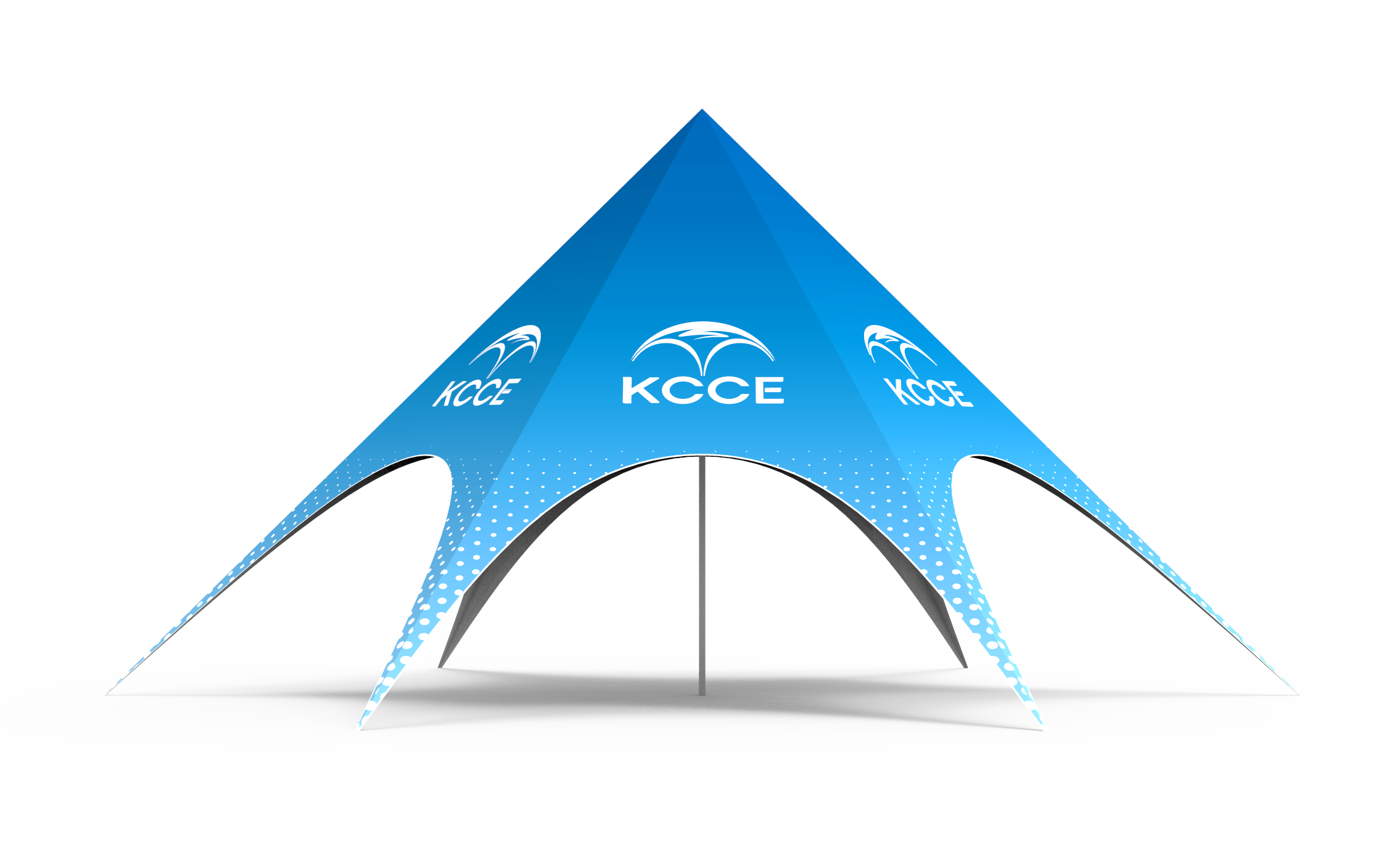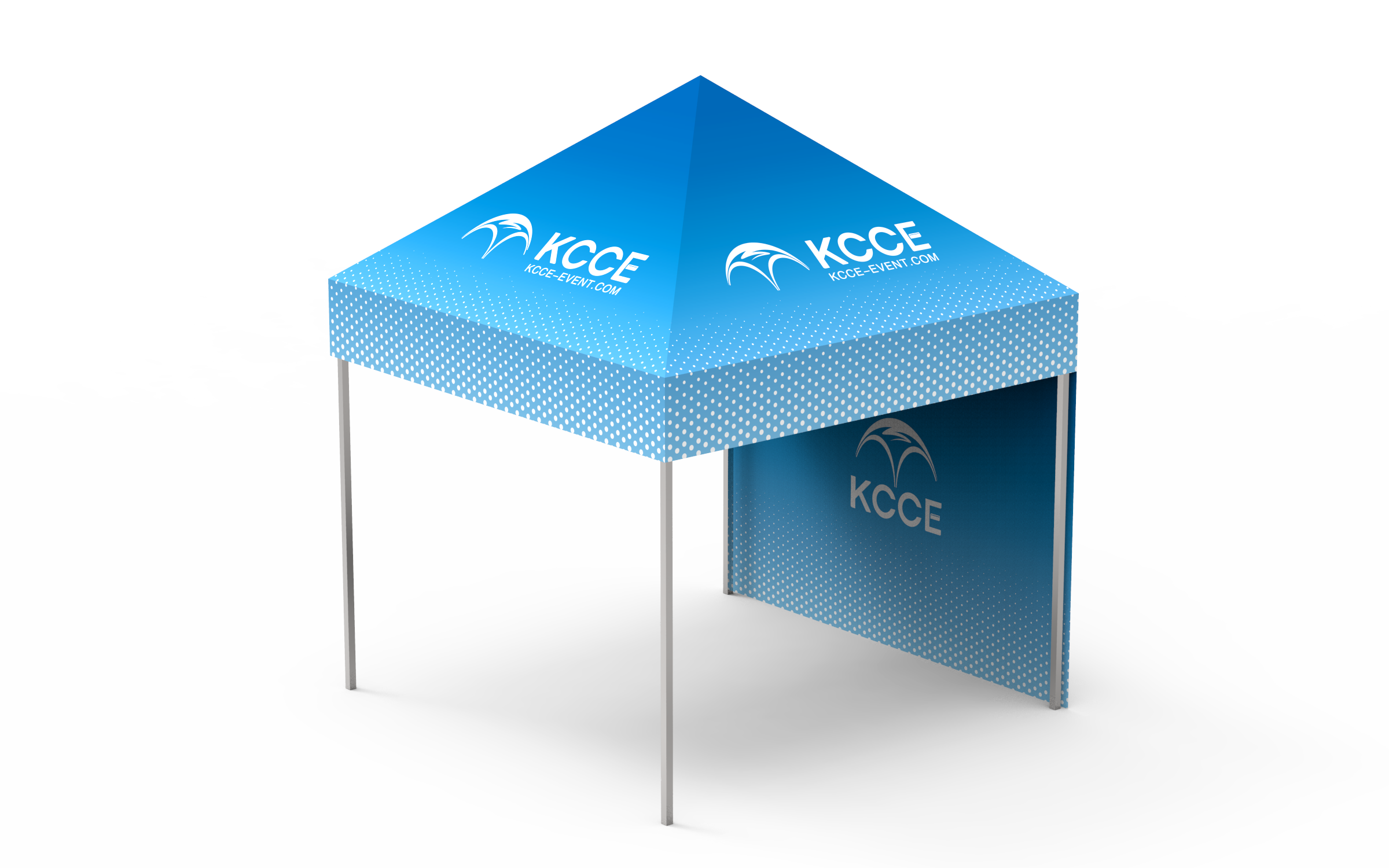
Picture this: 4:47 AM on race day, still dark out, and the finish-line canopy you’ve used for three seasons just snapped a leg joint. Runners are already trickling into the corral while your crew wrestles with bent aluminum tubing. If you’ve ever run an outdoor event, you know that scene — or something close to it. That’s exactly the pain point behind one of the quieter shifts in our industry: how inflatable event tents are transforming outdoor events, from marathons and trade shows to brand activations and disaster relief. I’ve watched this category move from “niche novelty” to a mainstream infrastructure choice, and honestly, most buyers still don’t get clear, use-case-specific guidance. So here’s the straight version — trend, hard specs, and an honest comparison — for the people who actually sign the purchase order.
Quick Answer
Inflatable event tents are air-supported temporary structures that inflate in minutes using blowers or sealed air chambers, so there’s no pole assembly and less crew labor. They’re changing outdoor events through faster setup, lower labor costs, full-surface branding, and modular configurations — though buyers still have to verify wind ratings and fire-retardancy certifications before committing.
What Is an Inflatable Event Tent?
An inflatable event tent is a temporary structure held up by air — either constant-air tubes fed by a blower or sealed airtight chambers inflated once — rather than metal poles and frames. It’s used for exhibitions, festivals, sports events, and emergency shelter, and it can carry full-surface printed branding. That definition matters, because the two air systems behave very differently on site.
Sealed-air (airtight) tents inflate once and hold pressure without a running blower — quieter, no constant power draw, but they need pressure checks over long events. Constant-air tents stay rigid through a continuously running blower, which means you need reliable power and a backup plan. In my experience, the blower is the single most failure-prone component, so redundancy isn’t optional for a paid event.
Why Inflatable Event Tents Are Transforming Outdoor Events
Three drivers keep coming up in conversations with event planners: speed, labor, and branding.
Speed first. The old marquee workflow — poles, joints, ratchet straps, a small army — is where schedules die. Inflatable structures collapse all of that into inflation plus anchoring. The industry source material on sports events and marathons describes exactly the failure mode buyers are running from: spring-loaded pop-up mechanisms jamming and aluminum legs snapping at the worst possible moment. Inflatable systems remove that whole category of failure.
Labor is the second driver, and it’s the one finance teams actually feel. Fewer crew hours per build means fewer overtime lines and fewer skilled installers you need on call at 5 AM. Speaking of which — the third driver is visual. Because the structure is the air chamber, branding wraps the entire form, not just a valance strip. For corporate events and brand activations, that’s a different asset class than a white marquee with a logo banner.
And this isn’t some new technology still finding its feet. Inflatable shelter technology traces back to mid-20th-century military and disaster-relief use, where rapid deployment and structural resilience were the whole point. Event organizers inherited a mature idea, not an experiment.
Inflatable vs Traditional Marquee: Honest Comparison
You might be wondering whether inflatable really beats a marquee, or whether it’s just a different set of trade-offs. It’s the latter — but the trade-offs favor inflatables more often than the legacy vendors admit.
| Fator | Tenda insuflável para eventos | Traditional Pole Marquee |
|---|---|---|
| Setup | Inflation plus anchoring; fast, fewer crew | Frame/pole assembly; labor-heavy, hours on site |
| Comportamento ao vento | Flexible structure; performance depends on anchoring and rating | Rigid frame; joint and leg failure points |
| Branding surface | Full-form printed wrap | Valance/banner add-ons |
| Storage & transport | Bulky and heavy — a real complaint from users | Long poles, heavy frames, large footprint |
| Reparar | Patch and re-inflate; blower is the weak link | Joint/leg replacement, often model-specific |
| Best fit | Activations, sports, festivals, emergency shelter | Long-duration, highly custom builds |
Notice what’s não in that table: a clean cost winner. Inflatable event tent cost varies enormously with size, fabric, and branding, and I’d be doing you a disservice quoting a single number — more on that below. The honest summary: inflatables win on setup time and branding, marquees still hold ground on very large custom builds, and both live or die on anchoring discipline.
Setup Time, Wind Ratings & Safety Specs Buyers Need
Here’s where I get blunt. If a supplier can’t give you a wind rating and a fire certificate in writing, walk.
On setup: users consistently describe inflatable tents as “sturdy and very easy to setup and take down” — that’s real-world phrasing, not marketing copy. The practical constraint isn’t inflation, it’s anchoring and power. Budget your site time around ballast and tie-downs, not the blower.
On wind: wind rating is the spec that separates a professional structure from a party accessory. Ask for the rated wind load in mph, the anchoring method it was tested with (ground stakes, ballast weights, or both), and whether the rating assumes a fully inflated, correctly anchored structure. “Weatherproof” on a spec sheet means nothing without those numbers attached.
On fire safety: for event decision-makers, fire-retardant fabric is non-negotiable. Ask specifically for NFPA 701 (the U.S. flammability standard for textiles) or EN 13501 (the European fire classification for construction products), and get the test documentation, not just a claim. Venue risk officers and insurers will ask for exactly this.
One more: material spec. PVC-coated fabric is the workhorse for event-grade tents — it’s what makes the waterproof claim credible and the print durable. Ask about seam sealing and stitching quality too; that’s where cheap builds fail first.
Cost, Sizing & ROI for Decision-Makers
Let’s talk money honestly. I’m not going to invent a price grid, because inflatable event tent cost swings wildly with square footage, fabric weight, printing coverage, and whether you’re buying sealed-air or constant-air. What I will say: get quotes from at least three inflatable tent manufacturers, specify your wind rating and fire certification requirements up front, and compare on total cost of ownership — purchase price plus crew hours per event plus storage.
Sizing is more tractable. For “what size inflatable tent for 100 guests,” the practical starting point is floor area per person: seated banquet layouts need meaningfully more square footage per guest than standing reception or activation layouts. Give your supplier your layout (tables, stage, bar) rather than a headcount alone — the layout drives the footprint.
ROI logic for a rental company or a brand with a recurring event calendar: the structure amortizes across events, and the labor savings compound on every single build. For a one-off event, rental is usually the smarter call. That’s the honest split.
Best Use Cases: Corporate, Festival, Emergency Shelter
Different buyers, different concerns — I think this segmentation is where most buying guides fall short.
Corporate events and trade shows. The buyer is a marketing or procurement manager. Concerns: brand fidelity on printed surfaces, power reliability for constant-air blowers, and load-in logistics at venues with strict dock schedules. Modular, connectable tents let you scale a footprint across a season.
Festivals and sports events. The buyer is a race director or festival ops lead. Concerns: wind, mud, crowd flow, and setup under time pressure. This is the segment where the 4:47 AM canopy failure story lives — and where the “great in high winds” user sentiment only holds if anchoring is done right.
Emergency shelter and disaster relief. Government and NGO buyers. Concerns: rapid deployment, waterproofing, air-tight chambers that hold without continuous power, and documented compliance. This is the segment inflatable technology was practically born for.
Weddings and private events. High-emotion, high-budget, low tolerance for a blower failing mid-ceremony. Redundant power, every time.
Technical Specs: Wind Ratings, Air-Sealed vs Blower Systems, and Safety
The spec sheet is where most deals are actually won or lost, so here’s what I check before signing off. Wind ratings matter most: reputable inflatable manufacturers test to EN 14960 (the inflatable play equipment standard) or publish structural wind-load calculations to EN 1991-1-4, and you want a documented operating limit — wind ratings for anchored event tents vary by product and should be confirmed with the manufacturer, with immediate deflation above that. Ask for the engineering certificate, not a marketing claim. Fire safety is non-negotiable for public events: demand EN 13501-1 Class B-s1,d0 (or NFPA 701 / DIN 4102 B1) fabric certification, plus a flame-retardancy test report per batch. On the air system, sealed-air tents hold pressure with no blower running (quieter, no power draw, but pressure can drop over time and may need top-ups), while constant-air tents run a blower continuously during use — so budget for a backup blower and a generator, because that blower is the single point of failure. Ground anchoring (ballast weights per leg point, or ground stakes, as specified by the manufacturer) is part of the wind rating, not an accessory.
Real Costs and Budget Considerations
Let’s talk numbers, because this is where the honest comparison lives. A 10×10 m (roughly 33×33 ft) inflatable event tent is typically priced in the several-thousand-dollar range to buy depending on fabric weight (PVC-coated polyester vs. ripstop nylon), printing, and whether it’s sealed or blower-fed; rental pricing varies by event and provider. A comparable traditional frame tent of the same footprint typically sells at a higher price point, and professional installation labor adds further cost per multi-day event, plus frame replacement every few seasons. The real cost driver is labor and downtime: a frame tent typically requires a larger crew over several hours, versus an inflatable crew of two for under an hour. Factor in storage (inflatables fold down to a more compact packed volume), freight, and the blower/generator line item. My rule of thumb: if you deploy frequently throughout the year, the inflatable’s labor savings can help close the purchase-price gap over time. Always add 10–15% contingency for anchoring hardware and permits.
Setup Process: From Delivery to Fully Inflated in Minutes
Here’s the actual sequence I run on site. Delivery to level ground, then a footprint layout check against the anchor plan — five minutes. Unroll and connect the blower duct (constant-air) or attach the inflation valve (sealed-air), then power up: a typical 10×10 m constant-air tent reaches full pressure relatively quickly; sealed-air chambers also inflate in a short time and then the blower comes off. Anchoring follows immediately — ballast or stakes at every leg point, cross-checked against the wind-rating schedule — another 10–15 minutes. Realistic time from truck to event-ready can be significantly shorter with two people than the several hours and larger crew a frame marquee typically requires. The one thing that eats time is a soft or uneven surface, so I always confirm ground conditions and blower power (a standard 110V/220V circuit or generator) before the crew arrives. Deflation and pack-down reverse the process in a relatively short time.
Use Cases: Festivals, Product Launches, Sports Events, and Brand Activations
The use cases split cleanly by what the structure has to do. Festivals and marathons need speed and resilience — inflatables shine as start/finish gantries, medical tents, and registration canopies where the 4:47 AM leg-snap scenario is the enemy; the mid-20th-century military/disaster-relief lineage is exactly why they deploy fast and hold up. Product launches and brand activations want the full-surface print: because the air chamber is the form, a 360° wrap turns the tent into a billboard, which is why automotive and tech brands increasingly spec custom-shaped inflatables over white marquees. Sports events use them for athlete zones, sponsor villages, and spectator shade, where modular configurations let you scale footprint per event. The common thread: events with tight build windows, heavy branding needs, and repeated deployment. Where I’d still steer a client to a frame tent is a long-duration, high-wind-exposure site with unreliable power — that’s the honest boundary.
Inflatable Tents vs Traditional Frame Tents: A Fair Comparison
Beyond the setup and wind rows already covered, the fair comparison comes down to cost-per-deployment, lifespan, and risk. On cost: inflatable purchase runs $6,000–$15,000 for a 10×10 m unit with labor of 2 people for under an hour per build; frame tents run $3,000–$8,000 but carry $1,500–$4,000 in install labor per multi-day event and need frame/joint replacement every few seasons (the snapped-leg failure mode is a recurring cost, not a one-off). On lifespan: quality PVC inflatables can last many years with proper care; frame tents also offer a long service life before tubing fatigue and joint wear. On risk: frame tents handle sustained high winds more predictably at fixed sites, while inflatables depend on anchoring discipline and blower redundancy. On branding: full-surface print vs. valance-strip only — a different asset class. My verdict: repeated, branding-heavy, fast-turnaround events favor inflatables; fixed, long-duration, power-unreliable sites still favor frames. Anyone claiming a universal winner is selling, not advising.
Maintenance, Storage, and Lifespan
This is the section buyers skip and regret. Lifespan for a quality PVC-coated polyester inflatable is 8–12 years; ripstop nylon has a shorter service life, and blowers also require replacement after a limited number of years. Maintenance is mostly discipline: clean and dry the fabric fully before storage (damp packing is the #1 cause of mildew and seam failure), inspect seams, valves, and anchor points after every deployment, and pressure-test sealed-air chambers before each event. Store folded in a dry, rodent-free space at moderate temperature — inflatables pack to roughly a third the volume of an equivalent frame tent, which is a real warehouse-cost win. Budget for one blower replacement and occasional patch/valve repair per season. The payoff: a well-maintained inflatable outlasts a frame tent by several years and holds resale value, whereas bent aluminum tubing is scrap. Treat storage and drying as part of the deployment SOP, not an afterthought, and the lifespan numbers above hold.
Perguntas Frequentes
Q: How much does an inflatable event tent cost?
R: There’s no single figure — inflatable event tent cost depends on size, PVC fabric weight, print coverage, and whether it’s sealed-air or constant-air. The disciplined approach is to collect quotes from multiple inflatable tent manufacturers with your wind-rating and fire-certification requirements stated up front, then compare total cost of ownership including crew hours and storage, not just sticker price.
Q: Are inflatable tents waterproof?
R: Event-grade inflatable tents are typically built from PVC-coated fabric, which is waterproof when seams are properly sealed. The real question to ask is about seam construction and stitching quality — that’s where water ingress starts. Ask your supplier for the fabric spec and how seams are sealed, and confirm the roof design handles standing water rather than pooling it.
Q: How long does it take to set up an inflatable event tent?
R: Inflation itself is quick; the time budget goes to anchoring, ballast, and power setup. Users consistently describe inflatable tents as sturdy and very easy to set up and take down. For planning purposes, treat anchoring as the critical path and confirm your crew’s responsibilities with the supplier in writing before the load-in schedule is locked.
Q: Can inflatable tents withstand wind?
R: They can, within their rated limits — but the rating is meaningless without the anchoring method it was tested with. Ask for the wind load rating in mph, the specified ground anchoring or ballast system, and confirmation that the rating assumes full inflation and correct tie-downs. Never deploy an inflatable structure in conditions above its rated wind load.
Q: What size inflatable tent do I need for 100 guests?
R: Size by layout, not headcount alone. Seated banquet arrangements need substantially more floor area per guest than standing receptions or activation spaces. Give your supplier a layout plan — tables, stage, bar, circulation — and let the footprint follow from that. It’s the difference between a comfortable event and a cramped one.
Q: Are inflatable event tents worth it?
R: For recurring event programs and rental fleets, usually yes — labor savings compound with every build and the branding surface is a genuine marketing asset. For one-off events, rental often makes more financial sense. The honest caveat: they’re bulky and heavy to transport, so storage and logistics costs belong in your ROI math.
Q: How do you repair a leak or damage?
R: Most field repairs are patch-and-reinflate jobs on the air chamber, and the blower is the component most likely to need replacement. Before you buy, confirm spare-part availability and after-sales support terms in writing — this is a documented gap in the market, and unclear support is one of the most common buyer complaints.
Conclusão
Here’s the one action item I’d leave you with: before you request a single quote, ask every inflatable tent supplier for their wind-load rating in mph, their anchoring specification, and their NFPA 701 or EN 13501 fire documentation — in writing. If they can’t produce those three things, the conversation is over. And the question worth sitting with: does your current tent vendor publish these numbers anywhere? If not, you now know why.
Referências
1. Inflatable Tents For Sports Events & Marathons: The Complete Guide – kcce-event.com
2. How Inflatable Tent Technology Has Evolved – bestyle-outdoors.com
3. Inflatable Domes For Events: 7 Benefits That Beat Tents – kcce-event.com
4. Dacheng outdoor products LTD. (KCCE) — Company Profile & Product Range – kcceinflatable.en.made-in-china.com
Want one structure to anchor the whole day? Our 400 sq ft canopy tent plan lays out a 400 sq ft canopy tent plan that moves from arrival shade to a staged presentation without moving the unit.