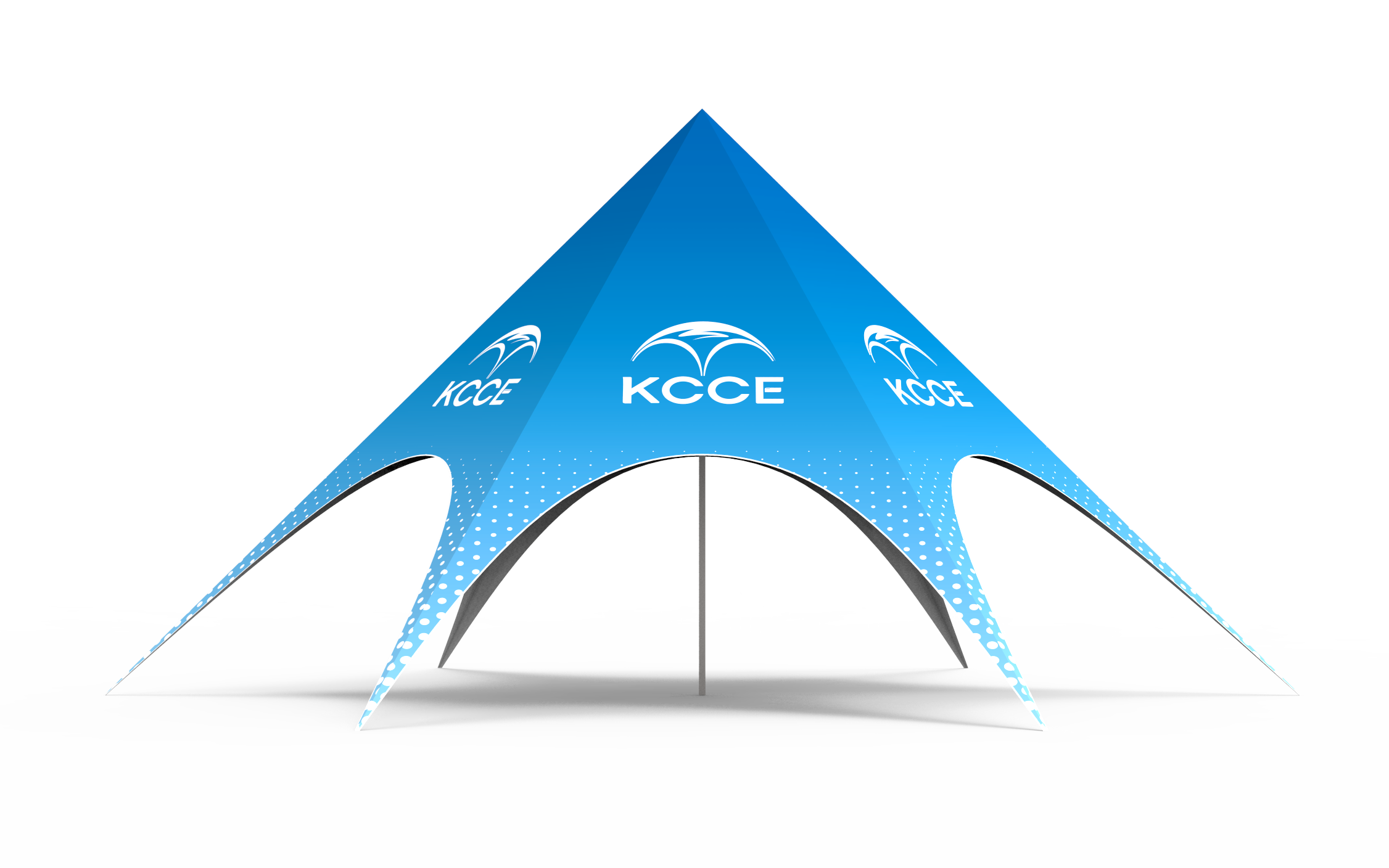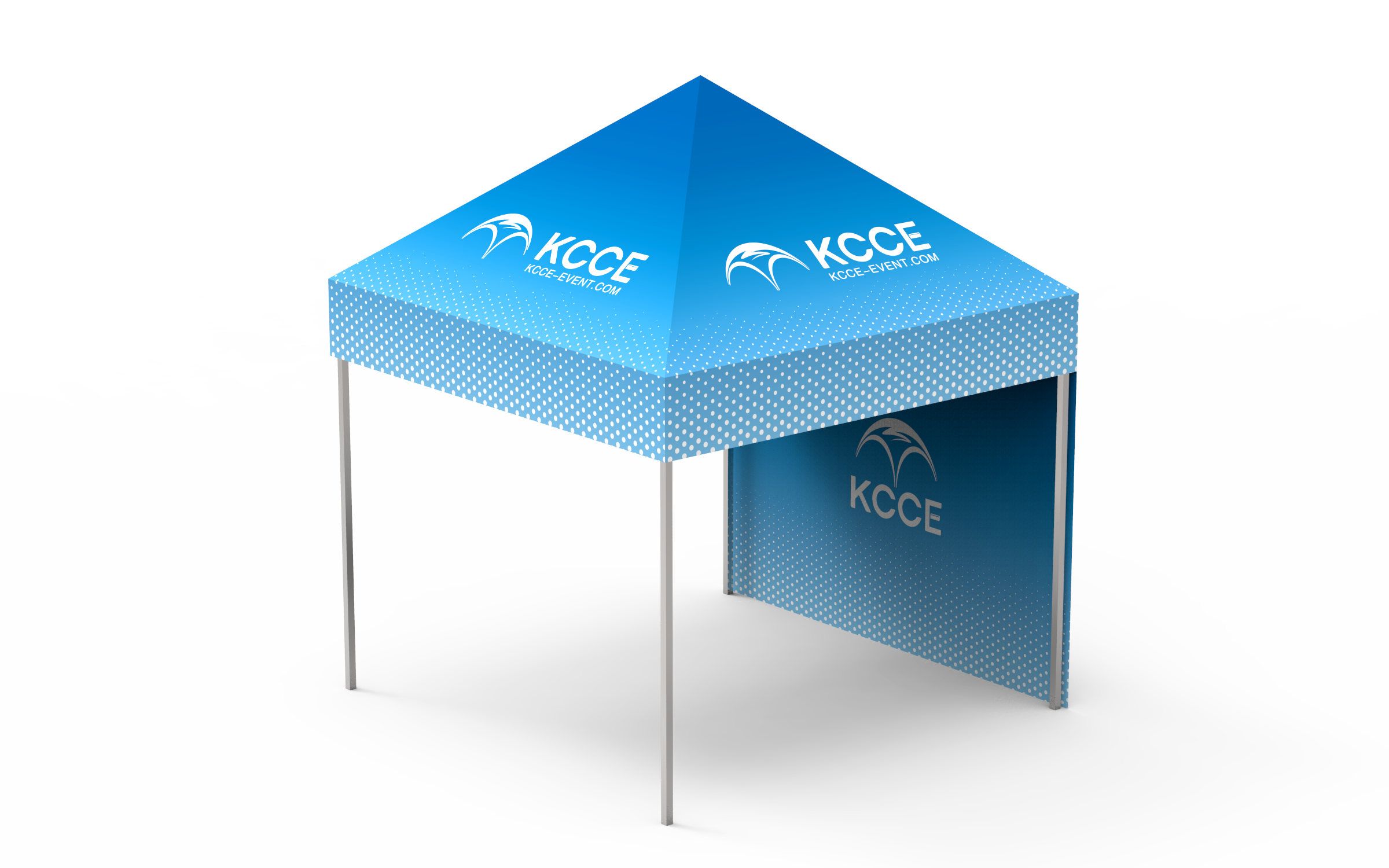
预算已获批,日期已锁定,市场团队已经在畅想品牌在照片中的呈现效果。这时,有人提出了一个让一切戛然而止的问题:“帐篷——选框架式还是充气式?”
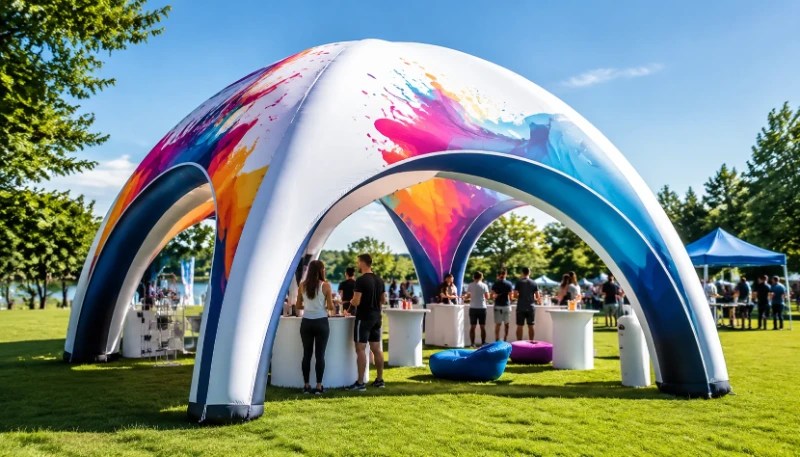
我在策划会议上见过这一幕上演无数次。说实话?大多数决策者都会愣住。他们见过那些造型流畅的、, 定制印刷充气帐篷 在展会和音乐节上亮相。它们看起来精致专业。但随之而来的是各种质疑——抗风问题、电力需求、耐用性疑虑。没有人想成为那个批准了一顶在活动中途坍塌的帐篷的人。.
So let’s cut through the noise. Here’s what I’ll cover: the benefits of an inflatable printed tent—but I’m not going to sugar‑coat anything. I’ll give you the quantified advantages, the real numbers, and the three risks most vendors won’t mention in their sales pitch. By the time you finish, you’ll have a decision framework that turns “maybe” into a confident “yes” or a clear “no.”
搭建速度:比框架帐篷快90%,以及为何这一点至关重要
如果有一件事能让活动经理们频频点头,那就是搭建时间。我曾亲眼看到两个人组成的团队在四分钟内搭建好一顶3×3米的充气帐篷。绝无虚言。同样尺寸的框架帐篷?至少需要20分钟,两个人还要跟撑杆、连接件搏斗,反复试错。.
为什么速度如此重要?这不仅仅关乎便利性,而是关乎整个工作流程。当你在一个周末内要完成多个活动站点——比如一个饮料品牌的快闪巡展——那些节省下来的分钟数会迅速累积放大。.
让我们用数据说话。一顶标准的3x3米充气帐篷,两个人充气并打桩固定大约需要3到5分钟。3x6米的帐篷可能需要6到8分钟。相比之下,同尺寸的框架帐篷需要20到25分钟。现在乘以20顶帐篷用于一个音乐节活动——你每次搭建就节省了大约6个小时的人工。按每人每小时30元计算,每场活动仅人工成本就节省了360元。.
最关键的是:简易搭建不仅降低了成本,还减轻了压力。任何曾在清晨6点站在雨中、费力地将金属撑杆穿进帆布套筒的人,都完全明白我的意思。而使用充气帐篷,你只需打开风机,看着它立起来,然后继续下一项工作。.
当然,如果你正在寻找充气帐篷的选购指南,我会把搭建速度放在清单的首位。但紧随其后的还有另一个关键因素——印刷质量。.
定制印刷质量:高达720 DPI的全彩Logo输出
说实话——大多数人购买充气帐篷不仅仅是因为它搭建快,而是因为它的外观。而正是在这一点上,印刷质量成了成败攸关的关键因素。.
传统框架帐篷?它们通常只有基础的单色丝网印刷,或者运气好的话,会有一面用夹子或拉链固定在框架上的乙烯基横幅。结果往往是横幅上可见接缝、褶皱明显,而且在阳光下暴晒几个周末后颜色就会褪去。.
充气印刷帐篷采用热升华印刷技术,分辨率可达720 DPI——基本上是照片级画质。墨水通过热转印渗透到聚酯纤维面料中,使图案成为材料的一部分,而非仅仅附着在表面。这意味着即使经过数十次折叠、打包和重新充气,你的Logo依然保持鲜艳。.
我见过客户带着精确到CMYK色值的品牌规范手册来,最终成品与他们的数字效果图几乎无法区分。这就是你可以期待的还原度。.
但有一点很多人会忽略:由于充气帐篷由整块面料制成(或多块裁片在印刷前已拼接完成),图案可以无间断地环绕整个结构。不会有难看的接缝将你的Logo分割在不同裁片上,也不会出现错位。为活动使用定制印刷穹顶帐篷的优势,正是从这种无缝的品牌呈现开始的。.
如果你打算将定制印刷穹顶帐篷作为品牌活动的核心,请确保设计文件为矢量格式,并将所有文字保持在15pt以上,以保证充气后的可读性(面料会拉伸约3%,这会让小号文字看起来模糊不清)。.
别忘了最聪明的角度:当你的帐篷印满完整的品牌形象时,它不仅仅是一个遮蔽物——它是一块广告牌。人们会为它拍照、在社交媒体上分享,并在活动结束很久之后依然记得你的品牌。.
重量与便携性:比框架帐篷轻60%
在我的职业生涯中搬运过足够多的设备,我深知重量不是一个小细节——它是一项预算条目。.
一顶典型的3x6米充气印刷帐篷,包括内置风机和地钉在内,重量约为25公斤。同尺寸的框架帐篷呢?通常在60到70公斤之间。当你要装载一辆面包车进行多城市巡展时,这就是巨大的差异。.
以我合作过的一家租赁公司为例。两年前他们从框架帐篷转向充气帐篷,物流成本下降了40%,部分原因是同一辆卡车车厢里能装下两倍的帐篷数量。充气帐篷可以折叠成约1.2米×0.6米×0.4米的紧凑包裹,而框架帐篷则需要多根长管件,打包起来非常笨拙。.
对于活动组织者来说,这意味着无需增加第二辆卡车就能部署更多品牌展示空间。对于租赁公司来说,这意味着活动之间的周转速度更快。.
一份充气活动帐篷带Logo的优势清单,如果不包含便携性就是不完整的。你节省的不仅仅是存储空间,还有燃油、装卸时间,以及团队成员腰部受伤的风险。.
现在,有一件事需要坦白说明:风机会增加一些重量,而且需要单独携带。但即使算上风机,与框架帐篷相比,你仍然拥有大约60%的重量优势。这是事实,不是营销噱头。.
稳定性与抗风性能:用数据揭示真相
这一章可能会让一些只想听好话的读者流失。但如果你是一个决策者,你需要的是真相。.
充气帐篷确实能够应对风力。但它们应对风力的方式与刚性结构不同——而这在很多方面实际上是一种优势。.
让我用一些物理原理来解释。刚性框架帐篷通过自身的刚度来抵抗风力。当风吹来时,金属撑杆尽量不弯曲。这在风力未超过结构极限之前没有问题——一旦超过,某个部件就会断裂。而当金属杆断裂时,整个帐篷会突然坍塌,常常损坏面料并带来安全风险。.
而充气帐篷则使用气柱——本质上就是长条形的加压管。当风力冲击时,它们会弯曲变形。内部的空气吸收力量并将其分散到整个结构上。这有点像棕榈树在风暴中弯曲,而坚硬的橡树可能会断裂。这种弯曲特性意味着充气帐篷能够承受那些会对框架帐篷造成永久性损坏的风力事件。.
具体数据是多少?根据ANSI/IAEM测试标准,大多数专业制造的充气帐篷可承受高达每秒13至17米的风速——即蒲福风级6级到7级。从实际角度来说,这覆盖了绝大多数户外活动日的天气条件。.
但诚实的部分是:如果天气预报显示风速超过每秒20米(8级或以上),无论什么类型的帐篷,你都应该考虑取消活动或转移到室内。在没有重型且昂贵的加固措施的情况下,没有任何帐篷——无论是框架式还是充气式——在极端风力下是真正安全的。.
在选择充气帐篷用于下一场活动的首要理由中,稳定性可能不是你首先想到的,但如果使用得当,它绝对排在前五名。.
以下是我给每位客户提供的5步抗风检查清单:
- 每条拉绳至少使用15公斤沙袋——不要为了方便而省略这一步。.
- 地钉应以45度角向外打入地面, ,而不是垂直向下。.
- 保持风机持续运行——在大风条件下切勿关闭风机。气柱需要持续的压力。.
- 在阵风条件下放下所有侧墙 ;敞开的侧面会像帆一样兜风。.
- 如果风速超过7级,应主动拆除帐篷。. 主动拆除的成本远低于事后维修。.
If you’re still nervous, look into inflatable tent rental options that include heavy‑duty ground anchoring systems. Many rental companies offer reinforced kits for high‑wind events.
电力依赖:你必须提前规划的隐性成本
Alright, here’s the part that makes some decision‑makers wince. Inflatable tents need electricity. The blower runs the entire time the tent is up. You cannot bypass this.
A typical 3x6m tent uses a blower rated at 300 to 500 watts. Over a 12‑hour event day, that’s about 4 to 6 kWh of electricity. That doesn’t sound like much on paper, but if your venue has no power outlets nearby, you’re now looking at renting a generator or battery pack.
Generator rental for a single day runs about $80 to $150, depending on your market. Battery packs are cheaper—$50 to $100 per day—but they need recharging, which adds logistical complexity.
If you’re running a multi‑day event, the power costs can add up. And if you’re in a remote area without access to grid power, that’s a real budget consideration.
But here’s the trade‑off: frame tents need no power at all. So if zero power dependency is a non‑negotiable for your event, inflatable tents might not be the right fit. That’s just being straight with you.
However, if you have access to power—and most managed venues do—the cost is manageable. Many event sites include standard 15‑amp outlets near vendor areas. And some inflatable tent models now come with dual‑voltage blowers that work with both 110V and 220V.
The guide to inflatable tents should always include a section on power requirements. It’s not a deal‑breaker, but it’s a detail that, if overlooked, can ruin your day.
耐用性与维护:如何让帐篷使用超过100场活动
I’ve seen inflatable tents that look like new after four years of weekly use. I’ve also seen tents that fell apart after ten events. What made the difference? Two things: material quality and maintenance.
The best inflatable tents are made from 900D Oxford cloth with a PVC coating. That fabric has a tear strength of at least 500 Newtons—strong enough to handle the tension from inflation and light enough to stay portable.
The weak point is always the seams and air valves. If you treat the tent roughly—dragging it across gravel, folding it while wet, or storing it in direct sunlight—the seams will fail. But if you follow a basic maintenance schedule, you can easily get 100+ uses out of a single tent.
Here’s a simple SOP I recommend:
- After every event, wipe down the fabric with a dry or slightly damp cloth. Do not use solvents, bleach, or abrasive cleaners.
- Let the tent dry completely before folding—this prevents mold and mildew, which are the leading cause of fabric degradation.
- Fold carefully; avoid sharp 90‑degree creases, especially near the air chambers.
- Store in a cool, dry place away from direct sunlight. UV exposure is the second biggest killer of PVC‑coated fabric.
- Check the inflation valves and seams every six months, even if the tent hasn’t been used. A quick inflation test costs nothing and can prevent a failure at the worst possible moment.
If you do get a puncture—and it happens—repair is straightforward. Most manufacturers include a repair kit with PVC glue and a patch. The process takes about 30 minutes, including cure time. I’ve seen patches hold for years if applied correctly.
For anyone asking why inflatable event tents are redefining outdoor events, the durability story is part of the answer. These tents aren’t disposable. With proper care, they outlast many frame tents, especially considering that frame tents often suffer from bent poles or rusted connectors after a few seasons.
成本效益分析:充气帐篷何时该租、何时该买
This is where the rubber meets the road for most decision‑makers. Should you buy or rent?
Let’s start with the numbers.
A high‑quality 3x6m inflatable printed tent with custom printing costs between $2,000 and $4,000, depending on the fabric grade and print complexity. Renting the same tent runs $150 to $300 per day, with delivery and pickup often included.
Do the math: if you use the tent more than 10 to 15 days over its lifetime, buying is cheaper. For a company that runs 5 events a year with 2‑day setups, you’ll break even in about 18 months. After that, every event is pure savings.
But buying comes with responsibilities I mentioned earlier—maintenance, storage, repair. If your team doesn’t have the bandwidth for that, renting might be smarter, even if it costs more per event.
I’ve also seen promotional tents rented for one‑off events where branding wasn’t critical. Rented tents often come in white or a limited color palette, so if your brand requires specific graphics, renting may limit your options.
Here’s a quick decision matrix:
| Use Frequency | सिफारिश | Reason |
|---|---|---|
| 1–2 events per year | Rent | Avoid maintenance and storage. Pay per use. |
| 3–8 events per year | Buy a mid‑range tent | Breakeven in 2 seasons, custom printing included. |
| 9+ events per year | Buy a high‑end tent | Invest in double‑layer fabric and dual blowers for reliability. |
If you’re looking for top benefits of using promotional tents, the ability to own a custom‑branded asset that pays for itself over time deserves a spot.
And don’t forget the inflatable tent for sale locally. Local manufacturers often offer better support and faster turnaround than overseas suppliers. Flights and shipping costs can kill the savings on a cheap tent.
常见问题解答
Q: Are inflatable printed tents safe in rainy conditions?
A: Yes, with proper anchoring. The waterproof PVC fabric keeps the interior dry, and the air beams are sealed against moisture. Ensure your tent has a sloped roof design to prevent water pooling, which adds weight and stress.
Q: Can I leave an inflatable tent up overnight?
A: You can, but I recommend deflating it if strong winds are forecast. If you must leave it up, keep the blower running and reinforce all stakes. Also, consider security—unattended inflatable tents can be vandalized or stolen.
Q: How long does it take to deflate and pack an inflatable tent?
A: About 5 to 10 minutes. Open the deflation valve, let the air escape, then fold the tent carefully. For large tents (6x9m or bigger), you may need two people to manage the fabric.
Q: Is the printing on an inflatable tent durable enough for outdoor use?
A: Yes. Dye‑sublimation printing embeds the ink into the fabric fibers. It’s UV‑resistant and can handle hundreds of inflation/deflation cycles. Direct sun exposure over months will fade any printed surface, but a good quality tent will retain its colors for at least 2 to 3 years of regular use.
Q: Can I customize the shape of an inflatable printed tent?
A: Many manufacturers offer custom shapes—domes, arches, tunnels, and even brand‑specific silhouettes. Custom shapes cost more and require longer lead times (4 to 8 weeks), but the brand impact can be significant.
The bottom line? Inflatable printed tents aren’t a magic solution for every event. But for the right use case—where speed, brand visibility, and portability matter more than zero power dependency—they’re a powerful tool.
Your next step: grab that decision matrix from this chapter. Run your numbers. If the math points to buying, request quotes from at least three manufacturers and ask about their material warranty. A 12‑month warranty is standard; 24 months suggests they trust their fabric.
And if you’re still on the fence, rent one for your next event. Nothing beats hands‑on experience to answer the big question: Is an inflatable printed tent worth it for my events? My bet? Once you see it go up in five minutes, you’ll be hooked.