You’ve got the budget approved, the date locked in, and the marketing team is already dreaming up how the brand will look in photos. Then someone asks the question that stops the momentum: “Tent—frame or inflatable?”
I’ve seen this moment play out a dozen times in planning meetings. And honestly? Most decision‑makers freeze. They’ve seen the sleek, custom‑printed inflatable tents at trade shows and music festivals. They look polished. But then come the whispers—wind issues, power needs, durability doubts. Nobody wants to be the person who approved a tent that collapses mid‑event.
So let’s cut through the noise. Here’s what I’ll cover: the benefits of an inflatable printed tent—but I’m not going to sugar‑coat anything. I’ll give you the quantified advantages, the real numbers, and the three risks most vendors won’t mention in their sales pitch. By the time you finish, you’ll have a decision framework that turns “maybe” into a confident “yes” or a clear “no.”
Setup Speed: 90% Faster Than Frame Tents (and Why That Matters)
If there’s one thing that gets event managers nodding, it’s the setup time. I’ve watched a team of two people set up a 3×3 meter inflatable tent in under four minutes. No joke. The same size frame tent? You’re looking at 20 minutes minimum, with two people wrestling with poles, connectors, and a lot of trial and error.
Why does speed matter so much? It’s not just about convenience. It’s about the whole workflow. When you’re running multiple event stops in a single weekend—say, a pop‑up tour for a beverage brand—those saved minutes multiply fast.
Let’s put some numbers behind it. A standard 3x3m inflatable tent takes about 3 to 5 minutes to inflate and stake down with two people. A 3x6m tent might push that to 6 to 8 minutes. Compare that to a frame tent of the same size: 20 to 25 minutes. Now multiply by 20 tents for a festival activation. You just saved about 6 hours of labor per setup. At $30 per hour per person, that’s $360 saved on labor alone per event.
And here’s the kicker: the easy setup factor doesn’t just lower costs. It reduces stress. Anyone who’s ever stood in the rain at 6 AM trying to thread a metal pole through a canvas sleeve knows exactly what I mean. With an inflatable, you turn on the fan, watch it rise, and move on to the next task.
Of course, if you’re looking for a guide to inflatable tents, I’d put setup speed right at the top of the list. But it’s closely followed by something else—the printing.
Custom Printing Quality: Up to 720 DPI Full‑Color Logos
Let’s be honest—most people don’t buy an inflatable tent just because it’s fast. They buy it because of how it looks. And that’s where the printing quality becomes a make‑or‑break factor.
Traditional frame tents? They usually come with basic single‑color screen printing, or if you’re lucky, a vinyl banner that’s clipped or zipped onto the frame. The result is often a banner with visible seams, wrinkles, and a color that fades after a few weekends in the sun.
Inflatable printed tents use dye‑sublimation printing, which delivers resolutions up to 720 DPI—essentially photo‑quality. The ink is heat‑transferred into the polyester fabric, so the design becomes part of the material rather than just sitting on top. That means your logo stays vibrant even after folding, packing, and re‑inflating dozens of times.
I’ve seen clients bring in their brand guidelines with spot‑on CMYK values, and the final product came out indistinguishable from their digital mockup. That’s the level of fidelity you can expect.
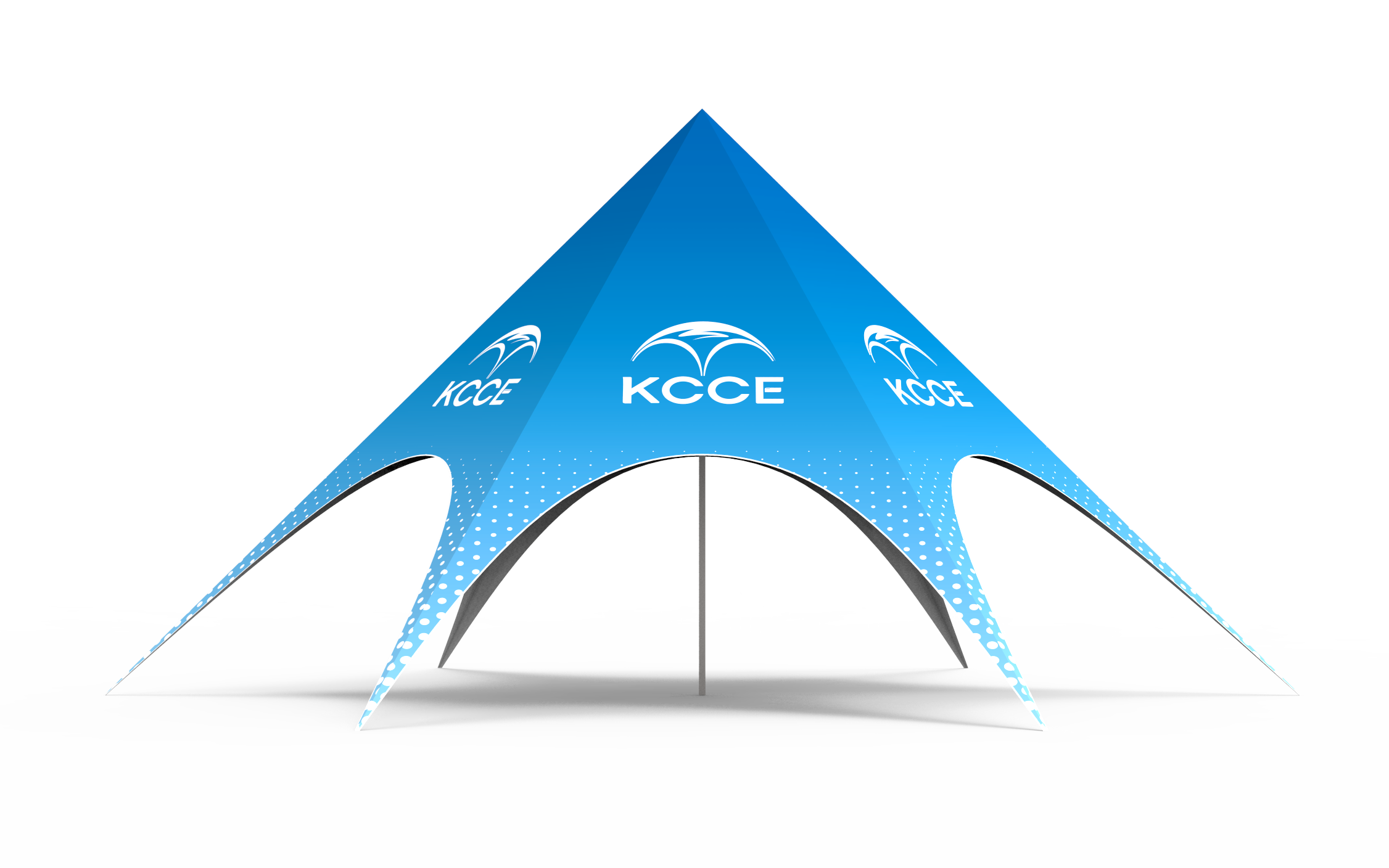
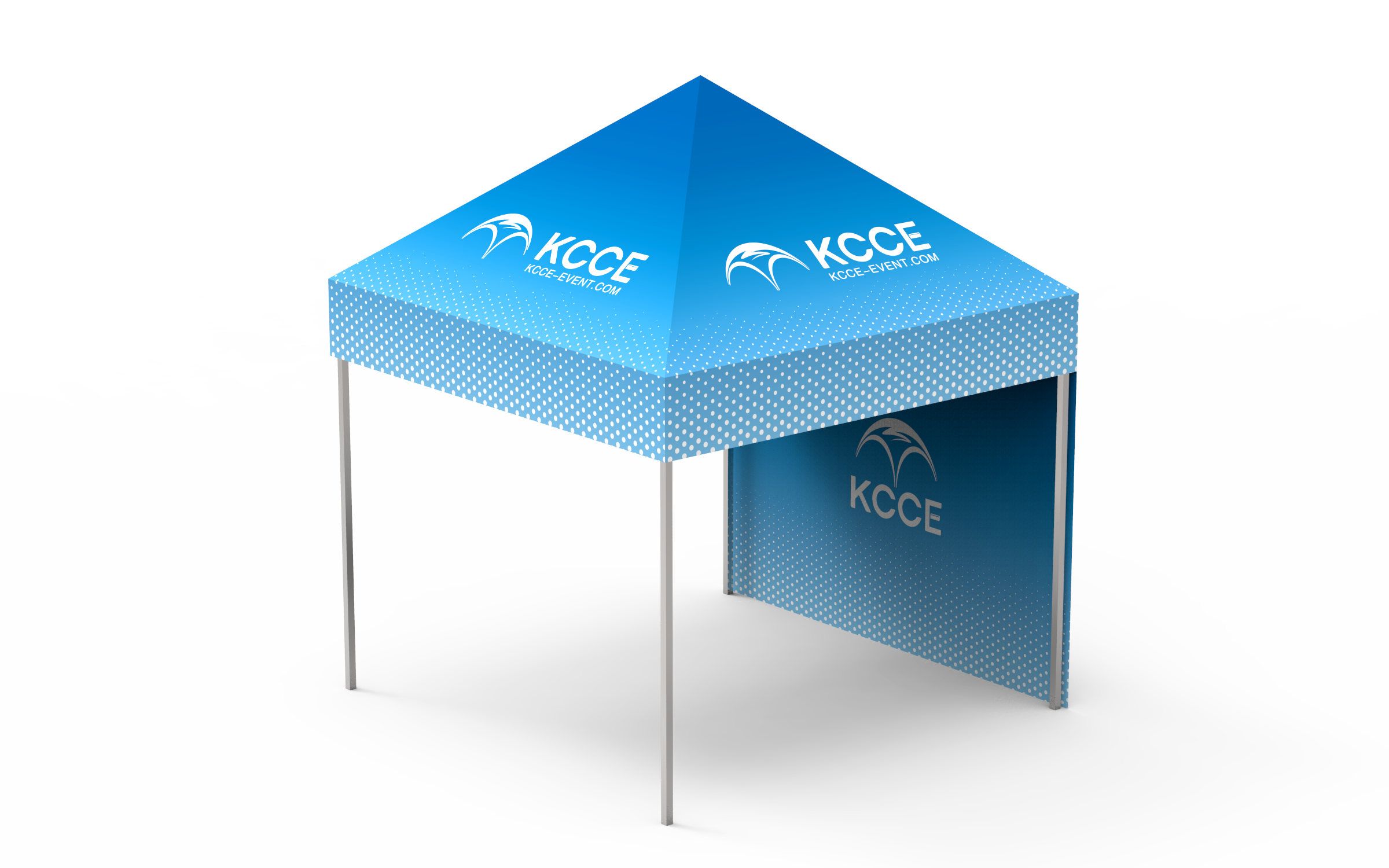
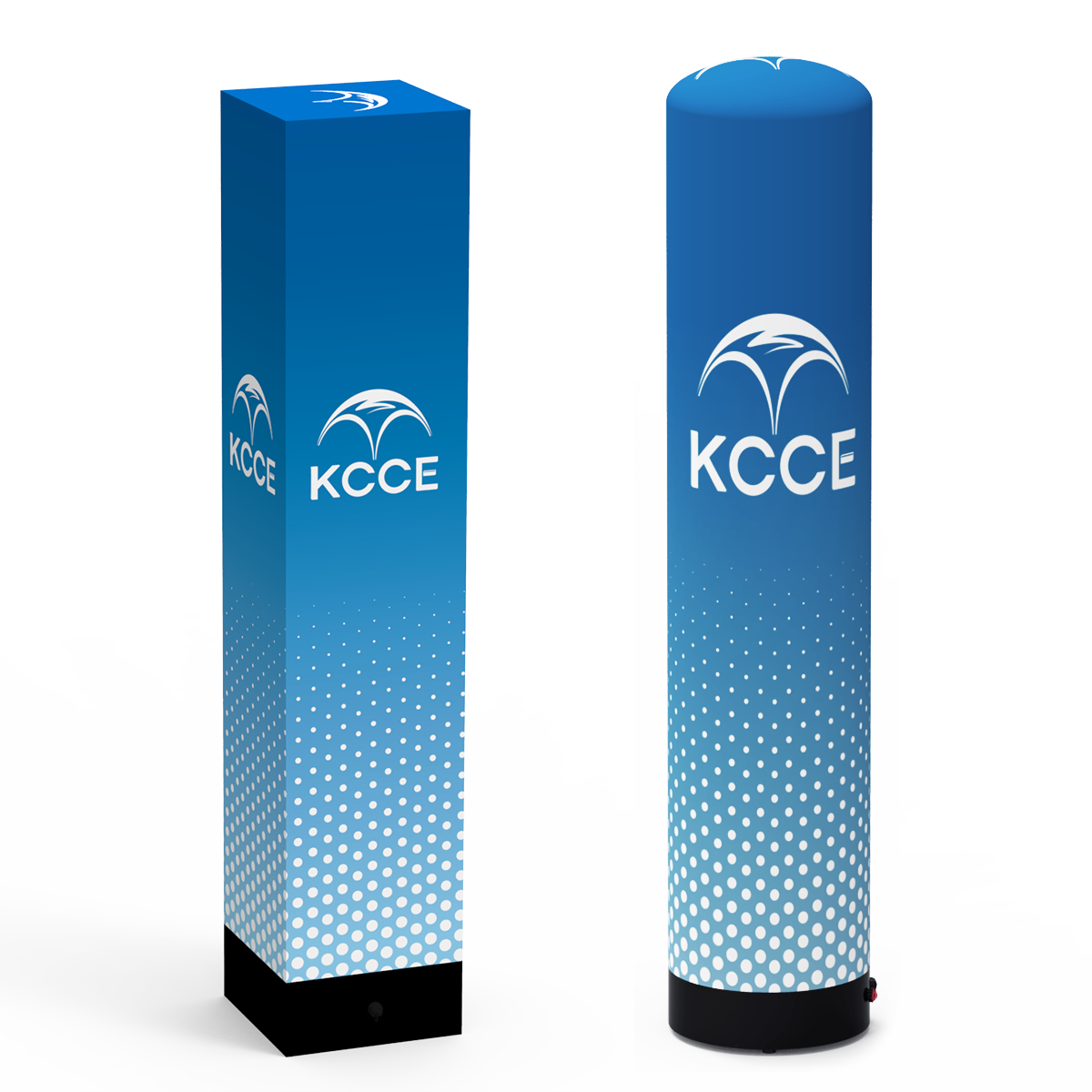
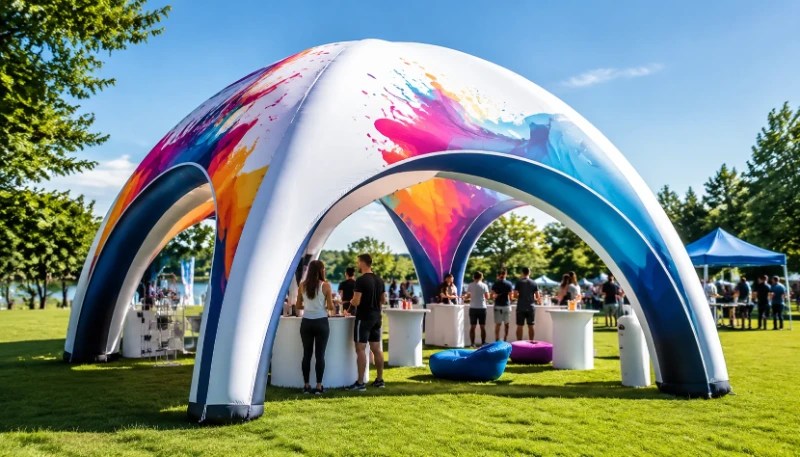
But here’s something many people overlook: because inflatable tents are made from a single piece of fabric (or multiple panels seamed together before printing), the design wraps around the structure without interruption. No ugly seams splitting your logo across panels. No misalignment. The advantage of using a custom printing canopy tent for your event starts with this seamless branding.
If you’re putting a custom printing canopy tent at the center of your brand activation, make sure your design files are vector‑based, and keep any text above 15pt to guarantee legibility after inflation (the fabric stretches about 3%, which can make small text look blurry).
And let’s not forget the smartest move angle: when your tent is printed with your full brand identity, it’s not just a shelter—it’s a billboard. People photograph it, share it on social media, and remember your brand long after the event ends.
Weight & Portability: 60% Lighter Than Frame Tents
I’ve moved enough gear in my career to know that weight isn’t a minor detail. It’s a budget line item.
A typical 3x6m inflatable printed tent, including its built‑in blower and ground stakes, weighs about 25 kilograms. The same size frame tent? Usually 60 to 70 kilograms. That’s a massive difference when you’re loading a van for a multi‑city tour.
Take a rental company I work with. They switched from frame tents to inflatable tents two years ago. Their logistics costs dropped by 40%, partly because they could fit twice as many tents in the same truck bed. The inflatable tents fold down to a compact bundle about 1.2m x 0.6m x 0.4m, whereas frame tents come in multiple long tubes that are awkward to pack.
For event organizers, this means you can deploy more branded space without adding a second truck. For rental companies, it means faster turnaround between events.
An inflatable event tent with logo benefits list that doesn’t include portability is incomplete. You’re not just saving on storage space; you’re saving on fuel, loading time, and the risk of back injuries among your crew.
Now, one thing to be upfront about: the blower adds some weight, and you’ll need to carry it separately. But even with the blower, you’re still looking at a weight advantage of roughly 60% over frame tents. That’s a fact, not marketing fluff.
Stability & Wind Resistance: The Truth (With Numbers)
This is the chapter where I’ll probably lose a few readers who are looking for a cheerleader. But if you’re a decision‑maker, you need the truth.
Inflatable tents can handle wind. But they handle it differently than rigid structures—and that’s actually an advantage in many ways.
Let me explain with some physics. A rigid frame tent resists wind by being stiff. When the wind pushes, the metal poles try not to bend. That’s fine—until the wind exceeds the structural limit, at which point something snaps. And when a metal pole breaks, the whole tent collapses suddenly, often damaging the fabric and posing a safety risk.
An inflatable tent, on the other hand, uses air beams—essentially long, pressurized tubes. When wind hits them, they flex. The air inside absorbs the force and distributes it across the structure. It’s a bit like how a palm tree bends in a storm while a rigid oak tree might crack. This flexing behavior means inflatable tents can survive wind events that would permanently damage a frame tent.
What are the numbers? According to ANSI/IAEM testing standards, most professionally‑made inflatable tents are rated for winds up to 13–17 meters per second—that’s Force 6 to Force 7 on the Beaufort scale. In practical terms, that covers the vast majority of outdoor event days.
But here’s the honest part: if the forecast calls for winds over 20 m/s (Force 8 or higher), you should be thinking about canceling or moving indoors regardless of tent type. No tent—frame or inflatable—is truly safe in extreme wind without heavy, expensive reinforcement.
For the top reasons to choose an inflatable tent for your next event, stability might not be the first one you think of, but it’s definitely in the top 5 if used correctly.
Here’s a 5‑step wind‑resistance checklist I give to every client:
- Use at least 15kg sandbags per guy line—don’t skip this for the sake of convenience.
- Drive stakes at a 45‑degree angle away from the tent, not straight down.
- Keep the blower running continuously—never turn it off during windy conditions. The air beams need constant pressure.
- Lower all side walls in gusty conditions; open sides act like sails.
- If winds exceed Force 7, take the tent down voluntarily. Proactive de‑installation is cheaper than repair.
If you’re still nervous, look into inflatable tent rental options that include heavy‑duty ground anchoring systems. Many rental companies offer reinforced kits for high‑wind events.
Power Dependency: The Hidden Cost You Must Plan For
Alright, here’s the part that makes some decision‑makers wince. Inflatable tents need electricity. The blower runs the entire time the tent is up. You cannot bypass this.
A typical 3x6m tent uses a blower rated at 300 to 500 watts. Over a 12‑hour event day, that’s about 4 to 6 kWh of electricity. That doesn’t sound like much on paper, but if your venue has no power outlets nearby, you’re now looking at renting a generator or battery pack.
Generator rental for a single day runs about $80 to $150, depending on your market. Battery packs are cheaper—$50 to $100 per day—but they need recharging, which adds logistical complexity.
If you’re running a multi‑day event, the power costs can add up. And if you’re in a remote area without access to grid power, that’s a real budget consideration.
But here’s the trade‑off: frame tents need no power at all. So if zero power dependency is a non‑negotiable for your event, inflatable tents might not be the right fit. That’s just being straight with you.
However, if you have access to power—and most managed venues do—the cost is manageable. Many event sites include standard 15‑amp outlets near vendor areas. And some inflatable tent models now come with dual‑voltage blowers that work with both 110V and 220V.
The guide to inflatable tents should always include a section on power requirements. It’s not a deal‑breaker, but it’s a detail that, if overlooked, can ruin your day.
Durability & Maintenance: How to Make It Last 100+ Events
I’ve seen inflatable tents that look like new after four years of weekly use. I’ve also seen tents that fell apart after ten events. What made the difference? Two things: material quality and maintenance.
The best inflatable tents are made from 900D Oxford cloth with a PVC coating. That fabric has a tear strength of at least 500 Newtons—strong enough to handle the tension from inflation and light enough to stay portable.
The weak point is always the seams and air valves. If you treat the tent roughly—dragging it across gravel, folding it while wet, or storing it in direct sunlight—the seams will fail. But if you follow a basic maintenance schedule, you can easily get 100+ uses out of a single tent.
Here’s a simple SOP I recommend:
- After every event, wipe down the fabric with a dry or slightly damp cloth. Do not use solvents, bleach, or abrasive cleaners.
- Let the tent dry completely before folding—this prevents mold and mildew, which are the leading cause of fabric degradation.
- Fold carefully; avoid sharp 90‑degree creases, especially near the air chambers.
- Store in a cool, dry place away from direct sunlight. UV exposure is the second biggest killer of PVC‑coated fabric.
- Check the inflation valves and seams every six months, even if the tent hasn’t been used. A quick inflation test costs nothing and can prevent a failure at the worst possible moment.
If you do get a puncture—and it happens—repair is straightforward. Most manufacturers include a repair kit with PVC glue and a patch. The process takes about 30 minutes, including cure time. I’ve seen patches hold for years if applied correctly.
For anyone asking why inflatable event tents are redefining outdoor events, the durability story is part of the answer. These tents aren’t disposable. With proper care, they outlast many frame tents, especially considering that frame tents often suffer from bent poles or rusted connectors after a few seasons.
Cost‑Benefit Analysis: When to Rent vs. Buy an Inflatable Tent
This is where the rubber meets the road for most decision‑makers. Should you buy or rent?
Let’s start with the numbers.
A high‑quality 3x6m inflatable printed tent with custom printing costs between $2,000 and $4,000, depending on the fabric grade and print complexity. Renting the same tent runs $150 to $300 per day, with delivery and pickup often included.
Do the math: if you use the tent more than 10 to 15 days over its lifetime, buying is cheaper. For a company that runs 5 events a year with 2‑day setups, you’ll break even in about 18 months. After that, every event is pure savings.
But buying comes with responsibilities I mentioned earlier—maintenance, storage, repair. If your team doesn’t have the bandwidth for that, renting might be smarter, even if it costs more per event.
I’ve also seen promotional tents rented for one‑off events where branding wasn’t critical. Rented tents often come in white or a limited color palette, so if your brand requires specific graphics, renting may limit your options.
Here’s a quick decision matrix:
| Use Frequency | Khuyến nghị | Reason |
|---|---|---|
| 1–2 events per year | Rent | Avoid maintenance and storage. Pay per use. |
| 3–8 events per year | Buy a mid‑range tent | Breakeven in 2 seasons, custom printing included. |
| 9+ events per year | Buy a high‑end tent | Invest in double‑layer fabric and dual blowers for reliability. |
If you’re looking for top benefits of using promotional tents, the ability to own a custom‑branded asset that pays for itself over time deserves a spot.
And don’t forget the inflatable tent for sale locally. Local manufacturers often offer better support and faster turnaround than overseas suppliers. Flights and shipping costs can kill the savings on a cheap tent.
Các câu hỏi thường gặp
Q: Are inflatable printed tents safe in rainy conditions?
A: Yes, with proper anchoring. The waterproof PVC fabric keeps the interior dry, and the air beams are sealed against moisture. Ensure your tent has a sloped roof design to prevent water pooling, which adds weight and stress.
Q: Can I leave an inflatable tent up overnight?
A: You can, but I recommend deflating it if strong winds are forecast. If you must leave it up, keep the blower running and reinforce all stakes. Also, consider security—unattended inflatable tents can be vandalized or stolen.
Q: How long does it take to deflate and pack an inflatable tent?
A: About 5 to 10 minutes. Open the deflation valve, let the air escape, then fold the tent carefully. For large tents (6x9m or bigger), you may need two people to manage the fabric.
Q: Is the printing on an inflatable tent durable enough for outdoor use?
A: Yes. Dye‑sublimation printing embeds the ink into the fabric fibers. It’s UV‑resistant and can handle hundreds of inflation/deflation cycles. Direct sun exposure over months will fade any printed surface, but a good quality tent will retain its colors for at least 2 to 3 years of regular use.
Q: Can I customize the shape of an inflatable printed tent?
A: Many manufacturers offer custom shapes—domes, arches, tunnels, and even brand‑specific silhouettes. Custom shapes cost more and require longer lead times (4 to 8 weeks), but the brand impact can be significant.
The bottom line? Inflatable printed tents aren’t a magic solution for every event. But for the right use case—where speed, brand visibility, and portability matter more than zero power dependency—they’re a powerful tool.
Your next step: grab that decision matrix from this chapter. Run your numbers. If the math points to buying, request quotes from at least three manufacturers and ask about their material warranty. A 12‑month warranty is standard; 24 months suggests they trust their fabric.
And if you’re still on the fence, rent one for your next event. Nothing beats hands‑on experience to answer the big question: Is an inflatable printed tent worth it for my events? My bet? Once you see it go up in five minutes, you’ll be hooked.