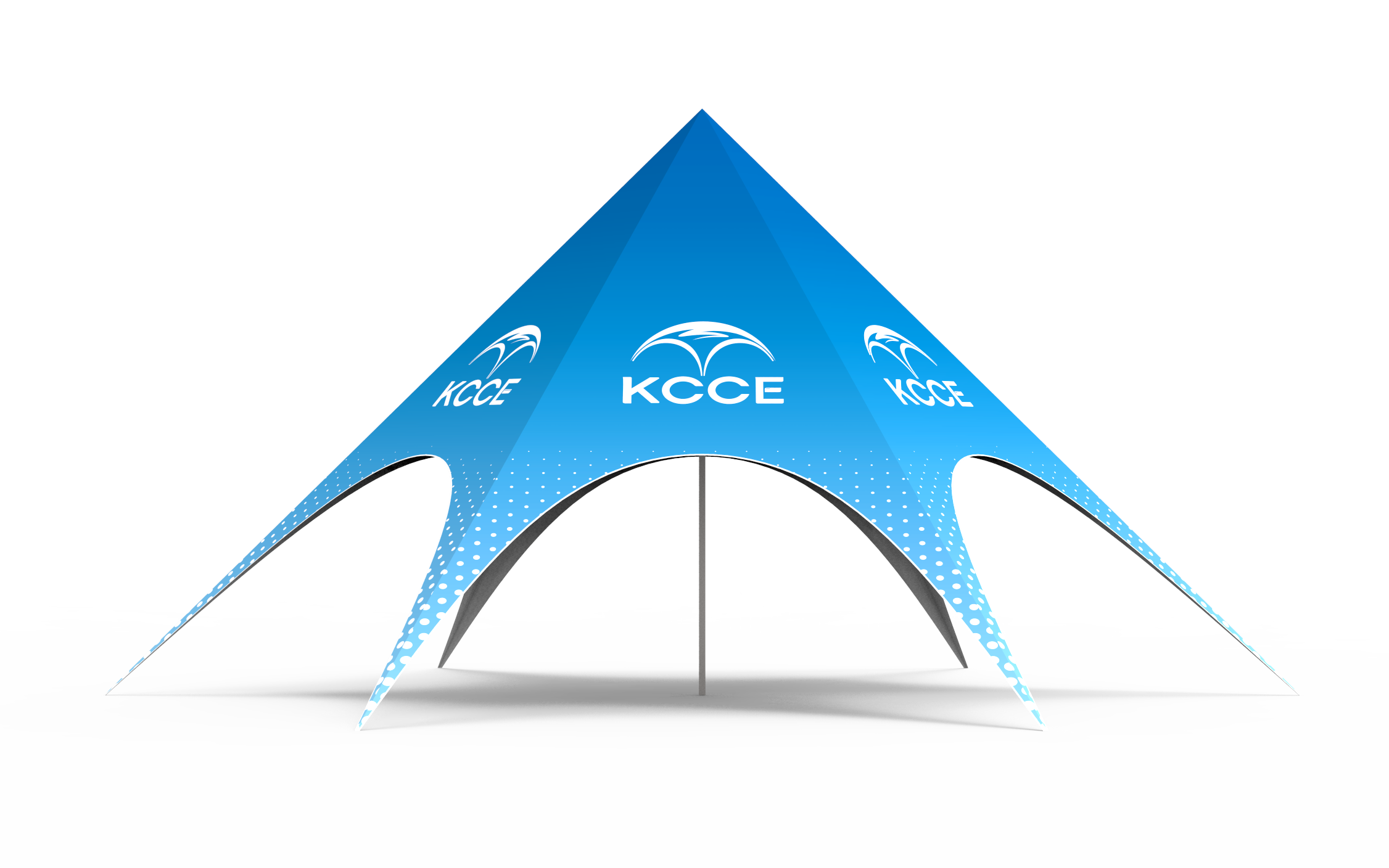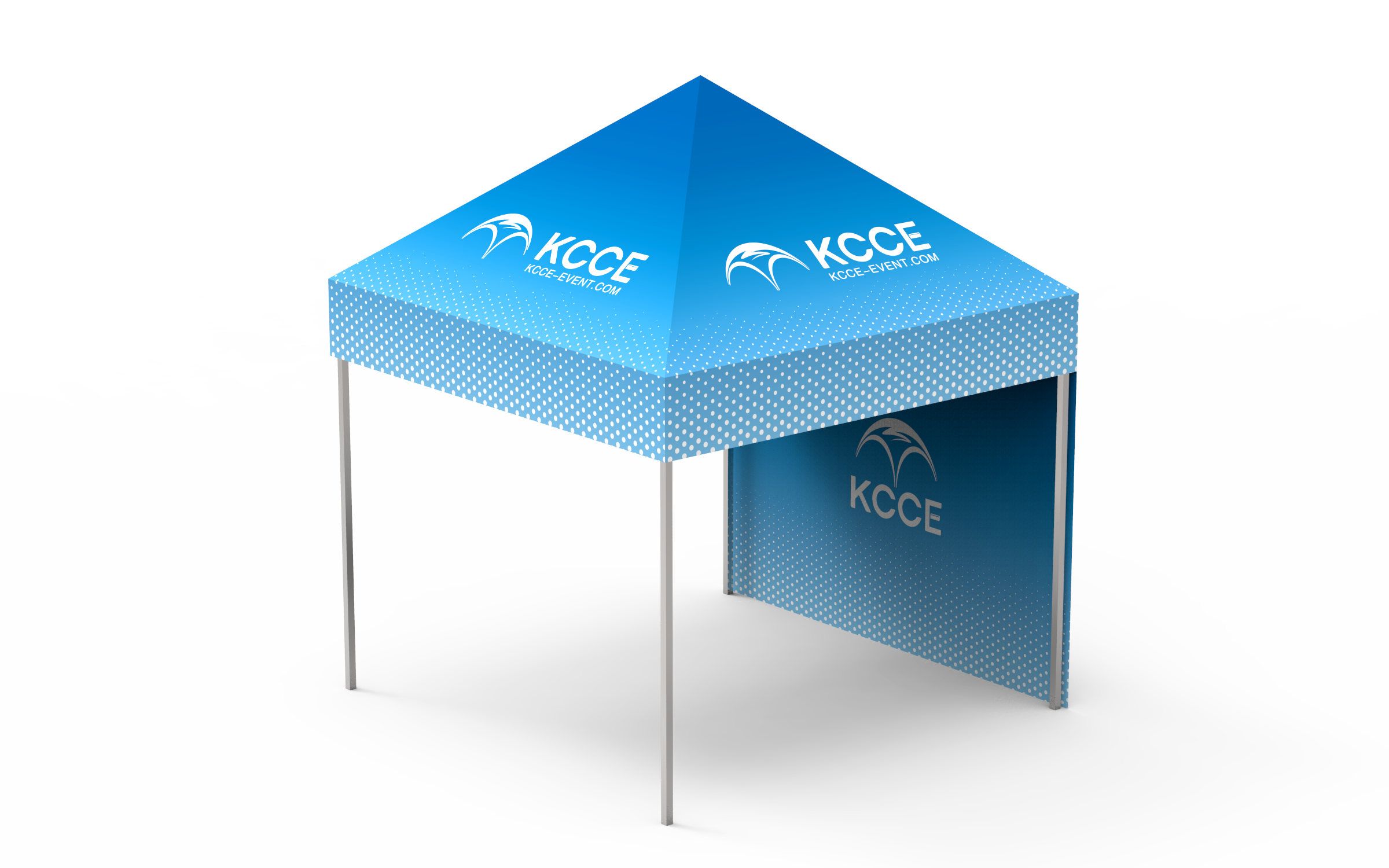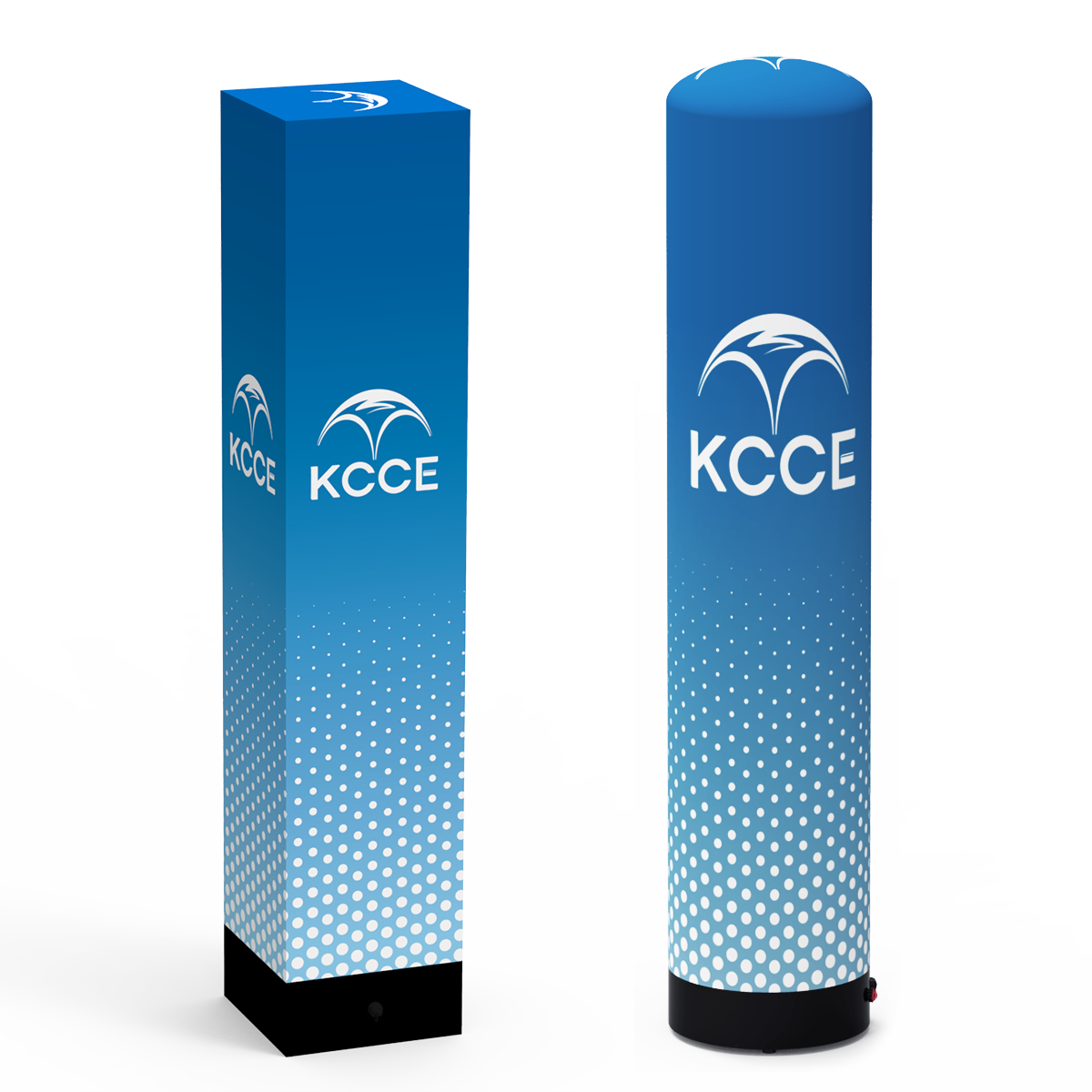
You spent $3,000 on a tent that shredded after two windy trade shows. Sound familiar? I’ve been there—not as a buyer, but as someone who’s been in event marketing for over a decade. I’ve watched companies blow their budgets on inflatable advertising display tents that looked great in the catalog but failed spectacularly at the first outdoor event. Honestly, it’s not always their fault. The marketing materials make every tent sound like a miracle of engineering.
But here’s the thing: choosing the right inflatable advertising display tent is a purchase that blends logistics, durability, and visual impact. It’s not just about picking a size and a color. If you’re a decision-maker responsible for your company’s trade show presence, you need to understand the real trade-offs—weight versus wind resistance, blower noise versus setup speed, fabric thickness versus cost. This guide cuts through the marketing fluff. You’ll learn exactly what to check before signing an order, how to evaluate customization workflows, and why some tents last three years while others barely survive three events. No sugarcoating—just what a decision-maker needs to know.
Why an Inflatable Advertising Display Tent? The Manager’s Case
Let’s start with the obvious question: why should you even consider an inflatable advertising display tent over a traditional pop-up canopy? The answer comes down to three things: speed, visibility, and logistics.
सेटअप गति is where inflatable tents absolutely crush the competition. I’ve timed this more times than I care to count. A typical 10×10 pop-up canopy takes two people roughly 15 minutes to set up—if they know what they’re doing. An inflatable tent? One person can do it in under 10 minutes. That’s a 50% reduction in labor time. For a manager running multiple events, that adds up fast.
Here’s a quick breakdown:
- Pop-up canopy (10×10): 2 people, 15 minutes, 30 person-minutes total
- Inflatable tent (10×10): 1 person, 10 minutes, 10 person-minutes total
- Savings per event: 20 person-minutes
Over 20 events, that’s nearly 7 hours of labor saved. At $25/hour, that’s $175 per tent per year. Not huge, but it adds up.
Visibility is where inflatable tents shine. A 10×10 inflatable tent with your brand logo printed across the entire structure is impossible to ignore. It’s three-dimensional, it moves slightly in the wind (which catches the eye), and it can be illuminated from within. Pop-up canopies look flat by comparison.
Shipping weight is another factor. A standard 10×10 pop-up canopy with fabric top and walls weighs around 50–70 pounds. A comparable inflatable tent plus blower weighs 30–45 pounds. That difference matters when you’re paying for freight or lugging gear through airport terminals.
But here’s the kicker: none of this matters if the tent doesn’t survive its first real use. And that’s where most buyers go wrong.
6 Critical Specs Decision-Makers Often Overlook
I’m going to be blunt: most buyers obsess over size and price, then wonder why their tent fails. There are six specs that matter far more than the price tag, and I’ve seen managers ignore every single one of them.
1. Blower Noise (dB)
You might be wondering why I’m leading with blower noise. Because the blower runs the entire time the tent is up. If it sounds like a leaf blower at 85 dB, your booth staff will hate you by noon. I’ve seen events where the noise was so bad that customers avoided the booth entirely.
- Acceptable range: 55–65 dB (quiet enough for conversation)
- Red flag: Anything above 70 dB
2. Fabric Denier
Denier measures fiber thickness. Higher numbers mean heavier, more durable fabric. But not all deniers are created equal—some manufacturers use inflated numbers (pun intended).
- 600D Oxford fabric: Industry standard for commercial use. Holds shape well, resists tearing.
- 210D fabric: Fine for occasional indoor use. Don’t trust it outdoors in wind.
- Red flag: Anything below 180D for an inflatable tent used outdoors.
3. Seam Construction
This is where tents die. Heat-welded seams are superior to stitched seams because they don’t create needle holes that can leak air.
- Heat-welded: Expensive, but airtight and long-lasting.
- Stitched: Cheaper, but prone to air loss and seam separation over time.
- Red flag: Stitched seams on a tent that claims “commercial grade.”
4. Anchor System Quality
Every manufacturer includes some kind of anchor system. But not all are created equal. I’ve seen tents fly across parking lots because the included stakes were the size of toothpicks.
- Sandbags: Best for indoor or hard surfaces. Need 20–40 pounds per leg.
- 地钉: Good for grass. Need to be at least 12 inches long with a spiral design.
- Water barrels: Useful for large tents. Can be filled on-site.
- Red flag: Only 4 small stakes included with a 10×10 tent.
5. Deflated Storage Size
Nobody talks about this until they try to stuff the tent back into its bag. Some tents are surprisingly difficult to fold.
- Polycro: Folds to the size of a large duffel bag (20x20x15 inches)
- Bad: Requires a rolling suitcase to transport
- Red flag: “Fits in a small car” without specifying dimensions
6. Blower Cord Length
The blower needs power. If the cord is only 6 feet long, you’re stuck with extension cords and trip hazards.
- Polycro: 15 feet or longer
- Red flag: Under 10 feet
Here’s a comparison table to keep things simple:
| Spec | Why It Matters | Acceptable Range | Red Flag |
|---|---|---|---|
| Blower noise (dB) | Affects booth staff comfort and customer experience | 55–65 dB | Above 70 dB |
| Fabric denier | Determines durability and tear resistance | 600D or higher for outdoor use | Below 180D |
| 接缝工艺 | Prevents air leaks and extends lifespan | Heat-welded | Stitched only |
| Anchor quality | Prevents tent from blowing away | 4+ anchors, sandbags or 12” stakes | Cheap plastic stakes |
| Deflated size | Affects portability and storage | Folds to duffel bag size | Requires rolling luggage |
| Blower cord length | Determines power source placement | 15+ feet | Less than 10 feet |
Setup & Teardown Logistics: What the Marketers Won’t Tell You
“Easy setup” is the most meaningless phrase in event marketing. Every product page says it. But what does it actually mean?
Let me give you a real setup timeline from a test I ran with a mid-range inflatable display tent:
- Unpacking and positioning: 2 minutes
- Attaching the blower: 1 minute (assuming the connectors fit—sometimes they don’t)
- Inflation: 3 minutes (faster than the advertised 5 minutes)
- Securing anchors: 4 minutes (if you have sandbags or stakes ready)
- Checking seams and air pressure: 1 minute
- Total: 11 minutes with one person
Teardown is similar, but with a caveat: deflation is fast (under 2 minutes), but folding the tent back into its bag can take 5–10 minutes if you’re not practiced.
Storage size: The deflated tent plus blower plus bag fits in a 24x24x18 inch space—about the size of a large checked bag. That’s small enough to fit in most car trunks.
Blower power cord: Ours was 12 feet long. That’s enough for most setups, but you’ll want a heavy-duty extension cord for outdoor events where power sources are far from your booth.
Wind anchoring guidelines: This is critical. Here’s what I recommend based on wind speed:
- 0–10 mph: Standard stakes or sandbags on all four corners
- 10–20 mph: Add extra sandbags (20 lbs per corner minimum), or water barrels for larger tents
- Above 20 mph: Don’t set up. Seriously. It’s not worth the risk.
प्रो टिप: Always test your anchor system before the event. I’ve seen tents collapse because the stakes were too short for the soil type. If you’re setting up on asphalt, bring sandbags—stakes won’t work.
How to Customize Your Inflatable Advertising Display Tent Without Headaches
The customization process is opaque in most product listings. You see “fully customizable” and assume it’s simple. It’s not.
Here’s how the process actually works with a reputable supplier:
Step 1: File Preparation
You need vector files—preferably AI or PDF format—with your logo and design. If your designer gives you a JPEG at 72 dpi, it will look like garbage when printed on a 10-foot tent. Minimum resolution: 300 dpi at actual print size.
Step 2: Artwork Proof
Most suppliers will send you a digital proof within 24–48 hours. This is your chance to catch mistakes. Look for: spelling errors, low resolution elements, and alignment issues.
Step 3: Production
For inflatable tents, dye-sublimation printing is the standard. It produces vibrant, full-color images that are printed directly onto the fabric. Screen printing is cheaper but limited to solid colors.
Turnaround time: Expect 7–14 business days for custom orders. Rush orders are possible but cost 20–50% more.
Common mistakes I’ve seen:
- Not requesting a seam sample: The final print might look different when stretched over the tent seams. Always ask for a sample before full production.
- Ignoring bleed area: If your design extends to the edge of the print, you need 0.5 inches of bleed. Otherwise, white edges will show.
- Choosing the wrong printing method: Dye-sublimation for high-quality full-color graphics. Screen printing for simple logos with limited colors.
Wind Resistance & Durability: The #1 Trust Gap
Here’s a hard truth: no product page tells you how long the tent will last. They talk about “commercial grade” and “heavy duty,” but those terms mean nothing. What matters is real-world durability.
I’ve collected stories from event managers who have used inflatable tents extensively. Here’s what I’ve learned:
Seam leaks: The most common failure point. Heat-welded seams rarely leak. Stitched seams will leak over time—usually after 20–30 uses. The fix is seam sealant, which costs $10–20 per tube.
UV fading: After 12 months of regular outdoor use, bright colors will fade by 20–30%. Dark colors hold up better. If your graphics are critical, you might need to replace the tent annually.
Blower motor life: A good blower lasts 50–80 uses before the motor fails. Replacement blowers cost $50–150. Keep a spare—trust me.
Patch repair kits: Always carry one. Small tears happen, especially near anchor points. A patch kit costs $15 and can extend your tent’s life by months.
Real-world stress test: Before buying, ask the supplier for a wind tunnel test report or a video of the tent in 20 mph wind. If they can’t provide it, assume the tent is untested.
Honest cons: I’m not going to pretend inflatable tents are perfect. Here are the downsides:
- Hard to fold back into the bag: Seriously. It takes practice.
- The blower is a failure point: After 20–30 uses, expect motor issues.
- Large graphics may wrinkle over time: Especially if the tent is stored folded for long periods.
- Internal printing may bleed in rain: If you use pigment inks, moisture can cause color bleeding. Dye-sublimation is more water-resistant.
Inflatable Tent vs. Pop-up Canopy: When to Choose What
This is the question I get most often. “Should I buy an inflatable tent or a pop-up canopy?” The answer depends entirely on your use case.
| मापदंड | हवा भरने वाला तम्बू | Pop-up Canopy |
|---|---|---|
| Setup time (single person) | 10 minutes | 15 minutes (2 people) |
| Setup time (two people) | 6 minutes | 10 minutes |
| Weight (including accessories) | 35–45 lbs | 50–70 lbs |
| Wind resistance (average) | 15–20 mph | 10–15 mph |
| Visual impact | High (3D branding) | Medium (flat top) |
| Customization cost | Higher (full print) | Lower (printed top only) |
| Storage size | Large duffel bag | Long case (4–6 feet) |
| Blower dependency | Yes (constant power) | नहीं |
| Repair difficulty | Moderate (seam sealant, patches) | Easy (replacement parts common) |
| Price range (10×10 custom) | $800–$2,500 | $300–$1,000 |
When to choose inflatable: You have outdoor events with moderate wind, your brand visibility is critical, and you have access to power for the blower. Inflatable tents dominate in trade shows, outdoor festivals, and high-visibility promotions.
When to choose pop-up: You’re on a tight budget, your events are indoors or low-wind, and you need quick set up without electricity. Pop-up canopies win for frequency and low cost.
Decision matrix: If your event is:
- Outdoor, high wind → Neither (go with a heavy-duty frame tent)
- Outdoor, moderate wind, high brand importance → Inflatable tent
- Indoor, any wind → Pop-up canopy (or inflatable if budget allows)
- Frequent travel, weight matters → Inflatable tent
How Much Does an Inflatable Advertising Display Tent Really Cost?
Let’s talk money. The price you see on the product page is never the price you pay. Here’s a realistic breakdown for three tiers:
Budget ($600–$900):
- Tent: $500–$700
- Blower: $100–$150 (included or separate)
- Carrying bag: Included
- Custom printing: $150–$250 extra
- Shipping: $50–$100
- Total: $800–$1,200
Mid-range ($1,000–$1,800):
- Tent: $800–$1,200
- Blower: $150–$250 (separate, higher quality)
- Carrying bag: Included (rolling)
- Custom printing: Included
- Shipping: $75–$150
- Total: $1,200–$1,900
Premium ($2,000–$3,500):
- Tent: $1,500–$2,500
- Blower: $200–$400 (quiet, heavy-duty)
- Carrying bag: Included (wheeled, padded)
- Custom printing: Included (dye-sublimation)
- Shipping: $100–$200
- Total: $2,000–$3,800
Hidden costs checklist:
- Shipping: Oversized packages can cost $50–$200. Rush shipping doubles or triples that.
- Import duties: If ordering from overseas, add 10–20%.
- Replacement blowers: $50–$150. Keep a spare.
- Repair patches: $15–$30 for a kit.
- संग्रहण: If you don’t have space, factor in storage fees.
Real market prices: On Amazon and from vendors like Showdown Displays, you’ll find inflatable tents for $400–$800. These are fine for occasional indoor use. For commercial outdoor use, expect to spend $1,500+.
The Bottom Line: One Decision That Maximizes Your ROI
If you remember only one thing from this guide: choose a tent with a separate blower, removable graphics, and a 2-year warranty. Those three details separate tents that last three years from tents that last three events.
Quick decision flowchart:
- Is your tent for indoor or outdoor use?
- Indoor → Any quality level works, but focus on visual impact.
- Outdoor → Move to step 2.
- Do you need maximum portability?
- Yes → Inflatable tent, sub-40 lbs.
- No → More options available.
- Is wind a concern?
- Yes → Look for 600D fabric, heat-welded seams, and robust anchor system.
- No → Standard quality suffices.
- What’s the minimum warranty you’ll accept?
- 1 year minimum for budget tents. 2 years preferred for commercial use.
常见问题解答
Q: How to anchor an inflatable advertising display tent in windy conditions?
答: 使用沙袋(每个角20–40磅)与重型地钉(12英寸或更长)相结合的方式。在硬质表面上,沙袋至关重要。切勿仅依赖制造商附带的地钉。.
Q: What is the best material for a durable inflatable tent outdoor?
答: 600D牛津布搭配热压焊缝是户外使用的行业标准。若计划在风雨天气中使用,请避免选择210D面料或缝线接缝的帐篷。.
Q: What is the average inflatable advertising tent cost for a 10×10 custom model?
答: Expect to pay $1,200–$2,500 for a mid-range to premium 10×10 custom inflatable tent, including custom printing, a quality blower, and shipping. Budget models start around $800.
Q: How does the customization process work for inflatable advertising display tents?
答: 您发送矢量文件(AI或300 dpi的PDF),确认数字打样后,供应商将采用热升华打印技术印制您的图形。生产周期通常为7至14个工作日。请务必索取接缝样品。.
Q: What is the setup time for an inflatable display tent?
答: One person can set up a 10×10 inflatable tent in 8–12 minutes. Two people can do it in 5–8 minutes. This includes unpacking, attaching the blower, inflation, and anchoring.
Q: Which is better: inflatable canopy vs. pop-up for trade shows?
答: For trade shows where brand impact matters more than budget, inflatable tents are superior—they are more visible, set up faster, and weigh less. For low-cost indoor events, pop-up canopies are practical and reliable.