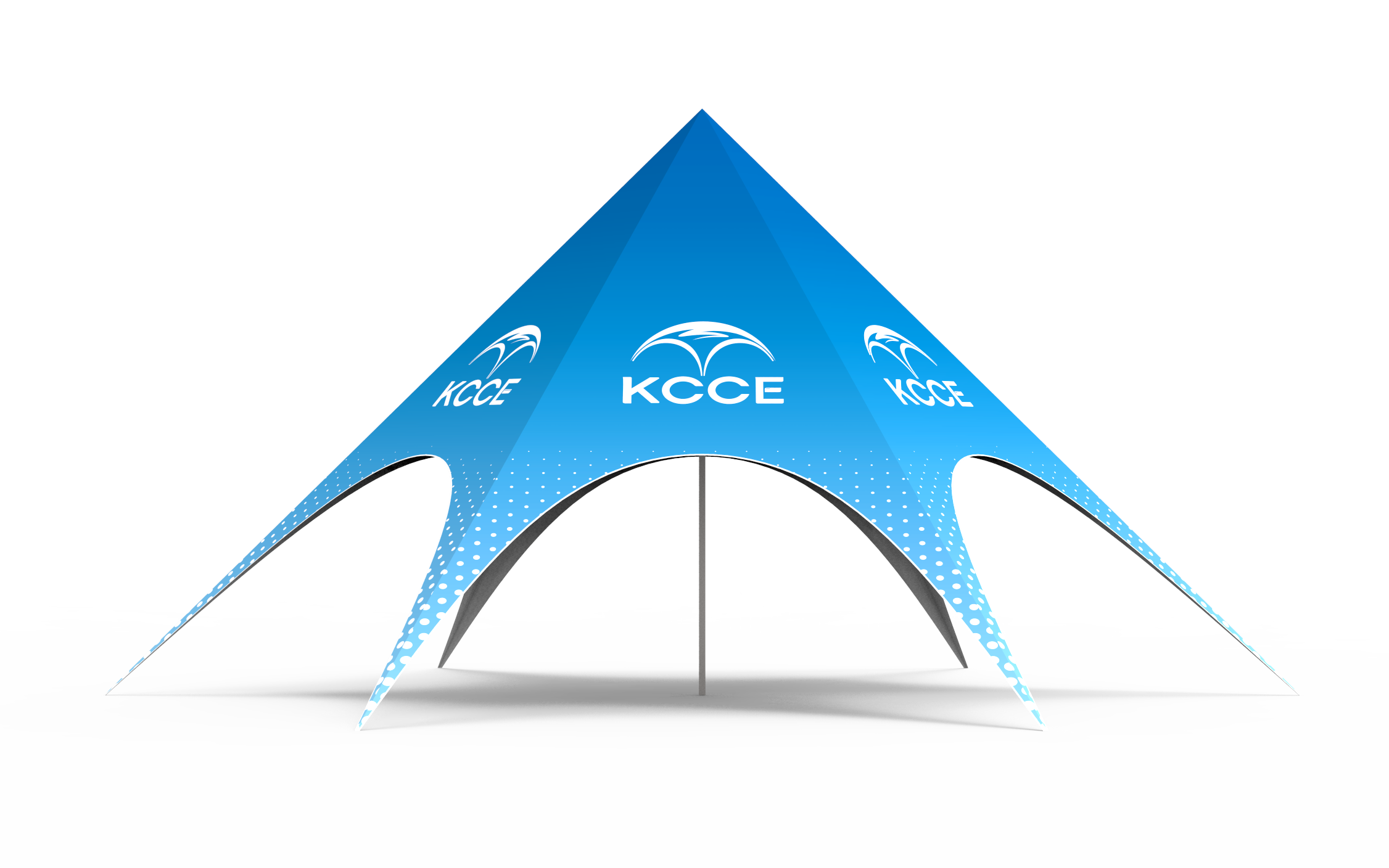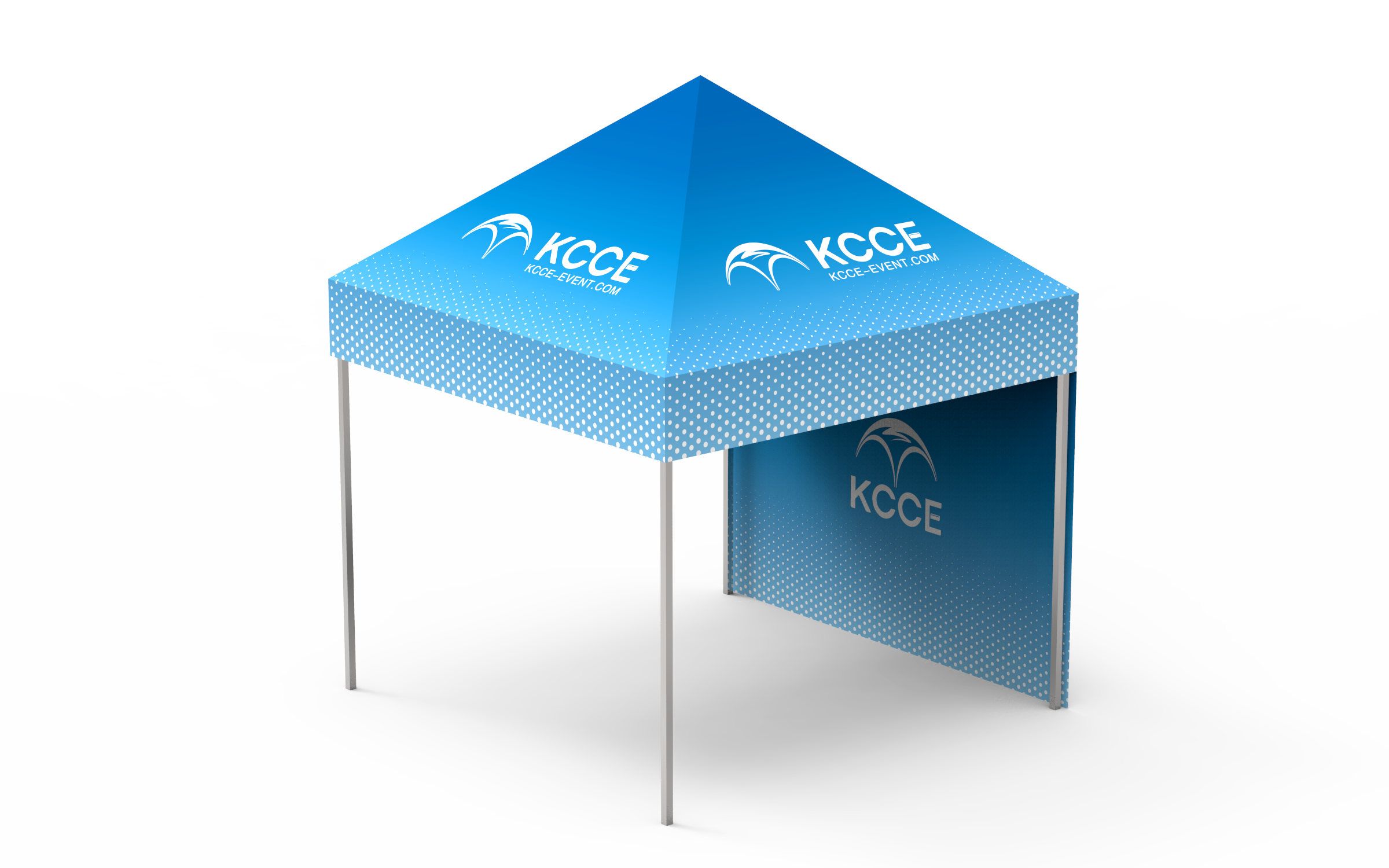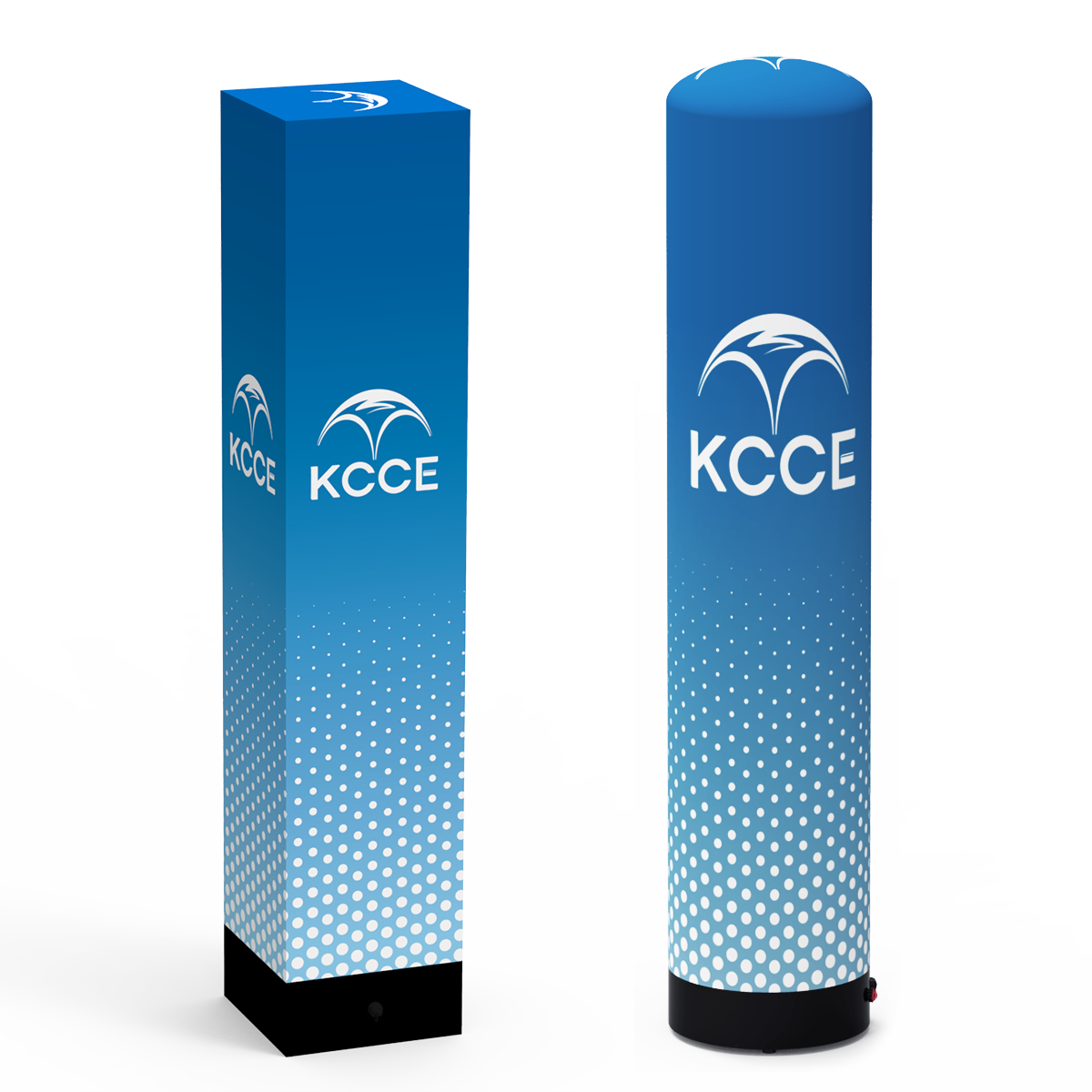
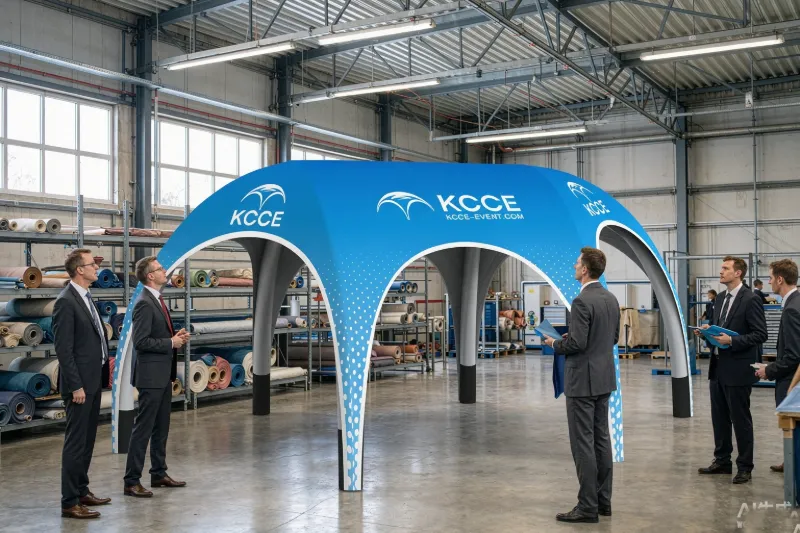
Your canopy is a billboard, not a tent. Once that clicks, everything about how you shop for one changes. Most people pick out shade first and branding second—and honestly, that’s got it backwards. If you’re dropping real money on a structure that’s going to sit at your event, race, or market stall for hours, it should be earning its keep long after the sun goes down. That’s what customizing inflatable canopy options really means. It’s not picking a color. It’s engineering a mobile marketing asset.
I’ve spent years in the inflatable manufacturing world, and I keep watching buyers make the same mistakes. They focus only on price. They ignore wind ratings. They send artwork that’s going to look terrible once it’s printed. This guide is my attempt to fix that. In the next few minutes, I’ll walk you through the whole process—what an inflatable canopy tent actually is, sizing, printing methods, picking a vendor, and the hidden costs nobody tells you about upfront. By the time you’re done, you’ll know exactly what questions to ask and which traps to avoid.
Quick Answer
A custom inflatable canopy is a portable, air-beam-supported shade structure printed with your branding. It’s a cost-effective, highly visible advertising medium for events, sports, and trade shows—typically costing less per impression than most traditional signage, and it sets up in minutes without poles or complex framing.
What Is a Custom Inflatable Canopy?
Let’s get the basics down first. A custom inflatable canopy is exactly what it sounds like—a canopy that uses inflatable air beams instead of metal poles or folding frames to hold its shape. No more wrestling with a collapsible frame that snaps shut on your fingers. You attach a blower, flip a switch, and watch the whole thing rise in a couple of minutes. Honestly, it’s a bit magical the first time you see it happen.
The air beam technology is the heart of the system. These beams are made from layers of PVC or TPU-coated fabric, welded or sewn into long cylindrical tubes. Once inflated to the right pressure, they’re rigid enough to support the canopy top and sometimes sidewalls. The whole structure is essentially a self-inflating tent—no frame to assemble, no poles to lose, no complex instructions. This design is what makes the inflatable canopy vs pop up canopy comparison so interesting. A standard pop-up tent relies on a scissor or straight-leg frame that folds into a carrying bag. It works fine, but it’s heavy, awkward to transport, and the frame is often the first thing to break after a season of heavy use.
An inflatable canopy tent, on the other hand, has a simpler mechanical profile. The blower does the heavy lifting, and the fabric does the rest. There’s no metal fatigue, no hinges to lubricate, no bent legs from a gust of wind. The trade-off is that you need electricity or a battery pack to keep the blower running—something to consider for remote locations. But for most events, trade shows, and sports sidelines, power is readily available.
The visual difference matters too. Inflatable structures have a smooth, seamless look that’s hard to replicate with frame tents. The fabric stretches taut over the air beams, creating clean lines that make printed graphics pop. That’s a huge advantage when you’re investing in custom canopy printing—you want the surface to look as good as the artwork you put on it.
I should also mention these aren’t just for outdoor parties. In the industry, we see inflatable canopy tent products used for everything from market vendor booths to corporate activations at music festivals. The TentCraft blog has featured nine branded inflatable tent designs that show how brands use these structures for sampling spaces, retail product displays, and outdoor event environments. Their customers say the style and silhouette of inflatable tents are especially good at matching the vibe of high-energy athletic events, motor sport activations, and active-lifestyle sponsorships.
Why Customize: Branding ROI
Now that we’ve established what these structures are, let’s talk about the reason you’re actually here: branding. The whole point of a custom inflatable canopy is that it carries your message, your logo, your colors, and your identity. It’s a portable billboard that happens to provide shade.
But is it actually worth the investment compared to other signage? In my experience, yes—and the math is pretty compelling. Think about the cost per impression. A banner might cost you a few hundred dollars and get seen by a few thousand people over its lifetime. A custom canopy, on the other hand, gets used repeatedly. Every event, every game, every market day is another batch of impressions. Over the course of a season, the cost per impression drops dramatically compared to single-use signage.
Here’s a concrete scenario. Say you’re a youth sports organization. You buy a branded canopy for the sidelines. That canopy shows up at every game, every tournament, every fundraiser. Parents, players, and spectators see your logo for hours at a time. Compare that to a banner that gets hung for one weekend and packed away. The canopy wins on sheer exposure time, hands down.
For corporate events, the ROI story is even stronger. A branded inflatable canopy transforms a generic booth space into a destination. It draws people in, creates a visual anchor, and communicates professionalism. When you walk a trade show floor, which booths do you remember? The ones with the bland white pop-ups, or the ones with bold colors and a structure that actually looks like part of the brand? The answer is obvious.
The use cases are broader than you might think. Inflatable canopies are used for beach events, tailgating parties, camping trips, market vendor stalls, sports sidelines, and outdoor parties. Each scenario has its own branding opportunities. A beach canopy with your surf shop’s logo becomes a landmark. A tailgating canopy with your company logo turns a parking lot into a branded experience. A market vendor canopy with your farm’s name makes your stall instantly recognizable.
And here’s something that surprised me when I first got into this business: the durability of the branding itself. With dye-sublimation printing, the ink is infused into the fabric, not just printed on the surface. That means the colors won’t crack, peel, or fade as quickly as vinyl stickers or screen-printed designs. Your investment in a branded canopy keeps working for you season after season.
How to Customize Inflatable Canopy: Step-by-Step
Alright, so you’re convinced. You want to customize inflatable canopy options for your brand. Where do you start? The process is more straightforward than most people fear, but there are a few steps where you can go wrong if you’re not careful. Let me walk you through them.
Step 1: Choose Your Size
The first decision is size, and it’s a bigger deal than you might think. Inflatable canopy sizes typically start at 10×10 and go up from there. The 10×10 footprint is the standard for market vendors and trade shows because it fits most standard booth spaces. If you need more room, 10×15 and 10×20 are common options. An inflatable canopy 10×10 is the most popular entry point, and for good reason—it’s versatile, fits in most vehicles, and doesn’t require a huge amount of space to set up.
When you’re choosing size, think about your actual usage. Are you going to be sitting behind a table? Standing and greeting people? Setting up equipment? A 10×10 gives you a comfortable footprint for a single table and a few people. If you need more breathing room, or if you’re planning to have a lounge area, go bigger. There’s nothing worse than buying a canopy that’s too small and realizing it on your first event day.
Step 2: Design Your Artwork
This is where the magic happens, but it’s also where I see the most mistakes. Your artwork needs to be designed specifically for the canopy’s dimensions and shape. You can’t just take a logo file and stretch it across the top—you need to think about how the design will look when it’s draped over the air beams and viewed from different angles.
Here’s a pro tip: keep it simple. Bold, high-contrast designs work best on inflatable canopies. Small text and fine details get lost when the canopy is viewed from a distance. Think about what your logo looks like from 50 feet away. If you can’t read it, neither can your potential customers. Solid color areas print beautifully with dye-sublimation, and they give the canopy a premium, polished look.
Your vendor will provide canopy artwork guidelines, and you should follow them closely. Most manufacturers accept vector files like AI, EPS, or PDF for the best quality, but some can work with high-resolution raster files like TIFF or PSD. When in doubt, ask your vendor before you spend hours on a design that won’t meet their requirements.
Step 3: Approve Your Proof
Before anything goes into production, you’ll receive a digital proof showing exactly what your canopy will look like. This is your chance to catch mistakes, adjust colors, and make sure everything is perfect. Don’t rush this step. I’ve seen buyers approve proofs without zooming in, only to receive a canopy with a typo or a misaligned logo.
Check everything: spelling, logo placement, color accuracy, and the overall layout. If you’re not sure about a color, ask for a physical sample or a printed swatch. Screen colors don’t always match printed colors perfectly, especially when you’re dealing with dye-sublimation.
Step 4: Production and Lead Time
Once you approve the proof, production begins. Inflatable canopy lead time varies by manufacturer, but you should generally expect two to four weeks for a standard custom order. Rush orders are often available for an additional fee, but don’t count on them during peak event season. If you have a big event coming up, order early. The worst feeling in the world is watching your event date approach while your canopy is still sitting in a production queue.
During production, your canopy is cut, printed, welded, and assembled. Quality control checks happen at multiple stages. A good manufacturer will test the seams, check the air beams for leaks, and verify that the printing is accurate before shipping.
Printing Methods Compared
The printing method you choose has a huge impact on the final look and durability of your canopy. Two methods dominate the industry: dye-sublimation and vinyl printing. Each has its strengths, and the right choice depends on your specific needs.
Dye-sublimation is the gold standard for inflatable canopy printing. Here’s how it works: the design is printed onto a transfer paper using special sublimation inks, then heat and pressure are applied to transfer the ink directly into the fabric fibers. The result is a print that’s part of the fabric itself, not a layer on top of it. This means the design won’t crack, peel, or fade as easily as other methods. The colors are also more vibrant and can capture gradients and photographic images with excellent detail.
Vinyl printing, on the other hand, involves printing the design onto a vinyl material that’s then applied to the canopy fabric. This method is often cheaper and faster, but it has some drawbacks. The vinyl can peel over time, especially in harsh weather conditions, and it creates a slightly different texture that some people find less appealing. Vinyl is a good option for simple designs with solid colors, but if you want the best possible look and longevity, dye-sublimation is worth the extra investment.
When you’re exploring canopy customization options, ask your vendor which method they use as their standard. Most reputable manufacturers, like WestShade, use dye-sublimation as their default because it produces the best results. If a vendor offers vinyl as the only option, that might be a red flag—or at least a sign that they’re cutting corners.
Your design choices matter too. Solid areas of color print beautifully and give the canopy a bold, professional look. High-contrast designs with your logo in a contrasting color will stand out from a distance. Avoid thin lines, small text, and busy patterns that get lost in the fabric’s texture.
Cost & Lead Time Expectations
Let’s talk money, because that’s what most decision-makers actually care about. Custom canopy cost varies significantly based on size, printing method, and manufacturer. A basic 10×10 inflatable canopy with custom printing will typically cost more than a standard pop-up tent, but the difference is smaller than you might think when you factor in the branding value.
Here’s what you should expect: the canopy itself is the biggest cost driver. Bigger sizes mean more fabric, more air beam material, and more printing surface. A 10×20 canopy will cost roughly double a 10×10. Printing is usually included in the base price, but complex designs or additional panels may add to the cost.
Inflatable canopy production time is another factor to plan for. As I mentioned earlier, standard lead times are typically two to four weeks. If you need a rush order, expect to pay a premium. During peak event season—spring through early fall—lead times can stretch longer, so plan accordingly.
Now, about hidden fees. Always ask your vendor about these before you commit:
- Shipping costs: Inflatable canopies are bulky, even when deflated. Shipping can be surprisingly expensive, especially for international orders.
- Blower costs: Some vendors include a blower in the package, while others charge extra. Make sure you know what’s included.
- Carrying bag: A quality carrying bag is essential for protecting your investment, but it might not be included in the base price.
- Reparaturset: A basic repair kit for patching punctures is a must-have. Some vendors include one; others sell it separately.
- Setup accessories: Sandbag canopy weights, canopy tie down straps, and other anchoring equipment are often sold separately.
When you’re comparing custom inflatable canopy pricing, don’t just look at the sticker price. Ask for a complete quote that includes everything you need to actually use the canopy.
Vendor Comparison Table
Choosing the right manufacturer is arguably the most important decision you’ll make. I’ve worked with dozens of vendors over the years, and I’ve learned that the cheapest option is rarely the best value. Here’s my honest take on what to look for:
- Experience: How long have they been making inflatable structures? A manufacturer with years of experience has likely encountered and solved more problems than a newcomer.
- Printing quality: Ask to see samples of their work, especially dye-sublimation prints. Look for vibrant colors and crisp edges.
- Customer service: How quickly do they respond to your inquiries? Do they answer your questions thoroughly?
- Garantie: What’s covered, and for how long? A good warranty protects you against manufacturing defects.
- Reviews: What are other customers saying? Look for reviews on independent platforms, not just testimonials on the manufacturer’s website.
Let me mention a few names that I know from the industry. WestShade is a well-known manufacturer of custom inflatable tents for events and branding. They offer free shipping on orders over $299 and have a straightforward ordering process. TentCraft is another established player, known for their branded inflatable tent designs and their focus on outdoor event activations. Their blog features real customer examples, which is a sign of confidence in their product.
On the manufacturing side, NastoCamp is an OEM partner that helps brands develop custom inflatable products from prototype to mass production. Their case studies show how they support product development, sample improvement, and manufacturing preparation. If you’re looking for a partner to develop a unique inflatable structure, they’re worth considering.
And of course, I’d be remiss not to mention our own work at KCCE. We manufacture aufblasbare Zelte and have a full range of aufblasbare Formen und Displayrahmen for event branding. Our founder’s story is one of design innovation, and we take pride in helping brands create memorable event experiences.
Before you place an order, ask these questions:
- What’s your lead time for a custom order?
- What printing method do you use?
- What’s included in the price?
- What’s your warranty policy?
- Can you provide references from similar projects?
A reputable manufacturer will answer all of these questions without hesitation.
Maintenance & Durability
Your inflatable canopy is an investment, and like any investment, it needs proper care to deliver a good return. Let’s talk about inflatable canopy care and what you need to do to keep your canopy looking great for years.
First, cleaning. After each event, wipe down the canopy with a mild soap and water solution to remove dirt, dust, and any residue from the event site. Avoid harsh chemicals or abrasive cleaners, which can damage the fabric or the print. If you’re storing the canopy for a while, make sure it’s completely dry before packing it away. Moisture trapped in the fabric can lead to mold and mildew, which is a nightmare to remove.
Storage is equally important. The carrying bag that comes with your canopy is designed to protect it during transport and storage. Keep it in a cool, dry place away from direct sunlight. Prolonged exposure to UV rays can weaken the fabric and fade the print, even with high-quality dye-sublimation.
Now, let’s address the elephant in the room: wind. Inflatable canopy wind rating is a critical consideration, and I’ve seen too many people ignore it. While inflatable structures are generally more stable than pop-up tents because they don’t have rigid frames to catch the wind, they’re not indestructible. Always anchor your canopy properly using sandbag canopy weights or canopy tie down straps. Most manufacturers provide anchoring recommendations—follow them.
When the wind picks up, the inflatable canopy vs pop up canopy comparison becomes particularly relevant. A pop-up tent can act like a sail, catching the wind and potentially lifting off the ground. An inflatable canopy, being lower-profile and more flexible, tends to handle gusts better. But that doesn’t mean you should leave it unattended in high winds. If the forecast calls for strong winds, it’s better to take the canopy down than to risk damage.
What about repairs? Even with the best care, accidents happen. A sharp object can puncture the fabric, or a seam can fail after years of use. Most manufacturers offer inflatable canopy repair kits that include patches and adhesive. For more serious damage, you can often send the canopy back to the manufacturer for professional repair. Inflatable canopy replacement parts—like a new air beam or a replacement blower—are usually available from the manufacturer.
I should also mention that the printing process can affect durability. Dye-sublimation prints are more durable than vinyl because the ink is embedded in the fabric. That means your branding will look good for longer, even with regular use. When you’re comparing inflatable canopy durability, this is a key factor to consider.
How long does it take to manufacture a custom inflatable tent?
Typical production timelines range from 2 to 6 weeks depending on complexity. Standard sizes with simple logo printing can ship in as little as 10–14 days, while fully custom shapes, multi-chamber designs, or large-format domes may require 4–6 weeks including design approval, sampling, and quality control.
What materials are used in custom inflatable tents?
Most manufacturers use heavy-duty PVC-coated polyester or nylon oxford fabric with a thickness between 0.45mm and 0.9mm. The material is chosen for tear resistance, UV stability, and waterproofing. High-end options may include flame-retardant treatments or double-stitched reinforced seams for extended outdoor use.
Can I print my logo on all sides of the tent?
Yes. Most manufacturers offer full 360-degree printing, including side panels, roof sections, and even the interior lining. Large-format dye-sublimation or screen printing ensures vibrant, fade-resistant graphics. You can also add zippered pockets, windows, or custom door flaps to enhance branding opportunities.
How do I determine the right size for my event?
Consider your primary use: a 10x10ft tent suits a small booth or pop-up display, while a 20x20ft dome can host a lounge, product demo, or registration area. For large activations, multi-tent configurations or custom geodesic domes up to 50ft in diameter are available. Always factor in seating, foot traffic, and clearance heights.
Do inflatable tents require a blower running continuously?
Yes, most inflatable tents use a low-power electric blower (typically 300–700W) that runs continuously to maintain air pressure. Some models feature a backup battery or dual-blower systems for redundancy. Once inflated, the tent stays rigid even in moderate wind, but we recommend anchoring with stakes or sandbags.
Are custom inflatable tents weather-resistant?
Quality tents are designed for wind speeds up to 40–50 mph when properly anchored, and they are fully waterproof. However, for extreme weather or long-term installations, opt for reinforced fabric, extra anchor points, and a sturdier frame system. Always check the manufacturer’s wind rating before outdoor use.
Can I rent a custom inflatable tent instead of buying?
Yes, many manufacturers offer rental options for one-time events or campaigns. Rental periods typically range from 1 to 30 days, with setup and takedown included in some packages. This is a cost-effective solution if you need a branded tent for a single trade show, festival, or product launch.
What is the average cost of a custom inflatable tent?
Pricing varies widely based on size, material, printing complexity, and quantity. A basic 10x10ft tent with single-color logo printing starts around $800–$1,500. Mid-range options with full-color graphics and reinforced fabric run $2,000–$5,000. Large custom domes or multi-tent setups can exceed $10,000. Bulk orders typically receive volume discounts.
How do I clean and maintain my inflatable tent?
Use mild soap and water with a soft brush to clean the fabric. Avoid harsh solvents or pressure washers. Always dry the tent completely before deflating and storing to prevent mold. Store in a cool, dry place away from direct sunlight. Inspect seams and blower connections regularly for wear.
Do you offer custom shapes beyond standard domes and tunnels?
Absolutely. Manufacturers can produce custom inflatable shapes including arches, bottles, animals, product replicas, and even fully branded structures with unique silhouettes. The design process involves 3D modeling, pattern making, and prototype testing to ensure structural integrity and visual impact.
We hope this guide has given you a clear roadmap for sourcing and customizing the perfect inflatable tent for your next event or campaign. Whether you’re a marketer planning a high-visibility activation or an event organizer seeking durable, reusable shelter, the options are vast and highly adaptable to your brand’s needs. Start by requesting quotes from several manufacturers, compare their portfolios, and don’t hesitate to ask for material samples or CAD mockups before committing. With the right partner, your custom inflatable tent will become a standout centerpiece that draws attention and delivers results for years to come.
Häufig gestellte Fragen
Q: Can you make custom inflatables?
A: Yes, most inflatable manufacturers offer full customization services. You can customize the size, shape, colors, and printing of your inflatable canopy. The process typically involves submitting your artwork, approving a digital proof, and then production. Custom inflatables are widely used for branding, events, and advertising.
Q: Where can I get a custom canopy made?
A: You can order from specialized inflatable manufacturers like WestShade, TentCraft, or KCCE. These companies have the equipment and expertise to produce high-quality custom inflatable canopies. Look for manufacturers with experience in your specific application, whether that’s sports, trade shows, or market vending.
Q: Where can I find custom inflatable items?
A: Custom inflatable items are available from manufacturers that specialize in inflatable products. Beyond canopies, you can find inflatable arches, tunnels, product replicas, and more. Companies like MVP Visuals offer a range of custom inflatables for sporting events and outdoor events. Always verify the manufacturer’s capabilities before ordering.
Q: How much do custom inflatables cost?
A: The cost varies widely based on size, complexity, and printing method. A standard 10×10 inflatable canopy with custom branding will cost more than a basic pop-up tent but offers significantly more branding value. Always request a detailed quote that includes all accessories, shipping, and any additional fees.
Quellen
1. Custom Inflatable Tents with Logo for Events & Branding – westshade.com
2. 9 Branded Inflatable Tent Designs That Will Inspire Your … – tentcraft.com
3. Custom Inflatable Tent Manufacturer Case Study – nastocamp.com
4. How to Customize an Inflatable Dome Tent: A Budget … – mvpvisuals.com
5. Custom Inflatable Tents for Events and Advertising – impactcovers.com