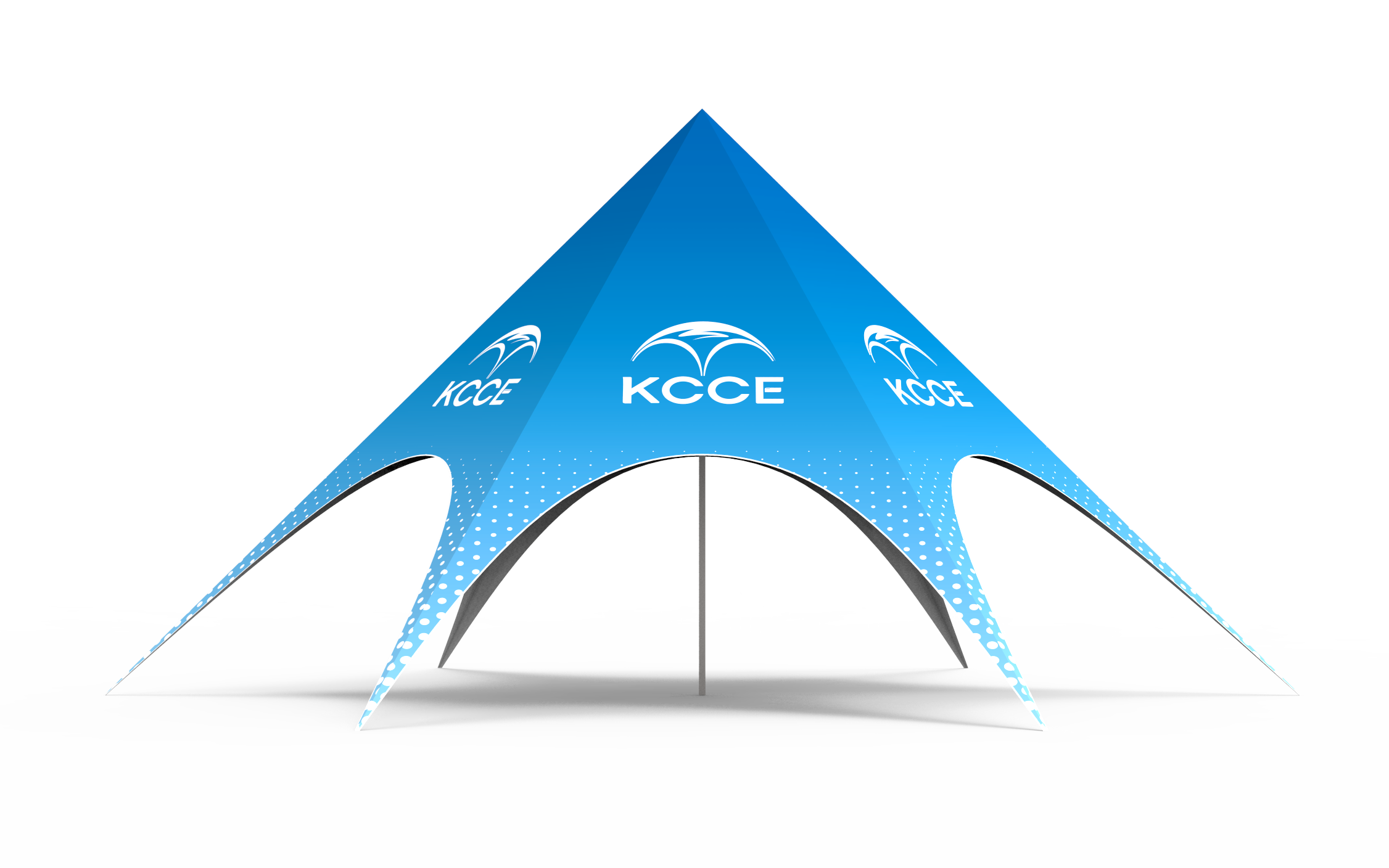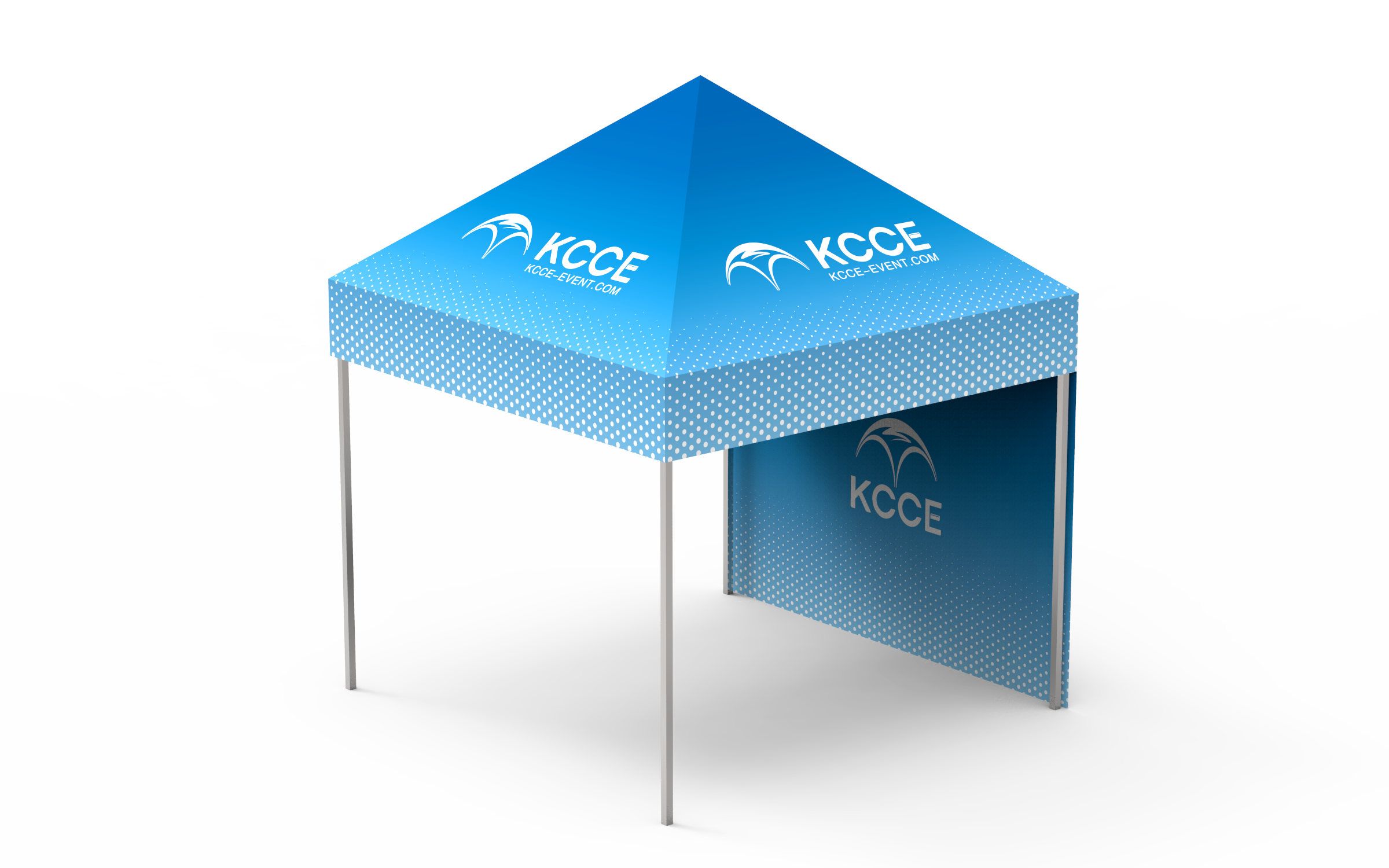
لقد أمضيت العقد الماضي في العمل مع العلامات التجارية على فعالياتها الترويجية، ودعني أخبرك—معظم المسوقين ينفقون آلاف الدولارات لإتقان جناح بحجم 10×10، فقط ليشاهدوه يتخبط في الرياح أو يستغرق 45 دقيقة للتركيب. أنت هنا لأنك تعلم أن علامتك التجارية تستحق أفضل في المعرض التجاري أو المهرجان الموسيقي القادم، وقد سمعت أن خيمة ترويجية نفخية مميزة قد يكون الحل. لكن نتائج البحث مليئة بقوائم “الأفضل” السطحية التي تكرر نفس المحتوى العام. بصراحة، لقد سئمت من رؤية النصائح المعاد تدويرها التي تتجاهل الأسئلة الحقيقية—مثل طريقة الطباعة التي تدوم فعليًا، وما إذا كان الشراء أو الإيجار أفضل، وكيفية التعامل مع هبة الرياح دون أن تفقد صوابك. لذلك كتبت الدليل الذي تمنيت لو كان متاحًا لي عندما كنت أكتشف هذا الأمر لأول مرة.
هذا ليس مقالًا بقوائم مرقمة. لقد تعمقت في عملية التصنيع، واختبرت ادعاءات المتانة، وقارنت العائد على الاستثمار الواقعي بين الشراء والإيجار. في النهاية، ستعرف بالضبط أي حجم خيمة، وأي طريقة طباعة، وأي نموذج شراء يناسب استراتيجية فعالياتك—بدون حشو. وأعدك، سأخبرك أيضًا أين يخطئ معظم الناس وكيف تتجنب تلك الأخطاء بالضبط.
الخيمة القابلة للنفخ مقابل الخيمة التقليدية سريعة النصب: التحليل الصريح
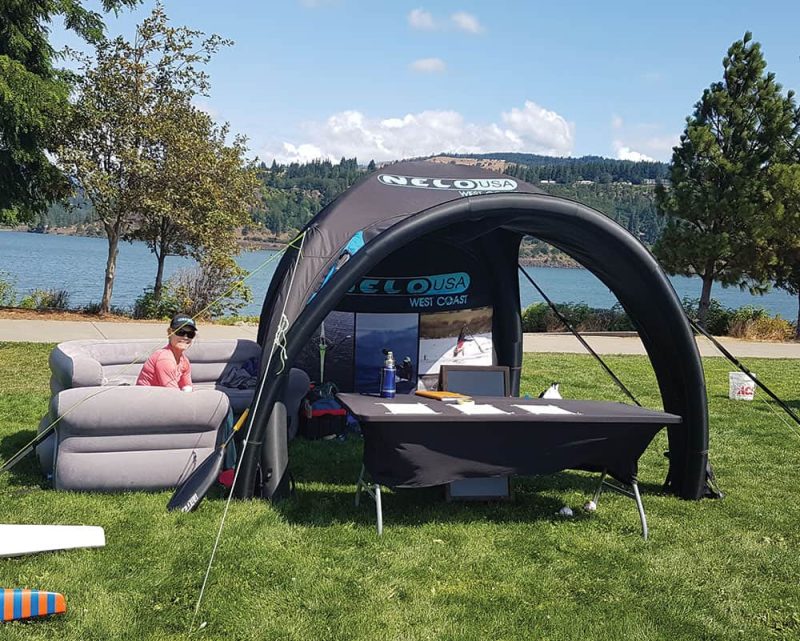
معظم مقالات “المقارنة” تخبرك فقط أن الخيام القابلة للنفخ أفضل، وانتهى الأمر. لكنني كنت في الميدان في عدد كافٍ من الفعاليات لأعرف أن الاختيار الصحيح يعتمد على ما تفعله فعليًا. لذا دعنا نكون واقعيين بشأن ما تقدمه كل خيار—وأين قد تفضل فعليًا الخيمة التقليدية سريعة النصب.
ابدأ بالأرقام الأولية:
| الجانب | خيمة ترويجية مطبوعة قابلة للنفخ | الخيمة التقليدية سريعة النصب |
|---|---|---|
| وقت الإعداد | دقيقتان (بمضخة كهربائية) | 15 دقيقة (بشخصين) |
| المساحة السطحية ذات العلامة التجارية | 360° | جانبين (عادةً) |
| مقاومة الرياح | أكثر من 40 ميلاً في الساعة | 20-25 ميلاً في الساعة |
| وزن النقل | 50-80 رطلاً (مع المضخة) | 30-50 رطلاً |
| التكلفة (الشراء) | $800 – $3,000+ | $200 – $800 |
لقد قمت شخصيًا بتركيب كلا النظامين في أكثر من ثلاثة عشرات من الفعاليات، وبصراحة، تتفوق الخيمة القابلة للنفخ بشكل حاسم في معظم الحالات—ولكن ليس كلها.
السيناريو 1: المهرجان الموسيقي الخارجي
أتذكر عميلًا أصر على استخدام خيمة تقليدية سريعة النصب لمهرجان خارجي لمدة ثلاثة أيام في أوائل الصيف. في اليوم الثاني، ثنت هبة رياح معتدلة إحدى أرجل الإطار، وكانت لافتتهم تتخبط بشدة لدرجة أنك لم تستطع قراءة الشعار. قمنا بتحويلهم إلى خيمة مظلة قابلة للنفخ للفعالية التالية، وكان الفرق كالليل والنهار. استغرق الإعداد أقل من دقيقتين، وكانت العلامة التجارية بزاوية 360 درجة مرئية من كل زاوية—حتى من خيمة كبار الشخصيات على بعد 50 ياردة—وتحملت الرياح العاصفة دون أدنى اهتزاز. إذا كنت ستكون في الخارج، خاصة في فعالية عامة حيث يكون الطقس غير متوقع، فإن الخيمة القابلة للنفخ هي الخيار الجاد الوحيد.
السيناريو 2: المعرض التجاري للشركات
ولكن ماذا عن المعارض التجارية الداخلية حيث تحتاج إلى التركيب والتفكيك عدة مرات في اليوم؟ إذا كنت تتنقل بين أربعة مواقع مختلفة للأجنحة في فعالية واحدة، فإن وزن ومتطلبات المضخة للخيمة القابلة للنفخ قد تبطئك. بعض المظلة القابلة للنفخ 10×10 الطرازات الأكبر تحتاج إلى مضخة كهربائية وقليلًا من الوقت للتفريغ وإعادة التعبئة. لمثل هذا السيناريو عالي السرعة، ما زلت أفكر في خيمة سريعة النصب خفيفة الوزن. ولكن إذا كان جناحك في المعرض التجاري هو أصل علامتك التجارية الأساسي لعدة أيام؟ الخيمة القابلة للنفخ، طوال اليوم.
إطار قرار سريع
إليك مخطط تدفق تقريبي أستخدمه مع عملائي:
- هل فعاليتك في الهواء الطلق بشكل أساسي؟ ← خيمة ترويجية قابلة للنفخ ذات علامة تجارية
- هل فعاليتك داخلية مع تنقلات سريعة متعددة؟ ← خيمة تقليدية سريعة النصب
- هل تحتاج إلى علامة تجارية بزاوية 360 درجة؟ ← خيمة قابلة للنفخ
- هل من المحتمل أن تتجاوز الرياح 25 ميلاً في الساعة؟ ← خيمة قابلة للنفخ
- الميزانية أقل من $500؟ ← خيمة تقليدية سريعة النصب
بصراحة، إذا كنت بحاجة إلى أفضل خيمة ترويجية قابلة للنفخ ذات علامة تجارية, ، فأنت على الأرجح تبحث عن شيء سيكون أداة علامتك التجارية الأساسية لسنوات. لا تبخل.
كيف تتم الطباعة المخصصة على خيمتك فعليًا (ولماذا يهم ذلك)
الآن، هنا يقصر معظم الأدلة عبر الإنترنت. سيخبرونك “احصل على خيمة بطباعة عالية الجودة” لكنهم لا يشرحون أبدًا كيف تتم الطباعة أو لماذا يهم ذلك. هذا هو العامل الأكبر الذي يحدد ما إذا كانت خيمتك تبدو كعلامة تجارية احترافية أم كخيمة بيع في ساحة مرآب.
There are three main printing methods for خيام قابلة للنفخ مخصصة, and each has radically different durability and visual quality.
1. الطباعة بالتسامي الحراري (المعيار الذهبي)
This is the method I recommend for anyone who plans to use their tent more than twice. With dye sublimation, the ink is converted to gas and infused directly into the fabric fibers. The result? The graphic becomes part of the fabric itself. It won’t crack, peel, or fade even after dozens of events and hundreds of hours of UV exposure.
Why it matters: I once had a client who bought a sublimation-printed tent and used it for 14 events over two years—outdoor festivals, corporate picnics, even a beachside wedding. At the end of that period, the colors were still vivid, and the logo looked almost as good as the day they received it. That’s what durability looks like.
The price range: Dye sublimation is the most expensive option. Expect to pay $1,200 to $3,000+ for a full-size tent depending on complexity and size.
2. طباعة الشاشة (الخيار الاقتصادي)
Screen printing is cheaper and faster, but it has a real trade-off. The ink sits on top of the fabric rather than being embedded in it. After a few exposures to wind, rain, and UV, that ink starts to crack and peel. I’ve seen tents where the logo was barely visible after just three uses.
When it works: Honestly, I only recommend screen printing for one-off events or short-term promotional campaigns where the tent will be used once and then stored. If you’re going to use it more than that, the savings aren’t worth the visual decline.
3. الطباعة المباشرة بالأشعة فوق البنفسجية (الفئة الأدنى)
Some low-cost manufacturers use direct UV printing, which is basically printing directly onto the tent fabric with UV-curable ink. This method is fast and cheap, but the durability is terrible. The ink sits on the surface and cracks easily. I’ve seen tents with this method where you could scrape the logo off with a fingernail. Avoid it for any professional use.
How to test a sample: If you’re evaluating suppliers, ask for a sample swatch. Run your fingernail across the printed area. If it leaves a scratch mark, that’s direct UV. If it feels smooth and the color is embedded, it’s likely dye sublimation. Also, check the back of the fabric—if you see ink bleed-through, that’s a sign of poor quality.
Speaking of suppliers, if you’re searching for خيمة ترويجية قابلة للنفخ ذات علامة تجارية للبيع, always ask which printing method they use. If they can’t tell you clearly, move on.
ما الذي يجب البحث عنه في قماش الخيمة (PVC مقابل البوليستر مقابل النايلون)
Now, let’s go deeper into the material. Fabric choice affects weight, durability, resistance to UV, and water resistance. Here’s the breakdown based on my experience.
PVC (كلوريد البولي فينيل)
This is the heaviest and most durable option. I’ve seen PVC tents survive a full week of outdoor use at a festival site with no degradation. It offers excellent UV resistance and full waterproofing. The downside? It’s heavy—often 80 to 100 lbs for a 10×10—and some cheaper PVC can have a strong chemical smell (VOC off-gassing) when new. If you’re planning an outdoor festival tent that needs to stand for days, PVC is your best bet.
Polyester (Ripstop or Oxford)
Lighter and more colorful, polyester is the go-to for indoor events and temporary setups. Modern خيم شعار مخصصة often use 300D or 600D polyester with a waterproof coating. It’s breathable and folds down smaller than PVC. The catch? It’s more prone to tearing under prolonged stress, especially if you’re anchoring it against strong winds. For indoor trade shows or short-term outdoor events (one to three days), polyester is perfectly adequate.
نايلون
Nylon is lightweight and strong, but it degrades faster under UV exposure. I’ve used nylon tents for short-term rental solutions, and they were fine for a weekend. But if you plan to use your tent regularly over multiple seasons, nylon isn’t durable enough for the cost.
What I recommend: For your main corporate event inflatable tent, go with PVC if you’re outdoors, polyester if you’re indoors or doing short outdoor events. For a one-time rental, nylon is acceptable.
The Real Cost: How Much Does a Branded Inflatable Tent Cost? (Rental vs. Purchase)
Let’s get straight to the numbers because this is the question everyone asks but rarely gets an honest answer to.
Purchase Price Range
| الحجم | Basic Screen Print | Dye Sublimation |
|---|---|---|
| 10×10 | $800 – $1,200 | $1,200 – $2,000 |
| 10×15 | $1,200 – $1,800 | $1,800 – $2,800 |
| ١٠×٢٠ | $1,800 – $2,500 | $2,500 – $3,500 |
| Larger custom | $2,500+ | $3,000+ |
These prices are for quality الخيمة القابلة للنفخ المخصصة units from reputable manufacturers. Keep in mind that shipping and any custom logo design setup fees may add $100–$300.
Rental Price Range
If you’re not ready to commit to a purchase, you can often find تأجير خيمة حفلات قابلة للنفخ options. Prices vary wildly based on location, but here’s a rough idea:
- Standard 10×10 inflatable tent: $150 – $300 per event day
- Large 10×20: $300 – $500 per event day
- Weekend or multi-day deals: 15–30% discount on daily rates
The ROI Calculation
Here’s the math I share with my clients:
Scenario A: Purchase a $1,800 10×10 inflatable branded promotional tent with dye sublimation. You use it for 80 events over 5 years (that’s about one event every 3 weeks).
- Cost per event: $1,800 / 80 = $22.50
Scenario B: Rent the same tent at $200 per event.
- Cost per event: $200
- Total over 80 events: $16,000
The savings from purchasing are massive—but only if you’ll actually use it. If you’re planning to use the tent more than 4 times per year, buying is the smarter financial decision.
“When to Buy vs. When to Rent”
- Buy if: You’re using the tent 3 or more times per year, you want complete control over the branding quality, and you have storage space.
- Rent if: You’re using the tent only once or twice a year, you’re testing the concept before committing, or you need a specific size for a one-time event.
If you’re searching for inflatable tent rental near me, I suggest asking about the printing method used. Many rental companies use screen printing or direct UV. If the branding quality is important—say, for a corporate client—make sure the rental includes dye sublimation.
خطوات الإعداد خطوة بخطوة (ولماذا هي عمل جماعي)
Setting up an inflatable tent isn’t magic. It’s simple, but there are real steps you can’t skip. Here’s the process I follow, which has saved my team many headaches.
Step 1: Unfold and Position (2 people minimum)
Carry the folded tent to your chosen location. Unfold it completely. Make sure it’s oriented so the entrance faces your desired direction. If there’s any wind, position the entrance away from the prevailing wind to reduce pressure on the structure.
Step 2: Anchor It
Before you even think about inflation, you need to secure the tent. Use at least four sandbags (20–30 lbs each) or heavy-duty spiral stakes if the ground allows. Many first-timers skip this, and trust me—it’s the difference between a stable setup and a flying disaster. Outdoor shelter tent setups in windy areas need even more weight. I’ve seen tents lift off with just a moderate gust because the owner only used two small sandbags.
Step 3: Connect the Pump
Use an electric pump—not a manual one. Manual pumps take forever and can be physically exhausting. Most quality inflatable tents come with a high-volume electric pump that inflates the structure in 40–60 seconds.
Step 4: Inflate
Turn the pump on. The tent should inflate evenly. Watch for any sections that don’t inflate fully. If you see a section lagging, check for kinks or obstructions in the internal air channels. A properly inflated tent should be firm but not rock-hard—you should be able to press your finger into the fabric about an inch.
Step 5: Final Checks
Once inflated, secure the pump connection (most tents have a shut-off valve to prevent air leakage). Make sure all guide ropes are taut. If you’re using an خيمة جناح قابلة للنفخ with side walls, attach them now.
Important Safety Note:
- Wind speed 15 mph+: Lower your tent if possible or add additional anchoring.
- Wind speed 20 mph+: Take down the tent. I’ve been in a situation where a 22 mph gust pushed a tent over despite heavy sandbags. The risk is real.
Here’s a pro tip: If you’re setting up a pop up canopy tent or inflatable unit, always have a backup plan. Inflatable tents are durable, but they can puncture if you’re not careful with stakes and sharp objects.
ولكن، ما مدى متانتها؟ (الإجابة على سؤال المقتطف المميز)
People ask me this constantly: هل الخيام القابلة للنفخ متينة؟ The short answer: Yes, if you buy quality. But let’s give you real data instead of marketing claims.
Typical Material Quality
- Fabric weight: 900D Oxford cloth is standard for mid-grade tents. Higher-end tents use 1680D or even 210D nylon with multiple coatings.
- Wind resistance: Quality tents are tested to 40 mph. Some premium models can handle 50 mph in optimal anchoring.
- Water resistance: Most inflatable tents have a waterproof coating. Ask for the water head pressure rating—numbers like 1000mm or 1500mm are good. Anything below 500mm is not reliable in heavy rain.
- Fire resistance: Look for NFPA 701 or CPA-84 certifications, especially for indoor use. Many convention centers require this.
3-Point Check for Durability from a Supplier
- Ask for the wind test video. Not a photo, a video showing the tent in 30–40 mph wind. If they can’t provide it, they haven’t tested it.
- Ask for the UV test data. A tent that sits in the sun for weeks will degrade. A good supplier can provide accelerated UV testing results.
- Check the seam construction. Look for double-stitched seams and reinforced corners. This is where most failure happens.
Honestly, the أفضل خيمة ترويجية قابلة للنفخ ذات علامة تجارية is the one that can survive all four seasons of use without failing. I’ve had clients who bought a cheap screen-printed $600 tent and replaced it within two years. Meanwhile, my dye-sublimation PVC tent has been operational for 4 years and counting.
الأسئلة الشائعة
Q: How much does an inflatable branded promotional tent cost?
١. ج: Prices range from $800 to $3,000+ depending on size and printing method. A 10×10 dye-sublimation tent typically costs $1,200–$2,000. Custom logo setups and larger sizes increase the price.
Q: Can I print my logo on an inflatable tent?
١. ج: نعم، بالتأكيد. الطباعة بالتسامي الحراري هي أفضل طريقة للاستخدام طويل الأمد. أما الطباعة بالشاشة الحريرية فهي أقل تكلفة ولكنها أقل متانة. ويجب تجنب الطباعة المباشرة بالأشعة فوق البنفسجية للاستخدام الاحترافي.
Q: Are inflatable tents durable?
١. ج: الخيام القابلة للنفخ عالية الجودة متينة للغاية. ابحث عن قماش الأوكسفورد بوزن 900D أو أعلى، ودرزات مزدوجة الخياطة، وشهادات مثل NFPA 701. الخيمة المصنوعة جيدًا مع الطباعة بالتسامي اللوني يمكن أن تدوم لأكثر من 5 سنوات مع العناية المناسبة.
Q: Are inflatable tents waterproof?
١. ج: معظم الخيام القابلة للنفخ الفاخرة مقاومة للماء. تحقق من تصنيف ضغط عمود الماء—1000 مم أو أعلى هو المثالي. تشمل بعض الطرازات أرضية وجدران جانبية مقاومة للماء بالكامل.
Q: What size inflatable tent do I need for a trade show?
١. ج: A 10×10 inflatable canopy tent is standard for most trade show booth setups. Larger events may require a 10×15 or 10×20 for more branding space and better visibility.
Q: Inflatable tent vs pop-up canopy – which is better?
١. ج: يعتمد الأمر على ذلك. الخيام القابلة للنفخ تتفوق في مقاومة الرياح، والعلامات التجارية بزاوية 360 درجة، وسرعة الإعداد. أما المظلات التقليدية القابلة للطي فهي أخف وزنًا وأقل تكلفة وأسهل في النقل السريع. بالنسبة للفعاليات الخارجية، أوصي بالخيام القابلة للنفخ. أما بالنسبة للتنقلات السريعة في الأماكن المغلقة، فقد تكون المظلة القابلة للطي كافية.
Stop thinking of an inflatable tent as an umbrella. Start seeing it as an immersive, movable billboard. If you take one thing from this guide, let it be this: Printing quality is what separates a professional brand activation from a garage-sale canopy. If you’re ready to invest, start your search by asking suppliers for a dye-sublimation proof, not a price quote. That’s how you win.
What’s one question every supplier should answer before you commit? Ours is, “Show me your tent setup and breakdown in wind on video, and send me your UV test data.” If they can’t provide both, move on. Now go find a tent that makes your event team look like heroes, not victims of a windy day.