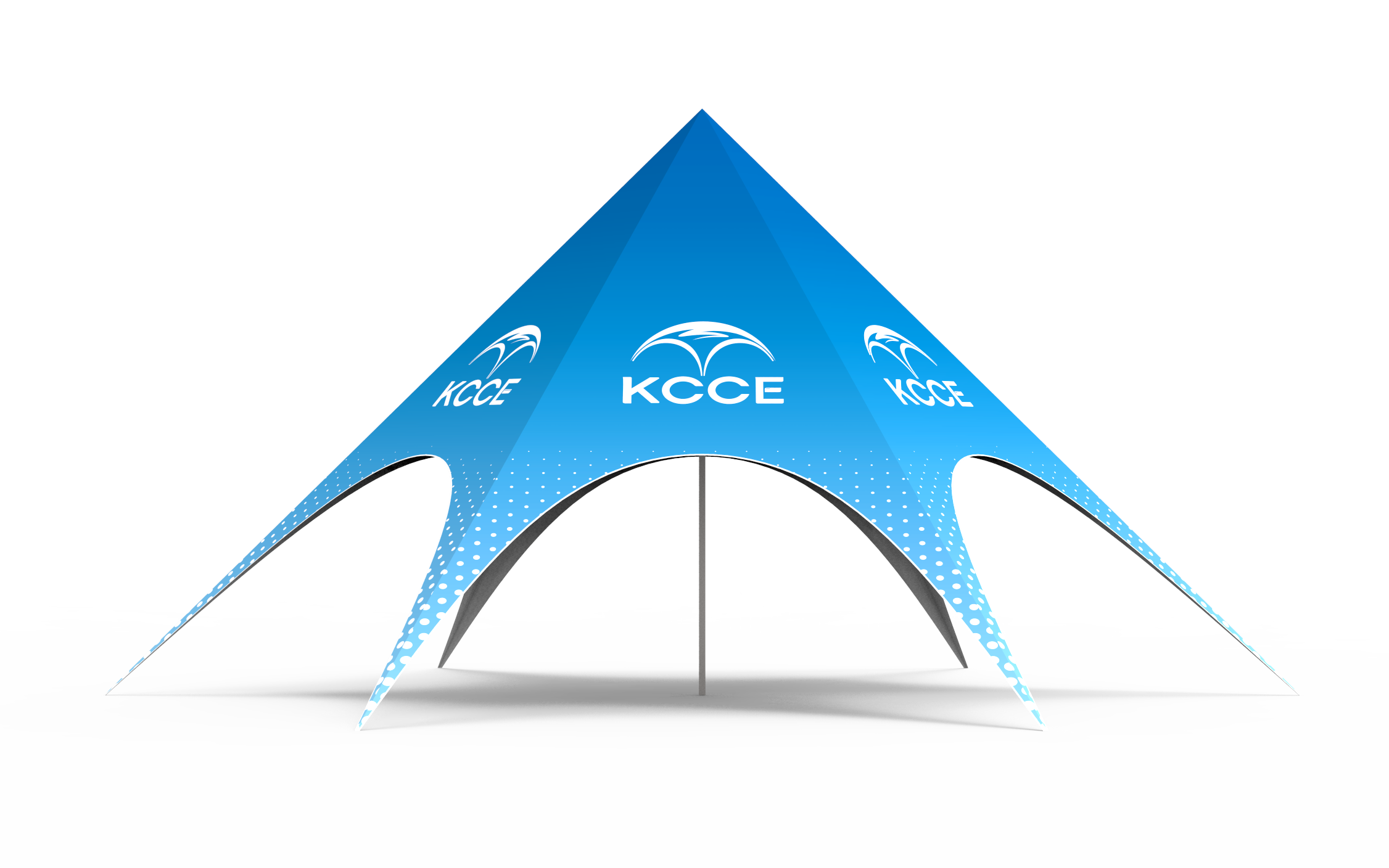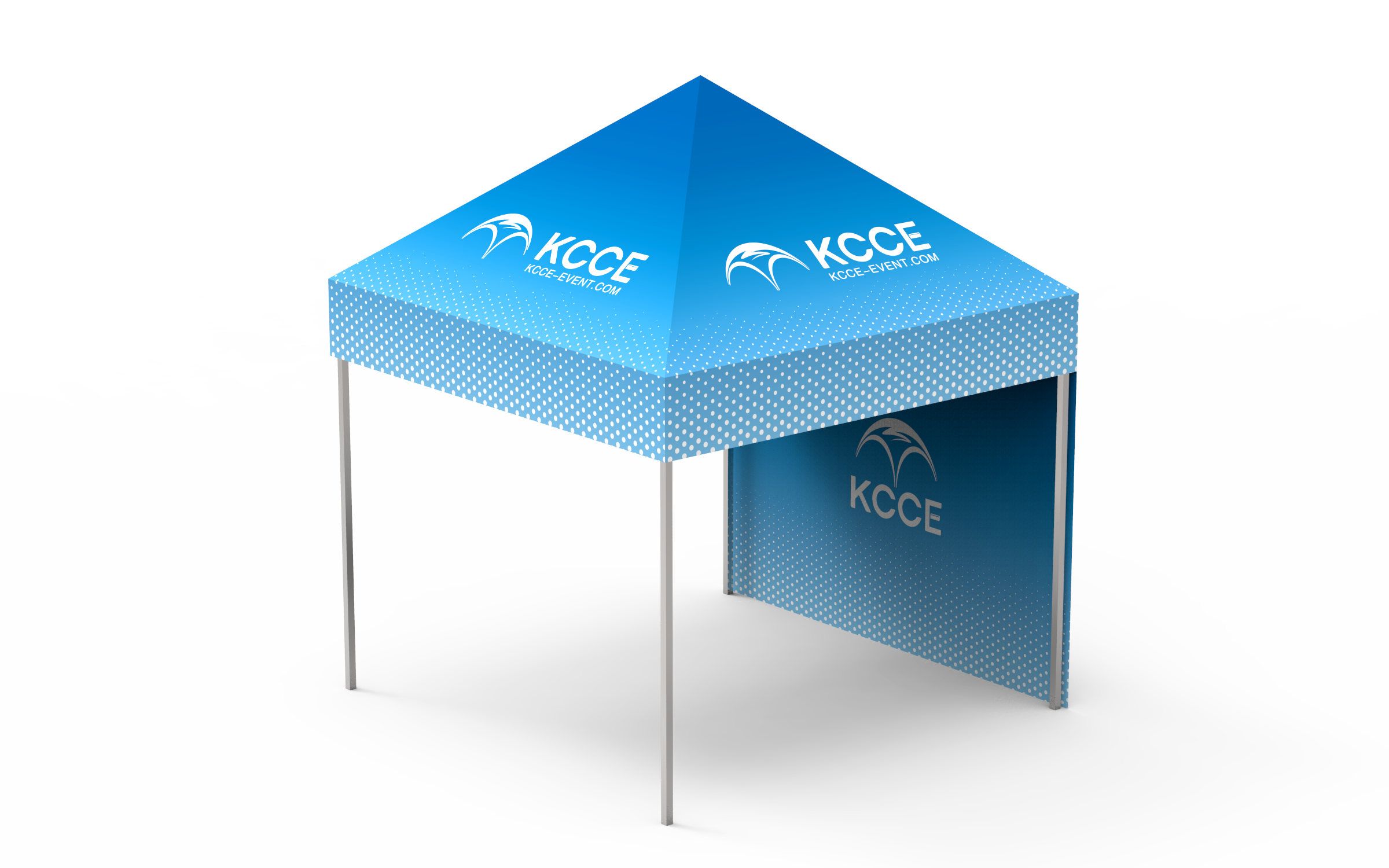
Choosing the Right Display Tents: Your Key to Successful Marketing
选择合适的 展示帐篷 can be overwhelming due to the wide variety of types, materials, and customization options available on the market. Whether you are preparing for a trade show, an outdoor market, or a corporate event, selecting an unsuitable tent can lead to poor visibility, weather damage, or a wasted budget. To make matters easier, it’s important to understand the features and benefits of different tent types and where to find quality tent displays for sale that meet your needs.
This comprehensive guide will walk you through everything from defining what 展示帐篷 are, to comparing popular models, and offering practical buying advice. We also delve into setup, maintenance, and share real-world examples of how a well-chosen marketing tent can boost your brand presence effectively.
1. What Are Display Tents and Their Common Uses?
Defining Display Tents and Their Role in Marketing
Display tents are specially designed shelters that combine portability and branding potential, distinct from general-purpose camping or recreational tents. Unlike ordinary tents, these are intended primarily for commercial and promotional uses, featuring quick setup designs, durable materials, and customizable branding surfaces.
Commonly, display tents are used in:
- Trade shows and exhibitions
- Outdoor markets and farmers’ markets
- Festivals and fairs
- Corporate events and product launches
The main advantages include:
- 便携性: Lightweight frames and foldable structures make transportation and setup easy.
- Branding opportunities: Large printable surfaces allow logos, slogans, and graphics to boost visibility.
- Weather protection: Made with waterproof and UV-resistant materials to protect against sun, rain, and wind.
For example, at a local farmers’ market, vendors often use marketing tents to create a visually appealing and professional stall that attracts more customers while shielding products from the elements.
People Also Ask: What are display tents used for?
They are primarily used to create branded, weather-resistant spaces at events and venues where visibility and durability are essential.
2. Types of Display Tents: Pop Up, Canopy, and Trade Show Tents Compared
Comparing Popular Display Tents for Sale
When looking for tent displays for sale, understanding the main types helps you choose the right fit:
| Tent Type | 材料 | Size Range | 便携性 | 耐用性 | Typical Cost (USD) | 最佳适用场景 |
|---|---|---|---|---|---|---|
| Pop Up Tent | Aluminum frame, polyester fabric | 10×10 to 10×20 ft | Very easy (folds in seconds) | Moderate (water-resistant fabrics) | $150-$400 | Quick setups, trade shows, markets |
| 天幕帐篷 | Steel or aluminum frame, polyester or vinyl | 10×10 to 20×20 ft | Moderate (bulkier frame) | High (waterproof, UV-resistant) | $300-$800 | Outdoor events, festivals |
| 贸易展帐篷 | Lightweight aluminum, high-quality printed fabric | Custom sizes | Designed for frequent assembly | High (durable fabrics & prints) | $500-$1500+ | Indoor/outdoor exhibitions, branding |
Pros and Cons
- Pop Up Tents:
- 优点: Fast assembly, lightweight, affordable.
- 缺点: Less durable in harsh weather, limited branding space.
- Canopy Tents:
- 优点: Larger coverage, strong weather resistance, ideal for outdoor use.
- 缺点: Heavier, longer setup time, higher price.
- Trade Show Tents:
- 优点: High customization, professional appearance, durable.
- 缺点: Costlier, may require more careful handling.
User feedback often notes that pop up tents are ideal for smaller, casual events, while canopy tents excel in outdoor festivals where protection is paramount. Businesses investing in marketing tents for trade shows prefer the professional look and branding flexibility of trade show tents.
For detailed visuals and setup demonstrations, video tutorials comparing these tent types can provide additional clarity.
3. How to Choose the Best Display Tent for Your Business Needs
Key Factors When Selecting Your Marketing Tent
选择合适的 展示帐篷 depends on several critical factors:
- Event Type: Indoor trade shows demand professional trade show tents, while outdoor markets might benefit from canopy tents with waterproof fabrics.
- Location & Weather: Consider if the event is exposed to rain, wind, or sun. Waterproof and UV-resistant materials are vital for outdoor use.
- Branding Needs: Look for tents that allow full-color logo printing, customizable sidewalls, and vibrant colors that match your brand identity.
- Budget: Prices vary widely; balancing quality and cost is key. Bulk or wholesale purchasing can reduce per-unit cost.
- 便携性: If you travel frequently, lightweight and easy-to-assemble tents save time and effort.
定制选项
Many suppliers offer:
- Logo printing: Full-color, durable inks on tent roofs and walls.
- Color choices: Match your brand palette or event theme.
- Accessories: Sidewalls, lighting kits, weighted bags, and carrying cases.
Wholesale & Bulk Purchasing
For businesses planning multiple events or franchise marketing, buying in bulk from suppliers with tent displays for sale programs can offer discounts and consistent branding.
People Also Ask: Can display tents be customized with logos?
Yes, most marketing tents allow extensive customization to showcase your brand prominently.
案例研究: A beverage company ordered custom-printed pop up tents for a summer festival series, resulting in a 30% increase in brand recognition and customer inquiries during events.
4. Step-by-Step Guide: How to Set Up and Maintain Your Display Tent
Setting Up Display Tents Efficiently and Safely
Understanding how to set up your 展示帐篷 correctly ensures stability and longevity. Here’s a generic step-by-step for a typical pop up tent:
- Choose a flat surface: Clear the area of debris.
- Unfold the frame: Expand it outward gently until fully extended.
- Attach the canopy: Secure the fabric roof to the frame, ensuring tightness.
- Lock the legs: Extend legs to desired height and lock in place.
- Add sidewalls or accessories: Attach walls or branding panels as needed.
- Secure tent: Use stakes, weighted bags, or sandbags to anchor the tent, especially in windy conditions.
维护建议
- Cleaning: Use mild soap and water for fabric; avoid harsh chemicals.
- Drying: Always dry tents thoroughly before storage to prevent mold.
- 存放: Store in a cool, dry place; avoid prolonged exposure to sunlight when not in use.
- Inspection: Check frames and fabrics regularly for damage or wear.
Different materials require specific care:
| 材料 | Cleaning Agent | Maintenance Frequency | 备注 |
|---|---|---|---|
| Polyester (water-resistant) | Mild detergent | After every few uses | Avoid abrasive scrubbing |
| Vinyl (waterproof) | Soft cloth with soap | After every use | Can be wiped clean easily |
| Aluminum frame | Dry cloth, mild cleaner | 每月 | Check for corrosion or cracks |
People Also Ask: How to set up a display tent?
Follow the manufacturer’s instructions carefully and always secure the tent properly to ensure safety.
5. Where to Buy or Rent Display Tents: Global Market Overview
Buying and Renting Trends Across Major Markets
The demand for 展示帐篷 varies globally, with key markets including the USA, UK, and Australia showing distinct preferences:
- USA: Large market for both buying and renting. Many businesses prefer buying durable marketing tents for repeated use. Wholesale suppliers and online marketplaces offer extensive options.
- UK: Renting is popular for one-off events, though buying customized tent displays for sale is growing among SMEs. Local suppliers often provide bespoke branding.
- 澳大利亚: Due to frequent outdoor events, sturdy canopy tents with UV protection dominate. Buying remains the preferred choice, supported by specialized suppliers.
How to Identify Reliable Suppliers
- Look for certified products with clear warranties.
- Check customer reviews and testimonials.
- Verify customization capabilities and turnaround times.
- Compare pricing structures and shipping policies.
Recommended Suppliers (Examples):
- TentCraft (USA) — Known for custom printing and quick turnaround.
- E-Z UP (Global) — Popular for portable pop up tents.
- Gazeboshop (UK) — Wide range of rental and purchase options.
- Easy Tents (Australia) — Strong focus on outdoor event solutions.
Pricing typically ranges from $150 for basic pop up tents to over $1500 for premium, fully customized trade show tents.
6. Industry Use Cases and Success Stories with Display Tents
Real-World Success Using Marketing Tents
Numerous businesses have leveraged 展示帐篷 to create impactful event experiences:
- Festival Vendor: A local coffee brand used branded canopy tents at summer music festivals, increasing foot traffic by 40% due to eye-catching designs and sheltered seating.
- Tech Startup: Customized trade show tents with interactive displays helped the company generate hundreds of leads at an industry expo.
- Nonprofit Organization: Used pop up marketing tents at outdoor fundraisers to provide shaded areas and distribute materials, enhancing volunteer engagement.
Expert Insight: According to event marketing specialists, well-branded display tents not only protect products and staff but serve as a critical touchpoint for brand storytelling and customer interaction.
Take Action: Elevate Your Brand with the Perfect Display Tent
选择合适的 display tent means understanding your unique event needs, comparing tent types and materials, and taking advantage of customization and maintenance tips. With the right information, your tent becomes more than just shelter — it becomes a powerful marketing tent that enhances brand visibility and withstands varying conditions.
Explore our curated selection of tent displays for sale now or contact our experts for a tailored solution designed to fit your business perfectly. Don’t miss the chance to make every event a memorable brand experience!