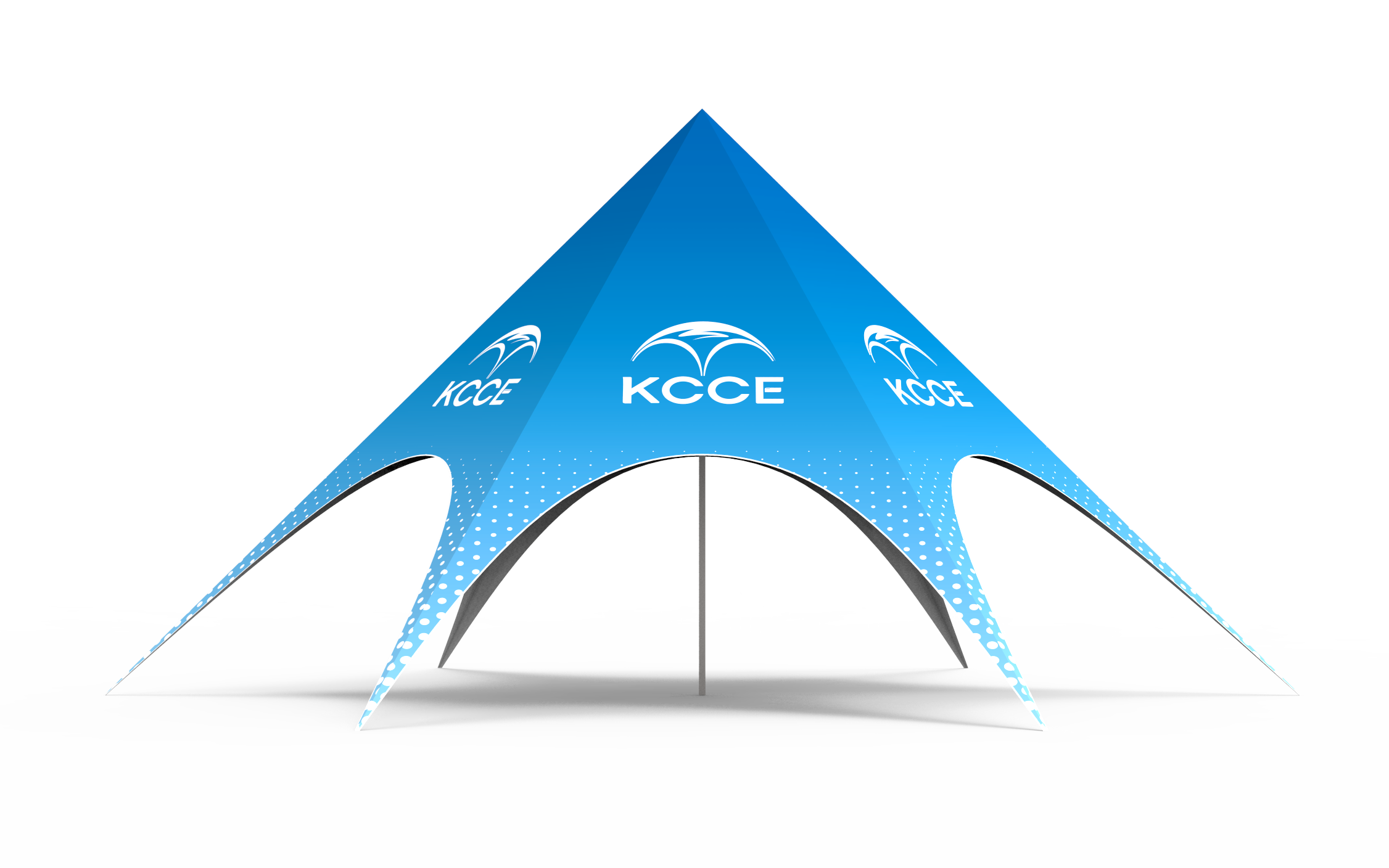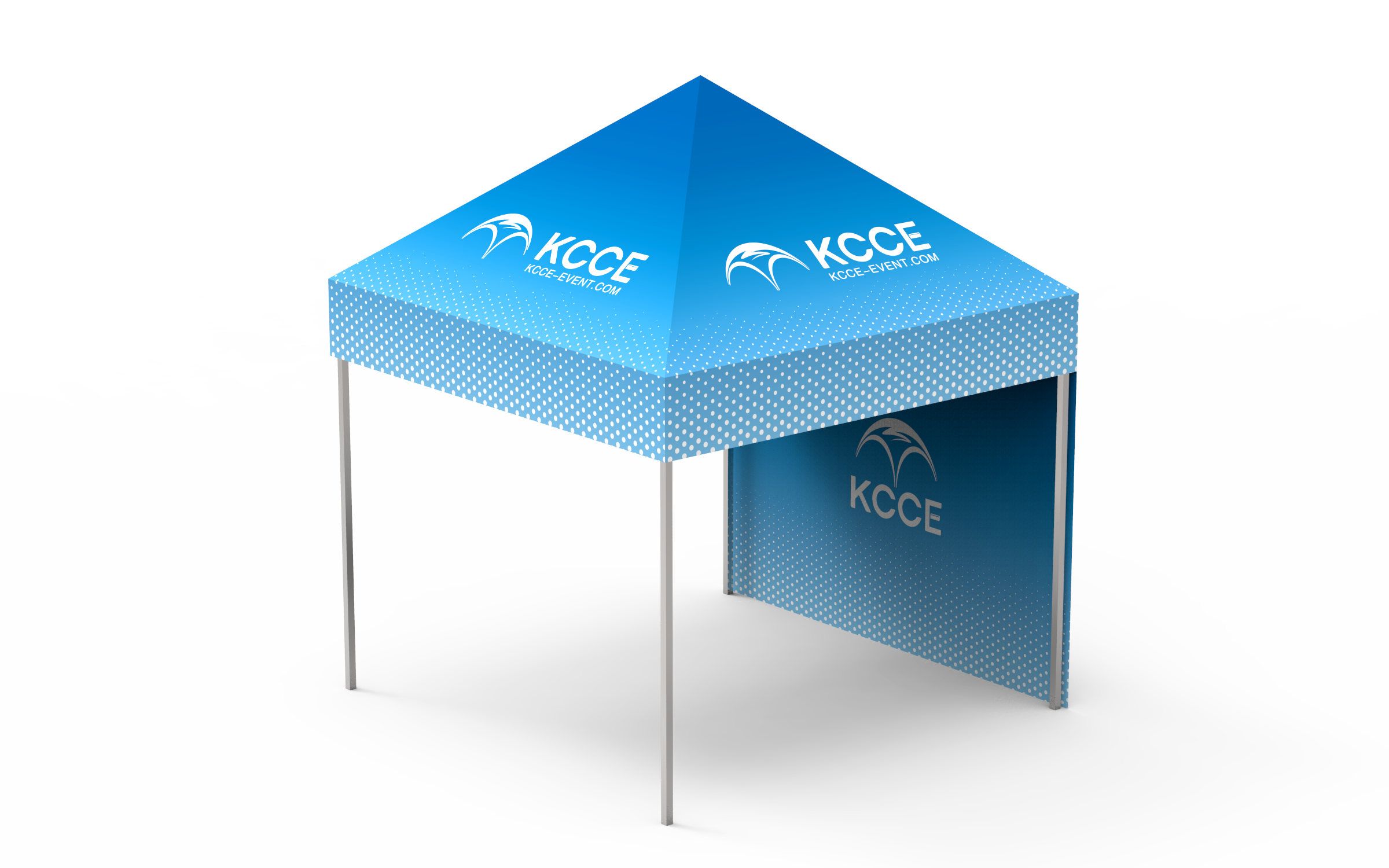
Inflatable tent have revolutionized the camping experience by introducing a unique approach to shelter construction. Unlike traditional pole tents, inflatable tents utilize air-filled beams for support, making them easier to set up and take down. This technology appeals to both novice campers and experienced outdoor enthusiasts alike.
The concept of inflatable tents first gained traction in the outdoor gear market due to their quick setup times. Many users report they can have their shelter ready in just a few minutes, providing a hassle-free camping experience. Campers who prioritize convenience often find themselves leaning towards inflatable options due to this key feature.
One of the standout attributes of inflatable tents is their adaptability. They often come with reinforced materials that can withstand harsh conditions, ensuring durability on many camping trips. Additionally, many models are designed to accommodate varied climates, keeping campers comfortable no matter the season.
The Mechanics of Pole Tents
Pole tents, on the other hand, have been a staple in the camping world for decades. Their structure relies on a framework of poles that support the tent fabric, offering a classic approach to shelters. This type often appeals to those who appreciate traditional camping setups.
Setting up a pole tent usually involves several steps, including erecting the poles, securing the fabric, and staking down the corners. While this can take more time compared to inflatable tents, many campers enjoy the involved process as part of the outdoor experience. This method allows for a sense of accomplishment once the tent is fully established.
Despite being more labor-intensive, pole tents are renowned for their stability and strength. Designed to handle substantial wind and rain, these tents can be more reliable for long-term camping or in challenging weather conditions. The rigid structure provides a reassuring feeling of safety during storms.
Comparing Setup Times
When considering inflatable tents versus pole tents, setup time often becomes a crucial factor. Inflatable tents have the upper hand, allowing users to inflate them in a matter of minutes. This quick setup can be particularly appealing for families with children or for campers who just want to dive into their outdoor activities.
Conversely, pole tents require a more detailed setup process. While this can vary based on the specific model, a typical stay can take anywhere from 10 to 30 minutes. Though some might find this tedious, others appreciate the engagement that comes with the more intricate setup.
Moreover, windy conditions can complicate the setup of pole tents, leading to potential frustrations. In contrast, inflatable tents can be easier to manage in breezy weather, requiring only a secured inflation to keep them stable. This aspect can be especially crucial for campers setting up solo.
Weight and Portability
Another significant comparison point is the weight and portability of inflatable tents versus pole tents. Inflatable tents tend to be lighter, thanks to the materials used in their construction. This aspect makes them particularly attractive for backpackers and hikers who need to minimize their load.
Pole tents, while often sturdier, might come with additional weight due to their framework. Depending on the size and design, some pole tents can be bulky, making them less desirable for those needing to carry their gear for long distances. Campers focused on mobility may prioritize inflatable options for this very reason.
Additionally, inflatable tents can often be deflated and packed away more compactly. This factor is especially appealing for travelers who have limited vehicle space or storage. Packing down an inflatable tent into a small bag can make all the difference for weekend adventures or extensive road trips.
Durability and Weather Resistance
The durability of a tent is paramount in deciding between inflatable and pole tents. Inflatable tents are made from high-quality materials designed to resist tears and punctures. Many brands now offer models that are UV-resistant and waterproof, making them suitable for various weather conditions.
Despite their innovative design, some campers question the long-term durability of inflatable tents. They fear potential air leaks or failures in the air beam technology. However, many modern brands address these concerns directly by providing warranties and replacements for faulty materials, easing the minds of cautious buyers.
Pole tents are often considered extremely durable, utilizing robust materials designed for resilience. They can withstand rough camping conditions, such as heavy rain and intense winds. This reliability has solidified their place in the camping community as a chosen option for prolonged or extreme outdoor scenarios.
Comfort and Space Inside the Tent
When selecting between inflatable tents and pole tents, the internal space and overall comfort can weigh heavily on the decision-making process. Inflatable tents often feature higher ceilings and spacious layouts, enhancing the comfort level for campers who might be spending extended periods inside.
Many inflatable models are designed to maximize livable space, allowing families or groups to comfortably move around and store gear. This can make them particularly suitable for camping with children or larger groups. Campers can also find layouts that include separate sleeping and living areas.
In contrast, traditional pole tents may sometimes feel smaller and more confined due to their structure. However, they often compensate for this with enhanced stability, which is especially important during severe weather events. Ultimately, personal preferences will play a significant role in whether comfort or stability is prioritized.
Cost Effectiveness
Cost is a critical element when comparing inflatable tents to pole tents. Generally speaking, inflatable tents are often priced higher due to their innovative technology. However, the initial investment can pay off in the long run, especially for frequent campers who value quick setup and ease of use.
Pole tents can provide more budget-friendly options, making them accessible to a more extensive array of campers. The market for pole tents is vast, with various models available to suit different financial plans. This variety allows campers to select a product that fits their needs without overspending.
Considering the frequency of use can also affect the overall cost-effectiveness of the tent choice. Those who camp occasionally might find robust pole tents serve their purposes well. In contrast, avid campers might favor inflatable tents for their quick deployment and user-friendly attributes, potentially justifying the additional cost.
The Verdict: Which is Better?
Ultimately, the choice between inflatable and pole tents comes down to personal preferences and camping styles. Inflatable tents appeal to those seeking convenience, quick setups, and modernity. They represent a new era of camping gear that emphasizes ease and adaptability.
Poorly constructed pole tents can lead to frustrations, but wisely chosen options offer unmatched durability and weather resistance. For those prioritizing stability and traditional camping experiences, these tents remain a reliable choice.
Tent selection is often subjective based on individual needs, such as frequency of use, type of camping, and desired comfort levels. The ideal tent is the one that makes your outdoor experience as enjoyable as possible.
| No. | Product Model |
|---|---|
| 5573 | Inflatable tent |
Final Thoughts
Selecting the best inflatable tent for camping versus a pole tent involves understanding your unique camping needs. Assessing factors such as setup time, weight, and durability will help you make the most informed choice that suits your style. Weighing these pros and cons will maximize your camping enjoyment and ensure you choose the perfect shelter for your adventures.