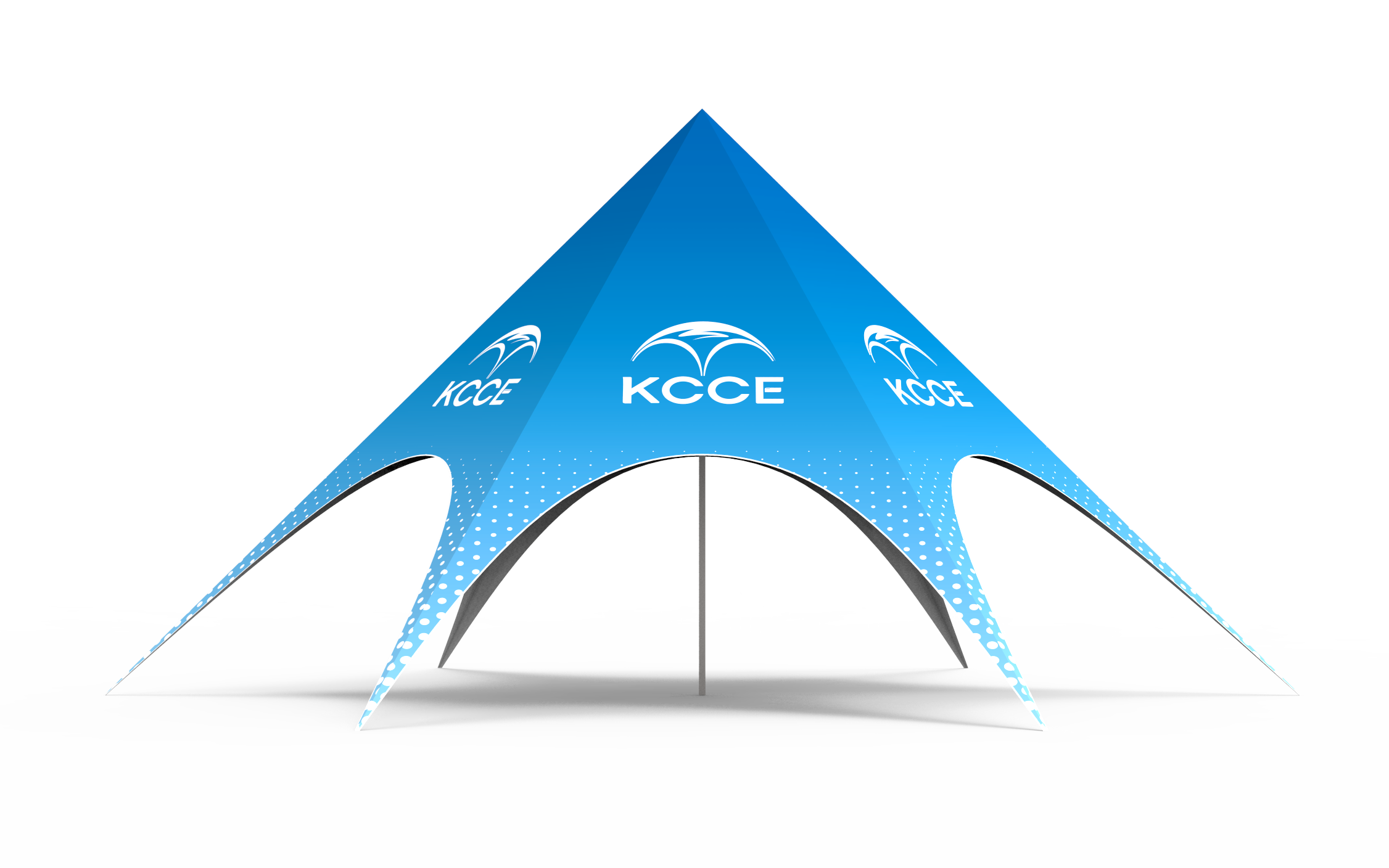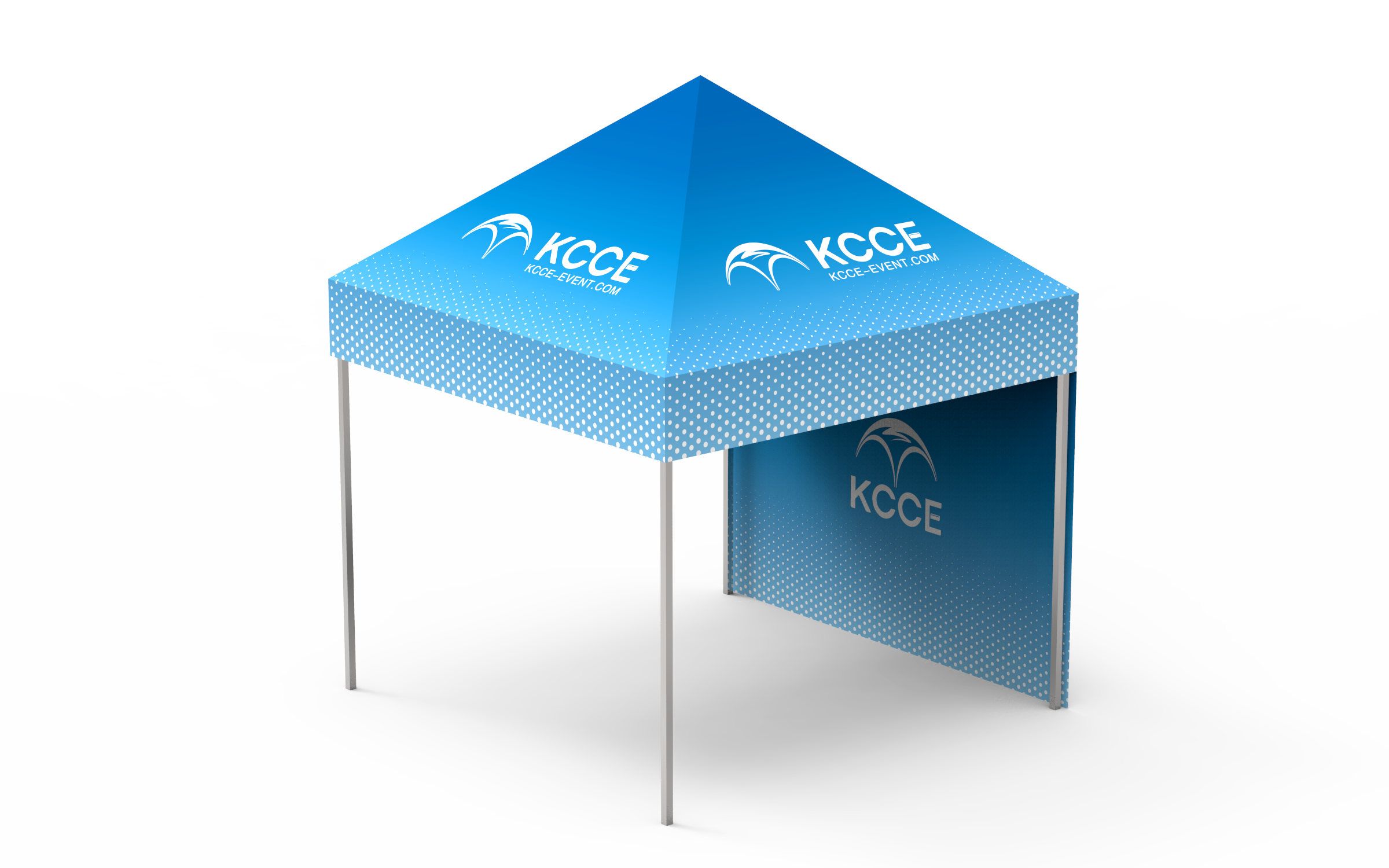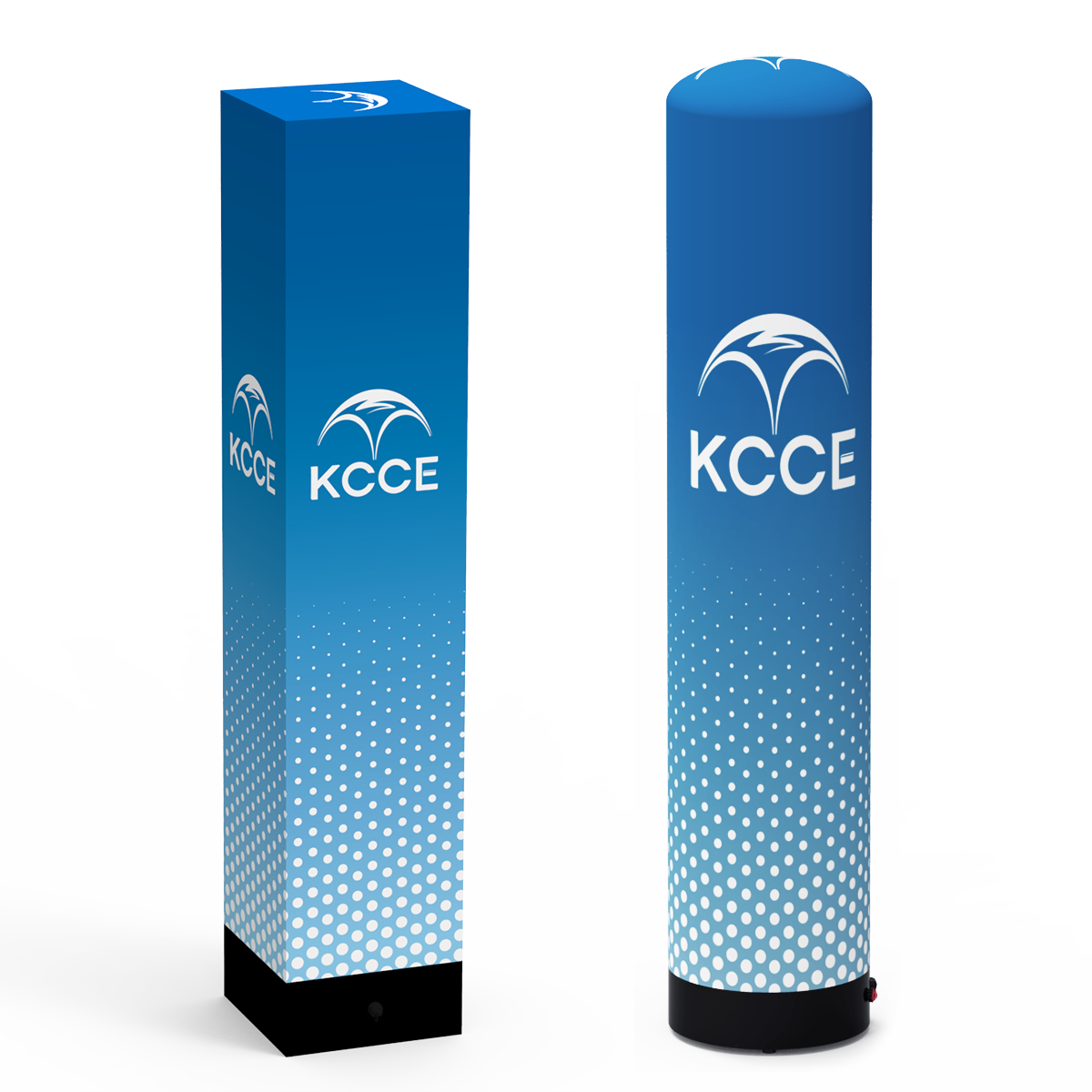
为何定制印刷充气穹顶是活动品牌推广的未来
当今的活动——音乐节、体育营销、贸易展会,甚至建筑工地围护——需要的不仅仅是普通帐篷。它们需要一种宣言。定制印刷充气穹顶能做到平面墙体帐篷无法做到的事情:它 将你的受众完全包裹在品牌之中. 。我记得曾在一次城市马拉松赛上搭建了一个20英尺的穹顶。赞助商的标志以360°环绕覆盖内部,因此跑者拍摄的每一张自拍照都自动成为品牌传播时刻。这就是沉浸式营销的力量,也正是充气穹顶为活动参与者提供360°体验的意义所在。这就是为什么从科切拉音乐节活动到移动新冠检测点,你都能看到它们的身影。.
但“定制充气穹顶”涵盖的范围极广。有些是用于长期安装的重型气承式结构,另一些则是可在20分钟内搭建完成的轻量框架与气梁混合体。共同点是什么?当你的标志、图案、色彩印刷在整个表面时,这个结构就不再是帐篷,而成为一座建筑级的广告牌。与标准折叠遮阳篷不同,穹顶的弧形造型能自然吸引目光——人们会不由自主地聚集在它周围。.
然而,大多数产品页面在解释你实际购买的产品方面做得非常糟糕。它们隐藏交期、跳过风载等级,并在没有任何标准支撑的情况下到处标注“防风雨”。我现在就来纠正这个问题。.
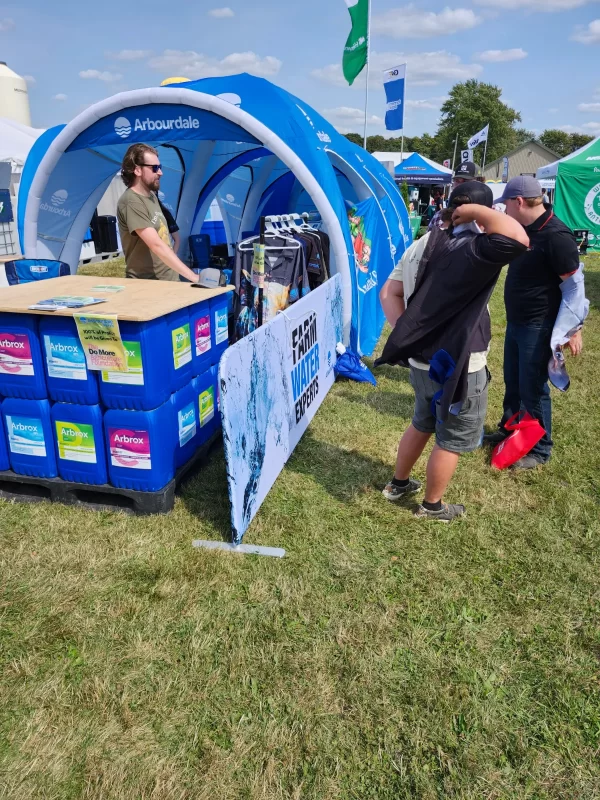
什么是定制印刷充气穹顶?
从本质上讲,定制印刷充气穹顶是一种半永久或便携式结构,由重型聚酯纤维或尼龙面料制成,呈穹顶形状,通过持续运行的风机和充气管(气梁)网络或气承式单层外壳维持形态。穹顶的所有外表面——通常也包括内表面——均可印刷全彩图形、标志和复杂设计。它是众多定制充气帐篷类型之一,但穹顶造型赋予你高度、全景视野和未来感外观,这是方正帐篷无法比拟的。.
供应商们随意使用“定制充气产品”、“穹顶定制充气帐篷”甚至“气承式广告穹顶”等术语。所有这些都指向同一个概念:一个充气外壳,作为便携式促销结构使用。与隧道式或拱门式充气产品相比,穹顶的关键区别在于其立方容积,以及它在单一无缝顶篷下容纳小型人群、展位或沉浸式品牌体验的能力。.
我总是告诉买家,在打开报价单之前就要从最终用途出发思考。你是在打造一个需要持续一周的临时店面?音乐节的VIP休息室?学校巡展的可步入式天文馆?最适合活动的定制充气产品,是那些设计和结构规格与实际现场条件相匹配的产品。.
主要应用场景:活动、体育、贸易展会及其他领域
让我们立刻破除一个迷思:充气穹顶不只是充气跳跳屋。根据我的经验,最令人印象深刻的应用场景,是当结构同时承担实际功能 và 和品牌推广任务的时候。.
贸易展会充气帐篷已成为大型展会的主流配置,因为它们比展位隔板更高,能从展厅另一端吸引人流。我曾见过一个15英尺的穹顶吸引的访客数量是旁边10×10折叠帐篷的两倍,仅仅因为人们想知道那个发光球体里面是什么。.
户外品牌活动穹顶在音乐节和体育赛事中大放异彩。企业在主舞台附近安装品牌充气顶篷,配备冷风机和产品体验区,结果门口排起长队。我曾亲自帮助一个饮料品牌搭建定制印刷充气穹顶,作为360°品鉴室——面料的每一寸都印有品牌图案。这就是“充气穹顶为活动参与者提供360°体验”的真正含义:你的周围环境,而不仅仅是横幅,在强化品牌信息。.
除了营销之外,充气活动庇护所还能解决严重的后勤问题。建筑工人在城市区域切割混凝土时使用它们来控制粉尘和噪音。它们保护周围环境免受粉尘和噪音污染,同时保持工地正常运转。派对充气穹顶租赁公司为婚礼和企业晚宴提供此类产品,以应对不可预测的气候条件。对于社区体育活动,便携式气承结构可作为有顶热身区,而无需永久性砖混建筑的占地。.
定制充气穹顶的灵活性延伸到了意想不到的领域:临时教室、应急救灾野战医院、沉浸式艺术装置,甚至一个50米高的充气穹顶曾将公共广场变成互动灯光秀。说实话,我认为这就是决策者青睐它们的原因——你购买的是一个模块化资产,而不是一次性帐篷。.
技术规格:面料、丹尼尔数、抗紫外线性能及防火认证
大多数买家沟通在这里开始偏离正轨。供应商会说“耐用商用级PVC”或“重型牛津聚酯纤维”,却不提供关键数据。我希望你带着丹尼尔数、撕裂强度和紫外线防护系数等术语走进询价会议。.
可印刷穹顶的面料重量通常从400丹尼尔(400D)起步,最高可达600D聚酯纤维。LushBanners提到他们的定制印刷充气产品使用带防水背涂层的牛津聚酯纤维,但你需要询问具体的丹尼尔数。600D面料的撕裂强度约为同织法400D面料的1.5倍——如果你的穹顶需要反复搭建和拆除,这一点至关重要。我见过便宜的200D穹顶在尘土飞扬的停车场使用三次后就开始出现针孔。.
抗紫外线性能不是一个“是/否”的勾选项,而是一个梯度。大多数优质穹顶在面料涂层中加入紫外线抑制剂,并使用热升华印刷配合UV固化油墨。根据我的经验,经过良好处理的印刷品在直射夏日阳光下可承受200小时以上才会出现明显褪色,而廉价的溶剂型油墨可能在一个周末的音乐节后就显得褪色严重。要求提供加速老化测试数据;如果供应商无法提供,就假定其图案的户外寿命有限。.
防火认证绝对不可妥协。我将在安全章节中详细介绍具体标准,但在技术层面,你需要知道面料本身必须通过NFPA 701、CPAI-84或同等测试。许多活动用定制充气帐篷会声称“阻燃”而不指明具体标准。不要接受这种说法。坚持要求提供证书编号。WestShade明确表示其印刷充气产品符合NFPA 701标准,这给了我一个可验证的基准。.
区分优秀穹顶与平庸穹顶的另一个细节:接缝结构。RF-焊接或热熔接缝远强于缝纫加贴条接缝,它们对于在不频繁启停风机的情况下维持气压至关重要。如果我在比较两份报价,一份提到RF-焊接接缝,另一份只说“双线缝制”,我每次都选择焊接的那份。.
定制选项:印刷工艺、设计规范及色彩匹配
“定制印刷”不应意味着在白色面料上贴一个单色标志。真正用于活动和品牌推广的定制充气帐篷应提供满幅、鲜艳、可缩放的图形。当今主流的印刷方法是热升华——油墨气化并在分子层面与聚酯纤维结合。结果是图形不会开裂、剥落,也不会有硬塑料片的感觉。它会随着穹顶充气和放气而随面料一起伸缩。.
当我订购定制充气产品时,我提交的稿件按最终输出尺寸300 dpi(或保持全尺寸至少100 dpi的比例)。矢量文件最适合标志和文字,但摄影背景图也可以,只要你能接受因面料纹理而产生的一定柔化效果。如果你想知道某个布局在生产前的效果,可以寻找提供“定制印刷充气穹顶帐篷——设计1”样式预览的供应商——许多供应商会生成3D渲染图,将你的图案映射到穹顶面板上,让你看到接缝可能如何打断文字。这一点至关重要,因为在平面显示器上看起来完美的设计,在18英尺的曲面上可能会变形。.
色彩匹配可能令人头疼。聚酯纤维上的热升华印刷与Pantone涂布纸打样并不完全相同。有些厂商会在全面生产前提供印刷面料样品供确认。我总是要求提供样品,即使这会增加几天时间。我曾遇到一个品牌的标志性洋红色变成了浑浊的紫色,因为没有人核实样品。另一个提示:对于直径20英尺的定制印刷充气穹顶,你需要考虑面板边缘至少2-3英寸的出血边距。否则,缝制过程中的轻微错位会在相邻印刷区域之间留下白色面料细缝。.
是的,内表面也可以印刷。现在有几家公司提供内衬印刷服务(额外收费),将内部变成完全沉浸式的环境。如果你想让充气穹顶为活动参与者提供360°体验,内部图形就是终极手段。.
尺寸、空间规划及推荐布局
直径是每个人关注的数字,但决定实际容纳人数的是面积和内部高度。一个10英尺的穹顶约有78平方英尺的地面空间。按鸡尾酒会站立式布局,可容纳15-20人(较为紧凑)。带小型舞台的座位式演示,大约10人。一个20英尺的定制印刷充气穹顶提供314平方英尺,足以容纳50-65名站立参与者,或一个中央吧台加35人的休息区座位。.
我制作了一张活动规划速查表:
- 10英尺穹顶:鸡尾酒会15-20人,剧场式座位10人,展位1-2个展示
- 15英尺穹顶:鸡尾酒会30-40人,剧场式25人,展位3-4个产品台
- 20英尺穹顶:鸡尾酒会50-65人,剧场式40人,小型带吧台招待会
- 25英尺穹顶:鸡尾酒会80-100人,剧场式65人,完整休息区配置
高度也很重要。10英尺穹顶的顶点高度可能为8-9英尺,用于社交互动尚可,但如果你想悬挂大型内部横幅或灯光设备就会显得局促。20英尺穹顶的顶点通常在12-14英尺左右,为顶部品牌展示和环境照明留出空间。.
别忘了穹顶本身之外的占地面积。你需要锚固线和拉绳的空间。一个带地钉系固的20英尺穹顶可能需要30×30英尺的净空区域。如果是在铺装路面上使用水袋配重,横向空间需求会有所减少,但仍需在周边保留约5英尺的间隙。我曾把一个15英尺的穹顶塞进一个在场地平面图上看起来刚好够用的空间,结果发现风机电源线需要延伸到40英尺外的插座——而现场没有任何延长线符合户外持续使用标准。我们手忙脚乱。请从我的错误中吸取教训。.
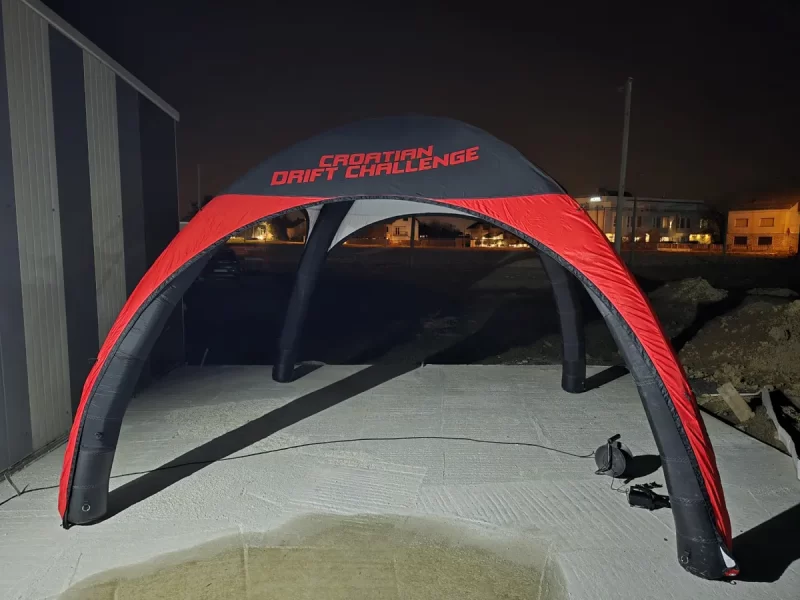
搭建与拆除:分步指南,含时间估算及人力配置
你在某些产品页面上看到的“15分钟组装”说法?那是假设一个已经做过十次的团队、零风力、平坦的草坪、所有部件完美归位的情况下。真实的首次搭建通常需要25到45分钟,且需要两到三个人。.
Here’s the rhythm we follow from bag to fully inflated branded shelter:
- Site prep (5–10 min): Clear debris, lay a ground tarp if needed, position anchors. On grass, I use 12-inch steel stakes driven at a 45° angle away from the dome. On concrete, I rely on 50-gallon water weight containers—each weighing about 400 lbs when filled—or heavy-duty sandbags.
- Unfold and connect (5 min): Spread the deflated dome flat. Locate the blower inflation tube and ensure the zipper or hook-and-loop closure is accessible. If the dome has separate air beams, check that all valves are open. Connect the blower to a GFCI-protected outlet or generator.
- Inflation (3–5 min): Turn on the blower. The dome will rise gradually. Keep an eye on the air beams to make sure they’re filling evenly and not twisting. Once it reaches full pressure, the blower will shift to a lower hum to maintain pressure.
- Adjust and anchor (5–10 min): With the dome standing, attach the perimeter tie-down straps to stakes or weights. Tighten them so the dome doesn’t rock. If wind is over 10 mph, add extra ground anchors at midpoint locations. I always carry a few extra stakes and a rubber mallet in my kit.
Takedown is the reverse, but packing it back into the carry bag is its own workout. Deflate completely, fold in thirds along the seams, then roll tightly from the farthest end toward the inflation tube. It takes practice to get it back to the original rolled size. I suggest practicing the fold at home once so you’re not wrestling with a 100-pound fabric taco in a dark parking lot at midnight.
The blower is the pulse of the entire operation. If the blower fails, the dome deflates in minutes. I recommend having a backup blower on site for critical events, and always test the GFCI before plugging in. I’ve seen blowers trip circuits that were running other loads, so run a dedicated line if possible.
配件与附加设备:风机、系留绳、锚固系统及存储方案
When you’re comparing quotes, don’t just look at the “base” dome price. The included accessory kit can swing the real cost by hundreds of dollars. A complete package should include:
- Continuous-duty air blower: Usually a centrifugal blower rated for 24/7 operation. Some domes come with a single 0.5 HP blower; larger domes (20ft+) may need two.
- Tie-down ropes and adjustable straps: At least 6 for a 15ft dome, 8–10 for a 20ft.
- Ground stakes: Steel pegs for grass, not the flimsy tent stakes that come with discount camping tents.
- Carry bag with wheels: Because a 20ft dome rolled up weighs 80–120 lbs and you do 不 want to haul it without wheels.
- Bộ sửa chữa: Fabric patches, a tube of seam sealer, and spare valve caps. Inevitably, a rogue chair leg will poke a small hole.
If you’re buying a custom printed inflatable dome for use on pavement, you’ll need to purchase water ballasts or suction-cup anchors separately. Not all suppliers include them in the standard bundle, so I always ask. Some manufacturers now offer integrated water weight channels around the base that you fill on-site, which is smarter than separate jugs that clutter the entrance.
Power consumption matters for multi-day festivals. A typical blower for a 15ft dome draws 300–500 watts and hums at about 65 decibels—similar to a normal conversation but less noticeable outdoors. I’d still position the blower away from the guest seating area if you can; that constant hum can grate on people after a few hours.
安全与合规:NFPA 701、CPAI-84、风载等级及地方许可
This section is the most skipped in every competitor’s content, and it’s the one that can land your event in legal trouble. Let me be direct: if your supplier can’t produce a valid fire certificate and a structural wind rating, walk away.
Custom inflatable domes used in the U.S. must meet NFPA 701 (Standard Methods of Fire Tests for Flame Propagation of Textiles and Films) or CPAI-84 (Specification for Flame-Resistant Materials Used in Camping Tentage). NFPA 701 involves a vertical burn test where a sample is exposed to an open flame for 12 seconds—the material must self-extinguish and not drip flaming particles. Ask for a copy of the test report from an accredited lab. WestShade explicitly lists NFPA 701 compliance on their custom inflatables page, which is the kind of transparency I look for.
If you’re planning to use the dome in Europe, you might need certifications like DIN 4102 B1 (Germany) or BS 7837 (UK). These are similar but not identical tests, so a structure that passes U.S. standards may still require recertification for an overseas event. I’ve had clients burn two weeks expediting a British standard certificate because the venue refused to accept the U.S. label—expensive and avoidable.
Wind is the biggest structural risk. Most quality domes
耐候性与耐久性:紫外线、雨水、高温及清洁建议
I’ve lost count of how many product pages claim “all-weather” performance without a single test standard to back it up. When you’re spending five figures on a custom inflatable dome, you need to know exactly what happens when the wind picks up, the sun beats down for 12 hours a day, or a sudden downpour turns your activation site into a paddling pool.
Let’s start with the one question nobody asks until it’s too late: wind. Most air‑beam or arch‑frame domes (what suppliers sometimes call “column‑style” or “inflatable tube frame”) are engineered for continuous wind speeds of 30–35 mph (48–56 km/h) and gust survival up to 45–50 mph (72–80 km/h) when properly anchored. I’ve seen a 20‑ft dome ride out a 40‑mph squall on a grass field with six heavy‑duty ground stakes, while a nearby unweighted promotional arch got ripped out and cartwheeled into a fence. The difference was the anchoring system. Here’s the anchor comparison I run through with every client:
- Grass ground stakes (spiral or duckbill): Ideal for soil or turf. For a 15–20 ft dome, I spec 6–10 stakes rated at 1,500–2,000 lb (6.7–8.9 kN) pull‑out resistance each. In sandy or loose soil you’ll need more or longer stakes. Always ask your supplier for the required stake capacity per tie‑down point based on the dome’s projected wind area.
- Concrete ballast blocks: Mandatory on asphalt, concrete, or roof‑top installations where you can’t penetrate the surface. For a 20‑ft dome with an estimated wind sail area of roughly 250–300 ft², I typically spec four 55‑gallon water barrels (approx. 450 lb each) or equivalent concrete blocks at each main anchor point. The dead weight needed is calculated from the uplift force: at 45 mph wind, a dome can generate 1,500–2,000 lbf of lift; with a 2:1 safety factor, you’re looking at 4,000 lb of total ballast. This isn’t guesswork—a decent structural engineer or experienced supplier can provide a load calculation sheet.
- Suction‑cup systems: Rare but useful on smooth, sealed floors indoors (exhibition halls). I only recommend these for lightweight, small‑dome setups (under 12 ft) with a blower that cycles on and off; they’re not for outdoor use. Each cup must be independently rated for shear and pull‑off and mapped to the specific flooring material.
Now UV and fading. Not all printed domes are equal. Quality outdoor fabric should carry a UPF rating of 50+ and, after 500 hours of accelerated weathering (AATCC 16 or ISO 105‑B02), hold a blue‑wool fade rating of 4–5 (out of 5). What does that mean in real life? A dome I installed for a beach bar in southern Spain maintained vivid cyan and magenta after six months of continuous summer exposure, while a cheaper dome used by a pop‑up cinema started bleaching to pastel within six weeks. The difference was the supplier’s use of UV‑stabilized 600D polyester with sealed‑edge dye‑sublimation printing and an additional UV‑inhibitive over‑laminate. When you’re budgeting, insist on seeing third‑party fade test reports, not just a “UV resistant” sticker.
Rain and heat put the fabric coating and seams to the test. A proper dome should have a hydrostatic head rating above 2,000 mm and heat‑welded (not just stitched) main seams. I’ve opened up domes after a tropical downpour and found water pooling in the base channel because the seam tape had degraded. Ask for a sample of the seam construction and the waterproofing standard (CPA‑84 or equivalent). In terms of temperature, the fabric itself can handle 160°F (70°C) continuous surface heat without delamination, but if you’re deploying in a desert, the internal air temperature will skyrocket. This is where the single‑skin vs. double‑skin conversation becomes critical.
Single‑layer vs. double‑layer fabric structure isn’t just about aesthetics. A single‑skin dome is lighter, packs smaller, and inflates faster. But in cold or humid climates you’ll battle condensation: the inside feels like the inside of a soda can on a humid day. A double‑layer (or dual‑skin) dome, where a separate inner liner creates an insulating air gap, dramatically reduces condensation and improves thermal performance. I’ve measured a 15–20°F (8–11°C) difference between the inner surface of a single‑layer dome and the interior of a double‑layer one on a chilly morning, with no dripping. For a heated brand activation in northern Europe, that’s the difference between a VIP lounge and a rejected insurance claim. Double‑skin also cuts blower energy by reducing heat loss; the R‑value might only improve by around 1.5–2.5, but in a space that small, it’s noticeable. If you plan to heat or cool the interior for more than a few hours, double‑layer is worth every extra dollar.
Finally, cleaning recommendations: bird droppings, dust, and beer spills happen. For standard 600D polyester, a mild soap and water solution with a soft brush is safe. Never pressure‑wash a printed dome—you’ll embed dirt into the coating and ruin the graphics. I instruct teams to wipe down with a pH‑neutral cleaner monthly during long‑term installations, and if mold appears (rare but possible in storage), a 1:10 bleach/water rinse followed by thorough air drying is okay. Store the fabric bone‑dry. More on that in the maintenance section.
I’d be remiss without addressing fire certification, because venues and insurance companies increasingly demand it. The big three standards you’ll see quoted:
- USA: NFPA 701 (Small Scale), the standard test method for flame propagation of textiles. A compliant fabric will self‑extinguish after the flame source is removed. Most polyester‑supported PVC‑coated fabrics can meet this when treated.
- EU: DIN 4102‑B1, a more stringent classification that certifies material as “low flammability.” Products meeting B1 are widely accepted across EU events and building codes. In practice, B1‑rated material will pass a 15‑second flame exposure test with minimal burning drips.
- UK: BS 7837, specifically for tent and membrane structures. If you’re setting up at Glastonbury or a UK‑regulated venue, this one is non‑negotiable. It tests both surface and edge ignition.
I always ask for a valid test certificate that matches the specific fabric batch—not a generic brochure claim. Some suppliers will offer multi‑certified materials, which simplifies multi‑country deployments.
成本分解:定价因素、预算编制及投资回报率对比
I’ve been on both sides of the quote table, and I know the price range for a custom printed inflatable dome can swing from $3,000 for a simple 10‑ft print‑one‑side promo ball to $50,000+ for a multi‑chamber, fully‑branded 26‑ft immersive dome with HVAC integration. The factors that gate that spread are entirely predictable once you pull them apart.
The largest single cost driver is the fabric and printing area. Every square foot of 600D or 900D coated polyester with full‑bleed dye‑sublimation costs money. On average, expect a base cost of $12–$18 per square foot of printed surface area for a standard single‑skin dome in the 15–20 ft range, including the air tubes, blower, and basic anchoring. A double‑skin design can add 40–60% to the material and labor costs because you’re essentially manufacturing a second inner tent and integrating a critical air gap. Complex artwork with intricate gradients or photorealistic faces also pushes up the print cost, not because the ink is pricier but because the approval and color‑matching rounds chew up hours.
Next is the structural hardware: blower, air‑pump backup, zippered doors, windows, and flooring options. A continuous‑duty 1‑HP blower that runs at 110V/220V will set you back $500–$1,200 depending on IP rating. If you need battery‑powered or solar solutions for off‑grid deployments, add another $1,500–$3,000. Custom‑branded flooring (carpet, interlocking tiles, inflatable floor) ranges from $5/sqft to $20/sqft installed.
Then there’s certification and testing. A full engineering wind‑load report and flame certificate for North America and Europe can add $800–$1,500 to the total. Don’t skip it—some venues won’t let you unload without stamped paperwork.
Now, something most first‑time buyers forget: shipping and logistics. You’re moving a giant balloon, not a crate of t‑shirts. The HS code for customs that I’ve used consistently for inflatable promotional domes is 6306.22.9000 (tents of synthetic fibers), though if the item is predominantly PVC‑coated some forwarders prefer 3926.90.9985 (other articles of plastics). Always confirm with your broker. A typical 20‑ft dome, deflated and folded in its carry bag, occupies a palletized volume of roughly 1.2 m × 0.9 m × 0.9 m (1.0 m³) and weighs 90–120 kg (200–260 lbs). For air freight, that dimensional weight can murder your budget; the volumetric weight often comes to 200–250 kg. Ocean freight on a shared container is far more palatable, but you’ll need 4–6 weeks of lead time. I always build shipping into the initial quote—if the supplier says “free shipping to port,” ask which port and who handles customs clearance.
Budgeting and ROI turn this from a cost into an investment. Let’s compare: a premium 20×20 pop‑up custom tent with full‑print canopy, frame, and walls runs about $5,000–$8,000 and reaches maybe 50–200 people per hour at an expo. A 20‑ft custom printed dome of the same footprint, with immersive 360° branding and the wow factor that compels visitors to walk inside, can cost $15,000–$22,000 all‑in. But the experiential engagement rate is demonstrably higher. I worked with a tech accessory brand that swapped their standard 10×20 booth for a 16‑ft dome at IFA Berlin. Their cost per meaningful lead dropped from €28 to €11, and the dome paid for itself in three shows. Another client, a beverage company, used a dome for a 10‑city summer festival tour, avoided renting a tent at each stop (saving $800/day), and racked up over 120,000 social media impressions per weekend. If your activation generates even a modest lift in sales or leads, the payback period for a dome is typically under 12 months for frequent users.
If you can share the dome across departments (trade shows, HR events, community outreach), the per‑use cost plummets, making a compelling business case for a capital purchase over continuous rental.
供应商筛选清单:3D渲染、质保、技术支持及交付周期
Choosing a supplier for a custom inflatable dome is like hiring a contractor to build a tiny venue. You want someone who knows structural load paths, print gamuts, and international shipping, not someone who just fires up a heat sealer and hopes for the best. Over the years I’ve developed a checklist that weeds out the dabblers.
1. 3D rendering and design validation. Any serious supplier should provide a free or low‑cost 3D proof that shows your artwork mapped onto an accurate dome model, including seam placements, doors, and windows. I want to rotate that model, check how the logo splits across seams, and see if the zipper lines break critical graphic elements. The rendering should also include a basic structural model indicating anchor points and blower duct locations. If they can’t produce a DXF or 3D PDF, I walk.
2. Warranty and materials guarantee. The best suppliers offer at least a 2‑year warranty on seams and welds and a 1‑year warranty on the blower and electronics. Look for explicit coverage of seam failure, delamination, and UV‑related fading within defined limits. I always ask: “What percentage of domes shipped in the last three years required a warranty claim?” A reputable factory will cite numbers below 2–3% and will show you their repair process. If they duck the question, assume the worst.
3. Support and documentation package. Before paying a deposit, I require the supplier to confirm they will provide: a) a wind‑load and anchoring specification sheet signed by an engineer, b) valid flame‑retardant certificates for the fabric batch, c) a complete setup and takedown video (not just a manufacturer’s generic YouTube clip), and d) a 24/7 emergency contact number that rings a real person during your event time‑zone. I once had a blower fail at 11 p.m. on a Friday in Las Vegas; the supplier walked me through a field‑fix over WhatsApp, and the dome was back up in 30 minutes. That kind of support is priceless.
4. Turnaround and production transparency. Standard production for a fully custom 15–20 ft dome is 4–6 weeks, plus shipping. Expedited production (2–3 weeks) is possible at a 25–35% surcharge, but only if the supplier has dedicated capacity. I always request a production calendar showing the cutting, printing, welding, and quality‑control phases with expected completion dates. If the factory can’t tell me when the fabric will hit the printing table, they probably don’t have true control over their supply chain. Also, check their peak season: the run‑up to CES, SXSW, and spring festival season creates a bottleneck from December to February. Book early.
5. References and off‑site inspection. Ask for three recent clients in your industry and actually call them. I want to know if the dome held up in the wind, if the colors matched the proof, and if spare parts were easy to get. If you can’t visit the factory, request a live video walkthrough of a dome being packed and inflated. A decent supplier will be proud to show you their work—not just a catalog photo.
案例研究及真实成功案例
Let me walk you through a few installs that show what happens when the product, the supplier, and the setup team all click.
Desert music festival activation (Arizona, USA, June). A streaming platform wanted a 24‑ft glow‑in‑the‑dark dome to host VR demos. Temperatures touched 110°F, so we opted for a double‑skin roof with a 4‑inch air gap over a white reflective outer shell. The inner liner stayed 18°F cooler than the single‑skin test dome we’d pitched nearby, and condensation never formed on the electronics. We anchored with six concrete blocks weighing 500 lb each on hard‑pack dirt, engineered for 50‑mph gusts. Despite a dust storm that sent smaller tents flying, our dome held steady and the client logged 4,000 demos in three days. The UV‑stabilized print with a 4‑5 fade rating survived the intense sun without color shift, and post‑event cleaning took two workers 45 minutes with a hose and mild soap.
Construction site enclosure (London, UK, February). A developer needed a temporary heated enclosure to continue bricklaying on an exposed site. They ordered a 20‑ft inflatable dome with a flame‑retardant BS 7837‑certified fabric and heavy‑duty zippered pass‑throughs for material carts. Because of the outdoor risk and proximity to residential housing, the council required documentation of both wind load calculations and fire safety. The dome used a combination of water‑filled ballast barrels (330 lb each) and two anchor bolts drilled into existing concrete footings, satisfying the structural engineer’s uplift requirement of 3,200 lb per side. Inside, two electric fan heaters kept the temperature at 50°F while outside hovered at 28°F; the double‑layer skin eliminated dripping condensation that could have ruined mortar. The builder’s schedule saved three weeks, paying for the dome many times over.
Trade‑show island alternative (CES, Las Vegas). A consumer robotics startup had a 10×20 booth space and wanted to stand out. Instead of a traditional backwall, they deployed a 16‑ft custom printed dome printed with a planetary graphic on the outside and a fully branded white interior. The HS code for customs was 6306.22.9000; the dome shipped in a single palletized bag (1.1 m³, 98 kg) via air freight to hit the show deadline. Inside, the curved walls gave the product demos a cocoon‑like feel, free from aisle distractions. Attendee dwell time averaged 9 minutes versus the show average of 3 minutes. Post‑show, the same dome was repurposed for in‑store pop‑ups and college recruiting events. The marketing director told me the dome delivered a 150% ROI within six months solely on lead quality.
维护、维修及长期存储最佳实践
A custom inflatable dome is not a “blow it up, forget it” asset. The structures I see lasting five or more years share a common discipline of post‑event care that takes less than an hour.
Immediate post‑event cleaning: As soon as the dome deflates, wipe down the fabric with a dry microfiber cloth to remove surface dust and debris before it gets ground into the coating. For mud or food stains, a sponge with lukewarm water and mild dish soap works. Avoid any solvent‑based cleaners—I’ve seen acetone accidentally applied to remove tape residue, and it stripped the print clean off. Rinse thoroughly and, crucially, let the fabric dry completely before rolling it up. A moisture meter reading above 10% inside the roll is an invitation for mildew. I always pack a couple of moisture‑absorbing silica gel sachets in the carry bag.
Repair kit and field fixes: Your supplier should include a basic repair kit with matching fabric swatches, clear PVC patches, and a tube of two‑part flexible adhesive (HH‑66 or equivalent). Small punctures (under 1 cm) can be patched on‑site in 10 minutes by cleaning the area with alcohol, cutting a patch with 1‑inch overlap, and clamping it with a squeeze clamp while the glue sets. For larger seam splits, you’ll need an industrial hot‑air welder and an experienced hand; I recommend sending the dome back to the factory or a certified repair center. If a blower goes down, first check the GFCI or circuit breaker. Keep a spare blower or at least a backup capacitor kit—I’ve revived dead blowers with a $5 start capacitor more often than I’d like to admit.
Long‑term storage: Store the dome in a cool, dry environment (ideally 50–70°F, humidity below 60%). Never store it in a metal container that bakes in the sun; the heat can accelerate plasticizer migration and make the fabric tacky. Fold the dome loosely—not in the same precise creases every time—to prevent cracking along fold lines. I number the domes and track their storage cycles on a simple spreadsheet. Every six months of storage, I recommend a “health check” inflation: blow it up in a warehouse, inspect all seams under light tension, and verify the blower’s amp draw. This 30‑minute ritual has saved me from discovering a mouse‑chewed seam five minutes before a live event.
Blower maintenance: Clean the blower’s intake filter regularly. A clogged filter can overheat the motor and cause an automatic thermal shutdown. Once a year, oil the motor bearings if the manufacturer recommends it, and check that the air‑outlet flange isn’t cracking. I keep a maintenance logbook for each dome and its accessories so any operator can see its history.
Các câu hỏi thường gặp
Q: Can I use a custom inflatable dome in winds over 30 mph?
A: Yes, but with caveats. A properly anchored dome rated for continuous 35 mph winds and gusts to 50 mph can operate safely. You must match the anchoring to the surface (ground stakes in soil, ballast blocks on hard surfaces, and engineered tie‑downs for odd configurations). Always monitor wind forecasts and deflate if sustained winds exceed the manufacturer’s rated limit, because a sudden increase in sail area (like an open door) can multiply the load.
Q: What UPF and fade ratings should I demand?
A: Ask for UPF 50+ fabric and a fade test according to AATCC 16 or ISO 105‑B02 showing a rating of 4–5 after 500 hours. In plain English: after 6–8 months of continuous summer exposure, the colors should still look vibrant, not washed out. If the supplier can’t produce this data, the fabric likely isn’t outdoor‑grade.
Q: How do I import a dome? What HS code applies?
A: For most promotional inflatable domes made of synthetic fabric, I use HS code 6306.22.9000 (tents of synthetic fibers). If the structure is predominantly plastic‑coated, 3926.90.9985 may be accepted. Always provide your customs broker with the product description, material composition, and a photo. Factor in shipping volume: a deflated 20‑ft dome typically packs into a 1.0–1.2 m³ crate weighing 90–120 kg. Air freight will be charged on volumetric weight, often 200–250 kg.
Q: What flame certifications should I look for?
A: The three critical standards are NFPA 701 (USA), DIN 4102‑B1 (EU), and BS 7837 (UK). If you’re touring globally, a multi‑certified fabric exists that satisfies all three. Always get a certificate that references the specific fabric lot number; generic compliance statements are not sufficient for venue safety checks.
Q: Do I need a double‑layer dome to prevent condensation?
A: If you’re in a humid or cold environment, yes. A single‑skin dome will drip when warm interior air hits a cold external surface. The air gap in a double‑layer design acts as a thermal break, significantly reducing condensation and improving heat retention. For heated or air‑conditioned activations, dual‑skin is the standard I recommend.
Q: Can the graphics be seen at night?
A: Absolutely. Many domes can be fitted with internal or external LED lighting that transforms the entire structure into a glowing lantern. The printed graphics remain visible as long as there’s at least some backlight. For maximum nighttime impact, I spec a white or light‑colored print base and 360° internal uplighting.
以定制充气穹顶让你的品牌无可忽视
Here’s the bottom line after years of sweating through setup guides and wind‑assaulted activations: a custom printed inflatable dome isn’t just a tent you put your logo on—it’s an architecture of attention. It bends the sightlines of a crowded festival, it swallows the static of a trade show aisle, and it turns a pass‑by moment into a walk‑in memory. The 360° print capability, the curved walls, the cocooned interior—they conspire to make every visitor’s photo a branded asset you never paid for per click.
But that only happens if you do the unsexy homework. You need to know your wind zone and require the anchoring system to match. You need to demand the UV test reports, fire certificates, and seam warranties that separate outdoor‑grade engineering from fair‑weather playthings. You need to budget not just for the dome but for the double‑skin option that keeps your VIPs from getting dripped on, and for the logistics of a 200‑lb pallet that travels by ocean freight under HS code 6306.22.9000. When you select a supplier who treats your project like a miniature venue—providing 3D walk‑throughs, engineering stamps, and after‑hours support—you don’t just buy a product; you buy the confidence to deploy overnight in a desert, a London construction site, or a Las Vegas convention center.
The teams I’ve seen succeed are the ones that treat the inflatable dome as a repeatable marketing platform, not a one‑shot stunt. They clean it, store it properly, track its maintenance, and re‑deploy it across trade shows, community events, and retail pop‑ups until the cost per impression drops to pennies. In a world where audiences are harder to hold than ever, a dome doesn’t just grab their gaze—it encloses them in an experience they’ll talk about long after the blower is packed away. Make your brand unmissable, and do it with a structure that’s as serious about safety and longevity as you are about your image.
Tham Khảo
1. Custom Inflatable Tents – Get Your Inflatable Dome Canopy! – instent.com
2. How to Customize an Inflatable Dome Tent: A Budget … – mvpvisuals.com
3. Inflatable Dome Tent Buyer’s Guide: Why Beam Material … – kcce-event.com
4. Custom Inflatable Tents with Logo for Events & Branding – westshade.com
5. Custom Printed Inflatables of All Shapes & Sizes – lushbanners.com