Event marketers know the pain: a 6 a.m. load-in, a crew already stretched thin, and a branded tent that takes four people and forty minutes to wrestle into place. By the time it’s finally up, your first attendees have already walked past. That’s exactly the problem promotional inflatable tents solve. They go up fast, pack down small, and carry your logo across every square inch of fabric instead of a thin banner strip. I’ve watched enough activation budgets get eaten by labor and logistics to know the tent itself is rarely the expensive part. The setup and the repeat costs are. So here’s my decision-ready breakdown of why inflatable tents deserve a serious look, plus the specs and comparisons you need before you sign a PO.
Hızlı Cevap
Promotional inflatable tents are worth choosing because they combine full-surface logo printing, fast setup with fewer crew, compact storage for repeat-event programs, and strong cost-per-impression over multiple reuse cycles, which makes them a better ROI fit than frame or pop-up tents for most brand activations.
Brand Visibility That Works Before the Pitch
Here’s the thing about frame tents and pop-ups: the branding is basically a valance and maybe a half-wall. Your logo shows up as a strip. With promotional inflatable tents, the entire canopy and wall surface is printable fabric. That’s a fundamentally different visibility equation.
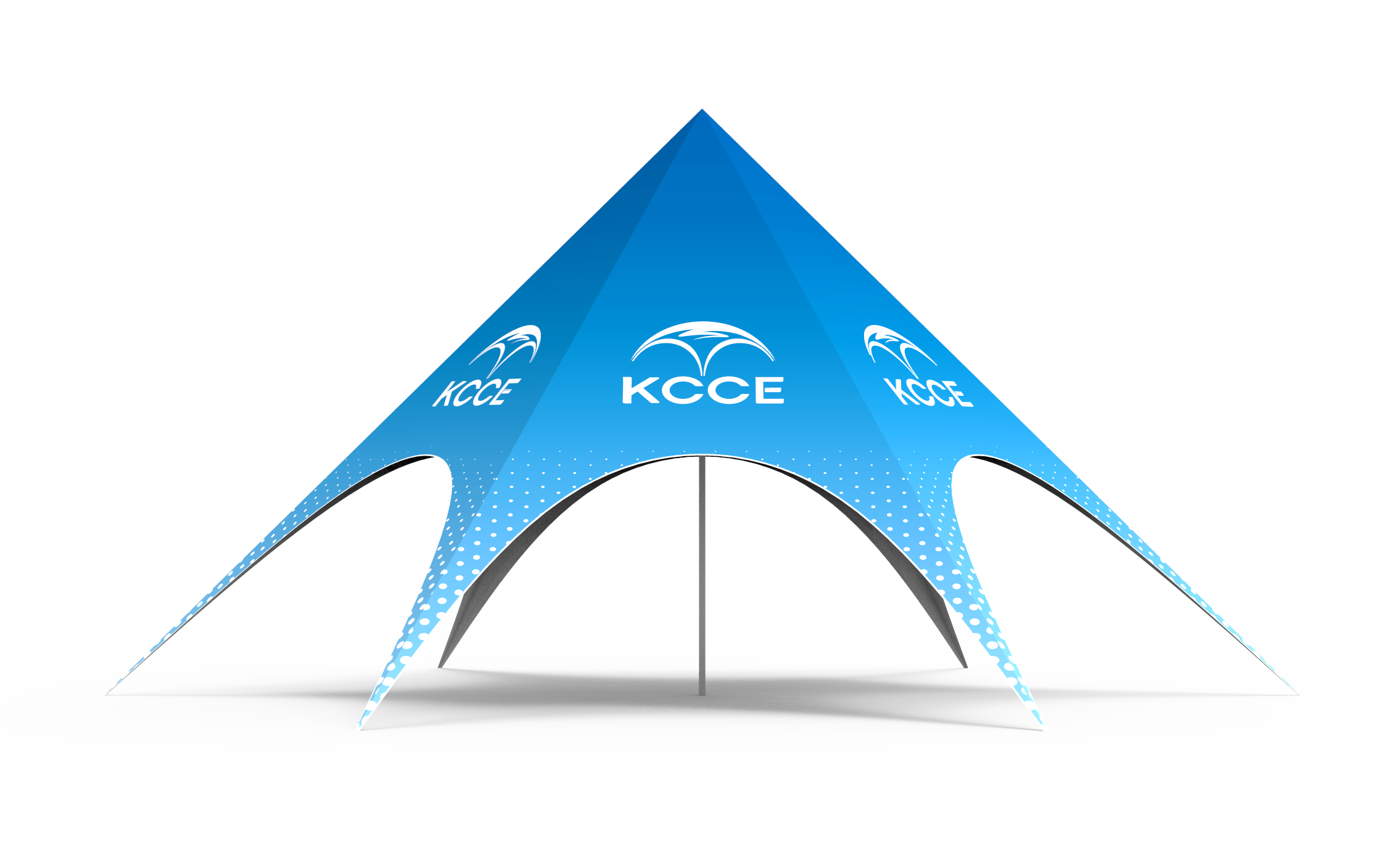
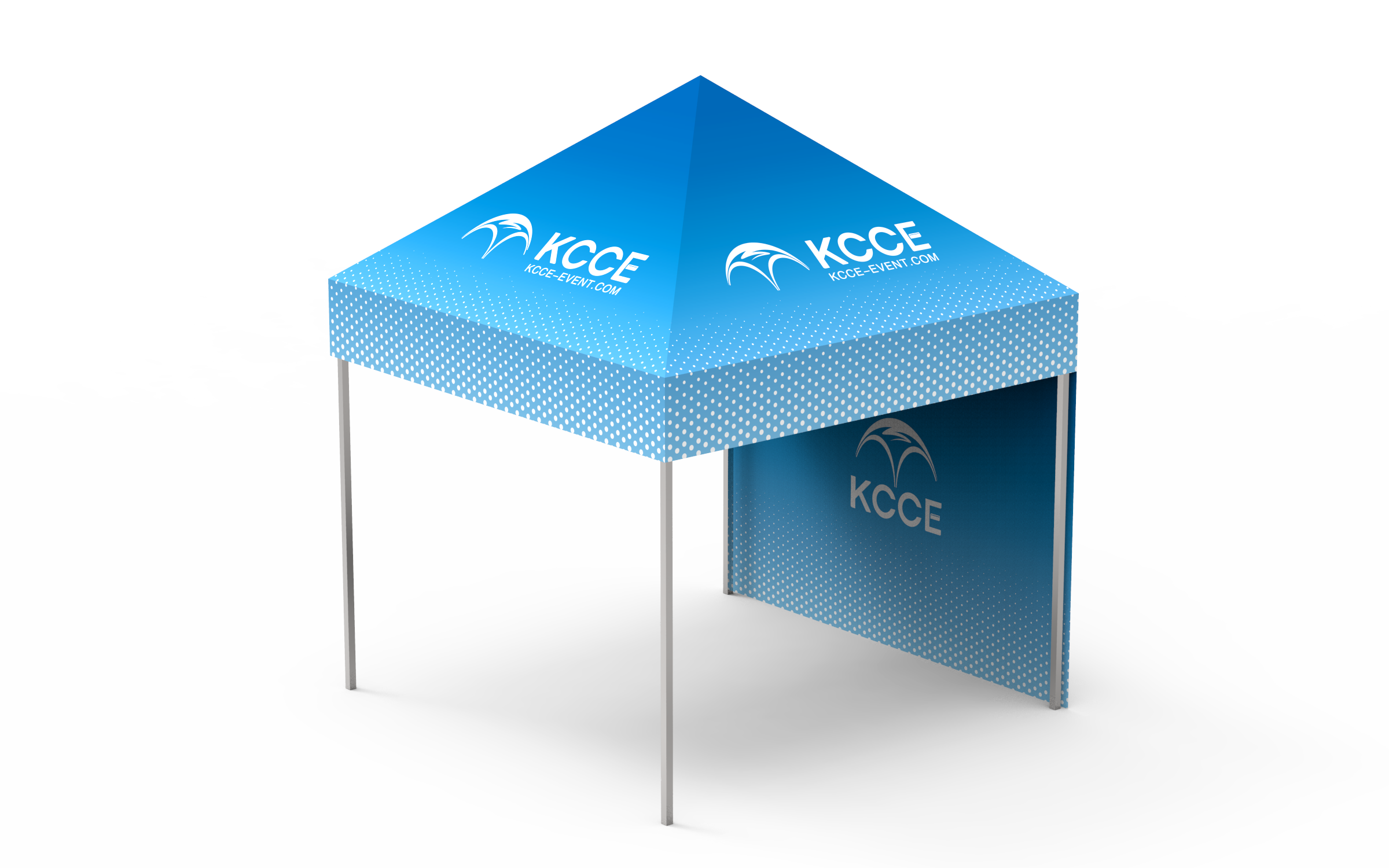
The manufacturer I’ve worked with most, KCCE (Dongguan City Dacheng Outdoor Products Co. Ltd.), builds its inflatable tents and custom inflatable shapes specifically around “world renowned brand logos,” their words, for events, exhibitions, and promotional campaigns where visual impact is the priority. That tells you something about how these products are engineered. The print surface isn’t an afterthought. It’s the point.
And durability matters here. A printed inflatable leg or wall that survives a full season of setups and teardowns keeps earning impressions long after the invoice is paid. That reusability angle is the one most buyers underweight. You’re not buying a one-weekend sign. You’re buying a branded asset.
Setup Speed and Labor Savings on Event Day
This is where the conversation usually turns. In social threads, inflatable tent owners keep saying the same thing: “goes up so quickly.” That’s not marketing copy. That’s the actual user language you see when people compare notes on inflatable event tents versus pole tents.
Compare that to a frame tent, which typically needs multiple people on the frame, the canopy, and the anchoring. A pop-up is faster than a frame but still demands a coordinated push and often two people to avoid twisting the scissor mechanism.
Now do the math on crew size and hourly labor. If your activation calendar has, say, a dozen events a season, shaving setup time and one crew member off each load-in compounds fast. I’ve seen programs where the labor line item quietly became the biggest cost after the tent itself. Speed isn’t a nice-to-have. It’s a budget lever.
One honest caveat: inflatables need air. You’ll want a pump on site, and some users flag that as a logistics item to plan for. It’s real, but it’s a checklist item, not a dealbreaker.
Portability and Storage Without the Logistics Headache
Let’s address the pushback head-on, because it’s the most common one I hear: “aren’t inflatables bulky and heavy?”
Yes. Deflated inflatable fabric is heavier and thicker than a basic pop-up canopy, and users do call this out. But here’s the nuance people miss. Bulky in transit is not the same as bulky in storage. A deflated inflatable promotional tent packs down into a compact bag that stacks on a shelf or fits in a van corner. Compare that to storing rigid aluminum frame sections, which don’t compress at all and eat warehouse space year-round.
For repeat-event programs, the brands doing the same roadshow circuit month after month, storage footprint is a real cost. Warehouse space isn’t free. If you’re running a multi-city activation, the ability to pack several tents into one vehicle load changes your transport plan, not just your storage bill.
The realistic guidance from long-term users: this is a car-camping-style logistics profile, not a backpacking one. Plan for the pump, plan for the bag, and you’re fine.
Cost-Per-Impression: Why the ROI Math Favors Inflatable
Let’s talk numbers logic rather than invented statistics, because I won’t hand you a fake percentage. The cost-per-impression case for promotional inflatable tents rests on three real levers:
- Reuse cycles. A durable printed inflatable can serve event after event. Every additional use divides the original cost across more impressions.
- Full-surface branding. More printable area per tent means more logo exposure per event. The same spend buys a bigger visual footprint.
- Lower per-event labor. Fewer crew hours per setup directly reduces the cost side of the equation.
Stack those three and the per-impression cost drops with every event on the calendar. A frame tent with a valance logo simply can’t match the printable area, and a pop-up can’t match the durability story over years of use.
You might be wondering about the durability evidence beyond first impressions. That’s a fair question, and it’s exactly the gap in most online reviews. My advice: ask your supplier directly for material specs and warranty terms, and treat long-term reliability as a vetting criterion, not an assumption. (More on that in the supplier section.)
Inflatable vs. Pop-Up vs. Frame: Which Fits Your Activation?
This is the decision matrix I’d actually use. Forget generic feature lists. Match the tent to the scenario.
Trade shows and indoor exhibitions: Inflatable wins on visual impact and full-surface branding. The trade show tent category exists precisely for this. KCCE lists trade show tents and inflatable event tents as core product lines. Setup speed matters on a show floor with tight move-in windows.
Outdoor festivals and roadshows: This is the inflatable’s home turf. KCCE’s catalog includes an inflatable gazebo tent built for outdoor promotional events and roadshows. You get weather-ready fabric and a big branded presence.
Retail pop-ups and short activations: Here it’s closer. A pop-up tent is cheap and fast for a single weekend. But if you’re running the same retail activation across multiple locations, the inflatable vs pop-up tents comparison tilts toward inflatable on reuse and branding area.
Long-stay or multi-day setups: Inflatables hold up well and stay stable once anchored. Users specifically praise stability as a reason they switched.
So the honest answer to “which should you choose, a pop-up tent or an inflatable tent?” is this: pop-up for one-off, low-budget, short-duration needs; inflatable for repeat programs where branding and durability compound.
Weather, Safety, and Material Durability
I won’t quote you a wind rating I can’t verify, so here’s the practitioner’s version instead. Outdoor inflatable tents are engineered with thicker, heavier fabric than basic canopies, and users consistently note the material is more substantial. That thickness is a durability advantage, but it also means proper anchoring is non-negotiable.
A safety checklist I’d insist on for any outdoor event:
- Anchor points: use every provided anchor point, and weight them properly. Inflatables are stable, but they’re still large sail area.
- Pump and pressure: bring a reliable pump and inflate to the manufacturer’s specified pressure. Under-inflation hurts stability, over-inflation stresses seams.
- Weather window: monitor wind forecasts and have a deflate plan if conditions turn.
- Material spec: confirm the fabric and seam construction with your supplier in writing.
On the durability question that social users keep raising, how do they hold up over years, the answer depends heavily on material quality and how you store and handle them. That’s why the next two sections matter so much.
Customization Options: Sizes, Shapes, and Branding Extras
This is where inflatables genuinely outclass rigid tents. KCCE’s range covers inflatable tents in multiple models, including X6, XII, XL-A, XL-B, AI, AII, F, N, U, VI, VII, and X, plus the XIC, and every one is custom-manufacturable: OEM/ODM, custom size, custom color, custom logo printing.
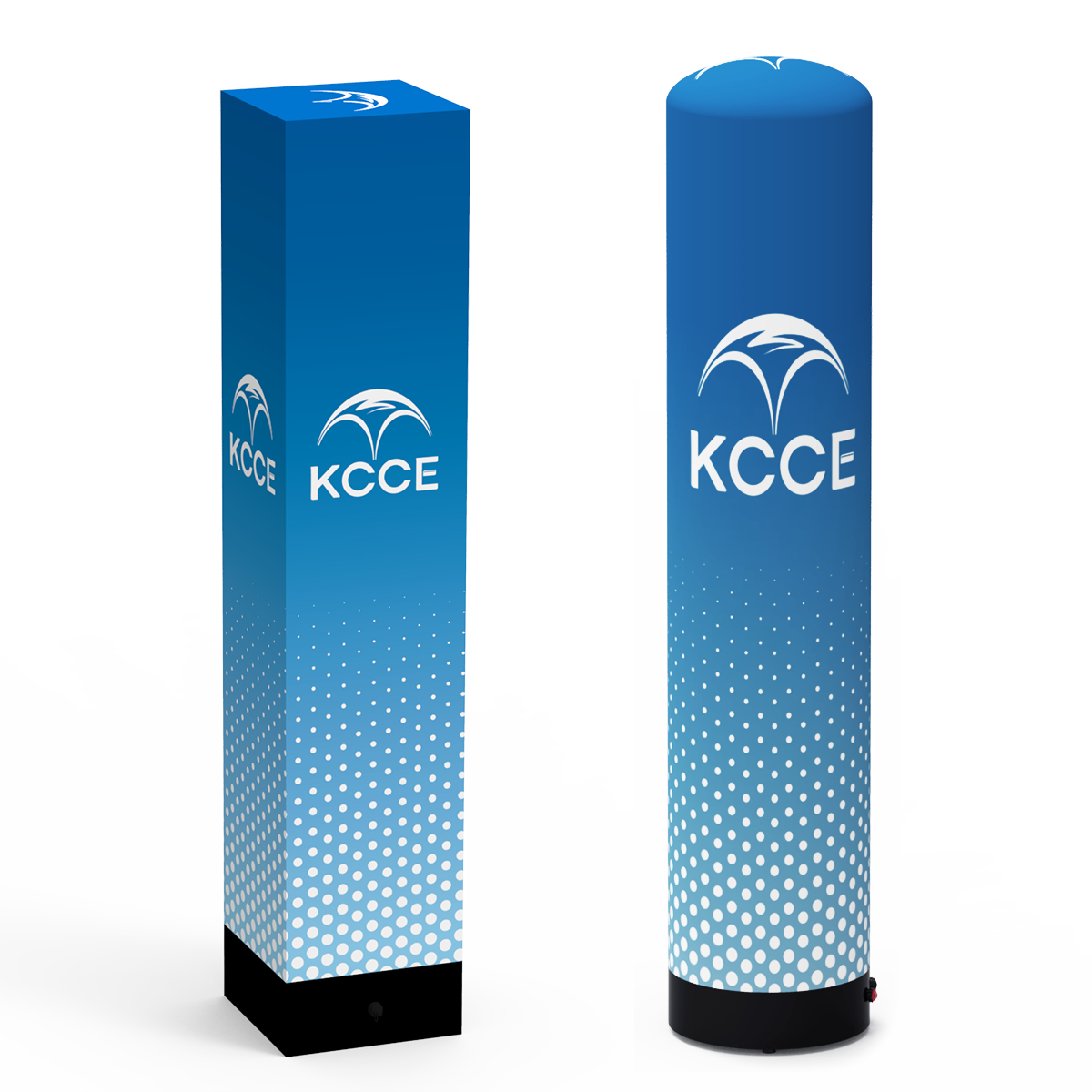
That means you’re not picking from a fixed catalog of three sizes. You’re specifying. Want a shape that matches your brand mark? Custom inflatable tents can be built as custom shapes, not just rectangles. Need matching branded furniture for the interior, like a bar counter, sofa, or table? KCCE’s catalog includes airtight inflatable furniture with TPU bladders designed for outdoor events, so the whole activation can carry one visual language.
Spec questions to ask any supplier:
- What’s the printable area per wall and per roof?
- What fabric weight and seam type do you use?
- Can you produce a custom shape, or only standard models?
- What’s the minimum order quantity? (KCCE lists 1-piece MOQ on several products, which is friendly for pilot programs.)
- What accessories ship with it: pump, bag, repair kit, anchors?
How to Choose the Right Promotional Inflatable Tent Supplier
Honestly, this is where most programs succeed or fail. The tent is only as good as the factory behind it. When you’re vetting a supplier for promotional inflatable tents, here’s my checklist:
- Lead time and capacity. Ask for a real production schedule, not a sales estimate. A factory with dedicated R&D and international sales divisions, like KCCE, has the infrastructure to hit dates, but confirm anyway.
- Print quality proof. Never approve a full run without a physical sample print proof. Colors on fabric behave differently than on screen.
- Warranty terms. Get seam and fabric warranty in writing. This is your hedge against the durability question.
- Compliance and safety. KCCE states a commitment to reliable, safe, and internationally compliant solutions. Ask any supplier to document what standards they meet.
- Communication. A supplier with an experienced international sales team will catch spec errors before they become production errors.
The brands I’ve seen get burned skipped the sample proof or the warranty conversation. Don’t be them.
Sonuç
Promotional inflatable tents aren’t the right call for every single activation. But for repeat-event programs where branding area, setup speed, and reuse ROI compound, they’re hard to beat. Request specs and a physical sample print proof before you order, and make the supplier prove their durability claims rather than assume them.
Sıkça Sorulan Sorular
Q: Are promotional inflatable tents worth the investment for a small brand?
A: Yes, especially if you run more than a couple of events a year. With full-surface logo printing and reuse across multiple activations, the cost-per-impression drops with each event. Many suppliers, including KCCE, offer low minimum order quantities, so a single custom tent is a realistic starting point for smaller brands testing the format.
Q: How long does setup actually take compared to a frame tent?
A: Users consistently describe inflatable event tents as going up very quickly, and the process is simpler than a frame tent’s multi-part assembly. You’ll need a pump and proper anchoring, but the crew size and time per setup are typically lower than frame builds, which is where the labor savings come from over a season.
Q: Can one person set up an inflatable tent alone?
A: In many cases, yes. This is one of the format’s real strengths, and solo setup is a common user question. A single person can typically manage inflation and basic positioning, though anchoring and final checks are faster and safer with a second set of hands, especially outdoors.
Q: How do inflatable tents hold up over multiple years of use?
A: Durability depends on fabric weight, seam construction, and how you store and handle the tent. Users note the material is thicker and more substantial than basic canopies, which helps. Ask your supplier for written warranty terms and material specs. Long-term reliability should be verified, not assumed.
Q: Are inflatable tents bulky and hard to transport?
A: Deflated inflatable fabric is heavier than a basic pop-up canopy, and you need to bring a pump. But packed size is compact and stacks well, which makes storage easier than rigid frame sections. For car-based event logistics and repeat programs, it’s a manageable profile.
Q: What sizes and custom options are available?
A: Custom inflatable tents can be built to your size, color, and logo requirements, and many suppliers offer OEM/ODM with custom shapes. KCCE’s range spans multiple tent models plus matching branded furniture, so you can build a coordinated activation rather than a single tent.
Q: How do I choose between inflatable, pop-up, and frame tents?
A: Match the tent to the scenario. Pop-up for one-off, budget, short-duration needs; frame for basic shelter with light branding; inflatable for repeat programs where full-surface branding, setup speed, and reuse ROI matter most. Trade shows, festivals, and roadshows are the inflatable’s strongest use cases.
Q: What should I ask a supplier before ordering?
A: Ask for lead time, written warranty terms, fabric and seam specs, printable area per panel, minimum order quantity, and a physical sample print proof. Confirm anchoring accessories and pump inclusion. A supplier that documents all of this, and communicates clearly, is the one worth your PO.
Referanslar
1. KCCE Inflatable — Dongguan City Dacheng Outdoor Products Co. Ltd. – kcceinflatable.en.made-in-china.com
2. KCCE Product Catalog (derived from official manuals) – kcce-event.com
3. Fact Sheet #28F: Reasons that Workers May Take Leave under the Family and Medical Leave Act – dol.gov
4. Termination Reasons — SEVIS Help Hub – studyinthestates.dhs.gov
5. The Top 10 Reasons to Be a Librarian – ala.org