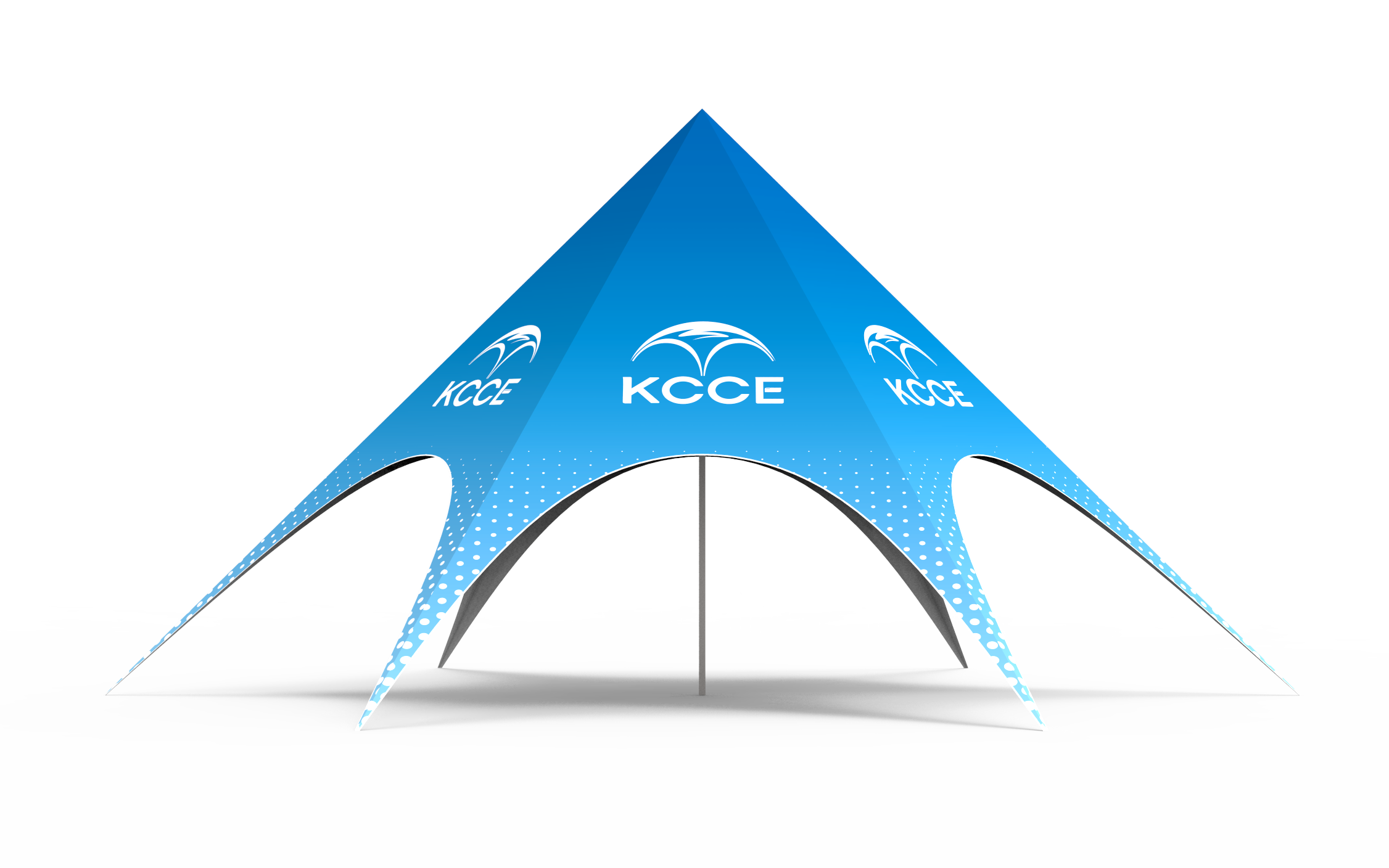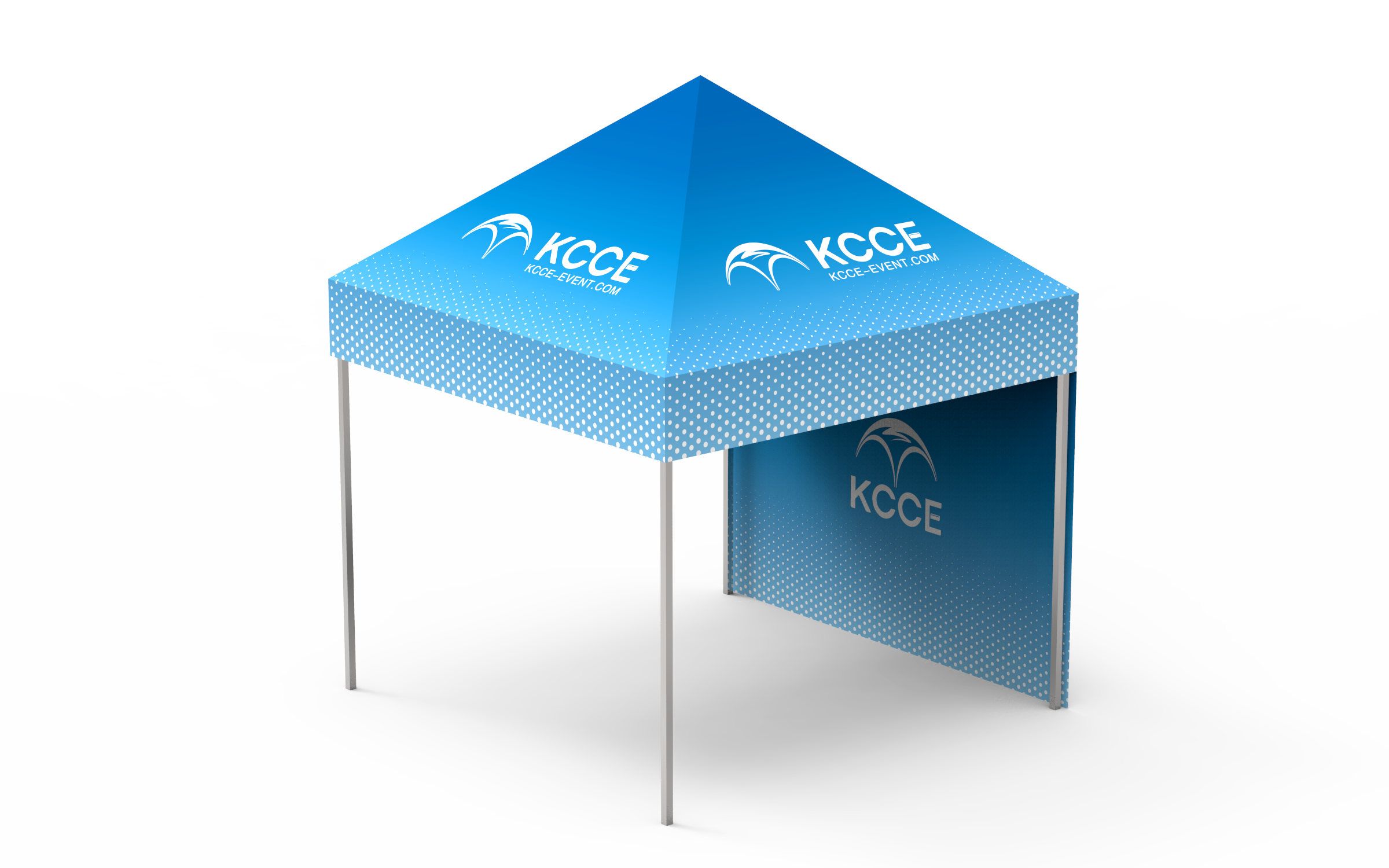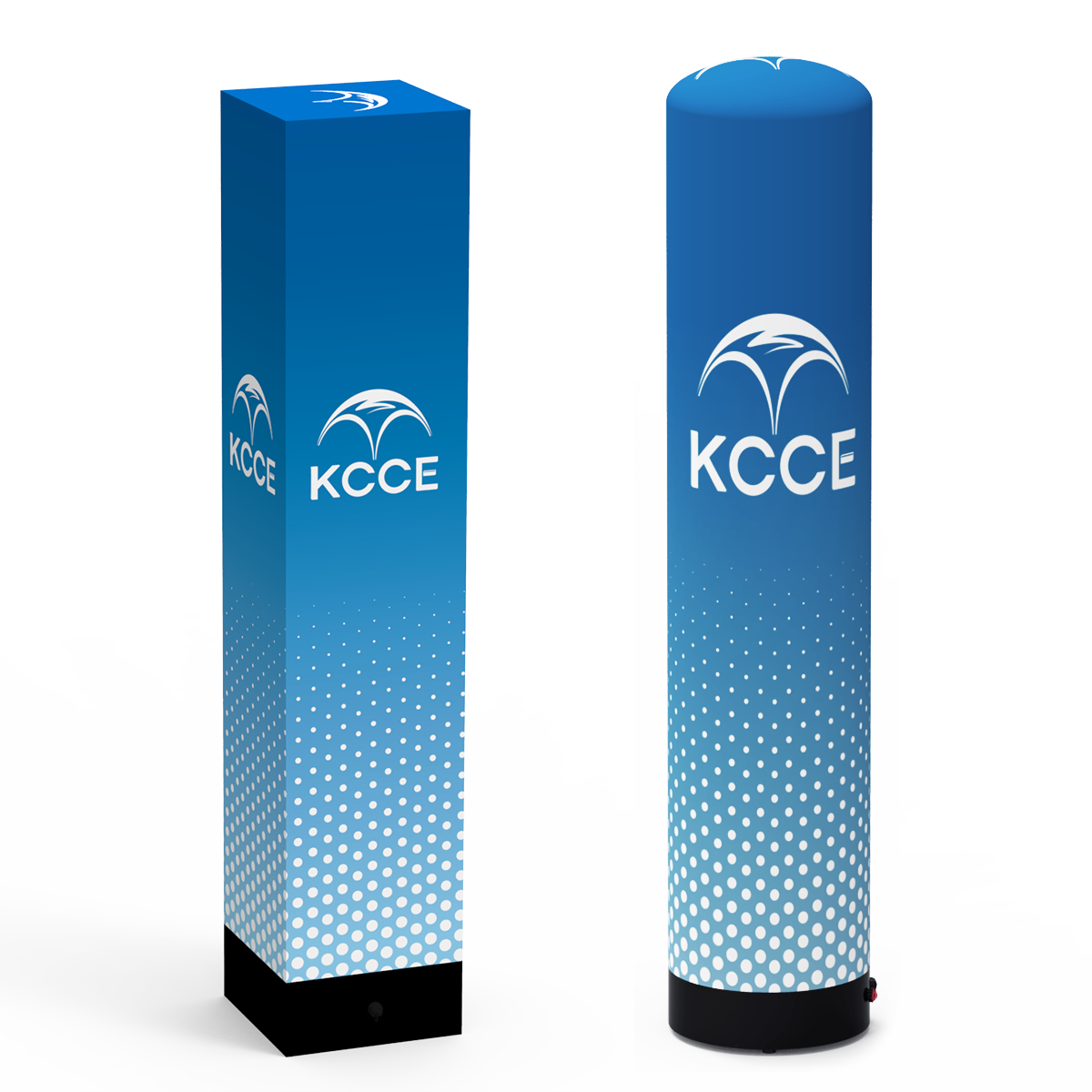
Anyone who’s ever sourced event equipment knows how this goes. You get a quote from a custom inflatable tent manufacturer, and the price looks almost too good to be true. Then the shipping costs hit you. Or the minimum order quantity is double what you expected. Or the “factory” turns out to be a trading company with a decent-looking website.
I’ve spent years on the factory floor side of this industry. I’ve sat in rooms where buyers walked into negotiations with assumptions that were just… off. And I’ve watched resellers slap 40% markups on products while offering zero accountability. This guide exists to cut through that noise.
We’re going to dig into what actually matters when you’re vetting a custom inflatable tent manufacturer—not the marketing fluff, not the stock photos. I’m talking material specs, welding techniques, cost drivers, and the audit questions that separate real factories from middlemen. Because here’s the truth: you’re not buying a tent. You’re buying a promise that it won’t collapse on your client’s VIP guests.
Hızlı Cevap
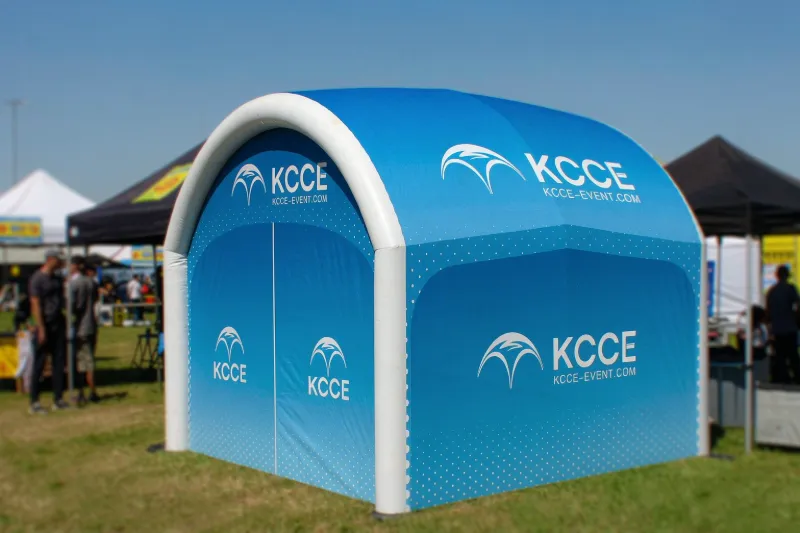
A custom inflatable tent manufacturer is a factory that designs, engineers, and produces inflatable structures to your exact specifications—branding, dimensions, materials, and wind-load ratings—rather than selling you off-the-shelf products from someone else’s catalog.
Why “Custom” Actually Matters
Let me start with a story. A few years back, a dealership client came to us with a problem. They’d bought a “custom” inflatable tent from a reseller—paid a premium, got a tent with their logo printed on the side. Sounded custom, right? Except the tent was a standard 6×3 meter arch with a logo slapped on. It didn’t fit their display area. The wind load rating was nowhere near what their region required. And when the printing started peeling after three months, the reseller stopped answering emails.
That’s the difference between “custom” as a buzzword and custom as an engineering process.
When you work with a genuine custom inflatable tent manufacturer, you’re not picking from a catalog. You’re specifying:
- Dimensions that fit your actual space — not just standard sizes
- Branding that’s integrated into the design — not printed as an afterthought
- Wind load ratings that match your local climate — not a generic “suitable for outdoor use”
- Material choices that suit your application — event, industrial, emergency, or permanent installation
Here’s the thing about wind load. Most buyers don’t think about it until the tent is already on site and a storm front rolls in. But wind load isn’t just about the fabric. It’s about the shape. The anchoring system. The air pressure maintained by the blower. The seam construction. A tent rated for 40 mph winds might be perfect for a summer festival in Ohio but completely unsuitable for a coastal event in Florida.
And odd dimensions? That’s where most resellers hit a wall. They can’t modify the molds. They can’t adjust the pattern. They’re stuck with whatever their supplier offers. A real factory, on the other hand, can take your rough sketch, turn it into a CAD model, then a prototype, then a full production run. That’s the value of working with an actual manufacturer instead of a middleman.
The other thing that matters—maybe more than you’d think—is the printing. Custom branding on an inflatable tent isn’t just about aesthetics. It’s about durability. Dye-sublimation printing, the industry standard for high-quality inflatable products, requires the print to be integrated into the fabric before welding. If a reseller is printing on finished products, the ink is sitting on the surface, and it will crack, fade, and peel. A factory that does in-house printing controls the entire process from fabric to finished product.
Material Specs: Beyond “PVC”
Here’s where things get technical. And honestly, this is where most buyers get lost—and where they end up overpaying or getting subpar products.
When someone says “PVC inflatable tent,” they’re not really saying much. PVC is a category, not a specification. The real questions are:
What’s the GSM (grams per square meter)?
This is the weight of the fabric. For commercial inflatable tents, you’re typically looking at 550 GSM to 900 GSM for the main body. Higher GSM means heavier, more durable fabric. But it also means more expensive, harder to ship, and requires a more powerful blower to maintain pressure. For event tents that get used a few times a year, 550-650 GSM is usually sufficient. For permanent installations or heavy industrial use, you want 750 GSM or higher.
What’s the coating weight?
PVC coating is measured in ounces per square yard. This determines the waterproofing and UV resistance. A coating weight of 14-18 oz is common for commercial-grade inflatable tents. Anything less, and you’re looking at a product that’s going to degrade quickly in direct sunlight.
What’s the weld tear strength?
This measures how well the seams hold under stress. High-frequency welding—the standard for quality inflatable products—uses radio waves to fuse the PVC layers together. The result is a seam that’s actually stronger than the surrounding fabric. But not all welding is created equal. Cheap factories use hot air welding, which is faster but produces weaker seams. If you’re buying a tent that’s going to be inflated for weeks at a time, seam failure is the most likely failure point.
TPU vs. PVC
TPU (thermoplastic polyurethane) is the premium alternative to PVC. It’s lighter, more flexible, and more environmentally friendly—which matters if you’re in a market with strict environmental regulations. But it’s also significantly more expensive. For most event applications, high-quality PVC is the right choice. For military, medical, or other specialized uses, TPU might be worth the premium.
Now, about those “inflatable tent materials” you’ll see advertised. Here’s the honest truth: most of what you see on Chinese e-commerce platforms is 0.4mm PVC coated polyester. It’s fine for basic use. But if you’re buying for commercial applications—where the tent is going to be set up and torn down repeatedly, exposed to sun and rain, and expected to last for years—you need to ask harder questions about the specific fabric construction.
The Customization Process: CAD to Factory Floor
Let me walk you through what actually happens when you commission custom inflatable tents from a real factory. This is the process we use at KCCE, and it’s fairly standard across reputable manufacturers in the industry.
Stage 1: Design and CAD
It starts with a conversation. You tell us what you need—dimensions, shape, branding, application. We translate that into a CAD model. This isn’t just about aesthetics; it’s about engineering. The shape has to be structurally sound. The air channels have to be positioned correctly. The pressure zones have to be calculated so the tent maintains its form.
For complex shapes—say, a custom inflatable dome for sports training or a branded arch for a car dealership—this stage can take days. The CAD model has to account for the pattern pieces, the seam placement, and the air flow dynamics.
Stage 2: Prototyping
Before you commit to a full production run, a reputable custom inflatable tent manufacturer will produce a prototype. This is non-negotiable in my book. The prototype lets you verify the size, the proportions, the print quality, and the overall look. It also lets us test the structural integrity—inflate it, check the seams, measure the actual dimensions against the CAD specs.
Some buyers try to skip this stage to save money. Bad idea. I’ve seen projects where the client approved the CAD design, skipped the prototype, and then discovered during the first event that the tent was 10% smaller than expected because the fabric stretched differently than calculated. That’s an expensive lesson.
Stage 3: Production
Once the prototype is approved, we move to production. The fabric is cut according to the patterns, the printing is applied (for branded tents), and the pieces are welded together using high-frequency welding machines. This is where the tent manufacturing process really matters. High-frequency welding creates a molecular bond between the PVC layers—it’s not just glue holding the seams together.
The welding process also determines the air-tightness. A well-welded tent should hold air pressure for hours without the blower running. That’s not just a convenience feature—it’s a safety feature. If the blower fails during an event, a well-constructed tent will stay up long enough for you to address the issue.
Stage 4: Quality Control
Every tent that leaves the factory should go through a QC process. This includes:
- Air retention test — inflate the tent and measure pressure loss over time
- Seam inspection — visual and tactile check of all weld points
- Print quality check — verifying color accuracy and adhesion
- Zipper and valve functionality — making sure all components work
Now, a quick note about the Air Tight X Tent—this is a product we’ve been making since 2008, and it’s a good example of how far the technology has come. The airtight design keeps water and bugs out, which matters if you’re using the tent for camping or emergency shelter. It’s not the kind of thing you’d use for a festival marquee, but it shows the range of what’s possible with inflatable structures.
Cost Drivers: Why Cheap Quotes Are Red Flags
Alright, let’s talk money. Because this is where most buyers get burned.
The cost of a custom inflatable tent depends on several factors, and if a quote seems suspiciously low, there’s a reason.
Material Cost
This is the biggest driver. Higher GSM fabric costs more. TPU costs more than PVC. Fire-retardant coatings cost more than standard coatings. If you’re getting a quote that’s significantly below the market average, the manufacturer is almost certainly using cheaper materials—and you’ll pay for that in durability.
Tooling and Mold Fees
For truly custom shapes, there’s often a one-time tooling fee. This covers the cost of creating the patterns and, for some products, the molds used in production. A reputable manufacturer will be transparent about these fees. A reseller might hide them in the per-unit price or forget to mention them until later.
MOQ (Minimum Order Quantity)
This varies wildly between manufacturers. Some factories have MOQs of 50 units. Others will do a single custom piece—but you’ll pay a premium for it. If you’re a small business that needs one inflatable tent for a specific event, expect to pay significantly more per unit than a company ordering 100 units.
Shipping and Logistics
This is where the “cheap quote” myth dies. A tent that costs $500 to manufacture might cost $800 to ship, depending on the size and weight. Inflatable tents are bulky. They don’t pack efficiently. If you’re buying from overseas, you need to factor in freight costs, customs fees, and potential delays.
The Real Cost Range
Honestly, I can’t give you a specific price range because it varies so much based on the factors above. But here’s what I can tell you: if a quote for a commercial-grade, custom-branded inflatable tent comes in at less than half of what other manufacturers are quoting, walk away. You’re either getting cheap materials, hidden fees, or a reseller who will disappear when something goes wrong.
There’s also the question of what you’re getting for your money. A cheap tent might use 400 GSM fabric instead of 650 GSM. It might use hot air welding instead of high-frequency welding. It might have a blower that’s undersized for the tent’s volume. None of these things are visible in a product photo. But they’re all visible in the field, when the tent starts leaking air or the seams start to split.
Lead Times & Logistics: The Hidden Timeline
Here’s a question I get all the time: “How long does it take to manufacture a custom inflatable tent?”
The honest answer: it depends. But let me give you some realistic expectations.
Standard Production: 2-4 Weeks
For a standard design with minor customizations (logo printing, color changes), most factories need 2-4 weeks for production. This includes material sourcing, cutting, printing, welding, and QC.
Custom Design Production: 4-8 Weeks
For a truly custom inflatable tent manufacturer project—new shape, new dimensions, new structural requirements—you’re looking at 4-8 weeks. This includes the design phase, prototyping, revisions, and then production.
Shipping: 1-4 Weeks
This depends on your location and the shipping method. Air freight is faster but more expensive. Sea freight is cheaper but slower. For bulky inflatable tents, sea freight is usually the only practical option for large orders.
The Hidden Timeline Problem
Here’s what most buyers don’t plan for: the back-and-forth. You send the factory your requirements. They send back a CAD model. You review it. You have feedback. They revise. This process can take weeks if you’re not responsive.
And then there’s the QC issue. If the factory does its job properly, it will flag issues during production—a print that didn’t come out right, a seam that failed inspection. That means delays. A reputable factory will tell you about these delays upfront. A bad one will ship the product anyway and hope you don’t notice.
My Advice on Timeline
Start your project early. If you need a tent for an event in June, you should be talking to manufacturers in February or March. This gives you time for design revisions, prototyping, production, and shipping—without rushing. Rushed projects lead to mistakes, and mistakes in inflatable structures can be dangerous.
Reseller vs. Real Factory: 5 Audit Questions
You might be wondering: how do I know if I’m dealing with a real factory or a reseller? It’s a fair question. The internet makes it easy for anyone to look legitimate.
Here are five questions I’d ask any potential inflatable tent supplier before committing to a project:
1. Can you show me a video of your welding process?
High-frequency welding is the backbone of quality inflatable tent manufacturing. If a supplier can’t show you their welding floor—or worse, can’t tell you what type of welding they use—that’s a red flag.
2. Can you provide material certifications?
Reputable manufacturers have material certifications for their PVC and TPU fabrics. These might include fire retardancy certifications, UV resistance ratings, and environmental compliance documents. If a supplier can’t produce these, they’re likely buying from a third party and don’t know what’s actually in the material.
3. What’s your air retention testing process?
A quality tent should lose less than 5% of its air pressure over 12 hours. If the supplier can’t tell you their testing protocol, they’re not testing.
4. Can I visit the factory?
This is the ultimate test. A real factory will welcome your visit. They’ll show you the floor, introduce you to the production manager, and walk you through the process. A reseller will make excuses.
5. What happens if the product fails?
Ask about their warranty and after-sales support. A factory that stands behind its products will offer a warranty—typically 1-2 years for commercial inflatable tents. A reseller will deflect this question.
Now, I’m biased here, but I’ll say it anyway: working with a company that has its own factory floor makes a difference. For example, Dongguan Dacheng Outdoor Products has been in this business for over a decade, and the founder’s story is a good example of what it takes to build a real manufacturing operation—from design to production to quality control. That’s the kind of institutional knowledge that protects you as a buyer.
Quality Assurance: Standards That Protect You
Let’s talk about quality standards. Because “quality” is another one of those words that gets thrown around without meaning much.
For commercial inflatable tents, there are a few key standards that matter:
Air Retention
The tent should hold air pressure within acceptable parameters over a set period. Industry standard is around 12 hours with minimal pressure loss. This is tested by inflating the tent, disconnecting the blower, and measuring pressure decay.
Seam Pressure Ratings
The welded seams need to withstand the internal air pressure without separating. High-frequency welded seams, when done properly, are actually stronger than the surrounding fabric. But this depends on the welding parameters—temperature, pressure, and duration.
UV Resistance
PVC degrades in sunlight. A quality coating will include UV inhibitors that slow this degradation. For tents that will be used outdoors regularly, you want a fabric that’s rated for UV exposure.
Fire Retardancy
This is non-negotiable for event applications. Most commercial inflatable tents use PVC that meets fire retardancy standards. If you’re buying from overseas, make sure the certifications are recognized in your country.
The Testing That Actually Happens
Here’s the thing about quality assurance: it’s only as good as the testing protocol. A factory that claims to do quality control but can’t describe its testing process is probably not doing much testing.
At a minimum, you want a factory that:
- Tests air retention on every unit before shipping
- Inspects all seams visually and tactile
- Tests zippers and valves
- Checks print quality against approved proofs
- Documents the QC process with photos or videos
The Lifespan Question: What Should You Expect?
“How long will my inflatable tent last?” is one of the most common questions I hear. And the answer, like most things in this industry, is: it depends.
For a commercial-grade inflatable tent made with quality PVC and high-frequency welding, you should expect 3-5 years of regular use. “Regular use” means setup and teardown multiple times per year, exposure to sun and weather, and proper storage between events.
For tents that are installed semi-permanently—like a custom inflatable dome for sports training—the lifespan can be longer, but you’ll need to address wear and tear on a different timeline. UV exposure is the main enemy. Even with UV inhibitors in the coating, prolonged sun exposure will eventually degrade the PVC.
Maintenance That Extends Lifespan
Here’s what most buyers don’t realize: maintenance is the single biggest factor in tent longevity. A tent that’s cleaned properly, stored dry, and inspected regularly will outlast a tent that’s treated like a disposable product.
- Clean after each use — especially if the tent has been exposed to dust, sand, or salt water
- Dry completely before storage — mold and mildew will destroy PVC fabric
- Store in a cool, dry place — heat accelerates PVC degradation
- Inspect seams and zippers before each event — catch small issues before they become big ones
Air Tent vs. Pole Tent: The Comparison That Matters
You might be wondering: why choose an inflatable tent at all? What about traditional pole tents?
It’s a fair question. Pole tents have been around for centuries for a reason. They’re proven, they’re stable, and they’re relatively inexpensive. But inflatable tents offer some significant advantages:
Kurulum Süresi
This is the big one. An inflatable tent can be set up in minutes—inflate the air beams, anchor the tent, and you’re done. A pole tent requires multiple people, significant time, and careful assembly. For events where setup time matters—and it always matters—inflatable is the clear winner.
Taşınabilirlik
Inflatable tents pack down significantly smaller than pole tents with equivalent coverage. The air beams deflate and fold flat. This matters for shipping costs and for storage.
Structural Flexibility
Air beams can be shaped in ways that poles can’t. This opens up design possibilities—curved walls, domed roofs, unusual geometries—that are difficult or impossible with rigid poles.
The Trade-Off
The downside of inflatable tents is that they require a blower to maintain pressure. If the blower fails, the tent collapses. This is why redundancy is important—quality inflatable tents have backup blowers and pressure monitoring systems.
For most event applications, inflatable tents are the right choice. For permanent installations, the calculus might be different—but that’s a conversation for another article.
Choosing Your Custom Inflatable Tent Manufacturer: Final Thoughts
Let me bring this back to where we started. The fear that most buyers have—the fear of overpaying, of getting a subpar product, of being burned by a reseller—that fear is justified. This industry has its share of bad actors.
But here’s the thing: the solution isn’t to avoid the industry. It’s to vet your supplier properly. Ask the hard questions. Demand evidence. Visit the factory if you can. And remember that the cheapest quote is rarely the best deal.
When you’re evaluating a custom inflatable tent manufacturer, you’re not just buying a product. You’re buying a partnership. You’re buying the assurance that when your tent is set up in front of a thousand people, it will do its job. That’s worth paying for.
And if you’re looking for a starting point, our inflatable tents page has a range of options that show what’s possible with custom inflatable structures. We’ve been doing this since 2008, and we’ve learned a thing or two about what works and what doesn’t.
Would you buy a parachute from a reseller? No. You’d want to know exactly where it was made, what materials were used, and who tested it. The same logic applies to inflatable tents—especially when they’re holding up a structure over people’s heads.
Sıkça Sorulan Sorular
Q: How much does a custom inflatable tent cost?
A: The cost varies significantly based on size, materials, and complexity. A basic custom-branded event tent will cost less than a large multi-chamber inflatable dome. The best approach is to request a detailed quote from multiple manufacturers, specifying your exact requirements, and compare not just the price but the material specs and MOQ terms.
Q: Can inflatable tents be customized for extreme weather conditions?
A: Yes, but it requires specific engineering. Wind load ratings depend on the tent’s shape, anchoring system, and air pressure. For high-wind areas, you’ll need reinforced anchoring points, potentially higher GSM fabric, and a blower system with sufficient capacity. Snow load is a different calculation—the roof angle and material stiffness matter most.
Q: What materials are used in commercial inflatable tents?
A: The standard is PVC-coated polyester, typically 550-900 GSM depending on the application. Higher-end products might use TPU for lighter weight and better environmental credentials. The coating weight, measured in ounces per square yard, determines waterproofing and UV resistance.
Q: How long does it take to manufacture a custom inflatable tent?
A: For standard designs with minor customizations, expect 2-4 weeks of production time. For fully custom designs, add 2-4 weeks for design, prototyping, and revisions. Shipping adds another 1-4 weeks depending on your location and freight method.
Q: What is the lifespan of a commercial inflatable tent?
A: With proper maintenance, a quality commercial inflatable tent should last 3-5 years of regular use. The main factors affecting lifespan are UV exposure, storage conditions, and how carefully the tent is handled during setup and teardown.
Q: Are inflatable tents safe for permanent installation?
A: Yes, but they require more planning. You’ll need a continuous blower system with backup power, pressure monitoring, and regular structural inspections. The tent fabric will degrade over time due to UV exposure, so you’ll need to plan for periodic replacement.
Q: What’s the difference between a reseller and a manufacturer?
A: A manufacturer designs and produces the tents in its own facility, controlling material quality, welding, and testing. A reseller buys from a manufacturer and adds a markup—sometimes 40% or more—without adding value. Working directly with a manufacturer gives you better pricing and more control over the customization process.
Q: What should I look for when auditing an inflatable tent factory?
A: Ask for videos of the welding process, material certifications, and details about their air retention testing protocol. A legitimate factory will be transparent about its processes and welcome questions about quality control. If a supplier can’t answer basic technical questions, that’s a red flag.