How to Secure Tents in Wind? Imagine waking up smack in the middle of a storm, your tent flapping wildly as if fighting for its life, and those stakes you hammered in? Pulled loose. It’s the sort of nightmare any outdoor lover wants to avoid. If you spend time camping or backpacking, knowing how to secure your tent against the wind isn’t just a handy tip—it’s basically survival 101. I’m going to share some real, practical ways to keep your shelter standing tall even when the weather decides to go rogue. Doesn’t matter if you’re a weekend warrior or gearing up for your first trip—these tricks can save your gear and your sanity.
How Wind Really Messes with Your Tent
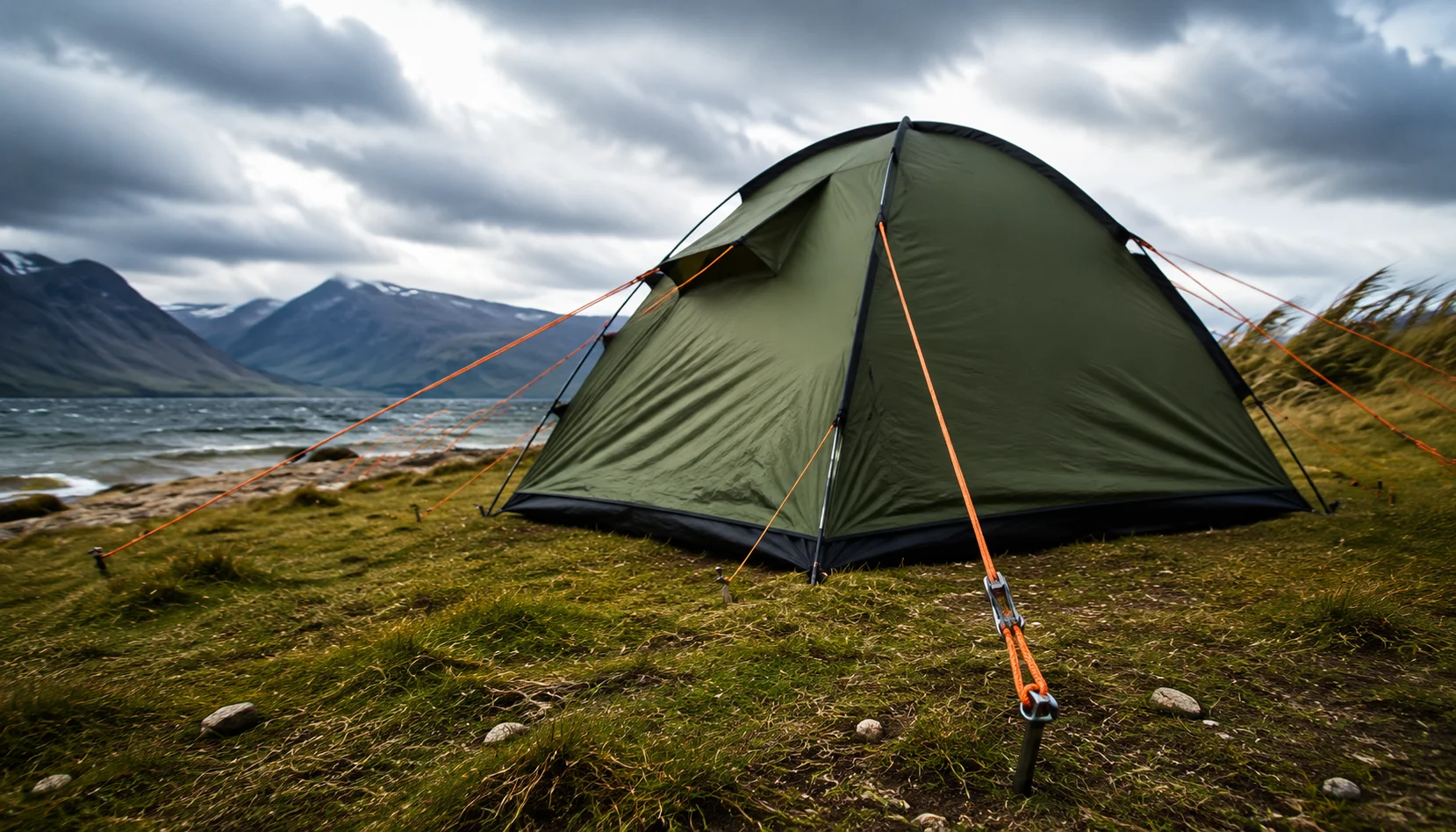
You might think wind’s just a breeze, but trust me, I’ve seen firsthand what happens when it gets feisty. When a gust hits a tent, it’s like the tent’s getting lifted, stretched, and pulled all at once. Stakes can pop out of the ground, fabric can tear, and next thing you know? You’re chasing your shelter down the hill. To put it in perspective: wind cruising at 20-30 mph can already shake your tent and make it unsafe. Anything over 40 mph? That’s serious business, and your tent setup instructions better be ready.
You’re probably asking yourself—how do I even gauge wind strength without fancy gear? Nature’s got your back. When leaves rustle and small branches wiggle, you’re looking at about 15-25 mph winds. When whole branches start swinging and dust kicks up, it’s closer to 30 mph. Weather forecasts calling for “gale” mean winds of 34-40 mph, which is when tents need to be top-notch or risk serious damage.
I once skimmed through a Reddit thread titled “How to secure tents in wind” where campers shared horror stories of tents ripped apart by surprise gusts. From what I’ve seen, understanding how wind works on your setup helps prevent those 3 a.m. freak-outs.
Gear Up: Stakes and Anchors That Actually Hold
Here’s the thing—not all stakes are made the same. If you’re pitching on firm dirt, a classic aluminum stake might do the trick. But if you’re on sand, snow, or packed clay? You’ll want gear designed specifically to grab hold. For dealing with wind, longer stakes with hooks or a V-shaped design tend to bite into the ground better and resist being yanked out.
From testing various setups over the years, these five options stand out for their wind resistance:
- V-shaped Steel Stakes: Heavy-duty and perfect for rocky or firm soils—those angles give them serious grip.
- Sand Stakes: Bigger, wider, and longer—built for loose soil or sandy spots, they resist pull-out like champs.
- Nail Stakes: Think giant nails with hooks; great for hammering into hard-packed soil, especially at an angle.
- Screw-in Anchors: These twist right into the earth, offering excellent hold for stormy conditions, though they take a bit more time to set up.
- Heavy-Duty Aluminum Stakes with Cross-bars: A good balance between lightness and extra surface area for solid grip.
Wondering if it’s really worth dropping extra cash on these? Honestly, yes. I’ve seen a group lose their entire camp to gusts because their stakes just weren’t up to snuff. Trust me, investing in solid hardware often saves you from a soggy, collapsing tent scenario.
Some seasoned campers go a step further, pairing ground anchors with tension cables to really lock things down. This technique of using guy lines combined with sturdy hardware can make a huge difference, especially when you’re stuck in an exposed clearing.
How to Anchor Your Tent Against the Wind, Step by Step
Gear won’t do much good if you don’t know how to put it to work. Here’s the routine I swear by and share with friends:
- Choose your spot wisely. Face your tent’s smallest side into the wind. If you can set up near trees or natural windbreaks, even better—but they’re not always an option.
- Drive stakes at about 45 degrees, pointing away from the tent. This angle maximizes grip and reduces the chance they’ll pull out.
- Use guy lines smartly. Attach them to the tent’s reinforced loops, and stake them far enough out so the lines stay taut without slack.
- Double-check your knots. Slip knots won’t cut it. Go for taut-line hitches or similar knots that hold tight but also let you adjust tension easily.
- Tighten gradually. Don’t yank everything super tight right away. Slowly increase tension while making sure stakes stay firm and the tent fabric isn’t getting stressed.
- Add extra anchors if needed. For really gusty conditions, more stakes or even big rocks acting as anchors can make all the difference.
Oh, and here’s a neat detail: many tents have reflective guy lines these days, which makes spotting them at night way easier—you’ll trip less and feel safer stumbling around.
You might hear folks ask, “How to secure tents in wind DIY?” The answer is all about clever use of ropes, stakes, and making do with what’s around. Speaking of which…
When Gear’s Limited: DIY Fixes That Matter
Sometimes, the outdoors throws curveballs—you find yourself without the ideal stakes or face a sudden storm. What then?
A popular trick I’ve seen and tried is using sandbags or stuff sacks filled with dirt or sand. Weighted down over tent corners or guy lines, they add heft and keep things put without fancy gear. You can also pile small rocks on stakes or tuck them inside tent flaps for extra weight.
Got sturdy paracord or cables? Tie them to fixed objects like boulders, buried logs, or even trees if you’re allowed. That extra tension on your guy lines gives your tent a backbone. Some DIY anchors look like:
- Burying thick sticks horizontally near stakes and looping guy lines around them so the soil’s friction holds tight.
- Wrapping cables around nearby trees to anchor tents in open areas—a classic method that’s saved me more than once.
And yes, while tents made for high winds come with tougher fabrics and reinforced points, these simple DIY hacks can do wonders for basic tents caught in stubborn weather.
Tent Shape and Setup Make a Big Difference
Your tent’s design plays a huge part in how well it stands up to wind. inflatable domes-shaped tents have this natural ability to deflect gusts because of their curved surfaces. On the flip side, cabin-style tents with flat vertical walls end up catching way more wind, making them prone to wobble or even damage.
Manufacturers of tents made for serious wind and rain often highlight fabric strength, pole durability, and how stress points are reinforced. Ever noticed those storm flaps that cover zippers? Not just for show—they actually keep heavy rain out and stop wind from sneaking through.
Pitching technique matters too. Too loose, and your tent flaps like mad in the breeze; too tight, and you risk snapping poles when a sudden gust hits. It takes practice, but learning to adjust tension just right makes a tangible difference in comfort and durability.
In my experience, a well-anchored high wind tent can outperform a bigger, flashier tent that’s pitched poorly or rigged with cheap stakes.
What Not to Do: Common Pitfalls to Dodge
From casual campers to seasoned pros, there are some mistakes I keep hearing about that cause tents to blow away or collapse:
- Using too few stakes or guy lines. More points of attachment usually equal better stability.
- Driving stakes straight down instead of at an angle that locks them in tighter.
- Forgetting the soil type. The same stake in sandy beach soil won’t hold like it does in packed earth.
- Ignoring the weather and setting up in obvious wind corridors or exposed spots.
One story that sticks in my mind was a spring storm when a group ignored properly tightening stakes for convenience. Overnight, the wind tore through and knocked down three tents. They saved their gear but barely any sleep!
The fix? Practice your setup regularly, experiment with tension and anchoring points, and even get creative with DIY boosters when needed.
Keep an Eye on the Weather—and Prepare Ahead
Knowing how to tie down a tent is key, but avoiding nasty surprises takes a bit more effort. I always suggest downloading weather apps specializing in local forecasts and wind alerts—some even ping you for sudden gusts.
You might think it’s old-fashioned, but watching how grass bends, trees sway, or even cloud shadows glide can clue you in on wind direction and intensity too.
If you see a storm coming, pre-tension your guy lines—don’t wait for the first gust. Those extra ten minutes of checkups can save hours of frantic repairs or worse.
Camping in wind? Scouting a sheltered spot and choosing the right gear is half the battle. You’ll thank yourself when the skies open up and your tent stays rock solid.
Securing your tent against wind isn’t about luck; it’s about being smart, prepared, and using the right methods. Next time you pack, think about which of these tips you can apply to turn your campsite into a fortress against gusty nights. What’s your go-to strategy when the wind picks up? Maybe it’s time to tweak it a little. After all, a peaceful night under the stars depends on it.
Frequently Asked Questions
Q: Is it safe to trust Reddit tips on securing tents from wind?
A: Reddit’s full of real-world stories and practical advice. While some suggestions vary, many experienced campers share useful tactics for stakes and DIY fixes. Just double-check with trusted sources before trying anything out.
Q: Can I really secure a tent in wind using DIY methods without special gear?
A: Definitely. Weighted bags, rocks, or logs combined with solid knots can hold your tent steady in moderate winds. DIY is your best friend when you’re caught off guard.
Q: Using cables to secure tents—is that too much?
A: Not at all. Strong cables or paracord tied to fixed points add excellent stability, especially in open campsites without natural anchors. Plenty of high wind campers swear by this method.
Q: What makes a high wind tent different from regular ones?
A: They use reinforced poles, tough fabrics, and aerodynamic shapes built to handle gusts better. Investing in one pays off if you camp a lot in wild weather.
Q: How important is getting the best tent for wind and rain?
A: Very. A solid tent design cuts down flapping, keeps water out, and stays put longer. It can turn a miserable night into a comfortable, safe one.
Q: What if there are no trees or natural anchors—how do I secure my tent then?
A: Use the right stakes for your terrain, try burying deadman anchors, build sandbags, or install screw-in anchors. Mixing several methods gives you a strong setup even on exposed ground.