Renting vs Buying Inflatable Advertising Tents
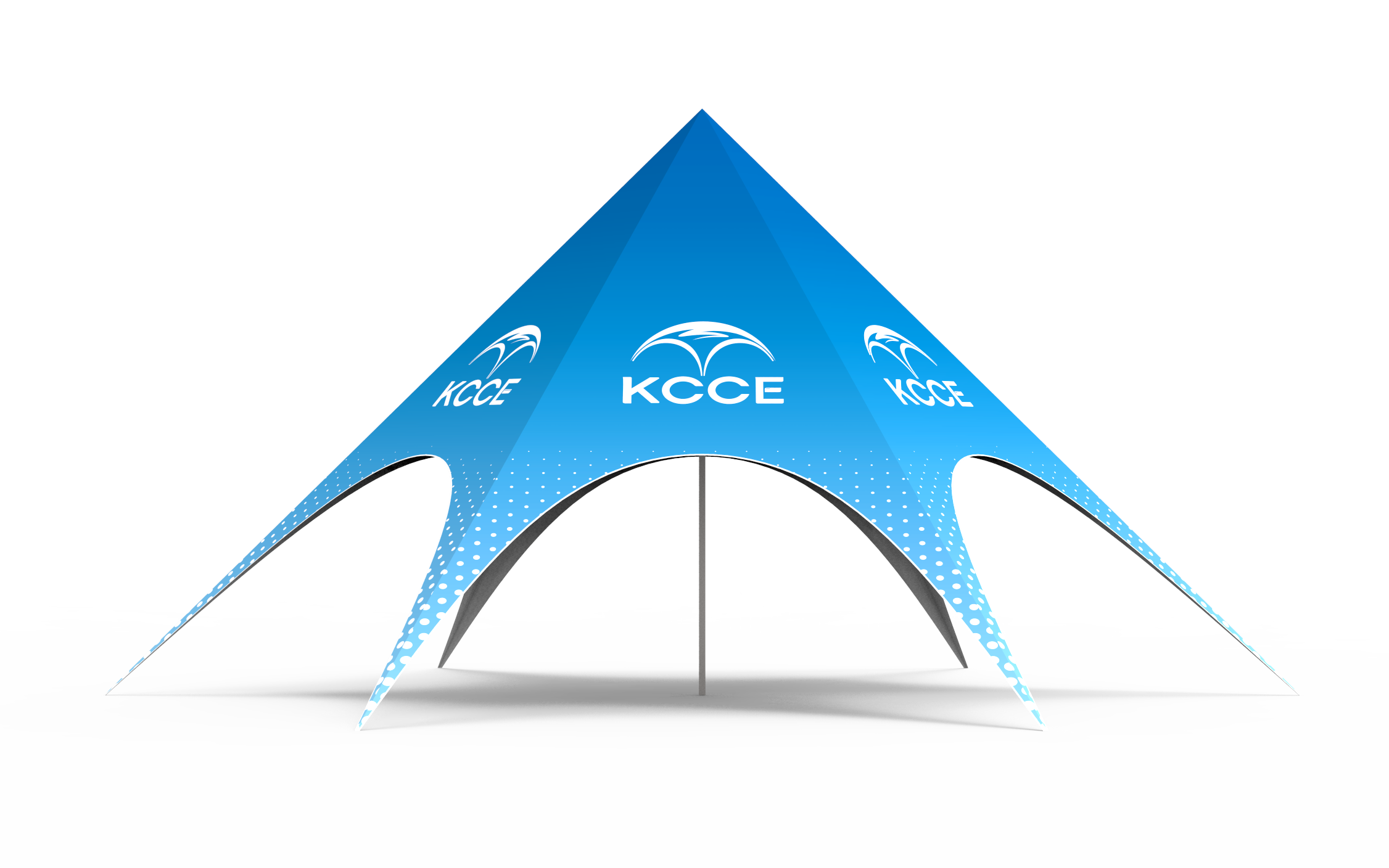
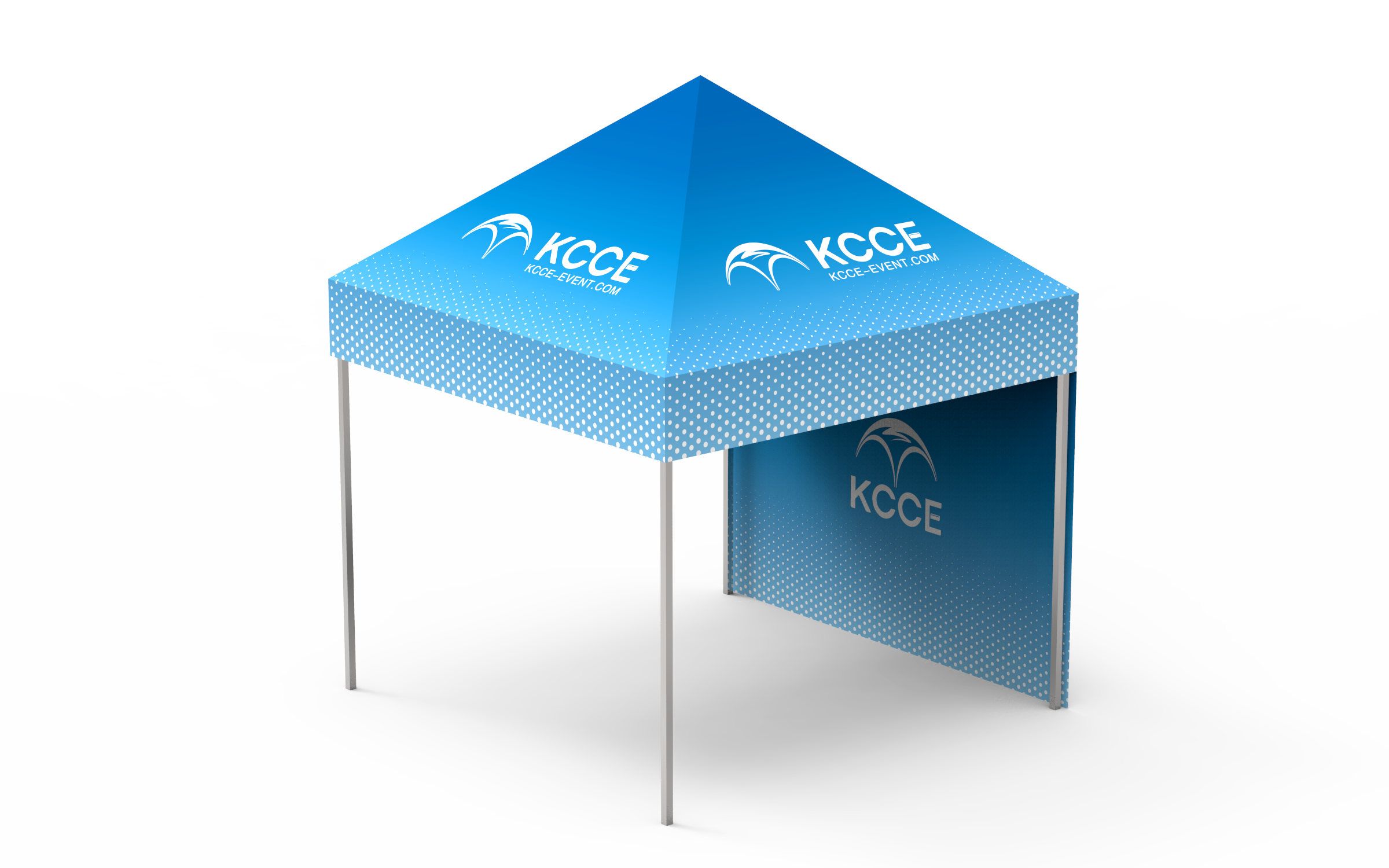
When considering an inflatable advertising tent for your marketing events, the decision between renting and purchasing often depends on several factors. Renting offers flexibility, especially for businesses that only need the tent for occasional events. It eliminates the need for storage space and maintenance, which can be a significant advantage for smaller companies.
On the other hand, buying an inflatable advertising tent might be more cost-effective for businesses that regularly participate in trade shows or outdoor promotions. Ownership allows for unlimited use without recurring rental fees, but it also requires upfront investment and responsibility for repairs and upkeep.
Furthermore, renting provides access to a variety of tent designs and sizes without long-term commitment. This option can be ideal for businesses wanting to test different styles before making a purchase decision.
Key Benefits of Renting Inflatable Advertising Tents
Choosing to rent an inflatable advertising tent can greatly reduce overall expenses related to advertising setups. You avoid the initial high cost and the depreciation that comes with owning a tent. Renting also ensures that you always have access to tents that meet the latest safety and quality standards, as rental companies frequently update their inventory.
Additionally, rental services often include delivery, setup, and takedown, which saves time and resources for your team. This can be especially helpful if your staff lacks the experience or bandwidth to handle these logistics.
If your events vary in location or scale, renting offers the agility to select the most appropriate inflatable advertising tent for each specific need. This adaptability ensures your brand presence is always optimized for the setting and audience.
Things to Consider Before Renting
Before renting an inflatable advertising tent, it’s important to verify the rental company’s reputation and the condition of their tents. Ensure the tent complies with local regulations and is suitable for the intended environment. Weather resistance and material durability should also be evaluated to avoid last-minute issues.
It is also wise to clarify rental terms, including liability for damages, insurance coverage, and cancellation policies. Understanding these details helps prevent unexpected costs and complications during your event planning.
Finally, assess your event schedule and frequency. If you have numerous events lined up, renting multiple times might become cost-prohibitive compared to purchasing. However, for few or one-time events, rental is often the more savvy choice.