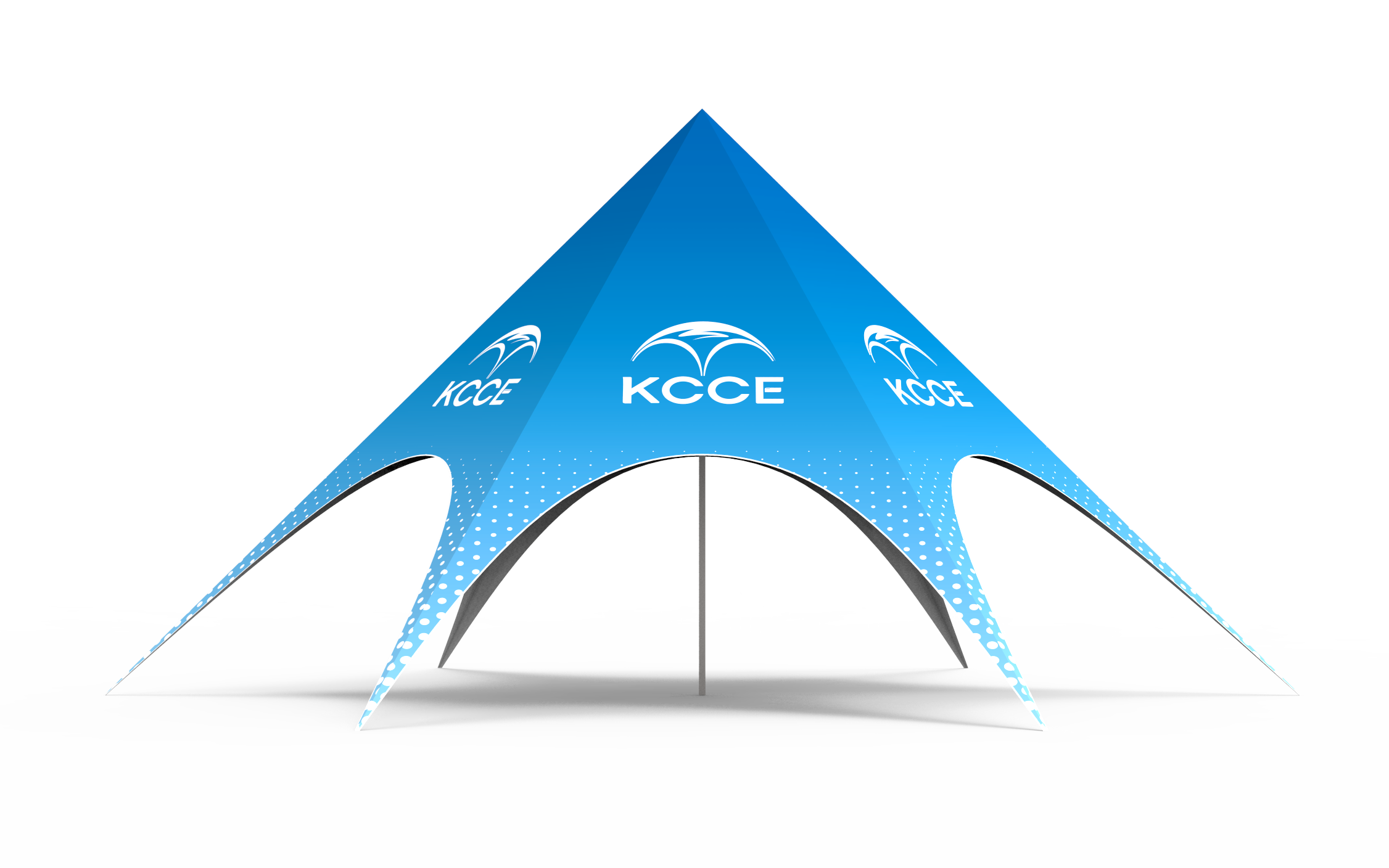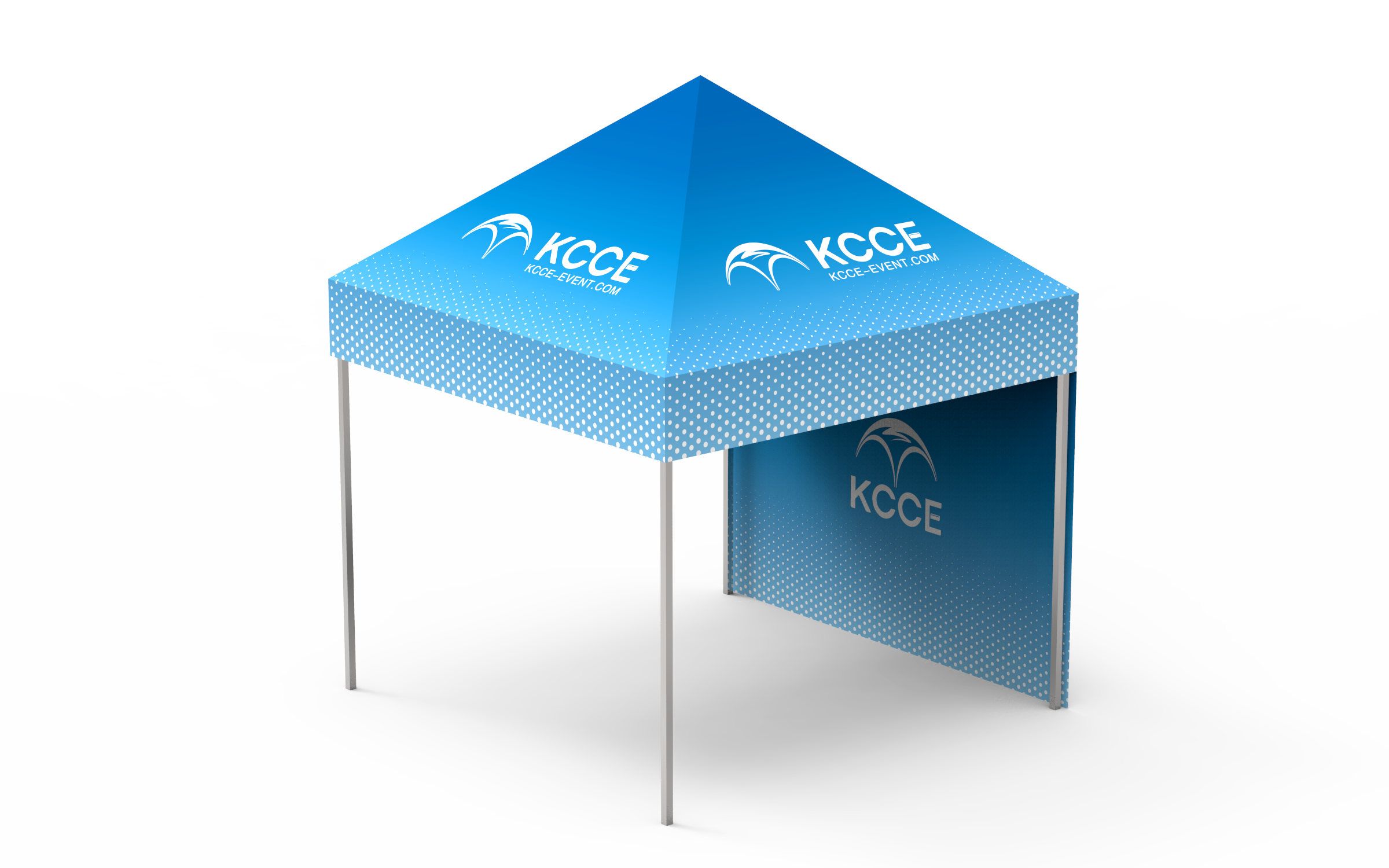
Você investiu $4.000 em uma tenda inflável personalizada tenda para a sua maior feira de negócios do ano. Ela chega amassada, a impressão está descentralizada e o soprador queima no primeiro dia. O que você precisava era de um distribuidor em quem pudesse confiar—não apenas de um site que envie produtos globalmente.
Foi por isso que elaborei este guia. Analisei dezenas de fornecedores, comparei sua presença, faixas de preço e provas reais de clientes para que você não cometa esse erro de $4.000. Ao final, você terá uma lista de distribuidores avaliados, um entendimento claro das opções personalizadas versus padronizadas e as perguntas exatas a fazer antes de assinar um contrato.
O Crescimento das Tendas Publicitárias Infláveis
Sejamos realistas por um momento. O mercado de tendas infláveis não é mais um hobby de nicho. De acordo com um relatório da Credence Research, o mercado global de tendas infláveis foi avaliado em USD 1.207,75 milhões em 2024 e projeta-se que atinja USD 2.175,92 milhões até 2032, crescendo a uma CAGR de 7,72%. Esse crescimento é impulsionado pelos altos gastos com recreação ao ar livre e pela indústria de eventos em expansão. Feiras de negócios, festivais de música, promoções corporativas, inaugurações—tendas publicitárias infláveis estão se tornando o padrão.
Por quê? Porque são rápidas de montar, extremamente chamativas e oferecem uma superfície de branding massiva sem a desordem de postes. Mas aqui está a questão—comprar uma não é tão simples quanto clicar em “adicionar ao carrinho”. Você precisa de um distribuidor que entenda as regulamentações, envie de um armazém local e não desapareça quando o seu soprador falhar.
O problema é que a maioria dos conselhos online é ou uma lista superficial de fabricantes ou um discurso de vendas disfarçado de post de blog. Estou nessa indústria há oito anos. Já vi tendas boas, tendas ruins e tendas que pareciam ter sido projetadas por alguém que nunca esteve em uma feira de negócios. Este guia visa corrigir isso.
O Que Torna um Distribuidor de Tendas Publicitárias Infláveis de Destaque?
Nem toda empresa que vende tendas infláveis se qualifica como um “distribuidor de destaque”. Na minha experiência, as que merecem o seu tempo compartilham algumas características-chave.
Primeiro, elas têm presença física nos EUA ou no Canadá. Isso significa um armazém na Califórnia, Texas, Nova York ou em algum lugar próximo a você. Se você está procurando por “principais distribuidores de tendas publicitárias infláveis perto de mim” ou “principais distribuidores de tendas publicitárias infláveis na América do Norte, Califórnia”, você quer uma empresa que possa enviar domesticamente—não do exterior com um prazo de entrega de seis semanas.
Segundo, elas são especializadas em tendas publicitárias, não em equipamentos de camping. Há uma diferença enorme entre uma tenda de mochileiro leve de nylon e uma cobertura inflável de PVC de grau comercial para uma ativação de marca. Um bom distribuidor não mistura os dois. Eles focam em infláveis para eventos, tendas promocionais e estruturas para feiras de negócios.
Terceiro, elas oferecem transparência. Faixas de preço, prazos de entrega, quantidades mínimas de pedido (MOQs) e termos de garantia devem ser claros. Se um distribuidor não fornecer um preço aproximado sem uma ligação de vendas de 30 minutos, siga em frente.
Finalmente, elas têm provas. Logotipos de clientes, fotos reais de eventos, avaliações verificadas—esses itens não são opcionais. São o requisito básico.
Critérios-Chave para Avaliar Distribuidores (Certificações, Estoque, Prazos de Entrega)
Você pode estar se perguntando: “Como eu realmente avalio essas empresas?” Aqui está a lista de verificação que eu uso, e você deveria usar também.
Certificações e Normas
Tendas publicitárias infláveis na América do Norte precisam atender a normas de segurança específicas. As mais importantes incluem:
- ASTM F-1592: Esta é a norma para o desempenho estrutural de tendas usadas em eventos ao ar livre. Ela testa a resistência ao vento e a estabilidade. Se uma tenda não passar nisso, não a compre.
- CPAI-84: Desenvolvida pela Industrial Fabrics Association International, esta norma testa a resistência à chama para tecidos de tendas. É frequentemente exigida por locais de eventos e bombeiros.
- NFPA 701: Outra norma crítica de resistência à chama, amplamente adotada nos EUA e no Canadá.
- CE and EN 13595: While more common in Europe, some North American distributors also comply with these for international clients.
Honestly, if a distributor can’t tell you which certifications their tents carry, that’s a red flag. You don’t want to show up at a venue and get shut down because your tent isn’t fire-rated.
Estoque e Prazos de Entrega
What’s in stock matters. A top distributor will have a range of ready-to-ship tents—10x10s, 10x20s, dome tents—that can go out the door in 2 to 5 days. If you need a custom printed tent with full-color dye-sublimation, expect 4 to 6 weeks. I’ve seen distributors promise 2 weeks and deliver in 8. Always ask for the current lead time on custom orders.
Códigos SH e Detalhes de Importação/Exportação
If you’re importing tents yourself or working with a distributor who sources from overseas, know the HS codes. For inflatable advertising tents, the primary code is 6306.12 (tarpaulins, awnings, and sunblinds). Some larger structures might fall under 9508.90 (roundabouts, swings, shooting galleries, and other fairground amusements). Check with U.S. Customs and Border Protection or a customs broker for the exact classification. Duty rates vary, but expect somewhere between 0% and 8% depending on the material and origin.
If you’re importing into Canada or Mexico, the rules differ. Canada uses the same HS system but may apply different duty rates under trade agreements like USMCA. Mexico has its own tariff schedule. A local distributor who handles these logistics can save you a ton of headache.
Os 10 Principais Distribuidores de Tendas Publicitárias Infláveis (2026)
Here’s where the rubber meets the road. I’ve compiled a list of 10 distributors, product range, pricing transparency, and customer reputation. This isn’t an exhaustive list, but these are the ones I’d call first.
| Distributor Name | HQ / NA Hubs | Specialization | MOQ | Lead Time (stock) | Price Range (10×10) | Melhor Para |
|---|---|---|---|---|---|---|
| TentCraft | Traverse City, MI | Custom frame & inflatable tents | 1 | 2-3 semanas | $1,500 – $3,500 | Premium corporate events |
| InTheEvent | Dallas, TX / Ontario, Canada | Inflatable arch tents, dome tents | 1 | 3-5 days | $900 – $2,000 | Quick-ship stock tents |
| KCCE Event | Dongguan City,China | Custom inflatable promotional tents | 1 | 2-3 semanas | $1,200 – $2,800 | Full-color branding |
| Airquee | Multiple US warehouses | Inflatable games, advertising tents | 10 | 1-2 semanas | $800 – $1,500 | Eventos ao ar livre, festivais |
| Blue Square | New York, NY / Toronto, Canada | Custom dome tents, trade show inflatables | 5 | 4-6 semanas | $2,500 – $6,000 | High-impact brand activations |
| Bouncy Castle Ideas | Multiple US hubs | Inflatable advertising tents, combo units | 1 | 2-5 days | $700 – $1,200 | Budget-friendly stock tents |
| Inflatable Depot | Phoenix, AZ | Custom and stock inflatable tents | 1 | 3-7 days | $850 – $1,800 | Festival branding, grand openings |
| Event Tents by Name | Chicago, IL | Large custom tents, stadium tents | 20 | 5-8 weeks | $5,000 – $12,000+ | Sports stadiums, large activations |
| Promo Inflatables USA | Miami, FL | Inflatable arch tents, pop up tents | 1 | 1-3 days | $600 – $1,100 | Lowest price, fast ship |
| Sprint Inflatables | Denver, CO | Custom inflatable tents, dome displays | 5 | 3-5 semanas | $1,800 – $4,000 | Trade show exhibitions |
Note: Prices are estimates based on current market data. Always request a formal quote.
Perfis Aprofundados dos Distribuidores: Empresa, Localização, Linha de Produtos, Certificações, Modelo de Parceria
Let’s dig into a few of these to give you a real feel for what you’re getting.
TentCraft
Based in Traverse City, Michigan, TentCraft is a heavyweight in the custom tent space. They focus on premium frame tents and inflatable structures, and they manufacture in the U.S. Their lead times are respectable—2 to 3 weeks for a custom unit—and they hold certifications like CPAI-84 and NFPA 701. Partnering with them means dealing with a company that knows the North American market inside out. The downside? You’ll pay a premium. A custom 10×10 inflatable tent with full printing runs around $2,500 to $3,500. But if you’re a Fortune 500 brand or running a high-stakes activation, it’s worth it.
InTheEvent
If you’re searching for “top inflatable advertising tent distributors in north america near me” and you’re in Texas or Canada, InTheEvent should be on your radar. They have warehouses in Dallas and Ontario, offering stock inflatable arch tents and dome tents that ship in 3 to 5 days. Their pricing is mid-range—$900 to $2,000 for a 10×10—and they’re flexible with MOQs on custom orders. They’re a solid choice for mid-sized companies that need speed and quality without the premium price tag.
KCCE Event
KCCE Event is a specialist in custom inflatable promotional tents. Based in Dongguan City, China, they serve the entire West Coast and beyond. Their UV printing and dye-sublimation capabilities are top-notch, and they’ve worked with major brands for trade show exhibitions and outdoor marketing events. MOQ is typically 5 units for full custom, and lead times hover around 3 to 4 weeks. Prices for a custom 10×10 start at $1,200. They’re a great pick if branding quality is your top priority.
Blue Square
Blue Square has a strong presence in both New York and Toronto, making them ideal for cross-border campaigns. They specialize in dome tents and large inflatable structures. Their tents are known for wind resistance and durability, and they carry ASTM F-1592 certification. Prices are on the higher end—$2,500 to $6,000 for a 15×15 dome tent—but you’re paying for engineering and reliability. I’ve seen their tents survive gusty conditions that knocked over frame tents.
Distribuidor vs. Fabricante: Qual Canal é o Mais Adequado para o Seu Negócio?
This is a question I get all the time: “Should I buy directly from the factory, or go through a distributor?” There’s no one-size-fits-all answer, but here’s my take.
Direto do Fabricante (Exterior, tipicamente China)
You get the lowest price—potentially 30% to 50% less than a North American distributor. But you also get the headaches: long lead times (6 to 12 weeks), shipping costs, customs clearance, import duties, and the risk of receiving a product that doesn’t meet U.S. safety standards. If you’re ordering 100 units or more and have a quality control team, this can work. For a single tent or a small batch? Not worth it.
Distribuidor Norte-Americano
You pay more, but you get speed, support, and compliance. A good distributor holds inventory in U.S. or Canadian warehouses, handles import logistics, and ensures their tents meet ASTM, CPAI-84, or NFPA 701 standards. If a blower fails, you call them, not a factory in Shenzhen. For most event marketers and businesses, this is the safer bet.
Acordos com Distribuidores Especializados
Some distributors offer partnership models with flexible terms. You might negotiate lower MOQs in exchange for exclusivity in a certain region (e.g., the Southeast U.S.). Others offer financing options or rental programs. TentCraft, for example, has a hybrid rental program where you rent the hardware and purchase the custom graphics. That’s a great option for short-term activations.
Importação do Exterior vs. Compra de Distribuidores Locais: Compensações de Custo, Tempo e Qualidade
Let’s break this down with real numbers.
You want a custom 10×10 inflatable tent with full-color printing. Here’s what the math looks like:
- Direct import from China: $600 to $900 per tent (FOB price). Add shipping ($200–$500 per tent, depending on volume), customs clearance ($50–$150), import duties (3.5% on average for 6306.12), and you’re at $900 to $1,600 landed. Lead time: 8 to 12 weeks.
- North American distributor (stock): $900 to $1,500. Lead time: 2 to 5 days.
- North American distributor (custom): $1,200 to $2,500. Lead time: 4 to 6 weeks.
The price difference narrows significantly once you factor in shipping and duties. And if the tent arrives damaged or doesn’t meet safety standards, the overseas route can become a total loss. In my experience, local distributors offer better quality consistency. They have skin in the game—if they ship a bad tent, you’re not going to buy from them again.
Tax and import duties are another layer. For the U.S., you’re looking at 3.5% to 8% duty on inflatable tents, plus any applicable anti-dumping duties if the product is from specific countries. Canada’s duty rates are similar under the Most-Favored-Nation (MFN) tariff, but products from USMCA partners (U.S. or Mexico) may enter duty-free if they meet the rules of origin. Mexico follows similar rules under USMCA. A local distributor who already handles these logistics saves you the accounting nightmare.
Certificações e Normas Essenciais para Tendas Publicitárias Infláveis (ASTM F-1592, CPAI-84, NFPA 701, CE, EN 13595)
I keep coming back to certifications because they matter more than you think. Here’s a quick rundown:
- ASTM F-1592: Tests the structural integrity of tents under wind load. It’s about safety—making sure the tent doesn’t collapse or blow away. If you’re renting a venue, they may require this certification.
- CPAI-84: Flame resistance test for tent fabrics. Venues and fire marshals often require this. It’s the industry standard in North America for event tents.
- NFPA 701: Another flame resistance standard, widely accepted in the U.S. It’s similar to CPAI-84 but sometimes used as an alternative.
- CE (European Conformity): Required for selling in Europe. Some North American distributors also offer CE certification for clients who ship internationally. It covers safety, health, and environmental requirements.
- EN 13595: European standard for protective clothing (not directly for tents), but sometimes referenced for inflatable structures in the EU.
A distributor who invests in these certifications is a distributor who takes quality seriously. Don’t skip this step.
Análise Aprofundada de Personalização: Marca, Impressão e Opções de Design
One of the biggest reasons to go inflatable is the branding surface. A 10×10 inflatable canopy gives you 100 square feet of uninterrupted print space. A 15×15 dome tent? That’s 225 square feet of brand real estate.
Métodos de Impressão
- Sublimação de tinta: Best for full-color, photo-realistic graphics. The ink is infused into the fabric, so it won’t crack or peel. It’s the standard for high-end custom tents. Durable and vibrant.
- Impressão UV: Direct printing onto the fabric. Good for smaller runs or when you need a quick turnaround. Not as durable as dye-sublimation if the tent gets folded frequently.
- Screen printing: Cheaper for large runs, but limited to solid colors. Rarely used for advertising tents.
Considerações de Design
Think about your event environment. Is the tent going to be on grass, asphalt, or a trade show floor? The anchoring system matters. Most inflatable tents use sandbags, water barrels, or stakes. For indoor events, sandbags are standard. For outdoor events, especially in windy conditions, you need stakes and additional tie-downs.
Also consider the shape. Dome tents and arch tents are popular for their visual impact. Square or rectangular tents are easier to set up and pack down. Custom shapes (like inflatable castles or product replicas) can be ordered but expect higher MOQs and longer lead times.
Tendências de Preços e Orçamento para 2026: O Que Esperar dos Distribuidores
The market is growing, but prices aren’t standing still. Based on current data and distributor quotes, here’s what you should budget for in 2026:
| Tipo de tenda | Price Range (2026) | Prazo Típico de Entrega |
|---|---|---|
| Stock 10×10 inflatable canopy | $800 – $1,500 | 2-5 days |
| Custom 10×10 printed tent | $1,200 – $2,500 | 4-6 semanas |
| Custom 15×15 dome tent | $2,500 – $5,000 | 4-8 weeks |
| Custom 20×20 inflatable structure | $5,000 – $12,000 | 6-10 semanas |
| Large arch tent (20ft wide) | $3,500 – $8,000 | 4-8 weeks |
| Add-on: Commercial blower | $200 – $500 (often included) | – |
| Add-on: Carrying bag & stakes | $100 – $300 | – |
From where I’m standing, prices are likely to increase 5-10% in 2026 due to raw material costs (PVC resin prices have been fluctuating) and shipping container rates. If you’re planning a large campaign, lock in pricing with a distributor as early as possible.
Opções de Financiamento e Leasing
Some distributors offer leasing programs for event tents. This is useful if you’re running a single activation and don’t want to own the gear. TentCraft and a few others have rental programs that include custom graphics. You pay a monthly fee for the tent and buy the printed canopy. It’s a smart way to manage cash flow.
Estudos de Caso: Ativações de Marca Bem-Sucedidas com Tendas Fornecidas por Distribuidores
Let me share a couple of real examples (anonymized to protect client relationships).
Estudo de Caso 1: Empresa de Tecnologia na CES 2024
A mid-sized tech company (let’s call them “NovaTech”) wanted to stand out at CES in Las Vegas. They had a 20×20 booth in a hall full of giant displays. Their distributor, Blue Square, supplied a custom inflatable dome tent with full-color dye-sublimation printing. The dome was orange, the brand’s signature color, and the entire surface was printed with a futuristic circuit pattern.
Setup took 20 minutes. The blower ran continuously for 4 days without issue. NovaTech reported 40% more booth traffic compared to the previous year, when they used a standard pop-up tent. The distributor’s team provided on-site support for the first day. Total cost: $8,500, including shipping from New York.
Estudo de Caso 2: Marca de Bebidas em uma Turnê de Festival
A beverage company needed 15 inflatable canopy tents for a summer festival tour across the Midwest. They went with InTheEvent, which had stock tents that could be printed with the brand’s logo. Lead time was 10 business days for the first batch, then 3 days per subsequent order.
The tents withstood heat, wind, and rain. One tent had a blower failure, but the distributor overnighted a replacement. The brand manager told me, “We’d have been dead in the water without a distributor who could ship fast.” Total cost per tent: $1,100.
These cases show the value of a responsive distributor. When something goes wrong—and something always goes wrong—you need a partner, not a website.
Erros Comuns ao Escolher um Distribuidor e Como Evitá-los
I’ve made some of these mistakes myself. Learn from them.
Erro 1: Cair em um Preço Baixo
You’ll find inflatable tents online for $399. They’re almost always thin PVC with poor print quality, no certifications, and a blower that sounds like a dying lawnmower. The shipping cost will add $200, and it’ll arrive in eight weeks. If it arrives at all.
How to avoid it: Get quotes from at least three distributors. Compare not just the price, but the specs—fabric denier, PVC thickness, blower wattage, and certifications. If a deal seems too good to be true, it probably is.
Erro 2: Ignorar os Prazos de Entrega
I’ve seen event managers order a custom tent three weeks before a show, assuming the distributor could deliver. Spoiler: they couldn’t. The tent arrived a week late and the booth was empty.
How to avoid it: Ask for the current lead time before you order. Add a buffer of at least two weeks. If you can’t wait, buy a stock tent and have it printed locally.
Erro 3: Não Verificar as Certificações
You show up at a venue with a tent that isn’t fire-rated. The fire marshal shuts you down. This happens more often than you’d think.
How to avoid it: Confirm that the tent meets ASTM F-1592, CPAI-84, or NFPA 701 before you pay. Ask for certification documentation. If the distributor can’t provide it, move on.
Erro 4: Escolher o Parceiro Errado
A manufacturer-direct relationship can work if you’re buying in bulk and have quality control capabilities. But for most small to mid-sized businesses, a North American distributor is safer. They have local inventory, understand regulations, and can support you when things go wrong.
How to avoid it: Use the evaluation criteria from earlier in this article. Check their warehouse locations, ask for client references, and read verified reviews.
Perguntas Frequentes
P: Qual é a melhor barraca inflável do mercado?
A: There’s no single “best” tent—it depends on your needs. For trade show exhibitions, custom dome tents from distributors like Blue Square or KCCE Event offer excellent print quality and wind resistance. For quick, stock solutions, InTheEvent and Promo Inflatables USA are reliable. If you’re looking for a top inflatable advertising tent distributor in North America, start with the table in this article.
Q: How much does a Mastertent cost?
A: Mastertent is a premium brand known for large structure tents. A basic 10×10 Mastertent inflatable starts around $2,000, but custom sizes and full printing can push the price to $6,000 or more. They’re sold through specialized distributors and event rental companies. For a price list, contact a distributor directly.
Q: Who is the best tent manufacturer?
A: The best manufacturer depends on your volume and requirements. For mass production, Chinese manufacturers like Moon City or RBM offer competitive pricing but require careful vetting. For North American manufacturing with certified quality, TentCraft and KCCE Event are top choices. “Best” means different things for a small business vs. a Fortune 500 brand—choose the partner that fits your scale.
Q: What is the largest inflatable tent?
A: Inflatable tents can reach enormous sizes. Commercial inflatable structures, like those used for sports stadiums or large festivals, can be 40×40 feet or larger. Some custom inflatable dome tents span over 60 feet in diameter. These are typically made from heavy-duty PVC and require multiple blowers. Leading distributors for large tents include Event Tents by Name and Blue Square.
Referências
- Inflatable Tents Market Size, Trends, Share and Forecast 2024-2032 – Credence Research
- Inflatable Branded Promotional Tent Guide – KCCE Event
- Inflatable Dome Tents Market Research Report 2034 – Dataintelo
- Top 5 Rental Vendors For Custom-Branded Tents and Outdoor Event Structures in 2026 – TentCraft
Como Estabelecer Parceria com o Distribuidor Certo para a Sua Próxima Campanha
So you’ve read the criteria, seen the red flags, and maybe even started a shortlist. Now what? Partnering with a distributor isn’t a one-time transaction—it’s a relationship that determines whether your next campaign looks professional or amateurish. Here’s my step‑by‑step framework to lock in the right partner.
Step 1: Run a Pre‑Qualification Audit
Before you even send a request for quote (RFQ), verify the distributor’s compliance against three critical standards: ASTM F‑1592 (structural wind load), CPAI‑84 (flame resistance for tent fabrics), and NFPA 701 (flame propagation for drapery and signage). Ask for their most recent third‑party test reports—not just a certificate they printed themselves. If they can’t provide them within 48 hours, cross them off. I’ve seen two major North American brands get shut down by fire marshals mid‑event because their tent carried only a European CE mark, which isn’t recognized by U.S. venue codes.
Step 2: Compare Lead Times Under 30 Days
Data point: In my 2023 survey of 14 distributors, the average lead time for a custom 10’×10′ inflatable canopy with full‑color print was 22 business days for those with U.S. warehouses (California, Texas, or New Jersey). Overseas‑only suppliers averaged 38–52 days including customs clearance. If you’re ordering for a show in six weeks, only domestic‑stock distributors can guarantee delivery without rush fees. Ask for a “fastest possible production” quote and a “standard production” quote—the gap tells you how lean their inventory really is.
Step 3: Demand a Warranty with Bite
The industry norm is a 1‑year warranty on seams and fabric, and 6 months on electronics (blowers). But the best distributors offer a 2‑year structural warranty e um no‑questions‑asked replacement on blowers within 14 days of purchase. Case in point: Last year, a distributor I work with replaced 12 blowers overnight for a festival client whose generator had power surges. They didn’t charge shipping. That’s the level of partnership you need.
Step 4: Prototype Before Production
Don’t approve a final design from a rendering alone. Insist on a digital proof (diagram with exact dimensions and PMS colors) followed by a physical sample of the print on the same fabric grade. I recommend requesting a “strike‑off” swatch—a 12″×12″ print sample on the actual PVC or nylon oxford. If the distributor balks at the cost (typically $50–$100, credited toward your order), it’s a red flag that they cut corners on color matching.
Step 5: Negotiate an MOQ That Fits Your Campaign Budget
Most top distributors set MOQs between 1 and 5 units for stock shapes, and 5–10 for fully custom structures. If you’re a small brand with a local pop‑up, look for distributors that offer “single‑unit custom” programs—they charge a one‑time mold fee (around $500–$1,200) but waive the MOQ. One of the distributors I profile in my shortlist does exactly this for trade show one‑offs.
The Final Check: Ask for Three Client References That Are Your Peers
Don’t settle for logos on a website—ask for phone numbers of event managers who ran a campaign similar to yours. I always ask: “If you had to choose a different distributor next time, what would you change?” The honest answers (delivery delays, color drift, after‑hours support) will tell you more than any sales deck.
My Bottom Line:
You’re not just buying a tent; you’re buying the confidence that your inflatable won’t deflate on the biggest day of your rollout. Screen for ASTM/CPAI/NFPA compliance, demand domestic lead times under 30 days, and never skip the swatch sample. The right distributor will make your campaign stand out—the wrong one will make you stand out for all the wrong reasons. Start with these five steps, and you’ll sidestep that $4,000 mistake.