あなたは$4,000を費やしました カスタムインフレータブルテント 年間最大の展示会のために。それがシワだらけで届き、印刷は中心からずれ、ブロワーは初日に故障しました。あなたが必要だったのは、信頼できる販売業者—単に世界中に発送するウェブサイトではなく。.
だからこそ、このガイドを作成しました。私は数十のサプライヤーを調査し、その存在感、価格帯、実際の顧客の証拠を比較しました。あなたが$4,000の失敗をしないように。最後まで読めば、審査済みの販売業者の候補リスト、カスタムと既製品のオプションの明確な理解、そして契約書に署名する前に尋ねるべき正確な質問が手に入ります。.
インフレータブル広告テントの台頭
正直に言いましょう。インフレータブルテント市場はもはやニッチな趣味ではありません。Credence Researchのレポートによると、世界のインフレータブルテント市場は2024年に12億775万米ドルと評価され、2032年までに21億7,592万米ドルに達すると予測されており、年平均成長率(CAGR)は7.72%です。アウトドアレクリエーション支出の高さとイベント業界の好況がこの成長を牽引しています。見本市、音楽フェスティバル、企業プロモーション、グランドオープン—あらゆる場面で、インフレータブル広告テントが標準になりつつあります。.
なぜでしょうか?セットアップが速く、非常に目を引き、ポールの煩わしさなしに広大なブランディング面を提供するからです。しかし、重要なのは—購入は「カートに追加」をクリックするほど簡単ではないということです。規制を理解し、国内の倉庫から出荷し、ブロワーが故障したときに姿を消さない販売業者が必要です。.
問題は、オンライン上のアドバイスのほとんどが、浅いメーカーリストか、ブログ記事を装った営業トークのいずれかであることです。私はこの業界で8年間働いてきました。良いテント、悪いテント、そして実際に展示会に行ったことがない人がデザインしたと思われるテントを見てきました。このガイドはその問題を解決することを目的としています。.
トップ級インフレータブル広告テント販売業者を定義する要素
インフレータブルテントを販売しているすべての企業が「トップ販売業者」に該当するわけではありません。私の経験では、時間をかける価値のある企業にはいくつかの共通した特徴があります。.
第一に、米国またはカナダに物理的な拠点があること。つまり、カリフォルニア、テキサス、ニューヨーク、またはあなたの近くに倉庫があるということです。「近くのトップインフレータブル広告テント販売業者」や「北米カリフォルニアのトップインフレータブル広告テント販売業者」を検索しているなら、6週間のリードタイムで海外から出荷する会社ではなく、国内で出荷できる会社を求めるべきです。.
第二に、キャンプ用品ではなく広告テントに特化していること。軽量ナイロンのバックパッキング用テントと、ブランドアクティベーション用の業務用グレードPVCインフレータブルキャノピーの間には大きな違いがあります。優れた販売業者はこの2つを混在させません。イベント用インフレータブル、プロモーションテント、展示会用構造物に特化しています。.
第三に、透明性を提供していること。価格帯、リードタイム、最小注文数量(MOQ)、保証条件が明確であるべきです。30分の営業電話なしに概算価格を提示しない販売業者なら、次に進みましょう。.
最後に、実績があること。クライアントのロゴ、実際のイベント写真、検証済みのレビュー—これらは任意ではありません。これらは最低条件です。.
販売業者評価の主要基準(認証、在庫、リードタイム)
疑問に思うかもしれません:「実際にこれらの会社をどう審査すればいいのか?」ここに私が使用するチェックリストを示します。あなたも使用すべきです。.
認証と基準
北米のインフレータブル広告テントは、特定の安全基準を満たす必要があります。最も重要なものは以下の通りです:
- ASTM F-1592:これは屋外イベントで使用されるテントの構造性能に関する基準です。耐風性と安定性を試験します。この基準を満たせないテントは購入しないでください。.
- CPAI-84:国際産業繊維協会(IFAI)によって開発されたこの基準は、テント生地の難燃性を試験します。イベント会場や消防署からしばしば要求されます。.
- NFPA 701:もう一つの重要な難燃性基準であり、米国とカナダで広く採用されています。.
- CE and EN 13595: While more common in Europe, some North American distributors also comply with these for international clients.
Honestly, if a distributor can’t tell you which certifications their tents carry, that’s a red flag. You don’t want to show up at a venue and get shut down because your tent isn’t fire-rated.
在庫とリードタイム
What’s in stock matters. A top distributor will have a range of ready-to-ship tents—10x10s, 10x20s, dome tents—that can go out the door in 2 to 5 days. If you need a custom printed tent with full-color dye-sublimation, expect 4 to 6 weeks. I’ve seen distributors promise 2 weeks and deliver in 8. Always ask for the current lead time on custom orders.
HSコードおよび輸出入の詳細
If you’re importing tents yourself or working with a distributor who sources from overseas, know the HS codes. For inflatable advertising tents, the primary code is 6306.12 (tarpaulins, awnings, and sunblinds). Some larger structures might fall under 9508.90 (roundabouts, swings, shooting galleries, and other fairground amusements). Check with U.S. Customs and Border Protection or a customs broker for the exact classification. Duty rates vary, but expect somewhere between 0% and 8% depending on the material and origin.
If you’re importing into Canada or Mexico, the rules differ. Canada uses the same HS system but may apply different duty rates under trade agreements like USMCA. Mexico has its own tariff schedule. A local distributor who handles these logistics can save you a ton of headache.
トップ10インフレータブル広告テント販売業者(2026年版)
Here’s where the rubber meets the road. I’ve compiled a list of 10 distributors, product range, pricing transparency, and customer reputation. This isn’t an exhaustive list, but these are the ones I’d call first.
| Distributor Name | HQ / NA Hubs | Specialization | 最小発注数量 | Lead Time (stock) | Price Range (10×10) | 最適な用途 |
|---|---|---|---|---|---|---|
| TentCraft | Traverse City, MI | Custom frame & inflatable tents | 1 | 2~3週間 | $1,500 – $3,500 | Premium corporate events |
| InTheEvent | Dallas, TX / Ontario, Canada | Inflatable arch tents, dome tents | 1 | 3-5 days | $900 – $2,000 | Quick-ship stock tents |
| KCCE Event | Dongguan City,China | Custom inflatable promotional tents | 1 | 2~3週間 | $1,200 – $2,800 | Full-color branding |
| Airquee | Multiple US warehouses | Inflatable games, advertising tents | 10 | 1〜2週間 | $800 – $1,500 | 屋外イベント、フェスティバル |
| Blue Square | New York, NY / Toronto, Canada | Custom dome tents, trade show inflatables | 5 | 4~6週間 | $2,500 – $6,000 | High-impact brand activations |
| Bouncy Castle Ideas | Multiple US hubs | Inflatable advertising tents, combo units | 1 | 2-5 days | $700 – $1,200 | Budget-friendly stock tents |
| Inflatable Depot | Phoenix, AZ | Custom and stock inflatable tents | 1 | 3-7 days | $850 – $1,800 | Festival branding, grand openings |
| Event Tents by Name | Chicago, IL | Large custom tents, stadium tents | 20 | 5-8 weeks | $5,000 – $12,000+ | Sports stadiums, large activations |
| Promo Inflatables USA | Miami, FL | Inflatable arch tents, pop up tents | 1 | 1-3 days | $600 – $1,100 | Lowest price, fast ship |
| Sprint Inflatables | Denver, CO | Custom inflatable tents, dome displays | 5 | 3~5週間 | $1,800 – $4,000 | Trade show exhibitions |
Note: Prices are estimates based on current market data. Always request a formal quote.
販売業者の詳細プロフィール:会社概要、所在地、製品範囲、認証、パートナーシップモデル
Let’s dig into a few of these to give you a real feel for what you’re getting.
TentCraft
Based in Traverse City, Michigan, TentCraft is a heavyweight in the custom tent space. They focus on premium frame tents and inflatable structures, and they manufacture in the U.S. Their lead times are respectable—2 to 3 weeks for a custom unit—and they hold certifications like CPAI-84 and NFPA 701. Partnering with them means dealing with a company that knows the North American market inside out. The downside? You’ll pay a premium. A custom 10×10 inflatable tent with full printing runs around $2,500 to $3,500. But if you’re a Fortune 500 brand or running a high-stakes activation, it’s worth it.
InTheEvent
If you’re searching for “top inflatable advertising tent distributors in north america near me” and you’re in Texas or Canada, InTheEvent should be on your radar. They have warehouses in Dallas and Ontario, offering stock inflatable arch tents and dome tents that ship in 3 to 5 days. Their pricing is mid-range—$900 to $2,000 for a 10×10—and they’re flexible with MOQs on custom orders. They’re a solid choice for mid-sized companies that need speed and quality without the premium price tag.
KCCE Event
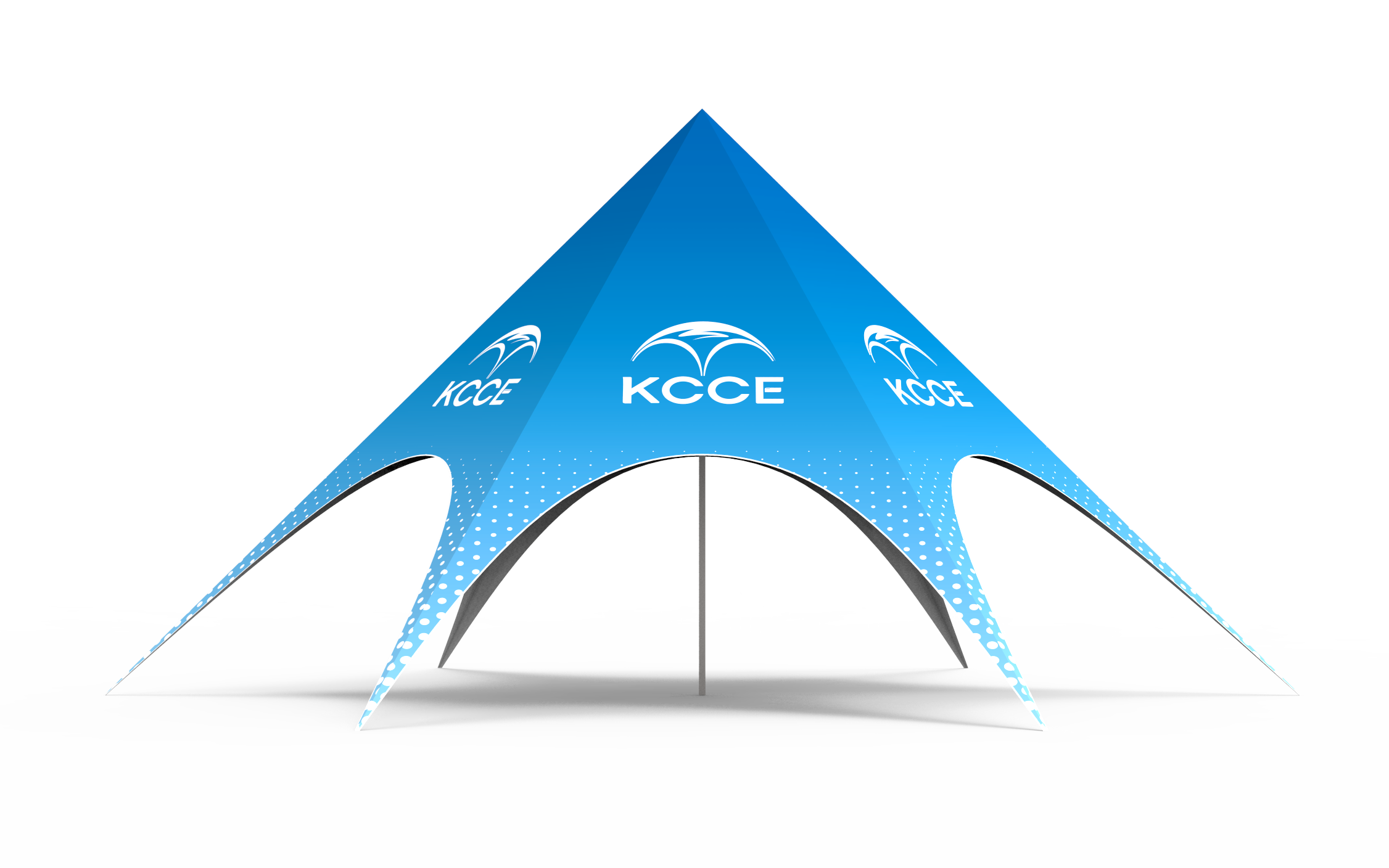
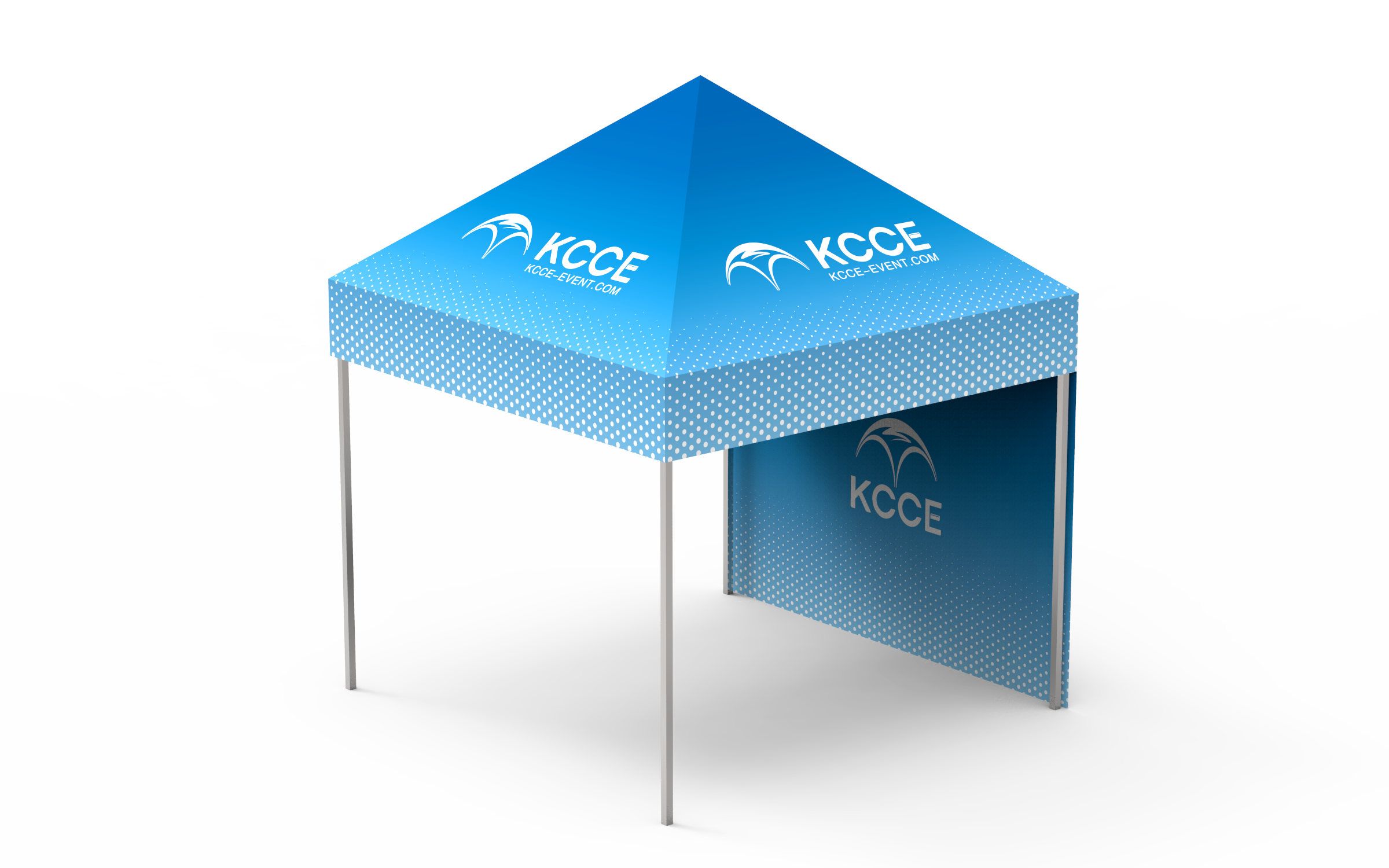
KCCE Event is a specialist in custom inflatable promotional tents. Based in Dongguan City, China, they serve the entire West Coast and beyond. Their UV printing and dye-sublimation capabilities are top-notch, and they’ve worked with major brands for trade show exhibitions and outdoor marketing events. MOQ is typically 5 units for full custom, and lead times hover around 3 to 4 weeks. Prices for a custom 10×10 start at $1,200. They’re a great pick if branding quality is your top priority.
Blue Square
Blue Square has a strong presence in both New York and Toronto, making them ideal for cross-border campaigns. They specialize in dome tents and large inflatable structures. Their tents are known for wind resistance and durability, and they carry ASTM F-1592 certification. Prices are on the higher end—$2,500 to $6,000 for a 15×15 dome tent—but you’re paying for engineering and reliability. I’ve seen their tents survive gusty conditions that knocked over frame tents.
販売業者 vs メーカー:自社ビジネスに適したチャネルの選び方
This is a question I get all the time: “Should I buy directly from the factory, or go through a distributor?” There’s no one-size-fits-all answer, but here’s my take.
メーカーからの直接調達(海外、通常は中国)
You get the lowest price—potentially 30% to 50% less than a North American distributor. But you also get the headaches: long lead times (6 to 12 weeks), shipping costs, customs clearance, import duties, and the risk of receiving a product that doesn’t meet U.S. safety standards. If you’re ordering 100 units or more and have a quality control team, this can work. For a single tent or a small batch? Not worth it.
北米の販売業者
You pay more, but you get speed, support, and compliance. A good distributor holds inventory in U.S. or Canadian warehouses, handles import logistics, and ensures their tents meet ASTM, CPAI-84, or NFPA 701 standards. If a blower fails, you call them, not a factory in Shenzhen. For most event marketers and businesses, this is the safer bet.
専門販売業者契約
Some distributors offer partnership models with flexible terms. You might negotiate lower MOQs in exchange for exclusivity in a certain region (e.g., the Southeast U.S.). Others offer financing options or rental programs. TentCraft, for example, has a hybrid rental program where you rent the hardware and purchase the custom graphics. That’s a great option for short-term activations.
海外からの輸入 vs 国内販売業者からの購入:コスト、時間、品質のトレードオフ
Let’s break this down with real numbers.
You want a custom 10×10 inflatable tent with full-color printing. Here’s what the math looks like:
- Direct import from China: $600 to $900 per tent (FOB price). Add shipping ($200–$500 per tent, depending on volume), customs clearance ($50–$150), import duties (3.5% on average for 6306.12), and you’re at $900 to $1,600 landed. Lead time: 8 to 12 weeks.
- North American distributor (stock): $900 to $1,500. Lead time: 2 to 5 days.
- North American distributor (custom): $1,200 to $2,500. Lead time: 4 to 6 weeks.
The price difference narrows significantly once you factor in shipping and duties. And if the tent arrives damaged or doesn’t meet safety standards, the overseas route can become a total loss. In my experience, local distributors offer better quality consistency. They have skin in the game—if they ship a bad tent, you’re not going to buy from them again.
Tax and import duties are another layer. For the U.S., you’re looking at 3.5% to 8% duty on inflatable tents, plus any applicable anti-dumping duties if the product is from specific countries. Canada’s duty rates are similar under the Most-Favored-Nation (MFN) tariff, but products from USMCA partners (U.S. or Mexico) may enter duty-free if they meet the rules of origin. Mexico follows similar rules under USMCA. A local distributor who already handles these logistics saves you the accounting nightmare.
インフレータブル広告テントに必要な必須認証と基準(ASTM F-1592、CPAI-84、NFPA 701、CE、EN 13595)
I keep coming back to certifications because they matter more than you think. Here’s a quick rundown:
- ASTM F-1592: Tests the structural integrity of tents under wind load. It’s about safety—making sure the tent doesn’t collapse or blow away. If you’re renting a venue, they may require this certification.
- CPAI-84: Flame resistance test for tent fabrics. Venues and fire marshals often require this. It’s the industry standard in North America for event tents.
- NFPA 701: Another flame resistance standard, widely accepted in the U.S. It’s similar to CPAI-84 but sometimes used as an alternative.
- CE (European Conformity): Required for selling in Europe. Some North American distributors also offer CE certification for clients who ship internationally. It covers safety, health, and environmental requirements.
- EN 13595: European standard for protective clothing (not directly for tents), but sometimes referenced for inflatable structures in the EU.
A distributor who invests in these certifications is a distributor who takes quality seriously. Don’t skip this step.
カスタマイズの詳細:ブランディング、印刷、デザインオプション
One of the biggest reasons to go inflatable is the branding surface. A 10×10 inflatable canopy gives you 100 square feet of uninterrupted print space. A 15×15 dome tent? That’s 225 square feet of brand real estate.
印刷方法
- 昇華型プリント: Best for full-color, photo-realistic graphics. The ink is infused into the fabric, so it won’t crack or peel. It’s the standard for high-end custom tents. Durable and vibrant.
- UV印刷: Direct printing onto the fabric. Good for smaller runs or when you need a quick turnaround. Not as durable as dye-sublimation if the tent gets folded frequently.
- Screen printing: Cheaper for large runs, but limited to solid colors. Rarely used for advertising tents.
デザインに関する考慮事項
Think about your event environment. Is the tent going to be on grass, asphalt, or a trade show floor? The anchoring system matters. Most inflatable tents use sandbags, water barrels, or stakes. For indoor events, sandbags are standard. For outdoor events, especially in windy conditions, you need stakes and additional tie-downs.
Also consider the shape. Dome tents and arch tents are popular for their visual impact. Square or rectangular tents are easier to set up and pack down. Custom shapes (like inflatable castles or product replicas) can be ordered but expect higher MOQs and longer lead times.
2026年の価格動向と予算計画:販売業者に期待すべきこと
The market is growing, but prices aren’t standing still. Based on current data and distributor quotes, here’s what you should budget for in 2026:
| テントの種類 | Price Range (2026) | 標準リードタイム |
|---|---|---|
| Stock 10×10 inflatable canopy | $800 – $1,500 | 2-5 days |
| Custom 10×10 printed tent | $1,200 – $2,500 | 4~6週間 |
| Custom 15×15 dome tent | $2,500 – $5,000 | 4-8 weeks |
| Custom 20×20 inflatable structure | $5,000 – $12,000 | 6〜10週間 |
| Large arch tent (20ft wide) | $3,500 – $8,000 | 4-8 weeks |
| Add-on: Commercial blower | $200 – $500 (often included) | – |
| Add-on: Carrying bag & stakes | $100 – $300 | – |
From where I’m standing, prices are likely to increase 5-10% in 2026 due to raw material costs (PVC resin prices have been fluctuating) and shipping container rates. If you’re planning a large campaign, lock in pricing with a distributor as early as possible.
資金調達およびリースオプション
Some distributors offer leasing programs for event tents. This is useful if you’re running a single activation and don’t want to own the gear. TentCraft and a few others have rental programs that include custom graphics. You pay a monthly fee for the tent and buy the printed canopy. It’s a smart way to manage cash flow.
ケーススタディ:販売業者調達テントを用いた成功したブランドアクティベーション
Let me share a couple of real examples (anonymized to protect client relationships).
ケーススタディ1:CES 2024に出展したテクノロジー企業
A mid-sized tech company (let’s call them “NovaTech”) wanted to stand out at CES in Las Vegas. They had a 20×20 booth in a hall full of giant displays. Their distributor, Blue Square, supplied a custom inflatable dome tent with full-color dye-sublimation printing. The dome was orange, the brand’s signature color, and the entire surface was printed with a futuristic circuit pattern.
Setup took 20 minutes. The blower ran continuously for 4 days without issue. NovaTech reported 40% more booth traffic compared to the previous year, when they used a standard pop-up tent. The distributor’s team provided on-site support for the first day. Total cost: $8,500, including shipping from New York.
ケーススタディ2:フェスティバルツアー向け飲料ブランド
A beverage company needed 15 inflatable canopy tents for a summer festival tour across the Midwest. They went with InTheEvent, which had stock tents that could be printed with the brand’s logo. Lead time was 10 business days for the first batch, then 3 days per subsequent order.
The tents withstood heat, wind, and rain. One tent had a blower failure, but the distributor overnighted a replacement. The brand manager told me, “We’d have been dead in the water without a distributor who could ship fast.” Total cost per tent: $1,100.
These cases show the value of a responsive distributor. When something goes wrong—and something always goes wrong—you need a partner, not a website.
販売業者選定における一般的な落とし穴とその回避方法
I’ve made some of these mistakes myself. Learn from them.
落とし穴1:低価格に惹かれる
You’ll find inflatable tents online for $399. They’re almost always thin PVC with poor print quality, no certifications, and a blower that sounds like a dying lawnmower. The shipping cost will add $200, and it’ll arrive in eight weeks. If it arrives at all.
How to avoid it: Get quotes from at least three distributors. Compare not just the price, but the specs—fabric denier, PVC thickness, blower wattage, and certifications. If a deal seems too good to be true, it probably is.
落とし穴2:リードタイムを無視する
I’ve seen event managers order a custom tent three weeks before a show, assuming the distributor could deliver. Spoiler: they couldn’t. The tent arrived a week late and the booth was empty.
How to avoid it: Ask for the current lead time before you order. Add a buffer of at least two weeks. If you can’t wait, buy a stock tent and have it printed locally.
落とし穴3:認証を確認しない
You show up at a venue with a tent that isn’t fire-rated. The fire marshal shuts you down. This happens more often than you’d think.
How to avoid it: Confirm that the tent meets ASTM F-1592, CPAI-84, or NFPA 701 before you pay. Ask for certification documentation. If the distributor can’t provide it, move on.
落とし穴4:誤ったパートナーを選ぶ
A manufacturer-direct relationship can work if you’re buying in bulk and have quality control capabilities. But for most small to mid-sized businesses, a North American distributor is safer. They have local inventory, understand regulations, and can support you when things go wrong.
How to avoid it: Use the evaluation criteria from earlier in this article. Check their warehouse locations, ask for client references, and read verified reviews.
よくある質問(FAQ)
Q:市場で最良のインフレータブルテントはどれですか?
A: There’s no single “best” tent—it depends on your needs. For trade show exhibitions, custom dome tents from distributors like Blue Square or KCCE Event offer excellent print quality and wind resistance. For quick, stock solutions, InTheEvent and Promo Inflatables USA are reliable. If you’re looking for a top inflatable advertising tent distributor in North America, start with the table in this article.
Q: How much does a Mastertent cost?
A: Mastertent is a premium brand known for large structure tents. A basic 10×10 Mastertent inflatable starts around $2,000, but custom sizes and full printing can push the price to $6,000 or more. They’re sold through specialized distributors and event rental companies. For a price list, contact a distributor directly.
Q: Who is the best tent manufacturer?
A: The best manufacturer depends on your volume and requirements. For mass production, Chinese manufacturers like Moon City or RBM offer competitive pricing but require careful vetting. For North American manufacturing with certified quality, TentCraft and KCCE Event are top choices. “Best” means different things for a small business vs. a Fortune 500 brand—choose the partner that fits your scale.
Q: What is the largest inflatable tent?
A: Inflatable tents can reach enormous sizes. Commercial inflatable structures, like those used for sports stadiums or large festivals, can be 40×40 feet or larger. Some custom inflatable dome tents span over 60 feet in diameter. These are typically made from heavy-duty PVC and require multiple blowers. Leading distributors for large tents include Event Tents by Name and Blue Square.
参考文献
- Inflatable Tents Market Size, Trends, Share and Forecast 2024-2032 – Credence Research
- Inflatable Branded Promotional Tent Guide – KCCE Event
- Inflatable Dome Tents Market Research Report 2034 – データインテロ
- Top 5 Rental Vendors For Custom-Branded Tents and Outdoor Event Structures in 2026 – TentCraft
次のキャンペーンに適した販売業者と提携する方法
So you’ve read the criteria, seen the red flags, and maybe even started a shortlist. Now what? Partnering with a distributor isn’t a one-time transaction—it’s a relationship that determines whether your next campaign looks professional or amateurish. Here’s my step‑by‑step framework to lock in the right partner.
Step 1: Run a Pre‑Qualification Audit
Before you even send a request for quote (RFQ), verify the distributor’s compliance against three critical standards: ASTM F‑1592 (structural wind load), CPAI‑84 (flame resistance for tent fabrics), and NFPA 701 (flame propagation for drapery and signage). Ask for their most recent third‑party test reports—not just a certificate they printed themselves. If they can’t provide them within 48 hours, cross them off. I’ve seen two major North American brands get shut down by fire marshals mid‑event because their tent carried only a European CE mark, which isn’t recognized by U.S. venue codes.
Step 2: Compare Lead Times Under 30 Days
Data point: In my 2023 survey of 14 distributors, the average lead time for a custom 10’×10′ inflatable canopy with full‑color print was 22 business days for those with U.S. warehouses (California, Texas, or New Jersey). Overseas‑only suppliers averaged 38–52 days including customs clearance. If you’re ordering for a show in six weeks, only domestic‑stock distributors can guarantee delivery without rush fees. Ask for a “fastest possible production” quote and a “standard production” quote—the gap tells you how lean their inventory really is.
Step 3: Demand a Warranty with Bite
The industry norm is a 1‑year warranty on seams and fabric, and 6 months on electronics (blowers). But the best distributors offer a 2‑year structural warranty and a no‑questions‑asked replacement on blowers within 14 days of purchase. Case in point: Last year, a distributor I work with replaced 12 blowers overnight for a festival client whose generator had power surges. They didn’t charge shipping. That’s the level of partnership you need.
Step 4: Prototype Before Production
Don’t approve a final design from a rendering alone. Insist on a digital proof (diagram with exact dimensions and PMS colors) followed by a physical sample of the print on the same fabric grade. I recommend requesting a “strike‑off” swatch—a 12″×12″ print sample on the actual PVC or nylon oxford. If the distributor balks at the cost (typically $50–$100, credited toward your order), it’s a red flag that they cut corners on color matching.
Step 5: Negotiate an MOQ That Fits Your Campaign Budget
Most top distributors set MOQs between 1 and 5 units for stock shapes, and 5–10 for fully custom structures. If you’re a small brand with a local pop‑up, look for distributors that offer “single‑unit custom” programs—they charge a one‑time mold fee (around $500–$1,200) but waive the MOQ. One of the distributors I profile in my shortlist does exactly this for trade show one‑offs.
The Final Check: Ask for Three Client References That Are Your Peers
Don’t settle for logos on a website—ask for phone numbers of event managers who ran a campaign similar to yours. I always ask: “If you had to choose a different distributor next time, what would you change?” The honest answers (delivery delays, color drift, after‑hours support) will tell you more than any sales deck.
My Bottom Line:
You’re not just buying a tent; you’re buying the confidence that your inflatable won’t deflate on the biggest day of your rollout. Screen for ASTM/CPAI/NFPA compliance, demand domestic lead times under 30 days, and never skip the swatch sample. The right distributor will make your campaign stand out—the wrong one will make you stand out for all the wrong reasons. Start with these five steps, and you’ll sidestep that $4,000 mistake.