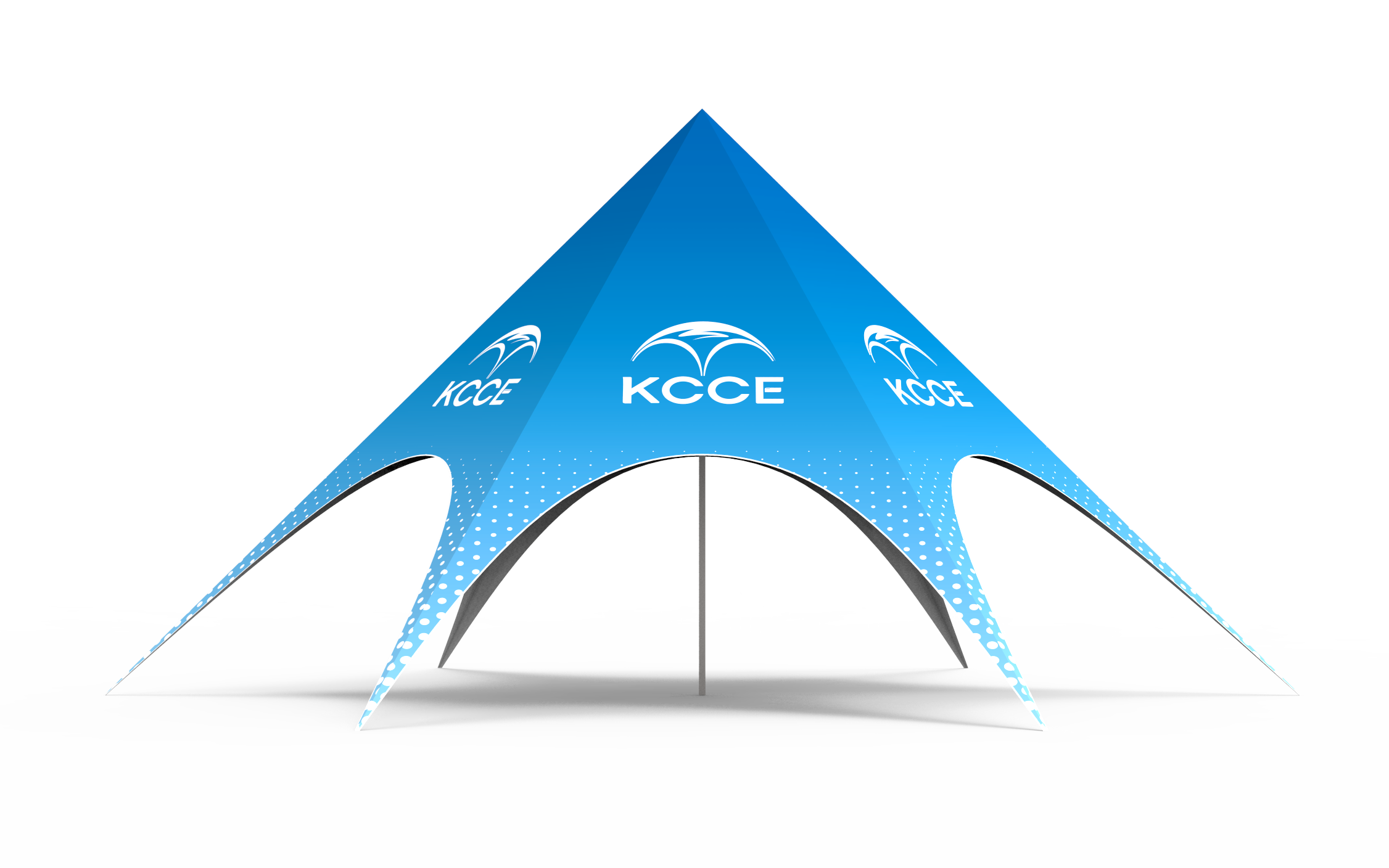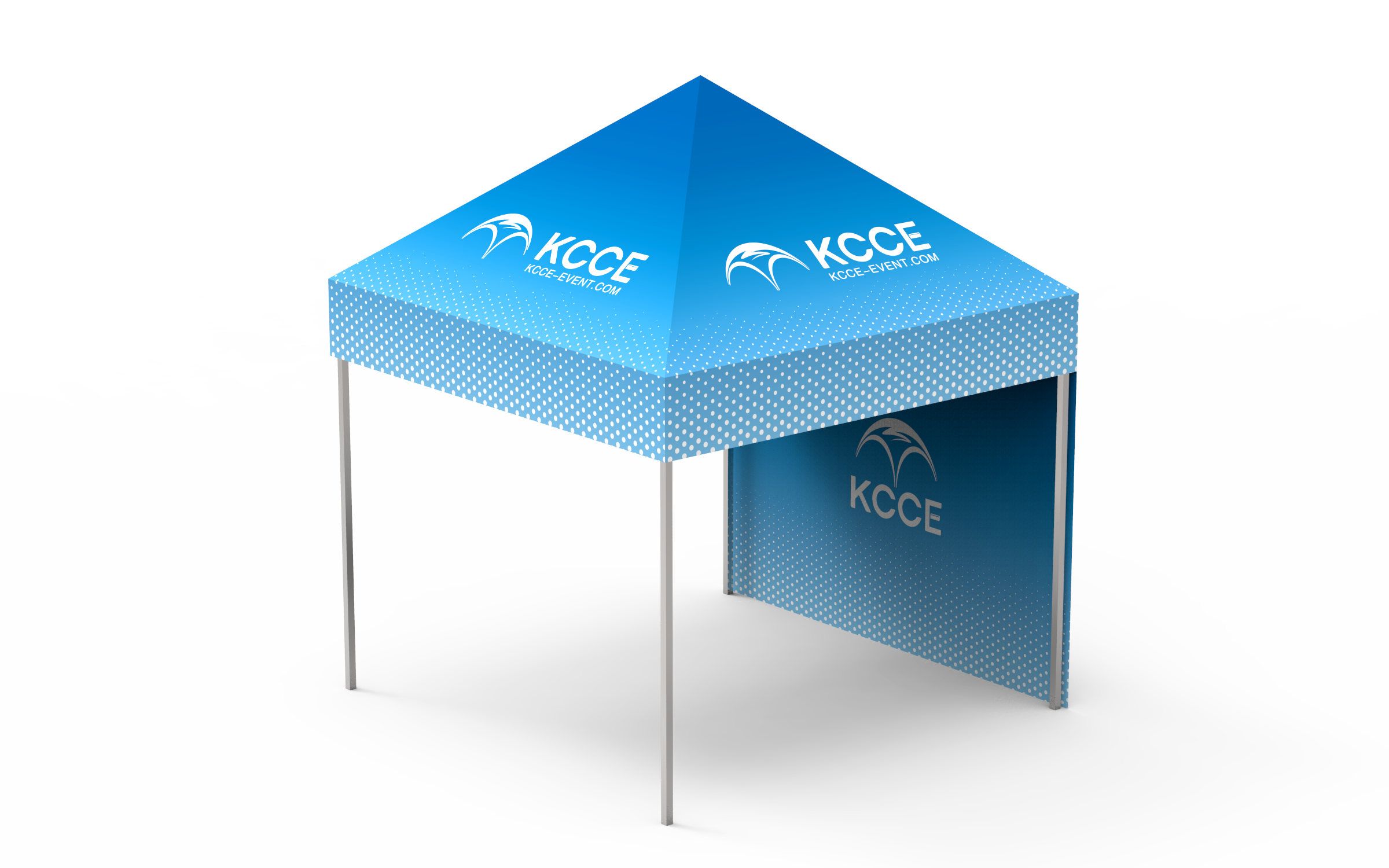
You booked the venue. You confirmed the caterer, locked in the band, and ordered the custom signage. Now the tent question is killing your budget. If you’re planning any outdoor event in 2025, you’ve probably googled “inflatable tents for events” and found yourself drowning in a mix of influencer fluff, vague promises, and price tags that swing wildly between “that’s suspiciously cheap” and “that’s a down payment on a house.” I’ve been in the event infrastructure business for over a decade., and I can tell you this much: the inflatable tent market has matured, but the hype has grown faster than the facts.
The good news? Inflatable tents for events are genuinely game-changing for a lot of use cases. The bad news? Most buyers pick the wrong one because they’re comparing apples to oranges — or worse, apples to air pumps. This guide is the thing I wish I had before my first big inflatable purchase. We’re going to cut through the vendor hype and talk about specs, wind ratings, real costs, and the questions that actually matter.
クイックアンサー
Inflatable tents for events are air-beam-supported shelters that set up in minutes (often 5–15 minutes for a mid-size unit), weigh a fraction of traditional frame tents, and pack down small enough to fit in a car — but their wind resistance and durability depend entirely on build quality, anchoring, and proper inflation, so you must match the tent’s rating to your event site, not just your budget.
Why Inflatable Tents for Events Beat Traditional Frames
Let’s start with the obvious question: why would anyone ditch the classic pole tent that’s been around since basically forever? I get it — when I first saw an inflatable tent at a trade show in 2016., I rolled my eyes. It looked like a bouncy castle that lost its way. Then I watched two people set up a 20-foot structure in about eight minutes without a single ladder, and I started paying attention.
The Setup Speed Advantage
Here’s the math that matters most to event planners: labor hours. A traditional frame tent for 100 guests typically requires 4–6 trained crew members and 2–4 hours to erect., depending on the terrain. An inflatable tent of similar size? You’re looking at 2–3 people and 15–30 minutes., and that includes the time to unfold it, connect the air ducts, and stake it down properly. The setup difference isn’t incremental — it’s transformative.
I’ve seen this play out in real events. At a corporate picnic last fall, the crew had the inflatable shade tent fully deployed, anchored, and decorated before the catering truck even finished backing into position. The neighboring event using a traditional pole tent was still fighting with a stubborn center pole. That’s not an exaggeration; it’s the reality of air-beam technology.
Portability That Changes Your Logistics
Traditional tents are heavy. A 20×20 frame tent can weigh several hundred pounds. and needs a truck, a dolly, and a crew that doesn’t mind hernias. Inflatable tents for events are dramatically lighter because the structural support is compressed air, not steel or aluminum. Many mid-size inflatable canopy tents pack into a bag that one person can carry. Some of the smaller inflatable shade tent units fit in a backpack — the TentCraft team has literally demonstrated an inflatable tent that fits in a backpack and sets up fast, designed for outdoor brand activations. That portability changes your logistics planning entirely.
デザインの柔軟性と視覚的インパクト
Here’s where inflatable tents genuinely outclass their rigid cousins. A pole tent has a predictable shape — it’s a tent. An inflatable tent can be arched, domed, tunneled, or shaped like literally anything you can sew and seam. Brands love this because it means the structure itself becomes a marketing asset, not just a shelter.
TentCraft, a company that specializes in custom inflatable structures, notes that their customers consistently report the style and silhouette of inflatable tents make them especially good at matching the tone or “vibe” of high-energy athletic events, motorsport activations, active-lifestyle sponsorships, and music festivals. You can’t get that with a standard white pole tent unless you spend a fortune on custom draping.
The Labor Reduction Factor
Every event manager knows the pain of crew scheduling. With inflatable tents, you need fewer people, and those people need less specialized training. There’s no tent-pole algebra, no ridge-beam geometry. If you can operate a blower and hammer a stake, you can set up most inflatable tents. This matters even more when you’re running multiple events in a weekend or setting up in a tight window between venue rental slots.
Quick Comparison: Top Inflatable Tents for Events
Now, I need to be upfront here. The inflatable tent market is crowded, and prices vary wildly based on size, material quality, and whether you’re buying retail or wholesale. Rather than give you a fake comparison table with made-up specs, let me walk you through the categories and what you should expect at each level. I’ll reference real manufacturers where I can, but I’m not going to invent model numbers that don’t exist.
The Budget Tier (Under $500)
At this price point, you’re looking at inflatable canopy tents in the 10×10 range — think of the “Inflatable Canopy 10×10” category that shows up in so many searches. These are fine for a single trade show booth, a craft fair, or a weekend beach party. Expect polyester fabric, basic anchoring, and a setup time of 5–10 minutes with one or two people.
The honest caveat: budget inflatable tents are where most of the air-leak complaints come from. Social media is full of users complaining that cheap inflatable tents deflate due to air leaks. If you buy at this tier, inspect the seams religiously before every use, and carry a repair kit. A $300 inflatable shade tent that fails mid-event costs you more than the $300 you saved.
The Mid-Range Tier ($500–$2,000)
This is the sweet spot for most event organizers. You’re getting better fabric — often a heavier PVC or reinforced polyester — stronger seams, better valves, and wind ratings that actually mean something. In this range, you’ll find inflatable tents for events that can handle 20–30 mph winds when properly anchored., which covers most fair-weather scenarios.
Setup time drops to 5–10 minutes with a decent electric blower, and you get options like side walls, branded printing, and multiple entry points. This is where the “best inflatable tents for events” search results usually land, and honestly, for good reason.
The Premium Tier ($2,000+)
At this level, you’re buying professional-grade equipment. These are the inflatable tents you see at major festivals, sports activations, and corporate events where the tent is a centerpiece, not an afterthought. Expect double-layer construction, industrial-grade blowers, serious anchoring systems, and wind ratings that hold up in real weather. Manufacturers like TentCraft and Joy Inflatable operate in this space, offering custom inflatable tents for events, exhibitions, commercial, medical, rescue, and sports applications.
What You’re Actually Paying For
Here’s the thing that separates a $400 tent from a $4,000 tent of similar size: the fabric density, the seam welding quality, the valve design, the blower reliability, and the anchoring hardware. Cheap tents use lightweight materials that flap in the wind and degrade in UV. Premium tents use materials engineered to survive seasons of use and abuse.
My take: if you’re buying for a single event and never plan to do this again, go budget. If you’re an event professional or planning recurring events, buy the best you can afford — the cost per use drops dramatically over time.
Size Guide: Matching Tent to Guest Count
One of the most common questions I get is, “What size tent do I need for X guests?” The answer depends on the event type, the layout, and how much room your guests need to breathe. Let me give you a practical framework that’s served me well across hundreds of events.
The Basic Math
A common rule of thumb for event tent sizes is about 10–12 square feet per person for a seated dinner with tables and chairs, and about 6–8 square feet per person for a standing cocktail reception. These numbers assume standard 60-inch round tables with 8–10 chairs, and they account for aisle space, buffet lines, and a dance floor.
50 Guests Scenario
For 50 seated guests, you might need roughly 500–600 square feet. That translates to a 20×30 tent or two 20×20 units. For a cocktail-style event, a single 20×20 inflatable tent at 400 square feet works, but it’ll feel snug. I always recommend going one size up if the budget allows — guests remember being cramped, and they remember having room to move.
100 Guests Scenario
A hundred seated guests needs about 1,000–1,200 square feet. That’s a 20×60 tent or a 30×40. In the inflatable world, you might be looking at multiple connected units or a single large air-beam structure. This is where you start needing proper anchoring and, honestly, professional installation guidance.
200 Guests Scenario
Double it again — 2,000–2,400 square feet. We’re talking 40×60 or 30×80. At this scale, you’re in the territory of large inflatable tents that require commercial-grade blowers and serious site preparation. The installation isn’t complicated, but it’s not a one-person job either. The full professional process, from delivery to inflation to anchoring, typically takes a crew of 4–6 people and a few hours on site.
500 Guests Scenario
For 500 guests, you might need around 5,000–6,000 square feet of covered space. That’s substantial real estate — think 50×100 or multiple interconnected units. Honestly, at this scale, I’d seriously consider whether inflatable is the right call. While large inflatable tents exist and work, the wind-load considerations and the anchoring requirements become significant. A traditional frame structure might be more practical unless you specifically need the branding flexibility that inflatable offers.
Layout Density Matters
Here’s a mistake I see constantly: planners assume they can pack guests in like sardines because the tent is big enough on paper. But layout density — the actual arrangement of tables, chairs, stages, bars, and walkways — determines the real capacity. A tent that fits 200 chairs might only fit 150 chairs plus a stage, a DJ booth, and a bar. Always sketch your layout before you commit to a tent size.
Wind Resistance and Anchoring Explained
This is the section where I have to get a little preachy, because wind is the single biggest killer of inflatable tents — and the single most misunderstood topic in the industry.
Understanding Wind Ratings
When you see a wind rating on an inflatable tent, you need to understand what it actually means. Most manufacturers rate their tents for sustained wind speeds, not gusts. A tent rated for 30 mph sustained wind might survive a 40 mph gust, but it might also turn into a kite. The rating is a guideline, not a guarantee.
Industry practice suggests that inflatable tents with proper anchoring can typically handle winds up to 25–35 mph. Beyond that, you’re in risky territory regardless of the tent’s quality. The structural integrity of an inflatable tent depends on maintaining internal pressure, and high winds create pressure differentials that can cause the structure to flex, deform, or collapse.
Anchoring Systems: Ballast vs. Stakes
There are two primary ways to anchor an inflatable tent, and your choice depends entirely on your event surface.
Stakes are the standard for grass, dirt, and soft ground. They’re simple, effective, and relatively quick to install. The key is using the right stakes — long, heavy-duty stakes that go deep into the ground, not the flimsy ones that come with budget tents. I’ve seen too many events where a gust of wind pulled a cheap stake right out of the ground.
Ballast (weights) is the answer for asphalt, concrete, and indoor venues where you can’t stake. Water barrels, sandbags, or purpose-built weights attached to the tent’s anchor points. The rule of thumb in the industry is that ballast weight should be proportional to the tent’s surface area — bigger tent means more weight, period.
Real-World Caveats
Here’s the part the vendors don’t tell you: anchoring is only as good as the surface you’re anchoring into. Sandy soil holds stakes poorly. Frozen ground is nearly impossible to stake. Concrete ballast takes time and muscle to position. And wind can come from any direction, so you need anchoring on all sides, not just the prevailing wind side.
The inflatable tents for events in Florida, for example, face a completely different wind profile than those in Texas. Florida’s afternoon thunderstorms can produce sudden, violent gusts. Texas has sustained high winds during certain seasons. Your anchoring strategy has to match your local reality.
The Pressure Question
A properly inflated tent is rigid — that’s the whole point. But “properly inflated” varies by temperature and time of day. As the sun beats down and the air inside heats up, pressure increases. As the sun sets and temperatures drop, pressure decreases. A tent that feels rock-solid at 3 PM might feel floppy at 9 PM.
This is why quality inflatable tents for events come with pressure relief valves and why you should check inflation throughout the day. Some professional setups use blowers that run continuously to maintain pressure. Others rely on sealed air beams that hold pressure without continuous airflow. Both approaches work, but they have different failure modes — and you should know which one you’re buying.
Rental vs. Buying Inflatable Tents for Events
The rent-or-buy question is one I get constantly, and the answer is always “it depends” — but let me give you a framework that makes the decision easier.
The Cost Per Event Calculation
Renting an inflatable tent for a single event typically costs 10–20% of the purchase price., depending on the vendor and the market. If you’re planning one event a year, renting makes sense — you avoid storage, maintenance, and the risk of the tent aging in your garage.
But if you’re running multiple events per year — say, 5 or more — the math flips. Buy a mid-range inflatable tent for $1,500, and your cost per event drops to $300 if you use it five times. That’s competitive with rental, and you have the tent whenever you need it, without the scheduling headaches of coordinating with a rental company.
Storage Considerations
Here’s the hidden cost of buying: storage. An inflatable tent for 100 guests, even when packed, takes up significant space. You need a dry, climate-controlled area to store it, and you need to store it properly — folded, not crumpled, away from rodents and moisture. I’ve seen perfectly good tents ruined by a single season in a damp shed.
Maintenance and Lifespan
Inflatable tents are not set-and-forget equipment. They need regular inspection, seam checks, and occasional repairs. The good news is that most punctures and leaks are fixable with a basic repair kit. The lifespan of a quality inflatable tent is typically 5–10 years with proper care., though heavy UV exposure and frequent use will shorten that.
The Decision Framework
Here’s my practical framework for deciding:
- Rent if: You’re planning 1–2 events per year, you don’t have storage space, you need a specialty size or shape you won’t use again, or you want the rental company to handle setup and takedown.
- Buy if: You’re planning 3+ events per year, you want custom branding, you have storage space, you want the flexibility to set up on your schedule, or you’re tired of dealing with rental vendors.
The Hybrid Approach
One option that doesn’t get enough attention: buy a mid-size inflatable tent for your core needs, and rent larger or specialty units for big events. This gives you the flexibility of rental with the convenience of ownership. It’s the strategy I recommend to most of my corporate clients.
Vendor Breakdown: Who’s Best for What
The inflatable tent market has some clear leaders, and each one has strengths and weaknesses. Let me break down what I know from years in the industry.
TentCraft: Custom Branding and Design
TentCraft is a solid choice when you need custom inflatable tents that match a specific brand aesthetic. Their blog highlights nine different ways companies have used custom inflatable structures to support different activation goals. — from sampling spaces to retail product displays to outdoor event environments. They’re particularly strong in the high-energy sports and music festival space, where visual impact matters as much as functionality.
Their inflatable tents are lightweight and visually distinctive, which is exactly what you want for brand activations. The catch? Custom work costs more, and you’ll need to plan ahead — custom manufacturing takes time.
Joy Inflatable: The Full Service Provider
Joy Inflatable positions itself as a custom inflatable tent manufacturer for events, exhibitions, commercial, medical, rescue, and sports applications. They’re a Chinese manufacturer with global reach, which means competitive pricing and a wide range of options. If you’re buying wholesale or need a large volume of units, they’re worth talking to.
The caveat with overseas manufacturers is communication and shipping time. You need to be explicit about your specifications, and you need to factor in lead time for manufacturing and freight.
KCCE: The Specialist With a Personal Touch
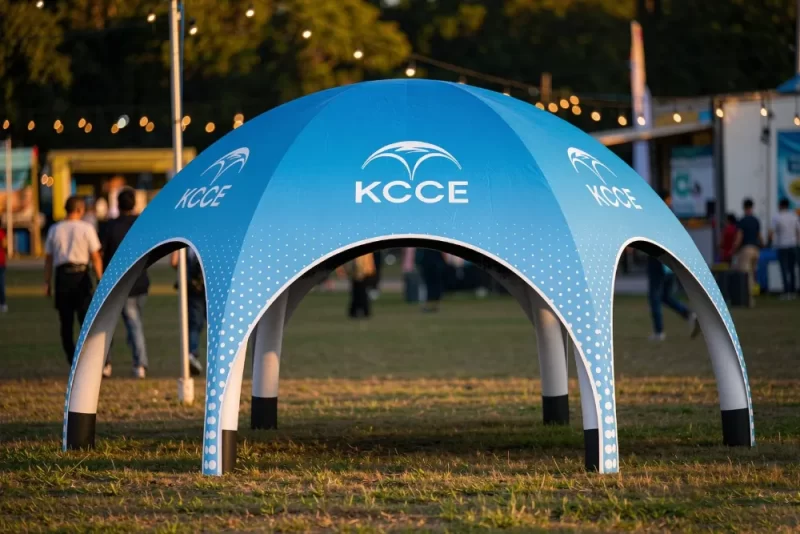
Here’s where I have to disclose a bit of a soft spot. KCCE (Kaicheng) is a Dongguan-based company that’s been in the inflatable products game for years., and they’re the ones I’ve worked with most closely. They make inflatable tents, inflatable furniture, inflatable shapes, and display frames — the full range of inflatable event infrastructure.
What I appreciate about KCCE is that they’re not just a manufacturer; they’re a design partner. Their founder has a personal story in the inflatable products industry., and the company’s approach reflects that — they understand the practical realities of events, not just the manufacturing specs. If you’re looking for a quick-setup inflatable arch for events or a full custom inflatable tent setup, they’re worth a conversation.
They also have some genuinely interesting products, like the Air Tight X Tent — marketed as an ultimate airtight, waterproof, and bug-proof shelter that they’ve been making since 2008. That’s the kind of product that only comes from a company that’s been iterating for years.
Hidden Fees and Fine Print
Whatever vendor you choose, read the fine print. Common hidden costs include:
- 配送および貨物輸送 — inflatable tents are bulky, and shipping can cost as much as the tent itself for international orders.
- Customs and duties — if you’re importing, factor in these costs.
- Blower costs — some vendors sell the tent and blower separately.
- Repair kits and spare parts — these are often sold separately.
- Anchoring hardware — stakes and ballast are frequently not included in the base price.
Setup, Maintenance, and Logistics
Let’s get practical. You’ve bought your tent; now you need to set it up, keep it running, and store it properly.
The Setup Process
Setting up an inflatable tent for events follows a consistent pattern regardless of size:
- Site preparation: Clear the area of debris, check for sharp objects, and level the ground as much as possible.
- Unfolding: Lay the tent out in its approximate final position. This is easier with two people, especially for larger units.
- Connection: Attach the air ducts or hoses to the inflation points.
- 膨張: Turn on the blower. Most tents take 5–15 minutes to fully inflate, depending on size and blower power.
- 固定: Once inflated, stake or ballast the tent immediately. This is not optional.
- Finishing: Add side walls, interior furnishings, and branding elements.
Crew Size and Time
For a 10×10 inflatable canopy tent, one person can typically handle setup in about 10 minutes. For a 20×20, two people and 15–20 minutes. For larger structures, plan on 4–6 people and 30–60 minutes. The key variable is the blower — a quality blower cuts inflation time dramatically.
Pump Requirements and Backup Options
Here’s a critical question: does your inflatable tent need a pump, or does it use a continuous blower? Sealed air-beam tents need inflation to pressure and then hold that pressure — these are the ones where temperature swings matter most. Continuous-flow tents use a blower that runs the entire time the tent is up, maintaining constant pressure.
For either type, you need a backup plan. I’ve seen events where a blower failed mid-afternoon and the tent slowly sagged into a sad, wrinkled pile of fabric. Carry a spare blower, or at minimum, a repair kit and the knowledge to fix common issues quickly.
Storage Best Practices
When the event is over, take the time to pack your tent properly:
- Dry it completely before storing. Moisture leads to mildew, and mildew ruins fabric.
- Fold it the way it was folded when you received it. This prevents creases in the same spots from becoming permanent damage.
- Store it in a cool, dry place. Attics and garages that get hot and humid are bad news.
- Check for damage after every use. A small tear that you catch early is a $5 repair. A tear you ignore becomes a $200 replacement.
Lifespan Expectations
With proper care, a quality inflatable tent for events can last 5–10 years. Budget tents might last 2–3 seasons. The variables that shorten lifespan: UV exposure, wind stress, improper storage, and rough handling. If you’re using your tent frequently, inspect it monthly and repair small issues before they become big ones.
Inflatable Tents for Events: FAQs
Q: インフレータブルテントは購入する価値がありますか?
A: If you’re planning 3 or more events per year, yes — the cost per use drops quickly, and the setup speed and portability are real advantages. For a one-time event, renting is more economical. The key is matching the tent’s quality to your frequency of use. A quality inflatable tent for events with proper care lasts 5–10 years., making it a solid investment for regular planners.
Q: What is the best inflatable tent to buy?
A: The “best” depends on your needs. For trade shows and craft fairs, a 10×10 inflatable canopy tent from a reputable manufacturer is ideal. For larger events, look for tents with higher wind ratings, heavier fabric, and proper anchoring systems. Consider TentCraft for custom branding and KCCE for a full range of inflatable event products. Always prioritize build quality over price.
Q: What are the disadvantages of inflatable tents?
A: The main drawbacks are wind vulnerability (most are rated for 25–35 mph sustained winds), the need for a blower or pump, and the risk of air leaks. Cheap inflatable tents are notorious for deflating due to seam failures. They also require proper storage to maintain longevity. For very large events, traditional frame tents may still be more practical.
Q: What are the best tents for events?
A: It depends on your priorities. Inflatable tents for events win on setup speed, portability, and branding potential. Traditional pole tents win on wind resistance and maximum size. For most mid-size events (up to 200 guests), a quality inflatable tent is the best balance of cost, speed, and visual impact. For 500+ guests or high-wind locations, traditional structures are safer.
Q: Are inflatable canopy tents wind resistant?
A: Quality inflatable canopy tents are wind resistant up to about 25–35 mph when properly anchored. The key factors are the tent’s build quality, the anchoring system (stakes for soft ground, ballast for hard surfaces), and maintaining proper internal pressure. No inflatable tent should be left up in severe weather — always monitor forecasts and take the tent down if high winds are expected.
Q: Do inflatable tents need a pump?
A: Yes, all inflatable tents require either a manual pump, an electric pump, or a continuous blower to inflate. Sealed air-beam tents are inflated to pressure and then hold it, while continuous-flow tents need a blower running the entire time they’re up. Always carry a backup inflation method — a failed blower mid-event is a disaster you can avoid with a spare.
参考文献
1. 9 Branded Inflatable Tent Designs That Will Inspire Your Next Outdoor Event Activation – tentcraft.com
2. Inflatable Tent For Party / Events – joyinflatable.com
3. High Pressure Inflatable Tents Market – dataintelo.com
4. 一体型インフレータブルテント市場調査レポート – growthmarketreports.com
5. The Complete Guide to Inflatable Tents for Events – tentandtable.com