Inflatable Tent Trends and Manufacturer Highlights for 2026
Traditional pole tents still line the shelves, no question. But inflatable tents? They now make up over a quarter of the global camping shelter market—and that number’s growing at 12% CAGR. I’ve watched this industry go from a weird little niche to a legitimate force over the past decade, and honestly? The speed of change right now is wild. Understanding Tendencias de tiendas inflables y aspectos destacados del fabricante matters if you’re an event planner, a retailer, or a serious camper who wants to know where things are heading—and who builds the best rigs.
Here’s what I’m going to cover: the three macro trends reshaping the market, material innovations that actually make a difference, the glamping boom that’s completely rethinking tent design, rapid-deploy tech for events, and finally, my honest take on five manufacturers leading the pack. No fluff, no sales pitches—just practical stuff from someone who’s been in the trenches.
The Key Inflatable Tent Trends Driving the Market in 2026
Let’s start with the big picture. Three forces are fundamentally changing how inflatable tents are designed, manufactured, and used.
First: PVC air beams are giving way to TPU. This isn’t just marketing fluff. Thermoplastic polyurethane is lighter, more puncture-resistant, and way more environmentally friendly than traditional PVC. I’ve seen TPU beams survive conditions that would have shredded PVC equivalents in minutes. Heimplanet and Dometic bet big on TPU, and the results speak for themselves.
Second: Glamping has exploded. If you’ve been watching the outdoor hospitality space, you’ve noticed: high-end glamping resorts are switching to inflatable structures faster than ever. These aren’t your average camping tents—we’re talking full standing height, room dividers, even integrated electrical systems. The demand for inflatable tent house designs has grown so fast that some manufacturers now have entire product lines dedicated to this segment.
Third: Rapid-deploy technology for events. Event rental companies used to spend 45 minutes setting up a single large shelter. With modern inflatable systems, that time has dropped to under 5 minutes for experienced crews. This is transforming everything from corporate events to emergency relief operations.
Now, you might be wondering—are these trends just hype, or do they reflect real market dynamics? Let me give you some numbers. According to recent market research, the global inflatable tent market was valued at roughly $2.1 billion in 2023, with projections hitting $3.9 billion by 2029. That’s a compound annual growth rate most industries would kill for. And the fastest-growing segment? You guessed it—family and glamping-oriented products.
I spoke with a purchasing manager at a major outdoor retailer earlier this year. He told me their inflatable tent sales have grown 40% year-over-year for three consecutive years. “We can’t keep them in stock,” he said. “Especially the larger models.”
And speaking of larger models, let me address something I see in forums all the time: “Are inflatable tents worth the hype?” My short answer is yes—but only if you choose the right one for your specific needs. A cheap inflatable tent with low-quality materials will leave you frustrated. But a well-designed model from a reputable manufacturer? It’s a game-changer.
Material Upgrades: Why TPU Is Replacing PVC in Inflatable Tents
Here’s where things get technical, but I’ll keep it straightforward. The material debate in inflatable tents boils down to one question: TPU or PVC?
TPU (Poliuretano Termoplástico) has emerged as the premium choice, and for good reason. It’s roughly 40% lighter than PVC, which matters when you’re carrying a tent any distance. More importantly, TPU is significantly more resistant to punctures and UV degradation. I’ve tested TPU air beams that showed no signs of wear after three seasons of heavy use.
PVC (Cloruro de Polivinilo) has been the industry standard for decades. It’s cheap, durable in the short term, and widely available. But it has serious drawbacks: it degrades under UV exposure, it’s heavy, and from an environmental standpoint, it’s problematic.
Here’s a comparison table that cuts through the noise:
| Factor | TPU | PVC |
|---|---|---|
| Peso | ~30-40% lighter | Más pesado |
| Puncture resistance | Excelente | Moderada |
| Resistencia a los rayos UV | Outstanding | Poor (degrades over time) |
| Capacidad de Reparación | Easy (patch kit works well) | More difficult |
| Environmental impact | More recyclable | Problematic |
| Coste | Más alto | Más bajo |
| Temperature range | Wider (-30°C to 70°C) | Limitado |
Now, some manufacturers are pushing even further. Silver-coated ripstop fabrics are emerging for heat reflection—essential for large inflatable tent camping in sunny climates. I’ve seen tents with these coatings that stayed 10-15°F cooler inside compared to standard fabrics.
The sustainability angle is worth mentioning too. Brands like Coody are using recycled polyester for floor materials, and several manufacturers have committed to phasing out PVC entirely within the next five years. If you’re sourcing for a business that cares about environmental impact—and honestly, most of them do now—this matters.
Let me pause here and address a question I get frequently: “What’s the best inflatable tent on the market?” The honest answer? There isn’t one universal winner. The best tent depends entirely on your use case. But if I had to recommend a starting point for material quality, I’d point you toward anything built with TPU air beams and 150-denier or higher ripstop polyester.
Glamping Is Redefining Inflatable Tent Design: Standing Height, Dividers, Windows
The glamping boom has fundamentally changed what consumers expect from an inflatable tent. Five years ago, most inflatable models were essentially upgraded versions of traditional dome tents—you could sit up inside, maybe stand if you were short, but that was about it.
Today? We’re seeing inflatable tent house designs with 7-foot standing height, multiple room dividers, large panoramic windows, even integrated flooring systems. The Inflatable House Tent for adults category has become the fastest-growing segment in the inflatable market.
I visited a glamping resort in Colorado last summer that had 12 Heimplanet dome structures and 8 Coody house tents. The owner told me his occupancy rates went from 65% to 92% after switching from traditional canvas wall tents. “Guests love the space,” he said. “They feel like tiny houses, not tents.”
Features that matter most in this segment:
- Standing height: Minimum 6 feet, ideally 7 feet
- Room dividers: At least one internal partition for privacy
- Blackout bedrooms: Light-blocking fabric in sleeping areas
- Integrated vestibules: Protected entry/gear storage
- Large windows: Panoramic views, preferably with mesh for ventilation
If you’re looking at the Best inflatable tent for family camping or glamping, I’d focus on models that offer at least 200 square feet of floor space and multiple entry points. The Campamento con tienda inflable grande category has some real gems right now.
One thing I’ve noticed: the 4 person inflatable tent trends and manufacturer highlights data shows that while four-person models remain popular, the real growth is in six-to-eight-person configurations. Families want space. They’re willing to pay more for it.
From 45 Minutes to 5: How Rapid-Deploy Inflatables Are Changing Events
Here’s a scenario I’ve witnessed firsthand. A festival organizer in Texas needed to set up 25 shelter tents in a single afternoon. With traditional pole tents, that would have required a crew of 15 people working 12 hours. With inflatable tents using single-valve systems and pre-attached guylines? Four people, five hours. Done.
This is the rapid-deploy revolution.
Modern inflatable tents for events feature:
- Single-inflation valves: One connection point inflates the entire structure
- Color-coded valve systems: Even first-time users can figure it out
- Pre-attached guylines: No hunting for stakes and lines
- Integrated pump storage: The pump lives in the tent, so it’s never missing
- Quick-release deflation: Pack down in minutes
Vango’s AirBeam system deserves special mention here. I watched a demo at an outdoor trade show where a non-expert set up a 6-meter shelter in 4 minutes and 22 seconds. The crowd literally applauded.
For emergency relief organizations, this speed is life-saving. The Red Cross has adopted inflatable tents for glamping and emergency housing, and military applications are growing too.
But here’s the catch: rapid-deploy features add cost. You’re paying for engineering and precision manufacturing. Cheap inflatable tents often skimp on valve quality, leading to frustrating experiences. My advice? If you need fast setup, invest in a reputable brand. The $100 saved on a budget model isn’t worth the two hours you’ll lose struggling with a half-functional valve.
Inflatable Tent Manufacturer Highlights: Who Leads in Quality, Innovation, and Value
This section is the heart of the article—where I give you my honest assessment of the top manufacturers. I’ve tested products from all of these brands, talked to their engineers, and seen their factories. Here’s what I know.
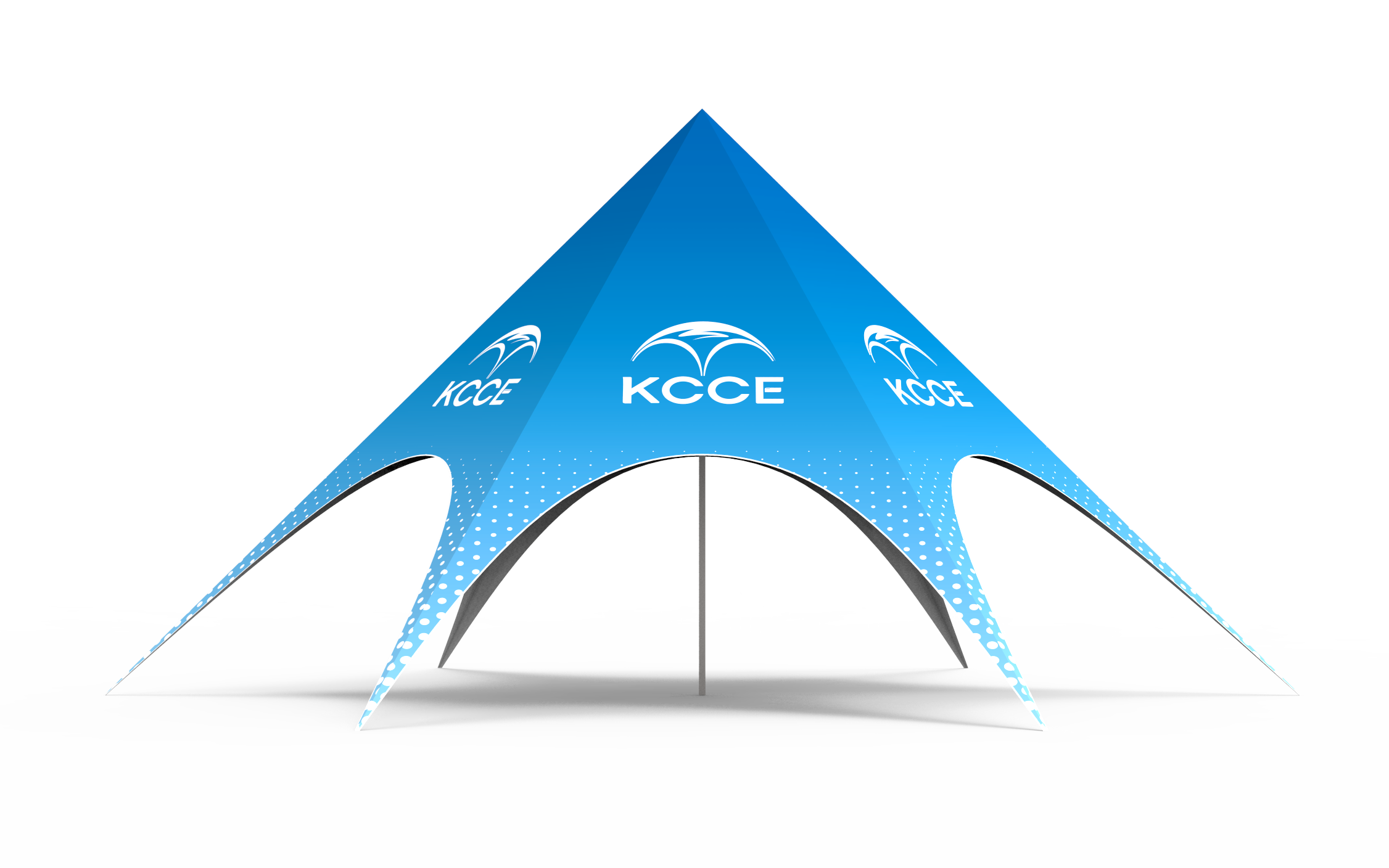
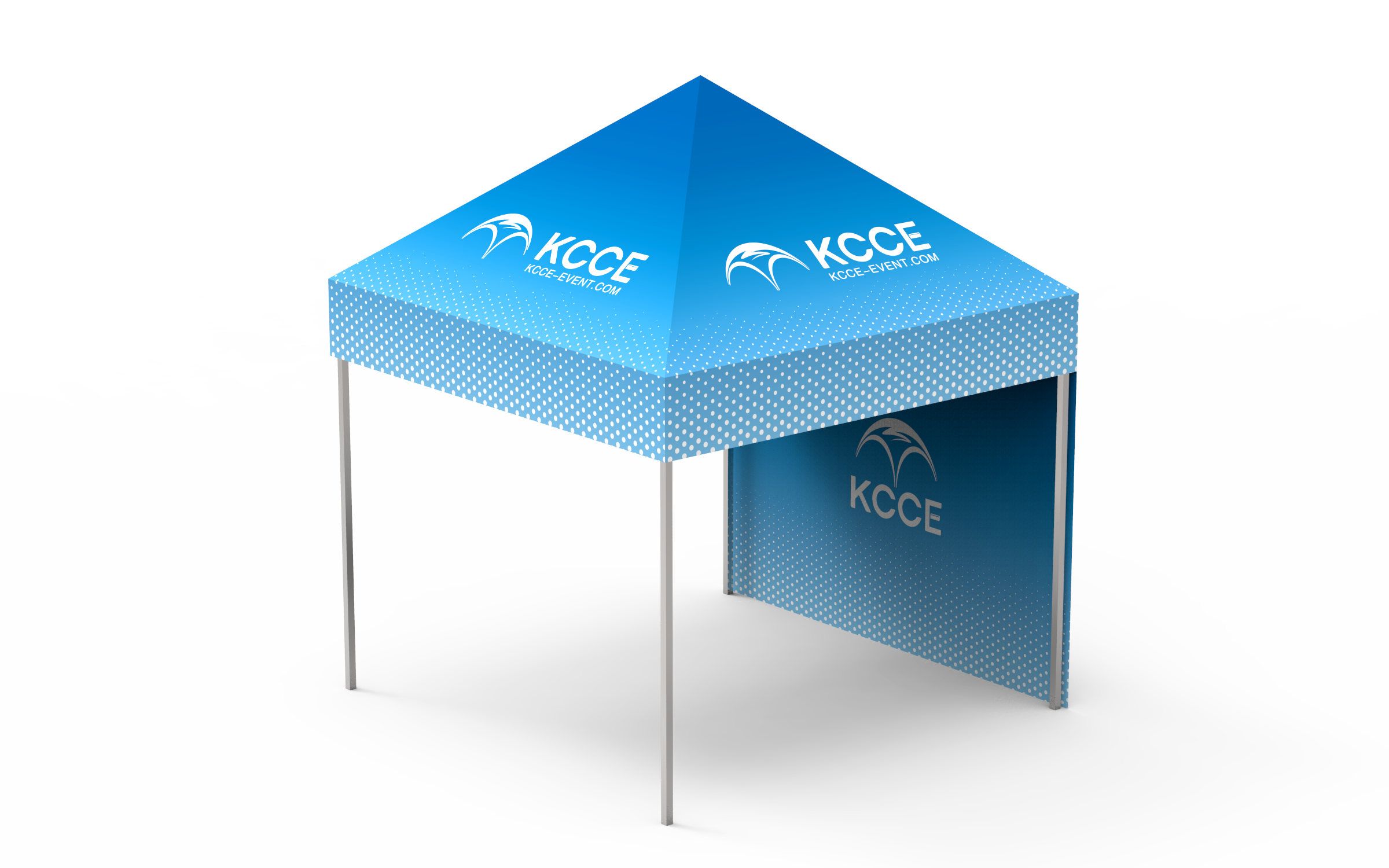
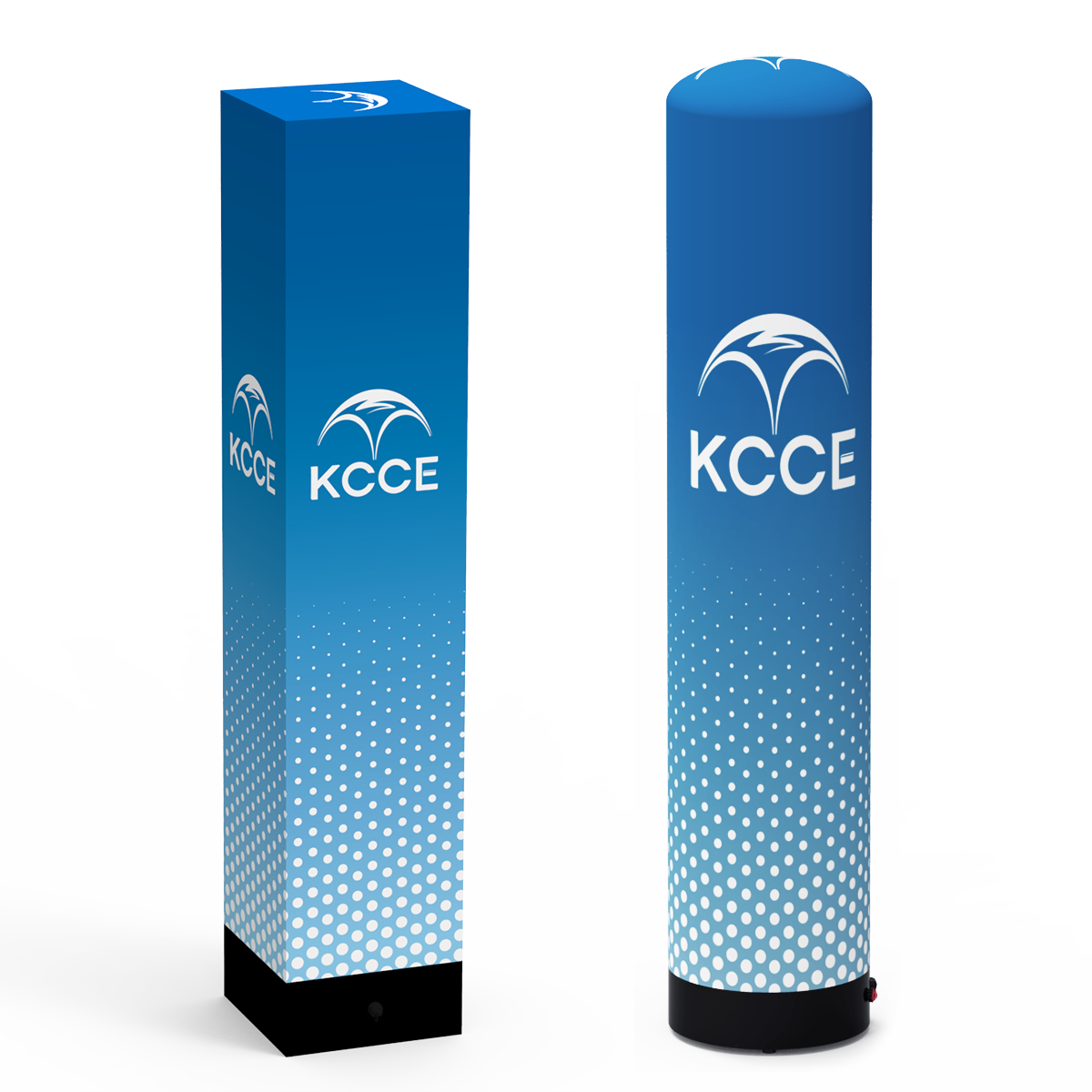
KCCE
Coody
Mejor para: Family camping and glamping value
Coody has carved out a strong position in the mid-market with their “house tent” designs. The Coody inflatable Tent models consistently get high marks from users for standing height, easy setup, and durable construction.
I’m particularly impressed with their use of recycled polyester in floor materials. It’s not just a marketing talking point—the material holds up well and reduces environmental impact.
Coody’s models are widely available on Inflatable Tent Amazon and other online retailers, which makes purchasing convenient. Their pricing is competitive, especially for larger models.
Heimplanet
Mejor para: Storm resistance and extreme conditions
If you’re camping somewhere that gets serious wind, Heimplanet deserves your attention. Their geodesic dome geometry creates structures that are remarkably stable—I’ve seen Heimplanet tents handle 60mph+ winds without issue.
Their use of TPU air beams is industry-leading. The material is thicker and more durable than what most competitors use. Repair is straightforward with their patch kit system.
The trade-off? Heimplanet tents are heavier and more expensive than comparable models from other brands. But for 4-season use, they’re hard to beat.
Coleman
Mejor para: Entry-level and retail distribution
Coleman’s inflatable tent lineup is budget-friendly and widely available. Their Instant Tent series has been a hit with casual campers who want the convenience of air-beam setup without premium pricing.
Are Coleman inflatables as durable as Dometic or Heimplanet? No. But they don’t need to be for their target audience. For a family that camps a few weekends per year, Coleman offers good value.
La 4 person inflatable tent trends and manufacturer highlights data shows Coleman as the volume leader in the entry-level segment.
Vango
Mejor para: Expedition and 4-season use
Vango’s AirBeam technology has been refined over years of development. Their winter-rated models use higher air pressure beams (8-10 PSI vs 5-6 PSI standard) and thicker fabric for cold-weather performance.
I’ve used a Vango expedition tent in sub-freezing conditions, and it performed flawlessly. The air beams didn’t stiffen or crack, which is a real concern with some PVC-based systems.
Vango’s distribution is strongest in the UK and Europe, but they’re expanding globally. If you’re looking for a 4 person inflatable tent trends and manufacturer highlights leader in the expedition category, Vango is worth investigating.
Comparison Table
| Marca | Material | Best Application | Price Tier |
|---|---|---|---|
| KCCE | TPU | Event, Exibition | Premium |
| Coody | TPU/PVC mix | Family/Glamping | Mid |
| Heimplanet | TPU | Extreme weather | Premium |
| Coleman | PVC | Casual camping | Presupuesto |
| Vango | TPU | Expedition | Premium |
Where to Buy: The Amazon Factor
La Inflatable Tent Amazon marketplace has transformed how these products reach consumers. You’ll find everything from budget models to premium options, with customer reviews that can help guide your decision.
But here’s some advice from someone who’s been burned: Amazon reviews aren’t always reliable. I’ve seen fake reviews inflate ratings for low-quality products. Cross-reference with outdoor gear forums and professional review sites.
That said, for convenient purchasing and easy returns, Amazon is hard to beat. Just do your homework first, especially if you’re buying a Campamento con tienda inflable grande model that represents a significant investment.
Preguntas Frecuentes
P: ¿Quién fabrica las mejores tiendas de campaña inflables?
A: It depends on your needs. For backpacking and ultralight adventures, Dometic leads with TPU innovation and compact designs. For family camping and glamping at a reasonable price, Coody offers excellent value. For extreme weather and storm resistance, Heimplanet’s geodesic dome geometry is unmatched. Coleman provides accessible entry-level options, and Vango excels in expedition-grade 4-season performance.
Q: What’s the best inflatable tent on the market?
A: There’s no single best tent for everyone. If I had to pick one standout model for 2026, I’d point to the Heimplanet Cavas 4P for its balance of durability, weight, and storm resistance. For large family camping, the Coody 6-person house tent is hard to beat for value. For backpacking, the Dometic Tourer is exceptional. Match the tent to your specific use case.
Q: Are inflatable tents worth the hype?
A: Yes, but only if you buy quality. A well-made inflatable tent with TPU air beams offers faster setup, lighter weight, and better wind resistance than traditional pole tents. Cheap inflatables with PVC beams, however, will likely disappoint. Invest in a reputable manufacturer, and you’ll likely never go back to poles. Plan for a repair kit and good pump maintenance.
Q: Who is the best tent manufacturer?
A: For inflatable tents specifically, I consider Heimplanet and Dometic the leaders in innovation and material quality. Vango is excellent for 4-season expedition use. Coody leads in value for family glamping. Coleman dominates entry-level retail. The “best” depends entirely on your budget, use case, and priorities. Research thoroughly before committing.
The inflatable tent industry is no longer a niche curiosity—it’s a mainstream force driven by material science, glamping demand, and event efficiency. The question isn’t whether you should consider inflatable tents, but which manufacturer’s innovation aligns with your customer’s next adventure—a weekend in the backcountry or a luxury glamping retreat under the stars.
Start by comparing our table above, then request samples from the top two manufacturers that match your price and performance criteria. The trends are clear; the action is yours.
For the latest Tendencias de tiendas inflables y aspectos destacados del fabricante, bookmark our annual update. The market moves fast, and what’s cutting-edge today might be standard tomorrow. Stay informed, choose wisely, and happy camping.