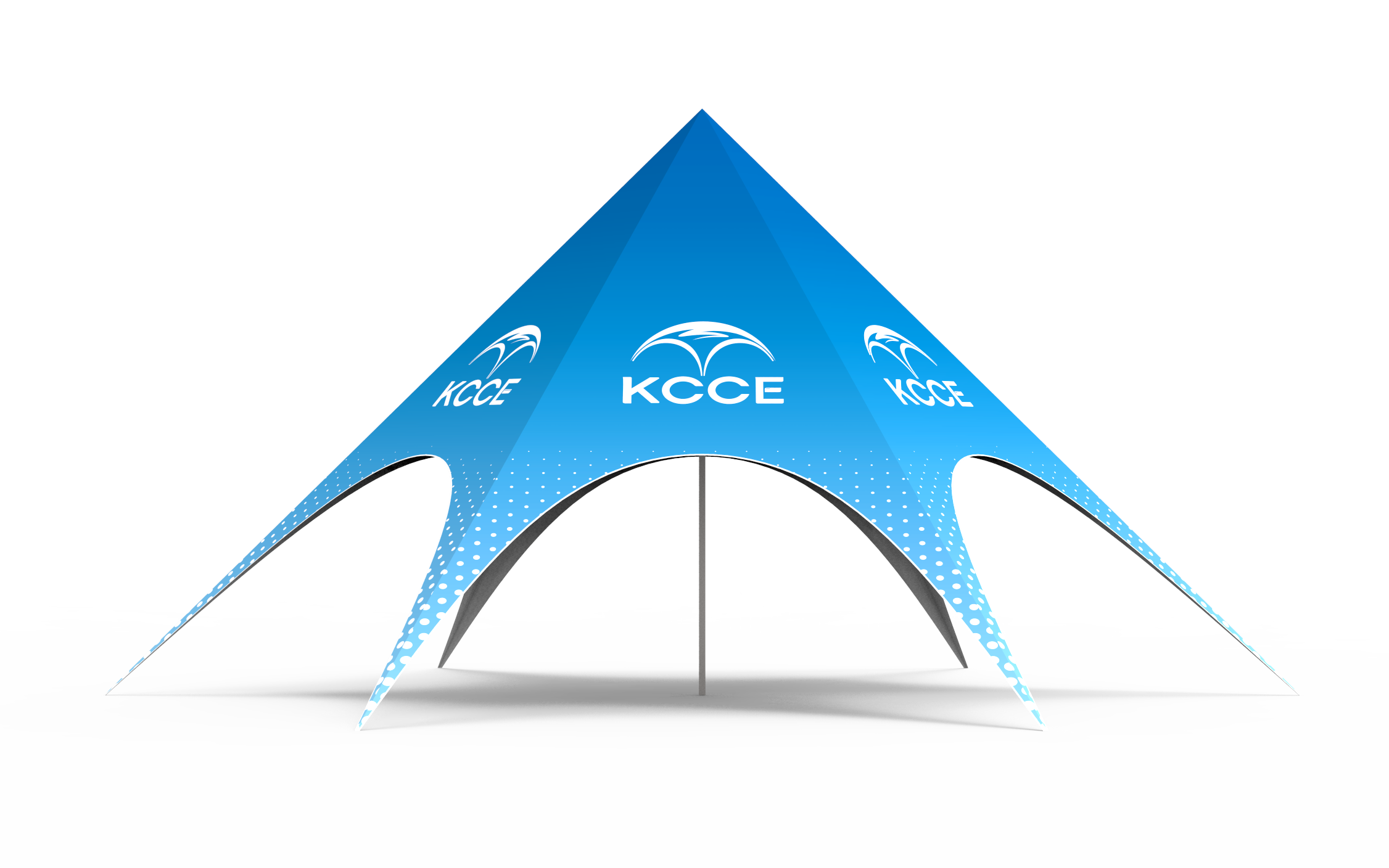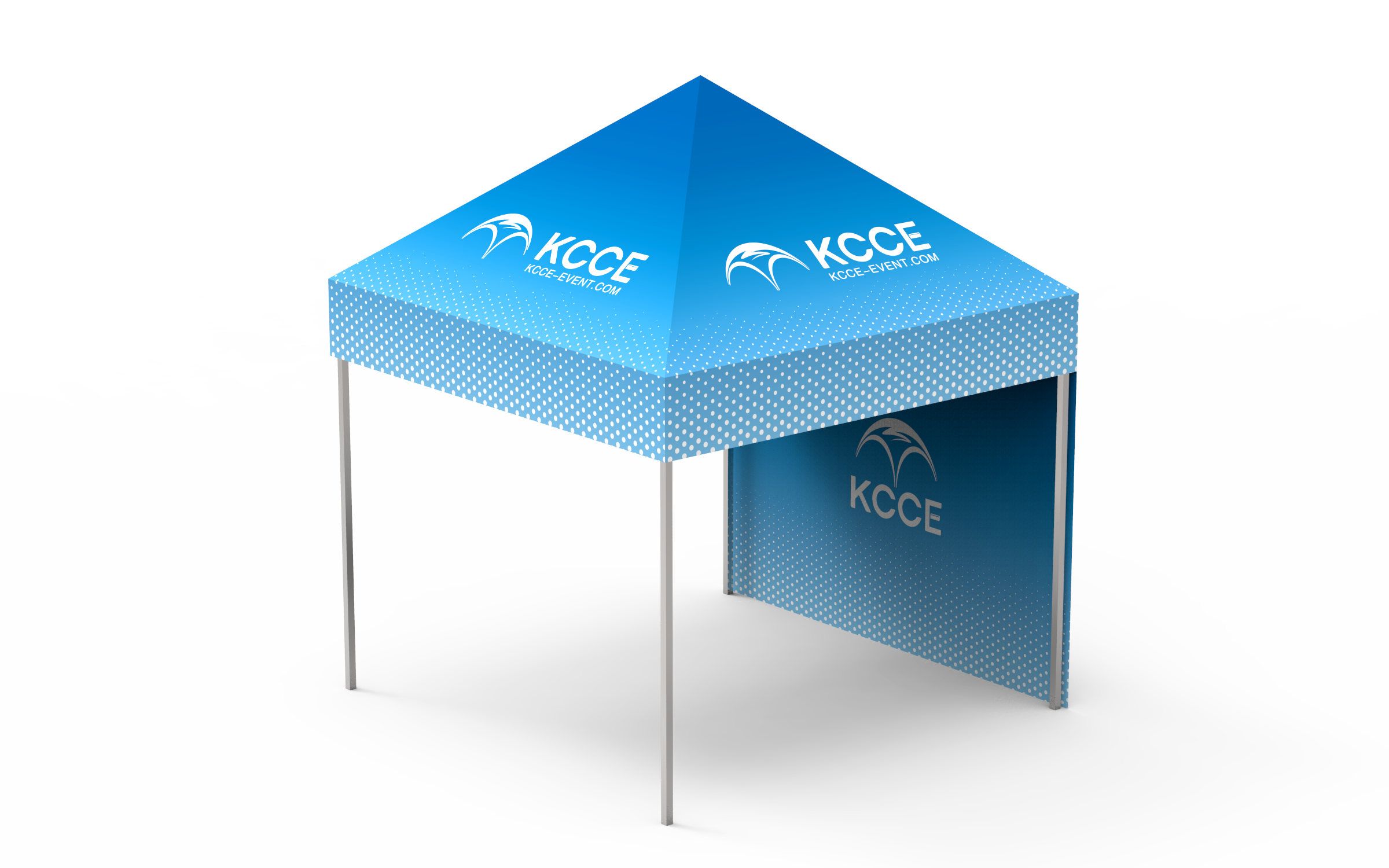
You’re an event director. Three-day festival, different title sponsor every day. A product launch in October that has to survive the rain. A summer activation that can’t look anything like last year’s. So you buy one inflatable tent — and now you’re locked into one look, one logo, one mood. Forever. That’s the exact frustration that sent me down this rabbit hole in the first place.
So here’s the question: can an inflatable advertising tent be designed with a removable roof for different weather conditions? Short answer — yes. And honestly, it’s one of the most underrated upgrades a commercial buyer can ask for. But here’s the catch, and it’s a big one: the attachment system makes or breaks the whole thing. Get that part wrong and your “modular” tent is just a tent with a leak problem.
Let me walk you through how this actually works, what it costs, and where I’d push back on the marketing hype.
Respuesta rápida
Yes. A commercial inflatable advertising tent can be engineered with a removable roof using zipper, Velcro, magnetic, or tension-based attachment systems. The roof swaps out for weather-specific and branding-specific covers — but the tent’s wind rating and structural integrity depend entirely on which attachment method and airframe design you pick.
Yes — Removable Roof Inflatable Advertising Tent Design Explained
If you just want the verdict, here it is: a removable roof inflatable advertising tent is absolutely doable for different weather conditions, but the design isn’t universal. The roof is a separate skin, and how it connects to the airframe determines everything — waterproofing, wind resistance, and how fast your crew can swap it.
I’ve watched buyers assume “removable” means “universal.” It doesn’t. A zippered roof on a 3×3 or 4×4 modular frame behaves nothing like a magnetic one on a large marquee. The attachment system is that one spec sheet item nobody asks about — until it fails in a gust.
Take KCCE, for example. They build modular-design inflatable tents and gazebos where the canopy is treated as a swappable component rather than a permanently welded part of the structure. That’s the design philosophy you want to look for. Modular first, roof second.
How Removable Roof Systems Actually Work
Let’s get into the mechanics, because this is where the real engineering lives.
Zipper attachment. The most weather-tight option. A heavy-duty zipper runs along the airframe seam, and the roof panel zips on. Pros: excellent rain and wind sealing. Cons: slower swaps, and one damaged zipper tooth can compromise the whole connection.
Velcro / hook-and-loop. Fast, forgiving, cheap to replace. The tradeoff? Velcro degrades with UV exposure and repeated cycling, so it’s better suited to indoor use or short outdoor runs.
Magnetic strips. Great for fast branding changes — snap a new logo roof on in minutes. But magnets add weight, and in high-wind configurations they’re a liability unless you pair them with a secondary mechanical fastener.
Tension-based systems. The roof is held by tension fabric stretched over the airframe. Common in tension fabric canopy design, and it gives a clean, taut look. It’s also the most dependent on correct air pressure — under-inflate, and the roof sags.
Now, the question every decision-maker asks: what happens to structural integrity when the roof is off? On a properly engineered airbeam or air frame structure, the roof isn’t load-bearing. The airframe carries the load; the roof is just a skin. So removing it won’t collapse your tent. But leaving it off during a storm? That’s a different story — an open frame catches wind differently than a skinned one. More on that below.
Weather-by-Weather Roof Performance
This is the table I wish more suppliers actually published. Here’s how roof material and configuration map to weather conditions.
| Weather Condition | Recommended Roof Material | Attachment Consideration | Wind Rating Impact |
|---|---|---|---|
| Rain | UV-resistant PVC or coated Oxford fabric, fully seam-sealed | Zipper or tension system for watertight seal | Rating holds if sealed; Velcro can wick water |
| Sun / UV | UV-resistant PVC with dye-sublimation printing | Any method; UV degrades Velcro fastest | No change |
| Frío | PVC that stays flexible at low temp | Zipper can stiffen; tension fabric preferred | Slight reduction if material stiffens |
| Wind | Reinforced PVC, tension fabric canopy | Zipper + secondary strapping | Rating drops significantly with roof removed |
A few things worth flagging here. The phrase “weather-resistant inflatable tent roof” gets thrown around way too loosely. Weather-resistant is not weather-proof. And that wind rating on a spec sheet? It’s almost always for the fully assembled, fully skinned configuration. Take the roof off, and that number means nothing.
Honestly, this is where I’d push back hardest on any supplier claiming a single wind rating across all configurations. It doesn’t work that way. You need a rating per configuration — roof on, roof off, and roof partially removed for ventilation. Ask for it in writing.
The Roof Swap Process: Time, Tools, Crew
You might be wondering how long a swap actually takes. This is the operational question that kills deals, so let’s be concrete.
A typical removable roof swap on a mid-size modular tent runs something like this:
- Deflate or partially deflate the airframe — 5 to 10 minutes depending on size.
- Detach the current roof — zipper systems take longer than magnetic; figure 10 to 20 minutes for a two-person crew.
- Align and attach the new roof — 10 to 25 minutes, longer if the roof has printed graphics that need precise alignment.
- Re-inflate and check seams — 5 to 15 minutes.
- Final tension and inspection — 5 minutes.
So realistically, a full swap is a 35-to-75-minute job for a trained two-person crew. Tools needed are minimal — usually just a ladder, gloves, and a repair kit. No special machinery.
The catch is training. A crew that’s never done a swap will take twice as long and may misalign the attachment — which is exactly where leaks and wind failures start. Budget for a training session on your first unit. It pays for itself by the second event.
Use Cases Justifying Modular Roof Investment
This is where the modular concept earns its keep. Let me give you the scenarios that actually justify the spend.
Multi-sponsor festivals. Three days, three title sponsors. Instead of three tents, you buy one structure and three roofs. Each sponsor gets a fully branded canopy, and you’re not paying for three airframes or three storage footprints.
Nighttime brand activations. Swap in a starry sky roof for evening events — same structure, completely different atmosphere. This is a genuinely clever play for beverage brands and experiential marketing. The daytime roof comes off, the night roof goes on, and the venue transforms without a rebuild.
Seasonal campaigns. A summer look and a winter look from one asset. For agencies running year-round programming, this is a custom inflatable advertising tent that earns its cost back across multiple campaigns.
Different logo printing per event. KCCE’s product line includes customized graphics advertising displays and custom canopy inflatable gazebos — exactly the kind of modular event architecture that supports this. If your brand rotates creative frequently, a swappable printed roof is far cheaper than re-fabricating a whole tent.
The through-line: one structure, multiple configurations. That’s the value proposition, and it’s real — provided the attachment system can handle repeated cycling.
Cost & ROI: Modular vs. Multiple Tents
Let’s talk money, because that’s what you’re actually here for.
I can’t give you a hard number without a spec — pricing depends on size, material, print coverage, and attachment type, and I won’t invent figures that don’t exist. But the ROI logic is straightforward, and it’s worth framing for your finance team.
Multiple tents approach. You buy two or three separate inflatable tents to cover different events and weather scenarios. You pay for multiple airframes, multiple storage footprints, multiple shipping costs, multiple maintenance cycles. Every tent depreciates independently.
Modular approach. You buy one airframe and a set of interchangeable canopies. You pay once for the structure, then incrementally for each roof. Storage is one frame plus rolled roofs. Shipping is one structure plus lightweight skins.
The inflatable tent ROI case for modular is strongest when you’re running four or more distinct looks or weather configurations per year. Below that threshold, the math gets murky — a single well-specced tent might serve you fine. Above it, modular wins clearly. You’re amortizing one airframe across many campaigns.
My take: if you’re a one-event-a-year buyer, don’t over-engineer this. If you’re an agency or a brand with a rolling event calendar, modular is the smarter capital decision.
Preguntas Frecuentes
Q: How long does it take to change the roof on a large inflatable tent?
R: For a trained two-person crew, a full swap on a mid-size modular tent runs roughly 35 to 75 minutes, including deflation, detachment, reattachment, re-inflation, and inspection. Zipper systems take longer than magnetic ones. First-time swaps without training will take noticeably longer, so budget a practice run.
Q: What materials are used for a weather-resistant inflatable tent roof?
R: Most commercial roofs use UV-resistant PVC or coated Oxford fabric, often with dye-sublimation printing for branding. PVC holds up better in rain and cold; coated Oxford is lighter. Seam sealing matters as much as the base material for rain performance.
Q: Can an inflatable tent roof be removed and replaced by one person?
R: On small 3×3 or 4×4 modular units, yes, though it’s awkward. On anything larger, use two people. A single person risks misaligning the attachment — which is exactly how leaks and wind failures begin. The labor saving isn’t worth the structural risk.
Q: What weather conditions can a tent with a removable roof handle?
R: With the roof attached and properly sealed, a commercial-grade tent handles rain, sun, and moderate wind. With the roof removed, wind performance drops sharply because the open frame catches air differently. Always request a wind rating per configuration, not a single blanket number.
Q: Is it worth investing in a tent with interchangeable canopies?
R: It depends on your event frequency. If you run four or more distinct looks or weather setups per year, a modular interchangeable canopy tent amortizes one airframe across many campaigns and wins on cost. For one event a year, a single well-specced tent is usually the better buy.
Q: Can I customize the removable roof with my company logo?
R: Yes. Custom dye-sublimation printing on the roof panel is standard for commercial suppliers, and this is the core advertising value. You can order multiple printed roofs — different sponsors, different seasons, different campaigns — and swap them onto the same structure.
Q: How does a detachable roof work on an inflatable advertising tent?
R: The roof is a separate skin attached to the airframe via zipper, Velcro, magnetic strips, or tension fabric. The airframe carries the structural load, so the roof is not load-bearing. That’s why removing it doesn’t collapse the tent — but it does change the wind profile.
Q: Where can I find a commercial inflatable tent that allows for a removable roof?
R: Look for manufacturers that explicitly market modular or interchangeable canopy designs rather than fixed-roof tents. KCCE is one supplier whose product range includes modular-design custom canopy inflatable gazebos and air-filled advertising tents built around swappable components.
Conclusión
The roof system you choose drives your weather versatility. Zipper for sealing, magnetic for speed, tension for looks — pick based on how often you’ll actually swap and what conditions you’ll face. Then demand a wind rating per configuration, in writing.
Next step: request a custom quote with your weather specs and swap frequency spelled out. And here’s the question I’d leave you with — which weather condition is currently killing your tent ROI?
Referencias
1. iso.org – iso.org
2. astm.org – astm.org
3. standards.iteh.ai – standards.iteh.ai
4. nfpa.org – nfpa.org