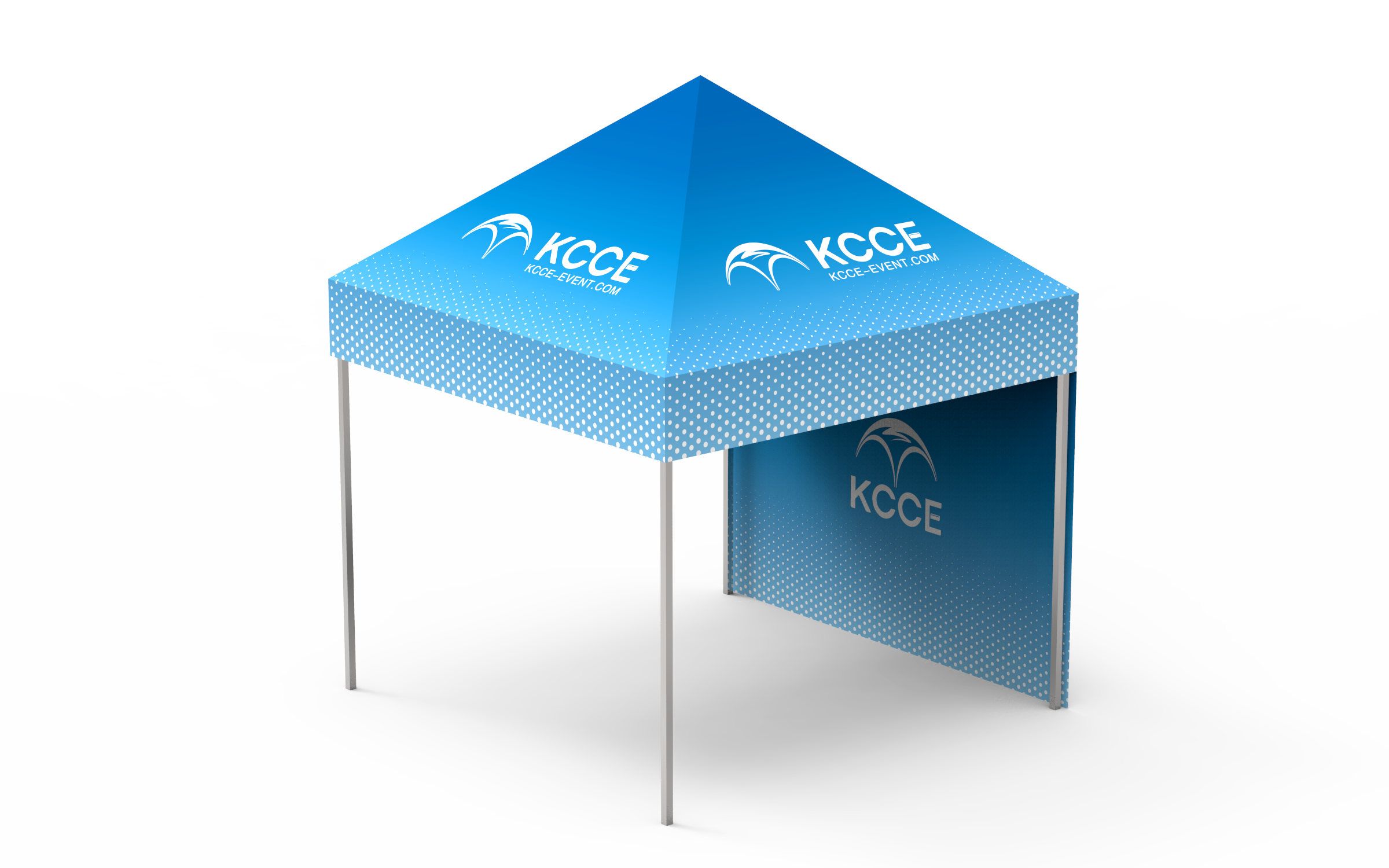
Imagine this: you’ve got a big outdoor event coming up, your inflatable party tent is already standing proud, guests are starting to arrive… and then you notice it—a slow leak. Panic sets in? Honestly, maybe just a little. But here’s the thing: knowing how to fix inflatable tents yourself can completely save the day. No last-minute mad dashes for replacements or dropping big bucks on professionals. Whether you’re juggling camping gear or running multiple event setups, a quick patch job keeps everything running smooth.
Inflatable Tents 101: Types and Typical Wear and Tear
Not all inflatable tents are cut from the same cloth (well, material). From my experience, you usually deal with three main types: inflatable party tents, inflatable camping tents, and inflatable bounce houses. Each one’s got its own quirks—different materials, shapes, and ways they wear out.
Take camping tents, for example. They often get punctured by sharp stones or branches. Those tiny pinholes? Sneaky little culprits that deflate your tent overnight if you’re not careful. Party tents, however, tend to struggle more with seams getting stressed or zippers giving up, mostly because they stay inflated for hours under heavier pressure. And bounce houses? They endure constant pounding from bouncing kids, which means rips and valve troubles are pretty common.
I remember last summer working with a client who had three inflatable party tents at a festival. Two of them developed these almost invisible leaks by the seams. We ran through a leak detection method that I’ll share below, and it saved them from scrambling and spending a fortune on emergency rentals.
Some common damage you’ll see:
- Little leaks or punctures that are hard to spot at first
- Seams giving way or small tears, especially on older or weather-beaten tents
- Valve or inflation tube issues from being set up and taken down a lot
- Material wearing thin or rubbing away thanks to constant friction or sun exposure
Damage like this isn’t always dramatic. Sometimes it just quietly slowly ruins your tent’s strength over time. That’s why it’s helpful to know what you’re dealing with to pick the right fix.
What You’ll Need to Patch Things Up
Fixing these tents isn’t something you can just do with your bare hands. I keep a repair kit handy all the time—and honestly, you probably should too. Thankfully, inflatable tent patch kits are pretty easy to find these days, both online and in outdoor sports shops. Usually, they come with everything you need.
Here’s the usual lineup:
- Inflatable tent patch kit (self-adhesive or vinyl patches included)
- Specialized glue that works with PVC or TPU materials
- Isopropyl alcohol or a similar cleaner to get the patch area ready
- Sandpaper or a scouring pad to rough up smooth spots so glue sticks better
- Leak detection spray or just soapy water for pinpointing holes
- Cleaning cloths and scissors
Among patch kits, some brands get shoutouts from pros. Gear Aid’s Tenacious Tape, for example, has a solid reputation. From what I’ve seen, patches with flexible adhesive layers tend to hang on longer, especially on tents exposed to wind and sun.
If you’re wondering where to grab a repair kit, check out outdoor specialty stores or online spots like Amazon or REI. Just make sure the patches and glue match your tent’s exact material—PVC, TPU, nylon—because the wrong combo can mean your “fix” peels off in no time.
How to Patch an Inflatable Tent: The Nitty-Gritty Step-by-Step
Alright, here’s the part you’re probably waiting for: how to actually repair that leak or tear without making things worse. I’ve patched a ton of tents over the years, learning what works and what doesn’t. Here’s the basic process broken down:
- Find the Leak or Damage
Can’t see the leak? Inflate the tent fully, spray soapy water around seams and suspicious spots, and watch closely for bubbles—that’s your leak giving itself away. For big tears, just a good look usually does the trick.
- Deflate and Clean
Deflate the tent completely before starting. Clean the area around the hole with isopropyl alcohol to remove dirt, oils, and any residue. Skipping this step is asking for a patch that won’t stick.
- Roughen the Spot
Lightly sand the area with fine grit sandpaper or a scouring pad. This rough surface gives your glue a better grip. Don’t forget to wipe off the dust!
- Cut the Patch
Cut your patch so it extends at least 1–2 inches beyond the damage on all sides. If it’s self-adhesive, peel the backing carefully. For glue-on patches, apply the glue on both patch and tent, then wait a few seconds until it turns tacky.
- Stick It On
Firmly press the patch over the repair spot. Use something flat or a roller to smooth out bubbles or wrinkles—air pockets are those pesky leaks waiting to happen.
- Let It Cure
Follow the glue maker’s recommended drying time, usually several hours up to 24. Don’t inflate too soon—you want that patch bonded solidly.
- Give It a Test
Blow up the tent again, spray the patch with soapy water, and watch for bubbles. If none appear, congrats, you nailed it.
I’ve had people skip cleaning or curing steps and then cry over failed patches the next day. Seriously, patience pays here—it’s tempting to rush, but it’ll come back to bite you.
While this basic routine works for pretty much any inflatable tent, I’ll touch on some tweaks shortly.
If you’d prefer a visual guide, a quick Reddit search on “how to repair inflatable tents” often reveals user-made videos and tips that are surprisingly helpful. Seeing real folks walk through fixes can make all the difference.
Tweaks for Different Tent Types
Not all inflatable tents play by the same rulebook when it comes to repairs. For example, camping tents usually feature thin, flexible fabrics, like nylon coated with TPU. You want patches that are lightweight but waterproof, and the glue usually has a different formula.
Party tents, especially those made from thick PVC, need heavier-duty glue and thicker patches to stand up to repeated inflations and outdoor wear and tear.
Then bounce houses… those are a different story. Because kids jump hard and frequently, repairs often involve large vinyl sheets, patches, and sometimes even resewing or reinforcing seams. Many bounce houses have reinforced mesh or double-layer valves, making simple patching not enough.
If you come across valve leaks on those party tents or bounce houses, here’s a tip: don’t waste time fussing with patches. Valves are special parts and usually require professional repair or ordering replacements from the manufacturer.
Quizá te estés preguntando: “¿Vale la pena buscar talleres locales de reparación de carpas inflables si el daño se ve grave?” Honestamente, si estás frente a desgarros grandes en las costuras o agujeros enormes, intentar hacerlo tú mismo podría terminar costándote más tiempo y dinero. He visto cómo un parche rápido de $50 falla y se convierte en una reparación profesional de $300 más adelante.
Calling in the Pros: When to Get Professional Help
Seamos honestos. Las reparaciones caseras tienen sus límites. Si tu carpa tiene perforaciones grandes, muchas fugas o daños estructurales como en el marco o las válvulas, llamar a un profesional suele ser más inteligente. Especialmente si dependes de tus carpas para eventos frecuentes: no quieres que una inflable falle justo en medio de tu fiesta.
Los precios pueden variar mucho. Los parches pequeños podrían costar menos de $100, pero arreglar costuras grandes o válvulas puede fácilmente ascender a varios cientos. Muchas empresas locales anuncian “servicios de reparación de carpas inflables” y ofrecen plazos de entrega de un día a una semana.
Consejo profesional: revisa las reseñas o conversa con amigos del mundo de los eventos para encontrar reparadores de confianza. Y si buscas en Google “reparación de carpas inflables cerca de mí”, llámalos primero para preguntar por presupuestos y opciones de visita. Eso te evita aumentos inesperados de costos o demoras.
Ah, y algunos profesionales incluso ofrecen reparaciones móviles: un gran ahorro de tiempo si mover tu carpa es un problema.
Preguntas frecuentes
¿Dónde puedo comprar kits de reparación para carpas inflables?
Tiendas de artículos para exteriores y minoristas en línea como Amazon, REI o sitios web especializados tienen estos kits. Solo asegúrate de que los parches y el pegamento coincidan con el material de tu carpa: PVC, TPU, nailon—para obtener los mejores resultados.
¿Cuánto suelen durar las reparaciones?
Con una limpieza cuidadosa y un curado adecuado, las reparaciones pueden durar meses, a veces incluso años bajo uso normal. Dicho esto, el uso intensivo o la exposición al sol pueden desgastarlas más rápido.
¿Cuándo debería optar por una reparación profesional?
Si tu carpa tiene desgarros grandes, muchas fugas, daños en válvulas o marcos, o necesitas que se arregle rápidamente, los profesionales son tu mejor opción.
¿Puede Reddit ayudar con reparaciones de carpas inflables?
¡Absolutamente! Las comunidades allí comparten muchos consejos del mundo real y experiencias de bricolaje. Es un lugar útil para verificar tu plan.
¿Cómo encuentro servicios de reparación de carpas inflables cercanos?
Una búsqueda rápida en Google o en un directorio local suele apuntarte en la dirección correcta. Llama con anticipación para confirmar los detalles del servicio y los precios.
¿Reparar carpas inflables de camping es diferente de las carpas para fiestas?
Sí. Las carpas de camping suelen usar telas más ligeras y flexibles que requieren parches y pegamentos diferentes en comparación con el PVC más pesado que usan las carpas para fiestas.
Así que la próxima vez que tu carpa inflable te rompa el corazón con una fuga o un desgarro, no te quedarás sin saber qué hacer. Con un kit de reparación, algo de conocimiento y el sentido de cuándo dejar que los profesionales lo manejen, ahorrarás dinero y estrés. Personalmente, creo que tener estas habilidades y herramientas a mano es una de esas pequeñas comodidades que hacen la vida más fácil.
¿Y tú? ¿Cómo sueles manejar una carpa de aire perforada? Espero que esto te dé una forma más inteligente de mantener tus eventos en pie. Ahora, ve a revisar bien esas carpas: nunca sabes cuándo una pequeña reparación hoy mantiene toda la fiesta a flote mañana.