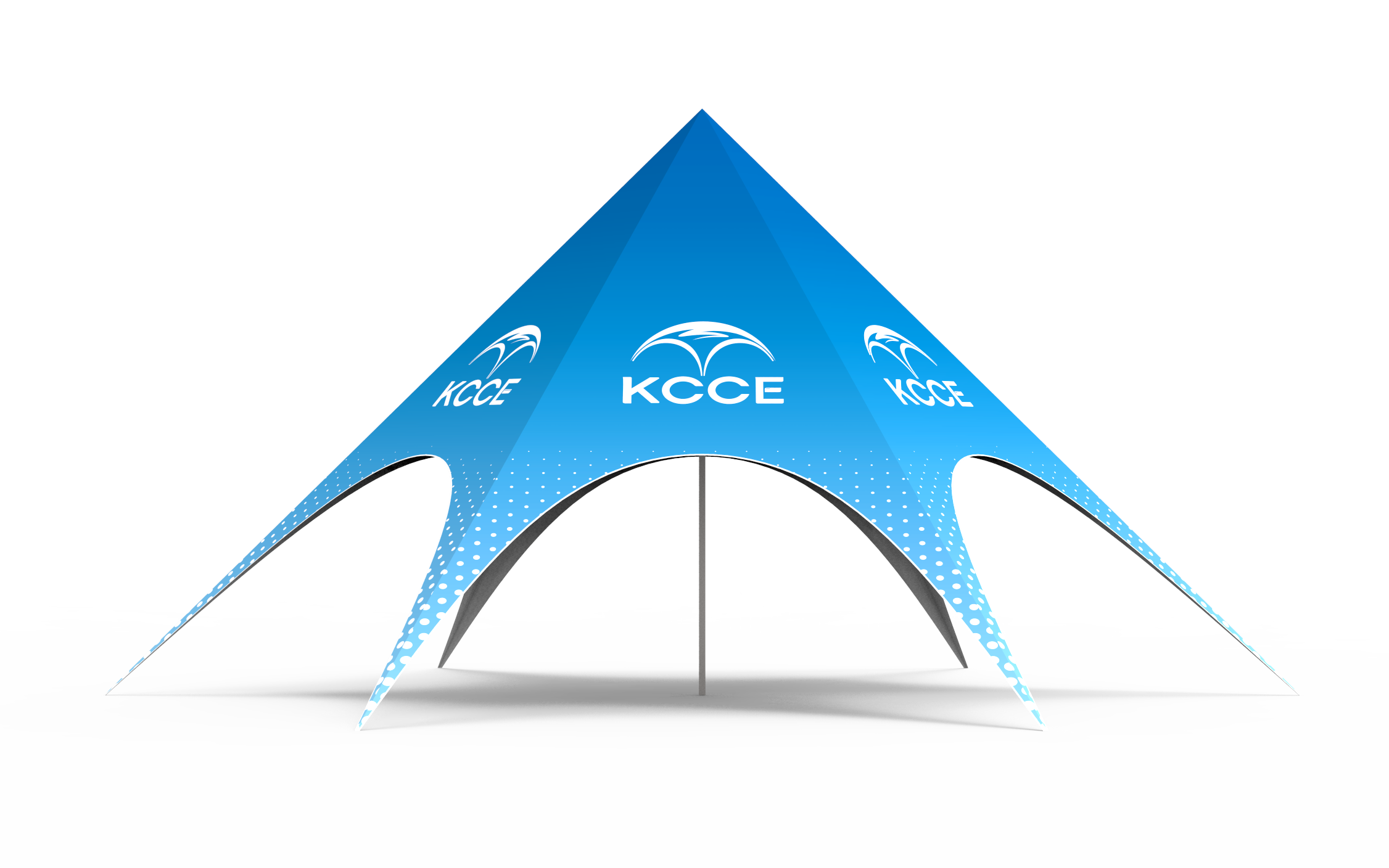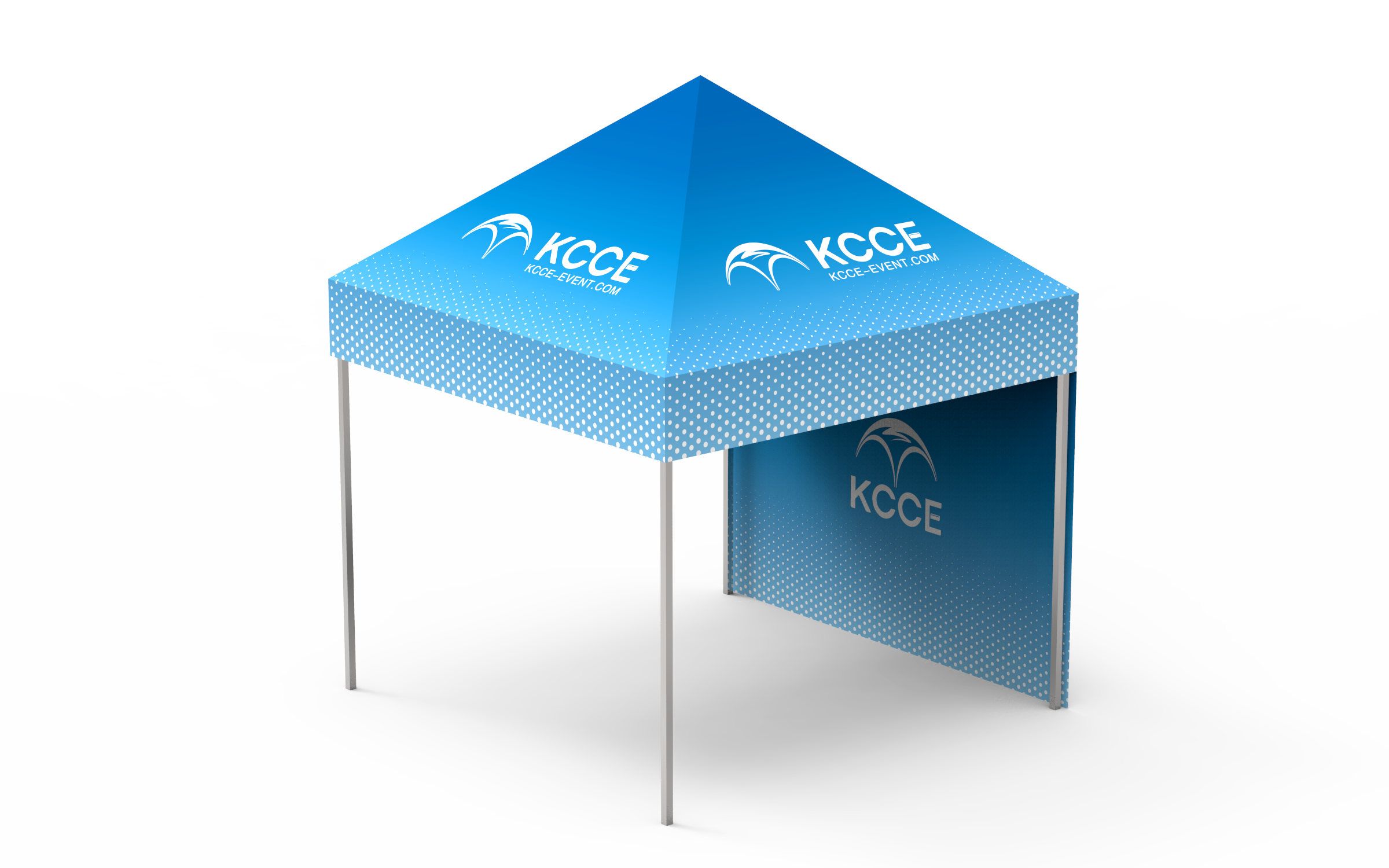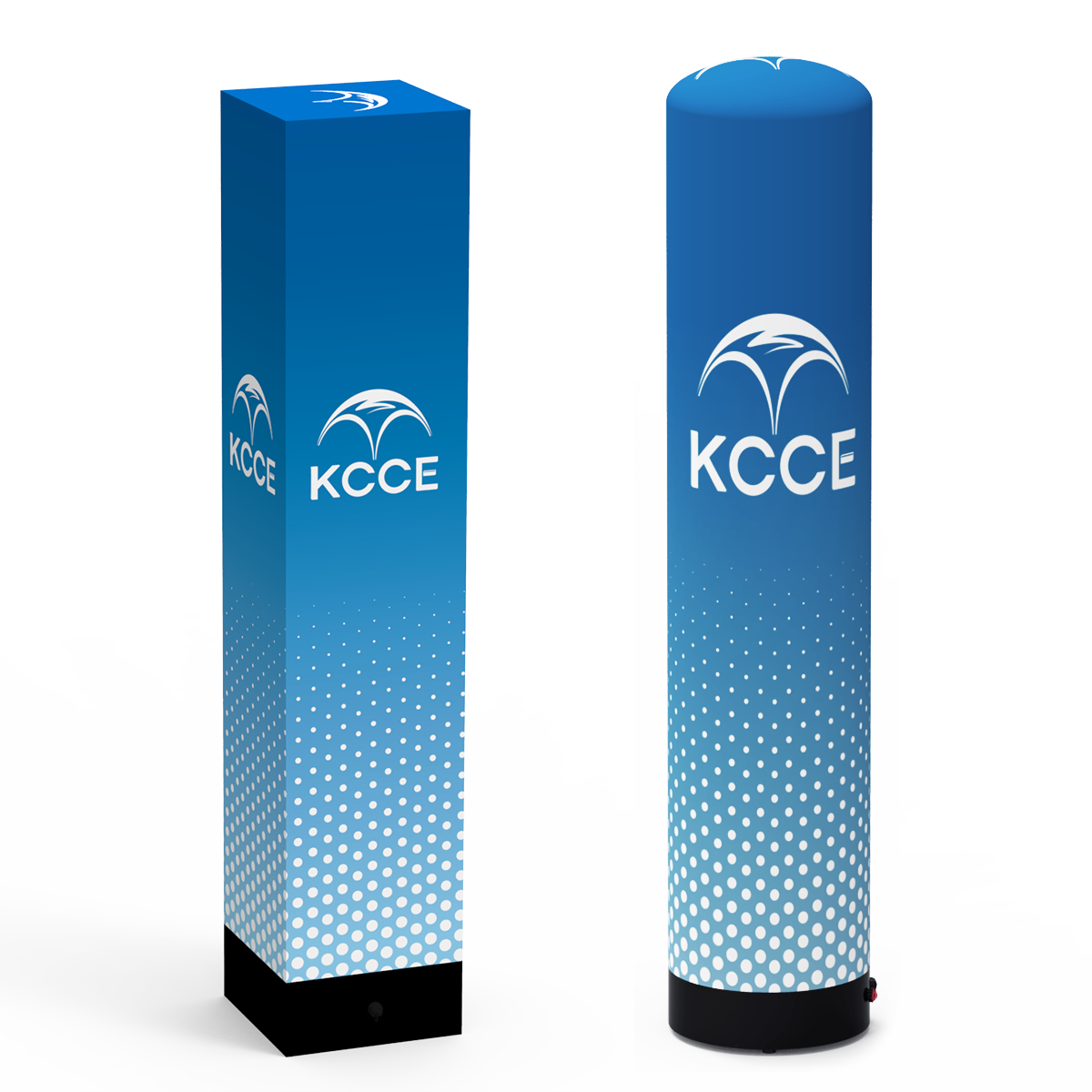
You’ve spent weeks designing the perfect booth. The graphics are crisp, the product demo is rehearsed, the giveaways are stacked. But when the trade show floor opens, you scan the aisle and realize something painful: your tent looks exactly like everyone else’s. Same frame. Same shape. Same sea of fabric.
Three booths away, a brand with an Outdoor Inflatable Advertising Tent has a crowd three deep. People aren’t just walking past—they’re stopping to take pictures. The difference? It wasn’t a bigger budget. It was a smarter structure.
I’ve been in the event marketing game for nearly a decade. I’ve watched companies throw thousands of dollars at pop-up banners and heavy aluminum frames, only to realize the real ROI comes from something that literally rises above the noise. That’s where these tents come in.
This guide isn’t another product roundup. It’s a decision framework built for people who sign the checks. I’ll walk you through material specs, wind safety, hidden costs, and how to find a reliable supplier—whether you’re searching for Outdoor inflatable advertising tents near me or scrolling through overseas listings. By the end, you’ll know exactly what to buy, what to avoid, and how to make your investment last more than one season.
Outdoor Inflatable Advertising Tents: More Than a Big Balloon
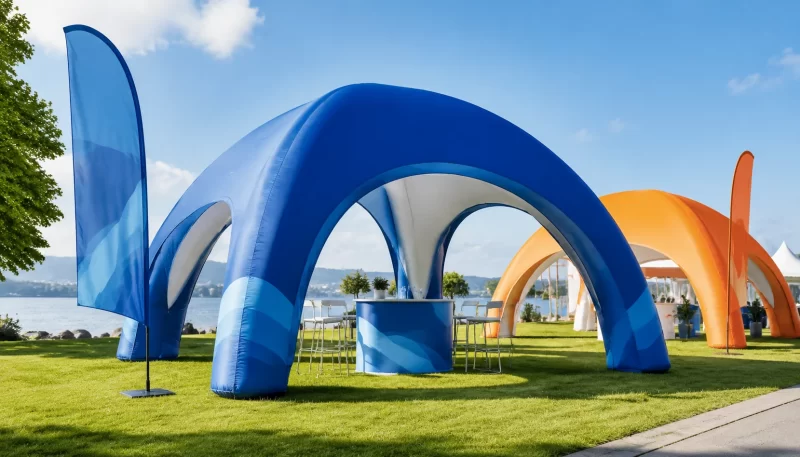
Let’s clear something up right away. When most people hear “inflatable tent,” they picture a cheap, wobbly bouncy castle at a kid’s birthday party. That’s not what we’re talking about. A proper Outdoor Inflatable Advertising Tent is a modular, custom-printed, high-visibility brand asset engineered for real-world abuse.
I’ve used these tents for everything from a quiet street-side pop-up in a suburban plaza to a chaotic weekend music festival with wind gusts that would have shredded a standard canopy. The difference in performance is staggering. Industry data (and my own experience) suggests that branded inflatable structures can increase brand recall by 40% compared to static signage. Why? Because people remember movement, shape, and novelty. A boring white canopy is invisible. A custom printed inflatable with your logo, in the shape of your product, or just taller and more vibrant—that sticks.
Here’s what I mean when I compare a traditional pop-up canopy to an inflatable tent:
| Merkmal | Traditional Pop-Up Canopy | Aufblasbares Werbezelt |
|---|---|---|
| Aufbauzeit | 1 person, 10–20 minutes | 1 person, 5–10 minutes (with blower) |
| Wind Stability | Poor above 20 mph (needs heavy weights) | Good up to 30 mph (sealed system or continuous blower) |
| Druckqualität | Limited print area, often screen-printed | Full 360-degree sublimation or UV print |
| Portabilität | Heavy frame, bulky bag | Lighter, compresses into single duffel |
| Kosten | $200–$800 | $1,200–$5,000 |
I’ll be honest: I used to buy the cheap canopy tents. I owned three of them. One collapsed at a client event in under five minutes. Another faded to a sad pastel mess after two outdoor markets. A third one snapped a leg joint and became a hazard. I switched to inflatable tents for my own business four years ago, and I haven’t looked back.
How to Evaluate Outdoor Inflatable Advertising Tents (Without Getting Duped)
Now, before you run out and order one, let’s talk about what actually matters. Most buyers make the same mistakes. They look at the price tag, see a big shiny image, and hit “buy.” Then two months later the seam splits, the inflation system fails, or the printed logo peels off.
I’ve compiled the five factors any decision-maker needs to evaluate. Skip any of these, and you’re gambling with your budget.
1. Material: PVC Thickness Isn’t Just a Spec
The most common material for commercial inflatable tents is PVC-coated polyester or nylon. Thickness is measured in millimeters (mm) or denier (D). Here’s the cheat sheet:
- 0.5 mm – Lightweight, okay for indoor use, low wind resistance. Expect a lifespan of maybe one season if you’re lucky.
- 0.7 mm – My sweet spot. Good balance of weight and durability. Can handle moderate outdoor conditions.
- 1.0 mm – Heavy-duty. Used for industrial and high-traffic events. Tough to puncture, but the tent will be heavier to carry.
I’ve seen suppliers advertise “heavy-duty PVC” and send something closer to 0.4 mm. Don’t trust the label. Ask for a fabric sample before you buy. If they can’t send a 1×1 cm swatch, move on. That one test filters out 80% of low-quality vendors.
2. Inflation System: Continuous Blower vs. Sealed
This is a big one, and it’s surprisingly overlooked.
- Continuous Blower (Air Dome Style): The blower runs the entire time the tent is up. It maintains constant positive pressure. If someone unzips the door, the tent stays inflated because more air is being pushed in. These are common for Large outdoor inflatable advertising tents and tunnel entrances. Downside: noise. You’ll hear the motor humming all day.
- Sealed Inflatable (Static System): The tent has internal air beams that are sealed and pre-inflated. No motor runs once it’s up. Quieter, cleaner, but if a seam leaks, the tent deflates. These are better for smaller setups like an aufblasbares Vordach 10×10.
Which should you choose? That depends. For a multi-day trade show where noise matters, go sealed. For a high-traffic outdoor event where people are constantly moving in and out, the continuous blower is safer. I’ve used both. The sealed system is quieter, but I always carry a repair kit and a backup battery blower, just in case.
3. Wind Rating and Stability
No tent is “unbreakable” in a storm. Anyone who tells you otherwise is selling something. But a decent Aufblasbares Baldachinzelt should be rated for wind loads based on industry standards like ASTM or the IGBT’s wind load classifications. Look for:
- Level 3 (up to 30 mph): Acceptable for most outdoor use. The tent should have anchor points for sandbags or screw stakes.
- Level 4 (30–50 mph): Rare in consumer tents. You’ll pay more, but it’s worth it for coastal or exposed locations.
I attended a festival in Ohio last summer where the wind hit 35 mph. Half the frame tents collapsed. The inflatables? Most held. The ones that didn’t were unsecured. Always secure your tent. It’s not optional.
4. Print Quality and Durability
For an advertising tent, the graphics are the whole point. Two main processes:
- Sublimation printing: Dye is heat-transferred into the fabric. Vivid, long-lasting, and doesn’t crack. Best for Custom outdoor inflatable advertising tents.
- Screen printing: Cheaper but fades faster, especially in UV exposure.
Ask your supplier what method they use. If they say “digital direct print,” ask for a sample printed in full sun for 30 days. Run your fingernail over it. If the ink scratches off, reject it.
5. Portability and Storage
Your tent isn’t just for one event. You’ll pack it into a van or an SUV. Check the packed weight. A 10×10 ft best outdoor inflatable advertising tents option should weigh around 30–40 lbs with the blower. A 20×20 ft model can be closer to 80 lbs. Make sure the carrying case has wheels and good handles. I learned this the hard way after hauling a heavy tent bag through a parking garage for twenty minutes.
Quick Checklist: 10 Questions to Ask Before You Buy
- What is the exact PVC thickness (in mm)?
- Can you send a 1×1 cm fabric and print sample?
- Is the inflation system continuous or sealed?
- What is the wind rating (in mph)?
- What anchor system is included?
- What’s the printed pixel resolution (DPI)?
- Do you offer sublimation printing?
- What is the packed weight and bag dimensions?
- Do you have real customer photos from events?
- What is your warranty policy on seams and blowers?
Best Outdoor Inflatable Advertising Tents for Trade Shows, Sports, and Street Marketing
Choosing the right size and style is where most people go wrong. You might think bigger is always better. It’s not. I’ve seen companies rent a massive 20×20 tent for a cramped outdoor market aisle, and they looked ridiculous. Conversely, I’ve seen a tiny 10×10 inflatable dominate a trade show because its design was bold and memorable.
Here’s a cheat sheet based on real use cases:
10×10 ft: The Workhorse
This is the most common size for a reason. It fits most 10×10 booth spaces in trade halls, works on a standard street curbside, and can be set up by one person. An aufblasbares Vordach 10×10 is ideal for:
- Indoor trade shows and conferences
- Street marketing pop-ups
- Local farmers markets
- Small product launches
Meine Einschätzung: If you’re buying your first inflatable tent, get a 10×10. It’s versatile enough for 80% of events. You’ll also find plenty of best outdoor inflatable advertising tents listed in this size range, making it easy to compare.
12×12 to 10×20 ft: The Mid-Size
When you need a bit more elbow room for a demo area, seating, or a larger sign. Good for:
- Corporate outdoor events
- Sports team fan zones (think: tailgate parties)
- Medium-sized festivals
These sizes often require two people to set up, and you’ll want to verify the weight before buying. A Large outdoor inflatable advertising tents in 10×20 will weigh around 60–70 lbs packed.
20×20 and Above: The Statement Piece
These aren’t for everyday use. They’re for:
- Major brand activations
- Headliner stages at music festivals
- Sponsor areas at large sporting events
If you’re searching for Outdoor inflatable advertising tents nearby, I’d suggest renting one of these before buying. The cost of purchase is high (often $4,000+), and maintenance is heavy. But when done right, the visual impact is unmatched.
| Szenario | Recommended Size | Style | Benefits |
|---|---|---|---|
| Indoor trade show | 10×10 | Inflatable canopy | Quick setup, fits standard booth |
| Street market | 10×10 | Inflatable canopy | Light, portable, full print |
| Outdoor sports event | 10×20 | Inflatable canopy with walls | Protected sides, high visibility |
| Music festival entrance | 20×20 or tunnel | Large inflatable tunnel | Creates a portal, guides foot traffic |
| Corporate launch | Custom shape | Fully branded custom | Unique shape, premium feel |
Top 5 Outdoor Inflatable Advertising Tents Compared (Size, Price, Portability)
I don’t like naming specific brands in a vacuum because quality varies wildly, even within the same brand’s lineup. Instead, I’ll give you a comparison framework. The table below represents typical products you’ll encounter. Use it as a filter.
| Modell | Größe | Inflationszeit | Wind Rating (mph) | Print Method | Preisspanne (USD) | Verpacktes Gewicht |
|---|---|---|---|---|---|---|
| Model A | 10×10 ft | 5 Minuten | 30 | Sublimation | $1,200–$1,800 | 35 lbs |
| Model B | 10×20 ft | 8 Min. | 35 | UV digital | 2.500–3.500 $ | 60 lbs |
| Model C | 12×12 ft | 6 Min. | 25 | Sublimation | $1,800–$2,400 | 45 lbs |
| Model D | 20×20 ft | 12 min | 30 | Sublimation | 3.500–5.000 $ | 85 lbs |
| Model E | Custom shape | 10–15 min | 20–30 | Sublimation | $4,000+ | Variiert |
How to read this table:
- Model A is your entry point. It’s probably what you’d call the aufblasbares Vordach 10×10 among the best outdoor inflatable advertising tents. Light, fast, and prints well.
- Model B is for mid-size events where you need more footprint.
- Model D is for large-scale activations. Budget for shipping too.
- Model E is custom. Only go this route if you know exactly what shape you want and you plan to use the tent for at least 3–5 years.
One thing I’ll add: don’t obsess over the “best” label. There is no single best tent. There’s the best tent for your budget, your event type, and your climate. For example, if you live in a coastal area with constant winds over 25 mph, spending more on a reinforced Model B might actually be cheaper in the long run than buying a cheaper tent and replacing it every summer.
Custom Outdoor Inflatable Advertising Tents: Worth the Extra Cost?
You might be looking at Custom outdoor inflatable advertising tents and wondering if the premium is justified. The short answer: it depends.
Custom tents generally cost 30–50% more than off-the-shelf models. But they also last longer, look better, and can be designed to fit your brand’s unique visual identity. If you’re a major brand planning to use this tent for multiple events over two years, custom is almost always the better value.
When should you go custom?
- Your brand has a distinctive shape or logo that doesn’t fit a rectangle
- You need full 360-degree printing (including the roof or back wall)
- You’re using the tent as a centerpiece for a large activation
- You plan to hire the tent out to other companies (yes, this is a thing)
When should you stick with stock?
- Your budget is tight under $2,000
- You only need the tent for one or two events
- You’re testing an inflatable for the first time
- Your event is mostly indoor with low wind risk
Here’s a simple decision flowchart:
Do you plan to use the tent for 3+ events per year?
  |-- YES --> Do you need a custom shape or full printing?
                |-- YES --> Go custom
                |-- NO --> Stock is fine
  |-- NO --> Is your budget under $2,000?
                |-- YES --> Rent or buy a stock
                |-- NO --> Consider custom if you want better print quality
I’ve bought both. My first inflatable was a stock 10×10. It did the job, but the print faded after two seasons. My second was a custom 12×12 with sublimation. It’s still in rotation three years later, and the colors are as bright as day one. The upfront cost stung, but the cost per use is lower.
How to Maintain Your Outdoor Inflatable Advertising Tent (And Spot a Bad Supplier)
You’ve bought the tent. Now the real work begins. Most “bad purchase” stories I hear aren’t about the product itself—they’re about poor maintenance or a sketchy supplier. Let’s fix both.
Maintenance: Do This, Not That
Reinigung: Use a mild soap (like dish soap) and lukewarm water. Rinse thoroughly. Do not use bleach, alcohol, or abrasive cleaners. They’ll ruin the print and weaken the PVC.
Trocknung: This is non-negotiable. Never store a damp inflatable. Mold and mildew will destroy the material in weeks. Spread it out in the sun, or use a fan for an hour.
Lagerung: Roll it loosely, don’t fold it tightly. Folding along the same creases will weaken the seam over time. Use the carrying bag that came with it. If you lose the bag, get a replacement.
Reparaturen: Every good inflatable tent comes with a patch kit. If yours doesn’t, buy one. Use the specific adhesive recommended by the manufacturer. A small puncture can be fixed in five minutes. A neglected tear will cost you a new tent.
Supplier Red Flags: What to Watch For
I’ve been burned by cheap suppliers. Here’s what I’ve learned.
- No fabric sample: If they won’t mail you a swatch, they’re hiding something. Walk away.
- Vague quotes: A good supplier gives you a clear breakdown—material, printing, blower, shipping, warranty.
- No wind testing data: If they can’t tell you the tent’s wind rating, they’re selling a toy, not a tent.
- No real photos: Stock renders are easy. Ask for photos of actual tents they’ve delivered to real customers.
- Short warranty: Anything under 6 months is suspicious. A decent tent should last at least 12 months with normal use.
How to Find a Reliable Supplier Near You
If you’re searching for Outdoor inflatable advertising tents near me, here’s my process:
- Open Google Maps and search “inflatable tent supplier near me.”
- Look at the “About” section. Do they have a physical address? A working phone number? Real opening hours?
- Check for a Google Business profile with recent reviews. If the only reviews are from a year ago or are all 5 stars in a single week, be skeptical.
- Call them. Ask two questions: “Can you send a fabric sample?” and “What is the lead time for a custom print?” If they can’t answer immediately, red flag.
I also search Outdoor inflatable advertising tents nearby to see if any event rental companies list these tents as available. Even if you’re buying, seeing what local firms stock can give you benchmark prices.
Häufig gestellte Fragen
Q: How long does it take to set up an outdoor inflatable advertising tent?
A: Most models inflate in 5–15 minutes with a standard electric blower. A 10×10 ft tent is typically ready in under 5 minutes. Larger custom tents may take 10–15 minutes. Count another 5 minutes for securing the anchor points.
Q: Are inflatable tents safe in windy weather?
A: Good inflatable tents are tested for wind loads up to 30 mph (Level 3). Always use proper anchors—sandbags or screw stakes. Never use an inflatable in sustained winds above 30 mph without a continuous blower system.
Q: Can I print my full logo on a stock inflatable canopy?
A: Stock tents often have limited print areas. For full 360-degree branding, you’ll want a Custom outdoor inflatable advertising tents. Sublimation printing on a custom design offers the best color and durability.
Q: How do I clean and store my tent after an event?
A: Use mild soap and warm water. Rinse thoroughly. Dry completely before storage. Do not fold along the same crease each time. Store in the included bag in a cool, dry place.
Q: What is the price range for a good inflatable advertising tent?
A: A quality 10×10 ft best outdoor inflatable advertising tents runs $1,200–$1,800. Mid-size tents 10×20 are $2,500–$3,500. Large custom or 20×20 tents can reach $4,000–$5,000.
Q: Where can I rent an outdoor inflatable advertising tent near me?
A: Search “Outdoor inflatable advertising tents nearby” on Google Maps or event rental directories. Also ask local event planning companies. Renting is a good option for one-time events or for testing size before buying.
The Real Bottom Line
The cheapest tent isn’t the one with the lowest price tag—it’s the one you don’t have to replace next season. Before you choose a supplier, ask for a 1 cm fabric sample. If they can’t provide one, move on. That single test filters out 80% of low-quality vendors.
Now, take the checklist from Chapter 2 and start your search. Your next trade show booth could be the one that stops traffic—literally. And if you’re still unsure, rent first. See how the aufblasbares Vordach 10×10 works in your environment. Experiment. Then invest.
I’ve seen small brands get a bigger ROI from a single inflatable tent than from an entire year of digital ads. There’s nothing like the physical impact of a branded structure that towers over the crowd. If you’re ready to stand out, it’s time to get inflatable.