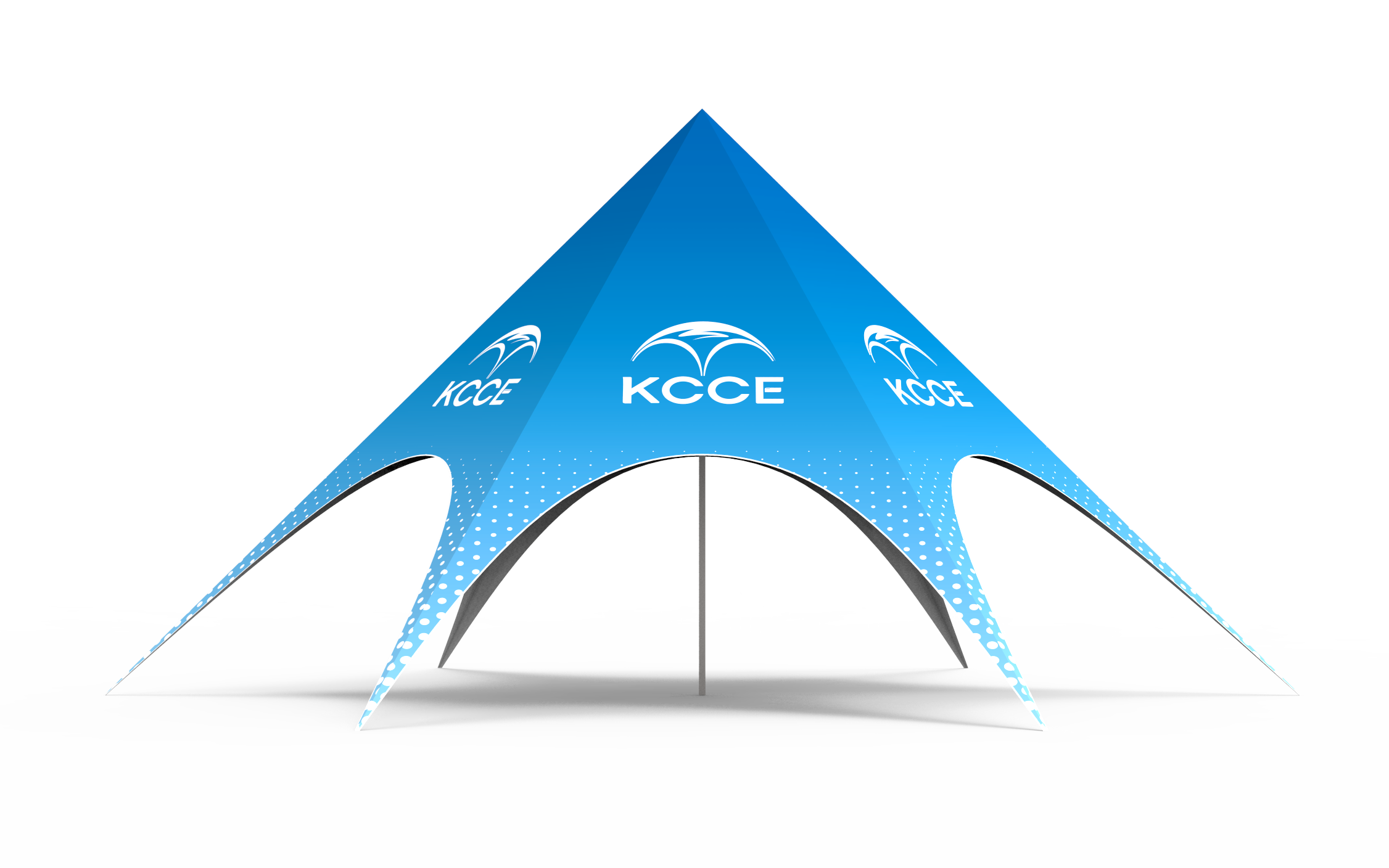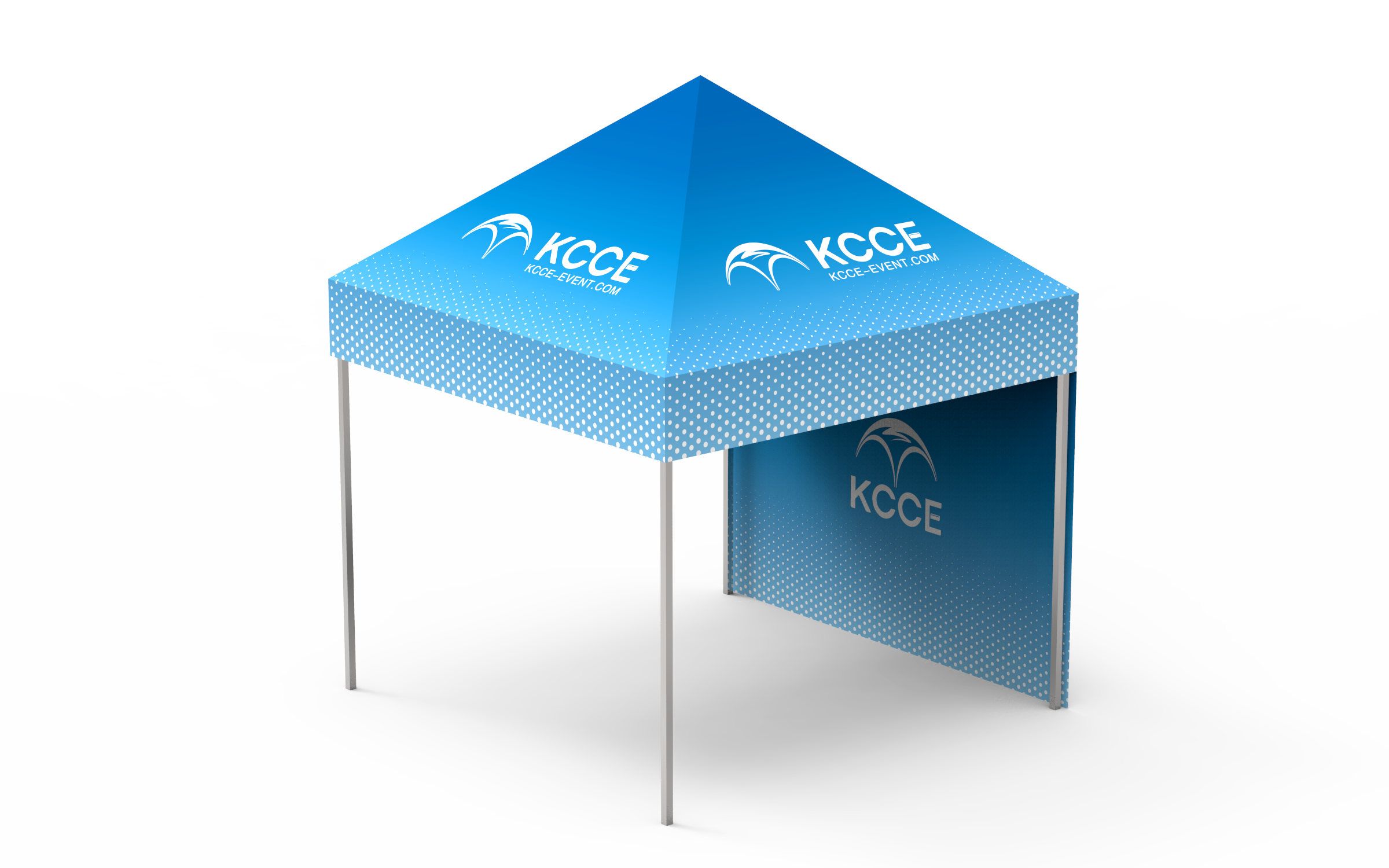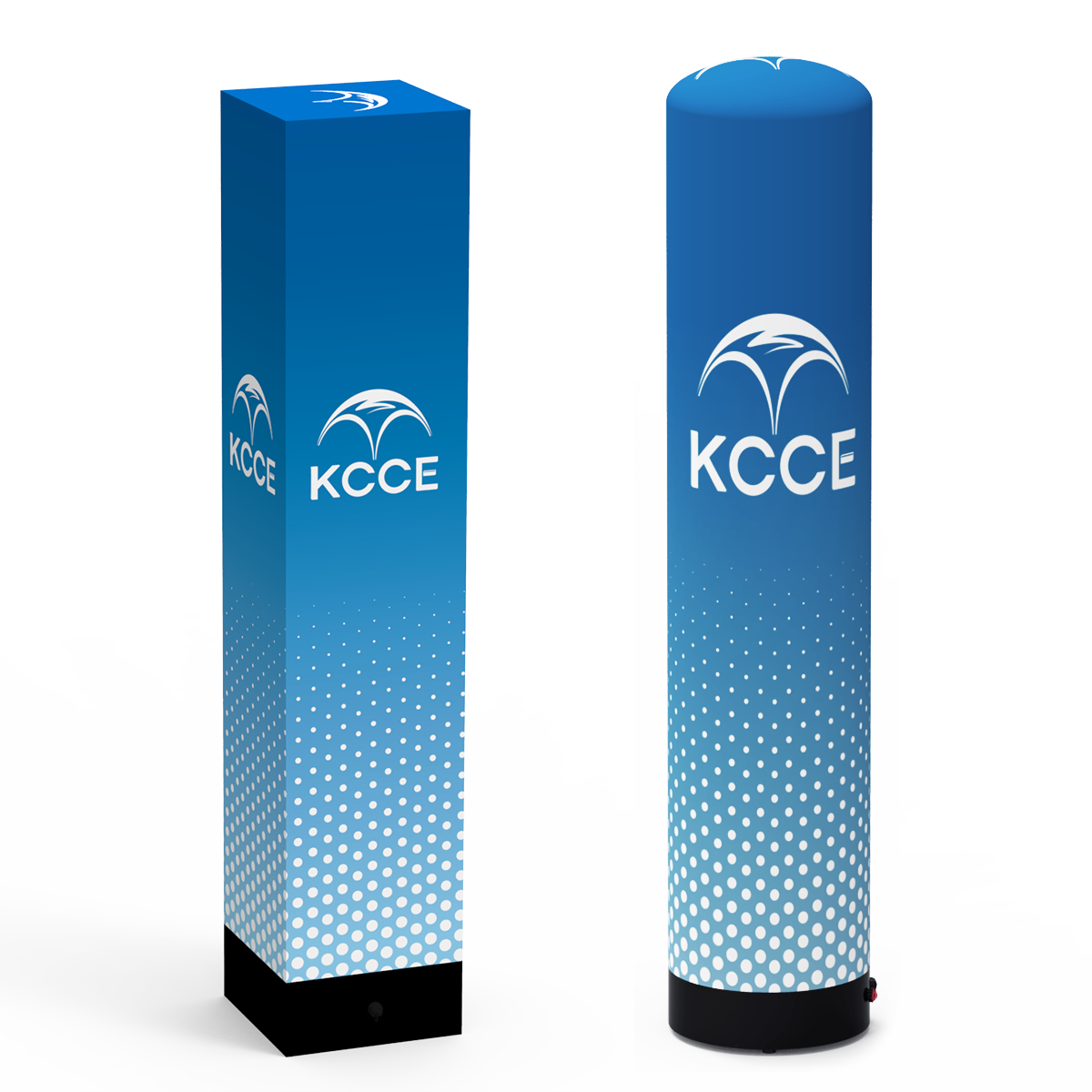
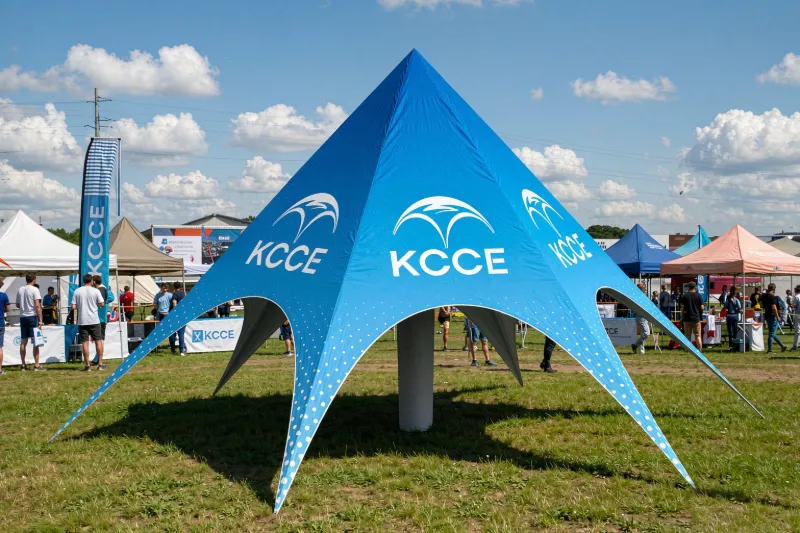
Advertising Inflatable Tent: A Buyer’s Guide That Doesn’t Pull Punches
Let me start with a scene I’ve watched play out more times than I want to admit. A marketing manager is standing in a parking lot, phone pressed to her ear, watching three guys wrestle with a collapsed frame tent that’s already eaten up two hours of their morning. The event starts in forty minutes. The side panels are flapping in a wind that keeps picking up. She’s about to learn a hard lesson about event infrastructure.
Or maybe you’ve been on the other side. You’ve seen those big, domed inflatable structures at trade shows and dealership events, and you’ve wondered—are these actually practical, or just a gimmick? Here’s the thing: an Werbung aufblasbares Zelt is neither magic nor a toy. It’s a piece of marketing infrastructure with specific engineering requirements. If you’re making purchasing decisions for your company, you need to know exactly what separates a durable, high-ROI structure from a disposable party prop that’ll embarrass you at your biggest launch.
I’ve spent years working with manufacturers, event agencies, and procurement teams in this industry. I’ve seen the good, the bad, and the genuinely dangerous. This is the guide I wish I’d had before my first big purchase.
Quick Answer
An advertising inflatable tent is a commercial-grade, air-supported structure made from heavy-duty PVC-coated fabric, designed for brand promotion at events, trade shows, and activations. When buying one, prioritize fabric weight, RF-welded seams, wind load ratings, and fire retardant certifications—these specs determine whether your investment survives its first season or its fifth.
What Is an Advertising Inflatable Tent? (Definition & Use Cases)
Let’s be clear about what we’re talking about. An advertising inflatable tent is not the bounce house your neighbor rents for birthday parties. It’s not the cheap blow-up arch outside a grand opening that deflates by noon. A commercial advertising inflatable tent is an air-supported structure engineered for repeated use, heavy branding, and professional events.
The concept is simple: a high-powered blower continuously pushes air into sealed fabric chambers, creating a rigid, freestanding structure. The constant air pressure gives the tent its shape and stability. No poles, no frames, no complicated assembly—just air and fabric working together.
Now, you might be wondering: where do these things actually get used? In my experience, the most common applications are:
- Handelsmessen und Ausstellungen — Where you need a recognizable booth that stands out from the sea of pop-up tents and banner stands. An inflatable structure gives you instant visual dominance.
- Product launches — When you’re unveiling something new and you want the space itself to feel like an event. The novelty factor draws people in.
- Car dealership promotions — Weekend sales events where you need a temporary showroom or a covered display area that can be set up fast and taken down faster.
- Brand activations — Those guerrilla marketing moments where you’re popping up in public spaces, festivals, or shopping centers. Speed of setup is everything.
- Real estate events — Creating an inflatable showroom for open houses or new development launches, especially in outdoor settings.
- Sporting events and corporate parties — Providing shelter, shade, or branded spaces for attendees.
Here’s the key insight that many decision-makers miss: the print area is the product. A 10×10 frame tent gives you four vertical panels and a roof. An inflatable dome of similar footprint gives you a massive, curved, three-dimensional canvas that people can see from across a venue. When you’re paying for visibility, that print area is what you’re actually buying.
Speaking of which, the industry has evolved a lot from the days when inflatable structures were purely novelty items. Today’s commercial-grade units are engineered with the same attention to structural integrity as traditional event infrastructure. But—and this is a big but—not all manufacturers are created equal. The difference between a tent that lasts five years and one that fails in five months comes down to materials and manufacturing standards.
Fabric & Welding Standards: What to Demand
When you’re evaluating an advertising inflatable tent, the fabric is everything. For commercial-grade inflatable tents, the industry standard is 850gsm PVC-coated polyester. That’s the benchmark you should be looking for.
Let me break down why fabric weight matters. The “gsm” stands for grams per square meter, and it’s a direct measure of fabric density. Cheaper tents often use 400gsm or 500gsm PVC, which might be fine for a weekend rental but will degrade quickly under repeated use, UV exposure, and the constant flexing from inflation and deflation cycles. The difference in lifespan is dramatic—a good 850gsm tent can last years with proper care, while a lighter fabric might start developing pinhole leaks within months.
But fabric weight alone isn’t enough. You need to understand how the fabric is joined together, because that’s where structural failures happen.
There are two main methods for joining PVC fabric in inflatable structures:
- RF welding (Radio Frequency welding) — This process uses electromagnetic energy to melt the PVC materials together at a molecular level. The result is a seam that’s as strong as, or stronger than, the surrounding fabric. RF welding creates an airtight, watertight bond that can handle the constant pressure of inflation.
- Heat sealing — This is a simpler process that uses heat and pressure to bond the fabric layers. It’s cheaper and faster, but the seams tend to be weaker and more prone to failure over time.
My recommendation? Demand RF welding. Always. The seam strength is the difference between a tent that holds its shape in a gust of wind and one that splits at the worst possible moment. In my experience, the price difference between RF-welded and heat-sealed tents is modest, but the performance difference is enormous.
One more thing on materials: you should also look for fire retardant standards. For indoor use, many venues require certifications like NFPA 701 (in the US) or similar local standards. Don’t assume that a tent is fire retardant just because it’s made of PVC—ask for the certification documentation. This isn’t just about compliance; it’s about safety. If something goes wrong at an indoor event, you don’t want to be the person who didn’t check.
When you’re talking to manufacturers, here are the questions I recommend asking about inflatable tent material:
- What is the fabric weight in gsm?
- Is it RF welded or heat sealed?
- Do you have fire retardant certifications? Can you provide documentation?
- What is the UV resistance rating?
- How many inflation/deflation cycles is the fabric rated for?
The answers to these questions will tell you more about the tent’s quality than any glossy brochure or flashy website.
Wind Load Ratings & Anchoring Systems
Here’s where things get serious. Wind is the enemy of every inflatable structure, and understanding wind load ratings is critical to both safety and longevity.
A quality advertising inflatable tent should have a documented wind resistance rating—typically in the range of 60-80 km/h (roughly 40-50 mph) for standard commercial units. This doesn’t mean the tent will survive a hurricane, but it does mean the tent is engineered to handle typical outdoor event conditions without collapsing or becoming a hazard.
Now, let’s talk about anchoring, because this is where I see the most mistakes. The blower pressurizes the tent, but the tent’s stability depends on how well it’s secured to the ground. There are three primary anchoring methods:
- Ground stakes — For soft surfaces like grass or dirt. The stakes should be driven at angles through the anchor points and should be long enough to get solid purchase in the soil.
- Ballasts — For hard surfaces like concrete or asphalt. These are weights (often sandbags or water-filled barriers) that attach to the tent’s anchor points. The total ballast weight needs to match the tent’s wind load rating.
- Straps and tensioning systems — Additional straps that help distribute wind load across the structure and provide extra stability.
Here’s something that surprises many first-time buyers: the anchoring system is often sold separately from the tent. Some manufacturers include basic stakes, but proper wind-rated anchoring might be an add-on. Don’t skimp on this. I’ve seen a $10,000 tent become a $10,000 liability because someone saved $200 on ballast bags.
You might be asking: how do you anchor a large inflatable dome properly? The answer depends on the tent’s size and the venue’s surface, but the general principle is that you need enough total anchoring force to counteract the wind’s lift and drag on the tent’s surface area. A reputable manufacturer will provide anchoring guidelines based on the tent’s specifications. If they don’t, that’s a red flag.
One more consideration: some venues have specific requirements for inflatable structures. Event venues, fairgrounds, and public spaces often require proof of wind rating and may have rules about when tents must be taken down due to weather conditions. Make sure you understand these requirements before you book a venue—not after.
Advertising Inflatable Tent vs. Frame Tent: Comparison Table
This is the eternal debate in event infrastructure, and honestly, there’s no single right answer. It depends entirely on your use case, your priorities, and your budget. Let me break down the key differences.
| Faktor | Advertising Inflatable Tent | Frame Tent |
|---|---|---|
| Aufbauzeit | 10-30 minutes with 2-3 people | 1-3 hours with 4-6 people |
| Print Space | Full 3D surface, seamless printing | Limited to walls and roof panels |
| Kosten (Erstanschaffung) | Generally lower for same footprint | Higher for comparable size |
| Portabilität | Compact when deflated, fits in a car or small van | Bulky, requires truck and trailer |
| Haltbarkeit | Excellent with proper care, can last years | Very durable, but frames can bend or break |
| Windwiderstand | Good with proper anchoring, but needs monitoring | Generally better in extreme conditions |
| Visuelle Wirkung | High—3D shapes draw attention | Standard—blends in with other tents |
| Lagerung | Small footprint when deflated | Requires significant storage space |
Print Area Comparison
This is where inflatable tents absolutely dominate. A frame tent gives you rectangular panels and a flat roof. An inflatable structure gives you curved, three-dimensional surfaces that can be printed with seamless graphics. There’s no comparison in terms of visual impact.
Think about it this way: at a trade show, you’re competing with hundreds of other booths for attention. A frame tent is the baseline—it’s what everyone else has. An inflatable dome or custom shape stands out because it’s different, because it’s unexpected, and because the branding is impossible to miss.
Aufbauzeit
If you’re running multiple events in a week, or if you’re setting up in venues with tight time windows, the setup time difference is a game-changer. I’ve watched crews inflate a 20-foot advertising inflatable tent in under 15 minutes while the frame tent crew next to them was still struggling with the first corner pole.
The math is simple: less setup time means more productive time. It means you can arrive later, leave earlier, and use your staff more efficiently. Over a season of events, those hours add up to real money.
Setup Time, Blowers & Power Requirements
Speaking of setup time, let’s get into the specifics. A commercial advertising inflatable tent can be fully inflated in 10-30 minutes, depending on size. That’s from the moment you pull it out of the bag to the moment it’s standing and ready for use. Compare that to the 1-3 hours you’d spend assembling a frame tent of similar size, and the advantage is obvious.
The inflation process is straightforward: you connect the blower to the tent’s inflation port, turn it on, and the tent fills with air. The blower runs continuously during the event to maintain pressure. When the event is over, you turn off the blower, open the deflation valves, and the tent collapses for packing.
Now, about blowers—this is a critical component that often gets overlooked. The blower is the heart of the system, and its specifications matter:
- Wattage — Commercial blowers typically range from 500W to 1500W or more, depending on the tent’s volume. A larger tent needs a more powerful blower to maintain adequate pressure.
- Backup units — Always have a spare blower. Always. If your primary blower fails during an event, your tent deflates in minutes. A backup blower can be swapped in quickly, saving your event.
- Power requirements — Make sure you understand the power draw and have access to appropriate electrical supply at your venues. Most blowers run on standard 110V or 220V outlets, but larger units might need special connections.
Here’s a common mistake: people assume the blower is just a fan and any fan will work. That’s wrong. The blower needs to provide sufficient air volume (measured in CFM—cubic feet per minute) and pressure to keep the tent rigid. Using an undersized blower means a saggy, unstable tent that looks unprofessional and might not survive a light breeze.
The setup process itself requires some training. While it’s not complicated, there’s a proper sequence: unroll the tent, position it correctly, attach the blower, and monitor the inflation to ensure the tent doesn’t catch on anything or fold incorrectly. With a bit of practice, your team will have it down to a routine.
One more consideration: noise. Blowers make noise, and that noise can be a problem in certain settings. Some venues have noise restrictions, and a loud blower can interfere with presentations or performances. Look for blowers with sound-dampening features or consider placement options that minimize noise impact.
Customization & Printing Quality
Here’s where the advertising inflatable tent really shines as a marketing tool. The printing quality on modern inflatable structures is remarkable, and the customization options are nearly limitless.
The standard printing method for commercial inflatable tents is dye-sublimation printing. This process allows for full-color, edge-to-edge printing that becomes part of the fabric itself, rather than sitting on top of it. The result is vibrant, durable graphics that won’t crack, peel, or fade easily.
When you’re planning your branding, consider these factors:
- Seamless printing — Quality manufacturers can print across the entire surface of the tent, including around curves and corners. This creates a seamless, professional look that’s impossible with panel-based frame tents.
- UV-resistant inks — If your tent will be used outdoors, UV resistance is essential. Quality inks and printing processes will maintain their color vibrancy even after extended sun exposure.
- 3D shapes — Beyond the basic dome, you can get inflatable structures in custom shapes—product replicas, animals, buildings, anything you can imagine. These make an even bigger statement, though they come with additional design and manufacturing complexity.
The design process typically works like this: you provide your artwork or branding requirements, and the manufacturer creates a print proof for your approval. Once approved, the design is printed onto the fabric panels, which are then cut and welded into the final structure.
Here’s a tip from experience: when designing for an inflatable tent, think about how the design will look when the structure is inflated. Curved surfaces distort graphics, so what looks good on a flat screen might look odd on a dome. A good manufacturer will help you design for the three-dimensional reality of the structure.
You might be wondering: what is the best way to brand an inflatable dome? The answer is to think big and bold. These structures are meant to be seen from a distance. Simple, high-contrast designs with large text and strong imagery work best. Fine details and small text will be lost on a curved surface viewed from across a venue.
For a maßgeschneidertes aufblasbares Zelt, the customization possibilities extend beyond printing. You can choose the shape, size, color, and even add features like windows, doors, or integrated lighting. The key is working with a manufacturer who understands both the structural engineering and the branding requirements.
Logistics: Shipping, Storage & Maintenance
Let’s talk about the practical side of owning an advertising inflatable tent—the stuff that doesn’t show up in the marketing photos but matters just as much.
Shipping dimensions are a big deal. When deflated and packed, a commercial inflatable tent takes up surprisingly little space. A 20-foot dome might pack into a bag that’s about 4 feet long and 2 feet in diameter. This means it can fit in a standard car trunk, an SUV, or a small van. Compare that to a frame tent of similar size, which requires a truck and careful disassembly.
This portability creates real logistical advantages. You can ship the tent via standard courier services to event locations. You can carry it as checked baggage if you’re flying to an event. You’re not limited by the size of your vehicle or the availability of a truck.
Storage is equally manageable. When deflated and properly packed, the tent takes up minimal warehouse space. It can be stored on a shelf or in a corner, unlike frame tents that require dedicated storage racks.
But here’s the maintenance side that many buyers overlook:
- Reinigung — The tent should be cleaned after each use, especially if it’s been exposed to dirt, dust, or moisture. Use mild soap and water, and make sure the tent is completely dry before packing it away.
- Repair kits — Every tent should come with a repair kit that includes patches and adhesive for fixing small punctures or tears. Learn how to use it before you need it, not during an event.
- Spare blowers — I mentioned this earlier, but it bears repeating: always have a spare blower. It’s the single most important backup item you can own.
- Regular inspection — Check seams, zippers, and anchor points regularly. Look for signs of wear, especially in areas that experience stress during inflation.
The lifespan of a quality advertising inflatable tent is impressive when maintained properly. In my experience, a commercial-grade tent with 850gsm fabric and proper care can last 5-10 years or more. The key is consistent maintenance and proper storage.
One more thing: always deflate and pack the tent properly. Rushing this process leads to creases and folds that can weaken the fabric over time. Take the extra few minutes to pack it correctly, and your tent will reward you with a longer life.
Cost Factors & ROI Justification
Now for the question that’s always on a decision-maker’s mind: how much does a commercial inflatable tent cost? And more importantly, is it worth it?
The honest answer is that prices vary widely based on size, fabric quality, printing complexity, and manufacturer. A small promotional inflatable tent might cost a few thousand dollars, while a large, custom-shaped structure with complex printing can reach tens of thousands.
Here are the main price drivers:
- Größe — Larger tents require more fabric, more engineering, and more powerful blowers. Price scales with footprint.
- Stoffqualität — 850gsm PVC costs more than lighter alternatives, but the durability difference justifies the premium.
- Print complexity — Full-coverage, seamless printing with multiple colors costs more than simple single-color designs.
- Custom shapes — A standard dome is cheaper than a custom product replica or architectural shape.
- Manufacturer reputation — Established manufacturers with quality control processes charge more, but they also deliver more consistent results.
Now, let’s talk about ROI. When comparing an advertising inflatable tent to a frame tent over a 5-year period, the economics are interesting:
Frame tent costs:
- Higher initial purchase price for comparable size
- Higher labor costs for setup and teardown (more people, more hours)
- Higher shipping costs (bulkier, heavier)
- More storage space required
Inflatable tent costs:
- Generally lower initial purchase price
- Lower labor costs (fewer people, less time)
- Lower shipping costs (compact when packed)
- Minimal storage requirements
- Blower maintenance and replacement (the main ongoing cost)
When you factor in the labor savings over multiple events, the inflatable tent often comes out ahead. And that’s before you consider the marketing value of increased visibility.
Here’s how I’d frame the ROI question for a decision-maker: don’t think of an advertising inflatable tent as a cost. Think of it as an investment in visibility. At every event, it’s working to draw attention and create brand recognition. The question isn’t “how much does it cost?” but “how much visibility does it generate per dollar?”
If your tent helps you stand out at even one major event, the additional foot traffic and brand exposure can easily justify the investment. That’s the ROI calculation that matters.
For specific pricing, the best approach is to request quotes from multiple manufacturers with your exact specifications. A reputable manufacturer will provide a detailed quote that breaks down the costs and helps you understand what you’re paying for.
Häufig gestellte Fragen
Q: How much does a commercial inflatable tent cost?
A: Pricing varies significantly based on size, fabric quality, and customization. A basic commercial-grade inflatable tent might start around a few thousand dollars, while large custom structures can exceed tens of thousands. Request detailed quotes from multiple manufacturers to get accurate pricing for your specific requirements.
Q: How long does it take to set up an inflatable event tent?
A: Most commercial inflatable tents can be fully inflated and ready for use in 10-30 minutes with a crew of 2-3 people. This is dramatically faster than frame tents, which typically require 1-3 hours and more personnel for comparable sizes.
Q: What is the lifespan of an advertising inflatable tent?
A: With proper care and maintenance, a commercial-grade tent made from 850gsm PVC fabric can last 5-10 years or more. Regular cleaning, proper storage, and prompt repair of any damage are key to maximizing lifespan.
Q: Are inflatable tents safe in high winds?
A: Quality inflatable tents are engineered with documented wind resistance ratings, typically 60-80 km/h. However, proper anchoring is essential, and tents should be monitored during events. Always follow manufacturer guidelines and venue requirements for wind conditions.
Q: How do you anchor a large inflatable dome?
A: Anchoring methods include ground stakes for soft surfaces and ballasts for hard surfaces. The total anchoring force must match the tent’s wind load rating. Some manufacturers sell anchoring systems separately, so confirm what’s included with your purchase.
Q: What fabric is best for an inflatable advertising tent?
A: For commercial use, 850gsm PVC-coated polyester is the industry standard. It offers the right balance of durability, flexibility, and print quality. Lighter fabrics are cheaper but won’t withstand repeated use or harsh conditions.
Q: Do inflatable tents require a fire certificate for indoor use?
A: Many venues require fire retardant certification for indoor inflatable structures. Common standards include NFPA 701 in the US. Always verify that your tent meets venue requirements and request certification documentation from the manufacturer.
Q: How much power does the blower consume?
A: Commercial blowers typically range from 500W to 1500W, depending on tent size. Larger tents need more powerful blowers to maintain adequate pressure. Always have a backup blower and ensure your venues can supply appropriate power.