As a corporate retreat planner, you face a critical dilemma. Opt for budget-friendly camping and hiking equipment, and you risk compromised safety, poor participant experience, and potential reputational damage. Blindly invest in premium camping supplies for sale without a strategy, and you face budget overruns and unclear return on investment. Standard guides for outdoor gear fail to address the unique corporate needs of scale, risk management, and asset tracking. This guide is designed for the strategic decision-maker. We provide a framework to transform your procurement of high-end camping gear for corporate retreats from a simple cost center into a strategic investment that boosts team cohesion, ensures safety, and delivers long-term value. You will learn to evaluate, source, and manage gear with a focus on ROI, risk mitigation, and impact.
Why Premium Gear is a Strategic Investment, Not an Expense
For corporate buyers, the decision to invest in high-end camping gear must be framed not as a recreational purchase, but as a capital allocation decision impacting safety, productivity, and the bottom line. The premium price tag is not for status; it buys quantifiable business benefits.
- Risk Mitigation & Safety Assurance: Corporate duty of care is paramount. High-end gear is engineered for reliability under duress. Tents with superior waterproof ratings and robust pole structures withstand unexpected storms. Sleeping bags with accurate, conservative temperature ratings prevent hypothermia. Stoves with precise pressure regulation and stability features minimize fire risk. This reliability directly reduces the probability of personal injury, property loss, and event cancellation—a catastrophic cost. Furthermore, demonstrating the use of certified, professional-grade equipment can positively influence liability insurance premiums for corporate events. Consider the risk-cost scenario: a single event cancellation or medical evacuation due to gear failure can far exceed the incremental cost of premium equipment for an entire team.
- Experience & Objective Achievement: The success of a corporate retreat hinges on participant engagement. A 2016 study in the Journal of Environmental Psychology found that comfort in nature-based settings significantly increases positive affect and cognitive restoration. Translated to business: a well-rested, comfortable, and dry team is more focused, collaborative, and receptive to leadership training or innovation workshops. Premium sleeping pads offer real comfort for high-quality sleep. Efficient, reliable stoves ensure hot meals are served on time, maintaining morale. This directly ties gear quality to the achievement of your retreat’s strategic goals.
- Lower Total Cost of Ownership (TCO): The corporate lens requires a lifecycle view. While initial cost is higher, premium gear offers superior durability, often backed by transferable lifetime warranties or robust repair programs. A high-end tent used for 4-5 annual retreats, with proper care, will outperform and outlast 3-4 replacements of cheaper alternatives. Factor in the administrative costs of frequent re-procurement, and the TCO favors strategic investment. This principle applies across camping and hiking supplies, from packs to cookware.
The Corporate Procurement Framework: A Step-by-Step Process
Moving from ad-hoc buying to a strategic procurement process is essential. This framework ensures your investment aligns precisely with business needs, whether you’re sourcing from a specialized camping gear store or evaluating the best camping gear websites for bulk orders.
Stage 1: Internal Needs Assessment
Begin by defining the operational parameters. What is the typical team size? What are the environmental conditions of your retreat locations (alpine, desert, coastal)? Is the activity static (basecamp discussions) or dynamic (multi-day trekking)? Are there special requirements, such as hosting clients or ensuring inclusivity for employees with disabilities? Documenting these factors creates an objective foundation for all subsequent decisions.
Stage 2: Develop a Technical Specifications List
Translate needs into technical benchmarks. This removes subjectivity and allows for direct vendor comparison. Specifications might include:
- Tents: Minimum hydrostatic head (HH) waterproof rating (e.g., 3000mm+), floor denier, pole material (e.g., DAC aluminum), and vestibule space per person.
- Sleeping Bags: EN/ISO comfort rating (not just survival limit), fill power of down, and total packed volume.
- Stoves: Boil time per liter, wind resistance, and fuel efficiency.
This list becomes your Request for Quotation (RFQ) core, whether you approach a local camping supply store or a global B2B distributor.
Stage 3: Vendor Screening & Evaluation
Look beyond the product sheet. For corporate accounts, vendor service is critical. Evaluate:
- Commercial Terms: Volume discounts, dedicated account management, and net payment terms.
- Logistics & Support: Ability to drop-ship to multiple locations, warranty processing speed, and loaner/quick-replacement policies for critical failures during events.
- Sustainability & Reporting: Availability of environmental product declarations and alignment with your CSR goals.
Researching camping gear websites with dedicated corporate sales divisions is a good starting point for identifying partners who understand B2B needs.
Pro Tip: [Download our Corporate Retreat Gear Needs Assessment Checklist] to systematically work through these stages and build your RFQ.
Key Gear Categories: Prioritizing Your Investment
Not all gear deserves equal investment. Allocate your budget to categories that most directly impact safety, core comfort, and group efficiency. A comprehensive camping hiking kit for a team requires strategic prioritization.
The Sleep System: Your Non-Negotiable Priority
This is where compromise has the highest cost. Poor sleep undermines every retreat objective.
- Tents: High-end models use durable, lightweight fabrics, strong pole systems, and offer superior weather protection and condensation management. Look for brands with a reputation for expedition-grade reliability.
- Sleeping Pads: Insulated, high-R-value pads are essential for thermal comfort and actual rest. The difference between a basic pad and a premium inflatable is the difference between exhausted and energized participants.
- Sleeping Bags: Invest in bags with true, standardized temperature ratings. The comfort of a team is worth the investment in high-fill-power down or advanced synthetic insulation.
The Kitchen & Nutrition System: Fueling Performance
Efficient meal service is a logistical cornerstone. Reliable group stoves (e.g., remote canister or liquid fuel) boil water rapidly in wind, saving time and fuel. Durable, nested cookware sets streamline packing and meal prep. This system ensures the team is fed well and on schedule, a key morale factor.
Apparel & Personal Gear: Guide, Don’t (Necessarily) Provide
Directly procuring clothing is often cost-prohibitive and logistically complex due to sizing. A more scalable strategy is to provide employees with a detailed procurement guide and negotiate a corporate discount with a recommended retailer. This empowers individuals, controls cost, and ensures a baseline of quality camping and hiking supplies like rain jackets, boots, and base layers.
| Category | Corporate-Grade Priority Metrics | Consumer-Grade Typical Metrics |
|---|---|---|
| 4-Person Tent | Weatherproofing (3000mm+ HH), Pole Strength (DAC), Vestibule Space | Weight, Price, Brand |
| Sleeping Pad | R-Value (Insulation), Durability, Repair-ability | Thickness, Packed Size |
| Group Stove | Boil Time (in wind), Fuel Efficiency, Stability | Burner Count, Price |
Buy vs. Rent: A Financial Model for Decision Making
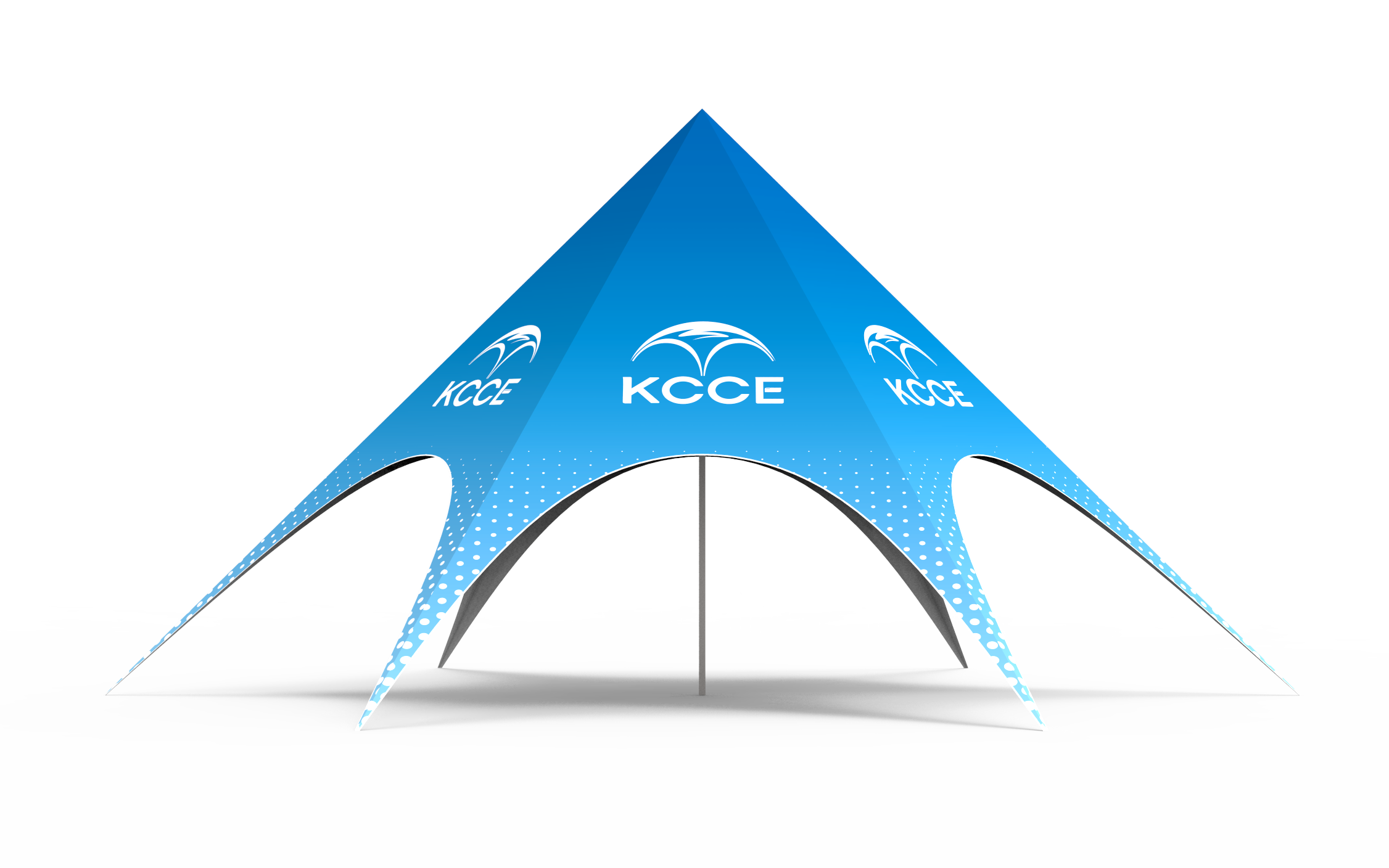
The “buy vs. rent” question is central to corporate procurement. The correct answer depends on your activity frequency, storage large inflatable tents for groups, and financial strategy.
The Purchase Model (CapEx)
Best for: Companies with a committed, regular retreat schedule (e.g., 3+ times per year), a desire for brand/gear consistency, and secure storage facilities.
Financial Analysis: This is a capital expenditure. The asset depreciates over its useful life (typically 3-5 years for active use). The model favors long-term TCO savings, asset control, and immediate availability. You own the residual value and can donate or sell gear at end-of-life. When browsing camping gear websites or evaluating camping things for sale, calculate the per-use cost over your planned lifecycle.
The Rental Model (OpEx)
Best for: One-off events, trialing a new type of retreat, or companies lacking storage/logistics capacity.
Financial Analysis: This is an operational expense. It offers maximum flexibility, often includes delivery, tent setup instructions/breakdown, and maintenance, and requires no upfront capital. However, long-term costs exceed purchasing if retreats are frequent. Customization may be limited to the rental company’s inventory.
The Hybrid Model: Strategic Flexibility
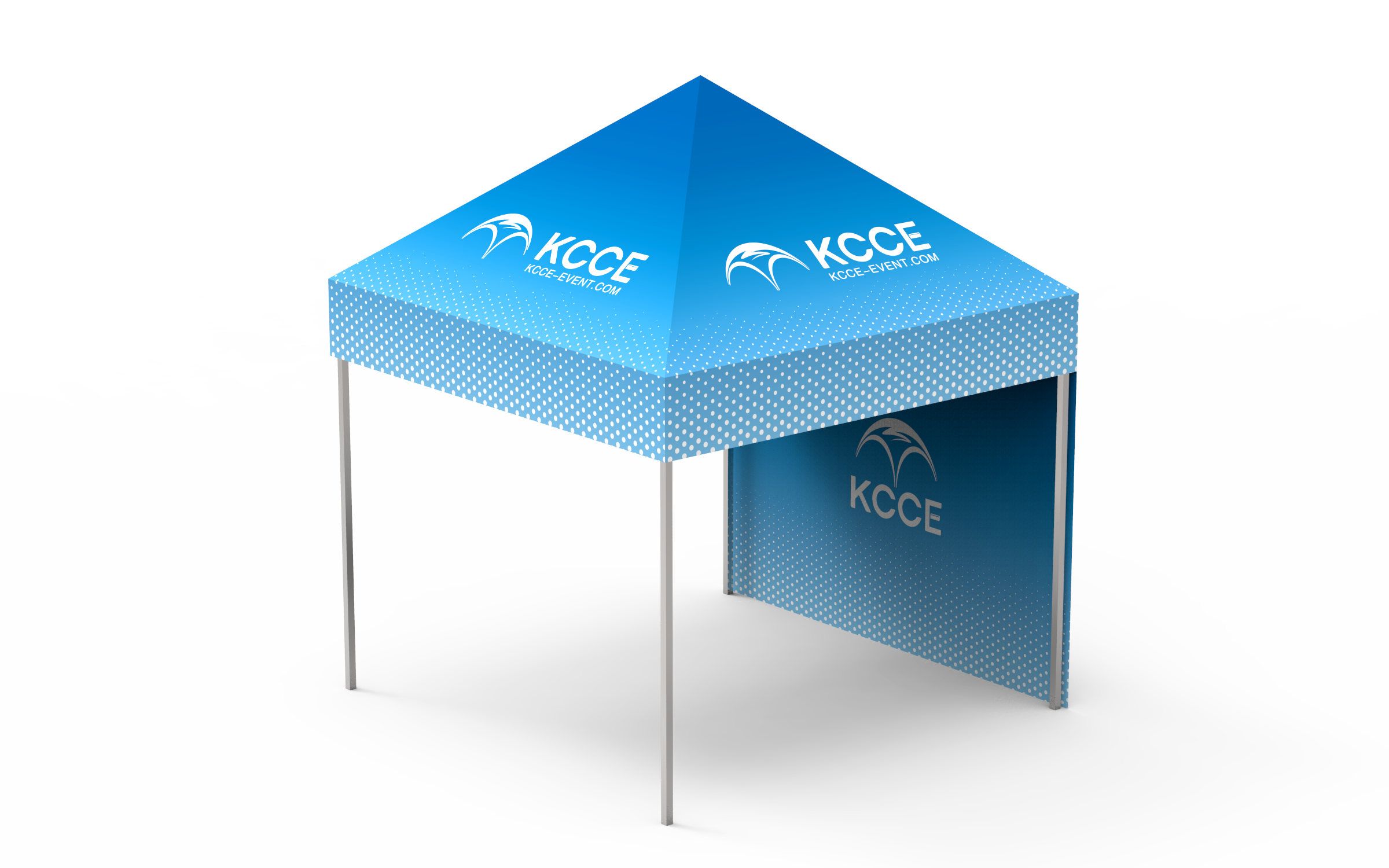
Most organizations find a hybrid approach optimal: Purchase core, high-use items (e.g., sleeping pads, durable cook sets) to build a consistent asset base. Rent bulky, situation-specific items (e.g., large group Tents for a unique location, technical mountaineering gear for a special activity). This balances cost control with operational agility.
Decision Framework: Use this simple calculation to guide your choice.
(Total Purchase Cost + Annual Maintenance & Storage) / Number of Annual Uses = Cost per Use (Buy)
Compare this to the Rental Cost per Event.
If your planned usage makes the “Buy” cost-per-use lower over 3 years, purchasing is likely financially sound.
Asset Management & Sustainability: Beyond the Purchase Order
Procurement is the beginning, not the end. Professional management of your high end camping gear portfolio protects your investment and extends its value.
Asset Tagging & Lifecycle Tracking
Implement a simple digital inventory (a shared spreadsheet or asset management software). Record purchase date, cost, serial number, and assign a unique asset ID to each major item. Log each use, cleaning, and repair. This data informs future budget requests, justifies reinvestment, and identifies failure-prone items before they cause an issue in the field.
Maintenance & Storage Protocols
Publish clear guidelines for post-retreat care. This includes proper drying and cleaning of tents, inspection of stove components, and lofting of sleeping bags. Designate a clean, dry, and temperature-controlled storage area. A “camping kit” that is poorly stored will degrade rapidly, negating your premium investment. A shared “Gear Care Calendar” can schedule annual deep-cleaning and inspections.
End-of-Life Disposal & Corporate Social Responsibility (CSR)
Responsible disposal enhances your sustainability profile. Many premium brands, like Patagonia (Worn Wear) or REI (Re/Supply), offer repair, take-back, or resale programs—partner with them. Donating functional but retired gear to outdoor education non-profits or community groups is a powerful CSR initiative. It demonstrates a commitment to environmental stewardship and community engagement, turning retired assets into positive brand equity.
Viewing high end camping gear through a corporate strategy lens changes everything. It shifts the conversation from product features to business value: mitigating risk, ensuring the ROI of your retreat objectives, optimizing financial outlays, and bolstering your brand’s reputation for caring for its people. By applying the strategic framework, procurement checklists, and financial models outlined here, you transform a tactical purchasing task into a clear, executable, and valuable business strategy.
Ready to build a strategic outdoor equipment plan for your company? [Download our comprehensive Corporate Retreat Gear Procurement Workbook] for detailed needs assessment checklists, vendor comparison templates, and Total Cost of Ownership calculation sheets.