Planners have this reflex: frame tent equals safe, inflatable equals gimmick. I get why. For decades the aluminum frame was the only thing standing between an event and a headline about a collapsed structure. But after years of quoting, rigging, and watching both types go up (and occasionally go wrong) in real weather, I’ll say it plainly: that reflex is outdated. The question isn’t which tent is “better.” It’s when to choose an event inflatable shelters over traditional options — and when doing so is a genuine mistake.
Quick Answer
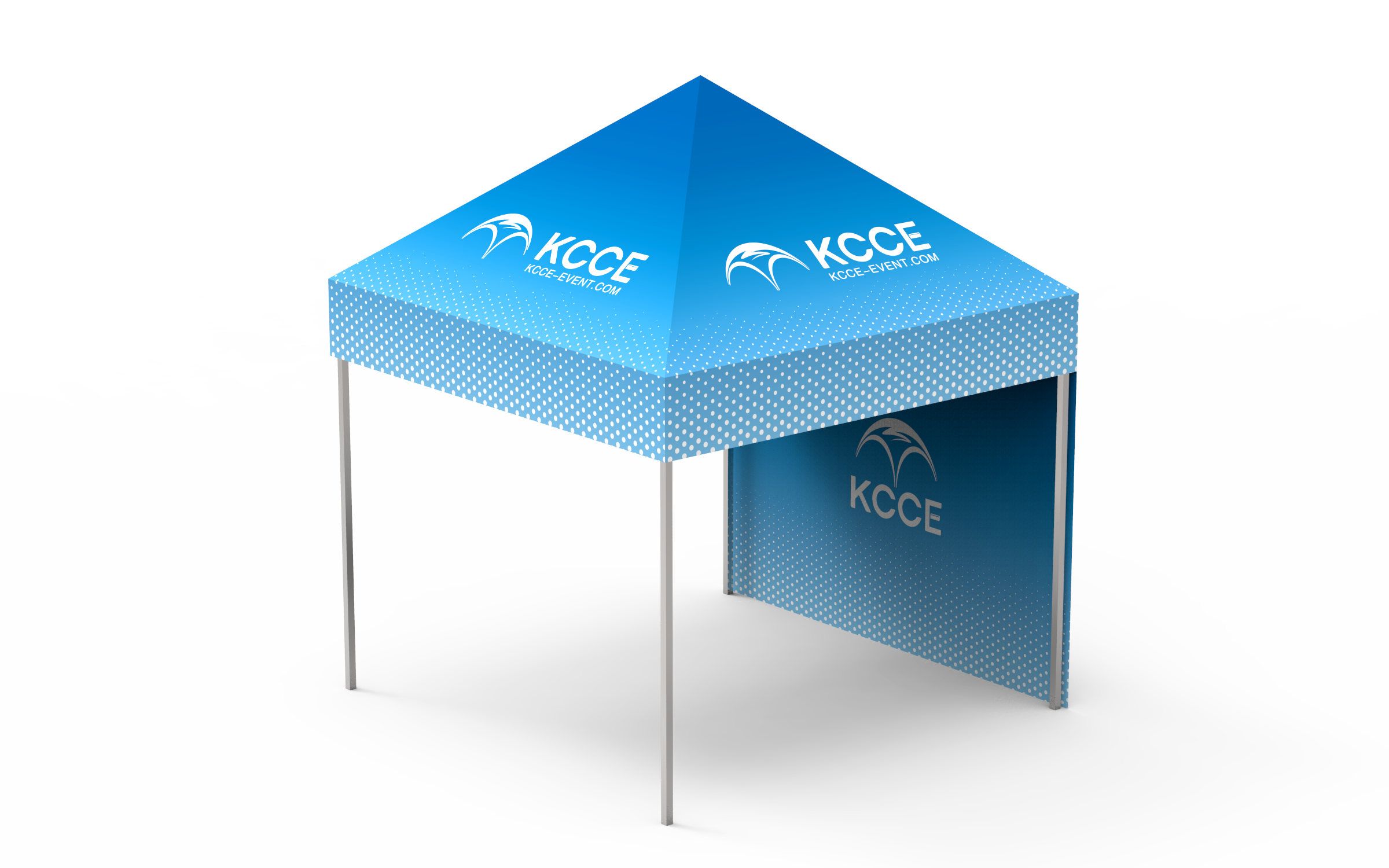
Choose an inflatable event tent when you need operating manual in under an hour with a small crew, when the ground won’t take stakes or frames, or when the structure itself is part of the custom tent printed inflatable tents options. Choose a traditional frame tent when sustained winds are high, the install runs multiple days, or budget is the hard constraint.
Inflatable vs Traditional Event Tent: Head-to-Head Comparison
Here’s the table I actually sketch for clients. Numbers are typical working ranges from real quotes and installs, not custom inflatables for business sheets.
| Factor | Inflatable event tent | Traditional frame tent |
|---|---|---|
| Setup time (20×20 ft class) | 20–45 min, 2 people | 2–4 hours, 3–4 people |
| Crew size | 2 | 3–4 |
| Wind rating (anchored) | roughly 30–40 mph, varies by model | 50–60+ mph with proper ballasting |
| Power need | blower or pump, continuous for air-frame types | none |
| Ground requirement | tolerant of uneven or paved ground | needs stake points or heavy ballast |
| Shape flexibility | fully custom, logos molded in | mostly rectangles |
| Purchase range | mid four figures and up | low-to-mid four figures |
| Best use | brand activations, fast turnarounds | long-duration, high-wind, budget jobs |
Two things jump out. First, the labor gap is the real story — not the hardware price. Second, that wind rating depends entirely on anchoring. An inflatable event tent that isn’t ballasted properly is a kite. So is a frame tent, for that matter.
Worth clearing up a common confusion: people searching “what is inflatable tent” often mean two different products. There are sealed air-frame tents that hold pressure for days, and constant-blower tents that need air pushed in nonstop. They behave nothing alike on site.
Choose an Inflatable Event Tent When…
Your install window is under two hours. If load-in starts at 6 a.m. and doors open at 9, a frame crew is still sorting poles while your inflatable is already dressed.
The ground won’t cooperate. Asphalt, decking, frozen turf, indoor concrete — anywhere you can’t drive stakes. Ballast and a sealed air frame solve what a frame tent can’t.
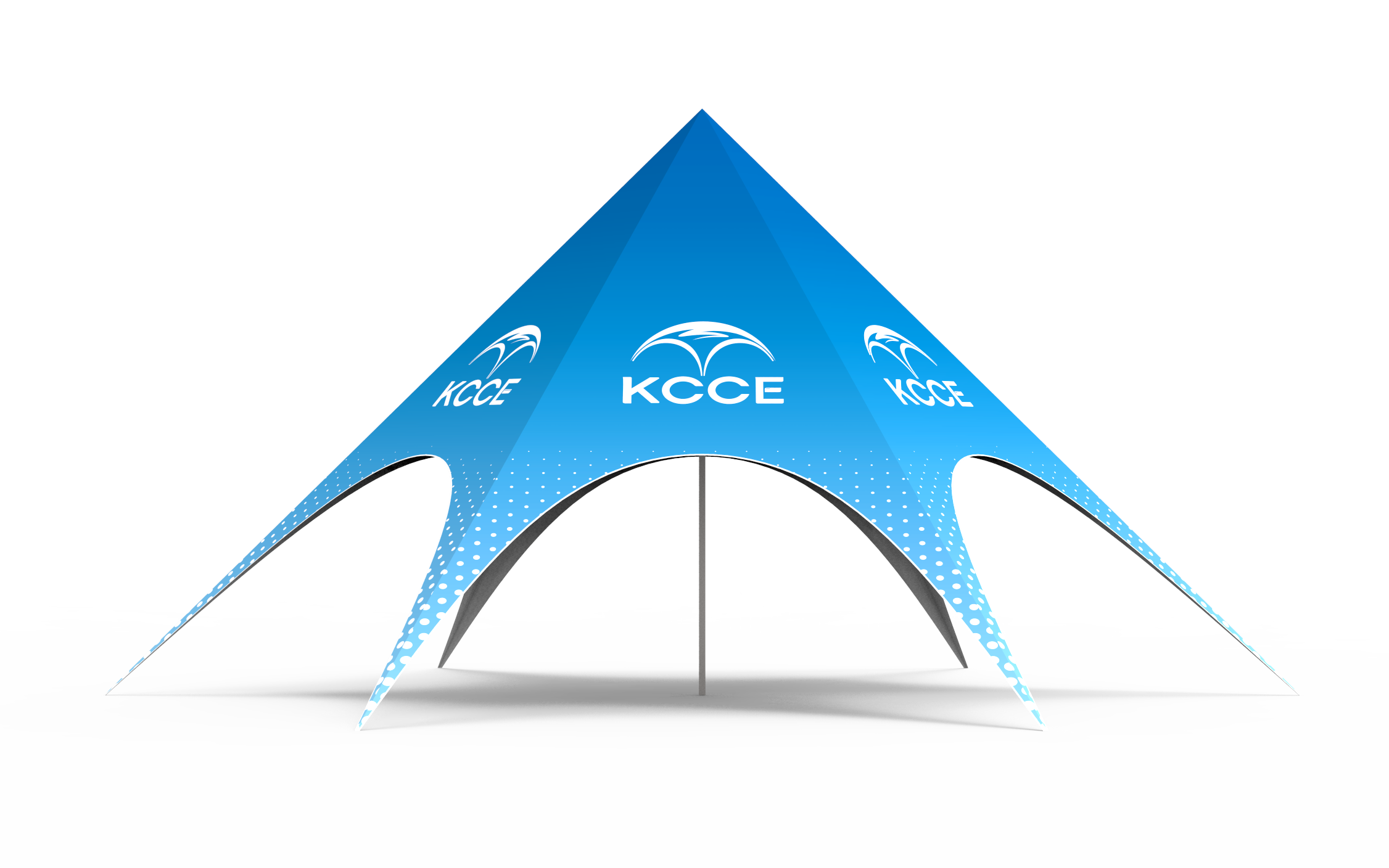
The structure is the message. Custom shapes, molded logos, odd footprints. KCCE, the Dongguan manufacturer I’ve sourced from, builds Inflatable Tents and custom branded shapes specifically for events and exhibitions where visual impact is the whole point — they’ve been at it since 2006 and ship to 75 countries, according to the company.
You’ll reuse it across many events. Frequent activators get their money back in labor, not in fabric.
Choose a Traditional Frame Tent When…
Sustained winds are in the forecast above 40 mph. This is where traditional options win outright. I won’t pretend otherwise.
The event runs multiple days. A frame tent sets once and stays. An air-frame tent needs pressure checks; a blower tent needs power the entire time.
Budget is the binding constraint. Entry-level frame tents are simply cheaper up front.
There’s no reliable power. No generator, no blower. That’s a frame tent.
Honest Problems With Inflatable Event Tents
This is the section most articles skip, and it’s exactly where inflatable tent problems live.
Slow deflation. Sealed air frames lose pressure over hours, not seconds — but they do lose it. Cold nights accelerate it. You’ll be topping up in the morning.
Punctures. One bad stake, one careless forklift, and you’re patching on site. Carry a repair kit. Always.
Pump and blower dependency. A dead blower on a constant-air tent means a dead tent. Bring a backup.
The weight myth. People assume inflatables are lighter. Often they’re heavier packed than a comparable frame tent. If portability is your priority, check the packed weight before you buy.
The small-tent time trap. On small pop-ups, inflatable and traditional setup times converge. The inflatable advantage only shows up at scale.
Cost of Ownership: 5-Year TCO Compared
Let me walk through inflatable event tent cost honestly, because the sticker price misleads.
Inflatable: higher purchase price, lower labor per event, plus pump and repair costs over time. Frame tent: lower purchase, higher labor per event, minimal maintenance. Over five years and, say, 20 events, the labor delta usually closes the gap — but only if you’re actually running that many events. Run three events and the frame tent wins on pure math.
Camping Crossover (Brief)
The same air-frame tech shows up in camping gear — Air frame tents, the AirBeam Tent 4 Person, the Inflatable floor Tent, and the Best Inflatable SUV tent category all borrow from it. If you’ve read a Quest air 4 inflatable tent v2 review, you’ve seen the consumer version of what event crews use. Camping in an inflatable tent teaches you pressure management fast. But that’s a different buying decision — for events, the calculus above is what matters.
introduction:Why the choice of event tents is crucial
The decision rarely happens in a vacuum. It shows up as a text at 9 p.m.: the venue changed, the field is now a parking lot, doors moved to 8 a.m. and the client wants the logo on the roof. Pick wrong and you’re either paying four riggers overtime to fight frozen ground, or watching an unballasted structure turn into a kite in a gust front. I’ve quoted both sides of that mistake. The cost isn’t the tent — it’s the labor, the delay, and the liability. So the framing that matters isn’t “which type is superior,” it’s matching the structure to the install window, the ground, the wind forecast, and the brand brief. Get that match right and the tent disappears into the background. Get it wrong and it becomes the story.
Development trends and current market status of portable event structures
The category has moved well past novelty. Sealed air-frame systems now hold pressure for days without a blower, which killed the old “you need constant power” objection for multi-day installs. Manufacturers like KCCE in Dongguan have been shipping inflatable event and exhibition structures since 2006 to roughly 75 countries, according to the company. and the custom-shape side of that business — molded logos, non-rectangular footprints — is where growth actually sits. On the frame side, the shift is lighter aluminum alloys and pre-assembled truss sections that cut crew time. Two market realities drive all of it: event labor is expensive and scarce, and sponsors increasingly treat the structure itself as a media surface. That combination favors anything that goes up fast with two people and can be branded into the fabric rather than draped over it.
Comparison of setup speed and labor requirements
This is the real dividing line, not hardware price. For a 20×20 ft class structure, a sealed air-frame inflatable is a 20–45 minute job with two people — unroll, inflate, ballast, dress. A traditional frame tent of the same footprint runs 2–4 hours with three to four people, and that estimate assumes competent riggers who’ve done it before. Scale it up and the gap widens: a 40×60 frame install can eat a full day of crew time, while the inflatable equivalent is measured in hours. Run the math on a two-day activation with a $65/hour loaded labor rate and four crew: the frame tent burns roughly $500–$1,000 more in setup alone, before teardown. That labor delta, repeated across a season, is where frequent activators actually recover their purchase price.
Comparison of wind resistance and weather adaptability
I won’t sugarcoat this one. Properly ballasted, a traditional frame tent holds 50–60+ mph sustained winds; a well-anchored inflatable event tent is typically rated around 30–40 mph, and that number collapses if the ballast is wrong. The failure mode differs too. A frame tent that loses an anchor sheds a panel; an inflatable that loses ballast becomes a sail with a large surface area. Weather adaptability is where inflatables quietly win on other fronts: they tolerate asphalt, decking, frozen turf, and indoor concrete where you can’t drive stakes, and sealed air frames don’t care about a power drop the way blower-dependent models do. The rule I give clients: above 40 mph sustained in the forecast, frame tent, no debate. Below it, anchoring quality matters more than tent type.
Comparison of cost range and long-term cost-effectiveness
Up-front, frame tents win. Entry-level units land in the low-to-mid four figures, while inflatables sit mid four figures and climb fast once you add custom shapes or molded branding. But purchase price is the wrong number to stare at. The honest comparison is cost per event. If an inflatable saves three crew-hours per install at a $65/hour loaded rate, that’s roughly $195 per event — around $3,900 across twenty activations in a season, which closes most of the purchase gap within a year for a frequent user. For a one-off event, none of that math applies and renting is cheaper. The break-even sits somewhere around eight to twelve uses, depending on crew rates and how custom the structure is.
Comparison of maintainability and durability
Frame tents fail predictably: bent poles, torn valances, missing stakes. Parts are standardized, cheap, and swappable on site with basic tools. Inflatables fail differently — punctures from a careless stake or forklift, seam failures, and slow pressure loss on cold nights that means morning top-ups. A sealed air frame losing pressure over hours isn’t a defect, it’s physics; budget for it. Repair is patch-and-go if you carry a kit, which you always should, but a major seam failure mid-event is not a field fix. On lifespan, quality PVC or TPU air frames run years with care, comparable to a well-maintained frame tent. The trade is this: frames are easier to fix, inflatables are easier to deploy, and neither survives abuse.
Comparison of environmental friendliness and sustainability of inflatable tents
This is where the marketing gets ahead of the facts. Most event inflatables are PVC-coated polyester, and PVC is the problem material — it’s difficult to recycle, and incineration releases chlorinated compounds. TPU-coated alternatives are meaningfully better: recyclable in principle, no chlorine, lower toxicity in production. Ask your supplier which they use, because the price gap is real and most quotes default to PVC. On carbon footprint, the honest accounting favors inflatables in one specific way: they move in smaller, lighter packs, so freight emissions per event drop, and they need no metal truss. Against that, blower-dependent models draw continuous power — a 1.5 kW blower over a 10-hour day is roughly 15 kWh, which at a diesel generator’s ~0.8 kg CO2/kWh is about 12 kg CO2 per event day. Sealed air frames avoid that entirely. Recyclability, not energy, is the bigger unresolved issue.
Total cost of ownership for renting vs. buying(TCO)Long-term comparative analysis
Rental for a 20×20 inflatable runs roughly $800–$1,500 per event; a frame tent of the same size rents for $600–$1,200. Purchase an inflatable at, say, $6,000 and the break-even against renting sits around five to eight events — sooner if you factor in the labor savings, later if you’re paying storage. Full TCO adds the line items people forget: storage ($50–$150/month for a unit that needs dry, pest-free space), annual inspection and patching ($200–$500), blower replacement every few years for non-sealed models, and crew time. Frame tents carry similar storage and repair costs but cheaper parts. The pattern I see: one-off and twice-a-year users should rent, period. Operators running eight-plus events a season should buy, and should buy sealed air frames to kill the power line item.
Safety certifications and industry standards for inflatable tents in extreme weather
There is no single global “inflatable tent standard,” and anyone who tells you otherwise is selling something. What exists is a patchwork you have to assemble per market. In the US, temporary structures fall under IBC Section 3103 and the International Fire Code, with engineering stamps and wind-load calculations required for permitted installs; inflatables are typically evaluated against the same wind-load provisions, often citing ASCE 7 for design pressures. In Europe, EN 13782 governs temporary structures for events and is the reference standard inspectors ask for, with EN 14960 covering inflatable play equipment — a different product, but frequently misapplied to event tents by inspectors who don’t know the distinction. For flame resistance, look for NFPA 701 compliance on the fabric, and in the UK, BS 7837 or equivalent. The practical takeaway: demand the manufacturer’s wind-load calculation, the anchoring plan, and the flame certificate before the permit goes in, because the certification burden falls on you, not the vendor.
Frequently Asked Questions
Q: Are inflatable tents strong?
A: Yes, when anchored properly. A well-ballasted inflatable event tent handles typical event weather fine. The weak point isn’t the fabric — it’s the anchoring. Skip the ballast and even a premium tent becomes a liability. Strength is an anchoring question, not a material one.
Q: What kind of tent is best for a wedding?
A: It depends on the venue. For a fast, single-day setup on awkward ground, an inflatable event tent wins. For a multi-day build with heavy decor loads and exposed wind, a traditional frame tent is safer. Most wedding planners I know default to frame tents unless the site rules out stakes.
Q: Can you use a four season tent in summer?
A: You can, but you usually shouldn’t. Four-season tents trade ventilation for weather protection, so summer use means heat buildup and condensation. For warm-weather events, a three-season or event-specific shelter vents far better.
Q: Are inflatable marquees waterproof and weather resistant?
A: The good ones are. Quality inflatable marquees use coated Oxford or TPU bladders and handle rain without issue. The catch is pressure loss in cold weather — you’ll top up more often. Cheap models leak; sealed-bladder construction is the difference.
Q: How long does setup actually take?
A: On a 20×20 ft class inflatable, 20–45 minutes with two people. A comparable frame tent runs 2–4 hours with a crew of three or four. The gap widens as size increases — that’s the real labor savings.
Q: Do I need constant power for an inflatable tent?
A: Only for constant-blower models. Sealed air-frame tents hold pressure for hours or days without power. If your site has no generator, buy sealed, not blower-fed. This single choice decides whether the tent works at your venue.
Q: Is an inflatable event tent worth the higher upfront cost?
A: If you run frequent events and labor is your bottleneck, yes — the savings compound. If you run two events a year, no. Buy the frame tent and rent the inflatable when the job calls for it.
Conclusion
Match the tent to your single hardest constraint. Time, wind, or budget — pick one, and the answer picks itself. Then ask yourself which failure actually costs you more: a slow setup, or a deflation mid-event. Audit your last three events’ labor hours and weather, and you’ll know which tent you should have bought.
References
1. Research Policy – sciencedirect.com
2. EC study on new genomic techniques – food.ec.europa.eu
3. HIPAA and Research – hhs.gov
4. Research – brenebrown.com
5. Congressional Research Service Careers – loc.gov