

Inflatable Tent for Real Estate: Sales Office, Show Home & Car Park Display
An inflatable tent for real estate gives a sales office, show home or car park a covered, branded space in minutes — no scaffold, no permanent build, and it packs flat between dates. 20 years of manufacturing experience.
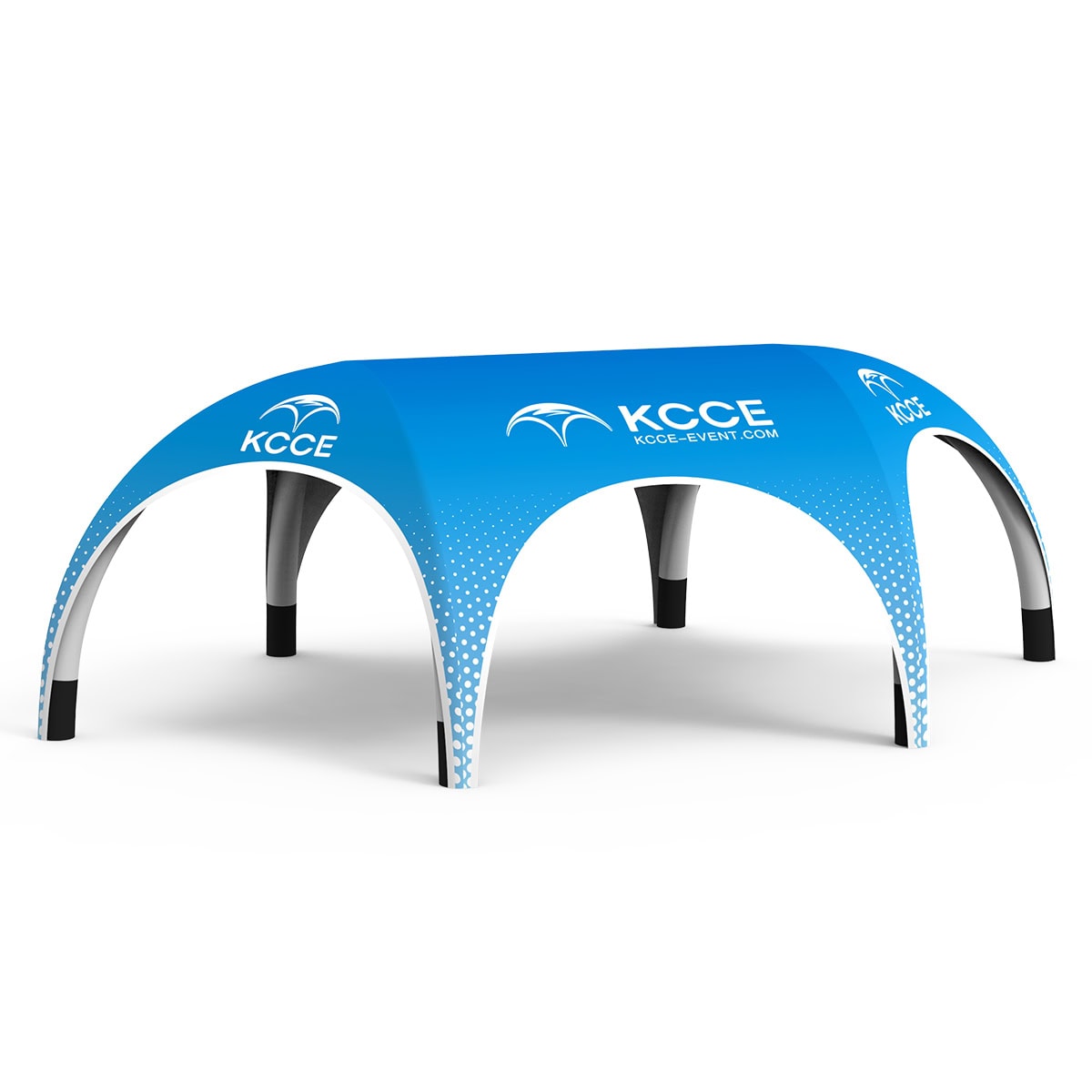
Quick Answer: What is an inflatable tent for real estate?
Một inflatable tent for real estate is a temporary, branded structure that gives a sales office, show home or housing development a covered space without building anything on site. Pump it up and it stands on its own — no scaffold, no rigging crew and no permanent mark on the developer's paving — then it breaks down into one carry bag and moves to the next date in the sales calendar. Because the canopy is fully printable, the same tent that shelters the sales team also carries the project name and logo where passing traffic can read it.
What Is an Inflatable Tent for Real Estate?
Property marketing is a schedule problem before it is a design problem. The sales gallery opens on a fixed date, the launch weekend has a fixed window, and the tent has to be standing before the first visitor arrives. An inflatable tent is built for exactly that constraint.
Một inflatable tent for real estate is a self-standing structure built on a welded TPU tube sealed inside an Oxford cloth cover. Inflate the tube and it holds its own shape — there is no scaffold to erect, no rigging to certify and nothing drilled into the developer's forecourt. The same build that works as an event shelter works as a sales-office pitch, an open house check-in point or a branded line along a car park, because what changes between those uses is the print and the anchoring, not the structure.
That is the reason it suits property showings và housing estate launches so well. A development site has grass, gravel and finished paving in equal measure, and a tent that anchors with stakes on soft ground and sand bags on hard ground moves across both without leaving a mark. For an open house or a model home day, the same unit gives visitors a covered place to sign in while the walk-in route is marked from the car park. And for real estate agents working a property marketing roadshow, the structure travels to the temporary venue in a bag rather than going up on site as a permanent build. An inflatable tent for real estate agents is worth having on the van precisely because it does not need a crew or a site build to go up.
The same reasoning applies when you are sourcing. If you are comparing an inflatable tent for real estate supplier against another, the questions that actually separate them are the ones this page keeps coming back to: which surfaces can the structure be anchored to, whether the model you need is air-tight or blower-driven, how the print is proofed before production, and whether the supplier will confirm a delivery date against your launch weekend. A real estate inflatable tent is not a difficult product to make, but the details around the site are what decide whether it works on the day.
Buying from a manufacturer rather than a trading company changes what you control. A custom inflatable tent for real estate bought direct means the artwork, the model size and the packing are agreed with the factory that cuts and welds the canopy, which is what makes a repeat order for the next estate on the campaign list simpler. If you are comparing quotes, ask each inflatable tent for real estate manufacturer you speak with for the same three things in writing: the size list available, the surface fixing method, and the date they commit to. That is usually enough to tell the serious suppliers apart.
Key Takeaways
- An inflatable tent for real estate is a self-standing Oxford cloth canopy on a welded TPU tube — no scaffold, no permanent ground damage.
- It gives a sales office, show home or car park a covered branded space in minutes, and packs flat between dates.
- Anchor with stakes on grass and sand bags on paving or gravel, so a developer's finished surface is never marked.
- KCCE builds the X, X6, XII, XL-A and XL-B ranges to order, with a minimum order of one unit.
Where Real Estate Teams Use Them
The same structure covers the sales period. What moves is the location: forecourt, car park, show unit terrace, then the next estate on the campaign list.
Sales Office & Show Unit Forecourt
A sales office has to keep talking while the sun is out. An inflatable tent gives the sales team a shaded, branded pitch in front of the sales gallery, and the visitor walks into a covered space instead of standing in the sun.
- Covered pitch at the entrance
- Brand visible from the road
- Packs flat overnight
Open House & Model Home Days
Model home weekends draw families across a site. An inflatable tent for open house days marks the walk-in route, holds brochures and refreshments, and gives you a weather backup when the lawn is wet.
- Route marking from the car park
- Refreshment and check-in point
- Wet-weather backup
Car Park & Site Display Rows
A car park is the first thing a buyer sees. A line of printed tents along the parking rows turns an ordinary asphalt area into a branded arrival point for a property development launch.
- Branded arrival line
- Fits between parked cars
- Straightforward to anchor on gravel
Housing Estate & Community Events
Handing over a housing estate usually means a site event. Inflatable structures give you a covered stage, a signage point and a photo backdrop that can be moved to different parts of the estate across the day.
- Moveable between zones
- Covered stage area
- Reusable across the calendar
Property Marketing Roadshows
When the sales gallery is not on site, the tent travels. It sets up in a car park or on a grass square in a few minutes with no scaffold, no rigging crew and no permanent ground damage.
- No scaffold or rigging
- Sets up in minutes
- Leaves no permanent mark
Outdoor Show Unit Interiors
A furnished show unit still needs a weather-protected viewing point for furniture handover and viewing appointments. An inflatable tent over the terrace keeps that conversation going whatever the weather does.
- Weather-protected viewing
- Furniture handover space
- Neighbour-friendly footprint
Property Showings by Appointment
One-to-one property showings on a cold or wet day are hard to arrange when the buyer has nowhere to stand. An inflatable tent for property showings gives you a sheltered spot on the plot, so the viewing still happens.
- Sheltered spot on the plot
- Works in poor weather
- One unit, many appointments
Three Configurations That Cover Most Sites
Real installations photographed on site. Between them these cover the three arrangements a property team actually builds: one tent at the entrance, one tent as a check-in point, and a run of tents on a hard surface.

Free-standing arches on open grass
A blue and red gradient multi-arch structure on open grass with a tree line behind it. This is the configuration most property sites end up with: one structure, no ground fixings visible, and a footprint big enough to read from the approach road.
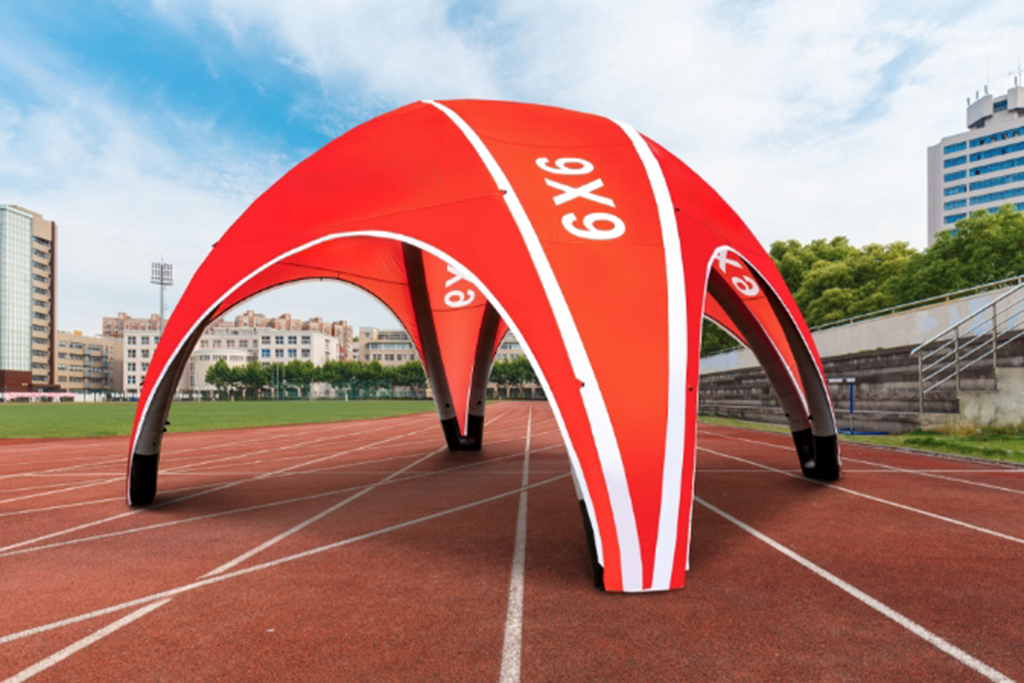
Arch on a hard surface
A red arch marked 6X6 standing on a hard running track with buildings behind. Hard surfaces need sand bags or water weights instead of stakes, and the arch still stands without any fixing drilled into the ground.
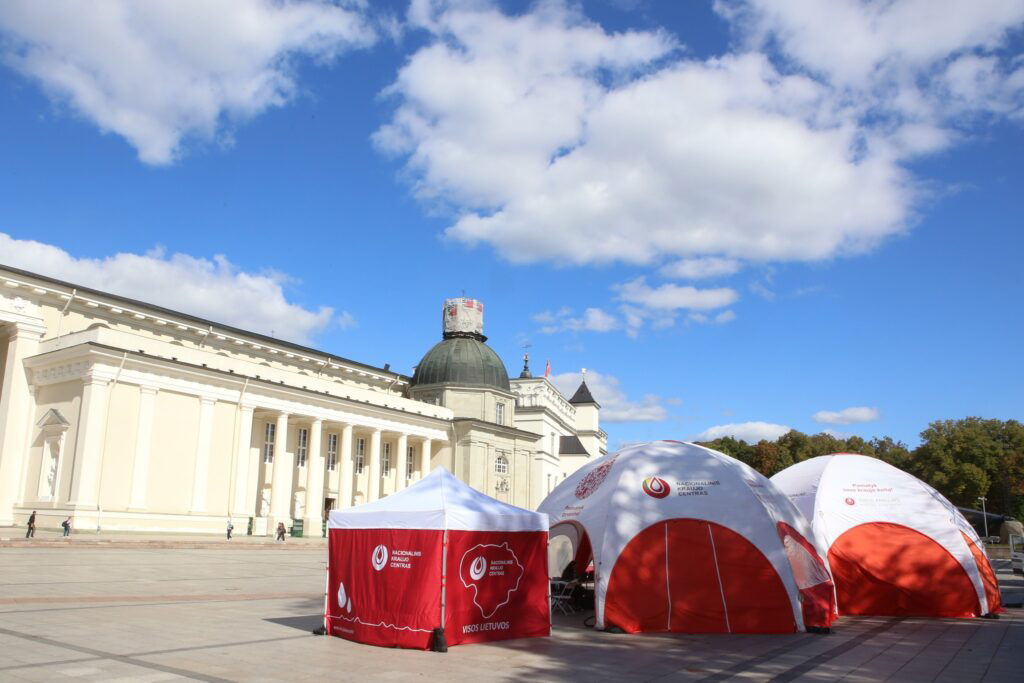
A row of domes on a plaza
Red and white printed domes in a row on a stone plaza. A row like this is what turns a car park or a forecourt into a branded approach rather than a line of separate shelters.
Models & Sizes for Property Sites
Five KCCE models cover the footprints a property site actually needs. Every size below comes from the manufacturer specification for that model. For a property development handing over in phases, the practical question is which footprint you repeat — the same tent then moves between sales office, car park and show unit without a second production run. Where the marketing sits with the developer rather than the agent, the inflatable tent for property development brief is usually about phase handovers and a launch weekend rather than daily viewings.
X Lều bơm hơi

Sizes from 3M to 8M with modular aluminium connectors, awnings and banners. The workhorse for a sales-office forecourt where you want one covered desk and room to walk around it.
Lều bơm hơi X6
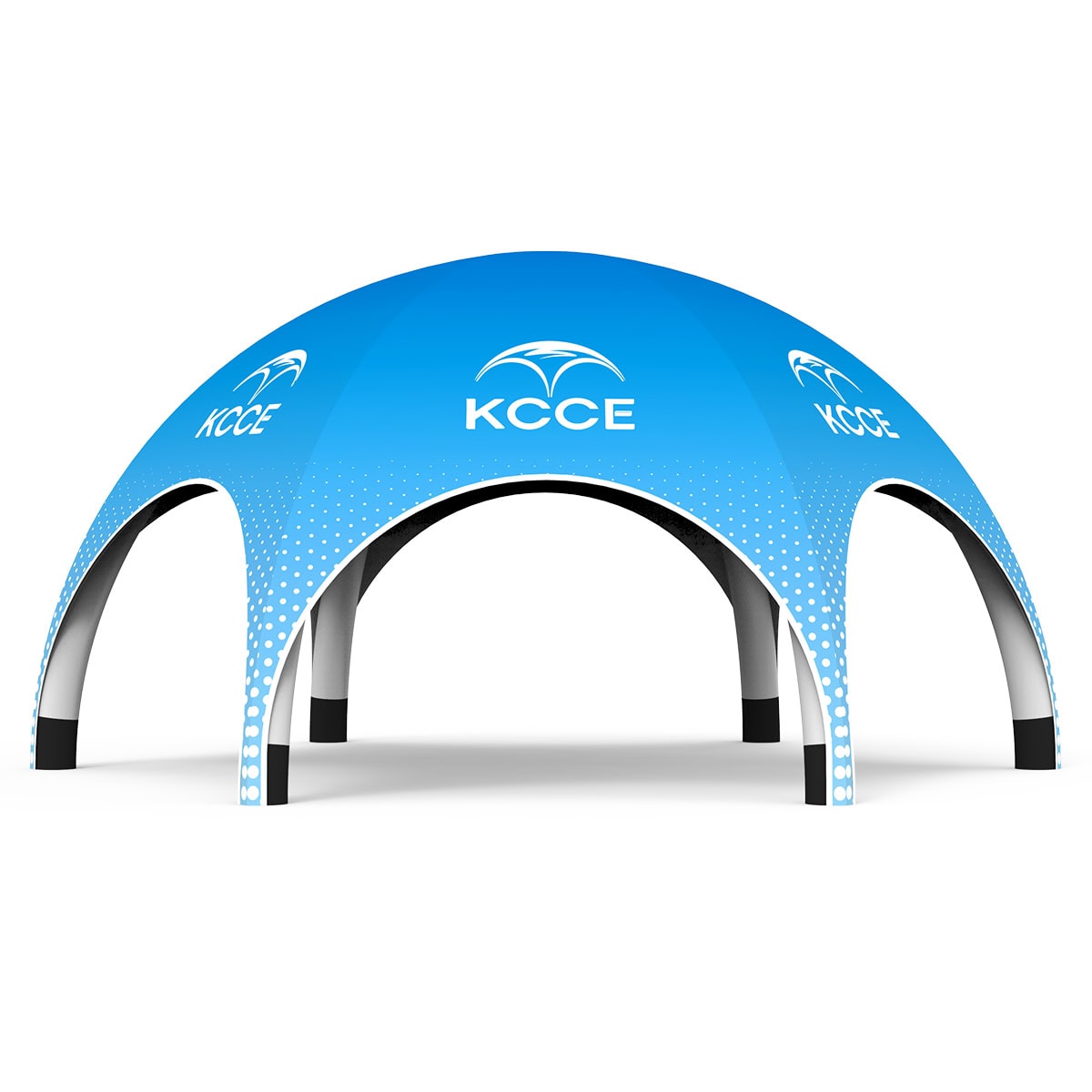
Five to eight metres with six air chambers and the same modular connector system, giving a wide covered footprint for a busy car-park display row.
Lều bơm hơi XII
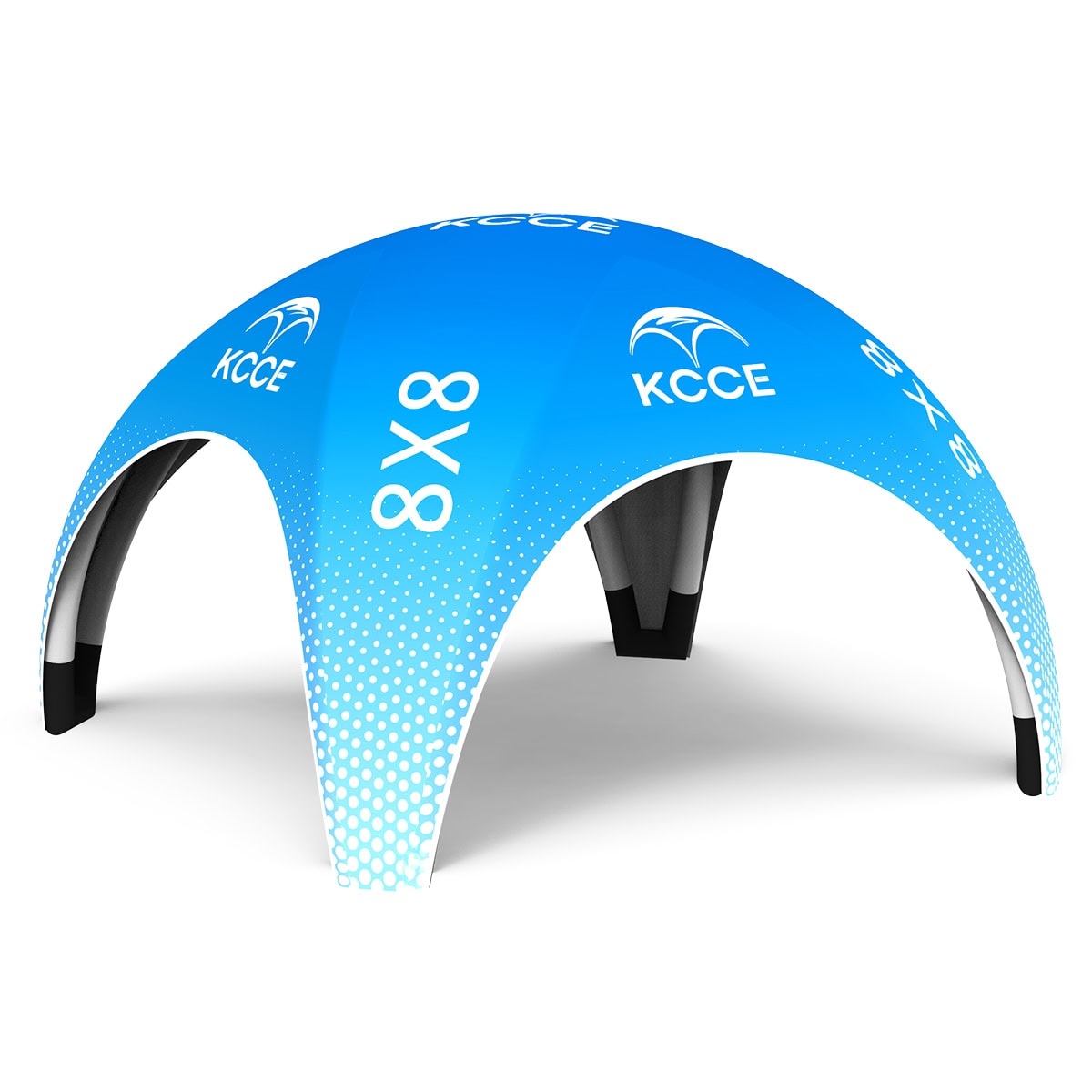
Four to ten metres with nine air chambers inflated in numbered order. Use it when the display area needs to cover a group, not a single stand.
Lều bơm hơi XL-A
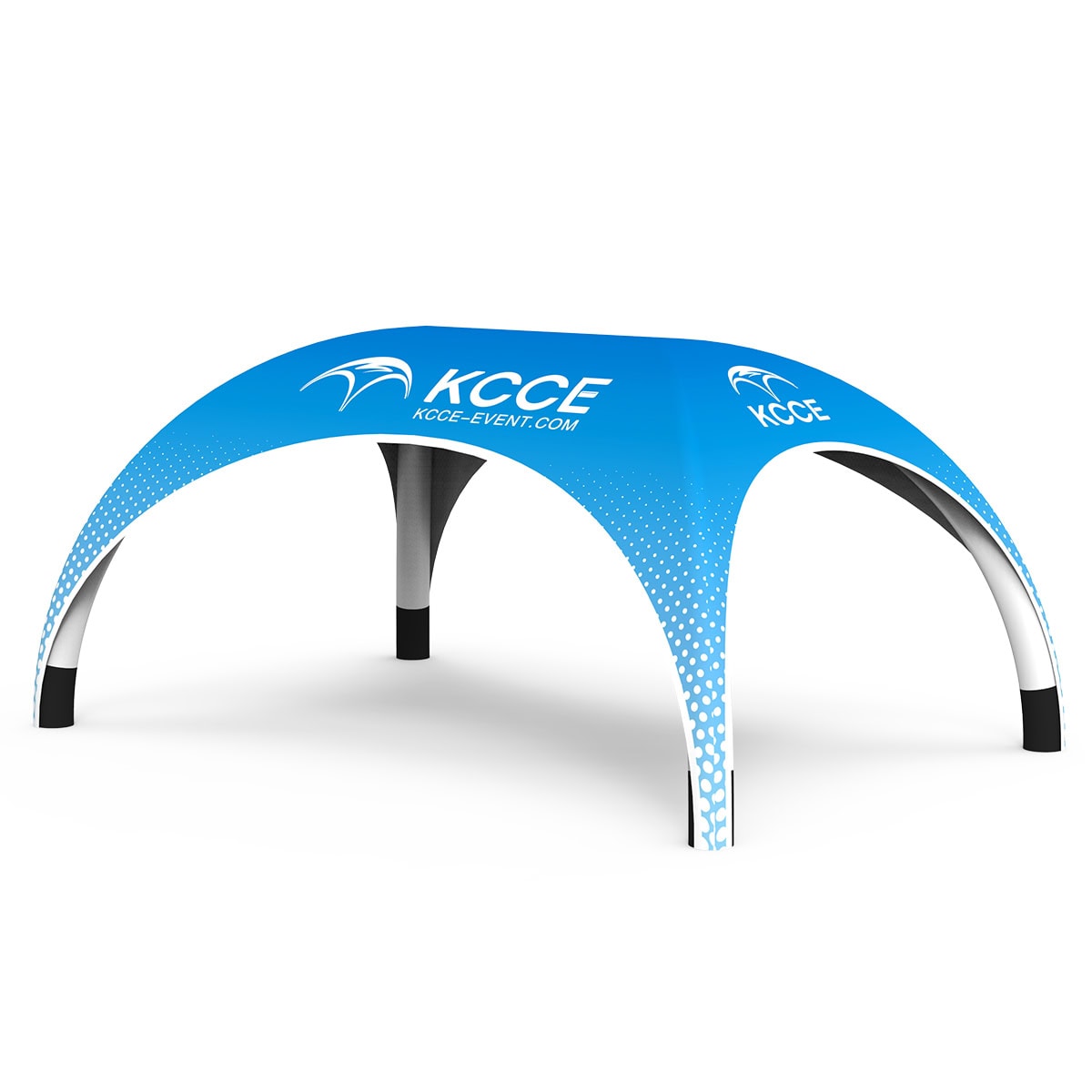
Rectangular sizes up to 7.5 by 4.8 metres with wide and narrow awnings plus connecting cloth, which suits a row of show-unit pitches that need to be joined.
Lều bơm hơi XL-B
Eight by 4.5 and 9.4 by 5.5 metres on a six-leg frame. The extra legs matter on open grass where there is no hard anchoring point.
Matching the Tent to the Site
Start from the job rather than the product: how many people you need to shelter, and how the tent reads from the road.
Sales office desk pitch
One 3M to 4M tent is enough for a small covered desk and a standing conversation. A row of them gives a sales office a defined frontage.
Open house check-in point
A 4M to 6M tent gives room for a table, a queue and shelter for staff and visitors without dominating the lawn. An inflatable tent for open house days is the one most property teams ask for twice: once at the car park, once on the lawn.
Car park display row
5M to 8M tents spaced along the parking rows read clearly from the road and give each vehicle bay its own marker.
Model home viewing area
8M to 10M tents, or several smaller tents joined with connecting cloth, cover a group that needs to be handled at once. For a model home open weekend, plan on shelter for the queue rather than the viewing itself. An inflatable tent for model home days usually gets asked for twice: once at the entrance, once on the lawn.
Housing estate handover stage
A covered stage needs a bigger footprint than a desk pitch. An inflatable tent for housing estate handovers is usually a 8M to 10M unit or a joined run of smaller tents, so the stage, the seating and the signing table all fit under one roof.
Branding & Print for Property Marketing
A real estate inflatable tent does two jobs at once, and the print is what makes it worth buying. It shelters the sales team and it advertises the development to passing traffic.
Project Name Across the Canopy
The Oxford cloth cover takes full-colour dye-sublimation printing, so the development name, logo and selling points wrap the canopy, the legs and the awning. Send artwork and KCCE returns a proof before production.
Wayfinding Between Zones
A printed valance or a colour-blocked band turns the tent into a directional marker across a large plot, so a visitor can find the show unit, the check-in table or the parking row without a steward walking alongside.
Private Label for Agencies
An agency or property group that resells the structure can order a white label inflatable tent for real estate with its own packaging and insert card. The private-label minimum order is 100 units, discussed against the artwork.
Joined Rows of Pitches
XL-A connecting cloth joins neighbouring tents into a continuous run, which is how a sales office covers a long frontage or a car park row becomes one branded line rather than separate shelters.
The Part That Decides the Project
Most inflatable tent problems on a property site are site problems, not product problems. These are the ones worth settling before the order.
Anchoring without damaging the site
On grass or sand, use ground stakes. On paving or a finished forecourt use sand bags or water weights so you never mark a developer's surface. The fixing method is part of the build, so state the surface when you ask for a quote.
Power and continuous-inflation models
Most KCCE tents are sealed and inflated once. The Inflatable XIC runs on a blower that stays connected and needs a continuous power supply, which suits a site with a mains point but rules out a remote field.
Wind and site conditions
No inflatable structure should be left standing in conditions the manufacturer has not rated. Take the local on-site guidance seriously, and plan a deflate plan for a weather warning rather than trying to outlast it.
Neighbour and planning considerations
A temporary display structure on a development site is not always the same thing as a building. Check what the local authority and the site management require before you inflate anything on a public-facing plot.
Booking ahead of a launch weekend
Dates around a launch are the busiest. Share your event dates and site address early so production, printing and freight are planned against real dates.
Reusing the structure across the sales period
One tent can move between the sales gallery, the car park and the show unit across a single weekend. Confirm the plan with the supplier so the same unit is reserved for each slot.
Setup Before the First Visitor Arrives
Plan the setup window against your venue access times, not against the nominal inflation time.
Vị Trí
Unroll the tent on the chosen surface, checking the anchor points are clear of drainage, cabling and vehicle routes.
Anchor
Stake on grass or sand, use sand bags or water weights on paving and gravel. The fixing method depends on the surface, so state it in your quote request.
Inflate
Most models inflate in minutes with a standard electric blower, or by connecting a pump to one valve on a sealed model. The XII model has nine air chambers and must be inflated in numbered order.
Check and pack
For a sealed model, check pressure before visitor hours. Break down afterwards and it is back in one bag for the next date.
Pricing & MOQ
Price follows model, size, print coverage and accessories, so the quote is built from your dimensions and artwork rather than published as a list price. When you ask for an inflatable tent for real estate price, the number you receive is a project quote rather than a catalogue line — which is the right way to buy, because the same model costs a different amount depending on footprint, print and whether it sits on grass or on a car park.
| Mục | MOQ | Terms |
|---|---|---|
| Custom printed inflatable tent | 1 unit | Quoted per project (FOB) |
| Multiple units, same print (car park row / estate event) | Discussed against quantity | Quoted per project (FOB) |
| OEM / ODM private label | 100 units | Discussed |
| Lead time | — | Confirmed in writing after design approval |
Final pricing is confirmed in writing after design approval. Quote requests are answered within 24-48 hours. For a housing estate handover or a multi-date open house campaign, share the full run of dates with us so the same units can be reserved for each slot.
Printed Tents on Real Ground
Three handovers from KCCE installations, photographed on site. These are event and campaign builds — they show the print finish, the anchoring and the row spacing you would be buying, and the same details apply to a property site.
Track-Side Installation
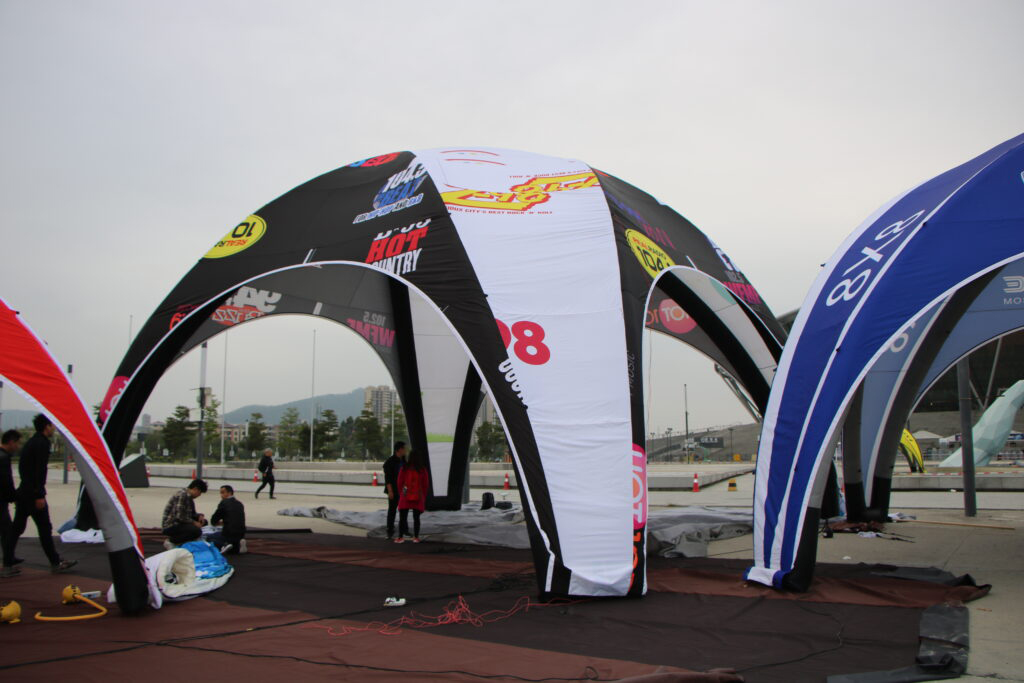
A printed red arch delivered and installed on a running track. The image is the erected unit on site, not a render — the print runs across the arch face and both legs.
- XII platform
- Full-canopy print
- Ground-fixed
Multi-Arch Handover
Several printed arches delivered and erected side by side on a paved area. The matching print across each unit is what keeps a multi-arch set reading as one installation.
- Multiple units
- Matched print
- Paved surface
Forecourt Handover
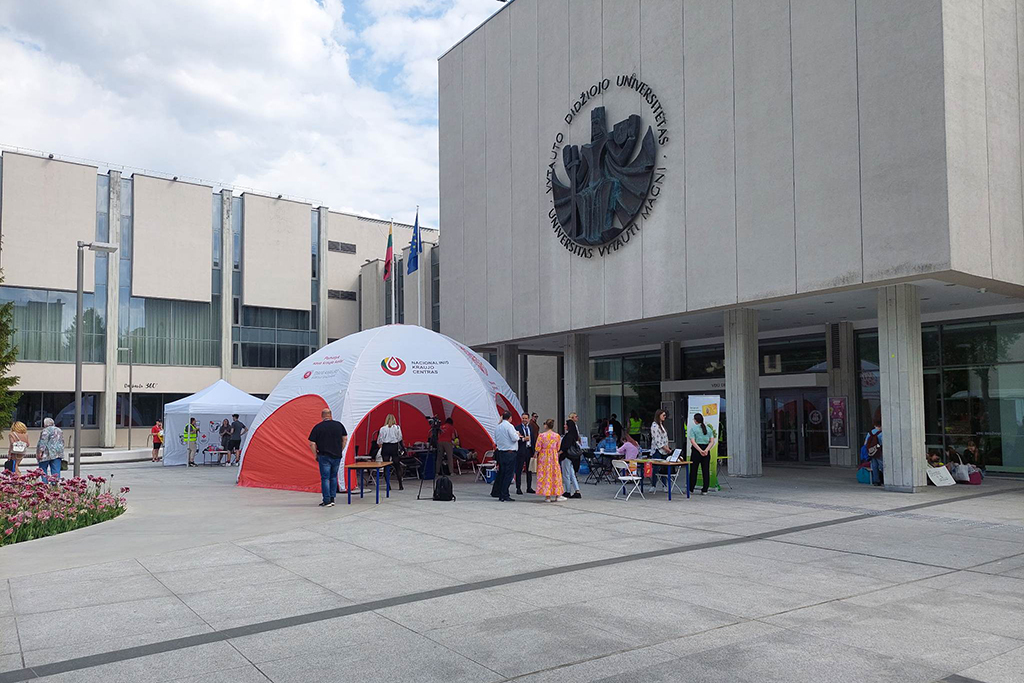
White and red printed domes delivered and erected on the paved forecourt of a modern building. This is the standard one-unit order — the minimum order is one piece, not a batch.
- X6 platform
- Custom print
- One unit
Các câu hỏi thường gặp
Real Setups on Real Sites
Photographs from KCCE customer installations, taken from the product pages. Look at the ground each one stands on — grass, paving, gravel or car park — because that is what decides the anchoring.

Arch Beside a Show Unit Deck
A yellow arch on a lawn next to a timber deck, marking the approach to a show unit area during a property launch.

Printed Arch at the Car Park Edge
A blue printed arch with a printed valance standing at the edge of a gravel car park, catching drivers as they arrive at the site.
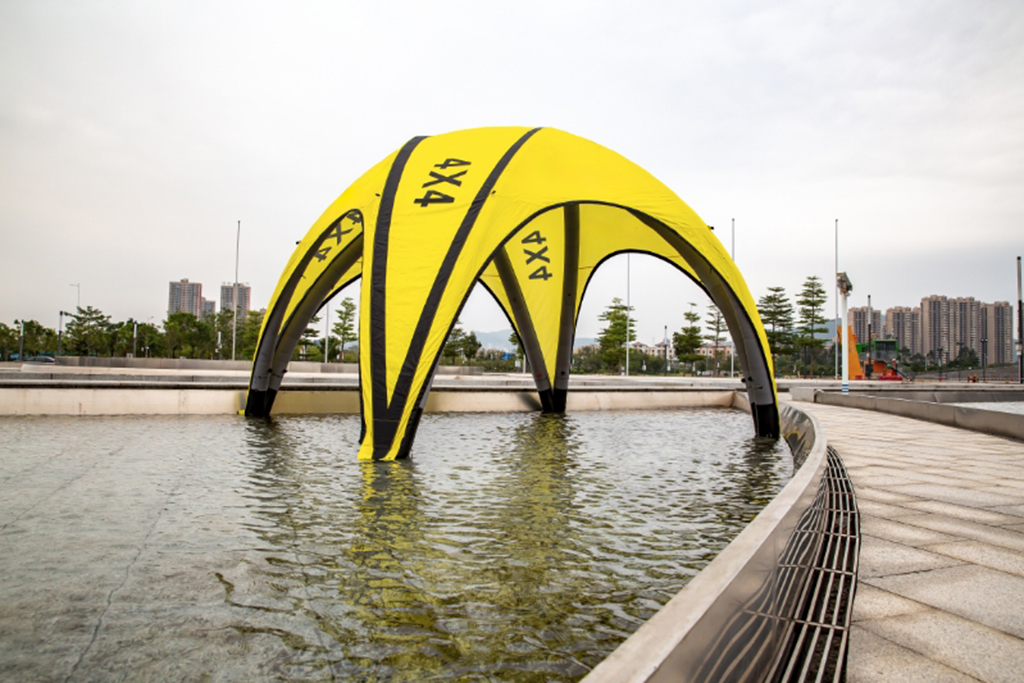
Arch on a Waterfront Terrace
A yellow arch on a paved waterside terrace with apartment blocks behind, used to frame a viewing spot at a waterfront development.
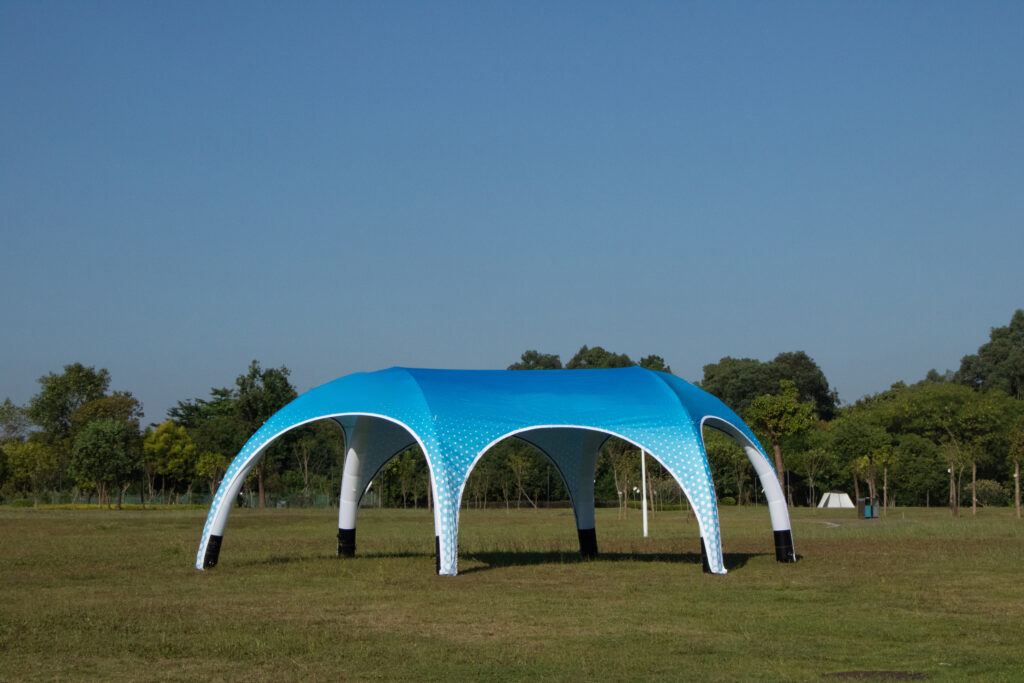
Multi-Arch Structure on Open Ground
A blue and white multi-arch structure standing on a wide open grass field, used as a walk-through display when the site has no built shelter.

Gradient Arches for a Community Open Day
A rainbow-gradient set of arches on a mown field, used as a family-friendly landmark for a community open day on a new development.
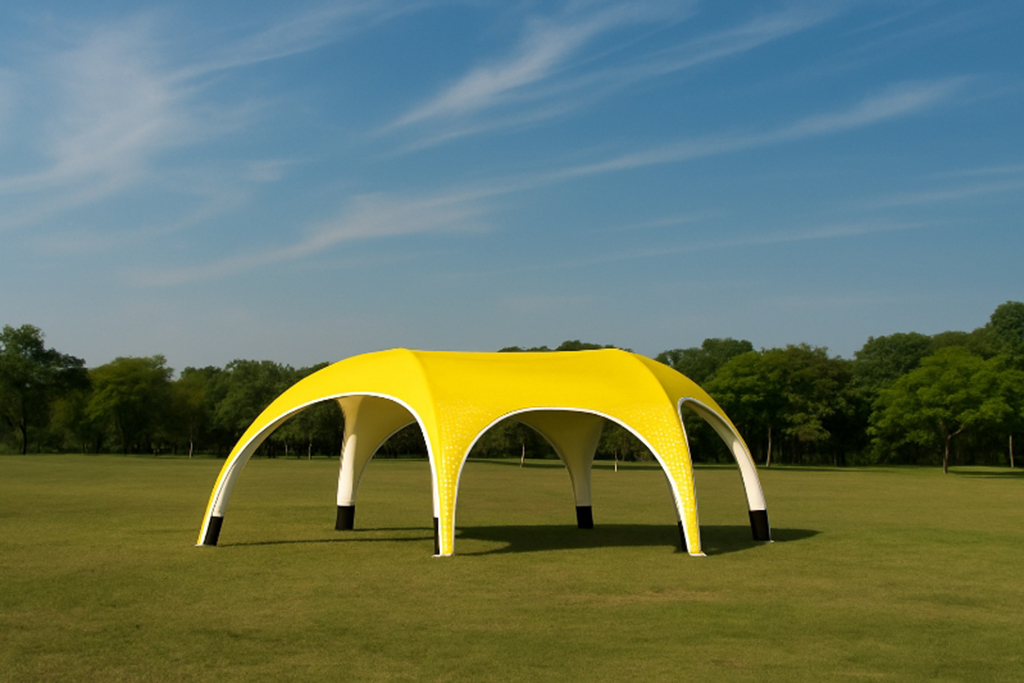
Colour-Blocked Arch on Estate Green
A yellow arch standing on open grass with a tree line behind, marking the entrance to a green-space area within a housing development.

Arch Used as a Wayfinding Marker
A blue and white arch on a grass field with trees behind, set up so visitors can find the viewing area across a large plot.

Dome on a Green Site
A yellow and black printed dome standing on a grass field with a tree line behind it, set up as a staffed pitch at a development site.
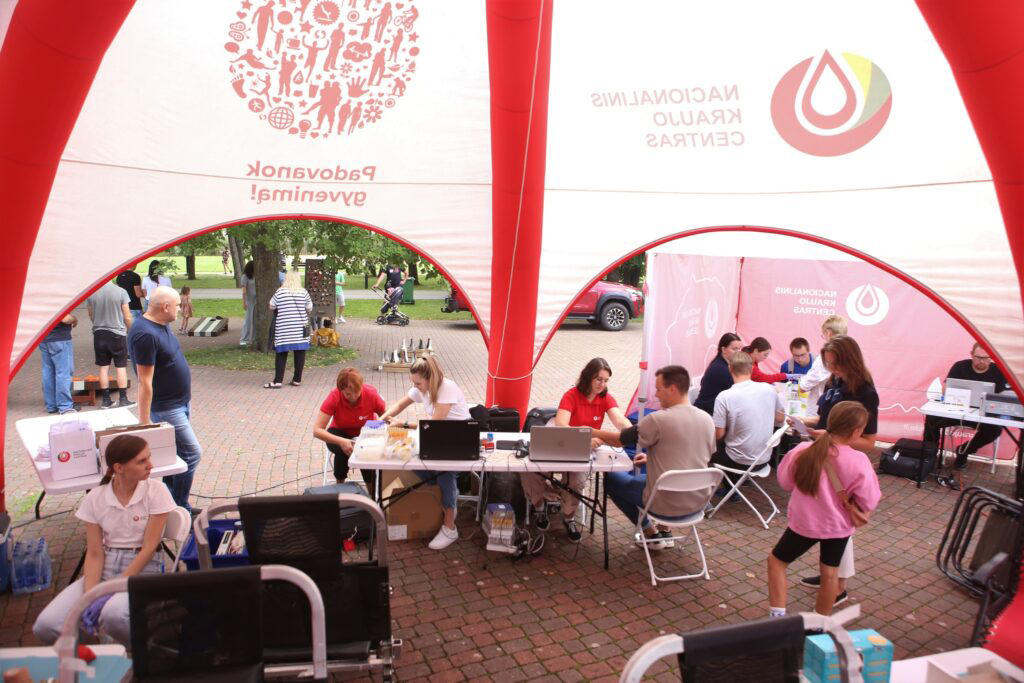
Dome Row on a Paved Plaza
White and red printed domes in a row on a paved plaza outside a building, showing how a run of matching tents reads as one branded line.
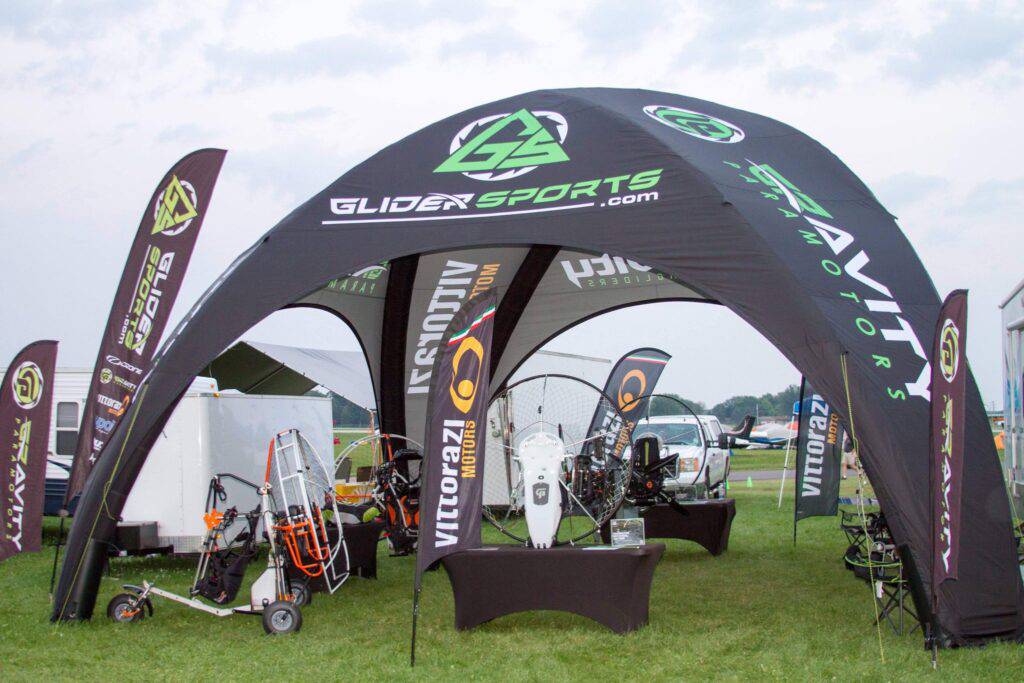
Arch with Flags at the Arrival Point
A black and green printed arch with branded flags on a grass field, set up as the arrival marker that leads visitors toward the show area.

