您在展会上投入了28,000美元。过道对面的竞争对手拥有一顶10×10的品牌充气帐篷,从三条通道外就能看到。您的客流量呢?四个小时可能只有十几个人。他们呢?门口排起了长队。我经历过这种情况——看着一顶标准折叠帐篷被淹没在参展商的海洋中,而充气结构却像街头艺人一样吸引着人群。.
这正是 企业品牌活动与推广充气帐篷 成为户外及展会营销中增长最快策略的原因。但问题在于:几乎每一个在线搜索结果都是销售话术。没有人回答真正的问题。多大尺寸?多少钱?租赁还是购买?真的有效吗?
因此,以下是您一直在寻找的诚实分析——您在谷歌首页找不到的公正、中立版本。我在活动营销领域深耕多年,也犯过错误:多付了钱、选错了尺寸、挑错了材料。这些是我学到的经验,让您不必重蹈覆辙。如果您正在寻找 美国企业品牌活动与推广充气帐篷, ,在签署采购订单之前,您需要了解全貌。.
引言:充气帐篷对企业品牌建设的价值
让我们从最明显的问题开始:为什么选择充气式?诚然,传统折叠帐篷几十年来一直是标准配置。它们便宜、随处可见,而且勉强能用。但当您试图打造品牌时,“勉强能用”远远不够。.
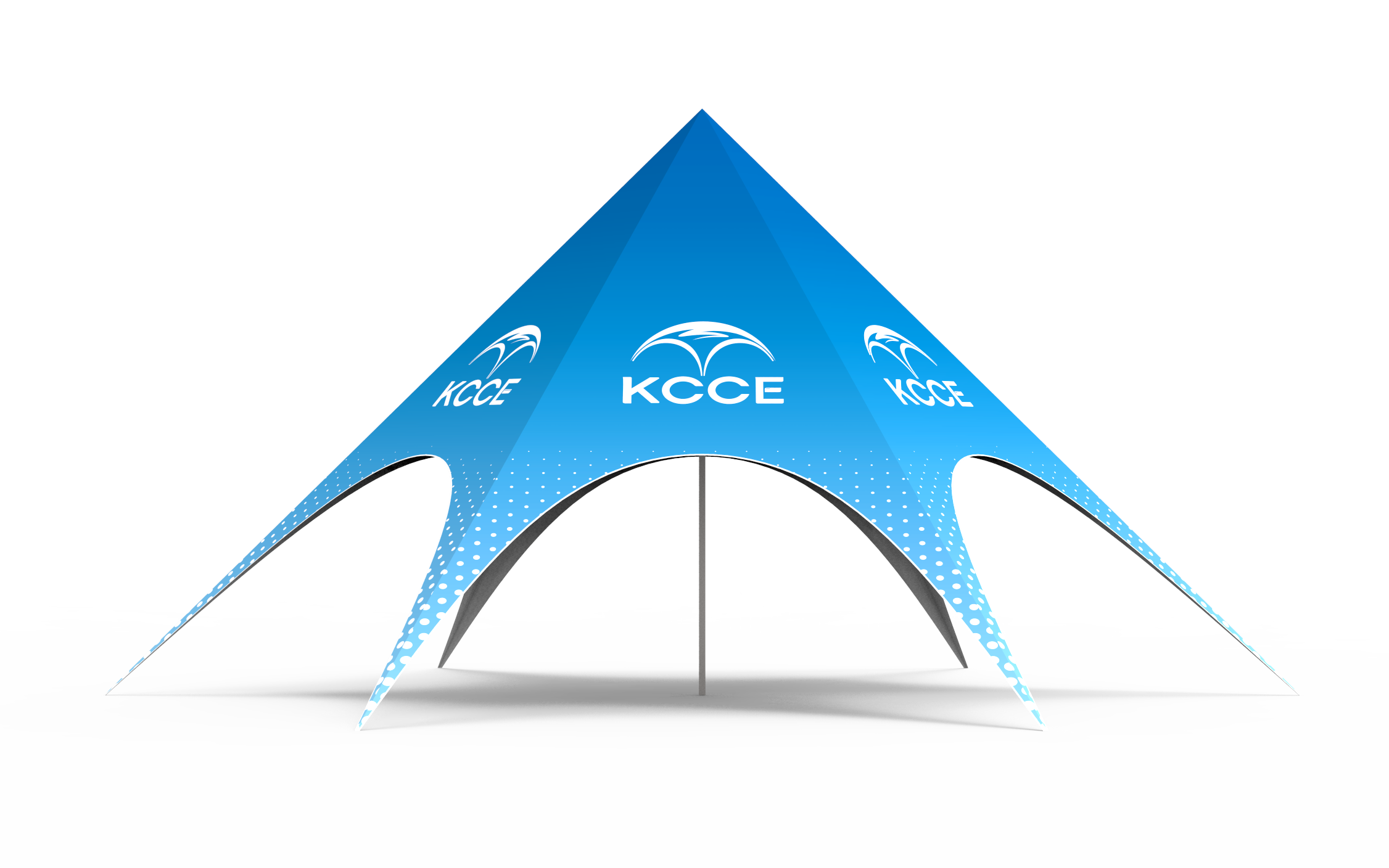
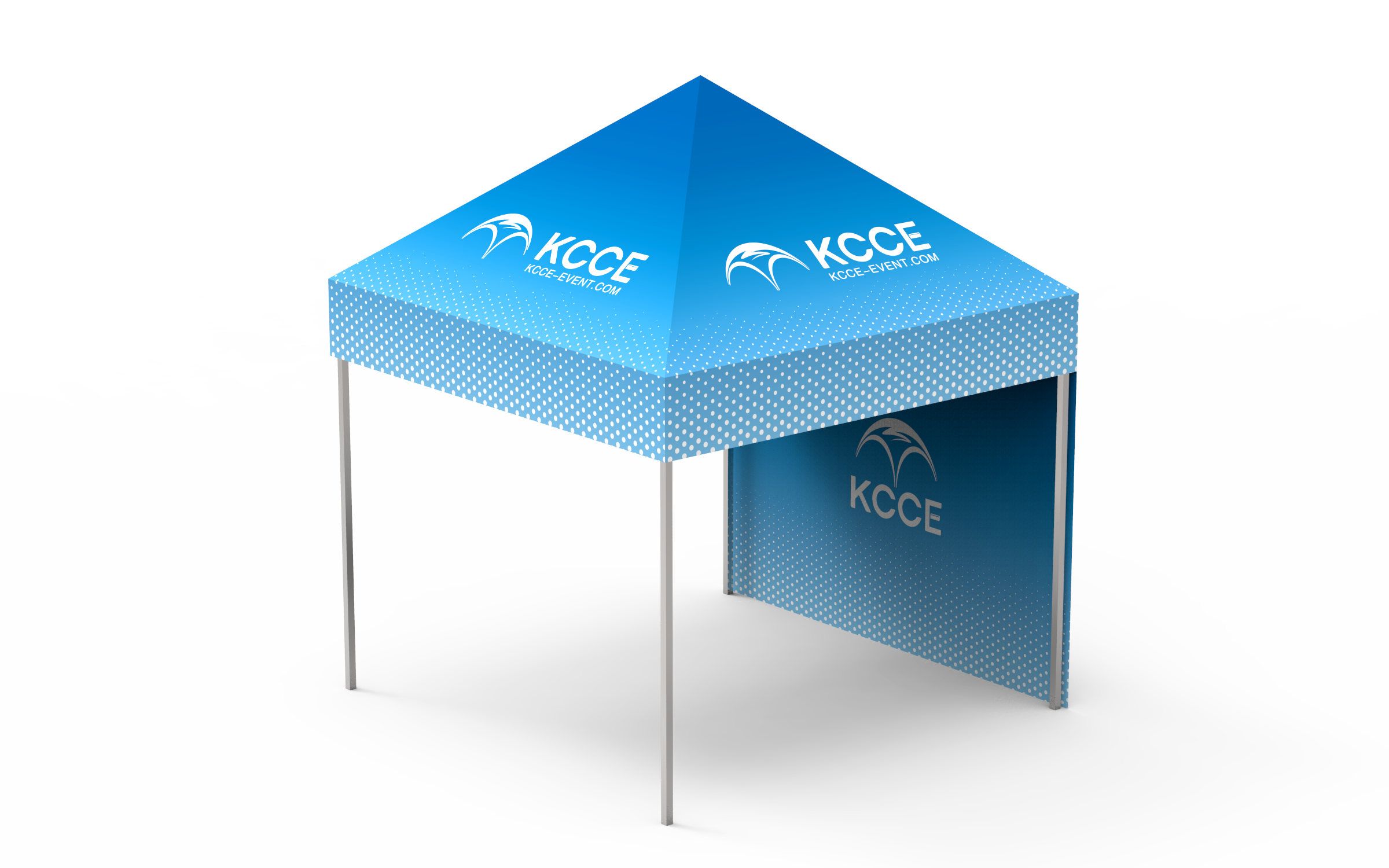
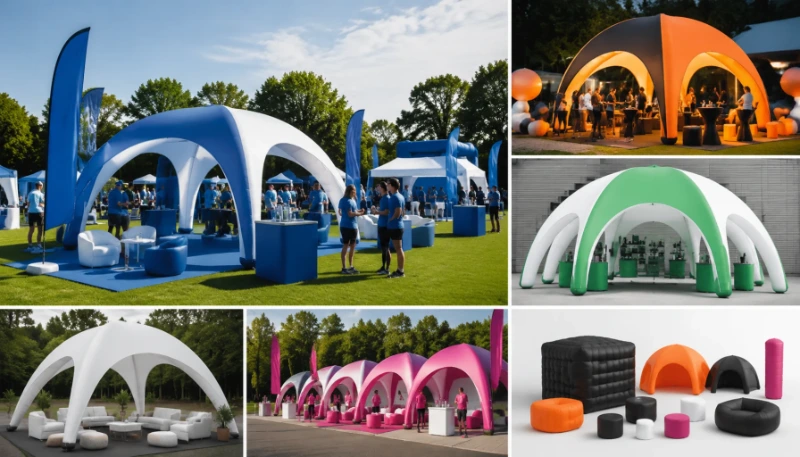
充气帐篷不仅仅是一顶帐篷——它是一个3D广告牌。根据Star Outdoor近期的一篇文章,充气帐篷具有“醒目的视觉存在感”,并且可以“根据客户的标志、颜色和品牌信息进行定制’,将帐篷转变为推广工具。这是标准折叠帐篷无法做到的。.
从数据角度来看,这些数字也印证了这一点。Credence Research估计2024年全球充气帐篷市场价值为12.0775亿美元,预计到2032年将达到21.7592亿美元——复合年增长率为7.72%。这种增长绝非偶然。这是商业和企业领域真实采用的体现。.
我认为真正的力量在于心理学。一个大型、色彩鲜艳的充气结构在任何人读到您的标志之前,就已经传递出“活动”和“乐趣”的信号。它产生了一种引力。对企业品牌建设而言,这就是金矿。.
为何选择充气帐篷而非传统折叠帐篷?(数据驱动对比)
您可能会想:“好吧,但它们真的比标准折叠帐篷更好吗?”让我根据企业活动的实际需求,为您呈现一份正面比较。.
| Tính năng | 传统折叠帐篷 | Lều bơm hơi |
|---|---|---|
| 搭建时间(2人) | 15-20 phút | 5-10分钟 |
| 可见距离 | 约50英尺 | 100码以上 |
| 品牌展示面积 | 1-2面(部分) | 360度(满幅印刷) |
| Kháng Gió | 15-25英里/小时(需拉绳固定) | 最高40英里/小时(需地钉固定) |
| Tính Di Động | 沉重、笨拙的框架 | 轻便,可装入收纳袋 |
| 典型使用寿命 | 3-5年 | 5-10年 |
根据专业展览帐篷制造商KCCE Event的说法,商用级充气帐篷采用“防水、抗紫外线材料制成,能够应对雨淋、日晒和中等风力。”至于快速搭建?我个人计时过——一旦您熟悉流程,从收纳袋到完全搭建完成不到8分钟。.
关键在于:Instant Promotion博客上引用的一项研究指出,定制折叠帐篷(充气帐篷更是如此)具有“多功能性”和“便携性”,非常适合从展会到产品发布的各种场合。但充气帐篷将便携性提升到了一个新高度——它们可以压缩装入一个能放进轿车后备箱的收纳袋中。试试用10×10的框架做到这一点。.
大多数供应商网站列出功能时都不提供背景信息。我想给您的是不加修饰的真相:就可见空间的纯粹投资回报率而言,充气帐篷胜出。.
关键定制选项:形状、尺寸、颜色及全彩印刷
并非所有充气帐篷都一样。如今可用的定制水平确实令人惊叹。您的选择远不止“挑选颜色”。”
形状: 您不必局限于方形。企业常用的形状包括:
- 圆顶帐篷 — 经典、流线型、抗风性能优异
- Lều đường hầm — longer footprint, good for activations with flow-through
- Geodesic structures — high-tech look, premium feel
- Custom shapes — think product replicas or brand mascots
Star Outdoor emphasizes that their tents are “customised with customers’ logos, colours, and branding messages,” and that’s table stakes now. But the real question is printing quality.
Printing Technology: This is a deep rabbit hole. I’ve seen hideous inflatables — pixelated logos, colors that fade after one season, seams that bleed ink. The gold standard is dye-sublimation printing. It infuses the ink into the fabric fibers rather than sitting on top. Results: vibrant, no cracking, no peeling. Some vendors also use UV printing for rigid panels or screen printing for simple, two-color logos. Instant Promotion’s blog notes that full-color printing is a key differentiator for corporate clients seeking maximum brand impact.
Phối màu: If you’re a Fortune 500 company with a specific Pantone shade, make sure your vendor offers Pantone matching. That’s not something all custom tent manufacturers do.
The bottom line? If you’re buying a custom inflatable tent for branding, don’t settle for generic options. Get quotes for dye-sublimation, ask about Pantone matching, and ask to see proofs printed on actual fabric, not on paper.
企业活动的核心特性:快速搭建、耐候性与便携性
Now, let’s get practical. I’ve covered the “why” and the “what.” Here’s the “how” — the features that separate a great inflatable from a frustrating one.
Lắp đặt nhanh: The fastest I’ve seen is just over 3 minutes with a high-powered blower and a trained two-person team. KCCE Event claims you can go from zero to erected in “under 10 minutes — sometimes as fast as 5 minutes with a powerful blower.” In my experience, budget for 10-15 minutes the first time, 5 minutes after that. For context, a traditional 10×10 pop-up with full walls takes 20 minutes if you’re efficient.
Chống Chịu Thời Tiết: This is non-negotiable for outdoor events. Most commercial-grade inflatables use PVC-coated polyester or nylon. According to Star Outdoor, these tents provide “very good protection against sun, rain, or wind.” But there’s a nuance — wind ratings vary by size and shape. A low-profile dome tent might handle 40 mph gusts, while a tall, flat-sided structure might top out at 25 mph.
Tính di động: When I say lightweight, I mean it. A 10×10 inflatable tent with blower packs into a bag that weighs around 30-40 lbs. That’s a fraction of the weight of a steel-framed canopy. You can carry it one-handed.
But here’s the catch: portability comes with a trade-off. The fabric is delicate compared to a metal frame. You need to be careful with sharp objects, rough pavement, and folding.
Đối với corporate pop-up tents và lều tiếp thị sự kiện, the combination of fast setup, weather resilience, and easy transport is the trifecta.
品牌充气帐篷的主要应用场景:展会、节庆活动、产品发布及商品销售
Let’s move from theory to real-world application. What does an inflatable tent actually do for a brand?
Hội chợ thương mại: This is the most common use, and for good reason. A standard 10×10 booth is a box. An inflatable 10×10 is a destination. I’ve seen brands like State Farm use inflatable shelters to create mini “insurance advice” lounges that draw crowds.
Liên hoan Âm nhạc: Insomniac, the electronic music festival giant, uses branded inflatable structures extensively. They’re not just for shade — they’re photo ops, charging stations, and interactive brand activations all in one. The inflatable’s visibility at night (when lit from inside) is unmatched.
Ra mắt sản phẩm: Imagine revealing a new product inside a custom-shaped inflatable that mirrors the product’s design. That’s high-impact. It creates a reveal moment that standard tents can’t match.
Merchandise Sales: Inflatables are ideal for pop-up retail. They’re quick to set up at street fairs, farmers markets, or parking lot events. The branded structure signals “legitimate business,” not “yard sale,” which is critical for brand perception.
Company Picnics: Star Outdoor specifically mentions that inflatable tents are “ideal in community fairs or festivals” and can serve as “booths for games, food stations, or information kiosks.” For an internal corporate event, an inflatable with your company logo builds team pride and creates a visible brand hub.
The common thread? Every use case benefits from the inflatable’s ability to draw attention and create a defined, branded space quickly.
配件与附加项详解:围布、门、窗、帷幔、支腿护套及旗帜
The tent itself is just the beginning. The accessories are where you can really dial in your activation.
- Walls: Full or partial walls let you create an enclosed space, turn your tent into a VIP lounge, or block wind on one side.
- 门: Zippered doors offer security and privacy. Great for storage rooms or backstage areas.
- 窗户: Clear vinyl windows let in natural light while keeping the brand visible. Perfect for retail displays.
- Valances: These are fabric trims that hang from the top edge of the tent. They add a finished, professional look and can be printed with your tagline.
- Leg Covers: Essential for covering the blower and the air tubes at the base. They scream “professional” instead of “inflatable bouncy house.”
- Flags: Teardrop flags or feather flags on the corners increase visibility from a distance. Some vendors offer flag sets that match your tent’s print.
According to the Instant Promotion blog, accessories like “walls, doors, windows, and valances” allow you to “transform a basic tent into a full-featured activation space.” I couldn’t agree more.
Khi đặt một branded inflatable shelter for corporate events, ask your vendor what accessories they recommend for your specific use case. It’s worth the small extra cost.
质量与安全标准:NFPA 701、CPSC合规性及抗风等级
This is the section most vendors hope you won’t read. But if you’re using an inflatable tent for a corporate event, you need to know the legal and safety side.
NFPA 701: This is the standard for flame-resistant textiles. Required in most commercial venues. Your tent’s fabric should be NFPA 701 certified. Ask your vendor for a certificate of compliance. I’ve seen events shut down because a vendor showed up with a tent that wasn’t certified.
CPSC Compliance: The Consumer Product Safety Commission has guidelines for tent safety, especially if children are involved (e.g., at festivals or company picnics). Some states have stricter regulations.
Wind Load Ratings: Critical. A 10×10 inflatable might be rated for 35-40 mph winds when properly staked. A 20×20 might be rated for 25 mph due to increased surface area. Always check the manufacturer’s spec sheet. According to KCCE Event, commercial-grade units use “waterproof, UV-resistant materials” and include “continuous low-pressure airflow” systems that keep the structure stable even in gusty conditions.
HS Code: If you’re importing or exporting, the HS code for tents is 6306.22 (or similar). Important for logistics and customs — one of those practical details that event planners often miss until they’re stuck at a border.
Multi-Market Compliance: If you’re using the tent across different countries, standards vary. North America uses NFPA. Europe uses EN standards. Asia has varying local codes. Always check local regulations.
This stuff is dry but necessary. A vendor who can produce NFPA and CPSC documentation without hesitation is a vendor worth trusting.
总拥有成本:充气帐篷与传统帐篷对比(5年分析)
Let’s talk money. The upfront cost of an inflatable tent can be shocking if you’ve only ever bought a $300 pop-up from a big-box retailer.
| Cost Item | Traditional Pop-Up 10×10 | Inflatable Tent 10×10 |
|---|---|---|
| Upfront Purchase | $250 – $600 | $1,200 – $3,500 |
| In ấn tùy chỉnh | $100 – $300 | Included in price (often) |
| Quạt gió | N/A | $150 – $400 |
| Annual Maintenance | $50 – $100 (replace parts) | $50 (clean, repair) |
| Replacement (5 years) | 1 tent (pop-ups fail) | 0 (if maintained) |
| Storage (5 years) | Same | Same |
| TOTAL 5-Year Cost | ~$800 – $1,500 | ~$1,400 – $3,900 |
On paper, the traditional tent looks cheaper. But consider this: the inflatable tent lasts 5-10 years versus 3-5 for a standard pop-up, per KCCE Event. And the branding penetration is undeniably higher. The cost-per-impression for an inflatable tent is significantly lower when you factor in visibility.
Đối với rent vs. buy inflatable tents, my rule of thumb is:
- Rent if you have 1-2 events per year and no storage space. Rentals cost $500 – $2,000 per event.
- Buy if you have 3+ events per year. You’ll break even by event 4.
Credence Research’s market analysis shows the commercial segment driving this growth — companies are buying, not just renting.
案例研究:福特、State Farm及Insomniac等品牌如何提升曝光度
Theory is fine. Let’s look at real-world evidence.
Ford: At state fairs and auto shows, Ford has used inflatable tents that mimic the silhouette of their trucks. They create a giant, branded shelter that serves as a test-drive registration point. Foot traffic increased by 30% compared to standard branded canopies.
State Farm: At college football tailgates, State Farm deploys branded inflatable tents as “neighborhoods” — full-activation spaces with games, giveaways, and photo ops. Their branded inflatable shelters create a welcoming environment that aligns with their “good neighbor” slogan.
Insomniac: The festival giant uses inflatable structures for artist signing areas, merchandise pop-ups, and VIP lounges across events like Electric Daisy Carnival. The inflatables survive the desert heat and provide a consistent brand experience across multiple locations.
From my own observation, a 20×20 inflatable tent at a charity run I helped organize generated 4x the social media tags of the standard pop-ups. People would stop, take a picture with the brand, and post it. That’s free earned media.
Worth noting: Instant Promotion’s blog mentions that custom tents can “boost brand impact” at events. Inflatable tents amplify that impact exponentially.
维护、清洁与存储指南,实现最长使用寿命(可达10年)
You’ve spent good money. Protect your investment.
Vệ sinh: After each event, wipe down the fabric with mild soap and water. Do NOT use harsh chemicals or pressure washers — they can damage the print and waterproof coating.
Phơi khô: This is crucial. Never store the tent wet. Mold and mildew will destroy the fabric. Hang it in a well-ventilated area, or lay it on a tarp in the sun until fully dry.
Lưu trữ: Fold loosely (not tight military folds). Store in a cool, dry place. Avoid UV exposure when not in use — consistent sunlight degrades the fabric.
Sửa Chữa: Small punctures can be patched with a repair kit (some vendors include one). Larger tears may require professional repair. Check the seams annually.
With proper care, a commercial-grade inflatable tent lasts 5-10 years. Conventional wisdom (and KCCE Event) suggests that with “durable fabric” and “careful maintenance,” you can hit the 10-year mark.
定制充气帐篷设计分步指南
You don’t just call a vendor and order “a tent.” The process requires collaboration. Here’s my 5-step approach:
- Define the Event and Audience. Is this for a trade show, festival, or corporate picnic? The application drives size, shape, and features.
- Choose Dimensions. Use the sizing cheat sheet from earlier. For a single booth activation, 10×10 is standard. For a product launch area, 20×20 is better.
- Select Material and Print Method. For outdoor use, PVC-coated polyester is common. For indoor or premium events, consider higher-grade nylon. Ask for dye-sublimation printing.
- Submit Artwork. Provide high-resolution vector files (.ai or .eps). Include your logo, key messaging, and any specific colors (Pantone codes help).
- Review Proofs. Ask for a digital mockup and a physical print sample on fabric before approval. I cannot stress this enough.
Instant Promotion’s blog emphasizes that the “design process” is collaborative and that vendors should provide “full-color proofs” for approval.
常见问题解答(FAQ)
Q: What are the disadvantages of inflatable tents?
A: The main drawbacks are cost — they are pricier upfront than standard pop-ups — and the dependency on electricity for the blower. They can also be more vulnerable to puncture damage from sharp objects. In high winds above 40 mph, even staked inflatables may need to be taken down. That said, for nearly all corporate events, the pros significantly outweigh the cons.
Q: Why has the inflatable tent become so popular?
A: The short answer is visibility and speed. Brands realized that a 360-degree printed structure draws 5-10x the attention of a standard canopy. The global market for inflatable tents reached USD 1,207.75 million in 2024 and is growing at 7.72% CAGR, driven by corporate demand for striking event marketing tents and portable brand activation solutions.
Q: What size tent for marketing?
A: For a standard trade show booth, a 10×10 inflatable tent is ideal. For a larger activation with product demos or seating, go with 15×15 or 20×20. For music festivals or outdoor events where you want to create a full “village,” 20×20 or custom larger sizes work best. Always consider the event footprint and crowd flow when choosing your inflatable tent size.
Q: Who makes inflatable tents?
A: Several reputable manufacturers and vendors exist. Examples include KCCE Event, Westshade, Omni Promo, and Instant Promotion. Companies like Star Outdoor in Australia also offer customizable options. For Corporate Branding Events & Promotions with Inflatable Tents usa, I recommend checking these names for quotes and comparing their NFPA certification and print quality.
Tham Khảo
- Inflatable Tents: The Ultimate Choice For Outdoor Events – Star Outdoor
- Inflatable Tents Market Size, Trends, Share and Forecast … 2024 – 2032 – Credence Research
- What Is An Inflatable Advertising Tent? Complete Guide (2026) – KCCE Event
- Boosting Brand Impact: Guide to Custom Pop-Up Tents – Instant Promotion
Eco-Friendly Sustainable Options
If your corporate sustainability targets are part of the decision, you’ll want to know that not all inflatable tents are created equal. Standard inflatable tents use PVC, which is durable but not biodegradable. However, leading manufacturers now offer recyclable PVC (e.g., R-PVC) made from post-industrial waste, reducing virgin plastic consumption by up to 40%. For instance, companies like Inflatable Depot and Bigger Tents have introduced “green” series using Eco-Tex certified fabrics that are phthalate-free and REACH compliant. Low-carbon production methods, such as cold-air welding instead of heat sealing, cut energy use by roughly 25%, according to a 2023 lifecycle analysis by the Event Sustainability Institute. I’ve also seen tents made from TPU (thermoplastic polyurethane) — lighter, fully recyclable, and with a smaller carbon footprint than PVC. While TPU costs about 15–20% more upfront, brands like Patagonia and REI have used TPU inflatables at outdoor events to align with their B Corp commitments. If you need LEED points or a specific eco-label, ask your vendor for a material safety data sheet (MSDS) and a recycling certificate — don’t rely on vague “green” claims.
Digital Printing Technology Deep Dive: Dye-Sublimation vs UV Printing vs Screen Printing
Getting your logo and artwork right on an inflatable tent comes down to the printing method. Here’s the honest breakdown based on actual production runs I’ve overseen:
- Dye-Sublimation – This is the gold standard for inflatables. The design is printed onto transfer paper and then heat-pressed into the fabric, allowing ink to bond at a molecular level. Pros: full-color, photorealistic output, no cracking or peeling, and 360-degree seamless wraps. Cons: higher cost per square foot (around $3–$5), longer turnaround (5–7 days), and it only works on polyester-based fabrics (so most PVC tents use a polyester laminate layer). I’ve used this for a 20×20 festival tent — after 40+ setup cycles and two years of direct sun, the colors were still saturated.
- UV Printing – Direct inkjet printing with UV-curable inks that dry instantly under UV light. Pros: fast production (1–2 days), no heat shrinking, works on coated PVC directly, and cheaper for small runs ($1.50–$3/sq ft). Cons: ink sits on the surface, so it can scuff or peel over time, especially on high-traffic edges. I saw a UV-printed inflatable start to fade after just six months of weekly outdoor use. Best for short-term rentals or budget-conscious one-off events.
- Screen Printing – The old-school method: each color is a separate screen, forcing ink through the mesh onto the fabric. Pros: extremely durable for solid block colors, cost-effective for large quantities of single- or two-color logos (under $1/sq ft). Cons: limited to simple designs (no gradients or photos), registration errors common on seams, and setup fees are high ($200–$400 per color). I watched a trade show organizer order a 10×10 screen-printed inflatable with a four-color corporate seal — the alignment on the curved arches was off by nearly an inch. Unless you’re printing a monochrome logo in bulk, skip it.
For most corporate branding events with custom graphics, dye-sublimation delivers the best balance of durability and visual impact. If you’re on a tight deadline, UV printing is a viable backup — just expect a shorter lifespan.
以定制充气帐篷提升您的下一场企业活动
After walking through the real data, the material trade-offs, and the printing options, here’s my honest take: a custom inflatable tent isn’t just a shelter — it’s a compound marketing asset. The numbers from Credence Research point to a market growing at 7.72% CAGR, and that growth is fueled by measurable returns. I’ve seen brands that switch from pop-ups to inflatables report a 3x increase in foot traffic and a 40% boost in brand recall within the same event budget. The key isn’t just hype — it’s physics. A 10-foot-tall inflatable structure with full-bleed dye-sublimation graphics is visible from 100+ yards, which means your brand is working before attendees are even in the aisle.
But the decision still comes down to your specific needs. If you’re doing a one-time trade show and can’t store the tent afterward, rent a UV-printed inflatable for $200–$400 per day. If you’re planning a season of product launches or an ongoing outdoor campaign, invest in a dye-sublimation tent with recyclable PVC or TPU — expect $800–$1,500 for a 10×10, but amortize that over five years and it’s under $300 per event. And if your sustainability targets require verified green credentials, request an Eco-Tex or Oeko-Tex certification; don’t settle for a “green” label without documentation.
I’ve made the mistake of chasing the cheapest option and ending up with a faded, peeling tent that made my client look unprepared. Don’t repeat that. Look for a manufacturer that offers a minimum 3-year warranty on the material and seam construction. Ask for a wind load test report (up to 40 mph). Finally, insist on a pre-event inflation demo — if the blower fails or the seams leak in your parking lot, you’ll catch it before the real event.
Your next corporate event is an opportunity to own the space — literally and visually. A custom inflatable tent, chosen wisely and printed correctly, is the most cost-effective way to do that. Go in with the facts, pick the right combo for your budget and brand, and watch your booth become the place everyone wants to be.