I’ve been in the tent manufacturing world for over a decade. I’ve seen procurement managers cry over a container load of tents that arrived with the wrong zippers. I’ve watched startup founders burn through their entire seed round on a production run that came back with fabric that peeled like sunburnt skin. And I’ve stood in factory warehouses in Dongguan and Qingdao, watching workers sew seams while I prayed the QC checklist I demanded actually got followed.
So when someone asks me, “which tent manufacturer is best for custom tent projects?” — I don’t give them a one-word answer. Because there isn’t one. There’s no single factory that’s the best for everyone. The real answer is: it depends on what you’re building, how much you’re ordering, and how much control you’re willing to give up.
But that’s not a satisfying answer, is it? You came here because you want names. You want a shortlist. You want to know who to call on Monday morning.
I get it. And I’m going to give you that. But I’m also going to give you something more valuable: a framework for evaluating any tent manufacturer so you don’t get burned like the guy who lost $50K on a production run that missed its deadline by six weeks.
Here’s what this guide covers: why the “best” manufacturer is a trap if you haven’t defined your specs, the seven criteria you should use to evaluate any factory, five manufacturers worth your attention, the red flags that should send you running, how to run a pilot order without blowing your budget, and the real costs that nobody tells you about upfront.
Let’s get into it.
Hızlı Cevap
The best tent manufacturer for a custom tent is the one that matches your specific needs across four dimensions: MOQ flexibility, lead time, QC process, and communication reliability. There is no universal “best” — the right factory for a glamping resort brand is different from the right factory for a military expedition tent supplier. Define your specs, evaluate against a scoring matrix, and shortlist three vendors before committing.
Why “Best” Is a Trap—Define Your Custom Tent Specs First
Here’s the thing about the phrase “best tent manufacturer for custom tent” — it sounds like there’s an objective answer. Like there’s a factory out there that’s just objectively better than everyone else, and if you find them, your problems are solved.
That’s not how this industry works.
I’ve toured factories that produce incredible expedition tents for military contracts. Those same factories would laugh at you if you asked for a 50-unit run of glamping tents with floral interior linings. And I’ve worked with small workshops that make beautiful canvas bell tents for boutique resorts — but they couldn’t handle a 5,000-unit order if their lives depended on it.
The “best” manufacturer only exists relative to your project.
The Pain Points Nobody Talks About
Let me walk you through the three biggest pain points I see buyers hit when they start looking for a custom tent factory.
MOQ (Minimum Order Quantity). This is the #1 blocker in this industry. Most established factories won’t touch an order under 500 units. Some won’t even talk to you under 1,000. If you’re a startup brand trying to launch with a 100-unit pilot run, you’re going to get rejected by 80% of the factories you contact. The ones that will take your order are usually smaller workshops or factories that specialize in low-MOQ production — and they often charge a premium per unit.
Fabric and use case mismatch. A glamping tent and a military expedition tent are both “tents.” But they have almost nothing in common beyond having walls and a roof. Glamping needs aesthetics, breathability, and a certain luxury feel. Military needs durability, extreme weather resistance, and specific camouflage specs. If you go to a factory that specializes in one and ask for the other, you’re going to get a subpar product — even if they say they can do it.
Timeline creep. Custom tent production always takes longer than you think. Sampling alone can take 2-4 weeks. Production can take 4-8 weeks. Shipping can add another 2-6 weeks depending on where you are. And that’s if everything goes smoothly. I’ve seen projects stretch from a promised 8 weeks to 16 weeks because the factory kept pushing back the sampling approval.
The 5-Question Self-Audit Before You Contact Anyone
Before you send a single inquiry to a tent factory, answer these five questions. Write them down. Be specific.
1. What is the exact use case? Is this for glamping resorts, military use, events, brand promotions, or something else entirely? Each use case has different requirements for fabric, structure, and durability.
2. What are your must-have fabric specs? Canvas, PVC, polyester? What waterproof rating do you need? What about fire retardancy? If you don’t know, that’s okay — but you need to be honest about it so the factory can guide you.
3. What is your realistic MOQ? Not your dream MOQ. Your realistic one. Can you commit to 300 units? 1,000? Be honest, because this determines which factories will even talk to you.
4. What is your deadline? Include buffer. If you need tents for a summer festival season, your production needs to be done by March, not May.
5. What is your budget per unit? This is the hardest one. But if you don’t have a number, you’ll get quoted wildly different prices and have no way to evaluate them.
Once you have these answers, you can start looking for a custom tent manufacturer that actually fits your project. Without them, you’re just another buyer with a vague idea — and factories can smell that from a mile away.
The 7 Criteria to Evaluate Any Tent Manufacturer
Now that you know what you’re looking for, let’s talk about how to evaluate the factories you’re considering. I use a seven-point framework when I’m vetting manufacturers for clients. It’s not perfect, but it’s caught more bad apples than I can count.
1. MOQ Flexibility
This is first for a reason. If a factory’s MOQ is 1,000 units and you need 200, there’s no point in evaluating anything else. But here’s a nuance: some factories have a “standard” MOQ that’s high, but they’ll negotiate down for a higher per-unit price. Others have a hard floor that they won’t move on. Ask directly: “What is your MOQ for a custom design? Is that negotiable, and what would the per-unit price impact be if I ordered half that amount?”
2. Lead Time
I separate lead time into two phases: sampling and production. Sampling can take anywhere from 1-4 weeks depending on complexity. Production is typically 4-8 weeks for most custom tent orders. A factory that promises 2-week sampling AND 3-week production for a complex custom design is either lying or cutting corners. Get the lead time in writing, and ask what happens if they miss it.
3. QC Process
This is where the good factories separate from the bad ones. Ask about their quality control process. Do they have in-line inspection during production? Final inspection before shipping? Do they provide photos or videos of the inspection? Do they follow AQL (Acceptable Quality Limit) standards? A factory that can’t articulate their QC process is a factory that doesn’t have one.
4. IP Protection
This is a big one, especially if you’re working with overseas manufacturers. If you’re designing a custom tent with proprietary features, you need to know how the factory handles IP. Do they sign NDA agreements? Have there been any instances of designs being copied? I’m not going to name names, but there are factories in this industry that have a reputation for “leaking” designs to other buyers. Ask about their IP protection policies upfront and get everything in writing.
5. Communication
You’d be surprised how many factories have terrible communication. I’m not talking about language barriers — I’m talking about responsiveness. Do they reply to emails within 24 hours? Do they have a dedicated account manager who speaks your language? Can they provide regular production updates without you chasing them? A factory that’s hard to reach during the sales process will be impossible to reach during production when issues inevitably come up.
6. OEM vs ODM Capability
This is a critical distinction that a lot of buyers don’t understand. OEM (Original Equipment Manufacturer) means the factory makes your design to your specs. You provide the blueprint, they produce it. ODM (Original Design Manufacturer) means the factory has their own designs and they can customize them for you. If you have a specific design in mind, you need an OEM manufacturer. If you’re open to modifying an existing design, ODM might be faster and cheaper. Some factories do both — but you need to know which capability you’re actually asking for.
7. Financial Stability
This is the one nobody talks about, but it matters. A factory that’s financially unstable might take your deposit and then disappear. Or they might cut corners on materials to save money. You can’t easily verify a factory’s financial health, but you can ask for references, check their business registration, and look for red flags like constantly changing company names or addresses.
Scoring Matrix Template
Here’s how I evaluate factories. I create a simple scoring matrix with the seven criteria above, and I rate each factory from 1-5 on each criterion. Then I weight them based on what matters most for the specific project.
| Kriterler | Ağırlık | Factory A | Factory B | Factory C |
|---|---|---|---|---|
| MOQ Flexibility | 20% | 5 | 3 | 4 |
| Teslim Süresi | 15% | 4 | 4 | 3 |
| QC Process | 20% | 3 | 5 | 4 |
| IP Protection | 10% | 4 | 4 | 5 |
| Communication | 15% | 5 | 4 | 3 |
| OEM/ODM Capability | 10% | 4 | 5 | 4 |
| Financial Stability | 10% | 3 | 4 | 4 |
| Weighted Total | 100% | 4.15 | 4.15 | 3.85 |
I know this looks like overkill for a tent purchase. But when you’re spending tens of thousands of dollars on a production run — and potentially hundreds of thousands over multiple orders — this kind of diligence pays off. I’ve seen buyers skip this step and regret it six months later when their “cheap” factory delivered a product that fell apart.
Top 5 Custom Tent Manufacturers Compared
Now, the part you’ve been waiting for. Let me be clear about something first: I’m not going to give you a definitive ranking of the “best” manufacturers, because as I said, that doesn’t exist. What I’m going to do is give you a shortlist of manufacturers that I’ve either worked with directly, or that have strong reputations in the industry for specific types of custom tent production.
1. Dongguan Kaicheng Outdoor Products Co., Ltd.
Strength: Specialization in inflatable tents and structures with low MOQ flexibility.
Weakness: Limited experience in traditional pole-and-canvas tent production.
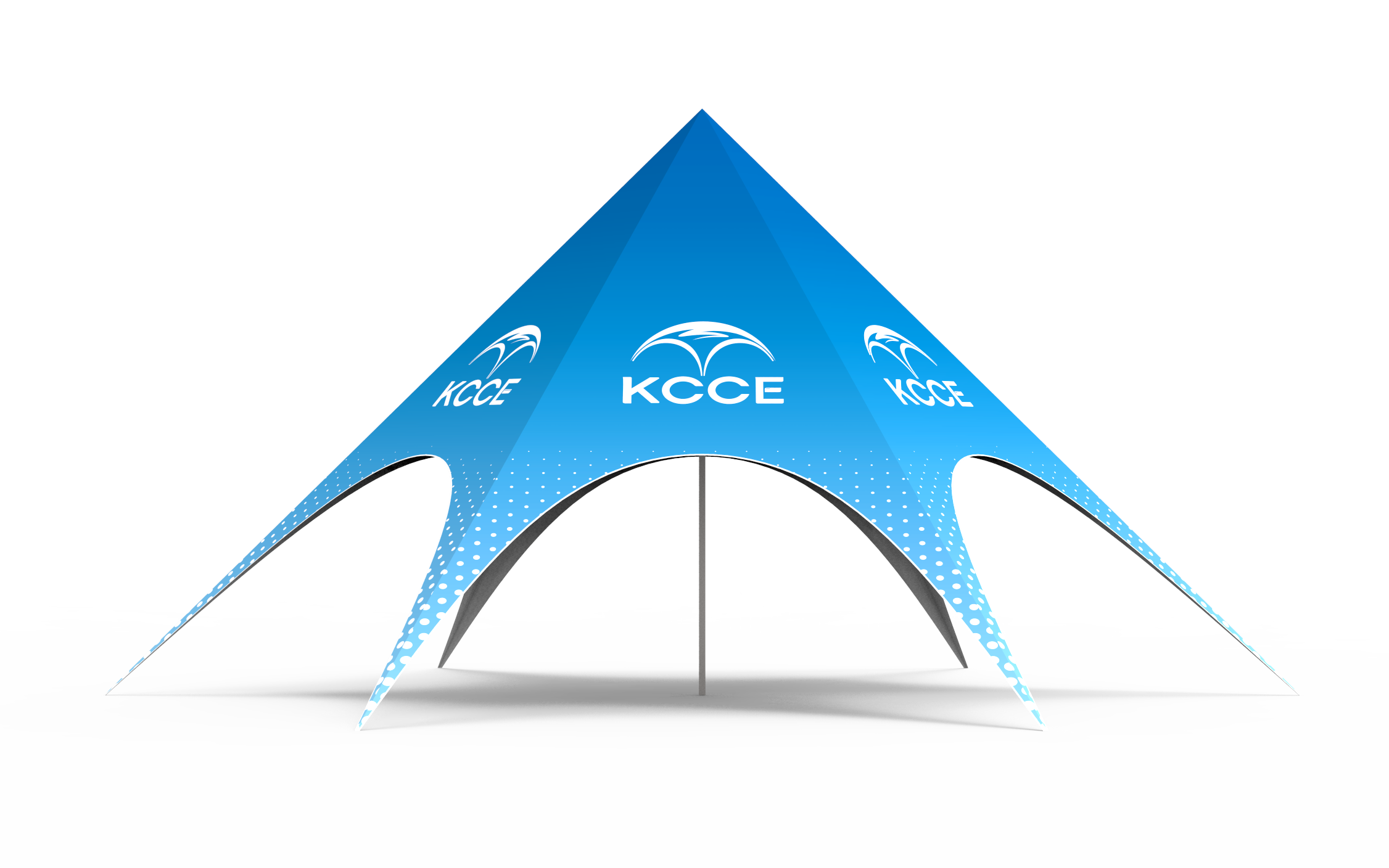
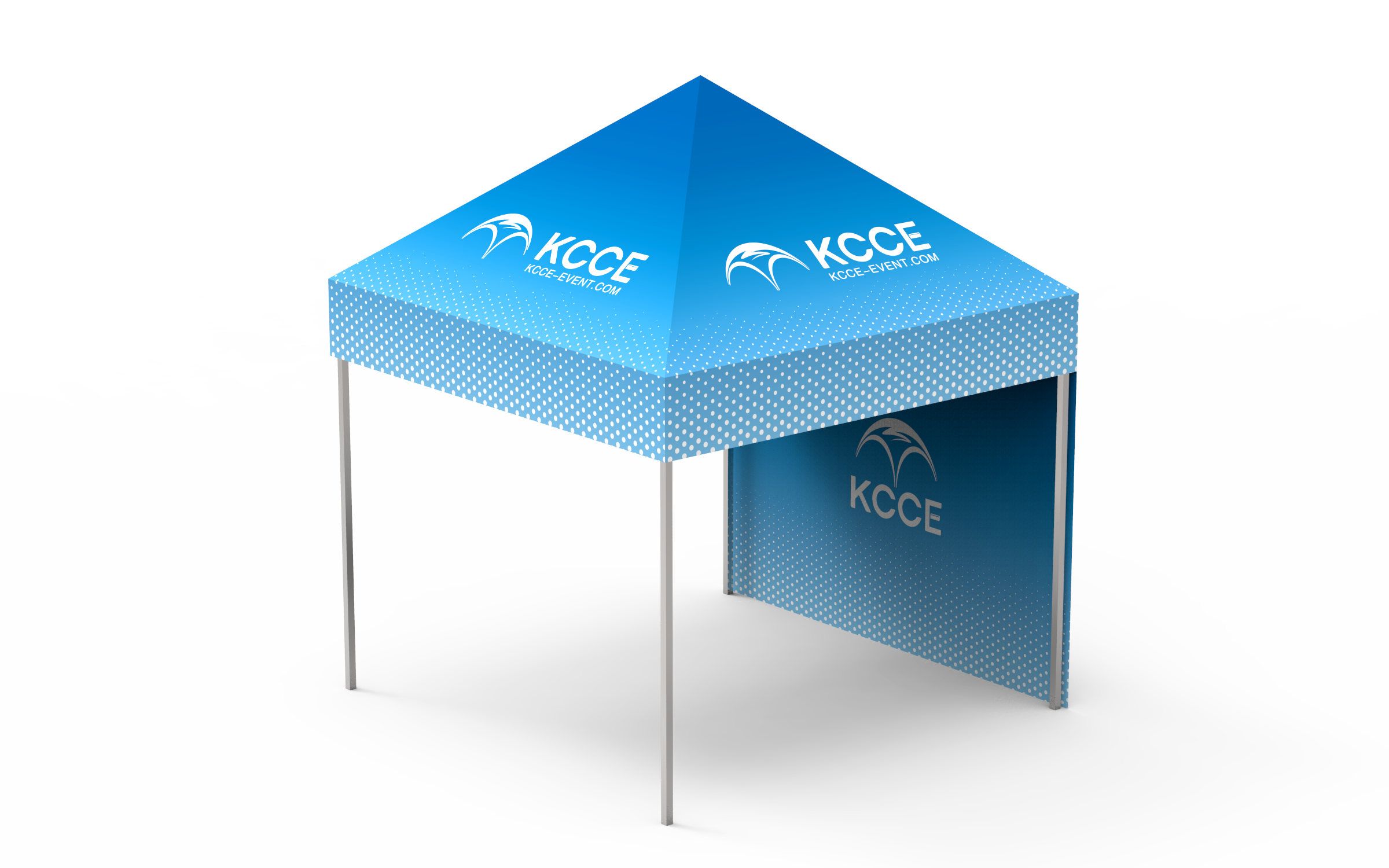
If you’re looking for inflatable tents — whether for events, glamping, or brand activations — Dongguan Kaicheng (also known as KCCE) is worth a serious look. They’re based in Dongguan, which is the heart of China’s outdoor products manufacturing hub. They’ve been in the business long enough to have a founder who actually designs inflatable products, not just a sales team pushing a catalog.
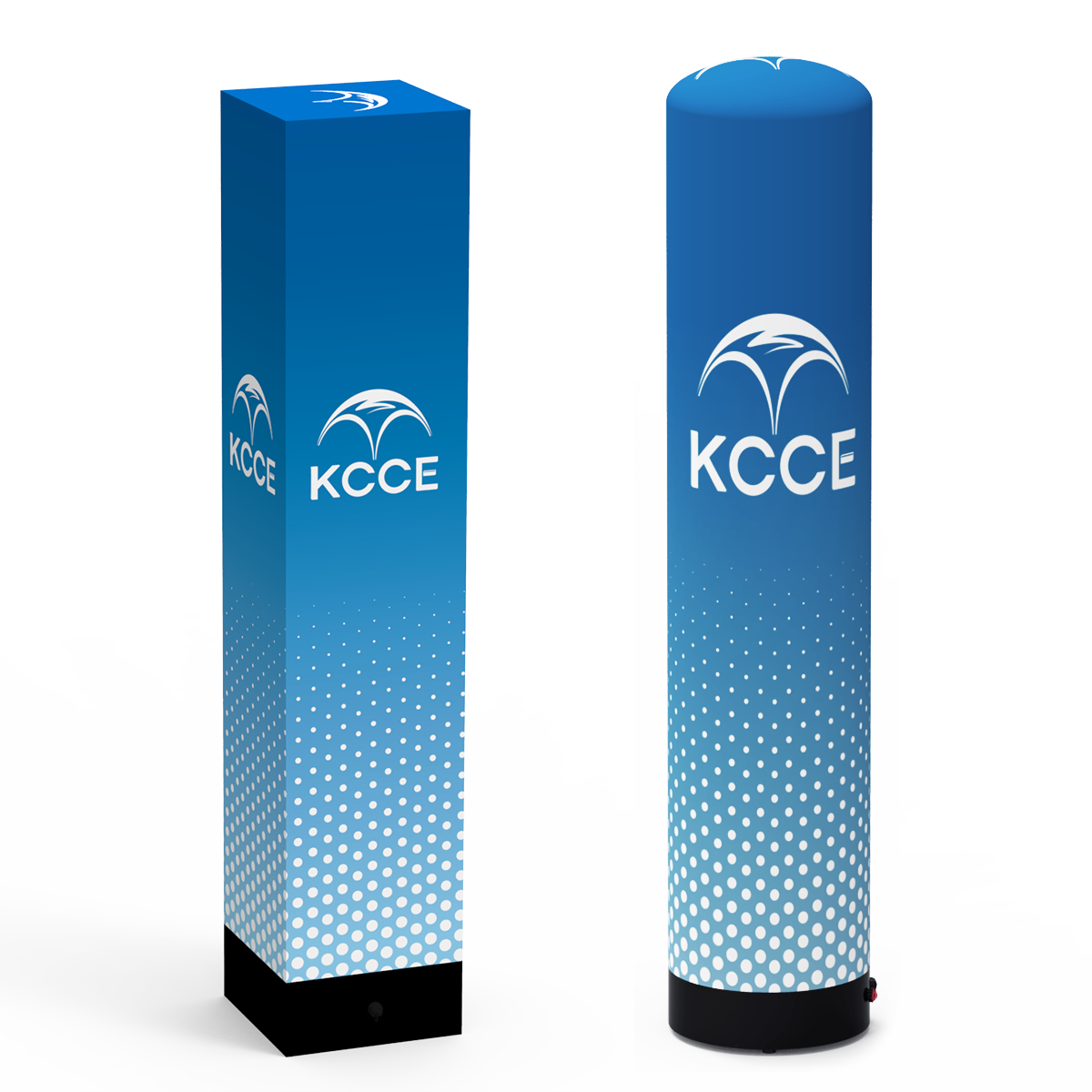
Their strength is in custom inflatable solutions. They produce everything from şişme çadırlar for events to şişme mobilya and promotional inflatable shapes. If you need a branded inflatable tent for a marketing campaign or an event, this is the kind of factory that can handle it without treating you like a nuisance for asking for something custom.
One thing I appreciate about KCCE is their willingness to work with smaller orders. They understand that not every buyer is a massive corporation ordering 10,000 units. If you’re a startup brand or a marketing agency that needs a custom inflatable structure, they’re more likely to engage with you than a factory that only takes massive MOQs.
That said, if you need a traditional canvas bell tent for a glamping site, KCCE might not be your first choice. Their expertise is in inflatable structures, not pole-and-canvas designs. Know what you’re asking for before you reach out.
2. A Leading Canvas Tent Specialist
Strength: Deep expertise in canvas tents for glamping and hunting.
Weakness: Higher MOQ requirements and longer lead times.
There are a few factories in China and Eastern Europe that have built their entire reputation on canvas tents. These are the factories that supply glamping resorts, hunting outfitters, and high-end outdoor brands with premium canvas shelters.
The advantage of working with a canvas specialist is that they understand the nuances of the material. Canvas is not like polyester — it requires different sewing techniques, different waterproofing treatments, and different maintenance considerations. A factory that only works with synthetic fabrics will struggle with canvas, even if they claim otherwise.
The downside is that canvas specialists tend to have higher MOQs and longer lead times. Canvas tents are more labor-intensive to produce, and the materials are more expensive. If you’re looking for a quick, cheap run of tents, this is not the right factory for you.
3. A High-Volume Event Tent Manufacturer
Strength: Massive production capacity and competitive pricing.
Weakness: Less flexibility for small custom orders.
For event tent manufacturers — the ones that supply festival organizers, wedding planners, and corporate event companies — volume is the name of the game. These factories are set up to produce hundreds or thousands of tents in a single production run. Their per-unit pricing is often the lowest you’ll find.
The trade-off is flexibility. If you need a completely custom design, a high-volume manufacturer might not be interested. They’re optimized for producing standard designs with minor customization — different colors, different sizes, maybe a logo printed on the side. If you need something truly bespoke, you might be better off with a smaller factory that has the time and willingness to work on a one-off design.
4. A Military-Grade Tent Supplier
Strength: Exceptional durability standards and rigorous QC.
Weakness: High prices and strict compliance requirements.
Military tent suppliers operate in a different world from commercial manufacturers. They’re used to working with government contracts, which means their QC processes are stringent and their materials are top-tier. If you need a tent that can withstand extreme conditions, a military-grade supplier is worth considering.
But here’s the catch: military suppliers are expensive. They’re used to government budgets, not startup budgets. And they often have strict compliance requirements that can be hard for commercial buyers to meet. If you’re a brand that needs expedition-grade tents for a commercial product line, you might be able to work with a military supplier — but expect to pay a premium.
5. A Low-MOQ Startup-Friendly Factory
Strength: Willing to work with small orders and new brands.
Weakness: Less established, higher risk.
There’s a growing segment of factories that specifically target startups and small brands. They understand that not every buyer can commit to 1,000 units on their first order. They offer lower MOQs — sometimes as low as 50-100 units — and they’re more willing to work with you on sampling and prototyping.
The trade-off is that these factories are often less established. They might have less experience, less sophisticated QC processes, and more financial instability. You need to do your due diligence carefully if you’re considering this type of factory. But for a startup that needs to test the market before committing to a large order, a low-MOQ factory can be a lifesaver.
Comparison Table
| Manufacturer Type | MOQ | Teslim Süresi | Fiyat Aralığı | Uzmanlık |
|---|---|---|---|---|
| Inflatable Specialist (KCCE) | Low-Medium | 3-6 hafta | Orta | Custom inflatable tents, event structures |
| Canvas Specialist | Orta-Yüksek | 6-10 hafta | Yüksek | Glamping, hunting, premium canvas |
| High-Volume Event | Yüksek | 4-8 weeks | Low-Medium | Standard event tents, large runs |
| Military-Grade | Orta-Yüksek | 8-12 weeks | Çok Yüksek | Extreme durability, government specs |
| Startup-Friendly | Very Low | 2-5 weeks | Orta-Yüksek | Small batches, custom designs |
Keep in mind that these are general categories, not specific recommendations. The right manufacturer for you depends on your specific project requirements. What I’d recommend is shortlisting three factories from these categories based on your needs, then running them through the scoring matrix I shared earlier.
Red Flags: When to Walk Away From a Tent Factory
I’ve been doing this long enough to recognize the warning signs. Here are the red flags that should make you walk away from a tent factory — no matter how good their price looks.
1. No Sample Policy
If a factory won’t produce a sample before you commit to a full production run, walk away. This is non-negotiable. A reputable factory will always offer sampling — usually for a fee that’s credited toward your production order. If they refuse to make a sample, it means either they don’t believe in their own product quality, or they’re not serious about working with you.
2. Vague Pricing
A factory that can’t give you a detailed quote with itemized costs is a factory that’s going to hit you with hidden fees later. Your quote should include: materials, labor, tooling (if any), packaging, and shipping. If a factory gives you a single lump-sum number without any breakdown, ask for more detail. If they can’t provide it, that’s a red flag.
3. No QC Documentation
Every reputable factory has some form of quality control documentation — inspection checklists, AQL standards, defect rate reports. If a factory can’t show you their QC process in writing, they don’t have one. And if they don’t have a QC process, you’re gambling your entire order on their good intentions.
4. Unwillingness to Sign an NDA
If you’re sharing proprietary designs or confidential information, a factory should be willing to sign a non-disclosure agreement. If they refuse, it means they’re not willing to be held accountable for protecting your IP. In an industry where design theft is a real concern, this is a deal-breaker.
5. Pressure to Pay in Full Upfront
Standard payment terms in this industry are typically 30% deposit and 70% before shipping. Sometimes it’s 50/50. If a factory demands 100% payment upfront, that’s a massive red flag. It means they don’t trust their own ability to deliver, or they’re in financial trouble and need your money to cover other obligations.
How to Run a Pilot Order Without Burning Your Budget
You’ve done your research. You’ve shortlisted three factories. Now it’s time to test them. But you don’t want to commit to a full production run before you’ve seen what they can actually do.
Here’s how to run a pilot order without burning your budget.
Step 1: Start with Samples, Not Production
Before you commit to any production run, order samples from at least two of your shortlisted factories. Yes, this costs money — usually $50-$200 for a sample depending on the complexity of the design. But it’s the cheapest insurance you’ll ever buy.
When you receive the samples, don’t just look at them. Set them up. Test them in the rain. Check the zippers. Look at the seams. If you’re buying a tent, the sample should be something you’d actually use — not just something that looks pretty in a showroom.
Step 2: Small Batch Testing
Once you’ve approved a sample, don’t jump straight to your full order. Do a small batch — maybe 10-20% of your target order size. This tests the factory’s production consistency. A factory can make one great sample; the question is whether they can make 100 great tents.
During the small batch run, pay attention to how the factory communicates. Do they send you progress updates? Do they flag issues before they become problems? This is your chance to evaluate their communication and QC processes in a real production environment.
Step 3: Establish a Communication Cadence
From the moment you sign the contract, establish a regular communication schedule with your account manager. Weekly check-ins are standard. Ask for production photos or videos at key milestones. If the factory is reluctant to provide updates, that’s a red flag.
I also recommend asking for a pre-shipment inspection. You can hire a third-party inspection company (like SGS or Bureau Veritas) to check the goods before they leave the factory. This costs a few hundred dollars, but it’s worth every penny if it catches a quality issue before your entire order ships.
Real Talk: What Buyers Wish They Knew Before Signing
Let me share some hard truths that nobody tells you when you’re starting your search for a custom tent manufacturer.
Hidden Costs: Tooling, Shipping, and Everything Else
The quote you get from a factory is rarely the final number. There are almost always additional costs that show up along the way. Tooling costs — if your design requires custom molds or dies, those are typically billed separately. Shipping costs — especially for oversized items like tents, which take up a lot of container space. Customs and import duties — depending on your country, these can add 10-20% to your total cost.
My rule of thumb: add 20% to whatever the factory quotes you. That’s your realistic budget. If the quote comes in under budget, great. If not, you’re not caught off guard.
Timeline Creep Is Real
I mentioned this earlier, but it’s worth repeating: custom tent production always takes longer than you think. Factories are optimistic by nature — they want to win your business, so they give you the most favorable timeline they can. But between fabric sourcing, sampling iterations, production delays, and shipping, things slip.
Here’s what I tell my clients: take whatever timeline the factory gives you and add 2-3 weeks. If the factory says 8 weeks, plan for 11. If they say 12, plan for 15. If you’re working against a hard deadline — like a festival season or a product launch — build in even more buffer.
Fabric Sourcing Surprises
Here’s something that catches a lot of buyers off guard: the fabric you want might not be available when you want it. Fabric mills have their own production schedules, and if you’re looking for a specific type of ripstop nylon or a particular color of PVC, you might have to wait for the mill to produce it.
This is why I always recommend working with a factory that has established relationships with fabric suppliers. A good factory will tell you upfront if your fabric choice is going to cause delays — and they’ll suggest alternatives if needed.
The Communication Barrier (and How to Mitigate It)
If you’re working with an overseas manufacturer, communication is going to be a challenge. Time zone differences, language barriers, and cultural differences all create friction. But there are ways to mitigate this:
- Use a dedicated account manager. Most good factories assign a single person to handle your account. Make sure that person speaks your language fluently.
- Write everything down. Never rely on verbal agreements. Get every spec, every deadline, every cost in writing.
- Use visual communication. Photos and videos are worth a thousand emails. Ask for visual evidence of progress at every stage.
- Be patient. Remember that the person on the other end is working in their second (or third) language. Give them time to respond thoughtfully.
How to Choose the Right Manufacturing Model: OEM vs ODM
I touched on this earlier, but it deserves a deeper dive because it’s a decision that affects everything about your project.
OEM: You Bring the Design
In an OEM arrangement, you have the design and the factory produces it. This gives you maximum control over the final product — you specify every detail, from the fabric to the zippers to the stitching pattern. The downside is that you’re responsible for the design. If your design has flaws, the factory will produce those flaws at scale.
OEM is the right choice if you have a clear vision for your product and you’ve done the design work. It’s also the right choice if you have proprietary features that you want to protect.
ODM: The Factory Has a Design You Can Modify
In an ODM arrangement, the factory has existing designs — usually from their catalog or from previous projects — and you can customize them. This is faster and often cheaper than OEM because you’re not starting from scratch. But you have less control over the final product, and your “custom” tent might end up looking a lot like someone else’s tent.
ODM is the right choice if you’re launching a brand for the first time and you want to get to market quickly without investing heavily in design. It’s also a good option if you’re not sure exactly what you want — the factory can show you what’s possible.
Which One Is Right for You?
Here’s my honest take: if you’re a startup with limited resources, start with ODM. Get a product to market, learn what works, and then move toward OEM as you grow. If you’re an established brand with a clear design vision, go straight to OEM — but be prepared to invest more time and money in the process.
Case Study: The $50K Production Run That Went Wrong
Let me tell you a story that illustrates everything I’ve been talking about. A few years ago, a client came to me after a disastrous experience with a custom tent factory. They had paid a $50K deposit for a production run of branded event tents. The factory promised delivery in 8 weeks.
Sixteen weeks later, the tents arrived. The fabric was wrong — it wasn’t the waterproof PVC they had specified. The zippers were cheap plastic instead of the heavy-duty metal they had requested. And the printing on the tents was misaligned, making the branding look like a bad knockoff.
What went wrong? Looking back, the signs were all there:
- The factory refused to produce a sample before the full production run.
- The quote was a single lump sum with no itemized breakdown.
- Communication was sporadic — they only responded when the client chased them.
- There was no pre-shipment inspection.
Every one of those is a red flag I listed earlier. The client ignored them because the price was 20% lower than any other factory they had quoted. In the end, they spent more money fixing the problems than they saved on the initial quote.
This is why I’m so insistent on the evaluation process. It’s not about being paranoid — it’s about protecting your investment. A $50K production run is a significant bet for any company. You owe it to yourself to do the due diligence.
The Role of Inflatable Tents in the Custom Market
I want to take a moment to talk about a specific segment of the custom tent market that’s growing rapidly: inflatable tents. If you’re in the event industry or the glamping space, you’ve probably noticed that inflatable structures are everywhere these days. And for good reason.
Inflatable tents offer several advantages over traditional pole-and-canvas designs. They’re faster to set up — you can have an inflatable tent ready in minutes rather than hours. They’re more portable — they pack down smaller and weigh less than rigid-frame tents. And they can be produced in a wider range of shapes and sizes, which makes them ideal for custom branding.
If you’re considering inflatable tents for your project, I’d strongly recommend working with a factory that specializes in this technology. The engineering is different from traditional tents — you need to get the air pressure right, the seams need to be airtight, and the materials need to be flexible enough to inflate without cracking.
This is where a company like KCCE comes in. They’ve built their entire business around inflatable products — from their founder’s early work on inflatable designs to a full product line that includes tents, furniture, and promotional shapes. If you’re looking for a custom inflatable tent for an event or marketing campaign, this is the kind of specialist you want.
That said, I’m not saying inflatable is always the right choice. For some applications — like extreme weather camping or long-term installations — traditional tents are still superior. It’s about matching the technology to your specific needs.
Sıkça Sorulan Sorular
Q: What is the typical MOQ for custom tents from a manufacturer?
A: The typical MOQ for custom tents ranges from 100 to 1,000 units, depending on the factory and the complexity of the design. High-volume factories may require 500-1,000 units minimum, while smaller workshops or inflatable specialists like KCCE may accept orders as low as 50-100 units. Always ask about MOQ flexibility before investing time in a vendor.
Q: How long does it take to manufacture a custom tent?
A: Sampling typically takes 1-4 weeks, and production takes 4-8 weeks for most custom tent orders. Shipping adds another 2-6 weeks depending on your location. A realistic timeline from initial inquiry to delivered product is 8-16 weeks. Always add 2-3 weeks of buffer to whatever the factory quotes.
Q: What’s the difference between OEM and ODM when it comes to tents?
A: OEM (Original Equipment Manufacturer) means you provide the design and the factory produces it to your exact specifications. ODM (Original Design Manufacturer) means the factory has existing designs that you can customize. OEM gives you more control but requires more design work; ODM is faster and often cheaper but offers less uniqueness.
Q: How much does custom tent manufacturing cost per unit?
A: Costs vary widely based on materials, size, and complexity. A basic polyester event tent might cost $50-150 per unit, while a premium canvas glamping tent can range from $500-2,000 per unit. Inflatable tents typically fall in the middle range. Add 20% to any quote for hidden costs like tooling, shipping, and customs.
Q: Can I protect my custom tent design from being copied?
A: Yes, but you need to be proactive. Have the factory sign a non-disclosure agreement (NDA) before sharing any proprietary designs. Work with factories that have a reputation for respecting IP. Consider registering your design with the relevant intellectual property offices in your country and the manufacturing country.
Q: Should I work with a domestic or overseas tent manufacturer?
A: Overseas manufacturers, particularly in China, offer lower prices and greater production capacity. Domestic manufacturers offer easier communication, faster shipping, and simpler IP protection. For startups, overseas manufacturing is often the only economically viable option; for established brands, domestic manufacturing may be worth the premium.
Q: What fabrics are best for custom tents?
A: The best fabric depends on your use case. Canvas is durable and breathable but heavy and expensive. Polyester is lightweight and affordable but less durable. PVC is waterproof and tough but heavier and less breathable. For glamping, canvas is the premium choice; for events, polyester or PVC is more practical; for extreme conditions, specialized ripstop materials are best.
Q: How do I verify a tent factory’s quality before placing a large order?
A: Start with a sample order, then run a small batch (10-20% of your target order size) to test production consistency. Ask for references from other clients. Consider hiring a third-party inspection company to check the goods before shipping. And always get the factory’s QC process in writing before signing a contract.