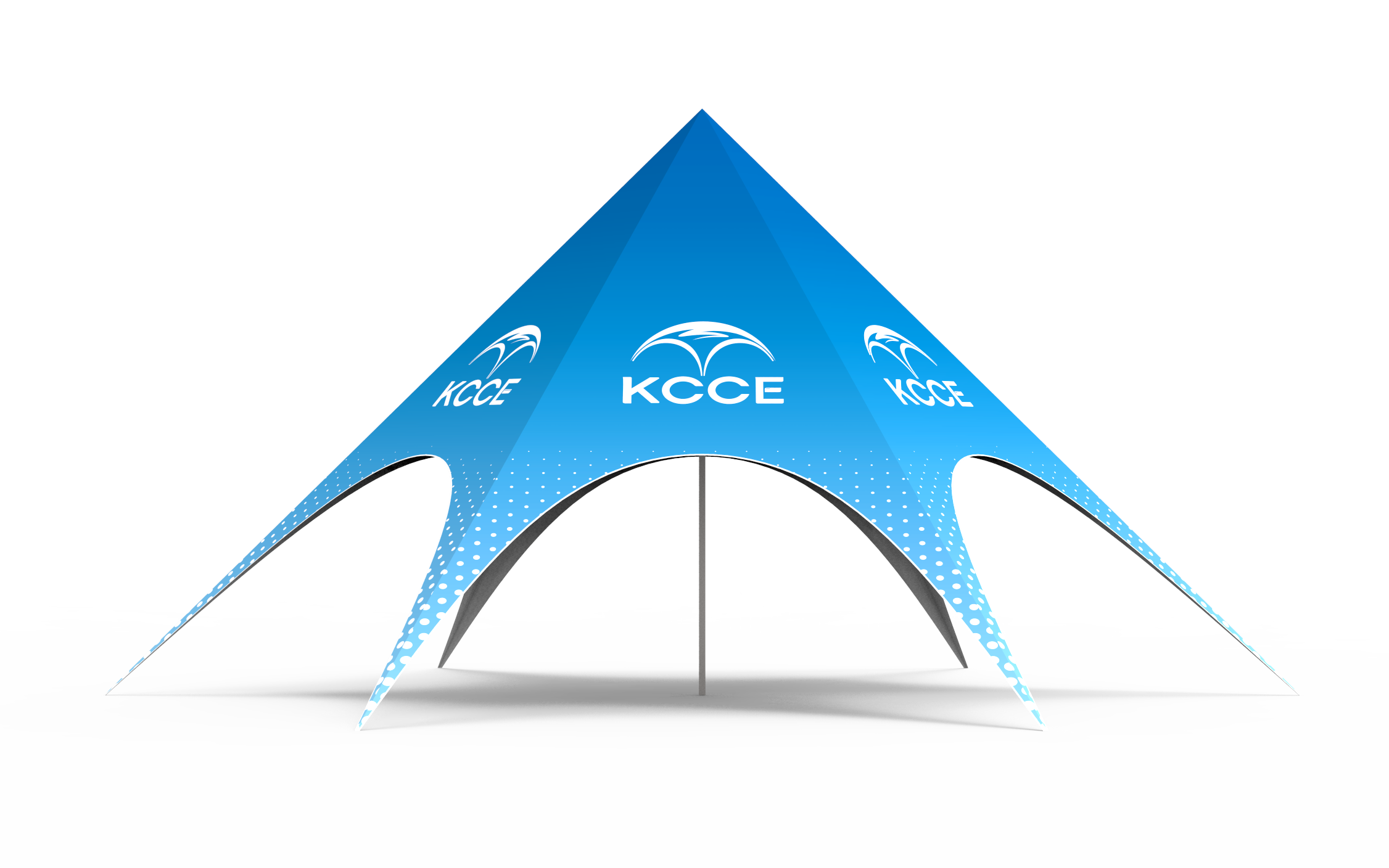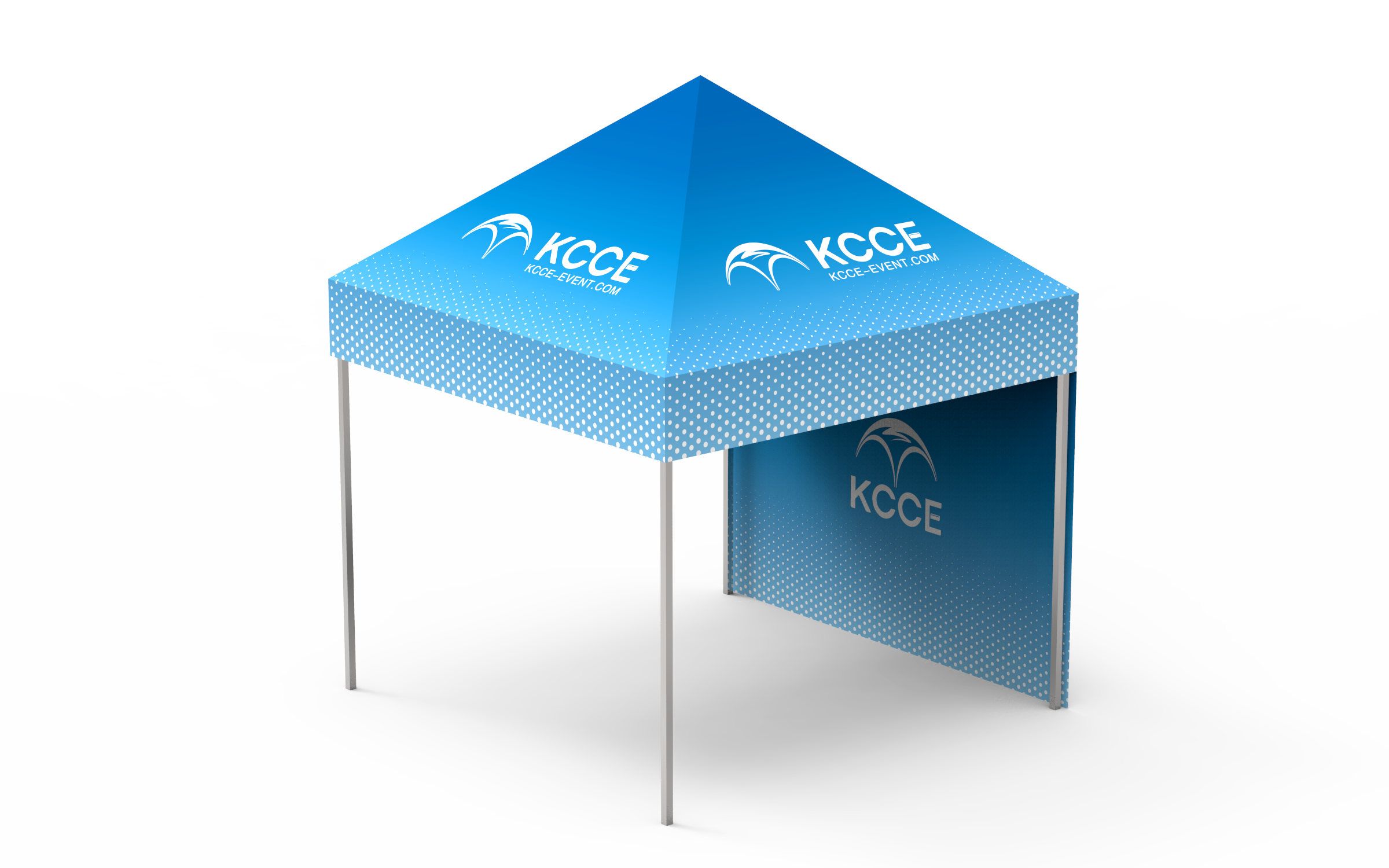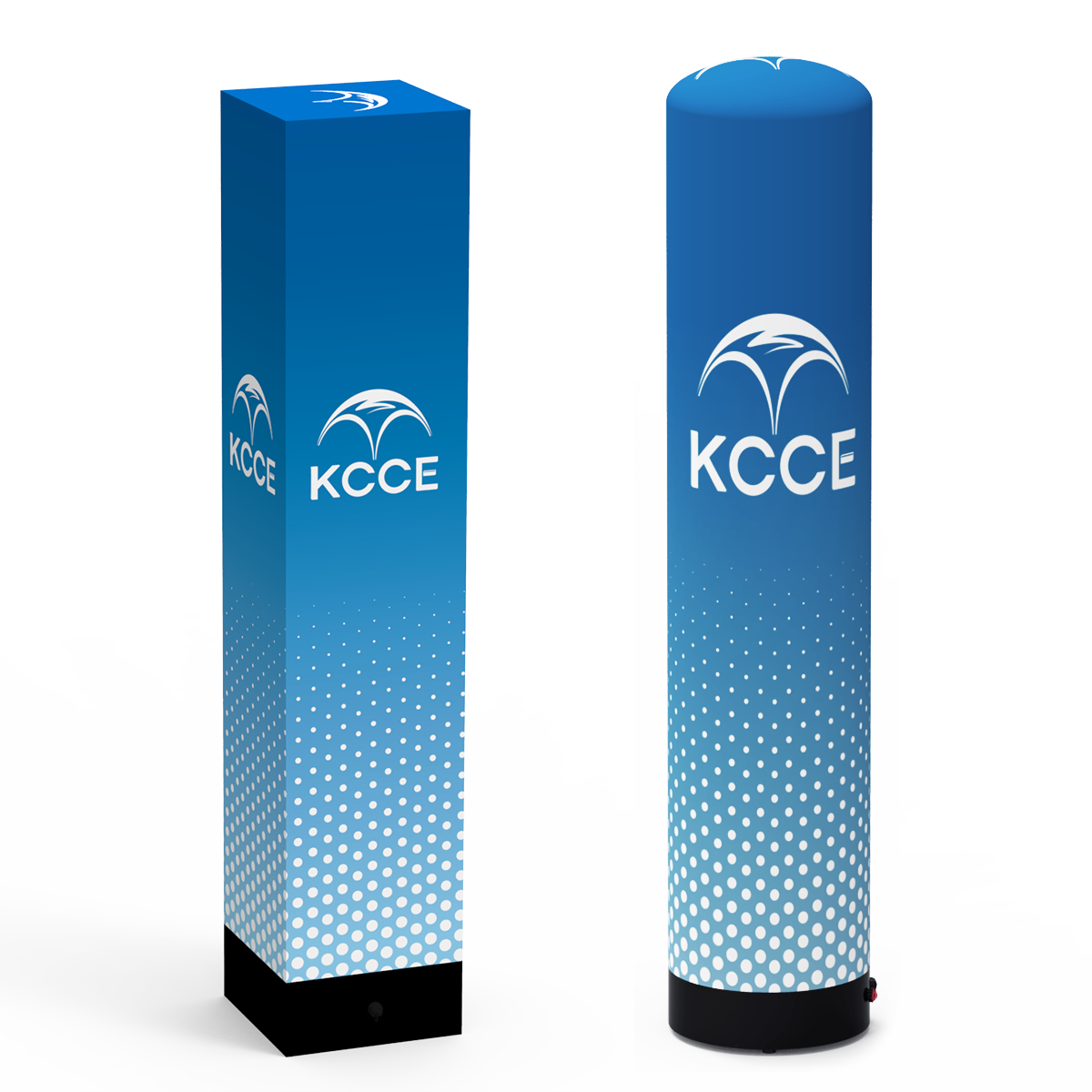
In the world of professional inflatables-such as inflatable tents, inflatable arches, เฟอร์นิเจอร์พอง, inflatable sofas, and other air tight inflatables-safety valves play a critical but often misunderstood role. Many quality issues reported by customers are closely related to incorrect expectations about what a safety valve can and cannot do. This is especially true for TPU double layers inflatable products, where internal air pressure management is far more complex than with single-layer or constant-air inflatables.
At Reeqi, most of our products are airtight (sealed) inflatables. This design offers major advantages: quieter use, cleaner appearance, lower energy consumption, and better portability. However, airtight systems also require a correct understanding of inflation limits and environmental factors. This blog explains why safety valves are essential, why they do not make products”explosion-proof,” and how proper usage can significantly reduce the risk of inner bladder failure.
Why Airtight Inflatable Products Need Safety Valves
Unlike continuous-air inflatables that rely on a blower to maintain shape, air tight inflatables store all air internally. Once inflated, the internal pressure remains constant unless affected by:
Additional air input (manual or electric pump)
External temperature changes
Physical load or deformation
For many users, especially first-time buyers, it is difficult to judge whether an inflatable tent or inflatable arch has been filled with the correct amount of air. Overinflation is one of the most common causes of damage in TPU double-layer inflatable products.
This is why safety valves are so important.
A safety valve is designed to:
Automatically release air when internal pressure exceeds a preset threshold
Provide an audible signal (leaking sound) that inflation should stop
Reduce the risk of sudden structural failure
In simple terms, air leakage from a safety valve is not a defect-it is a warning signal.
A Common Misunderstanding:”If It Has a Safety Valve, It Won’t Burst”
One of the most frequent misconceptions we encounter is this:”Even if we keep inflating, the product won’t explode because it has a safety valve.”
This assumption is incorrect and dangerous.
While safety valves significantly improve safety, they are not designed to offset unlimited or continuous air input. Every safety valve has a maximum exhaust capacity, determined by:
Valve structure
Orifice diameter
Internal pressure differential
In real-world usage, many customers use high-powered electric pumps, some delivering up to 600 liters of air per minute. When air is pumped into an airtight inflatable at this rate, pressure can accumulate faster than the safety valve can release it.
When this happens:
Internal pressure continues to rise
The inner TPU bladder stretches beyond its design limit
The weakest point fails first
The result is inner bladder rupture, even though a safety valve is present and functioning normally.
Safety Valve Quality vs. Misuse: Understanding the Difference
It is true that, like any industrial component, safety valves can occasionally have quality defects. Issues such as:
Inconsistent pressure thresholds
Poor sealing after repeated use
Manufacturing tolerances
may exist in rare cases.
However, based on long-term feedback and after-sales analysis, most reported burst cases are not caused by defective safety valves, but by incorrect inflation behavior, particularly:
Continuous inflation after the safety valve starts leaking
Leaving an electric pump connected and running unattended
Assuming the valve can fully compensate for excessive airflow
In properly designed systems, the safety valve is a secondary protection mechanism, not a substitute for correct operation.
The Correct Rule: Stop Inflation Immediately When the Valve Leaks
The most important operational rule for airtight inflatables is simple:
When you hear the safety valve start to release air, stop inflating immediately.
เสียงนั้นหมายความว่า:
The product has reached its designed pressure range
Additional air will not improve rigidity
Continued inflation increases rupture risk
This applies to all products, including:
เต็นท์แบบเป่าลม
ซุ้มลม
Inflatable furniture
Inflatable sofas
TPU double-layer inflatable products
Ignoring this warning is similar to revving a car engine continuously after the redline indicator lights up.
Temperature Rise: The Hidden Risk in Outdoor Inflatable Use
Overinflation is not the only cause of pressure increase.
In outdoor environments, temperature changes play a critical role in airtight inflatable performance.
When ambient temperature rises:
The air inside the inflatable expands
Internal pressure increases without any external pumping
This is basic gas physics, but it is often overlooked in real usage.
จะเกิดอะไรขึ้นหากไม่มีวาล์วนิรภัย?
If an airtight inflatable has no safety valve, rising temperature can cause:
การสะสมแรงดันอย่างต่อเนื่อง
Sudden and violent rupture
This is why safety valves are essential for outdoor-use products such as inflatable tents and inflatable arches.
จะเกิดอะไรขึ้นเมื่อมีวาล์วนิรภัย?
A safety valve can:
Release excess pressure gradually
Protect the inner bladder during short-term temperature increases
However, safety valves are not designed for prolonged high-temperature exposure.
การสัมผัสกับความร้อนในระยะยาว: ทำไมการปรับแรงดันด้วยมือจึงจำเป็น
In situations where:
The inflatable is exposed to strong sunlight
High temperatures last for several hours
The product remains fully inflated
internal air behaves similarly to continuous pumping. The air molecules remain in an expanded, high-energy state-sometimes described by users as the air”boiling,” although no actual boiling occurs.
Under these conditions:
วาล์วนิรภัยอาจปล่อยอากาศเป็นระยะๆ
Pressure may still remain near the material limit
TPU inner bladders experience constant tensile stress
If users fully rely on the safety valve and do nothing, the risk of material fatigue or sudden failure increases.
The correct approach is:
Periodically release a small amount of air manually
ลดความดันภายในเล็กน้อยในช่วงความร้อนสูงสุด
เติมลมเมื่ออุณหภูมิลดลง
การปฏิบัตินี้ช่วยเสริมอายุการใช้งานของสิ่งเล่นลมที่กันน้ำอย่างมาก.
โครงสร้าง TPU สองชั้น: แข็งแต่ไม่ไม่สามารถทนทานได้
ผลิตภัณฑ์ลมสองชั้น TPU ออกแบบมาเพื่อความทนทาน ความปลอดภัย และการใช้งานในระยะยาว โครงสร้างสองชั้นมอบ:
ความต้านทานการเจาะที่ดีขึ้น
การกระจายน้ำหนักที่ดีกว่า
ความทนทานต่อแรงดันที่สูงกว่าการออกแบบชั้นเดียว
อย่างไรก็ตาม โครงสร้างลมในไม่สามารถหลีกเลี่ยงจากกฎของฟิสิกส์ได้.
หากความดันภายในเกินขีดจำกัดที่ออกแบบเนื่องจาก:
การเสียเกินไป
ปั๊มไฟฟ้าไหลสูง
การสะสมความร้อนในระยะยาว
การเกิดความล้มเหลวจะเกิดขึ้นในบางจุด ไม่ว่าจะเป็นวัสดุคุณภาพอย่างไรก็ตาม.
วาล์วรักษาความปลอดภัยลดความเสี่ยง แต่ไม่สามารถกำจัดการใช้งานผิดปกติได้.
ปฏิบัติการใช้ผลิตภัณฑ์ลมที่กันน้ำอย่างปลอดภัย
เพื่อป้องกันการระเบิดของถุงลมภายในและลดข้อขัดแย้งคุณภาพที่ไม่จำเป็น เราขอแนะนำอย่างเข้มงวดดังนี้:
ใช้การเติมลมที่ควบคุมได้ โดยเฉพาะอย่างยิ่งกับปั๊มไฟฟ้า
อย่าปล่อยปั๊มทำงานโดยไม่ควบคุม
หยุดเติมลมทันทีเมื่อวาล์วรักษาความปลอดภัยทำงาน
หลีกเลี่ยงการเติมลมเต็มที่ภายใต้แสงแดดแรง
ปล่อยลมออกเล็กน้อยในระหว่างกิจกรรมกลางแจ้งร้อนในระยะยาว
เติมลมเมื่ออุณหภูมิลดลงตามความจำเป็น
นิสิตนี้สามารถป้องกันการเกิดความล้มเหลวได้มากกว่า 90%.
ความคิดสุดท้าย: วาล์วรักษาความปลอดภัยเป็นระบบเตือน ไม่ใช่เกราะป้องกัน
วาล์วรักษาความปลอดภัยเป็นส่วนสำคัญในเต็นท์ลม ประตูลม ที่นอนลม เฟอร์นิเจอร์ลม โซฟาลม และสิ่งเล่นลมอื่น ๆ ที่กันน้ำ พวกเขาป้องกันผลิตภัณฑ์และผู้ใช้โดยการระบายความดันและส่งสัญญาณเตือนชัดเจน.
อย่างไรก็ตาม วาล์วรักษาความปลอดภัยไม่ได้ถูกออกแบบมาเพื่อต้านการไหลของลมอย่างไม่จำกัดหรือสภาวะสุดขั้วในระยะยาว.
เข้าใจหน้าที่ของพวกเขา และตอบสนองอย่างถูกต้องเมื่อพวกเขาทำงานเป็นความสำคัญสำหรับประสิทธิภาพการใช้งานที่ปลอดภัยและยาวนานของผลิตภัณฑ์ลมสองชั้น TPU.
การใช้งานอย่างถูกต้องป้องกันไม่เพียงแต่ผลิตภัณฑ์เอง แต่ยังความไว้วางใจระหว่างผู้ผลิตและลูกค้า.