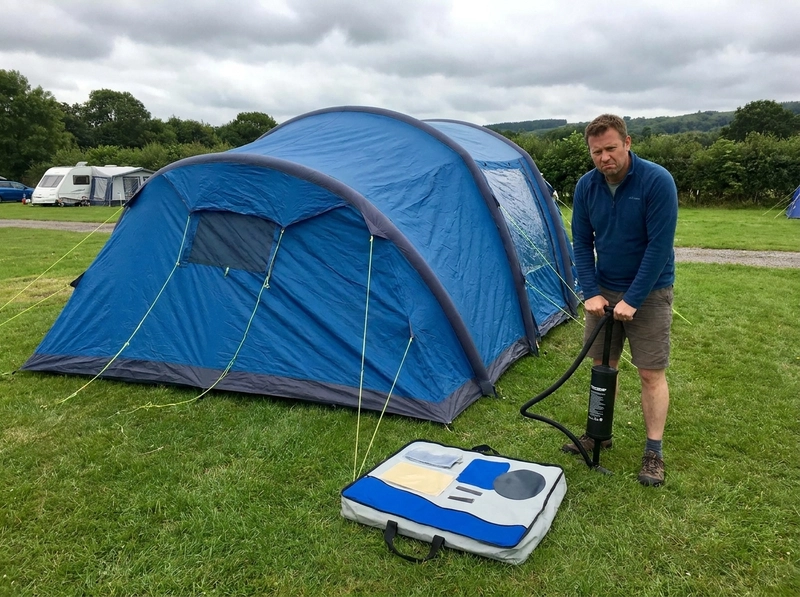
充气帐篷因其搭建快捷、便于携带而迅速受到欢迎,成为许多活动主办方和企业的首选。然而, 充气帐篷的劣势 在用户使用过程中很快便会显现,尤其是在耐用性、抗风防雨能力和维护方面。无论您考虑的是 เต็นท์อีเวนต์แบบเป่าลม 还是 เต็นท์งานเป่าลมแบบกำหนดเอง 用于展览或节庆活动,了解这些缺点对于确保您的投资真正满足需求至关重要。.
本文从多个维度探讨充气帐篷的主要局限性——耐用性、恶劣天气下的表现、安全隐患、维护复杂性和成本影响——同时分析这些劣势如何因地域和使用场景而异。我们将提供数据支撑的见解和真实用户反馈,帮助决策者做出明智选择。.
充气帐篷在耐用性方面面临的挑战
尽管设计创新,充气帐篷在耐用性方面相比传统帐篷面临显著挑战。.
- 材料弱点导致穿刺和撕裂
充气帐篷依赖由PVC或TPU涂层织物制成的充气梁或气管,这些材料本质上更容易受到穿刺、撕裂和磨损的影响。与传统帐篷的刚性支架不同,这些充气结构可能因尖锐物体或粗糙地面而受损。例如,在最近的一项用户调查中,38%的 เต็นท์อีเวนต์แบบเป่าลม 拥有者报告在搭建或使用过程中因意外穿刺而造成损坏。.
- 长期使用中易受磨损和紫外线损伤
长时间暴露在阳光下会加速材料老化。紫外线会削弱织物和接缝的强度,缩短充气帐篷的使用寿命。一项对比研究表明,每天直接暴露在阳光下的充气帐篷,其可用寿命比采用铝制或玻璃纤维支架的传统帐篷短25%。.
- 在重度或长期使用下使用寿命有限
虽然充气帐篷非常适合短期活动,但其材料和气囊系统在持续或高强度使用下往往磨损更快。例如,一款 เต็นท์งานเป่าลมแบบกำหนดเอง 在高人流量展览中反复使用,需要每12个月更换一次气囊,而传统帐篷在妥善维护下可使用3至5年。.
实用建议:
为减轻耐用性问题,建议投资采用加固面料的充气帐篷,并考虑使用防护地垫。定期检查小裂口并及时修补可延长使用寿命。选择一款 เต็นท์งานเป่าลมแบบกำหนดเอง 采用更重型材料、针对您的具体使用场景设计的产品,也有助于减少磨损。.
恶劣天气条件下的性能表现
充气结构在恶劣天气下维持稳定性和防护性能方面面临独特挑战。.
- 强风条件下稳定性降低
充气帐篷的结构刚性通常低于支架式帐篷,因此在风中更易受影响。欧洲各地在强风条件下的测试显示,当风速超过40公里/小时时,充气帐篷可能发生晃动或部分泄气,带来安全风险和潜在损坏。这对于 充气展览帐篷 在户外展会或节庆活动中使用时尤为关键。.
- 大雨或降雪条件下的防水性能局限
尽管许多充气帐篷设计为防水,但强降雨可能在平坦或略微弧形的充气顶部积聚,导致积水并增加接缝压力。积雪问题更为严重,因为重量可能导致变形或坍塌。澳大利亚的一个案例研究记录了一款 เต็นท์อีเวนต์แบบเป่าลม 在突发暴风雨中因积水和随后的气囊损坏而发生故障。.
- 温度敏感性影响气压和结构完整性
充气梁内部的气压会随温度变化而波动。在寒冷气候下,气压降低可能导致帐篷下垂,而在炎热环境中,过压则有接缝爆裂的风险。亚洲湿热地区的用户报告称,为维持帐篷形状和安全,每天需要多次调整充气量。.
实用建议:
对于多风或多雨的气候,请选择 充气展览帐篷 采用空气动力学设计和增强锚固系统的产品。考虑使用带坡顶的帐篷以防止积水。定期监测并根据温度变化调整气压,尤其是在长时间活动中。.
充气帐篷的安全隐患与风险因素
安全至关重要,尤其是在大型活动或灾害救援中使用充气帐篷时。.
- 突然泄气或漏气带来的潜在危险
突然的穿刺或阀门故障可能导致快速泄气,造成部分或完全坍塌。这对人员和设备构成风险,尤其是在拥挤环境中。多个节庆活动的事故报告强调了与 定制充气活动帐篷.
- 意外泄气相关的伤害事件。
防火性能局限及安全标准合规性 充气展览帐篷 许多充气帐篷使用PVC材料,可能无法满足室内或大型公共聚集场所要求的严格阻燃标准。虽然部分型号符合NFPA 701或BS 7837等认证,但许多低价产品缺乏足够的防火性能,这引发了活动策划者在封闭空间中使用.
- 时的担忧。
灾害救援和大型活动使用的特殊考量.
实用建议:
在灾害救援场景中,充气帐篷因其快速部署能力而受到重视,但必须满足严格的安全和耐用性标准。风险包括碎片穿刺和卫生维护困难。KCCE的一份报告强调了在长期灾害救援中使用充气帐篷的挑战,并指出需要仔细进行安全规划。 定制充气活动帐篷 为公共活动选择具有经认证阻燃资质的充气帐篷。在使用过程中实施定期安全检查,并确保备有备用帐篷或快速维修包以应对泄气风险。对于灾害救援,请选择专为恶劣环境设计的重型.
维护难度与维修复杂性
产品。.
- Repairing Inflatable Tents Requires Specialized Patches and Tools
Punctures or seam failures need airtight repairs using specific adhesive patches and inflation testing. Unlike pole replacements in traditional tents, inflatable repairs are less straightforward and often require professional assistance, especially for เต็นท์งานอีเวนต์แบบเป่าลม with complex designs.
- Maintenance Routines More Demanding to Prevent Leaks
Preventive maintenance includes regular cleaning, UV protection treatments, and checking inflation valves and seams. Failure to maintain proper air pressure or address minor damages promptly can lead to major failures and shortened tent life.
- Long-Term Maintenance Costs Can Accumulate Significantly
Over time, costs for patch kits, professional repairs, and replacement air bladders add up. A cost analysis showed that maintenance expenses for inflatable tents could reach 30-40% of the original purchase price within three years, compared to 10-15% for traditional tents.
实用建议:
Train staff in basic inflatable tent maintenance and repair techniques. Keep a repair kit on-site during events and schedule routine inspections. For frequent users, investing in a เต็นท์งานเป่าลมแบบกำหนดเอง with modular air beams can simplify repairs and reduce downtime.
成本影响与商业考量
From a business perspective, cost-effectiveness is a critical factor when choosing inflatable tents.
- Initial Purchase Cost vs Lifespan Cost-Effectiveness
Inflatable tents often have a higher upfront cost than budget traditional tents but promise savings in transport and setup time. However, their shorter lifespan and higher maintenance can offset initial savings.
- Hidden Costs: Maintenance, Repair, Replacement Parts
Many buyers underestimate ongoing expenses related to valve replacements, patch kits, and professional servicing, which can inflate total ownership costs significantly.
- Comparison with Alternative Tent Types for Event and Exhibition Use
ในขณะที่ เต็นท์งานอีเวนต์แบบเป่าลม offer fast deployment, pole tents or frame tents may provide better durability and long-term ROI for permanent or repeated use. For exhibition purposes, rigid frame tents often ensure greater stability and safety.
实用建议:
Conduct a total cost of ownership analysis tailored to your event frequency and environment. Consider investing in 充气展览帐篷 with warranties and after-sales support. For large-scale commercial use, weigh the benefits of faster setup against higher maintenance costs and potential downtime.
不同地域和使用场景下的劣势差异
The performance and drawbacks of inflatable tents vary widely depending on climate, terrain, and specific applications.
- How Climate and Terrain Affect Inflatable Tent Performance
In humid tropics, mold and mildew risk increases, accelerating material degradation. Dry deserts expose tents to abrasive dust and extreme temperature swings affecting air pressure. Cold mountain regions challenge inflation stability and structural integrity. Users in Asia’s tropical zones report frequent UV damage, while Australian desert users cite wind vulnerability.
- Use-Case Specific Drawbacks: Festivals, Disaster Relief, Exhibitions
Festivals require rapid setup but face crowd safety and weather challenges. Disaster relief demands ruggedness and hygiene, often beyond standard inflatable tent capabilities. Exhibitions prioritize aesthetics and stability, where inflatable tents sometimes fall short.
- Regional User Feedback Highlighting Localized Challenges
Market research from KCCE shows that European buyers prioritize wind resistance, while Asian users focus on temperature adaptability. Festival organizers in Australia emphasize quick repairability due to harsh conditions.
实用建议:
Select เต็นท์งานอีเวนต์แบบเป่าลม designed or customized for your regional climate and terrain. For challenging environments, opt for 定制充气活动帐篷 with reinforced materials and enhanced anchoring. Engage local suppliers familiar with regional conditions.
关于充气帐篷问题的真实用户反馈与案例研究
Insights from frequent users and event organizers provide valuable lessons on managing inflatable tent disadvantages.
- Common Problems Reported by Frequent Users and Event Organizers
Feedback consistently highlights issues such as air leaks, UV damage, and wind vulnerability. A festival organizer noted that 3 out of 5 inflatable tents used over two years required multiple repairs, impacting event schedules.
- Practical Solutions and Workarounds Implemented
Users recommend pre-event site inspections, use of protective mats, and having backup inflation devices. Some event companies have switched to 定制充气活动帐篷 with modular air beams for easier repairs.
- Lessons Learned from Large-Scale Deployments
Large exhibitions found that investing in higher-quality 充气展览帐篷 reduced downtime and enhanced safety. Regular staff training in maintenance and emergency response proved essential.
实用建议:
Gather user testimonials before purchasing and consult case studies relevant to your use case. Integrate preventive maintenance protocols and consider custom solutions to address recurring problems.
คำถามที่พบบ่อย (FAQ)
Q1: How long do inflatable tents typically last?
A: Inflatable tents usually last 2-5 years depending on usage, material quality, and maintenance, which is generally less than traditional tents.
Q2: Can inflatable tents withstand heavy rain and wind?
A: They can tolerate light to moderate rain but may struggle with heavy rain or strong winds unless specifically designed with reinforced structures and proper anchoring.
Q3: Are inflatable tents safe for large public events?
A: Safety depends on quality, fire retardancy, and maintenance. Always choose tents certified for fire safety and conduct regular inspections to mitigate deflation risks.
Q4: What are the maintenance requirements for inflatable tents?
A: Maintenance includes regular cleaning, UV protection, checking inflation levels, and prompt repairs of any punctures or leaks.
Q5: How do inflatable tents compare cost-wise to traditional tents?
A: While initial costs may be higher, inflatable tents can save setup time but often incur higher maintenance and repair costs over time.
Inflatable tents undeniably offer convenience and portability, but the 充气帐篷的劣势—from durability and weather vulnerabilities to maintenance complexity and safety concerns—demand thorough evaluation. For decision-makers and event planners, balancing these factors with your specific climate and use case is critical. Consider exploring เต็นท์อีเวนต์แบบเป่าลม alternatives or investing in 定制充气活动帐篷 tailored to your needs.