Buy the wrong fabric and your tent fails in year one. I’ve watched it happen more times than I’d like to admit—a company drops thousands on a custom tent, the material delaminates after one summer of trade shows, and suddenly they’re back at square one with a blown investment. So when people ask me what materials are used for custom tents, I don’t give them a textbook answer. I give them the real-world breakdown I’ve picked up over years in this industry, working alongside manufacturers and seeing how different fabrics actually hold up under the brutal conditions of outdoor events.
Here’s the thing: there’s no single “best” material. There’s only the best material for your specific situation. And understanding the differences between polyester, vinyl, canvas, and nylon—along with the coatings and treatments that make them waterproof—is the difference between a tent that lasts a decade and one that’s garbage by next spring.
快速解答
The four primary materials used for custom tent construction are polyester (lightweight, budget-friendly, ideal for pop-ups and indoor use), vinyl/PVC (heavy-duty, fire-retardant, built for long-term outdoor rental fleets), canvas (premium, breathable, aesthetically superior for luxury events), and nylon (ultralight, ripstop-woven, but rarely used for large custom structures). Your choice should be dictated by climate, frequency of use, and budget.
Custom Tent Materials: The Quick Answer
Let me be direct with you. If you’re sourcing a custom tent, you’re choosing between four main fabric families, and each one has a distinct personality. Polyester is the workhorse—cheap, decent durability, and fine for most pop-up and indoor applications. Vinyl (or PVC-coated polyester) is the heavyweight champion, built to withstand years of rental abuse, harsh sun, and sideways rain. Canvas is the premium option, breathing beautifully and looking stunning at weddings or glamping setups, but it’s heavy and needs more care. And nylon? It’s the ultralight specialist, mostly reserved for backpacking-style custom builds rather than commercial event tents.
In my experience, most buyers overthink this. They get lost in denier numbers and hydrostatic head ratings before they’ve even defined what the tent needs to survive. So let’s strip it back. What’s the primary job of your tent? Is it surviving five years of weekend rentals in the Florida sun? Is it impressing guests at a one-time luxury gala? Or is it a branded canopy that needs to look sharp at a two-day trade show?
Answer that question first, and the material choice becomes a lot simpler.
Polyester vs Vinyl vs Canvas vs Nylon: Comparison Table
Here’s the tent fabric comparison you actually need. I’ve condensed years of field data into a single table so you can see the trade-offs at a glance. These aren’t theoretical numbers—they’re what I’ve observed across dozens of custom tent projects.
| Property | 600D Polyester | Vinyl (PVC) | Canvas (Cotton-Poly) | Nylon (Ripstop) |
|---|---|---|---|---|
| น้ำหนัก | Light (approx. 8-10 oz/yd²) | Heavy (18-22 oz/yd²) | Heavy (10-14 oz/yd²) | Ultralight (1.5-3 oz/yd²) |
| 防水性能 | PU coating, 1500-3000mm hydrostatic head | Fully waterproof, welded seams | Water-resistant, needs treatment | Silicone or PU coating, 3000-5000mm |
| อายุขัย | 3-5 years with care | 10-15 years typical | 5-10 years with maintenance | 5-8 years |
| Relative Cost | $ (Lowest) | $$$ (Highest) | $$$$ (Premium) | $$ (Moderate) |
| การใช้งานที่ดี | Pop-ups, indoor, low-rain climates | Rentals, permanent installs, harsh weather | Luxury events, glamping, temperate climates | Backpacking, niche custom builds |
Now, let’s unpack what those numbers actually mean. The denier figure—600D, for instance—refers to the thickness of the individual fibers. Higher denier means thicker, more abrasion-resistant fabric. But here’s the catch: denier alone doesn’t tell you about waterproofing. That’s where the hydrostatic head rating comes in. A 1500mm rating means the fabric can withstand a 1500mm column of water pressing against it before leaking. For a custom tent that’ll see serious rain, I’d want at least 3000mm. For a permanent installation? You should be looking at vinyl with welded seams, which is effectively bombproof.
Polyester: Lightweight and Budget-Friendly
If you’re on a tight budget and your tent is mostly going to live indoors or in mild weather, polyester tent fabric is your friend. The 600D polyester that dominates the custom canopy market hits a genuine sweet spot between weight and durability. It’s not going to survive a Category 4 hurricane, but it doesn’t need to. What it does need to do is look sharp, hold its color, and not fall apart after a dozen uses.
The key feature to look for in polyester is the PU (polyurethane) coating. This is what actually makes the fabric waterproof. A decent PU coating with a hydrostatic head of 1500mm to 3000mm will handle light to moderate rain without issue. But here’s the thing I always warn clients about: PU coatings degrade with UV exposure. Leave a polyester tent out in the sun for a few months and the coating will start to break down, leading to flaking and eventual leaks. That’s why polyester is best suited for pop-up event tents, indoor displays, or climates where rain is more of a rumor than a reality.
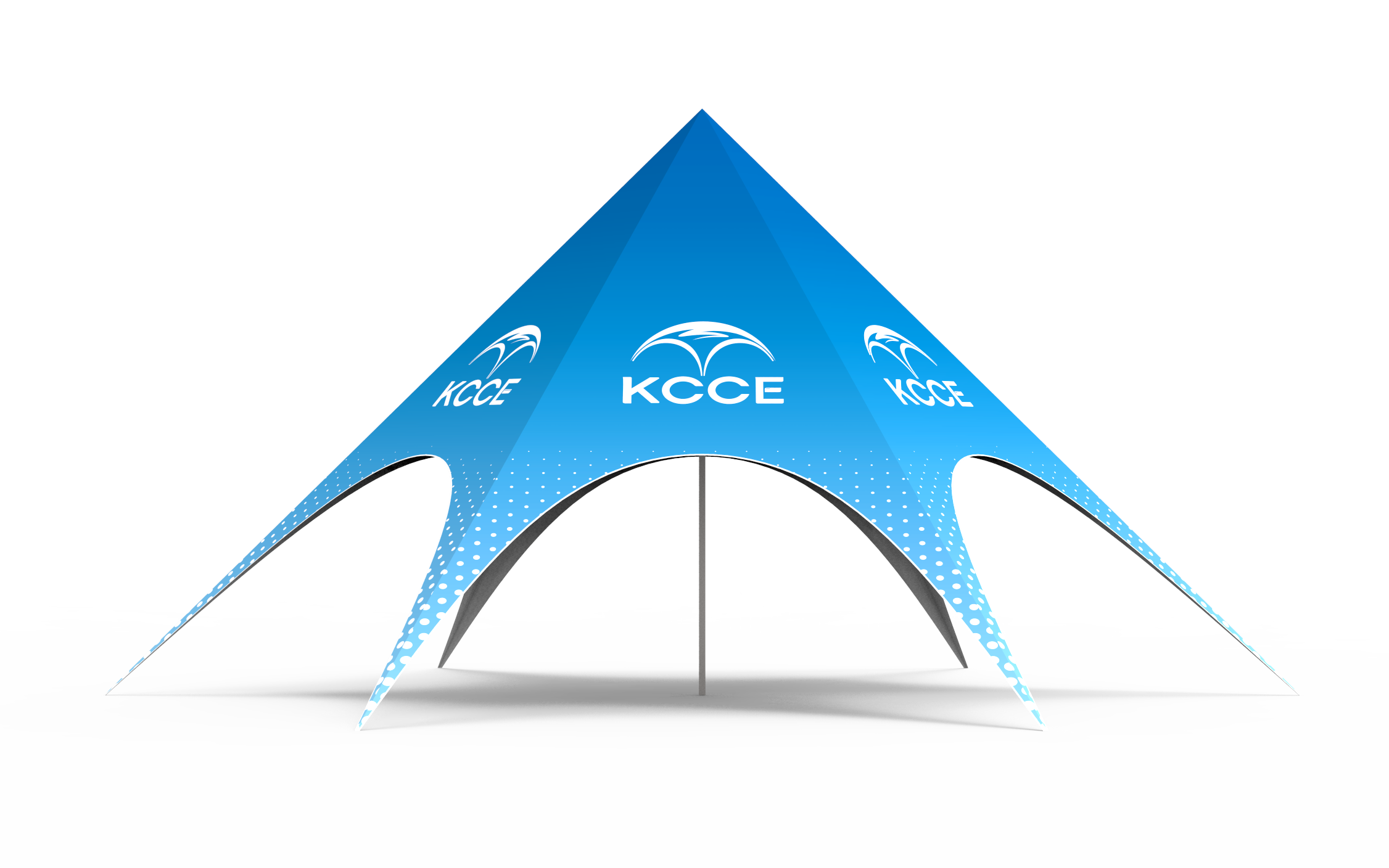
One more note on polyester: it’s the material behind most of the เต็นท์เป่าลม you’ll find on the market, including what we build at KCCE. The fabric’s flexibility makes it ideal for air-supported structures, and it’s significantly cheaper to produce than canvas or vinyl alternatives. If you’re doing a branded activation that needs to be quick-setup and cost-effective, 600D polyester with a proper PU coating is hard to beat.
Vinyl (PVC): Heavy-Duty for Long-Term Use
Now we’re talking about the big leagues. PVC tent material—specifically PVC-coated polyester—is what you want when “good enough” isn’t in your vocabulary. This is the fabric that rental companies use for their fleets, the material that permanent event structures are made from, and the only option I’d trust for a tent that needs to survive years of harsh weather.
The difference between laminated and coated vinyl matters more than most buyers realize. Coated PVC is applied as a liquid and baked onto the polyester base. Laminated PVC involves bonding a vinyl film to the fabric under heat and pressure. In my experience, laminated PVC offers better consistency and a smoother surface, which means better printing quality for your branding. Both are fully waterproof, but laminated tends to hold up better against delamination over time.
Fire retardancy is another huge advantage of vinyl. Most commercial PVC tent fabrics are manufactured to meet standards like NFPA 701 or CPAI-84, which are the benchmarks for flame resistance in the United States. If you’re planning to rent your tent out or use it for public events, you’ll almost certainly need a fire-retardant rating. Polyester with a PU coating typically doesn’t meet these standards on its own—it needs additional chemical treatment.
Here’s the honest trade-off: vinyl is heavy. A 20-foot PVC tent frame structure will require serious manpower to set up, and the fabric panels are stiff and awkward to fold. But that weight translates to tear strength and wind resistance. I’ve seen vinyl tents shrug off storms that would have shredded a polyester equivalent. For rental fleets, permanent installations, or any application where the tent needs to be a reliable asset for a decade or more, PVC is the only sensible choice.
Canvas: Premium Breathability and Aesthetics
Let me tell you about the material that makes event planners swoon. Canvas tent material—typically a cotton-polyester blend—is the premium option for a reason. It’s breathable, which means no condensation dripping on your guests on a cool evening. It has a natural, textured look that photographs beautifully. And it carries a sense of quality that synthetic fabrics simply can’t replicate.
The cotton in canvas absorbs moisture and then releases it slowly, which is why these tents feel more comfortable in both heat and cold. But that same absorbency is also canvas’s Achilles’ heel. Without proper treatment, canvas is prone to mold and mildew, especially in humid climates. Most modern canvas tents come with a waxed or acrylic finish that improves water resistance, but you’ll still need to be diligent about drying the tent thoroughly before storage.
For luxury events, glamping operations, and wedding venues, canvas is the gold standard. It creates an atmosphere that PVC and polyester just can’t match. The trade-off is weight—canvas is heavy, sometimes twice as heavy as polyester—and cost. A high-quality canvas tent will set you back significantly more than its synthetic counterparts. But if your brand is built on premium aesthetics, that investment pays for itself.
One thing I’ll add from personal experience: canvas requires a different maintenance routine. You can’t just hose it down and call it a day. You need to brush off debris, treat stains promptly, and re-waterproof periodically. If that sounds like too much work, canvas probably isn’t for you. But if you’re willing to put in the effort, a canvas tent will reward you with years of beautiful service.
Nylon: Ultralight but Less Common for Custom Tents
Nylon tent fabric is the odd one out in this lineup. It’s the material of choice for backpacking tents and ultralight shelters, where every ounce matters. Ripstop nylon—woven with reinforcing threads at regular intervals—is incredibly strong for its weight and packs down to almost nothing. For custom tents in the traditional sense, though, nylon is a niche player.
Here’s why: nylon stretches when it gets wet. That’s a dealbreaker for large event structures where tautness and stability are critical. A nylon tent that’s perfectly pitched on a dry day can sag noticeably after a rainstorm. Silicone coatings can mitigate this somewhat, but they also make the fabric harder to seam-tape, which complicates waterproofing.
So where does nylon actually make sense for custom builds? I’ve seen it used for lightweight promotional structures that need to be transported frequently and set up by a single person. It’s also popular for high-end backpacking tents that are custom-built for serious outdoor enthusiasts. But for commercial event tents, rental fleets, or anything that needs to withstand repeated use in varied conditions, I’d steer you toward polyester or vinyl instead.
If you’re considering nylon, make sure you’re working with a manufacturer who knows how to handle its quirks. The seam construction is particularly critical—nylon needs properly taped or welded seams to maintain waterproof integrity, and not every shop has the equipment to do that well. It’s a specialized material for specialized applications, and it should be treated as such.
Coatings and Treatments: What Actually Makes a Tent Waterproof
Here’s a question I get from clients all the time: “Why is this polyester tent waterproof and this other polyester tent not?” The answer lies in the coatings, not the base fabric. The waterproof tent material equation is really about what’s applied to the fabric after it’s woven.
The three main coating systems are PU (polyurethane), PVC (which we’ve already covered), and acrylic. PU coatings are the most common on budget-to-mid-range polyester tents. They’re flexible, relatively inexpensive, and provide decent waterproofing. The downside, as I mentioned earlier, is UV degradation. Acrylic coatings, by contrast, offer superior UV resistance and don’t yellow or crack as quickly. They’re more expensive, but for tents that’ll see a lot of sun, they’re worth the premium.
Silicone coatings are another option, often used on nylon. They’re incredibly waterproof and don’t degrade in UV, but they make seam sealing difficult. That’s why you’ll often see silicone-coated nylon paired with a separate PU coating on the inside—the manufacturer applies silicone to the exterior for waterproofing and PU to the interior so seams can be taped.
Now, about seams. This is where a lot of tents fail. A perfectly coated fabric is useless if water can seep through the needle holes where panels are sewn together. There are two solutions: seam taping and seam welding. Taping involves applying a waterproof tape over the sewn seams. Welding uses heat to fuse the material together, eliminating needle holes altogether. For vinyl tents, welded seams are the industry standard—they’re effectively permanent and totally waterproof. For polyester, taped seams are more common, but the quality of the tape job varies wildly between manufacturers. I’ve seen cheap tents with tape that peels off after a single season, and premium tents where the tape is still going strong after five years.
How to Choose Based on Your Use Case
Alright, let’s put this all together. The custom tent fabric selection process comes down to three questions: What climate will the tent live in? How often will it be used? And what’s your budget?
For a rental fleet that’ll be deployed dozens of times a year, in various weather conditions, for years on end—vinyl is the only answer. The upfront cost is higher, but the lifespan of 10-15 years makes it the most economical choice over time. Plus, the fire-retardant properties mean you’ll pass inspections without drama.
For a one-time event or a brand activation that’ll be used a handful of times—polyester is your best bet. It’s affordable, looks good, and will easily survive a few weekends of moderate weather. Just don’t expect it to be a long-term asset.
For a permanent installation, like a semi-permanent outdoor dining area or a seasonal retail space—canvas in temperate climates, vinyl in harsh ones. Canvas breathes and looks premium, but it needs a climate that won’t destroy it. Vinyl is more forgiving and requires less maintenance.
For indoor use—polyester, hands down. No rain, no UV, no problem. Save your money and invest in better graphics instead.
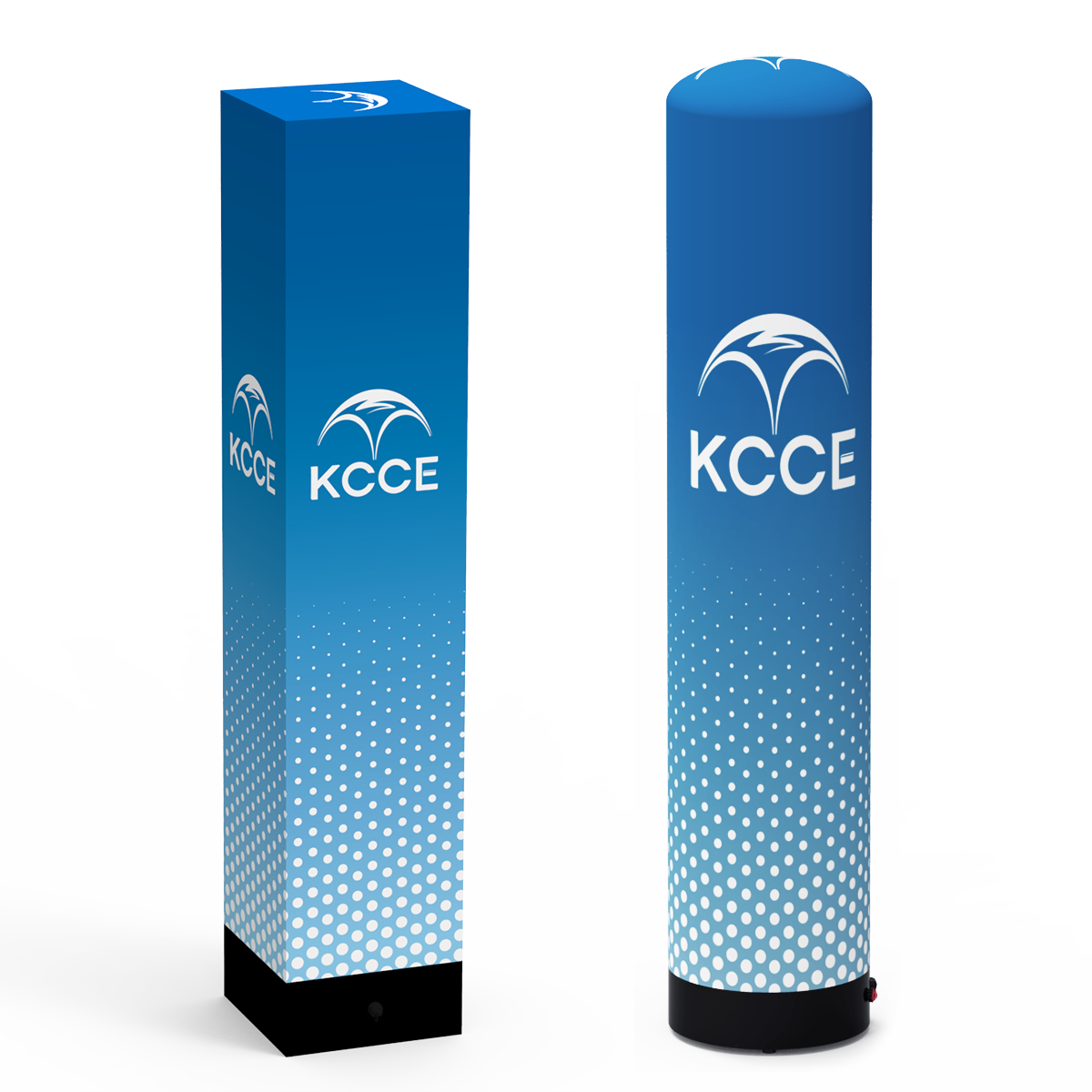
And if you’re looking at inflatable structures, the material choice matters just as much. At KCCE, we build inflatable tents from high-frequency welded PVC and polyester that’s engineered for air-supported applications. The display frames we offer are designed to work with these same fabrics, creating a complete branded environment that’s both portable and durable.
One more piece of advice: always ask for swatches and spec sheets before you commit. A reputable manufacturer should be able to tell you the exact denier, coating type, hydrostatic head rating, and fire-retardant certification of their materials. If they can’t, that’s a red flag. And if possible, get a sample made up and test it in your actual use conditions. There’s no substitute for real-world validation.
How long does a custom canopy tent last?
With proper care and storage, a high-quality custom canopy tent typically lasts between 5 and 10 years. The lifespan depends largely on the material you choose—vinyl and PVC-coated polyester tend to outlast standard polyethylene—as well as how often you use it and whether you expose it to harsh weather conditions. Regular cleaning and avoiding prolonged UV exposure will significantly extend its life.
Can I print a full-color logo or photo on my custom tent?
Yes. Most custom canopy tent manufacturers offer full-color dye-sublimation printing, which allows you to reproduce high-resolution images, gradients, and logos with vivid accuracy. This is ideal for brand activation, product launches, or photo-heavy designs. For simpler text or spot-color logos, screen printing or vinyl heat transfer are more cost-effective options.
What is the standard size for a custom canopy tent?
The most common sizes are 10×10 feet and 10×20 feet, as they fit standard event spaces and are easy to transport. However, manufacturers offer a wide range of custom dimensions, including 10×15, 20×20, and even larger structures for trade shows or outdoor festivals. Always check local permitting requirements if you plan to use a tent larger than 20×20 in a public space.
Do I need a permit to set up a custom canopy tent?
It depends on your location and the tent’s size. Small pop-up tents under 10×10 feet are usually exempt, but larger structures—especially those used for public events or with sidewalls—may require a fire safety permit or a building permit. Check with your local municipality or event venue well in advance to avoid last-minute complications.
Can I replace the canopy top on my existing frame?
In most cases, yes. If you have a standard straight-leg or slant-leg canopy frame, you can order a replacement top that matches its dimensions and pole configuration. However, ensure the new top has the same attachment mechanism (e.g., hook-and-loop straps, push pins, or truss clips) to guarantee a secure fit. If you’re unsure, contact the original manufacturer with your frame’s model number.
With the right material, printing method, and structural features, a custom canopy tent is a versatile investment that elevates your brand presence, protects your guests, and withstands the elements for years to come. Choose wisely, and your tent will pay for itself many times over.
Before you finalize your order, take a moment to review the warranty and after-sales support offered by the manufacturer. A solid warranty—typically covering the frame for three to five years and the fabric for one to two—protects your investment against manufacturing defects. Additionally, ask about replacement parts availability, as frames can bend or connectors can wear out over time. A company that stocks spare parts and offers responsive customer service will save you significant hassle down the road.
Finally, consider the logistics of setup and storage. While many custom canopy tents come with a wheeled carry bag for easy transport, larger models may require two people to assemble. Practice setting up your tent at home before your first event, and always store it dry and clean to prevent mildew and fabric degradation. With proper care—such as using sandbags or stakes for anchoring and avoiding prolonged exposure to harsh UV rays when not in use—your tent will maintain its vibrant colors and structural integrity for many seasons.
Whether you’re a small business owner looking to stand out at a weekend farmers market or a large corporation hosting a multi-day festival, the right custom canopy tent combines durability, branding, and practicality into one cohesive package. By carefully selecting your materials, printing technique, and structural options, you ensure that every dollar spent contributes to a professional, weather-ready presence that leaves a lasting impression.
常见问题解答
Q: What materials are commonly used to make tents?
A: The four main materials are polyester, vinyl (PVC-coated polyester), canvas (cotton-poly blend), and nylon. Polyester is the most common for budget and mid-range tents due to its balance of weight, cost, and durability. Vinyl is preferred for commercial rental fleets and permanent installations. Canvas is chosen for premium aesthetics and breathability, while nylon is reserved for ultralight applications.
Q: What is the best material to use for making a tent?
A: There’s no universal “best” material—only the best match for your specific use case. For long-term outdoor use in harsh weather, PVC-coated vinyl is the strongest choice. For a lightweight, affordable tent that’ll see occasional use, polyester with a PU coating is ideal. For luxury events where aesthetics matter most, canvas is the premium option. Assess your climate, usage frequency, and budget before deciding.
Q: What is the toughest tent material?
A: Vinyl (PVC-coated polyester) is the toughest tent material in commercial use. Its tear strength, wind resistance, and overall durability make it the standard for rental fleets and permanent structures. A well-constructed vinyl tent can easily last 10-15 years, even with frequent setup and takedown. Canvas is also durable but requires more maintenance to prevent mold and mildew.
Q: What are medieval tents made of?
A: Medieval tents were traditionally made from wool, linen, or canvas, with the wealthy using silk for decorative elements. Wool was favored for its water resistance and insulation, while linen and canvas provided durability. These natural materials were heavy and required significant effort to transport and set up. Modern historical reenactment tents often use cotton canvas to replicate the look and feel while improving water resistance.
อ้างอิง
1. What materials are used for custom tents? – quora.com
2. Best Custom Canopy Tent Materials Compared – derekdemars.com
3. 10 Key Factors To Consider When Choosing Custom Event … – sheltent.com
4. Canopy Tent Certifications – What you need to know? – lookourway.com
5. How to Customize a Canopy Tent | Design Yours Today – apcanopy.com