What is the advantages of Inflatable Tents? You’ve just pulled into a campsite after a four-hour drive. The sky is doing that thing where it can’t decide between drizzle and a full-on deluge. Your friend is wrestling with a pole tent—bending fiberglass, threading poles through sleeves, muttering things that would make a sailor blush. Meanwhile, you unzip a bag, unroll a lump of fabric, connect a small pump, and two minutes later your shelter is standing, taut and dry. You’re inside with a coffee before your friend has even got the first pole in place. It’s a mess, but you’re dry.
That convenience is the big one everyone talks about—but it’s far from the only reason people switch. Honestly, after testing five models across three seasons (including one miserable night at 9,000 feet where the beams sagged and I seriously questioned my choices), here’s what I wish someone had told me before I bought my first air tent. This isn’t your typical marketing fluff – I’ll tell you where they shine and where they fall flat. I’ve spent way too many hours on Reddit, talked to gear repair shops, and pumped up more tents than I care to count. Let’s get into it.
What Are Inflatable Tents? (And How Do They Work?)
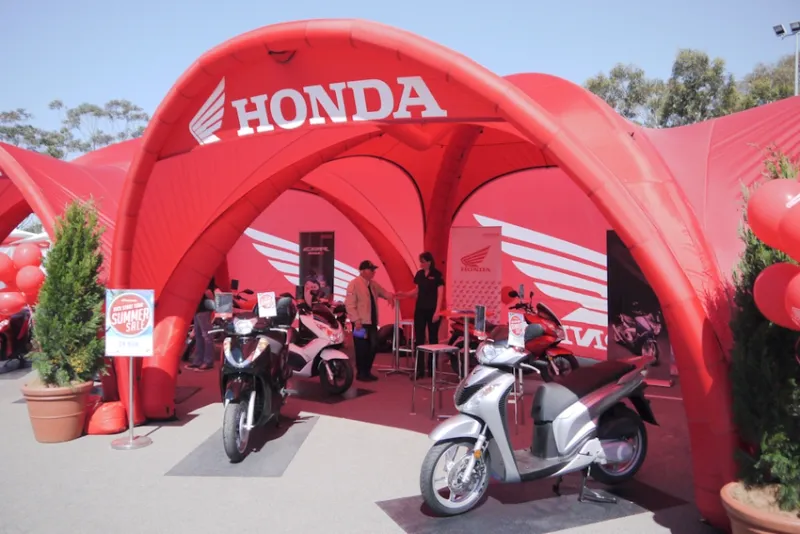
If you’re new to the concept, here’s the gist: instead of fiberglass or aluminum poles, inflatable tents use air beams—think of them as long, cylindrical bladders made of TPU or PVC-coated fabric, like a pool float but stronger. You fill them with air using a pump (manual or electric), and they become rigid structural arches. The tent body attaches to these beams. Deflate them, roll everything up, and you’re off.
You’ve got two ways to inflate them – a hand pump (which will give your biceps a workout after a few minutes) or an electric pump that plugs into your car’s 12V socket. The electric pump is where the magic happens – set it, walk away, come back to a fully erect tent. Some high-end models like the Надувная палатка Dometic even have built-in pumps with pressure gauges.
Check out this table I put together – it shows the key differences:
| Характеристики | Традиционная палатка на штативах | Instant Pop-Up Tent | Надувная палатка |
|---|---|---|---|
| Время установки | 10–20 minutes | 1–2 minutes | 1–3 minutes (with electric pump) |
| Weight (4-person) | 8–12 lbs | 10–15 lbs | 15–22 lbs |
| Packed shape | Long rectangle bag | Round disc | Cylindrical roll |
| Ease of setup with kids | Fiddly | Easy (but arm-breaking to pack) | Very easy |
| Долговечность | Poles can snap | Frame hinges break | Beams can puncture |
That table already shows what Reddit threads love to debate: speed versus weight. I’ll get into that.
Speed of Setup — The #1 Reason Campers Switch
Look, the main reason people buy these things is the speed. I timed myself with a Vango inflatable tent – the AirForce models are popular for good reason. From pulling it out of the car to having the tent fully standing, pegged out, and ready to go? Two minutes, thirty-seven seconds. Seriously. With a pole tent of similar size, I’m nine minutes in before I even have the fly attached.
Do the math: ten trips a year, saving ten minutes each – that’s nearly two hours back. But it’s not just about time – it’s about the stress. Arriving after dark, in the rain, with cranky kids who want to run around? That two-minute setup is a lifesaver. I’ve seen families with the Outwell inflatable tent models pop them up while the kids chase each other, and the parents aren’t swearing under their breath.
You might wonder if the slower takedown negates that – some Reddit users complain about deflation and packing taking longer because you have to squeeze all the air out and roll the beams tightly. Fair point. But in my experience, the setup speed more than compensates for a slightly slower takedown.
Wind Performance — Separating Myth from Fact
Here’s where a lot of marketing goes wrong. Some brands claim inflatable tents are “windproof” – that’s pure BS. No tent is windproof. But the way inflatable tents handle wind is different from pole tents, and understanding that difference is key to whether you’ll love or hate them.
The physics: air beams are flexible. When a gust hits, the beam bends slightly and then springs back. A fiberglass pole, on the other hand, is more rigid – if it bends too far, it snaps. So in moderate to strong winds (say 30–40 mph), an inflatable tent can actually outperform a pole tent by absorbing gusts without breaking. But here’s the catch: if the wind is sustained and high (50+ mph), the constant flexing can cause the tent to deform, and if your guying isn’t perfect, the whole structure might collapse or shift.
I learned this the hard way last spring at a coastal campsite known for sudden squalls. My Vango inflatable tent was pounded by 40 mph gusts overnight. It swayed, yes, but held. My friend’s cheap pole tent next to me snapped a pole at 3 AM. He wasn’t happy. Honestly, I was feeling pretty smug – until morning when I noticed a small puncture in one beam from a sharp rock that had shifted under the tent floor. Karma. So the other side of the story: air beams are tough against wind but vulnerable to punctures from below.
So what’s the verdict? Are inflatable tents any good in the wind? Yes, provided you stake them properly and use all guylines. In fact, many отзывы о надувных палатках from users camping in exposed locations report excellent wind performance. The key is anchoring. Don’t skimp on pegs – use heavy-duty ones for soft ground, and angle them 45 degrees away from the tent.
Why Weight and Pack Size Are Often Misleading
You’ll hear that inflatable tents are “compact” and “lightweight”. Let me call BS on that. A 4-person inflatable tent often weighs between 15 and 22 lbs. Compare that to a traditional 4-person pole tent at 9–12 lbs. The inflatable is heavier. Period.
But here’s the thing about packed size – it’s not just about volume. Inflatable tents pack into a cylindrical roll – think of a large sleeping pad. That shape fits oddly well in the back of a car, sliding into the footwell or across the trunk. Traditional pole tents come in long, skinny bags that are awkward to fit if you have a small trunk or a loaded car. So while the packed size inflatable tent might be bulkier in liters, the shape often makes it easier to store.
I measured my own gear: a Надувная палатка Dometic for four people packed in a 70-liter roll (roughly 24 inches long, 12 inches diameter). An equivalent Outwell inflatable tent? Similar dimensions. A traditional pole tent of the same capacity came in a bag 28 inches long but much skinnier – about 6 inches diameter. The pole bag took up less volume, but the length made it harder to fit behind the seat of my hatchback.
Pro tip: use a compression sack for the deflated beams. Some models come with one, but aftermarket bags can tighten the roll by 20% easily.
Temperature and Climate — The Cold Weather Problem
This is the elephant in the room that many manufacturers avoid. Are inflatable tents good for winter? Short answer: not really, unless you’re okay with saggy beams.
Here’s the physics again: as temperature drops, the air inside the beams contracts. At 32°F, you might notice a slight softness. At 20°F, the beams can lose 20–30% of their rigidity. At 0°F? Forget it – your tent will be a floppy mess.
I learned this the hard way. I took a Vango inflatable tent to a snow camping trip in the Colorado Rockies. Nighttime lows hit 15°F. By morning, the main beam had sagged enough that the roof was touching my head. I had to re-inflate it using a hand pump (battery on my electric pump died in the cold). Not fun. Meanwhile, my buddy in a traditional pole tent was cozy and upright.
That said, some manufacturers have addressed this. Dometic inflatable tents often come with pressure-adjustment systems that let you add air after setup. Some users on Reddit swear by using a pump with a pressure gauge and setting them to a higher PSI in cold weather. But even so, I wouldn’t recommend an inflatable tent for serious winter camping unless you’re a glutton for re-inflation chores.
If you camp mainly in spring, summer, and fall – the normal season for most of us – this isn’t a dealbreaker. Just be aware that below freezing, you’ll need to check and top up your beams.
Durability, Repairs, and Long-Term Value
A lot of people worry about punctures. “What happens if a beam punctures?” It’s a fair question.
In my experience, air beams are surprisingly tough – they can take a beating from rough ground, constant setup/takedown, and even a bit of dog claw action. But they are not invincible. Thorns, sharp rocks, careless staking – yeah, they can puncture. However, repair is straightforward: most tents come with a patch kit (similar to bike tire patches). Clean the area, apply glue, press the patch on, wait 15 minutes, and you’re back in business. I’ve done it in the field – once in the rain, which was annoying but doable.
Compare that to a snapped pole. With a traditional tent, a broken pole often means a trip to the store or a temporary splint with duct tape that barely lasts the trip. Стоят ли надувные палатки той шумихи, которая вокруг них создаётся? In terms of repairability in the field, I’d say yes. A patch kit is easier to carry than a spare pole set.
But here’s the catch: replacement beam sections cost money. If you puncture a beam and the patch doesn’t hold (or the beam is beyond repair), you might need to buy a replacement section – typically $30–$60 depending on the brand. That’s more expensive than a single pole, but pole sets for a whole tent can be $100+.
Longevity? I’ve seen owners report 5+ years with proper care. The beams themselves can last longer if stored correctly. The tent fabric usually gives out first. How long will an inflatable tent last? Realistically, three to five years of regular use (20+ trips per year) is reasonable. With less frequent use and good maintenance, seven years is possible.
Inflatable vs. Traditional Tents — A Scenario Comparison Table
Choosing between them depends entirely on your camping style. Here’s my honest breakdown based on dozens of trips and tons of Плюсы и минусы надувной палатки discussions.
| Сценарий | Надувные | Традиционная палатка на штативах |
|---|---|---|
| Music festival | ✅ Quiet, quick setup, no poles to drop on neighbors | ❌ Noisy, fiddly in crowded spots |
| Family car camping | ✅ Easy, kids can help inflate | ✅ Sturdy over time, but parents struggle with poles |
| Backpacking | ❌ Too heavy and bulky | ✅ Lightweight, compact |
| Winter camping | ❌ Beam sag | ✅ Pole strength, no air issues |
| Windy beach | ⚠️ Good with extra guylines | ⚠️ Pole snapping risk |
| Solo camping | ✅ Setup is a breeze | ✅ Lighter, but more work |
| Multi-day with moving spots | ⚠️ Slow deflation/packing | ✅ Quick to pack down |
Notice I didn’t put a clear winner for any scenario. It’s a tool-choice problem. The лучшая надувная палатка for you depends on what you prioritize.
Maintenance Tips to Make Your Inflatable Tent Last 5+ Years
Most of us neglect the basics – I’m guilty too. But a little care really does go a long way.
- Store it slightly inflated. Not fully – just a little air in the beams prevents the fabric from creasing and cracking over time. When you store it fully deflated and folded, the same fold lines can weaken the material.
- Clean with mild soap. After a trip, wipe down the beams and tent body. Avoid harsh detergents. Mold is a common complaint, especially if you pack it damp. You can get mold if you store it wet for even a week. Worth it to spend a few minutes cleaning, right?
- Lubricate valves annually. The valves that seal the air beams can dry out or get clogged with dirt. A tiny drop of silicone lubricant keeps them working smoothly.
- Never pack wet. This is the #1 reason tents die early. If you have to pack up in the rain, dry the tent as soon as you get home – even if it means draping it over a shower rod overnight.
Inflatable tent reviews often mention valve failure as a frustration. In my experience, this is usually due to dirt or lack of lubrication. Clean valves are happy valves.
Let’s Wrap This Up
Remember that rain-drenched campsite from earlier? I’ve been on both sides. The inflatable tent got me dry faster, but I also spent a cold night in a sagging beam at 9,000 feet. So here’s my honest take: if you mostly car camp in mild weather, hit festivals, or hate wrestling poles – the advantages of inflatable tents are real. They save time, reduce frustration, and in many conditions perform just as well as poles. But if you’re a winter mountaineer or ultralight backpacker, save your money.
What kind of camper are you? Let that guide your choice – not the hype.
If you’re leaning toward an inflatable, I’d recommend checking out models from Vango, Outwell, and Dometic – they’ve been in the game for years and their quality is consistent. Read отзывы о надувных палатках from actual owners before buying. And if you’ve already got one, share your experience in the comments – I love hearing what works and what doesn’t.
Часто задаваемые вопросы
Q: What are the drawbacks of inflatable tents?
А: The main drawbacks are weight (15–22 lbs for a 4-person), bulk even when deflated, and poor performance in freezing temperatures where beams lose rigidity. They’re also more expensive than comparable pole tents, and a puncture can be a hassle if you don’t carry a patch kit. However, for car camping and festivals, these trade-offs are often acceptable.
Q: Are inflatable tents worth the hype?
А: Yes, if your camping style matches their strengths. The speed of setup is genuinely game-changing for many families and festival-goers. The hype is earned for convenience, but not for every scenario. If you need a lightweight backpacking shelter or a winter expedition tent, the hype doesn’t apply. Read Плюсы и минусы надувной палатки threads on Reddit to get balanced opinions.
Q: How long will an inflatable tent last?
А: With proper care – storing slightly inflated, keeping it clean, and avoiding prolonged UV exposure – expect 3 to 5 years of regular use. Some owners report 7+ years. The fabric and beams are durable, but valves and zippers tend to fail first. The лучшая надувная палатка for longevity is one from a trusted brand like Outwell или Dometic.
Q: Are inflatable tents any good in the wind?
А: They can be very good, provided you stake them properly and use all guylines. The air beams flex and absorb gusts rather than snapping. In 40 mph winds, a well-pegged inflatable tent can outperform a pole tent. However, poor anchoring is the #1 failure, and sustained high winds (50+ mph) may cause deformation. Consider models like Vango inflatable tent with multiple guying points.