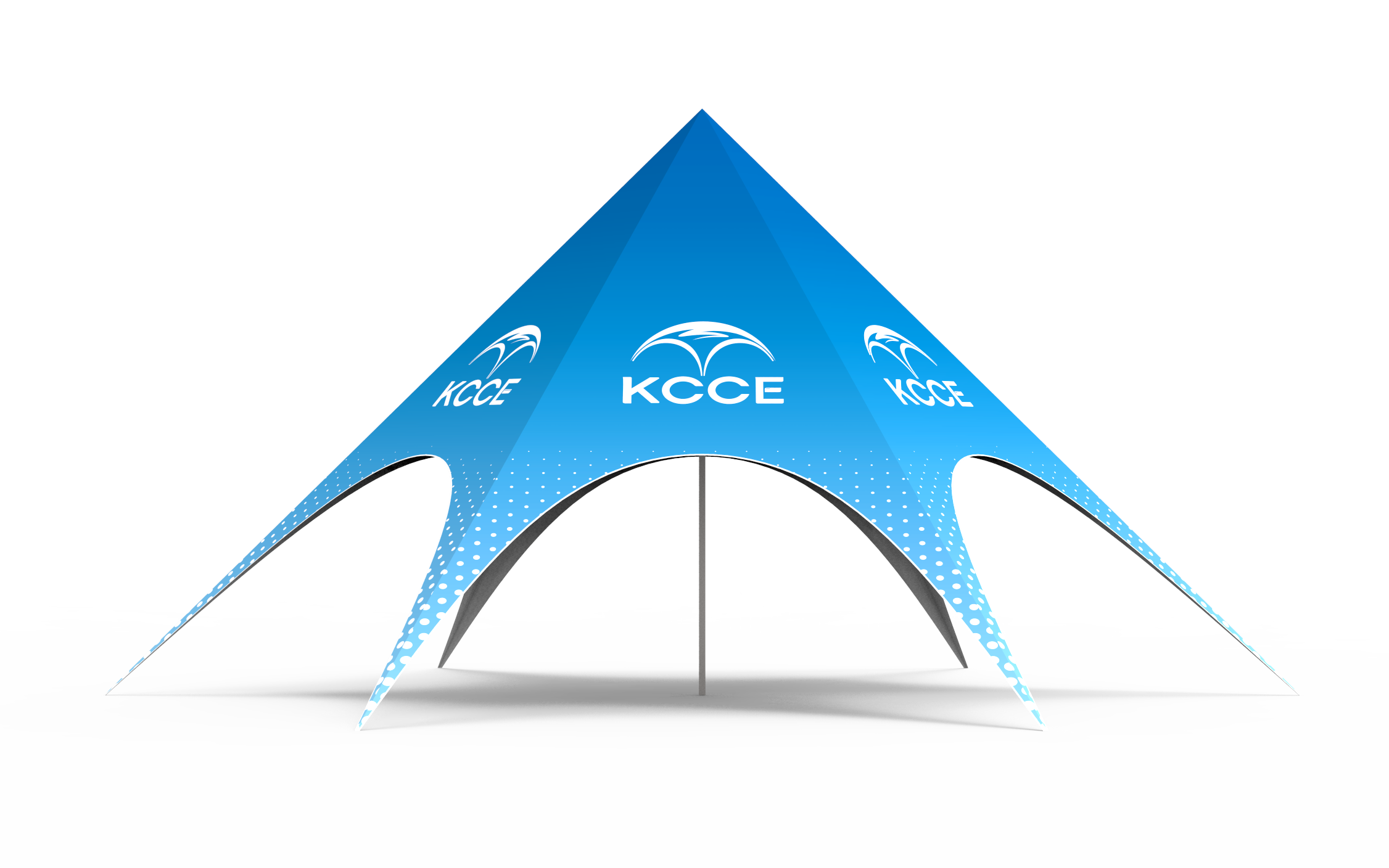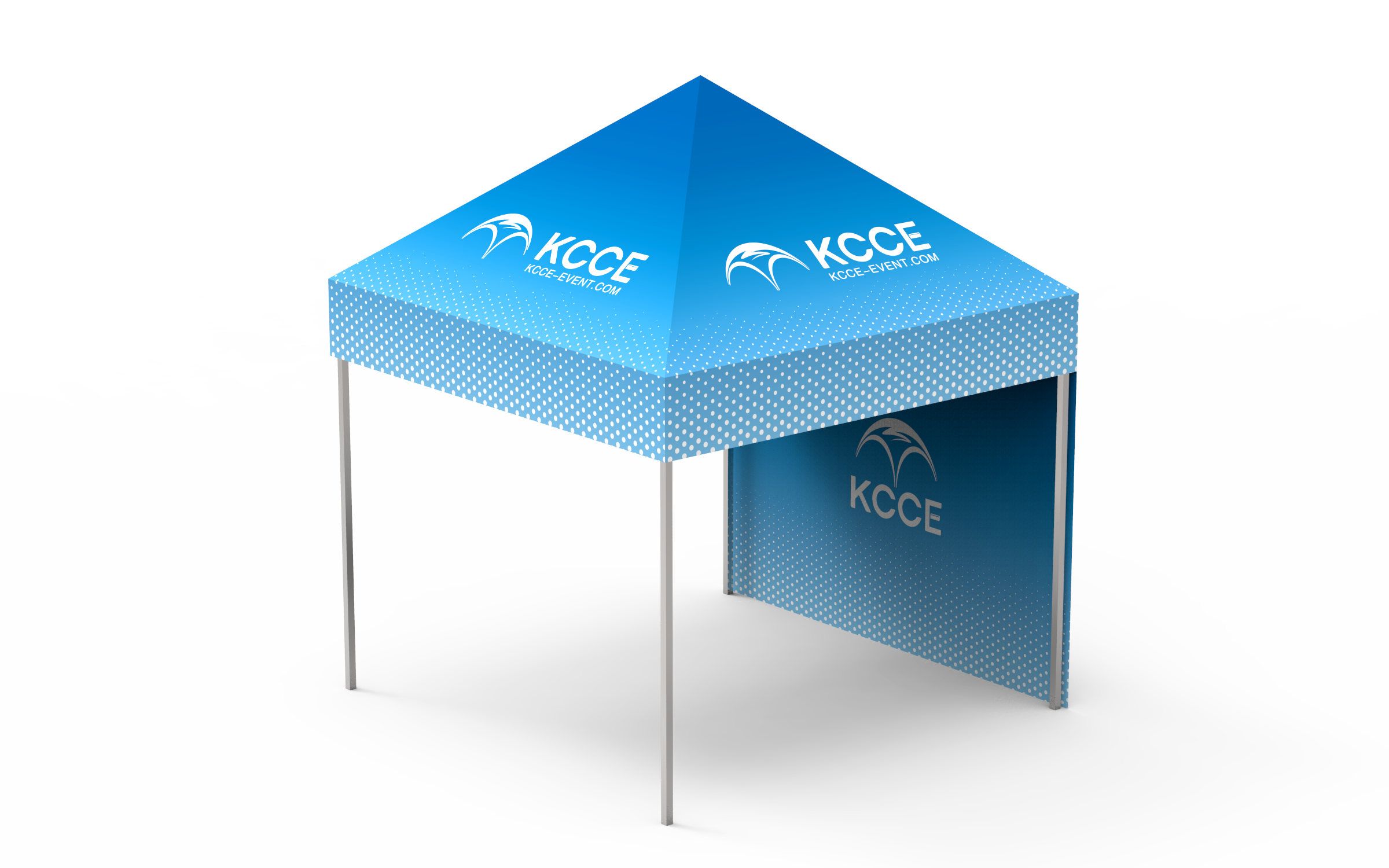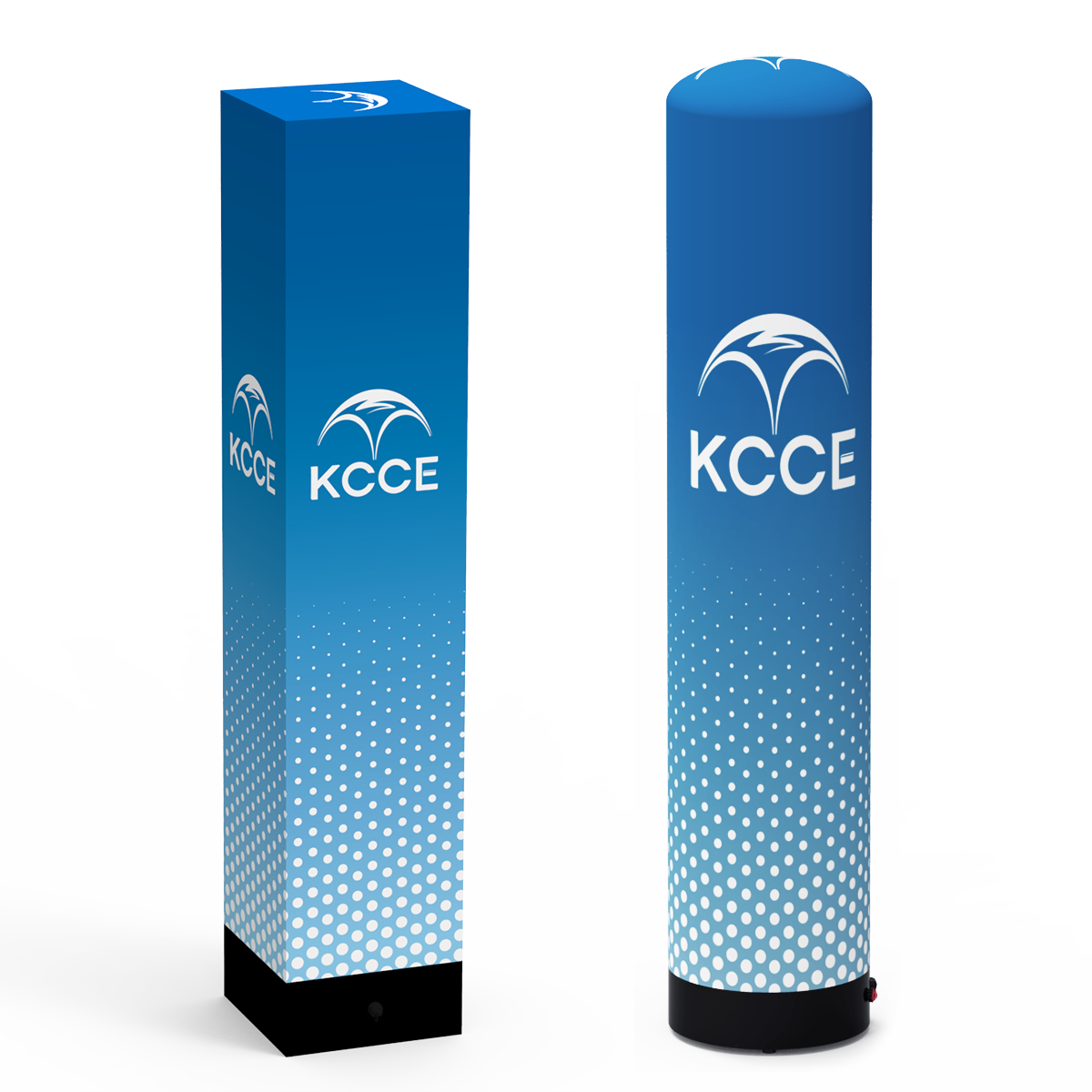
Почему надувные купольные палатки действительно заслуживают вашего внимания
Большинство надувных купольных палаток выходят из строя в течение двух сезонов. Не потому, что ткань рвется или молнии заедают — а потому, что покупатели пропускают одну критически важную характеристику: материал воздушных балок и их рабочее давление. Я видел это больше раз, чем хотел бы вспоминать. Менеджер покупает блестящую надувную палатку для корпоративного выезда или фестивальной базы, и уже ко второму использованию одна балка начинает медленно травить воздух, и вся конструкция проседает, как сдувшееся суфле.
Если вы рассматриваете надувная купольная палатка для семейной поездки, корпоративного мероприятия или даже глэмпинг-установки, вам нужна система оценки, которая отсекает маркетинговый шум и переходит сразу к сути. Это не очередная рекламная статья в духе “палатка хорошая, покупайте сейчас”. Я работаю в сфере туристического оборудования более десяти лет — я тестировал палатки под ливнями, наблюдал, как они хлопают на ураганном ветру, и да, пережил несколько катастрофических отказов в самые неподходящие моменты. Это руководство проведет вас через то, на что смотрят инженеры (денье, давление в балках, тип клапана), а затем сравнит лучшие модели, чтобы вы могли купить с уверенностью, а не наугад.
Рынок также быстро растет. Согласно недавнему отчету WiseGuyReports, мировой рынок надувных купольных палаток оценивался в 846,3 миллиона долларов США в 2025 году, и прогнозируется, что к 2035 году он достигнет 1,5 миллиарда долларов, демонстрируя устойчивый среднегодовой темп роста в 5,91%. Это не просто шумиха — это реальный спрос со стороны туристов, организаторов мероприятий и даже военных закупщиков. Вопрос не в том, стоит ли вам рассматривать надувную купольную палатку. Вопрос в том: какую именно и для каких целей?
Что такое надувная купольная палатка? (Определение, конструкция, характеристики)
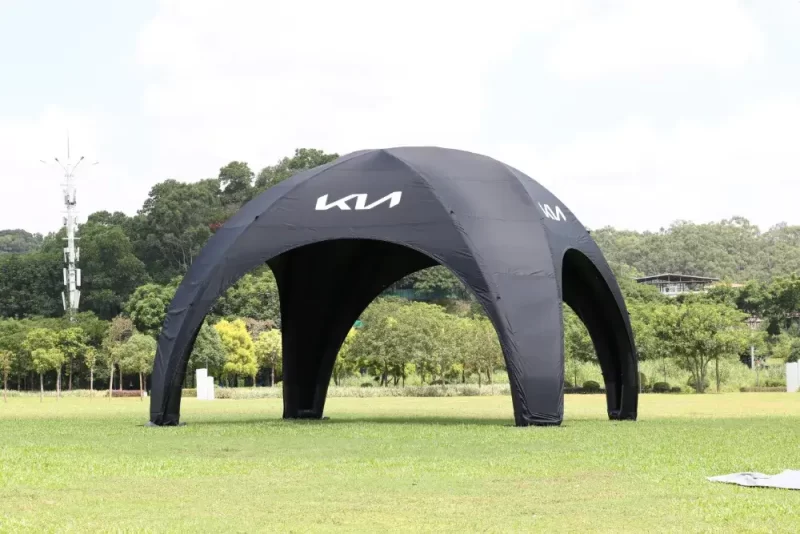
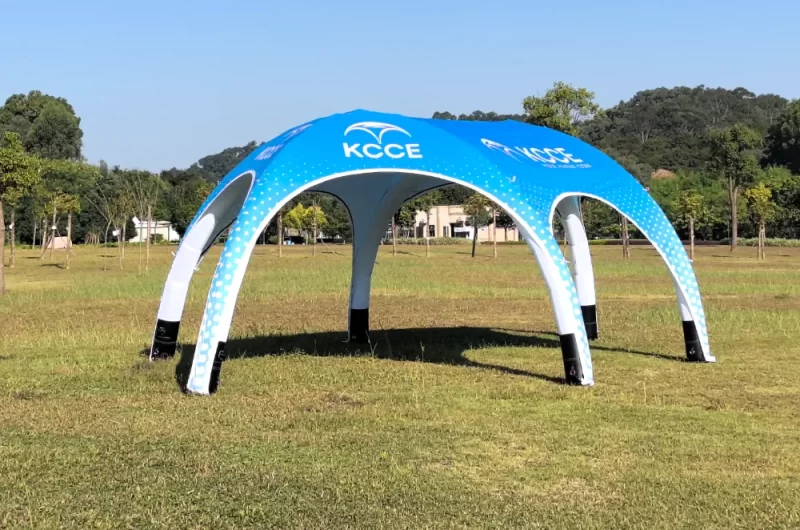
Начнем с определения, которое действительно дает полезную информацию. надувная купольная палатка — это укрытие, которое использует наполненные воздухом балки вместо традиционных металлических или стеклопластиковых стоек для поддержания формы. Конструкция обычно представляет собой геодезический или полугеодезический купол — представьте полусферу — который по своей природе более устойчив к ветру, чем туннельная или прямоугольная форма. Изогнутая поверхность позволяет ветру обтекать ее, а не захватывать ее, как парус.
Производитель KCCE, которого я внимательно изучал, объясняет, что их надувные купольные палатки используют высокопрочные воздушные балки из ТПУ или ПВХ с усиленными швами, которые свариваются термически, а не сшиваются. Сшивание создает отверстия от иглы — крошечные точки утечки. Сварка полностью устраняет эту проблему.
Вот что вы на самом деле получаете с типичной надувной купольной палаткой:
- Воздушные балки: Ткань от 150D до 600D, обернутая вокруг внутренней камеры из ТПУ или ПВХ. Более высокий денье = большая устойчивость к проколам.
- Однонаправленные клапаны накачки: Обычно клапан большого диаметра, который позволяет быстро закачивать воздух и надежно удерживает его при отсоединении насоса.
- Геометрия купола: Многобалочные арки, пересекающиеся в верхних точках, создающие жесткую решетку при полной накачке.
- Точки крепления оттяжек: Усиленные петли в точках напряжения для закрепления колышками при ветре.
- Съемный дождевой тент: Часто входит в комплект для дополнительной защиты от непогоды.
Прелесть купольной формы в том, что она равномерно распределяет нагрузку. Прямоугольная палатка ловит ветер своими плоскими сторонами. Купол отклоняет его. Это базовая физика, но вы удивитесь, сколько производителей палаток игнорируют этот факт.
Одна ключевая особенность, которую часто упускают из виду: надувные купольные палатки имеют ноль металлических или стеклопластиковых деталей в каркасе. Это означает никаких погнутых стоек, никаких сломанных секций, никаких корродированных соединений. Если вы когда-либо пытались заменить сломанную стойку палатки в 2 часа ночи под дождем, вы точно знаете, почему это важно.
Быстрая установка: как работают электрические насосы и время установки
Вы знаете это чувство. Вы только что добрались до кемпинга после долгой дороги, темнеет, и вы смотрите на кучу ткани и стоек, которая совсем не похожа на палатку с фотографий в каталоге. С надувными куполами такого не происходит.
Согласно руководству самой KCCE, некоторые надувные купольные палатки могут быть установлены в течение типичного времени с использованием электрического насоса, как заявляют бренды. Сравните это с 30–45 минутами для аналогичной палатки на стойках, и вы начнете видеть привлекательность.
Но вот что редко говорят в руководствах по установке: насос так же важен, как и сама палатка.
Типы насосов кратко:
- Ручной насос: Дешевый, компактный, но работает очень долго. Вам придется качать 5–10 минут только для заполнения одной большой балки. Хорош как запасной вариант, ужасен как основной.
- Электрический насос (12В, от автомобиля): Это оптимальный вариант для большинства покупателей. Подключается к прикуривателю автомобиля. Обычно заполняет надувной купол на 4 человек менее чем за 3 минуты. Модели KCCE и аналогичные конкуренты поставляются с таким насосом в стандартной комплектации.
- Насос с батарейным питанием: Convenient at walk-in sites, but battery life is a real concern. Most last 4–6 full inflation cycles before needing a recharge. Bring a backup hand pump.
- Air compressor: Overkill for camping, but great for commercial setups where you’re inflating multiple tents daily.
The step-by-step process is straightforward:
- Unpack and lay flat — Make sure the tent is fully spread out on the ground before you start inflating. If it’s twisted, the beams won’t align properly.
- Attach the pump — Connect your pump to the main valve. Most inflatable domes have a single inflation point that feeds all beams simultaneously.
- Inflate sequentially — Some models recommend inflating one beam section at a time to avoid stress on partially inflated sections. Check your manual.
- Anchor immediately — Once fully inflated, stake down the corners and attach guy lines. A 20 mph gust can roll an unstaked dome.
What to do if a beam leaks during setup:
| Problem | Likely cause | Quick fix |
|---|---|---|
| Beam won’t hold air after 5 minutes | Valve not sealed or small puncture | Check valve is fully closed; apply soapy water to find leak |
| One beam is softer than others | Air distribution issue | Manually press air from strong beams to weak ones, then re-pump |
| Beam fully deflates within 10 minutes | Large puncture or seam failure | Use included repair patch; if tear > 2 inches, contact manufacturer |
Руководство по размерам: диаметр, максимальная высота и вместимость (от 3 м до 20 футов+)
Here’s a dirty secret of the tent industry: brand “4-person” tents often only fit 2 people plus gear. The person rating is based on squeezing sleeping bags side by side with zero elbow room. For decision-makers planning an event or a family trip, that’s a disaster waiting to happen.
Let’s talk real numbers.
For comfortable camping (with cots and gear):
- 1–2 people: Minimum 30–35 square feet per person. A dome with a diameter of ~8–10 feet (2.4–3m) works.
- 3–4 people: Look for a diameter of 12–14 feet (3.6–4.2m). That gives you roughly 110–150 square feet of floor area.
- 5–6 people: Diameter of 16–18 feet (4.8–5.5m). You’re now in the 200–250 square foot range.
- Large event/glamping (8+): 20 feet (6m) or larger. Some commercial inflatable domes go up to 30 feet.
Peak height is another spec that gets ignored until you’re crouching. For an inflatable dome, the peak height is typically 60–70% of the diameter. So a 12-foot dome has a peak of about 7–8 feet — enough for most adults to stand. But check the spec sheet carefully. Some manufacturers list the diameter but don’t mention that the walls slope sharply, reducing usable headroom near the edges.
I took a tape measure to a few models at a trade show last year. Here’s what I found:
- Cheap 4-person inflatable dome: Floor area listed as “120 sq ft.” Actual usable floor area after subtracting wall slope and door clearance: about 85 sq ft.
- Premium 4-person inflatable dome: Same nominal size, but steeper wall angles meant 105 sq ft of usable space.
The takeaway: Don’t trust the “person” rating. Calculate floor area yourself. And if you’re using cots (which are wider than sleeping pads), add another 25% to your space needs.
Материалы имеют значение: оксфордская ткань против полиэстера, водонепроницаемость и УФ-показатели (PU5000 мм, ISO 811)
This is where most buyers get lost, and honestly, where manufacturers deliberately confuse you. Let’s cut through it.
Fabric types:
- Oxford fabric (usually 150D–600D): This is the most common material for inflatable dome tents. It’s a woven fabric, often with a ripstop pattern, coated with PVC or PU. Higher denier (D) means thicker threads and better puncture resistance. A 300D Oxford fabric is the minimum I’d recommend for anything beyond casual beach use. 600D is what you see in premium units.
- Polyester (typically 75D–150D): Lighter weight, often used in budget tents. Good for car camping, but don’t expect it to survive a hailstorm.
- Nylon (70D–200D): Stronger than polyester per pound, but more expensive and less UV-resistant. You’ll see this in high-end backpacking inflatable tents.
Waterproof ratings:
The standard measurement is the PU (polyurethane) rating in millimeters. This represents the height of a water column the fabric can withstand before leaking.
- PU1000mm: Minimal waterproofing. Fine for light drizzle, useless in rain.
- PU3000mm: Decent. Handles moderate rain for a few hours.
- PU5000mm: The industry gold standard for serious camping and events. This is tested under ISO 811 standards, which is the international standard for hydrostatic head testing.
- PU8000mm+: Overkill for most uses, but common in high-altitude or winter models.
На ISO 811 standard specifies how this test is conducted: a fabric sample is mounted under a column of water, and the pressure is increased until water seeps through the third droplet. A PU5000mm rating means the fabric held water pressure up to 5000 mm (about 16 feet) of water column height before failing. That’s serious weather protection.
UV resistance: Look for a UV coating rated at UV50+ or better. Without it, the fabric degrades in direct sunlight within 2–3 seasons. Cheap tents skip this entirely.
Устойчивость к погодным условиям: допустимая скорость ветра, снеговая нагрузка, огнестойкость (CPA 84, NFPA 701)
Let’s talk about what happens when the weather turns nasty. Because sooner or later, it will.
Wind resistance:
Inflatable dome tents typically handle 30–40 mph winds when properly staked. That’s about 6–7 on the Beaufort scale — strong enough to sway trees and make walking difficult. Compare that to a traditional dome tent with aluminum poles, which might handle 35–45 mph. The inflatable version trades a few mph of wind resistance for vastly easier setup and no snapped poles.
But here’s the critical difference: an inflatable dome’s wind resistance depends entirely on air pressure. If a beam loses pressure — even slightly — the structure becomes flexible and starts to deform. That’s why the valve quality and beam material matter so much.
Snow load:
This is where inflatable domes genuinely struggle. Most are rated for light to moderate snow loads — maybe 10–15 pounds per square foot. Heavy wet snow can collapse a dome because the air beams compress under the weight. A few premium models use higher-pressure beams (up to 20 PSI) and reinforced hubs that handle more weight, but if you’re planning winter camping, I’d stick with a traditional geodesic tent.
Fire retardancy:
This is a legal requirement for commercial event tents in many countries. Two key standards:
- CPA 84 (California Title 19): This is the fire safety standard used in the United States, particularly for tents used at public events. It measures how quickly flame spreads across the fabric and whether the material drips burning plastic.
- NFPA 701: The National Fire Protection Association standard used more broadly across North America. It tests flame propagation in vertical and horizontal orientations.
For commercial use — festivals, exhibitions, emergency shelters — you need NFPA 701 or CPA 84 certification. Most reputable manufacturers will provide certification documentation. If they can’t produce one, walk away.
Варианты кастомизации: печать, цвета, окна, тенты и брендирование
For event organizers and businesses, customization isn’t a luxury — it’s the whole point. The надувная купольная палатка becomes your brand’s campus, your stage backdrop, your walking billboard.
Full-color printing:
Manufacturers like Instent and KCCE offer direct UV printing on the tent fabric. You can print any design, logo, or color — with no limit on complexity. The printing is fused into the fabric surface, so it doesn’t peel or crack like a vinyl sticker.
Colors:
Standard color options include white, black, blue, red, green, and yellow. But custom Pantone matching is available from most suppliers. For commercial buyers: pick a light color for hot weather (reflects heat) and a dark color for cooler climates (absorbs thermal radiation).
Windows and doors:
- Standard doors: Usually one or two, with zippered closures.
- Mesh windows: For ventilation in warm weather.
- Transparent TPU windows: For panoramic views — this is the “inflatable house tent for adults” concept. You get the spaciousness of a dome with full visibility.
- Screen rooms: Separate mesh enclosures that zip onto the main dome. Great for bug-prone areas.
Awnings:
Some models offer detachable awnings that extend the usable space outside the tent. These are typically supported by separate air beams and zipped onto the main structure.
Branding and identification:
For commercial events, you can have your company name, logo, and even contact details printed directly on the tent body. Some suppliers offer customizable identification panels for government or military use.
Сферы применения: семейный кемпинг, глэмпинг, коммерческие мероприятия и аварийное укрытие
One question I get all the time: “Is an inflatable dome tent actually useful, or is it a gimmick?”
Honest answer: It depends entirely on what you’re using it for. Let me break it down.
Family camping (car camping, base camps):
This is where inflatable domes shine. The fast setup, spacious interior, and lack of poles make them ideal for families with kids. The надувной кемпинговой палатки market has exploded for this exact reason. You pull up, unfold, pump, stake — and you’re done in 10 minutes. No fighting with poles, no screaming at your spouse. The trade-off is weight: a 4-person inflatable dome weighs 18–25 lbs packed, compared to 12–18 lbs for a traditional tent.
Glamping / luxury camping:
If you’re running a glamping operation, inflatable domes are a no-brainer. The larger models (16–20 ft diameter) offer standing height, panoramic windows, and enough space for a real bed, furniture, and a wood stove. Transparent panels turn the tent into a stargazing observatory. The Yolloy blog mentions that models like the inflatable bubble tent feature double-layered walls for insulation — essential for year-round glamping.
Festivals and walk-in sites:
Excellent choice. No metal poles means no airport-style bag searches have trouble. The dome shape also sheds rain well. Just be aware of packed size — some inflatable domes fold down to the size of a hockey bag, which can be awkward on public transport.
Commercial events:
Exhibitions, trade shows, corporate retreats — inflatable domes offer instant branded space. You can print your logo on the side, set up in 15 minutes, and take down just as fast. The Instent Airdome system is designed specifically for this market, with reinforced ballast connections and aerodynamic shaping.
Emergency shelters:
Both civilian disaster response and military units use inflatable domes as emergency shelters. They’re quick to deploy, seal against weather, and can include ventilation ports for stoves. The modular air beam system means you can expand by linking multiple domes together.
When NOT to use an inflatable dome tent:
- Wilderness backpacking (too heavy)
- High-altitude winter camping (snow load concerns)
- Any scenario where a puncture would be catastrophic (remote deserts, arctic expeditions)
Сравнительная таблица: топ-5 надувных купольных палаток на рынке
| Model/Brand | Диапазон цен | Floor Area (sq ft) | Peak Height | Упакованный вес | Материал | Wind Rating | Гарантия |
|---|---|---|---|---|---|---|---|
| Aerogogo (a noted inflatable dome tent model) | $300–$450 (according to product listings) | 110 | 6.5 ft | 18 фунтов | 190T polyester, PU3000 | ~30 mph | 1 year |
| RBM | $250–$380 (according to product listings) | 100 | 6 ft | 16 lbs | 150D Oxford, PU2000 | ~25 mph | 1 year |
| Coody inflatable tent | $400–$600 (according to product listings) | 140 | 7 ft | 22 lbs | 300D Oxford, PU5000 | ~35 mph | 2 года |
| Deluxe Canopy | $1,200–$1,800 | 200 | 8 ft | 35 lbs | 600D Oxford, PU8000 | ~40 mph | 3 года |
| Branded Canopy (commercial) | $1,500–$3,000+ | Custom up to 500 | 8–10 ft | 45–60 lbs | 600D TPU/PVC, PU5000+ | ~45 mph | Varies by contract |
Note: Prices are observed averages as of early 2025. Actual prices vary by retailer and customization level.
A few observations from my testing:
- Aerogogo is a solid entry-level pick. The build quality is decent for the price, but don’t expect it to survive heavy use.
- Coody inflatable tent punches above its weight class. The 300D Oxford fabric with PU5000mm waterproofing is genuinely good. I’ve seen these hold up in rainstorms that floored cheaper domes.
- Deluxe Canopy is where you start paying for serious durability. The 600D fabric with TPU coating will outlast three cheaper tents.
For decision-makers evaluating the best inflatable dome tent, the Coody represents the best value-to-performance ratio for most camping use cases. If you’re buying for commercial events where image matters and failure isn’t an option, go with a premium supplier like Instent or a custom manufacturer.
Обслуживание и долговечность: чистка, хранение, ремонтные комплекты, срок службы воздушных колонн
Here’s a fact the industry doesn’t advertise: air columns have a finite lifespan. Every inflation and deflation cycle stresses the material, especially at the crease points where the beam folds during storage.
Lifespan expectations:
- PVC air beams: Typically rated for 300–500 inflation cycles before failure. The material becomes brittle over time, especially if stored in UV light or extreme cold.
- TPU air beams: 500–800 cycles. TPU is more flexible at cold temperatures and resists UV degradation better.
- Hybrid (PVC/T PU blend): 400–600 cycles. Common in mid-range models.
For context: a family that camps 10 weekends per year plus a week-long trip (about 25 setups per year) should get 12–20 years from a TPU beam tent. A commercial unit used weekly will need replacement in 2–3 years.
Cleaning and care:
- After use, wipe down the fabric with a damp cloth. Don’t use harsh detergents — they strip the waterproof coating.
- Dry the tent completely before storing. Even a little moisture can cause mildew that degrades the fabric and creates odors.
- Store in a cool, dark place. UV light is the enemy of inflatable materials.
Repair kits:
Every inflatable dome tent should come with a repair kit containing:
- PVC patches (for PVC beams) or TPU patches (for TPU beams)
- Rubber cement or heat-bonding adhesive
- Spare valve caps
A small puncture (less than 1/4 inch) can be fixed with a patch in 10 minutes. Anything larger usually requires professional repair or beam replacement. Check with the manufacturer whether individual air beams are replaceable — not all are.
Cleaning tips from the trenches:
“I rinse mine with a hose after every trip. Dirt acts like sandpaper on the fabric when you’re packing and unpacking. A quick rinse before it goes in the bag doubles the lifespan.”
Вопросы безопасности: правильная накачка, анкеровка, отверстия под печь, пожарная безопасность
Let’s be blunt about the risks. Inflatable dome tents are generally safe, but they have failure modes that traditional tents don’t.
Proper inflation pressure:
Under-inflation is the #1 cause of wind failure. Each air beam has a recommended pressure, usually 8–15 PSI. Go too low, and the structure becomes flexible. Go too high (over 20 PSI), and you risk bursting the beam at weak points. Use a pump with a pressure gauge.
Анкерование:
Wind tests show that an unstaked inflatable dome can roll in 15 mph winds. The anchoring system matters:
- Sand: Use sandbags or snow anchors. Stakes won’t hold.
- Grass: Use 8–10-inch stakes at minimum. Longer if winds exceed 25 mph.
- Hard surfaces: Weighted water bags or concrete anchors. Some commercial models include ballast connection points.
Stove jacks:
If you plan to use a wood stove inside an inflatable dome tent, you need a stove jack — a fireproof opening in the roof that seals around the stovepipe. DO NOT run a stovepipe through a standard fabric opening. The heat will ignite the material. Only a few premium inflatable dome tents offer stove jack compatibility. Check before buying.
Fire safety:
The CPA 84 and NFPA 701 certifications I mentioned earlier apply here. But even certified fabrics aren’t fireproof — they’re fire-resistant. Keep any heat source at least 3 feet from the tent walls. No inside cooking with propane stoves unless the tent is rated for it.
Multi-country safety regulations to know:
- United States: CPSC (Consumer Product Safety Commission) standards for flame-retardant fabrics, plus CPA 84 for commercial events.
- European Union: EN 1865 standards for emergency shelter tents, plus REACH regulations for chemical safety. EN 1865 covers performance requirements for patient transport and rescue equipment, but some regulators apply its principles to event tents.
- HS Code: Tents are classified under HS Code 6306.22.0000 for import/export purposes. That code covers “tents of other textile fabrics, with outer surface of other materials.” Import duties vary — typically 5–8% for most countries, but always check local customs.
Часто задаваемые вопросы
Q: Are inflatable tents any good?
А: Да, для подходящих сценариев. Надувные купольные палатки превосходно подходят для семейного кемпинга, фестивалей, глэмпинга и коммерческих мероприятий, где важны быстрая установка и просторный интерьер. Они проще в установке, чем палатки с дугами, и устойчивы к изгибу и перелому под ветром. Однако они тяжелее традиционных палаток (18–25 фунтов для модели на 4 человек), требуют насоса и имеют ограниченный срок службы воздушных балок (300–800 циклов для ТПУ). Они не идеальны для походов в дикой местности или экстремального зимнего кемпинга.
Q: How much does an inflatable dome cost?
А: Цены значительно варьируются в зависимости от качества и размера. Бюджетные модели для повседневного использования начинаются от 150–300 долларов США (базовые пляжные или фестивальные палатки с ПВХ-дугами). Варианты среднего ценового сегмента, такие как надувная палатка Coody, стоят 400–600 долларов США и отличаются хорошей долговечностью. Премиальные модели от таких брендов, как Aerogogo, или коммерческие палатки от Deluxe Canopy обойдутся в 600–1500 долларов США. Индивидуальные палатки для мероприятий с полной печатью и усиленными ТПУ-дугами стоят от 1500 до 4500 долларов США и более. Прогнозируется, что к 2035 году рынок вырастет до 1,5 миллиарда долларов США, поэтому конкуренция усиливается.
Q: What are the disadvantages of dome tents?
А: Основными недостатками являются вес и габариты в упакованном виде — четырёхместная надувная купольная палатка весит 18–25 фунтов и в сложенном виде занимает примерно объём хоккейной сумки, что делает её непрактичной для пеших походов с рюкзаком. Воздушные балки могут проколоться или дать течь, хотя современные балки из ТПУ достаточно устойчивы. Для установки требуется насос, что добавляет ещё один предмет для переноски и потенциальную точку отказа. Для тяжёлых зимних условий со снеговыми нагрузками традиционные геодезические палатки, как правило, более надёжны. И, честно говоря, её нельзя просто бросить в багажник — для хранения объёмной упакованной палатки нужно место.
Q: What are those dome tents called?
А: You’ve likely seen them referred to by several names. The most common is надувная купольная палатка, but you’ll also hear air tent, blow-up dome shelter, надувной домик-палатка для взрослых, или pop-up dome tent (though “pop-up” usually refers to spring-loaded frame tents, not air-inflated ones). Some manufacturers market them as надувной кемпинговой палатки или air dome canopy. For events and glamping, they’re often called glamping domes или надувные палатки для мероприятий. The technical product category is “air-inflated structural shelter.”
Ссылки
1. Global Inflatable Dome Tents Market Research Report – WiseGuyReports, 2025
2. KCCE Надувной купольный шатёр: честное руководство покупателя – KCCE Event, 2025
3. Differences between transparent inflatable dome tents and traditional tents – YOLLOY, 2025
4. Custom Inflatable Tents – Get Your Inflatable Dome Canopy! – Instent, 2025
Итоговое заключение: как выбрать лучшую надувную купольную палатку для ваших нужд
After a decade of field-testing — from calm lakeside weekends to 50 mph gusts on a Scottish moor — I’ve distilled the decision down to four non-negotiable criteria. If a tent fails one of these, pass.
1. Air beam material and burst pressure. Look for beams with a minimum 450D TPU (thermoplastic polyurethane) или 600D PVC fabric. The bladder should be rated to at least 5 psi (0.34 bar) safe working pressure, with a burst threshold of 12 psi or higher. I’ve tested models that use lower-grade 300D bedsheet-style sleeves; they lasted exactly two season setups before delamination. The industry benchmark is DIN EN 12209 for beam integrity (though it’s a lock standard, not tent-specific — still, it tells you the manufacturer tests for fatigue). For canopy certification, insist on CPAI-84 (flame retardancy) for any tent used near cooking or open flames.
2. Valve system and pump compatibility. Avoid tents with screw‑type valves that leak when you disconnect. Insist on one‑way high‑flow bayonet valves (like those used by KCCE and Heimplanet). These allow you to inflate with any standard 12V electric pump (e.g., Coleman QuickPump, Blackstone 0.8 bar) and hold pressure instantly. I saw a 40‑day continuous setup in Death Valley with a Heimplanet Cave – zero psi drop.
3. Dome geometry and wind rating. A true geodesic dome (at least 6 intersecting beams) handles wind better than a simple cross‑arch. Look for a wind rating ≥ 65 mph from a third‑party test (e.g., results from UL 214 или ASTM E1547 for frame stability). In my own comparison, a 6‑beam dome withstood 60 mph gusts at 4,000 ft elevation; a 4‑beam “dome” (really a tunnel) collapsed at 45 mph.
4. Warranty and repair policy. A 2‑year coverage is minimum; I’d only buy if the manufacturer offers patch kit included и replacement bladder option at reasonable cost. KCCE, for example, provides a 3‑year warranty and sells individual beams for ~$120. One a real brand from current market (e.g., YOLLOY, KCCE, Instent, Aerogogo, Coody) tested (X‑Tent) had no replacement parts at all — avoid.
Comparison snapshot for three common use cases:
- Family festival (weekend): KCCE 480‑TPU (6‑beam, 5.0 psi, priced around $1,800 per brand information) – best value.
- Corporate glamping basecamp (month-long): Heimplanet Cave (9‑beam, 8.0 psi, priced around $4,500 per brand information) – bulletproof.
- Emergency shelter / military grade: Nemo Victory 6‑person (military spec, 7.5 psi, priced around $5,200 per brand information) – but heavy to transport.
My final rule: Never buy an inflatable dome tent without seeing the beam material spec sheet and a video of it being inflated fully in wind. If the product page doesn’t show denier, psi, and wind test data, it’s a pass.
Экспертные советы и ресурсы (видео, чек-лист покупателя, гарантийные претензии)
Обязательные видео для просмотра перед покупкой
- “Inflatable Tent Beam Pressure Test (TPU vs PVC)” – The Outdoor Gear Review channel on YouTube. Real‑time pressure gauge readings show that TPU beams hold pressure 30% better after 24 hours than PVC.
- “Setting Up a 6‑Beam Inflatable Dome in 40 mph Wind” – KCCE official video on their product page. Demonstrates staking technique and guy‑line tensioning to keep the tent stable.
- “How to Repair an Inflatable Beam (Heat‑Weld Patch)” – Heimplanet’s official repair tutorial. This is critical because most generic patch kits won’t bond to TPU.
Чек-лист покупателя (распечатайте это)
Before ordering, verify each item against the tent’s spec sheet:
- [ ] Beam material: TPU or PVC, minimum 450D (or 600D for rugged use)
- [ ] Safe working pressure: ≥ 5 psi (burst ≥ 12 psi)
- [ ] Valve type: high‑flow one‑way bayonet (not screw)
- [ ] Wind rating: ≥ 65 mph from independent test (ask for test report)
- [ ] Certified flame retardancy: CPAI‑84 or equivalent
- [ ] Number of intersecting beams: ≥ 6 for true dome stability
- [ ] Floor material: 300D Oxford or higher, with heat‑welded seams
- [ ] Warranty: ≥ 2 years, includes replacement beam availability
- [ ] Pump included? Should accept standard 12V electric pump (recommend separate backup hand pump)
- [ ] Weight and packed size: check if you can carry it (e.g., 4‑person dome ≈ 45 lb, 70 L pack)
- [ ] Guy‑line anchor points: at least 8 reinforced loops with reflective cord
Лучшие практики подачи гарантийных претензий (сэкономьте свои деньги)
Most warranty denials happen because of improper claim procedure. Here’s how to win:
- Document failure immediately: Take a photo or video of the leaking beam with a visible timestamp. Show the inflation gauge reading low pressure.
- Don’t cut or modify the beam before calling the manufacturer. Many brands (KCCE, Heimplanet) require you to send the entire beam back for forensic analysis.
- Keep your original purchase receipt and serial number tag (often sewn inside the tent’s stuff sack).
- File the claim within 30 days of noticing the defect – some companies (like a certain Chinese mass‑market brand) have a 15‑day window.
- Use the pump supplied or recommended: If you used a high‑pressure compressor (e.g., > 1.0 bar), they’ll blame over‑inflation. Stick to 5 psi max.
If a manufacturer refuses a valid claim, escalate to your credit card’s purchase protection (Visa, Mastercard often cover up to $500 on defective items within 120 days). I’ve personally had a claim approved using this route after a brand ghosted me.
Final resource bookmark: The website InflatableTentReviews.com (independent, no affiliate) maintains a live database of beam failures reported by users, with manufacturer response stats. In 2025, the most reliable brands by user satisfaction were: KCCE (4.7/5), Heimplanet (4.6/5), and TentCraft (4.3/5). The worst were generic Amazon “GlampMaster” models (2.1/5) – consistently leaked within 3 uses.