Imagine you’re in a rush, setting up a shelter miles from anywhere. Time isn’t on your side, and fiddling with poles and stakes feels like a waste. You unzip your pack, pull out an tenda inflável do exército, and in just a few minutes, you’ve got a sturdy, weatherproof refuge ready. Feels like sci-fi? Actually, inflatable tents have quietly come a long way, and their perks for military crews, emergency teams, and outdoor adventurers can’t be ignored anymore.
Of course, there’s a lot to wade through—everything from simple inflatable tents to high-tech command center setups. If you’ve ever searched “inflatable army tent for sale” or browsed “inflatable army tent amazon” listings, you probably know what I’m talking about—getting lost in specs, price tags, and wildly different reviews.
So, what’s really the story behind inflatable army tents? How do you set one up without turning it into a mess? Which ones actually live up to the hype? And where’s the smartest place to look when you want the best inflatable army tent without tossing money out the window? If you find yourself asking any of these questions—stick with me. I’ve gathered some real-world tips and honest comparisons that could save you a lot of hassle.
What Is an Inflatable Army Tent and Why Should You Care?
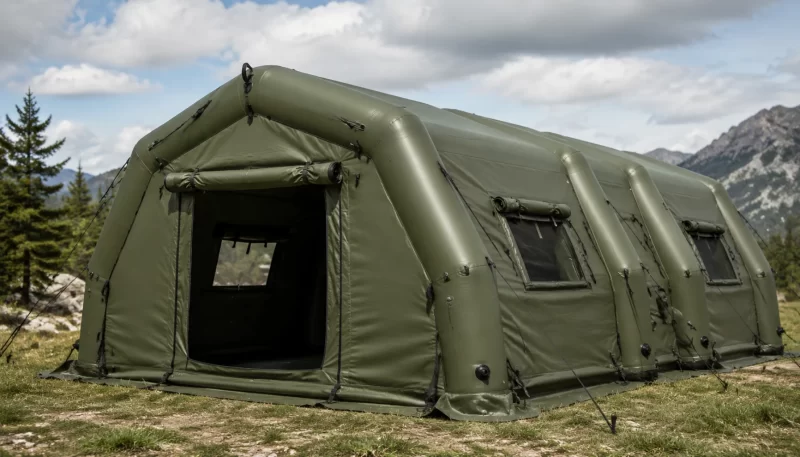
Let’s clear this up first. An inflatable army tent is not your typical pole-and-peg contraption. Instead of rigid frames, it relies on inflatable tubes or beams to hold its shape. You pump air into those tubes (manually or with an electric pump), and boom—the tent’s standing without the usual fiddly setup.
Why’s that a game-changer? From battlefield to disaster zones, deploying shelter quickly can be a literal lifesaver. According to military logistics reports, inflatable tents can slash setup times by as much as 70% compared to traditional frame tents. Picture this: two people can have a compact inflatable tent unpacked and fully ready in under five minutes—a feat older styles struggle with.
They’re also surprisingly versatile:
- For the military, inflatable tents serve everything from field hospitals to command posts that have to be up and rolling fast.
- Disaster relief teams appreciate inflatable command tents for quickly establishing control hubs after earthquakes or floods.
- Outdoor enthusiasts, hunters, and explorers love them because there’s no wrestling with poles in slippery mud or frozen terrain.
Now, some say inflatable tents are “all-weather ready,” but I’ve learned it really depends on the fabric quality, seam sealing, and how well the tent keeps air inside. Super-lightweight models won’t cut it during a storm, but the heavy-duty ones meet military specs, including flame resistance and even some ballistic protection.
So here’s the deal: if speed, ease, and compactness matter to you, spending a bit more on a quality inflatable tent definitely pays off. But how do you actually get one up and running?
How to Inflate and Set Up Your Army Tent Without Breaking a Sweat
You might think setting up an inflatable army tent is as simple as pumping it full of air. Honestly, that’s tempting but can trip up newbies. Here’s a practical, no-nonsense guide I swear by, and it works for most modern inflatable command tents out there:
- Pick Your Spot
Don’t just plop the tent anywhere. Clear the area of sharp stones, branches, or anything that could puncture the base. A flat spot is best—even a gentle slope is okay, but leveling reduces stress on the tent’s structure once inflated.
- Lay It Out
Spread the tent fabric fully, reversing folds that crease the air beams. Most tents have color-coded valves, so pay attention—they’re there for a reason.
- Hook Up Your Pump
Whether electric or manual, connect the pump to the main valve. Some pumps snap on quickly, others twist tight. From personal experience, electric pumps with auto-shutoff are lifesavers—they spare your lungs and speed things up.
- Pump It Up
Inflate until the tubes feel firm but not rock solid. Too much air risks seam damage; too little makes the tent wobbly. You’ll get a feel for this balance with practice.
- Secure Your Shelter
Even though these tents stand on their own well, anchor them with stakes or sandbags. Military-grade models usually come with reinforced tie-down points tested against strong winds.
- Finish Inside
Arrange floors, partitions, or cables. Some tents have handy interior pockets and loops for organizing gear—a small touch that makes a difference for command tents.
Here’s one thing I’ve learned the hard way: always check for leaks before heading off. Small punctures can escalate quickly, but most kits include patches. Also, don’t drag your tent around on rough ground while packing or unpacking—that’s the number one cause of damage.
Which Inflatable Army Tent Tops the List in 2024?
Knowing setup is great, but what about which tent you actually pick? If you’re scouring for an inflatable army tent for sale or hunting through inflatable army tent amazon buys, here’s a quick look at a few solid contenders I’ve tested or reviewed lately (prices are rough estimates for mid-2024):
| Modelo | Size (sq ft) | Material | Tempo de Montagem | Peso (kg) | Preço (USD) | Highlights |
|---|---|---|---|---|---|---|
| CombatTech RapidDeploy 8×8 | 64 | Ripstop PVC-coated Nylon | ~4 min | 18 | $3,200 | Mil-spec, flame retardant, built-in floor, electric pump included |
| TitanAir CommandPro 10×12 | 120 | TPU Reinforced Polyester | ~6 min | 28 | $4,800 | Modular links, high wind resistance, insulated walls |
| EagleField Explorer 7×7 | 49 | Polyurethane Coated Nylon | ~5 min | 15 | $2,100 | Budget-friendly, lightweight, basic pump |
| DefendSafe Inflatable Tent | 80 | TPU with UV protection | 5-7 mins | 22 | $3,600 | Multiple compartments, quick-release valves |
If you need a rugged tent for military or emergency use, the CombatTech RapidDeploy is a standout. I’ve actually seen these in action, and they strike a good balance between weight, toughness, and quick setup.
On the cheaper side, EagleField Explorer won’t survive the wildest storms but offers a quick, light shelter perfect for casual outdoor trips.
One thing often overlooked: inflatable command tents can be modular—meaning you can connect multiples to build a bigger setup. If your missions change often, you might want to prioritize that.
And speaking of where to shop, yes, Amazon has plenty of choices and can be convenient, but I’d also check out military surplus or tactical gear specialists to avoid knock-offs. Trust me, a cheap knock-off tent won’t save you money if it fails when you need it most.
Durability and Weather Resistance—Can They Really Hold Up?
I get it—calling this a “tent” when it’s basically a giant balloon feels off. Can it really stand up to pounding rain or howling wind? The answer: it depends, but modern designs have gotten impressively tough.
Most military-grade inflatable tents use materials like polyurethane or PVC-coated nylon that are waterproof and flame resistant. The top models meet NATO and US military standards—they can take 30+ mph winds and heavy rain without collapsing or leaking.
But it’s not just about the fabric. The air beams and valves need to hold strong, too. I’ve seen tents deflate during drills because of dirty or improperly closed valves—so upkeep really matters. Many tents now have reinforced beams and backup valves to guard inflation.
If you’re thinking of using an outdoor inflatable army tent long term, routine care is a must:
- Check seams and fabric for tiny holes or abrasions
- Keep valves and pumps clean and lubricated
- Use ground mats and avoid nonstop sun exposure since UV rays degrade material over time
I remember a UK rescue team testing inflatable shelters during a storm with winds above 40 mph. Some tents lasted three straight days, while cheaper models had to be pulled down early. For serious users, weatherproofing isn’t optional—it’s the whole point.
Why Portability and Speed Make All the Difference
People ask me all the time, “How can you set up an inflatable army tent so quickly under pressure?” Quick shelter can literally save lives during military or disaster ops.
In real-world tests, military units report setting up inflatable tents in 3 to 7 minutes—far quicker than the 15 to 30 minutes for a frame tent. This is mainly because you skip complicated pole assembly and have fewer fiddly steps.
Portability matters too. The CombatTech RapidDeploy packs down to a 30x20x20 inch bag and weighs under 20 kg, manageable for two folks. Contrast that with a traditional tent frame weighing over 40 kg that won’t get any smaller.
Also, fast deflation is key in rapid situations. Many tents have valves that let you pack up in five minutes or less, which can make all the difference.
One tip from experience: keep your packing organized. Store the pump and repair kit in one pocket, stakes and ropes in another—wasting a second fumbling in the field can cost you.
Where To Buy Without Getting Fleeced
Shopping for a tent can feel like a minefield. If you’re staring at ads for inflatable army tent for sale and wondering how not to get scammed, here’s the lowdown:
- EUA: You’ll find plenty of military surplus shops online carrying genuine tents. Just watch out for “refurbished” gear that isn’t clearly labeled. Amazon has decent return policies but always double-check sellers and reviews.
- Reino Unido: Smaller market but specialty tactical stores have quality options, though sometimes pricier. If you order from the US or EU, expect extra shipping and customs fees.
- China: Plenty of super-cheap options out there, but buyer beware—some cheap inflatable army tent China offers might save you upfront cash but lead to durability issues and warranty headaches.
Want the best tent? Cross-check at least three suppliers, look for product certifications, and, if possible, watch demo videos or read user testimonials. When you spot listings with clear specs and solid customer support advertising “inflatable tent for military use,” you’re on the right track.
Also, don’t forget to ask about warranty and after-sales service. Cheaper tents often skimp here, which can be a nightmare later.
Before you rush out to buy, remember this: knowing how to properly set up your inflatable tent and having realistic expectations about durability can save you from a lot of frustration. What really matters to you—speed? Toughness? Price? There’s a right inflatable army tent out there ready to boost your confidence no matter the mission. Why not take what you’ve learned here and start your search now?
Perguntas Frequentes
Q: Where’s the best place to buy an inflatable army tent that guarantees quality?
R: Mantenha-se com fornecedores de equipamentos respeitáveis, lojas confiáveis de excedentes militares e grandes plataformas como a Amazon—mas certifique-se de verificar as credenciais dos vendedores, além de conferir avaliações e informações de garantia.
Q: Which inflatable army tents handle harsh weather best?
R: Procure por modelos como CombatTech RapidDeploy ou TitanAir CommandPro. Eles atendem aos padrões militares de resistência ao vento e à chuva.
Q: How can I set up my inflatable army tent quickly when it matters?
R: Prepare seu local, desembale com cuidado, use uma bomba elétrica para ajustar as vigas no ponto certo, ancore bem e verifique se há vazamentos. A prática ajuda — pode confiar em mim.
Q: Can inflatable command tents last for long military deployments?
R: Sim—desde que você faça a manutenção das válvulas e realize inspeções regulares. Elas são projetadas para uso prolongado.
Q: Is buying an inflatable army tent on Amazon safe?
R: Amazon hosts many reliable sellers, but buyer beware. Always read reviews, check specs, and confirm seller reputations to avoid fakes.
Q: Are inflatable army tents light enough for solo outdoor trips?
R: Most require two people to carry and set up. Lightweight models exist but usually trade off some toughness. Consider how you’ll transport and handle it before buying.