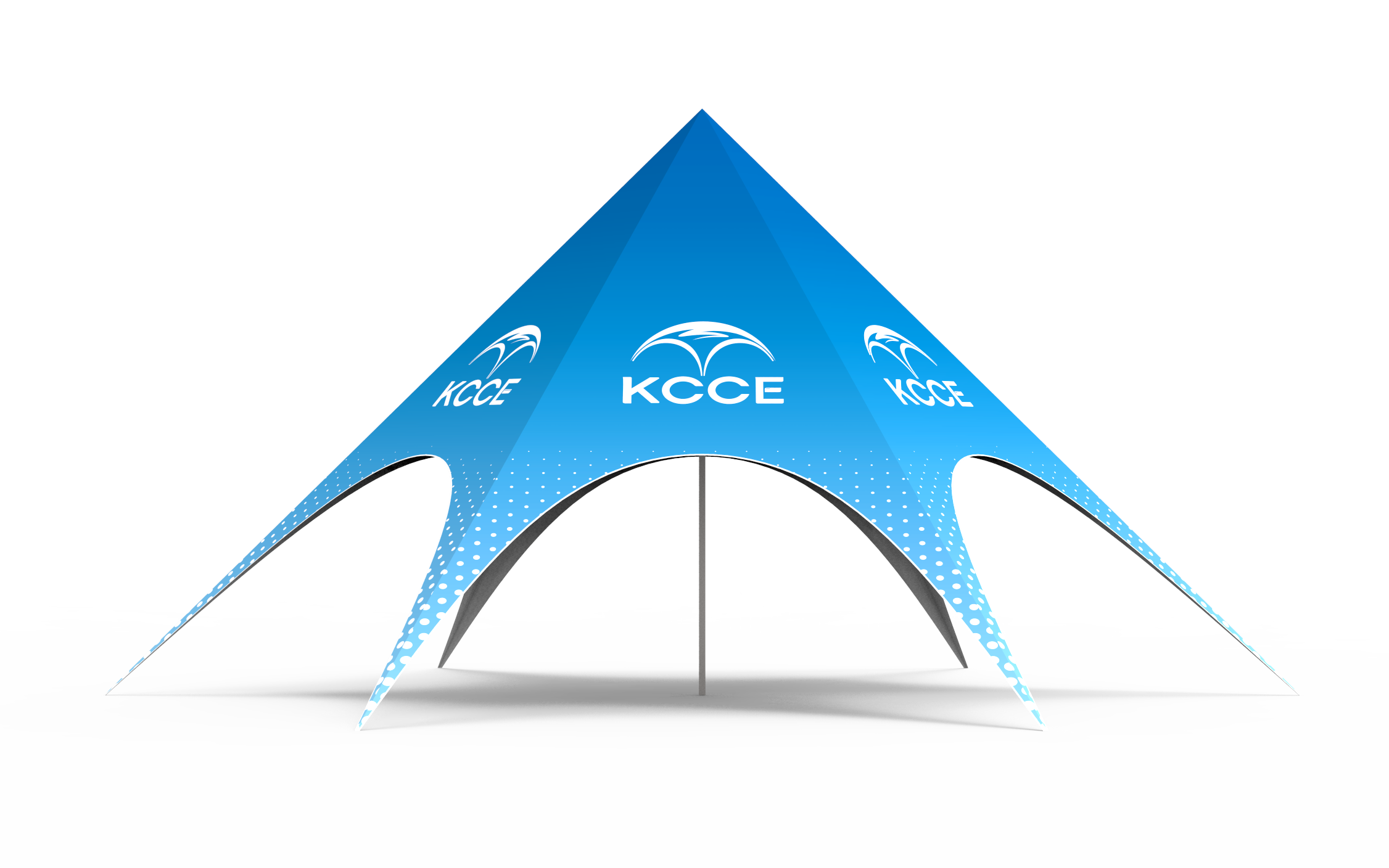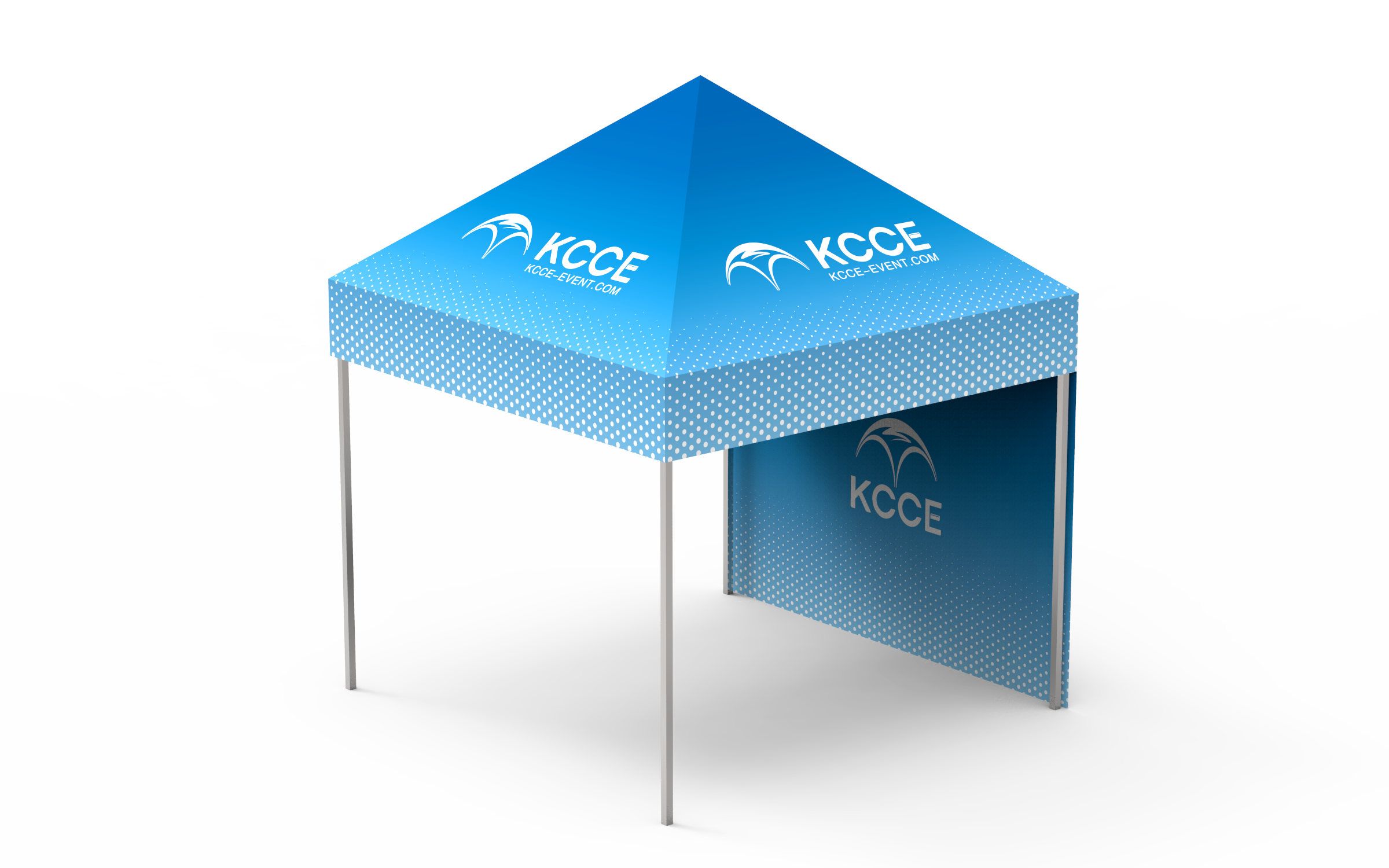
Alright, let’s cut through the noise. If you’ve ever been tasked with sourcing a tent for a major event, you know the drill. You search online, see a million listings screaming “commercial grade party tent,” and they all look suspiciously similar to the one your neighbor bought at a big-box store for a backyard BBQ. Spoiler: most of them are the same cheap junk with a fancier label.
I’ve spent years sourcing and managing event infrastructure, and I’ve seen it all. I’ve watched a “heavy-duty” tent fold like a cheap suit in a moderate gust, and I’ve seen a properly spec’d commercial unit stand its ground through a nasty summer storm. The difference isn’t marketing fluff; it’s cold, hard specs. This isn’t a product listicle. It’s a framework for decision-makers who need to buy right the first time. We’re going to break down what a commercial grade party tent actually is, based on the specs that matter.
Quick Answer
A commercial grade party tent is a structure engineered for frequent, long-term use, defined by its frame gauge (e.g. 2″ vs. 1.5″), fabric weight (e.g. 500D vs. 1000D denier), and certified safety ratings like NFPA 701 for fire resistance. Unlike consumer tents, it’s built to withstand significant wind loads and heavy use.
What Makes a Party Tent “Commercial Grade”?
Let’s start with the foundation. A genuine commercial grade party tent is defined by its engineering, not its marketing. It’s a piece of equipment designed for the rigors of professional use—repeated setup and teardown, exposure to the elements, and the safety of your guests.
So, what separates it from the tent you buy at a retailer?
- Frame Gauge and Material: This is the skeleton. Consumer tents use thin, weak steel or aluminum. Commercial tents use thicker, heat-treated aluminum or galvanized steel. We’re talking about a 2-inch (or thicker) diameter frame versus a flimsy 1-inch pipe. This isn’t just about strength; it’s about the tent’s ability to handle wind load rating.
- Fabric Weight and Type: The cover is your first line of defense. You’ll see terms like “denier” (D) and fabric types like PVC or PE. A cheap tent might use a 200D PE fabric that tears if you look at it wrong. A commercial-grade tent uses a heavy-duty PVC-coated polyester, often in the 500D to 1000D range. It’s thicker, more UV-resistant, and won’t rip at the seams.
- Certificações: This is the non-negotiable part. A real commercial tent will have documentation for fire safety, typically meeting the NFPA 701 standard (or the similar CPAI-84). If a vendor can’t provide this, you’re not buying commercial grade. You’re buying a liability.
The marketing misuse of “commercial grade” is rampant. I’ve seen tents on major e-commerce sites with that label that are clearly just residential models. They use the same thin poles and lightweight fabric. So how do you tell the difference online? Look at the specs. If they don’t list frame diameter, fabric denier, and fire certifications, they’re hiding something. It’s that simple.
Commercial vs. Residential vs. Heavy-Duty: Comparison Table
To make this clearer, let’s put the different tiers side-by-side. This isn’t about brands; it’s about categories of equipment. You’ll often hear the term “heavy duty party tent” thrown around, but that’s just another marketing term unless it’s backed by specs.
| Característica | Residential / Consumer Tent | Commercial Grade Party Tent | Heavy-Duty / Industrial Tent |
|---|---|---|---|
| Estrutura | Thin steel or aluminum (often < 1″ diameter) | Heat-treated aluminum or galvanized steel (1.5″–2″ diameter) | Reinforced aluminum or steel (often > 2″ diameter, truss design) |
| Tecido | Lightweight PE or polyester (e.g. 100D–200D) | Heavy-duty PVC-coated polyester (e.g. 500D–1000D) | High-tenacity PVC or blockout fabric (> 1000D) |
| Wind Rating | Not rated or very low (e.g. < 20 mph) | Engineered and certified (e.g. 50–70 mph, depending on installation) | Engineered for high wind loads (e.g. 80+ mph with proper anchoring) |
| Vida útil | A few events or 1-2 seasons | 5–10+ years with proper care | 10–20+ years in permanent or semi-permanent use |
| Preço | Low ($100–$500 for a 10×10) | Mid to High ($1,000–$5,000+ for a 20×40) | High ($10,000+ for large structures) |
| Primary Use | Backyard parties, occasional use | Weddings, festivals, corporate events, rentals | Construction, large-scale exhibitions, long-term installations |
The takeaway? Don’t trust the label. Trust the data. A commercial party tent is an investment, and the price reflects the materials and engineering required to make it safe and durable.
Sizing Guide: Matching Tent to Event Type
Okay, you’ve decided you need a real tent. Now, what size? This is where a lot of planners get tripped up. It’s not just about the total square footage; it’s about the layout and the type of event.
Here’s a general rule of thumb for a 20×40 tent, which is a very common size for large events:
- Seated Dinner (Round Tables): A 20×40 tent can comfortably seat 60-80 guests. You need about 10-12 sq ft per person for a seated meal with a dance floor and buffet.
- Seated Dinner (Banquet Tables): You can fit slightly more, around 80-100 people, as rectangular tables use space more efficiently.
- Cocktail / Standing Reception: Capacity jumps significantly. You can fit 120-160 people in a 20×40 tent for a standing event.
- Ceremony (Theater Style): For a wedding ceremony, a 20×40 can seat 100-120 guests in rows.
But wait, you also need to account for sidewalls and clearance. Do you need a clear-top or a solid top? Are you using the tent for catering? You need to allocate space for tables, bars, and staging. A common mistake is maxing out the guest count and ending up with a cramped, uncomfortable space.
For larger events, like festivals or construction sites, you’re looking at 20×40 tents and beyond. The sizing logic scales up, but the principles remain. Always overestimate your space needs. It’s better to have a little extra room than to cram your guests in like sardines.
Materials & Specs Buyers Should Verify
This is the part where you separate the pros from the amateurs. When you’re reviewing a quote, you need to ask specific questions about materials. Vague answers are a red flag.
- Fabric: PVC vs. PE. PE (polyethylene) is cheap, lightweight, and has poor UV resistance. It’ll degrade and become brittle. PVC (polyvinyl chloride) coated polyester is the industry standard for commercial tents. It’s waterproof, UV-resistant, and much more durable.
- Denier (D): This measures the thickness of the individual fibers in the fabric. A higher denier means a thicker, stronger yarn. You’ll see 500D, 600D, or 1000D. For a commercial tent, don’t go below 500D. A 1000D fabric is what you want for maximum durability.
- Frame: Steel vs. Aluminum. Steel is strong but heavy and can rust if not properly galvanized or powder-coated. Aluminum is lighter, doesn’t rust, and is easier to handle. For a commercial tent that will be moved often, aluminum is usually the better choice.
- Frame Gauge: As mentioned, this is the diameter of the frame tubes. You want 1.5-inch or 2-inch for a commercial-grade structure. The connectors and joints should also be heavy-duty.
And then there’s fire certification. You must ask for it. The two main standards are NFPA 701 (from the National Fire Protection Association) and CPAI-84. These standards ensure the fabric is treated to resist catching fire. Any vendor who can’t provide a certificate for their fabric should be disqualified immediately. This is a core part of commercial tent safety standards.
Wind, Fire & Weather Certifications Checklist
A commercial tent is an engineered structure. It needs to be able to handle what nature throws at it. Here’s a quick checklist of what to look for and what to ask.
- Fire Certification: Does the fabric meet NFPA 701 or CPAI-84? Get the certificate.
- Wind Load Rating: What is the tent’s engineered wind load rating? This is not a guess. It should be a specific number (e.g. “certified for 70 mph winds with proper anchoring”). Ask for the engineering report if it’s a large structure.
- Ancoragem: What is the recommended anchoring method for the wind rating? Stakes? Ballast weights? The tent is only as strong as its anchoring system.
- Garantia: What does the warranty cover? A true commercial tent will have a multi-year warranty on the frame and fabric, reflecting the manufacturer’s confidence in their product.
When you talk to a vendor, here are a few questions to ask:
- “Can you provide the NFPA 701 certificate for the fabric?”
- “What is the maximum wind load rating for this model, and what anchoring is required to achieve it?”
- “What is the denier of the top fabric and the gauge of the frame?”
If they can’t answer these without hesitation, move on. Is this overkill? Not even close. When you’re responsible for a large event, the last thing you want is a tent failure.
Rental vs. Purchase: Cost & Use-Case Breakdown
This is a classic business decision. The break-even point depends entirely on how often you’ll use the tent.
Let’s do a simple analysis. The commercial party tent cost for a 20×40 unit might be anywhere from $2,000 to $6,000, depending on specs. Renting that same tent might cost $800 to $1,500 for a weekend.
If you rent three or four times a year, you’re looking at $2,400–$6,000 annually. In that case, purchasing starts to make a lot of sense, especially if you need it for multiple events or want to customize it with your branding.
- Rental Use Case: One-off events (a single wedding, a one-time festival). You don’t want the storage, maintenance, and transportation headaches.
- Purchase Use Case: Event rental companies, venues, schools, churches, or businesses that host multiple events per year. Construction companies needing a temporary shelter for a project. Relief organizations needing durable, long-term shelter.
If you’re in the purchase camp, you also need to factor in storage and maintenance. A commercial tent is a significant asset. This is also where a company like KCCE comes in. They manufacture a range of barracas infláveis para eventos and other structures, and they’ve been around since 2006 with a focus on quality and international compliance. For businesses that need a custom solution, their display frames and custom inflatable shapes might also be worth a look.
Choosing by Use Case: Budget / Mid / Premium
Forget brand listicles. The “best commercial party tent” for you depends on your specific use case and risk tolerance.
- Budget Tier (High-Frequency, Lower Risk): For a small business or a non-profit hosting frequent, low-stakes events (e.g. farmers’ markets, small community gatherings). You need a tent that’s better than consumer-grade but doesn’t need to be a fortress. Focus on a solid 500D PVC fabric and a 1.5-inch aluminum frame. It will last for years with proper care.
- Mid-Tier (The Workhorse): This is for professional event planners, rental companies, and venues. You need reliability and safety. Go for a 600D–1000D PVC fabric, a 2-inch aluminum frame, and full fire and wind certifications. This tent is your business asset. It needs to perform every single time.
- Premium Tier (High-Risk, Permanent or Semi-Permanent): For large festivals, construction sites, or long-term installations. You’re looking at engineered structures with stamped engineering reports. The frame is likely a truss design, and the fabric is the heaviest available. The wind rating is critical. This is not a tent you buy online without a detailed consultation.
GRADE Vision and Mission
GRADE’s stated vision is deceptively simple: a world where healthcare decisions—clinical, public health, and policy—are informed by trustworthy, transparent, and consistently rated evidence. Its mission is to develop and disseminate that methodology so guideline developers, systematic reviewers, and decision-makers worldwide apply the same rules to the same evidence.
Practically, that mission has teeth. The GRADE Working Group is a volunteer, non-profit collaboration of hundreds of methodologists and clinicians across dozens of countries. It maintains the GRADE handbook, the GRADEpro GDT software, and the GRADE Evidence to Decision (EtD) frameworks—structured templates that walk a panel from evidence to a formal recommendation. The EtD framework is where abstract methodology becomes operational: it forces panels to document criteria like problem priority, desirable effects, undesirable effects, certainty of evidence, values, balance of effects, resources required, cost-effectiveness, equity, acceptability, and feasibility.
The vision isn’t about promoting GRADE as a brand. It’s about reducing the “noise” in evidence synthesis. I’ve read guideline panels that spent three meetings arguing over a single recommendation word because there was no shared framework. GRADE exists so that argument is about the evidence, not the label. Many organizations now endorse or require it, including the World Health Organization, the Cochrane Collaboration, and the National Institute for Health and Care Excellence (NICE).
Practical application cases of the GRADE approach
The World Health Organization’s 2019 guidelines on physical activity are a clean, documented case. WHO commissioned systematic reviews on outcomes like all-cause mortality, cardiovascular disease, and type 2 diabetes, then applied GRADE to rate certainty per outcome. For adults, the evidence linking 150–300 minutes/week of moderate-intensity activity to reduced all-cause mortality was rated Moderate certainty; for some cancer outcomes, it dropped to Baixo due to imprecision and indirectness. Despite that, WHO issued a Strong recommendation—because the intervention is low-cost, low-risk, and the benefits clearly outweighed harms even under uncertainty. That decoupling is textbook GRADE.
A second case: the 2021 WHO guideline on Mycobacterium tuberculosis preventive treatment. The panel rated evidence on rifapentine-based short regimens and produced a Conditional recommendation for certain populations, explicitly downgrading for indirectness because most trial data came from settings with low TB incidence. The EtD framework documented that resource requirements and equity concerns drove the conditional—rather than strong—label.
Closer to my own work, I’ve watched procurement and safety panels use GRADE-style SoF tables to justify which tent certifications to mandate. Same logic: rate the evidence, state the certainty, then decide. The framework travels well beyond medicine.
Comparison of GRADE with other systems for grading evidence (such as Oxford CEMB)
The Oxford Centre for Evidence-Based Medicine (OCEBM) Levels of Evidence, first published in 1998 and revised in 2011, is the most common comparison point. The differences are structural, not cosmetic.
Unit of assessment. OCEBM assigns a level (1 through 5) to a study design ou uma question type—a systematic review of RCTs sits at Level 1, a mechanism-based reasoning at Level 5. GRADE assigns certainty to a body of evidence per outcome. So OCEBM tells you how good your best study is; GRADE tells you how much you can trust the effect estimate across all studies for a given outcome.
Direction of reasoning. OCEBM starts at the top and works down by design. GRADE starts at a design-based baseline (high for RCTs, low for observational) and then moves both ways—down for the five domains, up for large effects or dose-response. That upgrade path is something OCEBM doesn’t formally accommodate.
Recommendations. OCEBM rates evidence only; it says nothing about recommendation strength. GRADE explicitly separates the two and provides the EtD machinery to move from certainty to a Strong or Conditional recommendation. This is the single biggest practical gap between them.
Transparency. GRADE requires documented judgments for every downgrade and upgrade. OCEBM’s level assignment is often a single line in a methods section. In my experience, when a panel has to show its work, the recommendation gets more defensible—and more honest.
Neither system is “wrong.” OCEBM is faster and simpler for quick appraisals. GRADE is heavier but built for guideline panels that need to justify decisions to regulators, payers, and the public. If you’re producing a guideline people will actually be held to, GRADE is the better tool. If you’re triaging literature for a journal club, OCEBM is fine.
Conclusão
The term “commercial grade” is a claim, not a guarantee. It’s a promise that the manufacturer has invested in better materials, stronger engineering, and third-party safety certifications. Your job as a decision-maker is to verify that claim.
Don’t get swayed by a low price or a slick website. Ask for the specs. Ask for the certificates. Ask for the engineering report if it’s a large structure. Your next step should be to create a checklist based on the points in this article and use it to evaluate every quote you receive.
So, here’s a final thought: Would the tent you’re considering buying survive a 40 mph gust of wind? If you can’t answer that with a confident “yes” based on documented specs, you’re not ready to sign the quote.
Perguntas Frequentes
Q: What is the GRADE framework and how does it work?
R: The GRADE framework (Grading of Recommendations Assessment, Development and Evaluation) is a systematic approach for rating the quality of evidence and strength of recommendations in healthcare. While not directly about tents, the concept of a structured, transparent assessment is exactly what you should apply to tent specs. It’s about assessing the certainty of your “evidence”—in this case, the vendor’s claims.
Q: What are the GRADE criteria used to GRADE the quality of evidence?
R: In the context of evidence assessment, GRADE criteria include factors like risk of bias, inconsistency, and imprecision. For a commercial grade party tent, you can apply a similar logic: Is the vendor’s claim of “commercial grade” at risk of bias (i.e. just marketing)? Are the specs consistent across different vendors? Is the information precise (e.g. “2-inch frame” vs. “strong frame”)?
Q: What are the GRADE guidelines for systematic reviews?
R: The GRADE guidelines for systematic reviews provide a structured method for evaluating a body of evidence. Again, the principle applies. You should conduct your own “systematic review” of potential tent vendors. Create a checklist, evaluate each one against the same criteria (materials, certifications, warranty), and compare the results. This is how you do a GRADE assessment for your purchasing decision.
Q: What’s the real difference between a commercial and a residential tent?
R: The difference is in the specs. A commercial tent uses a heavier frame (e.g. 2-inch aluminum vs. 1-inch steel), heavier fabric (e.g. 1000D PVC vs. 200D PE), and has fire and wind certifications. A residential tent is for occasional use and doesn’t have the engineering or safety ratings for professional events.
Q: How do I know if a tent’s wind rating is legitimate?
R: Ask for the engineering report or certification. A legitimate wind load rating is based on testing and engineering, not a guess. It will specify the maximum wind speed the tent can handle with a specific anchoring system. If a vendor can’t provide this, their rating is just a number on a page.
Q: Is it worth buying a commercial grade party tent instead of renting?
R: If you host more than three or four events per year, purchasing is usually more cost-effective in the long run. The commercial party tent cost is higher upfront, but it eliminates rental fees and gives you a long-term asset. For one-off events, renting is still the smarter choice.
Q: What is the most important spec to check?
R: Fire certification. A tent without NFPA 701 or CPAI-84 certification is a safety hazard. After that, look at the frame gauge and fabric denier. These are the core indicators of a tent’s durability and strength.
Q: How can I use a GRADE tool for tent buying?
R: Think of a Grade framework tool as a decision matrix. You can create one in a spreadsheet. List your criteria (frame gauge, fabric denier, fire cert, wind rating, warranty, price) and score each vendor’s tent. This is a simple way to use a GRADE tool to make a more objective decision.
Referências
1. GRADE home – gradeworkinggroup.org
2. GRADE – cochrane.org
3. GRADE handbook – gradepro.org