Let me be straight with you before we get into this: I’ve been around this industry long enough to lose count of the exhibitors I’ve watched pack up at sunset while their competitor’s tent is still glowing across the field. It happens constantly. That’s the whole game with LED inflatable advertising tents. Once the sun drops, half the branding at an event just vanishes. The other half draws a crowd.
So here’s what actually matters if you’re the one signing off on the budget.
Snel antwoord
An LED inflatable advertising tent is a blow-up event structure with integrated LED strips, RGB modules, or backlit panels powered by a generator or mains hookup. It keeps your logo and brand colors visible after dark, typically uses waterproof PVC or oxford fabric with sealed air chambers, and can be custom-printed for expos, launches, and festivals.
What Is an LED Inflatable Advertising Tent?
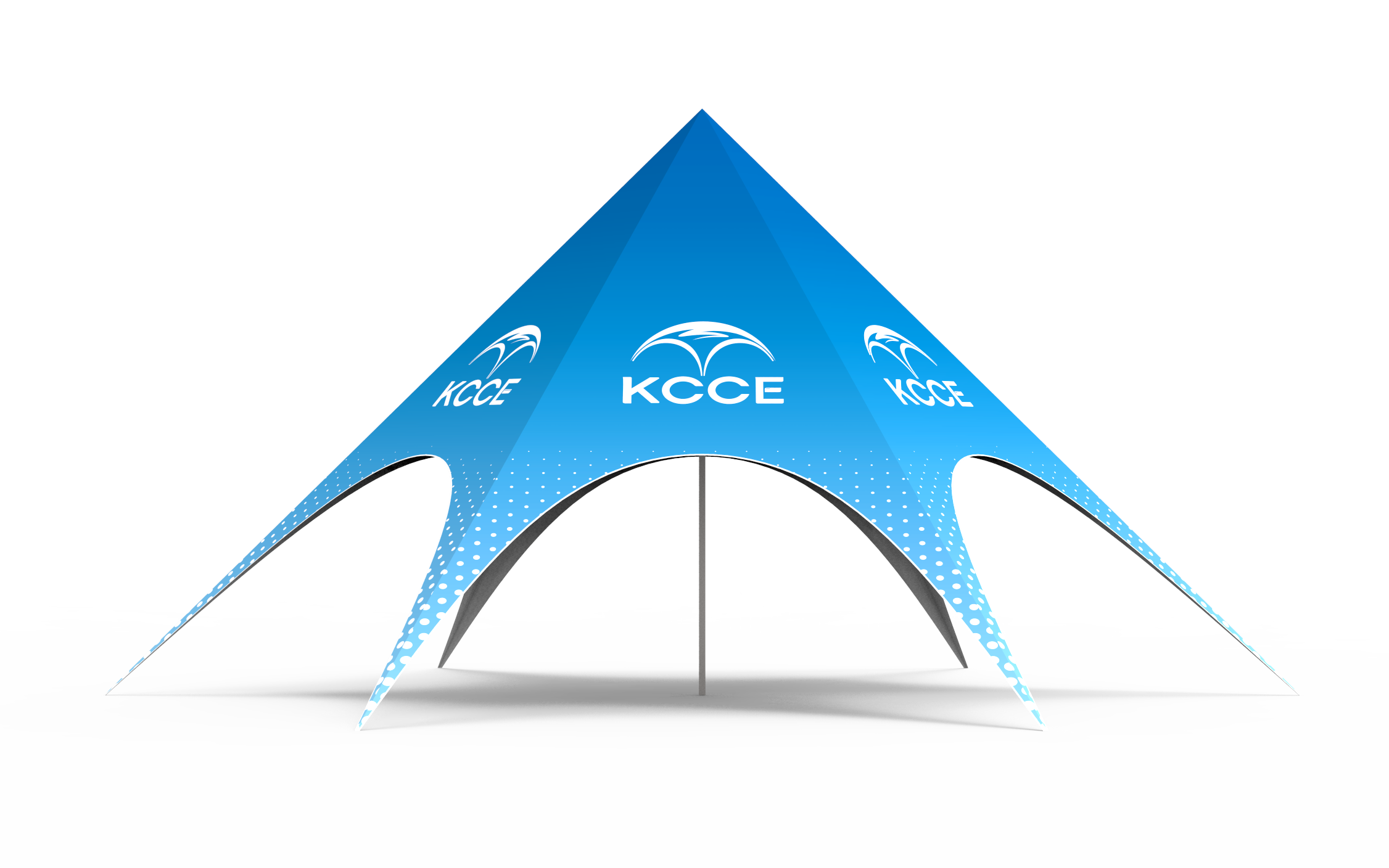
Strip it down and it’s simple: a sealed-air or pump-up inflatable structure — the kind KCCE (Dacheng outdoor products LTD. established 2006) manufactures in its range of tents including the X6, XII, XL-A, XL-B, AI, AII, F, N, U, VI, VII, and X models — with lighting integrated into the fabric, frame channels, or canopy edges.
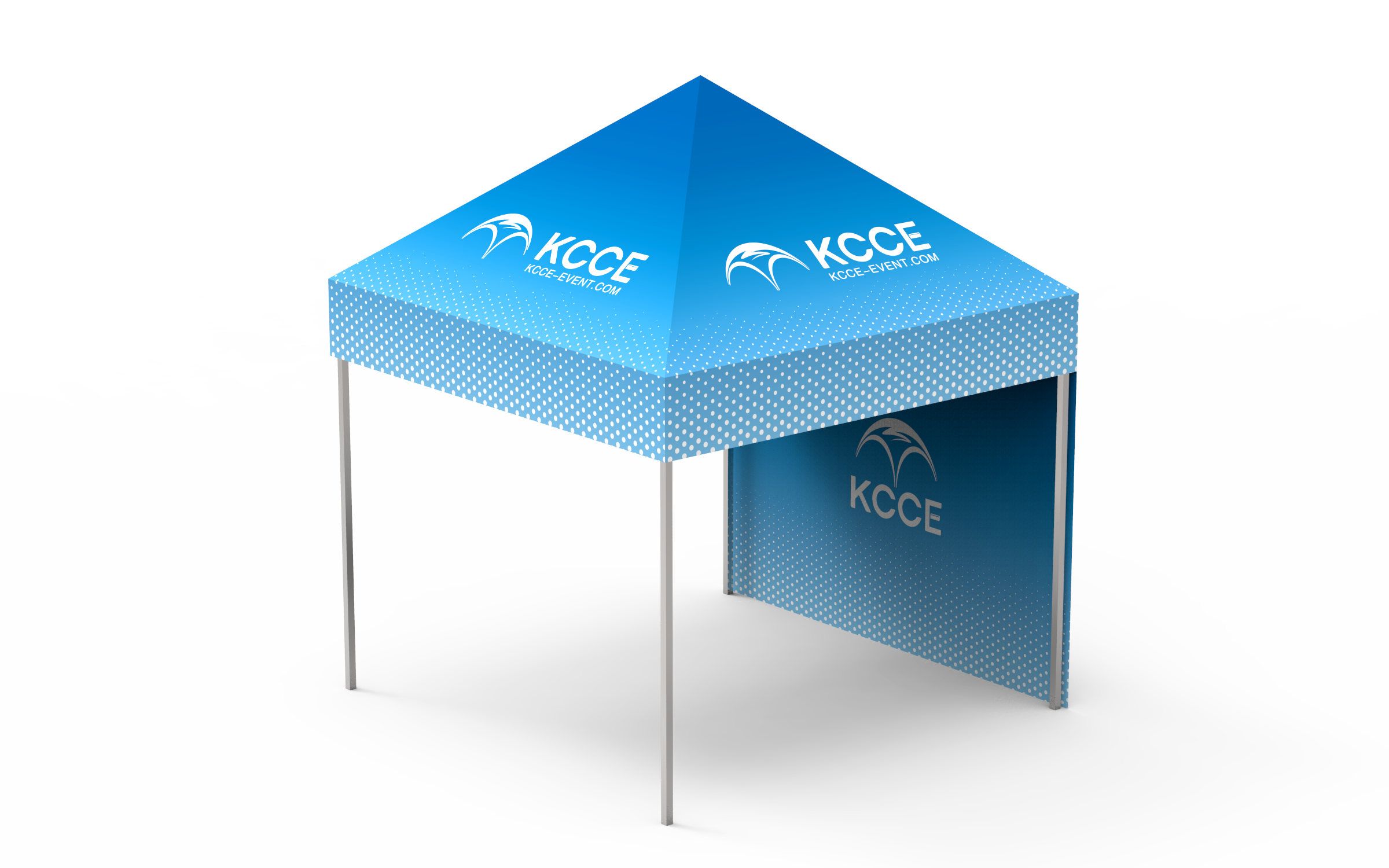
That last part is what separates it from a pop-up canopy or a truss tent. A pop-up is a folding frame with a fabric top. A truss tent is an aluminum skeleton you assemble with tools and a crew. An LED inflatable advertising tent inflates in minutes, holds its shape through sealed air chambers, and carries its own light source. No rigging a separate light bar, no running extension cords up a pole in the dark.
Where does this actually earn its keep? Brand activations at expos, product launches that run into the evening, festivals, marathon finish lines, dealership forecourts, mall courtyards. Anywhere the crowd is still there after the lights go down. If your event wraps by 6 p.m. honestly, you don’t need the LED option. If it doesn’t, you do.
LED Lighting Options Compared
You’ll get quoted three main setups. Here’s how I’d think about each.
LED strip lighting — flexible strips sewn into seams or channeled along the frame. Even, continuous glow that traces the tent’s shape. Lowest power draw of the three, and the most common choice for logo outlines and edge highlights. Downside: it’s decorative lighting. It lights the structure, not the ground around it.
RGB modules — individually addressable color-changing units. You can shift brand colors, run a sequence, sync with a stage show. Higher wattage than plain strips, and you’ll want a controller. Great for launches and night festivals where you want motion.
Backlit panels — LED sheets behind a printed translucent banner or canopy panel. This is the one that makes your actual logo glow rather than just outlining it. Highest brightness, highest power draw, and the panel material has to be print-compatible with backlighting or the colors go muddy.
On power: this is where people get caught out. A full RGB setup across a large tent can pull enough current that you need a properly sized generator, not the little portable unit you borrowed from the warehouse. Ask the vendor for the actual wattage figure per square meter of lit area and size your power source from that number — not from a guess. One more thing. If you’re weighing this against other event tech investments, the logic is the same as the “Effectiveness of Remote Patient Monitoring Equipped With.” style questions you see in healthcare procurement — the value isn’t in the gadget, it’s in whether the deployment context actually supports it. A lit tent at a daytime trade show is wasted spend. A lit tent at a night festival is the whole point.
Sizes, Materials & Weatherproofing
Here’s a rough working table. Treat these as typical industry ranges, not fixed specs — every manufacturer quotes differently. | Size (footprint) | Typical use case | LED setup that makes sense |
| — | — | — |
|---|---|---|
| 4×4 m to 5×5 m | Brand activation, sampling | Strip + backlit logo panel |
| 6×6 m to 8×8 m | Festival stall, F&B | RGB modules, full perimeter |
| 10×10 m+ | Main stage cover, expo anchor | Backlit panels + RGB, generator required |
On materials, two dominate: PVC and oxford fabric. PVC is heavier, more UV-stable, and takes a cleaner print — the trade-off is weight and pack-down bulk. Oxford is lighter and packs smaller but can crease and fade faster under constant sun. KCCE’s advertising tent line uses oxford fabric for outdoor promotions, and their broader catalog includes waterproof event marquees and sealed air structures.
Waterproofing: you’ll see IP ratings thrown around, and this is where I’d push back on any vendor who won’t put a number on paper. For outdoor use, you want the electronics — not just the fabric — rated for rain exposure. The fabric being waterproof means nothing if your LED controller shorts out in a downpour. Ask specifically: what’s the IP rating on the lighting components, and what’s the fabric’s hydrostatic head? ## Branding & Print Options
Two printing methods matter here.
Dye-sublimatie — the ink bonds into the fabric fibers. Colors stay vivid longer, it survives folding and repeated inflation cycles better, and it’s the right call for full-wrap designs where the whole surface is your brand.
Digital print — cheaper for short runs and small quantities, fine for panel prints and simple logos. Less durable over years of use.
On placement, think in zones: the canopy roof (visible from a distance, best for the main logo), the valance or skirt (eye-level for people walking past), the side walls (full-wrap brand story or product shots), and the entry arch (the first thing people walk through). A branded inflatable canopy with a lit roof logo is doing 80% of the visibility work — the rest is supporting detail.
And yes, if you’re wondering whether the “Equipped – Definition, Meaning & Synonyms” rabbit hole is relevant here — it is, in a boring way. “Equipped” just means fitted with what’s needed. A tent equipped with LED lighting is a different product from the same tent without it. That’s the entire premise.
Cost Breakdown & ROI
I’m not going to hand you a fake price table. Ranges vary too much by size, LED type, print coverage, and order quantity — and anyone quoting you a single number without asking those questions is guessing. What I can tell you is the shape of the decision:
Rental makes sense for one-off events. You pay per event, no storage, no maintenance, no capital outlay. The math breaks down fast if you’re doing more than a handful of events a year.
Purchase makes sense if you’re running a recurring event calendar. KCCE’s product listings indicate a 1-piece minimum order quantity across their inflatable tents and gazebos, which means you can buy a single custom unit rather than committing to a container. For a brand doing six or more events annually, ownership usually wins — and you control the print, the LED config, and the refresh cycle.
The ROI question isn’t really about the tent. It’s about whether a lit, branded structure generates more foot traffic and recall than an unlit one at the same event. In my experience, at any evening event, yes — by a wide margin. But measure it yourself: run a lit tent at one event and an unlit one at the next comparable event, and count the interactions.
Buying Checklist: What to Ask Vendors
Print this. Take it to every quote call.
- Certificeringen — CE and RoHS compliance is the baseline for anything shipping to Europe or the US. KCCE states full compliance with both.
- Warranty terms — what’s covered, for how long, and does it include the LED components or only the fabric?
- Insteltijd — how many people, how many minutes, and does it need a blower running continuously or is it sealed-air?
- Power requirements — exact wattage, voltage, plug type, and whether a generator is required.
- IP rating on lighting — get the number in writing.
- Doorlooptijd — custom print adds time. Ask for the production schedule, not just the shipping estimate.
- Shipping and duties — who handles customs, and what’s the landed cost?
- Print samples — request a physical sample of the fabric with your colors printed on it before you approve the full run.
That last one is non-negotiable. Screen colors and printed colors are not the same thing, and backlit panels shift color again once lit. Approve a physical sample or you’ll be disappointed.
Speaking of equipping yourself properly — the same discipline applies whether you’re sourcing event structures or reading something like “Equip Health – Virtual Eating Disorder Treatment” or “EQUIPPED | Mental Health Courses for Young Adults.” Know what you’re actually buying before you commit.
Inflatable vs. Traditional Tent: The Real Difference
| Factor | LED inflatable tent | Pop-up / truss tent |
|---|---|---|
| Insteltijd | Minutes, 1-2 people | 30+ min, often 2-4 people |
| Night visibility | Ingebouwde | Requires separate lighting |
| Windgedrag | Flexes, needs anchoring | Rigid frame |
| Custom print | Full-wrap, seamless | Panel-based |
| Opslag | Deflated, compact | Frame takes space |
| Reparatie | Patchable | Frame replacement |
The honest trade-off: inflatables need anchoring and a power source, and a puncture means downtime until you patch it. Truss tents are rigid and don’t care about wind as much, but they’re heavier, slower to set up, and need separate lighting rigged if you want night visibility. If your event runs past sunset and setup speed matters, inflatable with integrated LED wins. If you’re doing a week-long static installation with power on site, truss is fine.
Veelgestelde Vragen
Q: How much does an LED inflatable advertising tent cost?
A: Pricing depends on size, LED type, print coverage, and quantity — there’s no single figure that holds across the market. Request a quote with your exact size, lighting configuration, and print requirements. Vendors typically quote per unit with a 1-piece minimum order, so you can start with a single custom tent before scaling up.
Q: What sizes are available?
A: Common footprints run from 3×3 m for booths up to 10×10 m and larger for expo anchors and stage covers. KCCE’s inflatable tent range includes multiple models, such as the X6, XII, XL-A, XL-B, AI, AII, F, N, U, VI, VII, and X, and all are custom-manufacturable for size, color, and logo printing.
Q: How waterproof are these tents?
A: Fabric waterproofing and electronics waterproofing are two separate specs — ask for both. Look for an IP rating on the LED components and a hydrostatic head figure for the fabric. KCCE’s catalog includes waterproof event marquees and sealed air structures designed for outdoor use.
Q: Can I print my logo on it?
A: Yes. Dye-sublimation gives the most durable, vivid result for full-wrap branding; digital print works for smaller runs and panel designs. Always approve a physical print sample before the full production run, especially for backlit panels where colors shift once lit.
Q: How long does setup take?
A: Inflatable tents typically inflate in minutes with one or two people, versus 30 minutes or more for a truss tent with a crew. Sealed-air models hold pressure without a continuously running blower; pump-up models need the blower on. Confirm which type you’re buying.
Q: What’s the difference between an inflatable tent and a traditional canopy?
A: An inflatable uses air chambers and packs down small; a traditional canopy uses a folding frame or aluminum truss. Inflatables set up faster and integrate LED lighting directly. Traditional canopies are more rigid in wind but need separate lighting for night events.
Q: Do I need a generator?
A: Depends on your LED configuration and whether mains power is available on site. RGB and backlit panel setups draw more current than simple strip lighting. Get the exact wattage figure from your vendor and size your power source from that — not from an estimate.
Q: How do I know a vendor is legitimate?
A: Check for CE and RoHS compliance, ask for the warranty terms in writing, and request print samples. KCCE, for example, holds CE and RoHS compliance, operates a facility and ships internationally, with primary markets in Europe and the US.
Conclusie
Here’s the one action I’d take from all of this: before you sign anything, request the LED specs and a physical print sample. Not a PDF. Not a render. A sample you can hold under a light. That single step filters out most of the vendors you don’t want to work with.
And the question worth sitting with — is your current tent visible after sunset? If the answer is no, you already know what you’re losing.
Referenties
1. kcceinflatable.en.made-in-china.com – kcceinflatable.en.made-in-china.com
2. kcce-event.com – kcce-event.com
3. alibaba.com – alibaba.com
4. iso.org – iso.org
5. eur-lex.europa.eu – eur-lex.europa.eu