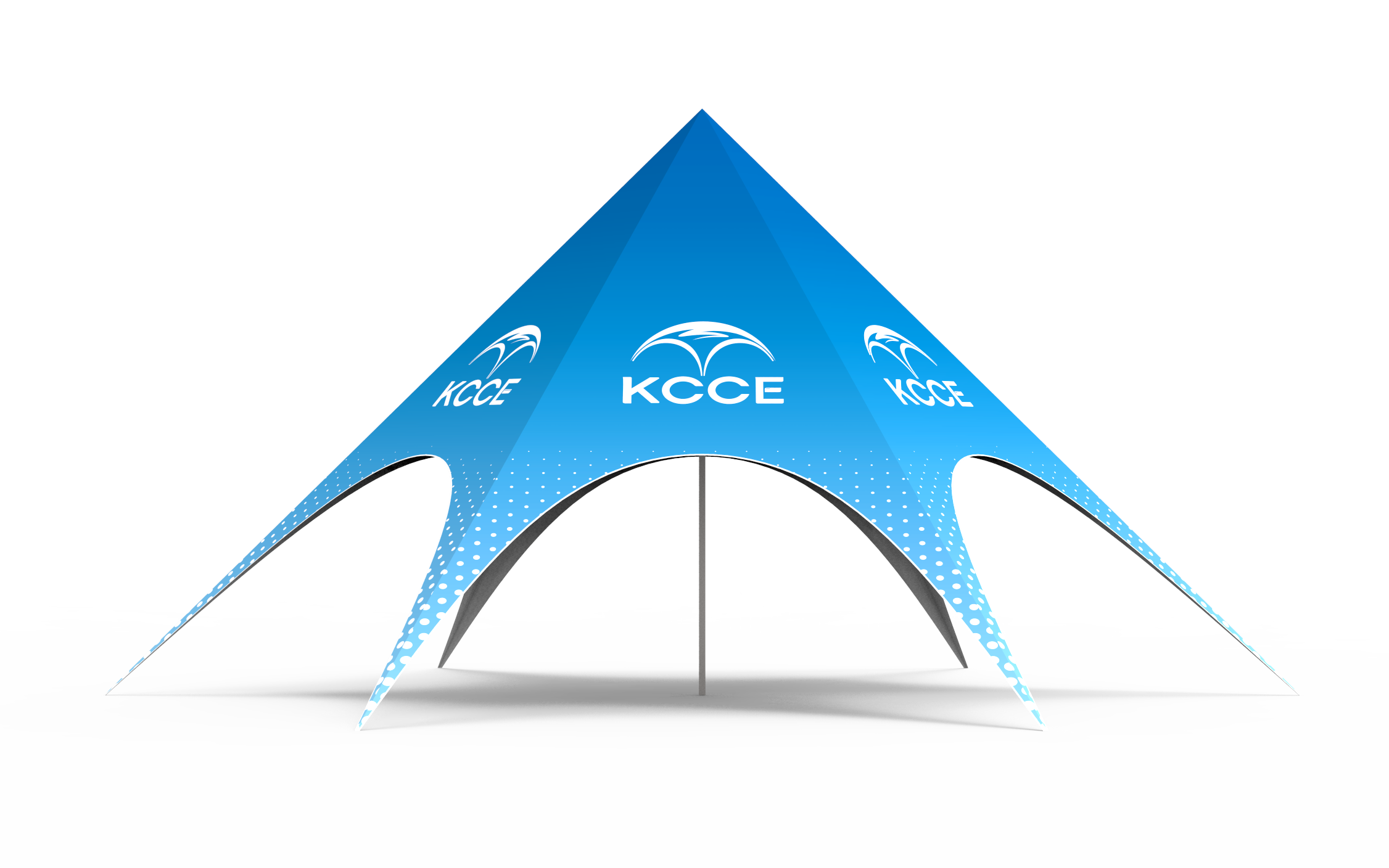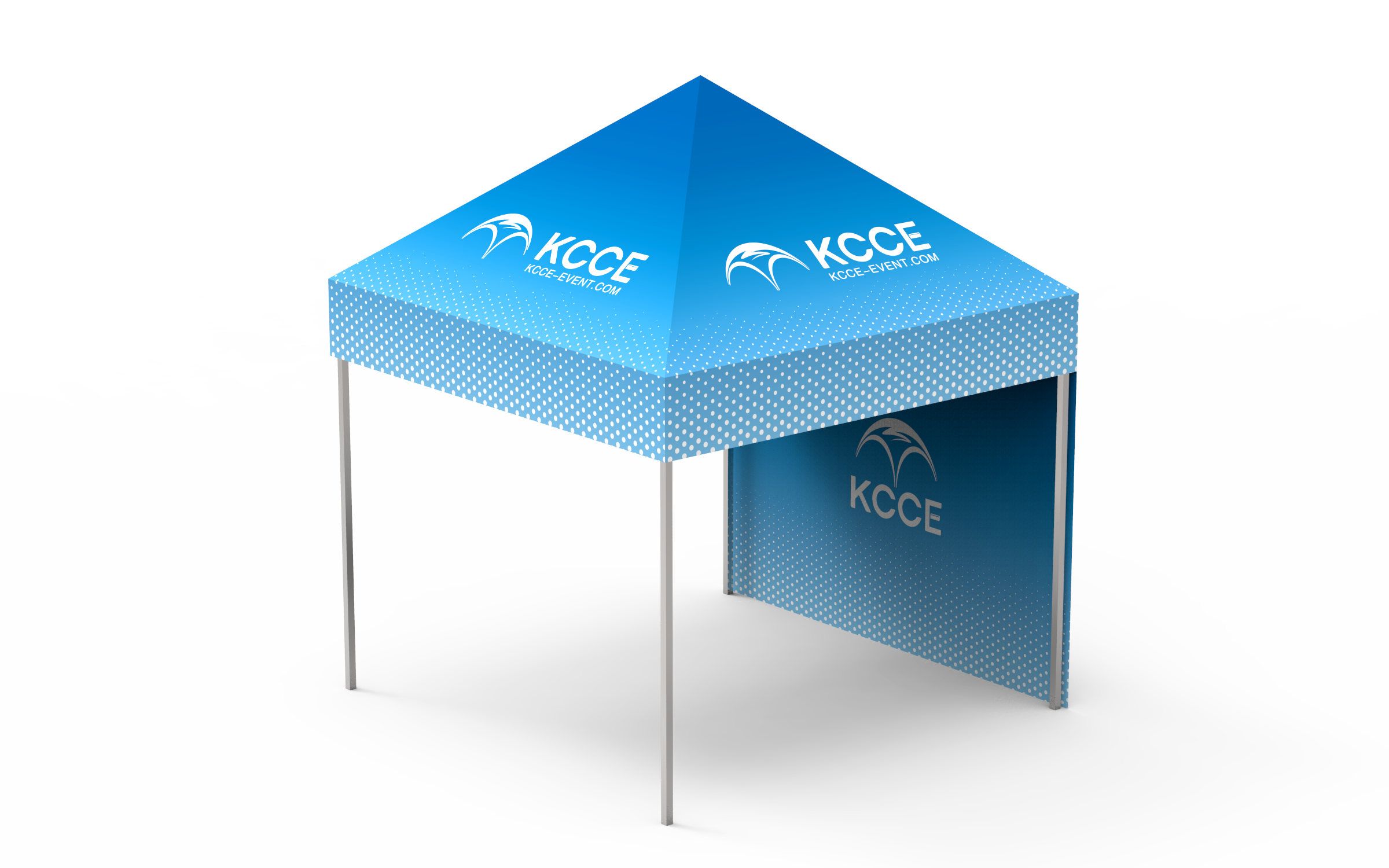
I’ve watched the same $50,000 mistake happen more times than I care to admit. A company shells out serious cash on a custom inflatable dome for a product launch, day one rolls in with a gust of wind, the stakes snap, and suddenly their branded balloon is doing cartwheels across the parking lot. Event’s ruined. CEO’s furious. And somebody’s awake at 2 a.m. googling “how to anchor an inflatable dome.” That’s not a hypothetical scenario—I’ve taken enough late-night rescue calls to know this pattern cold.
Here’s the thing though: picking the right inflatable dome isn’t rocket science. But it does take a decision framework, not just a grab-bag of generic tips. Get it right and you’ve got a showstopper that eventually pays for itself. Get it wrong and you’re standing in front of leadership explaining why the trade show budget went up in flames. So let’s skip the marketing fluff and talk about what genuinely matters—the stuff that keeps you out of trouble and saves you money, time, and a significant amount of embarrassment.
빠른 답변
Match the structure type to your use case before anything else: air-locked domes (constant blower, cheaper, faster setup) work best for short-term rentals and events, while frame-supported domes (no blower needed, better wind resistance) suit long-term installations. Then size it by square footage per person, verify the PVC material weight (650g vs 850g per square meter), and budget for the total cost of ownership—not just the sticker price.
How to Choose the Right Inflatable Dome: Start With Use Case
Before you even glance at prices or start comparing materials, answer one basic question: what is this dome actually supposed to do? Because the answer changes everything downstream—frame type, material grade, blower requirements, anchoring, the whole nine yards.
Let’s walk through the scenarios. If you’re renting a dome for a weekend festival or a one-off corporate event, your priorities are setup speed, portability, and keeping upfront costs low. You don’t need something built to survive a decade of snow loads. You need something that goes up in an hour and comes down without a fight. In that world, a lighter PVC inflatable dome with a single blower makes perfect sense.
But flip it around—if you’re buying for long-term ownership, like a year-round sports training facility or a permanent event venue, the calculus changes completely. Now you’re thinking about energy consumption over years, wind and snow load ratings, and how many times crews will set up and tear down the structure. The labor cost of repeated installation alone can dwarf the price difference between a budget dome and a quality one.
Here’s a rough way to think about it:
- Short-term rental (1–7 days): Prioritize setup speed and portability
- Seasonal use (1–3 months): Balance material quality with storage convenience
- Permanent installation (year-round): Invest in heavy-duty materials and robust anchoring
I’ve watched event companies buy bargain-bin domes for long-term use, then spend three times the savings on repairs and replacement blowers within a single year. And I’ve seen the opposite too—organizations over-buying a military-grade structure for a one-off weekend, paying for features they’ll never use. Neither approach is smart.
The frequency of use also dictates your storage requirements. A dome tent used twice a year needs to be packed, stored, and protected from rodents and moisture in a way that a permanently installed structure doesn’t. That’s a real cost—warehouse space isn’t free, and improper storage kills inflatable structures faster than almost anything else.
So before you ask “which dome should I buy,” ask “how often will I use it, and what happens between uses?” That answer will point you toward the right category of structure.
Air-Locked vs. Frame-Supported: The Core Decision
This is the fork in the road that determines everything else. There are two fundamentally different types of inflatable structures, and people constantly confuse them.
Air-locked domes (often just called air domes) rely on continuous air pressure to hold their shape. A blower runs 24/7, pushing air into the sealed envelope, and the internal pressure keeps the membrane rigid. Turn off the blower and the whole thing collapses into a pile of fabric. These are the domes you see over tennis courts in winter, or at large-scale exhibitions.
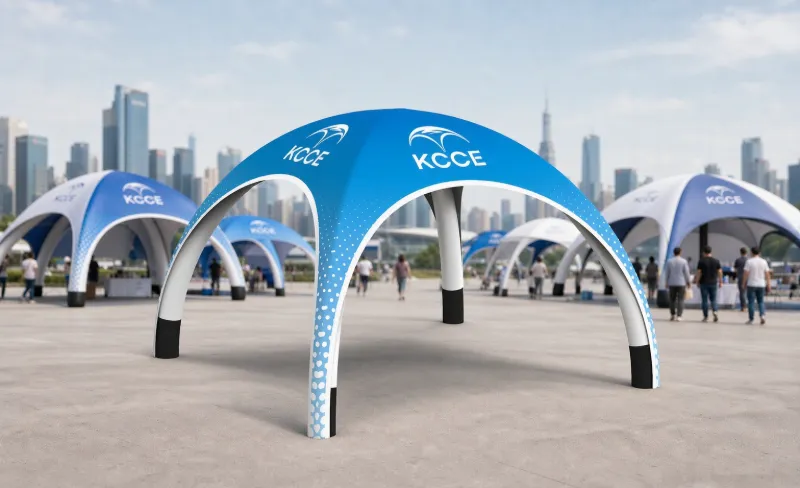
Frame-supported domes (sometimes called inflatable frame tents or blow-up frame structures) use inflatable beams or pillars to hold up a fabric canopy. Once those beams are inflated, the structure is self-supporting—you can turn off the blower and it stays standing. Think of it like an inflatable arch that holds up a tent roof.
The differences show up in practical ways:
- 비용: Air-locked domes are generally cheaper per square foot since the membrane doesn’t need internal structure
- Setup speed: Air-locked goes up faster—inflate the envelope and you’re done
- Wind resistance: Frame-supported structures typically handle wind better because they don’t rely on internal pressure to stay rigid
- 휴대성: Air-locked domes pack smaller since there are no rigid beams to store
- Energy cost: Air-locked domes need continuous power for the blower; frame-supported don’t
Now, I’m not going to claim one is universally better. The right answer depends on your use case from the previous section. A permanent sports dome that needs to handle snow loads? Probably air-locked with a powerful blower system and backup. A pop-up event space that moves between venues weekly? Frame-supported is usually the smarter play.
One thing worth noting: if you’re comparing rigid frame structures vs inflatable sports domes, the rigid frame will almost always win on durability but lose on portability and cost. Steel frames don’t collapse, but they also don’t fold into a truck bed. For most event applications, the inflatable option delivers about 80% of the durability at half the cost and a fraction of the setup time.
Sizing & Capacity: Don’t Guess, Calculate
Here’s where people get themselves into trouble. They eyeball a footprint, think “that looks about right,” and end up with a dome that’s either cavernous and wasteful or cramped and unusable.
A common guideline for event seating is roughly 10–15 square feet per person for seated events, and 6–8 square feet for standing receptions. For a sports dome, you’re not counting people as much as you’re counting playing surfaces—a tennis court needs about 7,200 square feet of clear floor space, plus buffer zones around the court lines.
But square footage isn’t the only number that matters. Ceiling height is the silent killer. A dome that’s 10 feet tall at the center might feel fine for a trade show booth, but try running a drone demo or installing stage rigging and you’ll quickly realize there’s no headroom. For most event applications, you want at least 12–15 feet at the peak, and more if you’re doing anything with lighting trusses or aerial acts.
The other dimension people forget is the door. If you’re moving equipment in and out—vehicles, machinery, large displays—you need to check the door opening size matches your logistics. I’ve seen domes delivered with 6-foot-wide doors when the client needed to drive a forklift inside. That’s a problem you can’t solve after delivery.
So here’s my advice: before you buy, make a list of everything that needs to fit inside the inflatable dome—people, equipment, vehicles, staging—and then add 20% buffer. That buffer accounts for the “we didn’t think of that” factor, which always shows up.
Material Quality: PVC Weight & Coating Explained
Not all inflatable dome materials are created equal, and the difference between cheap and quality fabric is often invisible to the untrained eye.
The most common metric is PVC weight, measured in grams per square meter. A 650g/sqm PVC is lighter and more flexible—good for portable applications where weight matters. An 850g/sqm PVC is heavier, stiffer, and more puncture-resistant—better for permanent installations or high-traffic environments.
But weight is only half the story. The coating matters just as much. Quality PVC fabric gets treated with UV inhibitors to prevent sun damage, fire retardants to meet safety codes, and sometimes anti-microbial treatments to prevent mold in humid climates. A cheap 850g fabric with poor UV treatment will degrade faster than a quality 650g fabric that’s properly protected.
Construction method is another differentiator. Welded seams are stronger and more airtight than stitched seams. For an air-locked dome, where you’re maintaining internal pressure, airtightness is critical—a poorly welded seam will leak air and force your blower to work harder, consuming more energy and shortening its lifespan.
For a PVC inflatable dome that sees regular use, I’d rather have a well-constructed 650g fabric with welded seams than a sloppy 850g fabric with stitched seams. The weight doesn’t matter if the construction is compromised.
One more thing: check the material’s fire retardancy rating. Most venues and municipalities require tents to meet specific fire safety standards. A dome that’s not rated for fire resistance won’t pass inspection, and you’ll be scrambling for a workaround—or worse, running an unapproved event.
Blower Systems: The Heart of the Structure
If you’re buying an air-locked dome, the blower isn’t an accessory—it’s the most critical component in the entire system. And it’s where a lot of buyers get burned.
The blower’s job is to maintain a specific internal pressure against external forces like wind. The required airflow, measured in CFM (cubic feet per minute), depends on the dome’s volume and the wind conditions it’ll face. A small event dome might need a 1–2 HP blower; a large sports dome could require 5 HP or more, depending on the design.
Here’s the thing nobody tells you: you need a backup. If your primary blower fails during an event, an air-locked dome collapses in minutes. That’s not hyperbole—it’s physics. The fabric has no internal structure; it’s only standing because of air pressure. Lose pressure, lose the dome.
For safety-critical applications, dual-blower setups are the industry standard. Two blowers run simultaneously, each capable of handling the load on its own. If one fails, the other keeps the structure standing while you swap in a replacement. It’s extra cost, but it’s cheap insurance compared to the alternative.
Power draw is another consideration. A 5 HP blower running 24/7 consumes a significant amount of electricity. Over a year, that’s thousands of dollars in energy costs—which is why some buyers opt for frame-supported structures that don’t need continuous airflow.
And don’t forget: blowers need maintenance. Filters need cleaning, belts need replacing, motors need servicing. A neglected blower is a failure waiting to happen, usually at the worst possible moment.
Anchoring & Weather: The “Gotcha” Most Buyers Miss
This is the section I wish every buyer would read twice, because it’s where the $50,000 mistake from the opening happens.
An inflatable dome without proper anchoring is a giant sail. Wind doesn’t just push it—it lifts it, twists it, and can flip it entirely. The anchoring system isn’t a suggestion; it’s the difference between a successful event and a disaster.
The right anchoring depends on your surface:
- Grass or soil: Ground stakes or auger anchors, driven deep enough to hold
- Concrete or asphalt: Weight bags or concrete ballasts—you can’t stake into pavement
- Sand: Specialized sand anchors that dig in and hold
Wind load ratings are the number that matters. A dome rated for 60 mph winds may fail in a 70 mph gust, according to some industry sources. Don’t buy a dome and assume it’ll handle whatever the weather throws at it—check the rating against your local conditions.
Snow load is the other silent killer. A dome rated for summer use might not survive a heavy snowfall. The weight of accumulated snow can collapse even a well-anchored structure. If you’re in a climate with real winters, you need a dome designed for snow loads, or you need a plan to clear snow regularly.
And here’s the part nobody likes: permits. Many municipalities require permits for temporary structures above a certain size. The permit process can take weeks, and it’s your responsibility—not the manufacturer’s—to get it right. I’ve seen events shut down by inspectors because the organizer didn’t pull the proper permit.
Budget: Total Cost of Ownership, Not Just Sticker Price
The sticker price of an inflatable dome is the least important number in the entire purchase. What matters is the total cost of ownership over the structure’s lifetime.
Let’s break it down:
- Initial cost: This is the number everyone focuses on, and it ranges from a few thousand dollars for a small event dome to hundreds of thousands for a large permanent structure
- Energy consumption: For air-locked domes, blower electricity is a recurring cost that can exceed the purchase price over a few years
- Repair kits and spare parts: Blowers fail, fabric gets punctured, valves wear out. Budget for maintenance
- Setup/teardown labor: Every time you install the dome, you’re paying someone to do it. Over many events, that adds up
Here’s a comparison that might surprise you. If you’re using a dome for a single one-day event, renting is almost always cheaper than buying. But if you’re using it regularly—say, 20+ events a year—the math flips, and ownership wins.
The decision framework is simple: divide the purchase price by the number of uses you expect over the dome’s lifetime. If that number is higher than the rental cost per event, rent. If it’s lower, buy.
And when you’re comparing quotes from different vendors, make sure you’re comparing apples to apples. A cheaper dome might have a lighter fabric, a weaker blower, or a less robust anchoring system. Those differences show up in the total cost of ownership, not the initial quote.
자주 묻는 질문
Q: How long do inflatable domes last?
A: With proper care, a quality PVC inflatable dome can last 10–15 years for permanent installations, according to industry claims. Portable domes that are frequently set up and torn down have shorter lifespans—typically 5–8 years—because the repeated folding stresses the fabric. UV exposure is the biggest factor in degradation, so proper storage and UV-resistant materials extend longevity significantly.
Q: What is the strongest dome shape?
A: The geodesic dome is often considered structurally the strongest shape for an inflatable structure. Its triangular lattice distributes stress evenly across the entire surface, making it highly resistant to wind and snow loads. This is why geodesic domes are the preferred choice for permanent installations in harsh climates, while simpler rounded shapes are more common in portable event domes.
Q: What are the downsides of a dome tent?
A: The main downsides are the lack of vertical walls—which reduces usable floor space near the edges—and the challenge of partitioning the interior into separate rooms. Air-locked domes also require continuous blower operation, which means ongoing energy costs and a failure risk. Frame-supported domes avoid the blower issue but are heavier and more complex to set up.
Q: 시장에서 가장 좋은 에어 텐트는 무엇인가요?
A: There’s no single “best” option—it depends on your use case. For events, look for a custom inflatable dome from a manufacturer with a track record of quality construction and reliable support. Companies like KCCE specialize in 인플레이터블 텐트 and can guide you toward the right configuration for your specific needs.
참고 문헌
1. Choosing the Right Material for Your Air Dome Structure – broadwelldome.com
2. Custom Inflatable Dome: 2026 Buyer’s Guide & Setup Secrets – kcce-event.com
3. Inflatable Dome Market Research Report 2034 – dataintelo.com
4. The Monolithic Dome – monolithic.org