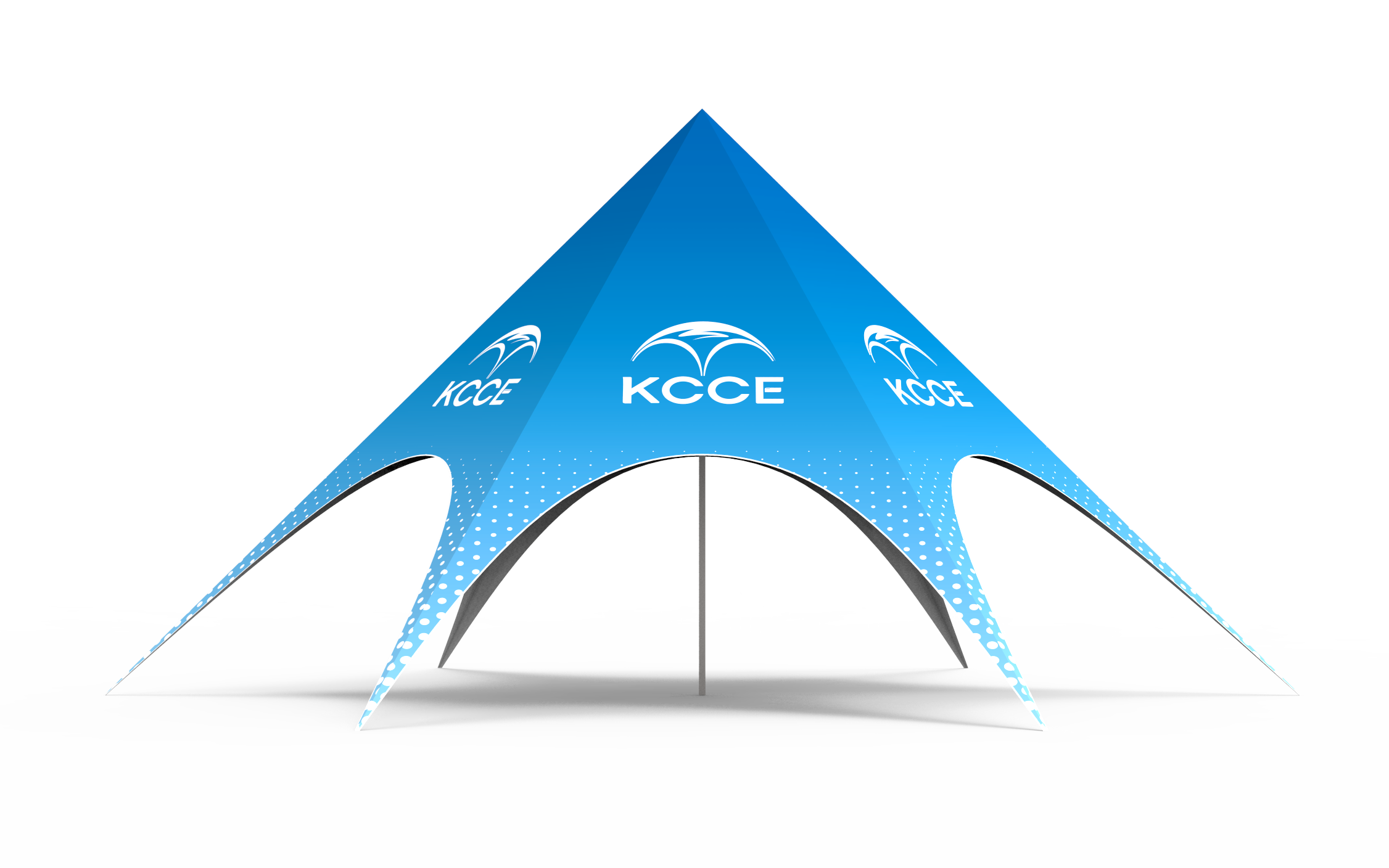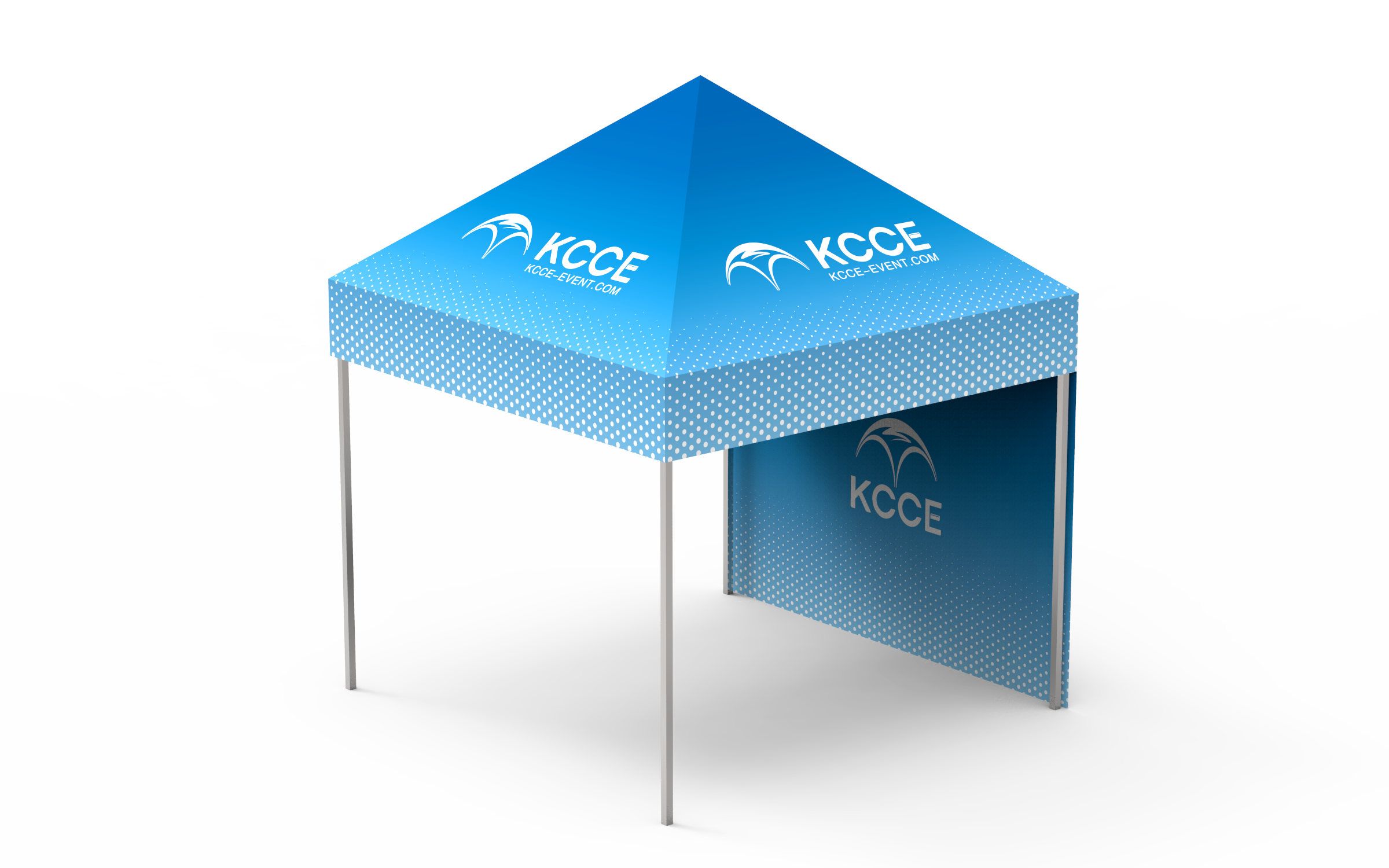
You spent real money on that 10×10 tent—maybe $300, maybe more if you went custom. Here’s the uncomfortable truth: Neglect it, and it’s dead in a short time. Treat it right, and it could last a long time. I’ve seen both outcomes dozens of times in my years around the event industry, and the difference almost never comes down to the tent itself. It comes down to maintenance. So let’s skip the generic “use mild soap” fluff you find on most blogs and get into the stuff that actually keeps a canopy alive.
빠른 답변
The single most important habit? Always dry it completely before folding and storing. Damp storage causes mold and fabric degradation that no cleaner can reverse. Everything else—cleaning, waterproofing, frame care—comes second to this one non-negotiable rule. And if you’re in the market for a shelter that’s built to shrug off the elements from day one, our airtight X tent review breaks down a design that’s been battle-tested since 2008.
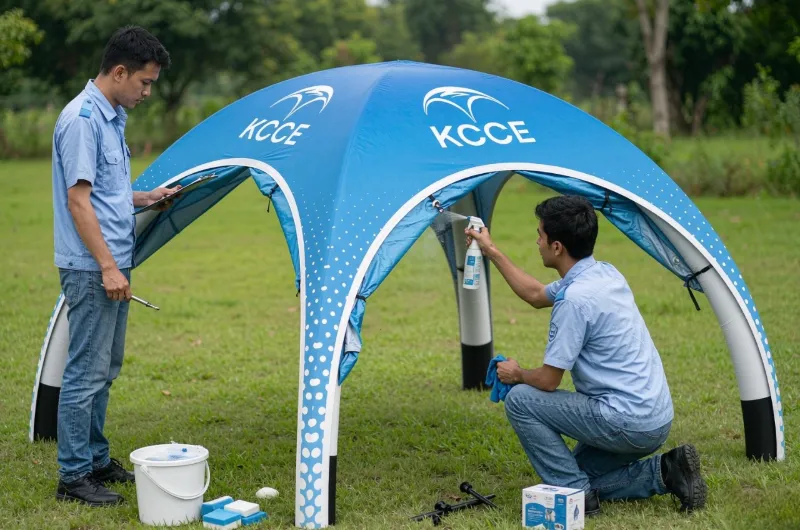
Why Your 10×10 Tent Dies Early (And How to Stop It)
Let’s talk about what actually kills canopy tents. It’s rarely one dramatic event. It’s a slow pile-up of small mistakes that compound over time.
UV damage is the silent killer. That sun you bought the canopy for in the first place? It’s also breaking down the fabric’s fibers and its waterproof coating, day after day. The damage is invisible at first—the fabric just feels a bit stiffer, the color fades slightly—until one day you notice the coating is flaking off and water soaks right through. Industry guidance from ABC Canopy stresses that regular cleaning is essential because canopies are constantly exposed to dirt, dust, and rainwater, and mold can affect both appearance and performance. But UV is the one element most owners forget to factor in.
Mold is the second killer. And here’s the thing—mold almost always starts because of improper storage. You pack up a slightly damp tent after an event, throw it in the bag, and forget about it for two weeks. When you open it again, you’ve got black spots and a musty smell that’s nearly impossible to fully eliminate. I’ve seen this exact scenario play out more times than I can count.
Improper folding creates permanent crease cracks. The fabric on a 10×10 canopy is engineered to flex, but it has limits. Repeatedly folding it the same way, along the same lines, while it’s under tension, will eventually cause the coating to crack along those creases. Once that happens, water finds its way in, and the degradation accelerates.
Frame corrosion is the fourth killer. Most 10×10 frames are steel or aluminum. Steel rusts when the protective coating gets scratched and moisture gets in. Aluminum corrodes more slowly but still suffers. And the joints—where the legs lock, where the trusses connect—those are the weak points. A little dirt and moisture in a joint, left for months, and suddenly your “easy up” canopy is a fight to open or close.
Now, let’s talk money. A decent replacement canopy cover for a 10×10 frame can cost a fair amount depending on the fabric and printing. A full replacement tent, if the frame is also shot, is even more expensive. Over five years, the math is stark: replace the tent twice because you didn’t maintain it, and you’re out a significant amount. Spend 10 minutes of maintenance after each event—cleaning, drying, checking the frame—and you might spend a modest amount on cleaning supplies and waterproofing spray over that same period. That’s a substantial savings. The maintenance approach wins, every single time.
The 5-Step Cleaning Routine for Your Canopy Tent
Cleaning a 10×10 tent canopy isn’t complicated, but the order of operations matters. Skip a step, and you’ll either push dirt deeper into the fabric or damage the coating. Here’s the routine I recommend, refined over years of trial and error.
Step 1: Dry Brush Before Anything Else
Before water touches your canopy, get a soft-bristled brush—a stiff broom works, but a softer brush is better—and gently sweep off loose dirt, dust, leaves, and debris. This is especially important if you’re cleaning canopy fabric after a dusty event or a windy day at the park. If you skip this step, you’re essentially grinding that abrasive grit into the fabric fibers with your wash water. Ten minutes of dry brushing saves you a lot of coating damage down the line.
Step 2: Choose Your Soap Wisely
Here’s where a lot of people go wrong. Dish soap like Dawn? It works in a pinch and it’s gentle enough for most canopy fabrics. But it’s not ideal—dish soaps can strip some of the water-repellent treatment over time. A specialized canopy cleaner is better because it’s formulated to clean without stripping the coating. If you’re looking to buy canopy cover cleaner, there are solid options from brands like 303 Products and Star Brite that are designed specifically for outdoor fabrics. That said, if you’re in a bind and the tent is just dusty, a mild dish soap diluted in cool water is acceptable. Just don’t make it your go-to every single time.
Step 3: Water Temperature Rules
Cool water. Always. This is non-negotiable. Hot water breaks down the waterproof coating on tent fabric—it softens the polymers and accelerates their degradation. I know it’s tempting to use warm water because it cuts through dirt better, but you’re trading a slightly easier clean for a permanently compromised waterproofing layer. Cool water and a bit of elbow grease is the right call. If the dirt is really stubborn, let the soap solution sit on the fabric for a few minutes before scrubbing gently.
Step 4: Rinse Technique—Low Pressure Only
When it’s time to rinse, use a garden hose with a gentle spray setting. Not a pressure washer. A pressure washer will blast the waterproof coating right off the fabric and can even force water through the stitching, which leads to interior mold. Keep the nozzle at least a foot away from the fabric and use a wide, fan-shaped spray. Work from the top down, and make sure all soap residue is gone—leftover soap attracts dirt and can leave streaks.
Step 5: Complete Drying—The Most Critical Step
This is where the tent’s fate is decided. You need to let the canopy dry completely before folding. Not “mostly dry.” Completely dry. In direct sunlight on a warm, breezy day, that might take a few hours. On a humid day, it could take much longer. I’ve seen the Zulumap guide on easy-up canopy maintenance emphasize that proper maintenance is what allows these tents to last for many years—and drying is the single most important part of that maintenance. Damp storage is what kills tents. If you fold a damp canopy, you’re creating the perfect environment for mold and mildew to take hold within days. The 24-hour rule is worth adopting: never fold the tent until at least 24 hours have passed since it got wet.
Can You Wash a Pop-Up Canopy in a Washing Machine?
This is one of the most common questions I get, and it’s also one of the most searched: can you wash a canopy cover in the washing machine? The answer is a firm, unequivocal no. Let me explain why.
The coating strips. The waterproof coating on your canopy fabric is not a permanent bond—it’s a treatment that sits on and partially in the fabric fibers. A washing machine’s agitation, combined with the spin cycle’s centrifugal force, will strip that coating faster than almost anything else. One machine wash can undo months of waterproofing effectiveness.
The frame rusts. Even if you remove the canopy cover from the frame before washing (which you should if you’re even considering this), the machine’s environment is hostile. The tumbling action stresses the fabric at the seams and hems, and any metal grommets or zippers will be battered against the drum. If you’re washing the whole pop-up canopy frame and all, you’re guaranteeing rust in the joints and moving parts.
The seams tear. Canopy fabric is sewn with heavy-duty thread, but the seams are still the weakest structural points. The machine’s agitation puts stress on those seams in ways they were never designed to handle. I’ve seen seam failures after just one machine wash.
So what’s the safer alternative for spot cleaning small areas? Hand washing, always. For a small stain or dirty spot, mix a little mild soap with cool water, dip a soft cloth or sponge in the solution, and gently dab the affected area. Rinse with a damp cloth, then let it air dry. For larger areas, lay the canopy flat on a clean surface and use a soft brush with your cleaning solution. It takes longer, but it doesn’t destroy your investment.
How to Remove Mold and Mildew From Tent Fabric
Alright, let’s say you’ve already made the mistake—you stored a damp tent, and now you’ve got mold. What actually works?
Vinegar is a solid first option. White vinegar, straight or diluted 50/50 with water, is a natural mold killer that’s gentle on fabric. Apply it to the affected areas, let it sit for 15–30 minutes, then scrub gently with a soft brush and rinse with cool water. It works on surface mold and helps neutralize the musty odor. The downside? Vinegar has a strong smell that lingers for a bit, though it dissipates once the fabric is completely dry.
Hydrogen peroxide is the next step up. A 3% hydrogen peroxide solution (the standard drugstore concentration) is more effective than vinegar on stubborn mold stains. It also has a mild bleaching effect, so test it on an inconspicuous area first to make sure it doesn’t discolor your fabric. Apply, let it bubble and sit for 10–15 minutes, then scrub and rinse.
Commercial mold removers designed for outdoor fabric—like those from 303 or Star Brite—are the most effective but also the most expensive. They’re formulated to kill mold spores at the root without damaging the fabric’s coating. If you’re dealing with a serious infestation, these are worth the money.
What about bleach? Here’s the hard truth: never use bleach on tent fabric. Bleach degrades the fabric fibers permanently. It doesn’t just remove the mold—it weakens the material to the point where it tears easily. Even a small amount of bleach can cause irreversible damage. The tent might look cleaner, but it’s structurally compromised. This is the worst option, full stop.
When is mold damage irreversible? If the mold has been growing for weeks or months, it may have eaten through the fabric’s structural integrity. Here’s a quick test: take the affected area between your fingers and gently pull. If the fabric stretches or tears easily, the fibers are compromised, and no amount of cleaning will save it. At that point, you’re looking at a replacement canopy cover. If the fabric holds firm and the mold is just surface-level, cleaning can save it.
How to Waterproof a Canopy Tent (Reapplication Guide)
Even with perfect care, the waterproof coating on your canopy will eventually wear off. UV exposure, cleaning, and general wear all take their toll. The good news? You can reapply it. Here’s how to know when and what to use.
The water bead test. This is the simplest way to check if your canopy needs re-waterproofing. Sprinkle a few drops of water on the fabric surface. If the water beads up and rolls off, the coating is still working. If the water soaks into the fabric or spreads into a wet patch, it’s time to reapply. Test a few spots, especially the top panels and the seams, since those take the most abuse.
Silicone-based vs. water-based waterproofing sprays. This is a real decision, and it matters. Silicone-based sprays are the heavy-duty option—they create a stronger, longer-lasting water barrier. They’re ideal for canopies that see frequent rain or are left set up for extended periods. The downside is that they can alter the fabric’s breathability and are harder to apply evenly. Water-based sprays are easier to apply, more environmentally friendly, and won’t affect breathability as much, but they need more frequent reapplication. For most 10×10 canopy owners who use their tent for weekend events, a good water-based spray is sufficient. If your tent lives outside or sees serious weather, go with silicone-based.
Coverage and application. Plan on applying 2–3 coats for adequate protection. Spray evenly from about 6–8 inches away… Let each coat dry completely—usually a few hours depending on humidity… After the final coat, let the tent cure for a full 24 hours before exposing it to rain. The lifespan of a reapplication varies, but with moderate use, you can expect several months of protection before you need to reapply.derate use, you can expect 6–12 months of protection before you need to reapply. And when you’re shopping for the best waterproofing spray for canopy, look for products specifically labeled for outdoor fabric or tent use—general-purpose waterproofers may not bond well with canopy material.
How to Dry and Store a 10×10 Tent Properly
You’ve heard me say it already, but it bears repeating: drying and storage are where tents go to die. Let me give you the full picture.
The 24-hour rule. If your canopy got wet—from rain, from cleaning, from morning dew—do not fold it until at least 24 hours have passed. This isn’t about the fabric feeling dry to the touch; it’s about the moisture that’s trapped in the seams, the hems, and the fabric fibers themselves. That trapped moisture is what causes mold to develop during storage. Give it a full day, ideally in a breezy, shaded area. Direct sun will dry it faster but can fade the fabric, so shade is the better choice.
Folding technique matters. The way you fold your canopy affects where creases form, and creases are where the coating cracks. Try to vary your folding pattern slightly each time so the fabric doesn’t develop deep, permanent creases along the same lines. When you’re folding, don’t force the fabric—let it settle naturally. And never fold the tent while the fabric is cold and stiff, as that increases the risk of cracking.
Storage environment. Your canopy wants a cool, dry place away from direct sunlight. A closet, a shelf in your garage, or a storage room all work. What doesn’t work? Leaving it in your car. The heat inside a parked car—especially in summer—accelerates UV and heat damage to the fabric and can warp plastic components on the frame. And don’t store it in a damp basement or an unconditioned shed where humidity is high. If you’re storing the tent for a long period, consider loosening the frame’s tension slightly and storing it in its carry bag, but not compressed under heavy items.
One more thing: before storage, give the frame a quick wipe-down. Dirt and moisture on the metal parts will cause corrosion over time, especially at the joints. A dry cloth is all you need. This is part of the canopy frame rust prevention that too many owners skip.
Repair vs. Replace: A Decision Framework for Damaged Tents
At some point, you’ll face a damaged tent and need to decide: fix it or replace it? Here’s my framework.
Tear size and location. Small tears—under an inch or so—in the fabric’s main panels are patchable. You can use a tent repair tape or a patch kit designed for outdoor fabric. Apply the patch to both sides of the tear for maximum strength. Tears at the seams are trickier; if the seam itself is failing, you might need to re-stitch it, which requires a heavy-duty sewing machine. If you’re not confident in your sewing skills, this might be a job for a professional. Tears larger than a few inches, especially in high-stress areas like the corners where the frame attaches, are usually fatal. The fabric’s structural integrity is compromised, and a patch won’t hold under the tension of a fully erected tent.
Frame damage. Bent poles are the most common frame issue. A slight bend might be workable—you can sometimes carefully bend it back—but a severe bend or a kink means the pole’s structural strength is compromised. Replacement poles are often available from the manufacturer or through canopy parts suppliers. Rusted joints are a different story. If the locking mechanisms or the joints where poles connect are rusted, they’ll eventually fail at the worst possible moment. Rusted joints can sometimes be cleaned and lubricated, but if the corrosion is deep, replacement is the safer call.
Mold severity thresholds. If you’ve got surface mold that cleans up well and the fabric passes the integrity test I mentioned earlier, you’re fine. If the mold has spread across large areas and the fabric feels weak, it’s time to replace. Mold that’s been growing for months can compromise the fabric’s structural integrity even if it looks clean after treatment.
The decision rule of thumb: if the repair costs more than 50% of a replacement canopy cover, just replace it. A new canopy cover for a 10×10 frame is usually $80–$150, and a full replacement tent is $250–$400. Spending $100 to fix a tent that’s already on its last legs isn’t smart money. Sometimes, the best maintenance is knowing when to let go. And if you’re replacing the whole setup, consider whether a more durable design—like the one covered in our Air Tight X tent review—might save you this headache next time.
Recommended Maintenance Products for Your Canopy Tent
Let me give you some concrete product recommendations based on what I’ve seen work in the field. These aren’t the only options, but they’re the ones I trust.
For cleaning: 303 Products makes a line of cleaners specifically for outdoor fabrics—their Multi-Surface Cleaner is a solid all-around choice. Star Brite’s Outdoor Fabric Cleaner is another good option, especially for heavier stains. Both are available on Amazon and at most outdoor retailers. If you’re looking for a canopy cleaning kit, some brands sell bundles that include cleaner, waterproofing spray, and a soft brush—these are convenient and often cheaper than buying separately.
For waterproofing: 303 Fabric Guard is one of the most popular and effective waterproofing sprays on the market. It’s water-based, easy to apply, and works well on most canopy fabrics. Nikwax Tent & Gear Solarproof is another excellent option—it combines waterproofing with UV protection, which is a smart two-for-one. For silicone-based options, look at products from Gear Aid or McNett.
For mold removal: Star Brite’s Mold & Mildew Remover is specifically formulated for outdoor fabrics and is effective on stubborn mold. 303 also has a Mold & Mildew Cleaner that’s gentler on fabric while still getting the job done.
For replacement parts: If you need a replacement canopy cover for your 10×10 frame, check with the original manufacturer first—they’ll have the exact fit. If that’s not an option, companies like ABC Canopy and other specialty retailers sell universal replacement covers that fit standard 10×10 frames. Replacement poles and frame parts are also available through these channels.
One note on storage and transport: if you’re using your canopy for events frequently, consider a wheeled carry bag. Dragging the tent bag across pavement will eventually wear through the fabric, and a wheeled bag protects your investment. The Zulumap guide on easy-up canopies notes that choosing the right canopy for your needs is the first step in longevity—and that includes how you’ll transport it. If you’re in the market for a more permanent solution, KCCE’s 인플레이터블 텐트 offer a different approach to setup and teardown that some event planners find easier on the gear.
자주 묻는 질문
Q: How durable are 10×10 canopies in wind?
A: Most standard 10×10 canopies are rated for light to moderate wind—roughly 15–25 mph—but this varies by brand and construction quality. In gusty conditions, you need proper anchoring. Industry guidance from Westshade emphasizes that adequate weight and anchoring are essential for wind safety. For heavier winds, consider additional stakes, sandbags, or weights on each leg. Some premium canopies handle more, but no canopy is truly windproof.
Q: How to keep a tent cool in 90 degree weather?
A: In extreme heat, your canopy’s primary job is shade, but airflow matters too. Set up sidewalls to block low-angle sun while leaving open sides for cross-ventilation. Position the tent to maximize shade during peak heat hours. Light-colored fabric reflects more heat than dark colors. Some users add a portable fan or misting system underneath for extra cooling. Remember that a well-maintained canopy with intact fabric provides better shade than one with UV-damaged, thinning material.
Q: Do tents go bad if not used?
A: Yes, even unused tents degrade. UV exposure from light hitting the fabric, temperature fluctuations, and humidity all take their toll. A canopy stored in a hot garage or left in a car will degrade faster than one stored in a cool, dark place. The waterproof coating breaks down over time regardless of use. Check your stored tent every few months, and reapply waterproofing if the water bead test fails. Proper storage extends life, but nothing lasts forever.
Q: Can I use Dawn to wash my tent?
A: In a pinch, yes—Dawn dish soap is gentle enough for occasional canopy cleaning. But it’s not ideal for regular use because dish soaps can gradually strip the water-repellent coating. For routine cleaning, use a product specifically designed for outdoor fabric, like those from 303 or Star Brite. If you do use Dawn, dilute it well in cool water, rinse thoroughly, and reapply waterproofing spray afterward if needed.
참고 문헌
1. How to Care for Your Custom Canopy Tent: Cleaning and … – brandedcanopytents.com
2. How Much Weight to Hold Down a Canopy? (Windproof … – westshade.com
3. Extending the Lifespan of Your canopy: 5 Key Maintenance … – abccanopy.com
4. Easy Up Canopies Tips for Maintenance and Longevity – zulumap.com