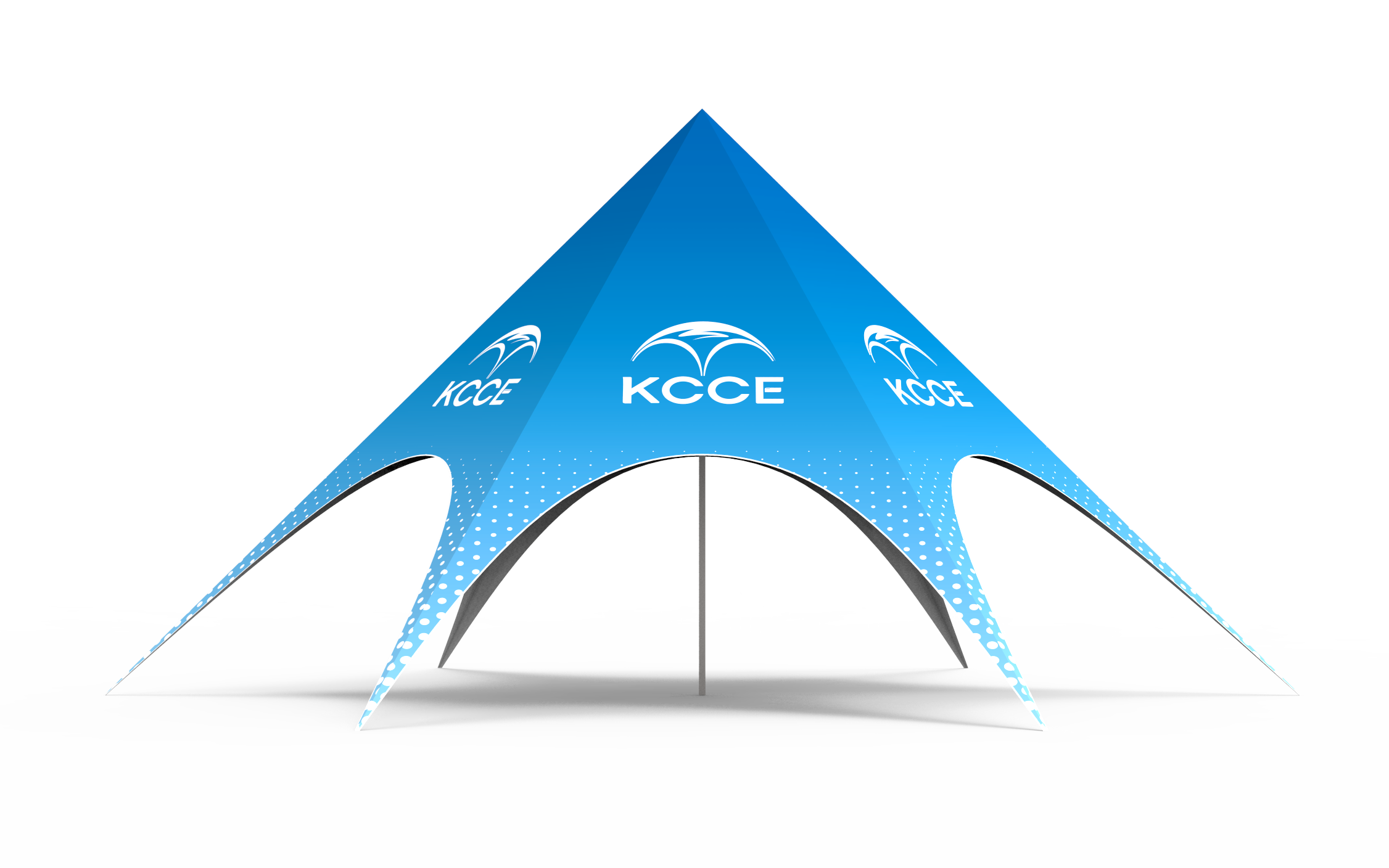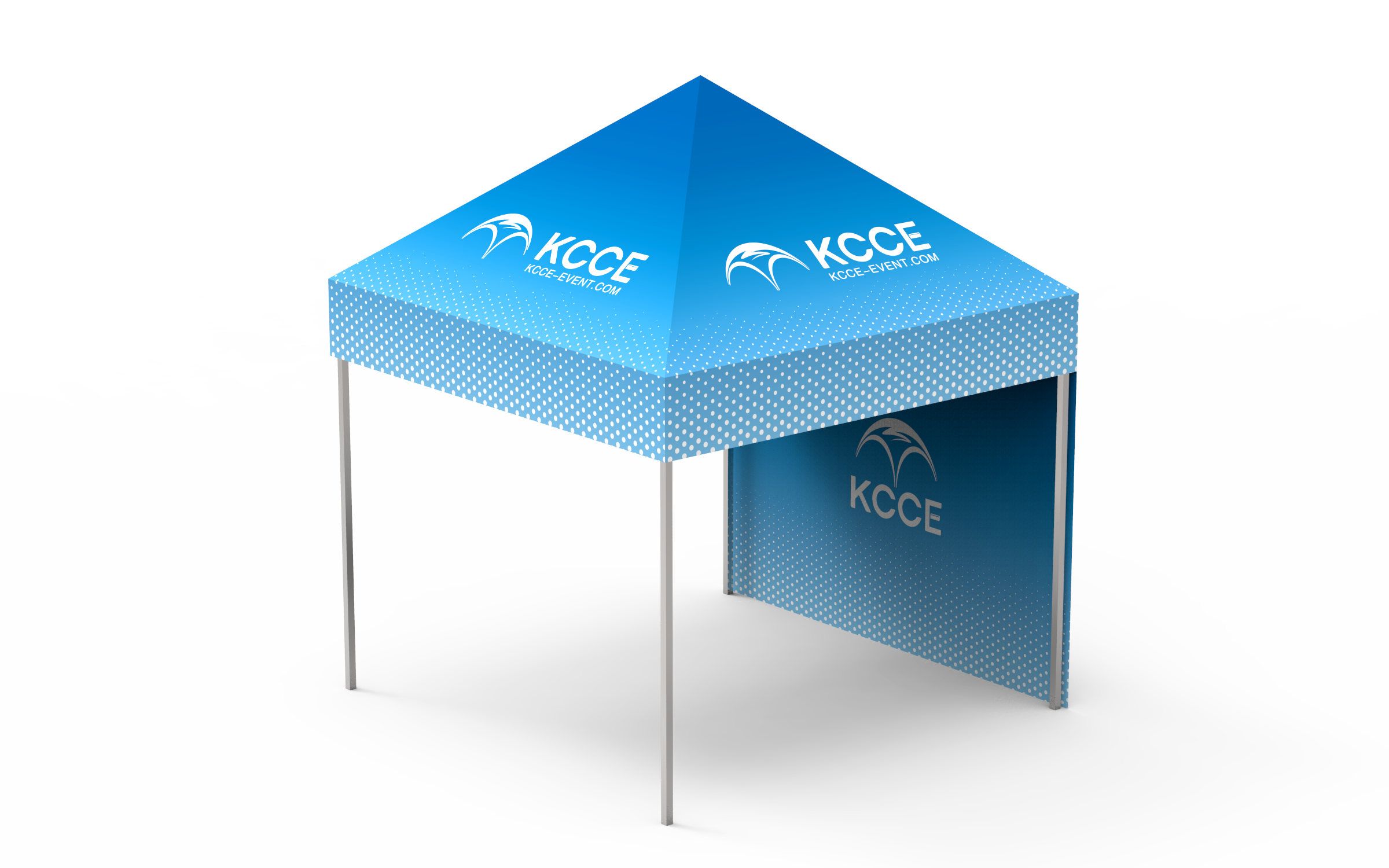
Can You Add a Built-In Air Pump to an Inflatable Advertising Tent?
Short answer: yes. You can absolutely add a built-in air pump to an inflatable advertising tent, and more and more suppliers now offer it as a factory option rather than something you bolt on later. If you’ve ever dragged a separate blower across a muddy field at 6 a.m. while your crew stands around waiting, you already know why this question keeps coming up.
I’ve been around inflatable event products long enough to watch this shift happen. The pain point is real — hauling an external blower means extra weight, extra cables, extra things to forget in the van. An integrated pump changes that math. But before you spec one into your next order, you need to understand the engineering tradeoffs, because “built-in” means different things depending on the tent design.
クイックアンサー
Yes, you can add a built-in air pump to an inflatable advertising tent. It can be integrated at the factory during manufacturing or retrofitted afterward. Feasibility depends on whether your tent uses sealed air beams or continuous airflow, since each design needs a different pump type, mounting method, and power setup.
How Built-In Pump Systems Actually Work
Here’s where most buyers get confused. Not all inflatable tents inflate the same way, and the pump you need depends entirely on which camp your tent falls into.
Sealed air beam tents (sometimes called airtight or air-sealed) hold pressure inside closed chambers. You inflate once, cap it, and walk away. No power needed during the event. These are the true “self-inflating tent” candidates — a small integrated pump fills the beams, then shuts off. This is the design most people picture when they ask about a built-in pump.
Continuous airflow tents work differently. A blower runs constantly to keep the structure pressurized. The moment power cuts, the tent starts to sag. These are the classic “external blower inflatable tent” setups, and honestly, they’re still the majority of large advertising tents on the market.
So which one gets a built-in pump? Both can. But the mounting and the pump type differ:
- Sewn base mount — the pump housing is stitched into the tent’s base skirt. Clean look, but harder to service.
- Zippered pocket — the pump sits in a dedicated pocket you can unzip and access. My preference, every time, because field replacement becomes a five-minute job instead of a return-to-factory nightmare.
- External housing — the pump bolts onto the tent frame or a mounting plate. Least elegant, easiest to swap.
When you’re comparing suppliers, ask for the CFM (cubic feet per minute) rating of the integrated pump. CFM tells you how fast it fills the volume — a higher number inflates faster but usually draws more power and runs louder. There’s no universal “best” CFM; it depends on your tent’s internal volume. A small promotional tent might fill fine with a low-CFM pump, while a large marquee needs serious airflow.
Built-In Pump vs. External Blower: An Honest Comparison
I’ll be straight with you — built-in isn’t automatically better. It depends on how you use the tent. Here’s how the two stack up:
| 要因 | Built-In Pump | External Blower |
|---|---|---|
| セットアップ時間 | Faster — one unit, one power connection | Slower — separate blower, hose, extra cable |
| Unit cost | Higher upfront | Lower upfront |
| Transport weight | Consolidated, fewer loose parts | Extra blower adds bulk and weight |
| Power draw | Depends on pump size; sealed tents draw nothing after inflation | Continuous draw during the whole event |
| Noise | Lower, especially sealed-beam designs | Constant blower hum |
| Failure impact | Tent unusable until pump fixed or swapped | Swap in a spare blower, back in business |
| Field serviceability | Varies — pocket/bolt-on designs are easy, sewn-in is not | Very easy, blowers are standard parts |
Notice that last row. This is the part suppliers gloss over. A built-in pump is convenient right up until it fails, and then convenience works against you if it’s sewn into a seam you can’t reach.
The continuous-airflow crowd will tell you external blowers win on reliability, and they’re not wrong — a spare blower is cheap insurance. But the sealed-beam crowd counters that no power means no failure risk at all during the event. Both arguments hold. It comes down to your event profile.
When a Built-In Pump Is Worth It (and When It’s Not)
From what I’ve seen working with event teams, the built-in pump pays off in specific scenarios:
Worth it:
- Rapid-deploy events where your crew is small and every minute of advertising tent setup time カウント
- Rental operations that turn tents around fast between bookings
- Marketing agencies running roadshows where the same tent moves city to city
- Trade show booths where you’re setting up indoors and want a clean, cable-light footprint
Not worth it:
- Large marquee tents — the pump needed to fill that volume gets heavy and power-hungry, and an external blower is often the smarter call
- Budget builds where the cost premium eats your margin
- One-off events where you set up once and leave it standing for days
You might be wondering about the middle ground — medium tents used occasionally. My take: if you set up more than a handful of times a year, the labor savings start to justify the unit cost. If it’s a once-a-season thing, save the money.
What to Ask a Supplier Before You Buy
This is where I’d push back on any built-in pump inflatable tent supplier that gives you vague answers. Bring this checklist to the quote conversation:
- CFM rating of the integrated pump, and the internal volume it’s rated to fill
- Voltage and plug type — 110V, 220V, or 12V DC for vehicle-powered setups
- Noise level in dB — matters if you’re inflating near a speaking stage
- Power draw in amps — so you can size your generator or circuit correctly
- Redundancy design — is there a manual inflation port as backup?
- Field-replaceability — can the pump be swapped on-site, or does it require factory service?
- Fabric spec — PVC versus Oxford makes a difference in how well the tent holds pressure over time
A supplier who can’t answer these clearly is a supplier who hasn’t thought hard about the product. That tells you something.
If you’re sourcing from a manufacturer with real production depth — like KCCE’s inflatable tent range, built by Dacheng outdoor products LTD. which has been manufacturing inflatable advertising products since 2006 out of a facility — you can usually get these specs documented rather than guessed at. That company’s products carry CE and RoHS compliance and ship internationally, which at least tells you they’ve handled international spec requirements before.
Failure Modes and Redundancy: The Question Nobody Answers
Here’s the thing that bugs me about most articles on this topic. They sell you the convenience and skip the failure modes. Let’s fix that.
When an inflatable tent pump failure happens — and it will, eventually — you’ve got three realistic backup paths:
- Manual inflation port. A Schrader or similar valve lets you top up with a hand or foot pump. Slow, but it saves the event. Insist on this.
- Spare pump. If your design uses a pocket or bolt-on mount, carry a spare. This is the single best insurance you can buy.
- Field-swap design. Buy tents where the pump is a replaceable module, not a permanent fixture. Ask specifically: “Can my crew swap this in the field?”
There’s also the battery-aging issue nobody talks about. If you go with an internal battery-powered inflater, that battery degrades over storage. A pump that worked great year one might struggle year three. For long-term reliability, a corded pump with a manual backup beats a battery unit you can’t easily replace.
And durability — the social media complaints are real. Users report inflatable tents “losing air as they get older,” and that’s usually seams and valves, not the pump itself. But a failing pump accelerates the problem because you can’t maintain pressure. Which is exactly why redundancy isn’t optional on a tent you rely on.
Can You Retrofit a Built-in Air Pump? Feasibility and Methods
Retrofitting is doable, but only if your tent uses sealed air beams. Continuous-airflow tents need constant blower pressure, so a small integrated pump won’t hold them up — you’d be downgrading, not upgrading.
For sealed-beam tents, the practical retrofit is a low-pressure, high-volume pump (typically 12V, 0.5–1.5 PSI, 300–600 L/min) mounted in a zippered pocket sewn onto the base skirt by a canvas or awning shop. Budget for parts and a few hours of shop labor. A simpler bolt-on route uses an external housing clamped to the frame — ugly but swappable in minutes.
Two hard limits: don’t exceed the beam’s rated pressure (usually 1.5–2.5 PSI), and don’t puncture the beam wall to route wiring. Run cables through the skirt hem instead. If your tent is older than about five years, check seam integrity first — a retrofit pump will expose weak welds fast.
Electric Pump Selection Guide for Inflatable Tents (Pressure, Flow, Power)
Match three numbers to your tent, not to a spec sheet.
Pressure (PSI): Sealed air beams need 1–2.5 PSI. Continuous-airflow tents need 0.3–0.8 PSI but high sustained flow. Buying a 15 PSI pump for an air beam is a common and expensive mistake — it will rupture seams.
Flow (CFM/L-min): A 3×3 m sealed tent holds a volume in the range commonly cited for such tents. A 400 L/min pump fills it in a few minutes. A 6×6 m marquee needs a higher-flow pump or you’ll stand there for a long time.
Power: 12V DC pumps draw a modest current — fine from a vehicle or a small battery. 220–240V AC pumps draw a moderate amount of power and need a generator or mains. For outdoor ad events, I default to 12V with a lithium jump pack as backup.
Manual Pump vs Electric Pump: Why Electric Wins for Advertising Tents
For a one-off camping trip, a manual pump is fine. For advertising tents, it isn’t close.
A 3×3 m sealed ad tent takes many strokes with a manual barrel pump — a considerable amount of work, per tent. Set up ten at a trade show and you’ve burned two hours of crew time. An electric pump does the same job in 4–6 minutes with one person.
More importantly, manual pumps can’t hold consistent pressure across multiple units. Advertising tents are judged on how crisp the branding looks — a sagging beam reads as cheap. Electric pumps hit target pressure repeatably, which matters when a client is photographing the setup.
Inflatable Advertising Tents vs Pop-Up Tents: Setup, Portability, Branding, Cost
| 要因 | Inflatable (built-in pump) | Pop-Up |
|---|---|---|
| セットアップ時間 | 5–10 min per unit | 2–3 min |
| 梱包サイズ | Bulkier | ライター |
| Branding area | Full wrap, curved surfaces, 360° | Flat walls, limited |
| 風抵抗 | Better — flexes and recovers | Frames bend in gusts |
| Unit cost | 高い | 低い |
| Crew needed | 1–2 | 1 |
Pop-ups win on speed. Inflatables win on branding surface and wind behavior — a genuine advantage at coastal or exposed venues where pop-up frames fail.
Maintenance, Safety, and Legal Considerations for Built-in Air Pumps
Three things bite people: electrical safety, pressure limits, and event permitting.
Electrical: Outdoor pumps must be IP44 or better and fed through a 30mA RCD (residual current device). In the EU, pumps fall under the Low Voltage Directive 2014/35/EU and must carry CE marking; UK units need UKCA. US buyers should look for UL or ETL listing.
Pressure: Never exceed the beam’s rated PSI — typically 1.5–2.5 PSI for sealed beams. Fit a pressure-relief valve (usually 2.5–3 PSI crack pressure) if the pump doesn’t have one. Overpressure is the number one cause of seam failure I see.
Legal/event: Many venues require a fire certificate to EN 13501-1 (B-s1,d0) or NFPA 701 for the tent fabric, plus a documented electrical inspection. Check local wind-load rules — some jurisdictions cap inflatable structures at certain wind speeds regardless of anchoring.
よくある質問(FAQ)
Q: Can an inflatable tent have a built-in air pump?
A: Yes. Many manufacturers now offer integrated air pump inflatable tents as a factory option, and some designs can be retrofitted. The key question is whether your tent uses sealed air beams or continuous airflow, since each requires a different pump type and mounting approach.
Q: How does a self-inflating tent work?
A: A self-inflating advertising tent uses a built-in pump to fill sealed air chambers, then shuts off once pressure is reached. No power is needed during the event because the chambers hold pressure on their own. This is different from continuous-airflow tents, which need a blower running the whole time.
Q: What’s the difference between a built-in pump and an external blower?
A: A built-in pump is integrated into the tent — faster setup, fewer loose parts, but harder to service if it fails. An external blower inflatable tent uses a separate unit that keeps the structure pressurized continuously; it’s easier to swap but adds weight, cables, and constant noise.
Q: How long does inflation take?
A: It depends on the pump’s CFM rating and the tent’s internal volume. Higher CFM fills faster but draws more power and runs louder. Ask your supplier for the pump’s rated fill time for your specific tent size rather than accepting a generic estimate.
Q: Do inflatable tents need continuous airflow?
A: Only continuous-airflow designs do. Sealed air beam tents hold pressure without power. If your event has unreliable power or you want a silent setup, a sealed-beam tent with a built-in pump is the better choice.
Q: Are built-in pump tents more expensive?
A: Generally yes — the integrated pump adds unit cost. But the setup-labor savings can offset that over repeated events. If you deploy frequently with a small crew, the math usually favors built-in. For one-off events, an external blower is often cheaper.
Q: What happens if the built-in pump fails?
A: Without a backup, the tent becomes unusable. That’s why you should insist on a manual inflation port, carry a spare pump where the design allows, and choose field-swappable pump modules over permanently sewn-in units.
Q: How do I choose an inflatable advertising tent with a self-contained pump?
A: Start with a spec checklist: CFM, voltage, noise in dB, power draw, redundancy, and field-replaceability. Then match the tent design — sealed beam or continuous airflow — to your event profile. A supplier who documents these specs clearly is worth the premium.
結論
The one insight I’d leave you with: a built-in air pump isn’t a feature, it’s a trade. You’re swapping higher unit cost for lower setup labor, and you’re accepting a single point of failure in exchange for convenience. Whether that trade makes sense depends entirely on how often you deploy and how big your crew is. Bring the spec checklist to your next supplier quote, ask hard questions about redundancy, and let your event frequency make the call.
参考文献
1. Is It Possible To Add A Built-in Air Pump To The Inflatable Advertising Tent – kcce-event.com
2. Top 10 Inflatable Marketing Products in 2024 – mvpvisuals.com
3. Advertising inflatables and promotional inflatable gazebos – mastertent.com
4. Dacheng outdoor products LTD. (KCCE) Company Profile – kcceinflatable.en.made-in-china.com