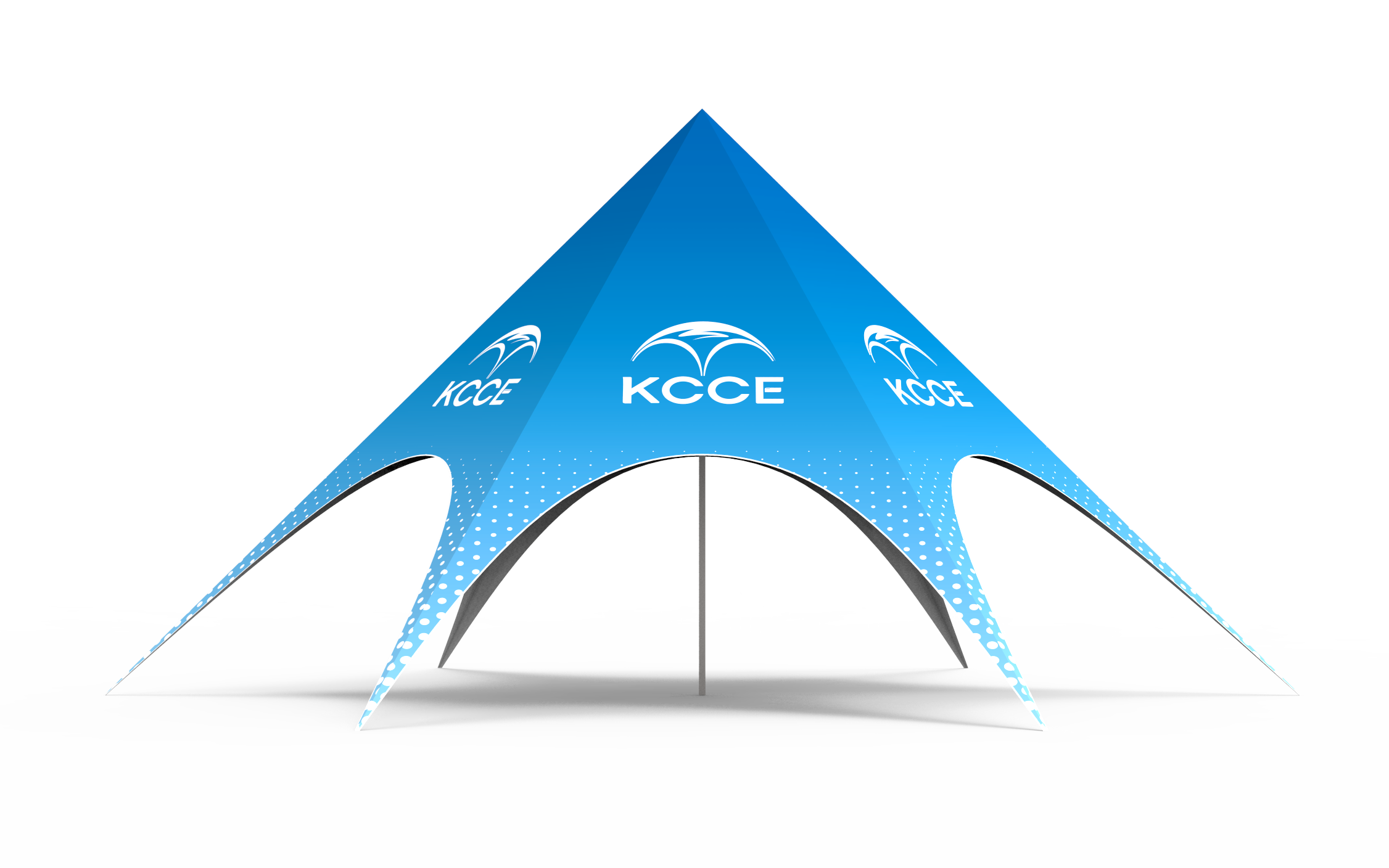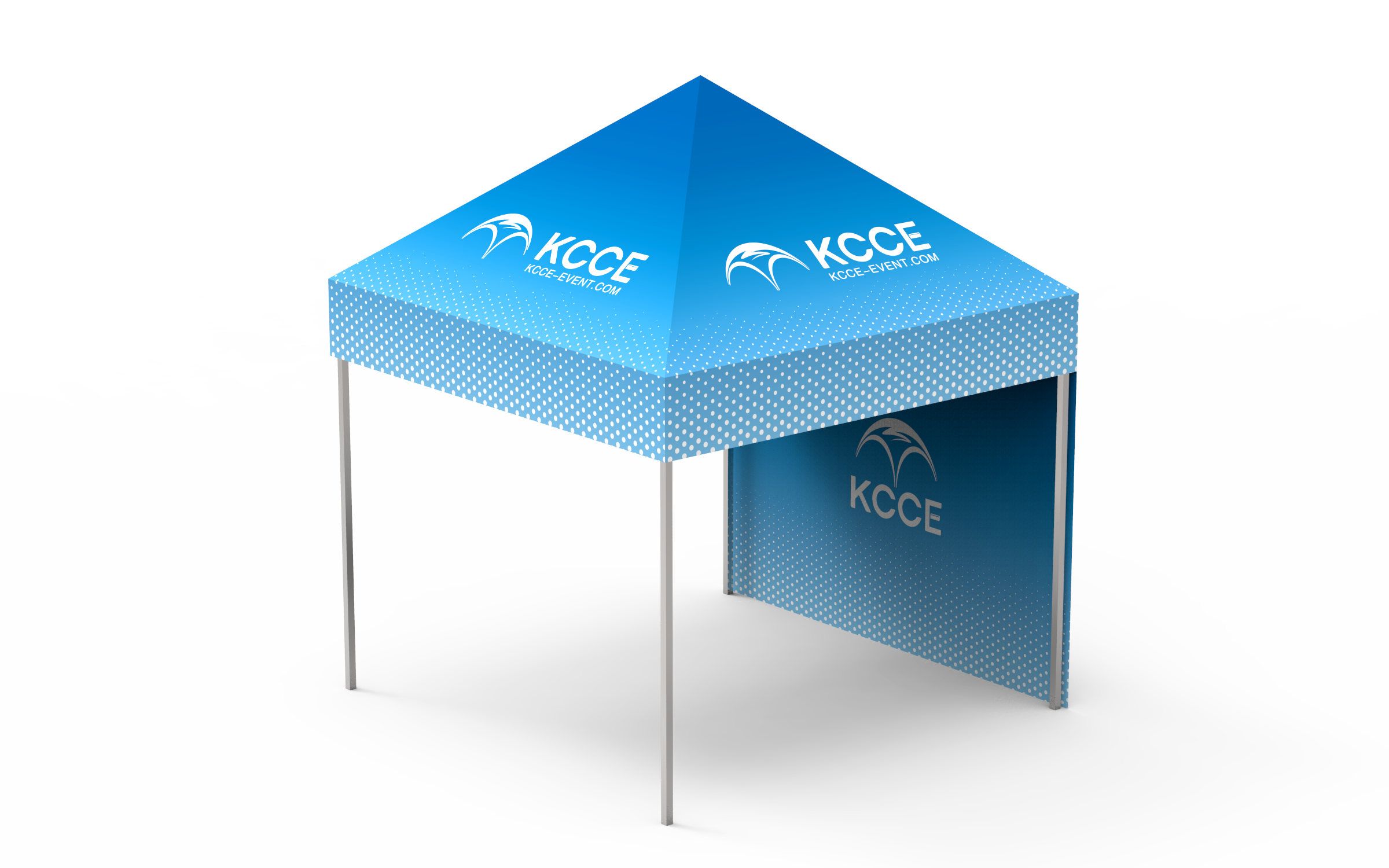
Most buyers do the same thing: fire off five emails, get five PDFs back, and still have no idea which inflatable commercial tents are actually worth the money. I’ve watched event managers do this for years. The catalogs all look the same — glossy photos, a size chart, a price. Nobody tells you what happens when the blower dies at 6 p.m. on day two of a trade show. That’s the gap I want to close here. Sizing, wind limits, real cost, and how to vet a vendor before you wire a deposit.
クイックアンサー
An inflatable commercial tent is a constant-blower structure made from PVC or heavy Oxford cloth, sized from 10×10 up to 20×20 and beyond, built for repeat commercial use rather than backyard camping. Expect to pay for the tent, the blower, anchoring hardware, and shipping separately — and always check the wind rating before you buy.
What Is an Inflatable Commercial Tent?
An inflatable commercial tent is a large, air-supported structure used for events, activations, and trade shows. A constant blower keeps the tubes pressurized, and the walls are typically PVC or coated Oxford cloth. Unlike consumer backyard tents, commercial-grade units are built for repeated setup, higher wind loads, and heavy branding.
That last part matters more than people think. A consumer tent is designed to survive a weekend. A commercial one is designed to survive a season — or five. The seams are reinforced differently, the material weight is different, and the blower is rated for continuous duty rather than a few hours.
Now, there are two basic designs you’ll run into. Constant-blower tents stay inflated because a blower runs the whole time. Sealed-air tents (sometimes called airtight) get inflated once and hold pressure without power. The Air Tight X Tent is a good example of the sealed-air approach — it has been in production for years. and the appeal is obvious: no power, no tent-killing dependency. But sealed-air units cost more and repair is fussier. Constant-blower is the workhorse for most commercial work.
Speaking of which — if you’re searching for inflatable commercial tents near me, understand that most of what you’ll find locally is rental inventory, not sale. Manufacturers ship direct.
Size, Material & Blower Specs Compared
Here’s where most quotes fall apart. Vendors quote a size and a price, and you’re left guessing what’s inside. Let me break down the three sizes that cover 90% of commercial orders.
| サイズ | Typical Capacity | Common Material | ブロワー | Price Band |
|---|---|---|---|---|
| 10×10 (Inflatable Canopy 10×10) | 8–12 people standing, small sampling booth | 210D–420D Oxford or light PVC | 110V/220V, ~350–550 CFM | Entry tier |
| 10×20 | 20–30 people, retail display or activation | 420D Oxford or PVC-coated | 110V/220V, ~550–750 CFM | Mid tier |
| 20×20 | 40–60 people, festival or trade show footprint | Heavy PVC or reinforced Oxford | 110V/220V, ~750+ CFM | Upper tier |
A few things I’d flag. First, PVC versus Oxford cloth isn’t a “which is better” question — it’s a use question. PVC handles moisture and repeated folding better and takes print beautifully, but it’s heavier. Oxford cloth packs smaller and ships cheaper, but it’s less forgiving over years of use. If you’re hauling the tent to 20 events a year, PVC usually wins on total cost. If it’s three events a year and storage is tight, Oxford makes sense.
Second, the blower. This is the part buyers undervalue most. A 10×10 needs meaningfully less CFM than a 20×20 — undersize the blower and the tent sags in wind, which is exactly when you don’t want sag. Match CFM to size, and confirm the voltage matches your event location. 110V for North America, 220V for Europe and much of Asia. Get this wrong and you’re renting a generator you didn’t budget for.
Third — and this is my honest take — the size chart is a starting point, not a spec. Match the footprint to your guest count と your booth space. A 20×20 that doesn’t fit your allotted 10×20 booth is a very expensive mistake.
Are Inflatable Commercial Tents Any Good?
Short answer: yes, for the right job. But “any good” depends entirely on whether your event matches what these structures are built to do.
The pros, honestly:
- Branding surface. This is the real reason brands buy them. A custom branded tent gives you a full wrap — walls, roof, everything — which a frame tent simply can’t match. TentCraft, a US manufacturer, notes that inflatable tents give brands a lightweight, visually distinctive way to create sampling spaces, retail displays, and outdoor event environments, and that customers specifically cite the style and silhouette as a good fit for high-energy athletic events, motorsport activations, and music festivals. That tracks with what I see.
- 設営スピード。 Two people can stand a mid-size unit in well under an hour. A comparable frame tent is a longer, more labor-intensive job.
- 移植性。 Deflated, these pack into a bag or case. That’s a genuine advantage over rigid structures.
The cons, and I won’t sugarcoat these:
- Power dependency. No power, no tent. This is the number one complaint I hear, and it’s fair. If your venue can’t guarantee a circuit, you need a backup plan — a generator, or a sealed-air unit.
- Wind limits. These are not hurricane shelters. There’s a real ceiling, and I’ll get into it below.
- Blower noise. A constant blower hums. For a music festival, nobody notices. For a quiet brand activation with a video presentation, it’s a problem.
- Leaks. If a constant-blower tent develops a leak, it’s not instantly unusable — the blower keeps compensating. But a sealed-air tent with a leak is done until you patch it. That’s the trade-off.
You might be wondering about durability over years, not weeks. That’s the next section, and it’s the question social media users ask most.
How Long Do They Last? (Lifespan & ROI)
Here’s the thing nobody puts in the catalog: tent lifespan and blower lifespan are two different numbers, and you need to budget for both.
The fabric — whether PVC or heavy Oxford — is the long-lived component. With proper storage (dry, folded, out of UV) and reasonable use, the shell is the part you’re buying for the long haul. The blower is the consumable. It runs continuously during every event, and continuous-duty blowers wear out. Bearings go, impellers degrade, and one day it just doesn’t start.
So the ROI math isn’t “tent price divided by number of events.” It’s:
(Tent + blower + anchoring + shipping) ÷ events per year ÷ expected years of service
And then you add a blower replacement into that ownership window. If you’re doing 15 events a year for five years, the blower replacement is a rounding error. If you’re doing two events a year, the math gets ugly fast — and renting starts to look smarter.
My rule of thumb: if you’re running more than six to eight events a year, ownership usually beats rental. Below that, run the numbers honestly. A lot of companies buy because buying feels like the “real” decision, then the tent sits in a warehouse for ten months.
One more thing — the market itself is expanding, which tells you something about adoption. Business Research Insights publishes an inflatable tents market report projecting out to 2035, and Dataintelo tracks a high-pressure inflatable tents segment split across commercial, military, personal, and emergency applications. Growth Market Reports also covers an integral inflatable tent market segmented by end-user into individual, commercial, and government/defense. When military and emergency buyers are in the same category as your trade show booth, that’s a signal the engineering has matured.
Can They Be Used in Wind? (Safety & Anchoring)
This is the question that separates a professional from an amateur, and I’m going to be blunt: if a vendor won’t give you a wind rating in writing, walk away.
Wind ratings. Commercial inflatable tents are generally rated for moderate wind — think gusts in the 20–30 mph range for well-anchored, properly inflated units, with the exact figure depending on size, blower capacity, and anchoring. A 10×10 with a strong blower and good ballast handles more than a 20×20 with an undersized one. Above the rated limit, you deflate. Not “keep an eye on it” — you deflate. I’ve seen event staff try to ride out a storm and it never ends well.
アンカリング。 Three options, and they’re not equal:
- Stakes — fine for grass, useless on pavement. Cheapest, least versatile.
- Weights/ballast — water barrels, sandbags, concrete blocks. This is the standard for hard surfaces. Ballast requirements scale with tent size and wind exposure.
- Concrete/ground anchors — for semi-permanent installs.
Whatever you choose, the anchoring has to match the worst wind you might see, not the average. And on pavement, weights are your only real option — budget for them.
Blower-failure backup. Here’s the scenario I keep coming back to: what happens if the blower dies mid-event? For a constant-blower tent, you need a spare blower on site or a fast path to one. For a sealed-air tent, you need a patch kit and a pump. Either way, the plan should exist before the event, not during it.
Insurance and fire rating. Ask your vendor for the fire-rating documentation on the fabric. Many venues require it. And check with your insurer — an inflatable structure is a different risk profile than a frame tent, and you want that conversation to happen before the event, not after a claim.
What Do They Actually Cost? (Total Cost of Ownership)
The sticker price is a lie. Not intentionally — it’s just incomplete.
Here’s what a real commercial inflatable tent quote should itemize:
- The tent itself (shell, walls, roof)
- The blower (and whether it’s included or extra — this is the most common hidden cost)
- Anchoring hardware: stakes, weights, or both
- Storage/transport bag or case
- Shipping
- Customs and duties if you’re importing
- Spare parts: patch kit, spare blower
If a vendor sends you a lump sum with none of this broken out, that’s a red flag. Ask for the itemized version. Compare line by line against other quotes. The tent that looks cheapest on the first page is often the most expensive by the time you’ve added the blower and the anchoring you assumed was included.
On price range for commercial inflatable tents: entry-tier 10×10 units sit at the bottom, 10×20 in the middle, and 20×20 with heavy PVC and custom print at the top. The spread between the cheapest and most expensive quote for the “same” size can be enormous — and it’s almost always explained by material weight, blower quality, and whether anchoring is included. Which is exactly why you itemize.
If you want to see how a manufacturer structures this, KCCE’s inflatable tent range is a reasonable reference point for what commercial-grade units look like — walls, branding, the whole package.
Inflatable vs. Pop-Up vs. Frame Tents (Comparison)
Let me make this simple, because the comparison gets overcomplicated.
| インフレータブル | Pop-Up | フレーム | |
|---|---|---|---|
| セットアップ時間 | 30–60 min, 2 people | Minutes, 1–2 people | 1–3 hours, 3–4 people |
| Crew size | 2 | 1–2 | 3〜4 |
| Wind tolerance | Moderate (rated) | 低 | Moderate to high |
| Branding area | Full wrap — walls + roof | Limited (canopy top) | Good (walls) |
| Power needed | Yes (constant-blower) | なし | なし |
| 最適な用途 | Trade shows, activations, festivals | Quick markets, small events | Long events, high-wind sites |
Decision shortcut by event type:
- Trade show or brand activation → inflatable. The full-wrap branding is the whole point, and you’ll have power.
- Farmers market or quick pop-up → pop-up. Fast, no power, no drama.
- Multi-day outdoor festival with wind exposure → frame. It doesn’t need power and it handles weather better.
- Music festival with a big sponsorship footprint → inflatable. This is exactly the use case TentCraft describes — high-energy events where the silhouette does marketing work.
There’s no universal winner. Anyone who tells you there is, is selling something.
How to Choose a Vendor (Checklist)
This is the part that saves you money. Ask every vendor these questions, in writing:
- 保証 — what’s covered, for how long, and does it include the blower?
- 認証 — fire rating on the fabric, electrical certification on the blower. KCCE, for instance, states full compliance with CE and RoHS across its inflatable advertising products, which is the kind of documentation you should be asking every vendor for. CE and RoHS are baseline expectations, not premium features.
- Real event photos — not renders. Ask for photos from actual events, ideally with the client’s permission to name them.
- リードタイム — custom print adds time. Get it in writing.
- 風定格 — in writing, specific to the size you’re buying.
- Itemized quote — see the previous section.
Red flags: blower listed as an add-on surprise after you’ve committed, no wind rating anywhere, no reviews or verifiable customer history, and a price that’s dramatically below everyone else. That last one isn’t a deal — it’s a warning.
For context on what a real manufacturer looks like: KCCE (Dongguan Dacheng Outdoor Products) has been making inflatables since 2006, operates a facility with production machines and staff, and ships internationally, with Europe and the US as primary markets. That’s the kind of verifiable footprint you want to see. You can read more about the company behind KCCE if you want a sense of how a legitimate manufacturer presents itself.
One last note on sourcing: if you’re looking for an inflatable commercial tent for sale near me, you’re probably going to end up buying direct from a manufacturer overseas, especially for custom branding. That’s normal. Just make sure the quote includes shipping and duties, and that you’ve confirmed the blower voltage for your country.
結論
Here’s the one action I’d push you toward: get itemized quotes from three vendors using the checklist above, and compare them line by line. The tent is the cheap part. The wrong tent — undersized blower, no wind rating, no anchoring, no spare — is the expensive part, and you won’t find out until it matters. Which raises the question worth sitting with: will your blower survive a 25 mph gust mid-event? If you can’t answer that, you’re not ready to buy yet.
よくある質問(FAQ)
Q: 最高のインフレータブルテントを作っているのは誰ですか?
A: There’s no single “best” manufacturer — it depends on your use case and budget. What matters is verifiable capability: a real production facility, certifications like CE and RoHS, documented wind ratings, and a customer base you can check. KCCE, for example, has manufactured inflatable advertising products since 2006 and ships internationally. Look for that kind of track record rather than a marketing claim.
Q: Are the inflatable tents any good?
A: For the right application, yes. Inflatable commercial tents with sides give you a full branding wrap that frame tents can’t match, plus fast setup and easy transport. The honest caveats are power dependency, moderate wind limits, and blower noise. If your event has reliable power and moderate weather, they’re excellent. If it doesn’t, think harder.
Q: Which is the best inflatable tent?
A: The best inflatable tent is the one matched to your event — size, material, and blower all aligned. A 10×10 works for a small sampling booth; a 20×20 suits a festival footprint. PVC beats Oxford for heavy repeat use and print quality; Oxford wins on weight and shipping. There’s no universal answer, and any vendor claiming one is oversimplifying.
Q: What is the largest inflatable tent you can buy?
A: Commercial inflatable tents scale well beyond the common 10×10, 10×20, and 20×20 sizes — manufacturers build custom footprints for large activations and festivals. The practical limit isn’t the fabric; it’s the blower capacity and anchoring system needed to hold the structure safely in wind. For anything large, confirm the wind rating and ballast plan in writing.
Q: インフレータブルテントの寿命はどのくらいですか?
A: The fabric shell and the blower have separate lifespans. With dry storage and reasonable use, the shell is the long-lived component; the blower is a consumable because it runs continuously during every event. Budget for at least one blower replacement during your ownership window, and factor that into your ROI math before you buy.
Q: Can inflatable tents be used in wind?
A: Yes, within their rated limits — generally moderate wind, with the exact figure depending on size, blower capacity, and anchoring. Above the rating, you deflate the tent. Anchoring via weights or stakes must match your worst expected wind, not the average. If a vendor won’t give you a written wind rating, that’s a dealbreaker.
Q: Do I need power for an inflatable commercial tent?
A: Constant-blower designs need continuous power — no power, no tent. Sealed-air (airtight) alternatives hold pressure without power but cost more and are harder to repair. If your venue can’t guarantee a circuit, plan for a generator or choose a sealed-air unit. This is the single most common complaint buyers raise after purchase.
Q: How much do inflatable commercial tents cost?
A: Sticker price is only part of it. A complete quote should itemize the tent, blower, anchoring hardware, storage bag, shipping, customs, and spare parts. Entry-tier 10×10 units sit at the bottom of the range, 20×20 with heavy PVC and custom print at the top. Always request itemized quotes — lump sums hide the blower and anchoring costs.
参考文献
1. 9 Branded Inflatable Tent Designs That Will Inspire Your Next Outdoor Event Activation – tentcraft.com
2. Inflatable Tents Market Size, Share, Industry Report, 2035 – businessresearchinsights.com
3. High Pressure Inflatable Tents Market – dataintelo.com
4. Integral Inflatable Tent Market Research Report 2033 – growthmarketreports.com