Quick Answer
The best inflatable tent suppliers get three things right: CE/ISO-certified air-beam construction, MOQ tiers you can actually work with, and after-sales support that doesn’t vanish once the invoice clears. China wins on cost and scale. The UK, USA, and Australia win on speed and local compliance. Figure out which of those matters most to you before you start chasing the lowest quote.
If you’ve ever sourced event gear, you know how this goes. You send twenty inquiry emails. Eight vague replies come back. Three turn into real quotes. One factory actually answers your questions. Two weeks, gone. And the frustrating part? Search “inflatable tents suppliers” and you get buried in consumer camping pages — weekend tent reviews, nothing about MOQs or certifications or how to vet a factory. That gap is why I’m writing this.
I’ve spent years on the sourcing side of this industry, and I’ve watched buyers make the same expensive mistakes over and over. So let’s fix that. Below you’ll find a supplier comparison table, a vetting checklist, a regional breakdown, and honest talk about pricing. If you’re buying tende da campeggio gonfiabili at volume, this is the guide the search results should have given you.
What to Look for in Inflatable Tents Suppliers
Before you compare a single factory, get clear on what separates a good supplier from a risky one. It’s rarely price.
MOQ and flexibility. Most Chinese inflatable tent suppliers start around 1 piece for stock designs — genuinely low, which makes sample orders easy. Custom-branded runs usually jump to 50–100 units. If a supplier won’t tell you their MOQ in the first email, that’s a flag.
Lead time. Stock goods ship in days. Custom production typically runs 15–30 days plus shipping. Anyone promising custom work in a week is either lying or outsourcing to someone who’ll cut corners.
Certifications. Look for CE and RoHS at minimum. KCCE, for example, holds CE and RoHS compliance. EN standards matter for anything sold into the EU. Ask for the actual certificate numbers — not a logo on a webpage.
Air beam quality. This is where cheap tents die. The beam material, the internal bladder, and the seam welding all determine whether your tent sags after six months. Ask what the beam is made of and how it’s tested.
Repair kit support. A tent without a patch kit and spare bladder supply is a liability. Serious suppliers include both.
Red flags I’ve seen more than once: no factory audit available, pricing that’s “we’ll tell you after you commit,” and zero mention of after-sales parts. Any one of those, walk away.
Here’s my 7-question supplier scorecard — ask every one:
- What’s your MOQ for stock and for custom?
- Can I see your CE/ISO certificates with numbers?
- What’s the air beam material and bladder construction?
- What’s your QC process, and can I get a third-party inspection?
- What’s included in the repair kit?
- What are your FOB and CIF terms?
- Can you provide two references from buyers in my region?
Seven yeses with real answers? You’ve got a contender.
Top Inflatable Tent Suppliers Compared
Let me be upfront: I’m not going to invent a fake list of ten factories with made-up specs. What I can do is show you the real supplier landscape by region and profile the type of manufacturer you’ll actually encounter, plus one I know well.
| Supplier / Region | Location | Typical MOQ | Product Types | Certificazioni | Price Positioning |
|---|---|---|---|---|---|
| KCCE (Dongguan Dacheng) | Cina | 1 piece | Inflatable tents, arches, furniture, event tents | CE, RoHS | Mid-range, factory-direct |
| Hebei Jiayouding Technology | Cina | Varia | Outdoor/amusement inflatables | — | Budget to mid |
| UK event specialists | UK | 10–50 units | Event and festival tents | CE, EN | Premium |
| USA custom fabricators | USA | 25–100 units | Event, rescue, glamping | CE, local compliance | Premium |
| Australia outdoor suppliers | Australia | 10–50 units | Camping, festival tents | CE, AS/NZS | Premium |
A few notes on this table. KCCE — that’s Dongguan Dacheng Outdoor Products, established in 2006 — runs a facility with over 70 production machines and roughly 40 staff, shipping to multiple countries with Europe and the US as primary markets. That scale is typical of a serious Chinese manufacturer. According to a Baidu ranking of top inflatable tent manufacturers in China, Hebei Jiayouding Technology scores 4.9/5 and was established in 2020. — a newer player with a strong regional reputation.
The UK, USA, and Australia suppliers in that table aren’t named because the honest answer is: there’s no single dominant brand. The market is fragmented. What matters is the profile — local suppliers charge more but ship faster and handle compliance for you.
Match supplier to use case:
- Events and festivals — go Chinese factory-direct for volume, or UK/EU for last-minute compliance
- Camping and glamping — Australian and US suppliers understand the retail spec better
- Rescue and emergency relief — prioritize certified beam construction, not price (Growth Market Reports lists military and emergency relief as distinct application segments)
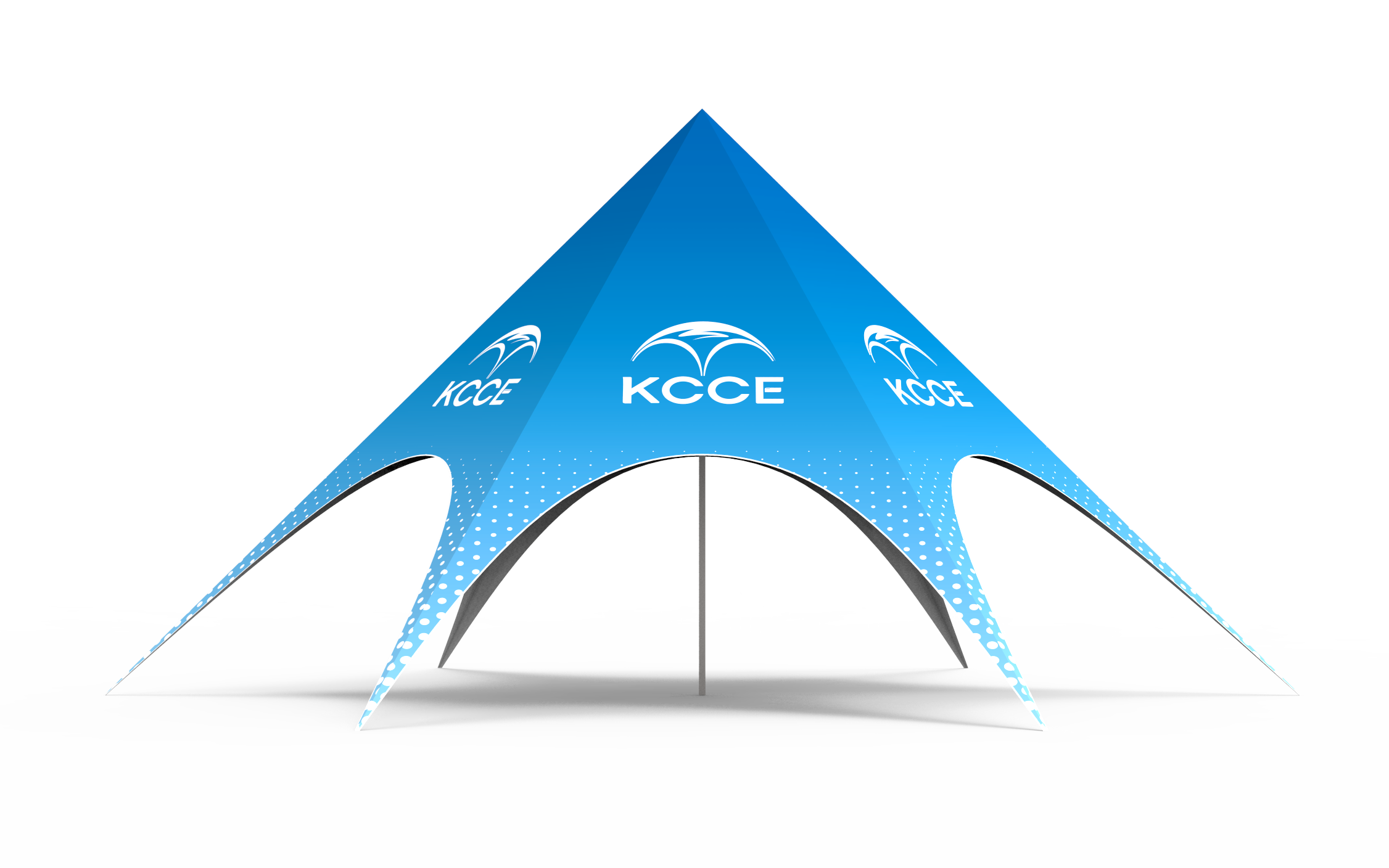
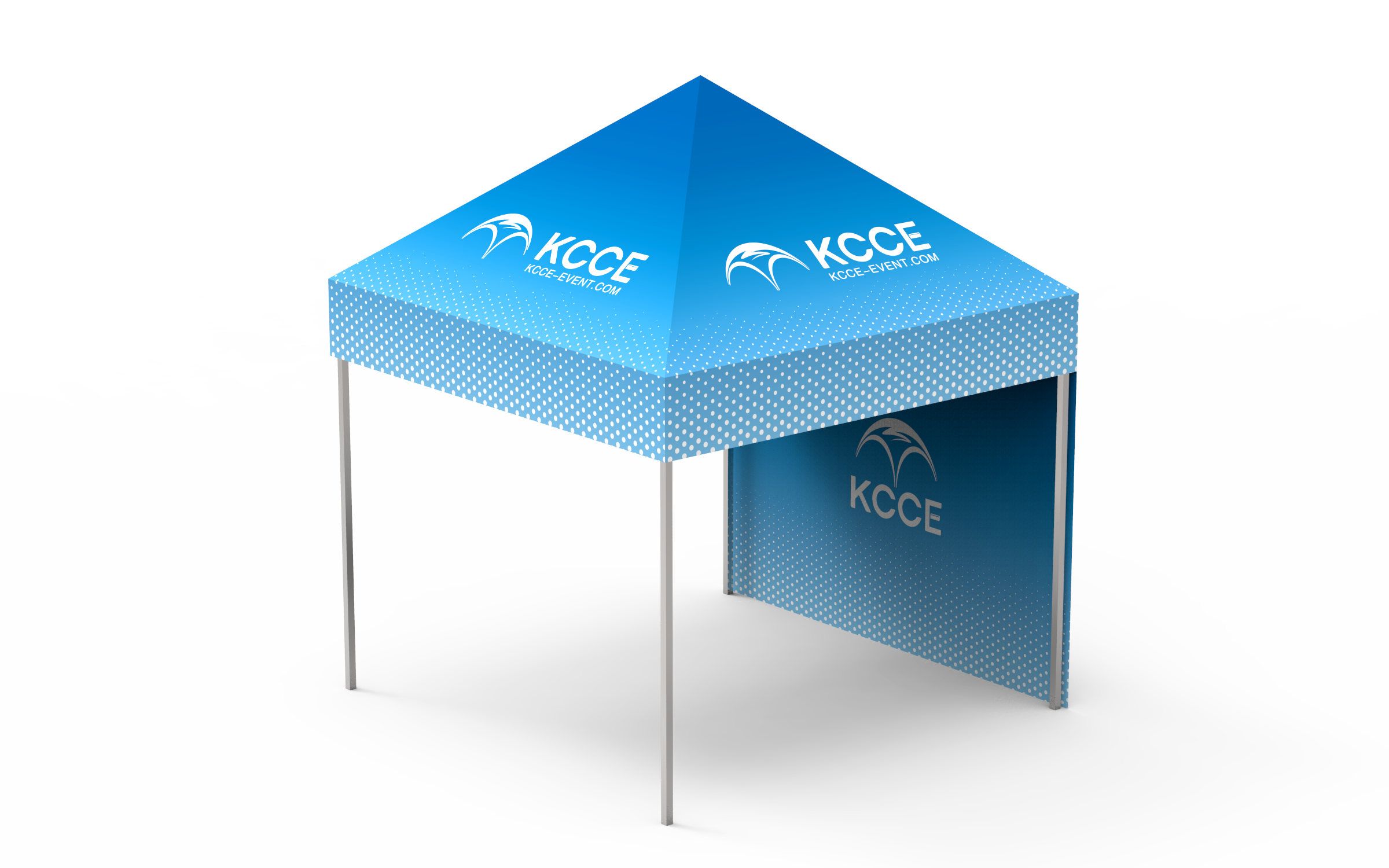
If you want to see what a factory-direct event tent program actually looks like, KCCE’s inflatable tent range is a reasonable reference point.
Inflatable vs. Air Tents: What Buyers Must Know
This trips up more buyers than anything else, so let’s settle it.
Un tenda gonfiabile uses air beams — tubes you inflate that become the structure itself. No poles. The tent stands on air pressure alone.
Un air tent is usually a hybrid: it has some air-beam elements but may retain partial pole structure, or it uses a single inflatable frame with traditional guy-line support.
In practice, the terms get used interchangeably, and the difference between inflatable tents and air tents often comes down to marketing. But for sourcing, the distinction matters because it changes the spec sheet.
What to check before requesting quotes:
- Inflation time — a quality beam system inflates in minutes with a proper pump; cheap ones take forever and leak
- Puncture repair — can you replace a single beam, or is the whole tent dead?
- Pump compatibility — does it need a proprietary pump? That’s a hidden cost trap
- Beam pressure rating — ask for it in writing
The market data backs up why this matters. Future Market Insights values the inflatable tent market at USD 1.2 billion in 2025, projected to reach USD 2.66 billion by 2036 at a 7.5% CAGR — and PVC holds a 98.4% share as the leading material type in 2026. That PVC dominance tells you something: buyers prioritize durability and repairability over lightweight exotic materials.
Regional Supplier Differences: China vs. UK vs. USA vs. Australia
This is the section most sourcing guides skip, and it’s the one that’ll save you the most money.
China. Lowest MOQ cost, fastest scale-up, and CE/ISO certification is common among established factories. The tradeoff is shipping time and the work of vetting. If you’re buying inflatable camping tents in bulk, this is almost always where the math works. KCCE’s broad international footprint and European/US primary markets show how mature the export channel is.
UK. Higher unit cost, but shipping is fast and EN compliance is handled locally. Great for event companies that can’t wait six weeks.
USA. Similar to the UK — premium pricing, local compliance, faster domestic turnaround. Strong for rescue and commercial event buyers who need documentation.
Australia. AS/NZS standards, strong camping and festival market, premium pricing. The outdoor culture means local suppliers understand the retail spec deeply.
Sourcing decision matrix:
- Need lowest cost at volume → China
- Need speed and local compliance → UK/USA/Australia
- Need both → source from China, hold safety stock locally
- Need rescue-grade certification → prioritize certified manufacturers regardless of region
Honestly? Most buyers I’ve worked with end up with a China primary supplier and a local backup for emergencies. That’s the pragmatic play.
How to Vet an Inflatable Tent Supplier
Vetting separates the factories from the trading companies pretending to be factories. Here’s my 5-step workflow.
Step 1 — Factory audit. Ask for a live video walkthrough. If they can’t show you the production floor, they’re likely a middleman. KCCE, for reference, offers a factory tour booking through their Made-in-China storefront.
Step 2 — Sample order. Always. A sample tells you more than ten emails. Check the beam quality, the seams, the stitching, and whether the repair kit is actually included.
Step 3 — Trade show presence. Canton Fair and ISPO are where serious inflatable tent manufacturers show up in person. A supplier with a booth has skin in the game. Ask which shows they attend.
Step 4 — Reference check. Ask for two buyers in your region. Then actually call them. Ask about defects, communication, and how the supplier handled problems — not just whether they were happy.
Step 5 — Terms negotiation. Get FOB and CIF quotes. Understand who pays duties. Confirm the QC process and whether third-party inspection is allowed.
One more thing: if you’re sourcing through Alibaba inflatable tents listings, verify the supplier’s business license and check whether they’re a manufacturer or trading company. The platform labels this, but plenty of buyers miss it.
Pricing, MOQs, and Lead Times Explained
Let’s talk money, because “how much do inflatable tents cost” is the question everyone asks and nobody answers straight.
Price range by size and material. Small event tents sit at the low end; large multi-room PVC structures run into the thousands per unit. PVC dominates the material market (98.4% share per Future Market Insights), so most quotes you get will be PVC-based. Polyester and nylon appear in lighter camping models.
MOQ tiers. Stock designs: often 1 piece. Custom branding: typically 50–100 units. Custom sizing and full OEM: higher, and lead times stretch accordingly.
Typical lead times. Stock: days to two weeks. Custom: 15–30 days production, plus shipping. Sea freight from China adds weeks; air freight adds cost.
Hidden costs to budget for:
- Pumps (often not included)
- Repair kits and spare bladders
- Custom branding setup fees
- Shipping, duties, and customs brokerage
- Third-party inspection
Growth Market Reports segments the market by distribution channel — online retail, specialty stores, supermarkets, and others — which tells you the supply chain is maturing. That means more competition and better pricing for buyers who know how to ask.
My budget template for a first order: unit cost + pump + repair kit + branding + freight + duties + inspection, then add 10% for surprises. There are always surprises.
Domande Frequenti
D: Chi produce le migliori tende gonfiabili?
R: There’s no single best manufacturer — it depends on your use case. For volume and cost, established Chinese factories like KCCE (Dongguan Dacheng, est. 2006) lead on scale and CE/RoHS compliance. For fast local delivery and compliance, UK, USA, and Australia suppliers win. The best inflatable tents suppliers are the ones that pass your vetting checklist, not the ones with the loudest marketing.
D: Le tende gonfiabili valgono l'acquisto?
R: For most commercial and camping buyers, yes — if you pick the right supplier. The market’s growth (USD 1.2 billion in 2025 heading to USD 2.66 billion by 2036, per Future Market Insights) reflects real demand. The risks are cheap beam construction and no repair support. Buy certified, insist on a repair kit, and they’re worth it.
Q: Which is the best inflatable tent?
R: The best inflatable tent for you matches your use case, not a ranking. Event buyers need large PVC structures with strong beams. Campers need lighter, faster-inflating models. Rescue buyers need certified construction. Spec the tent to the job, then find a supplier who builds to that spec.
Q: Where do you buy inflatable tents?
R: Direct from manufacturers is usually best — Chinese factories via platforms like Made-in-China and Alibaba, or regional suppliers in the UK, USA, and Australia. Trade shows like Canton Fair and ISPO are excellent for meeting inflatable tent manufacturers face to face. For camping retail, specialty outdoor stores and online retail channels both carry stock.
Q: How much do inflatable tents cost?
R: It varies widely by size and material. Small event tents are affordable per unit; large multi-room PVC structures cost significantly more. Always budget beyond the unit price — pumps, repair kits, custom branding, freight, and duties add up. Request FOB and CIF quotes so you can compare true landed cost.
Q: Are inflatable tents good for camping?
R: They can be, especially for glamping and family camping where setup speed matters. The tradeoffs are weight and puncture risk. For backpacking, traditional pole tents still win. For car camping and glamping, inflatable camping tents are genuinely competitive — just choose one with replaceable beams.
Q: What is the difference between inflatable tents and air tents?
R: Inflatable tents use air beams as the full structure — no poles. Air tents are often hybrids with partial pole support or a single inflatable frame. The terms overlap in marketing, so always confirm the actual construction before you order.
Q: Which country manufactures the best inflatable tents?
R: China dominates on scale, cost, and export experience — KCCE ships to multiple countries, for example. The UK, USA, and Australia produce excellent tents with faster local delivery and compliance. “Best” depends on whether you’re optimizing for cost, speed, or certification.
Conclusione
Here’s the one thing I want you to take away: supplier fit beats lowest price every time. The cheapest quote usually costs more in the end — through defects, delays, and no after-sales support. Run your shortlist through the 7-question scorecard. If they can’t answer all seven with specifics, they’re not your supplier.
So — does your shortlist pass? If not, go back and request samples from your top three. Compare them on spec, beam quality, and repair support — not just the number at the bottom of the quote. That’s how you build a supply chain that actually holds up.
Riferimenti
1. Inflatable Tent Market Report – futuremarketinsights.com
2. 2026 Top 10 Inflatable Tent Manufacturers in China – b2bdata.baidu.com
3. Rapporto di ricerca sul mercato delle tende gonfiabili integrali – growthmarketreports.com