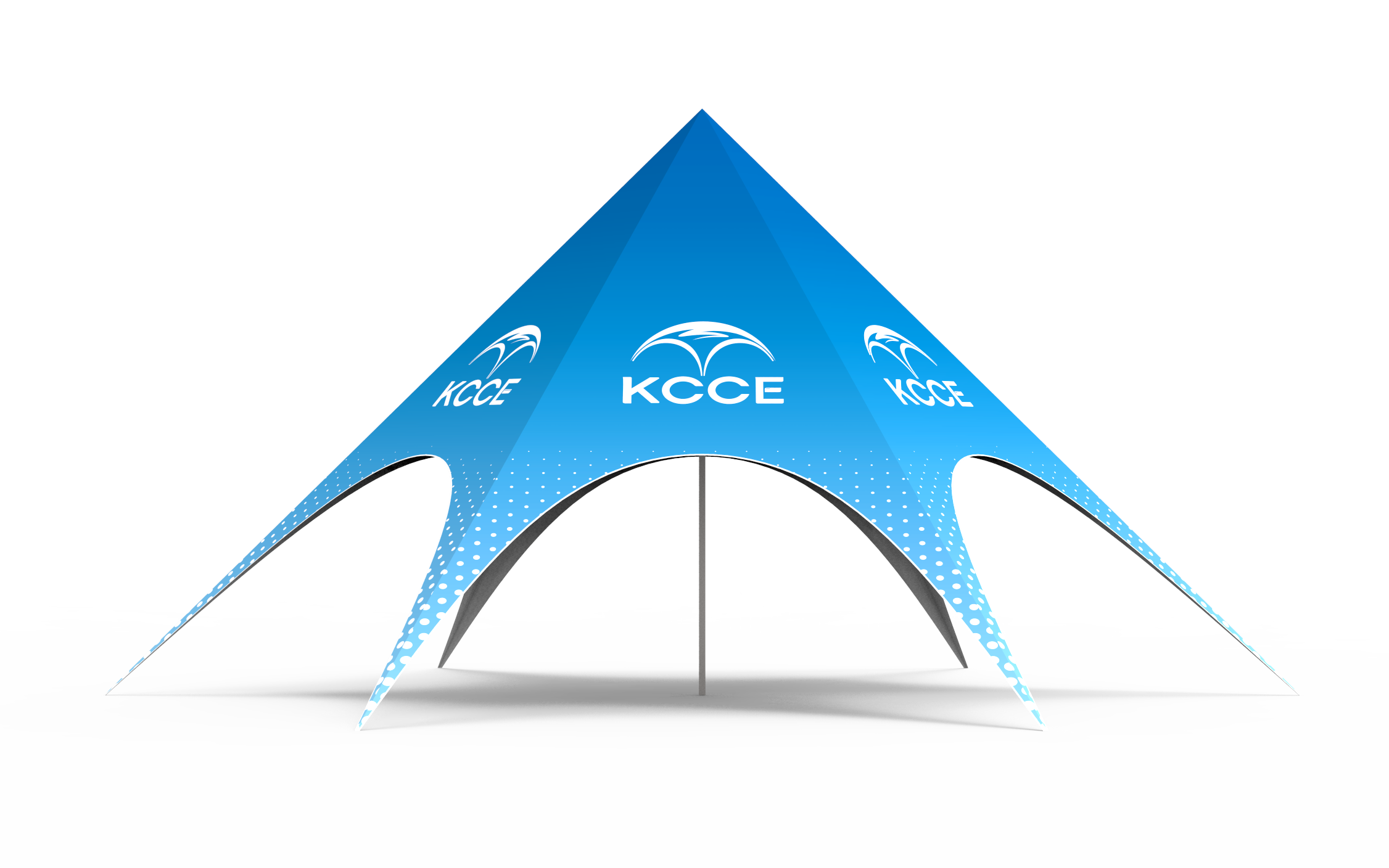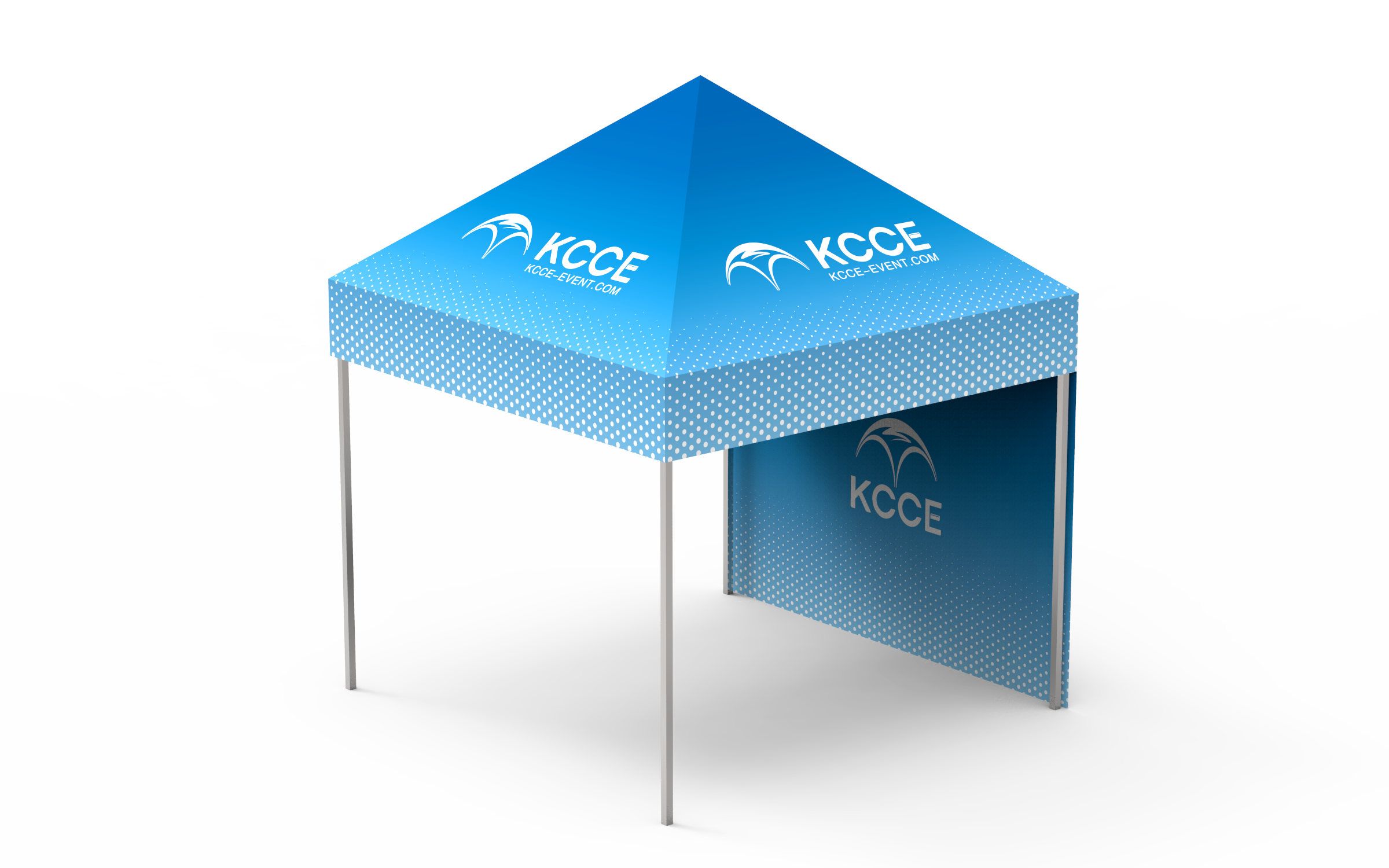
Most buyers don’t think about windows and doors until after the 3D design is approved. Then comes the painful email chain: “Can we add a mesh door?” “Can we move that window?” And the answer is usually yes — but at a cost, because the artwork’s already been laid out and the print files are locked.
I’ve watched this play out more times than I’d like to admit. So here’s the thing: customizing inflatable advertising tents with windows and doors isn’t an afterthought. It’s a design decision you make in the first conversation, right alongside size and print layout.
This guide covers the window and door types worth knowing, the trade-offs nobody warns you about, what actually drives cost, and a checklist you can hand to your supplier before they start drawing.
Quick Answer
Yes — windows and doors are fully customizable on inflatable advertising tents, but they must be specified during the design phase, before the 3D mockup and print files are finalized. Options include clear PVC windows, mesh ventilation panels, printed vinyl panels, roll-up doors, zip-up doors, and double-door entries.
Why Windows and Doors Matter on Inflatable Advertising Tents
A tent without openings is basically a printed box. Functional? Sure. Comfortable? Not even close.
Windows and doors do four jobs at once. They let light in. They let air move. They give people a way in and out. And — if you plan them right — they become part of the branding instead of a hole cut in your logo.
The trade-off is real, though. Every opening eats print area. A big clear PVC window on the front wall means less space for your logo, your slogan, your product shot. And structurally, more openings mean a slightly weaker frame unless the manufacturer compensates with extra baffles or reinforcement.
Honestly, the brands that get this right treat openings as design elements. The ones that get it wrong treat them as a problem to solve after the fact.
Window Customization Options
Types of Windows
There are four main categories, and most real projects mix two or three:
- Clear PVC windows — the classic. Transparent, weatherproof, good light transmission. Great for showrooms, product displays, and any setup where people need to see inside.
- Mesh ventilation windows — usually a fine insect screen or mesh panel. This is the one people forget, and then complain the tent turns into a sauna at a July festival.
- Printed vinyl panels — technically not a “window” in the see-through sense, but often used where a window would go. You get ventilation or visual break without losing branding space.
- Combination windows — clear PVC on the top half, mesh on the bottom. Popular for event tents where you want visibility plus airflow.
If you’ve ever scrolled a Custom Inflatable Design Ideas & Case Studies Blog, you’ve seen these combos in action — half-clear, half-mesh front walls are everywhere at outdoor festivals right now.
Forme
Rectangular is the default because it’s cheap and easy to print around. Circular and arched windows cost more but read as more premium — think architectural rather than tent-like. Full custom shapes (your logo silhouette as a window cutout) are doable but you’re paying for a new cutting die and extra labor.
Placement
Front, side, roof — each has a different function. Front windows pull people toward the booth. Side windows add cross-ventilation and let light in from two directions. Roof windows are rare but great for daylight without sacrificing wall print space.
Single vs. multi-window layouts: one big window creates a focal point. A row of smaller windows creates rhythm and looks more deliberate. My take? If your tent is 4M or larger, a multi-window layout usually looks better than one giant opening.
Door Customization Options
Door Styles
- Roll-up door inflatable tent — the workhorse. Rolls up and straps out of the way. Fast access, good for equipment and foot traffic.
- Zip-up door — seals tight. Best when you need the tent closed and climate-controlled, or when you’re leaving it up overnight.
- Double-door entry — two panels, opens from the center. Looks more formal, works well for corporate events and VIP areas.
- Emergency exit — required for larger enclosed structures in many venues. Don’t skip this conversation with your supplier.
Size Considerations
This is where people get burned. A door that’s fine for staff walking in and out is useless when you need to move a display case, a generator, or a coffee cart through it.
Ask yourself three questions: What’s the biggest thing that needs to go in? How many people move through per hour? Does anyone with mobility needs have to get in? If the answer to that last one is yes, you need a wider opening and a flat threshold — no raised lip.
Material and Print Considerations
Window material is not all the same. Clarity matters if you want people to actually see through it. UV yellowing matters if the tent lives outdoors for months. Fire rating matters if your venue has any kind of compliance requirement — and increasingly, they do.
The supplier I’ve worked with most, KCCE (Dongguan Dacheng Outdoor Products), states full compliance with CE and RoHS across their inflatable range, according to the brand. That’s the kind of thing to check before you order, not after. Their facility in Dongguan runs about 2,800 square meters with over 70 production machines, and they ship to multiple countries with Europe and the US as primary markets. — so fire-rating and material compliance questions are ones they field constantly.
Print area loss is the other thing. Rule of thumb from my own projects: budget 15–25% of your wall surface for openings if you want good ventilation and visibility. If your brand guidelines demand a clean, uninterrupted logo wall, put the openings on the sides and roof instead of the front.
Mesh windows are the unsung hero here. They give you airflow without giving up the wall — the print goes on the mesh or around it, and the tent still breathes.
Design Trade-Offs to Plan For
Structural integrity. Too many openings and the frame gets floppy. A good manufacturer adds internal baffles or reinforced seams to compensate. Ask about it directly.
Weather resistance. Rain and wind are the obvious concerns, but ventilation vs. enclosure is the sneaky one. A fully sealed tent in direct sun becomes an oven. Mesh doors and windows solve it — but then rain can blow in. There’s no perfect answer, only the right compromise for your climate and season.
Setup complexity and weight. Every opening adds a zipper, a flap, a strap, or a panel. More parts, more time. Inflatable tents are still fast — that’s the whole point — but a 6-opening tent takes longer than a 2-opening one. If you’re doing a one-day trade show with a 15-minute setup window, keep it simple.
Privacy vs. visibility. A tent with lots of clear windows is an open book. Great for retail pop-ups. Terrible for a green room or a medical screening booth. Match the opening plan to what actually happens inside.
Cost Factors and Ballpark Ranges
Nobody likes “request a quote” as an answer, so let’s talk real drivers.
What moves the price:
- Number of openings — each one adds material, labor, and hardware
- Material upgrades — fire-rated fabric, higher-clarity PVC, UV-stabilized mesh
- Custom shapes — a circular window costs more than a rectangular one
- Print complexity — full-wrap graphics with tight registration around openings cost more than a simple logo
- Dimensione — a 3X3 or 4X4 modular tent sits at a very different price point than a large custom structure
For context on the broader market: inflatable trade show tents generally carry a higher upfront price than standard pop-up canopies, but the setup time difference is dramatic — the industry comparison that keeps coming up is a 15-minute booth setup versus 5 minutes for a well-designed inflatable. That time savings is part of what you’re paying for.
The honest answer on custom inflatable tent cost: it depends heavily on openings, size, and print. Get three quotes with identical specs and compare line by line, not just totals.
Common Mistakes to Avoid
Windows misaligned with branding. The window lands right in the middle of your logo. It happens constantly. Fix: approve the 3D mockup with the print layout visible, not as separate documents.
Doors too small. You measured for people. You forgot about the equipment. Measure the biggest object, then add 20%.
Ignoring ventilation. The number one complaint I hear from event teams: “It was unbearable by noon.” Mesh isn’t optional in warm climates. Put mesh on the rear door, add mesh windows, let the thing breathe.
Skipping 3D mockup approval. Never let a manufacturer cut material before you’ve seen and signed off on a 3D render showing every opening in position. This single step prevents most of the rework horror stories.
Forgetting the pump. If you’re inflating by hand, you’ll regret it. Ask about inflation method — manual vs. pump — and how long each takes for your tent size. This is one of the most common real-world pain points, and it’s completely avoidable.
Domande Frequenti
Q: Can I add windows and doors to an inflatable tent?
R: Yes. Windows and doors are fully customizable on inflatable advertising tents — clear PVC, mesh, printed panels, roll-up doors, zip-up doors, double-door entries. The critical rule: specify them during the design phase, before the 3D mockup is finalized and before print files are locked. Adding openings after approval means re-cutting material and redoing artwork.
Q: How much does a custom inflatable advertising tent cost?
R: There’s no single number — it depends on size, number of openings, material upgrades, and print complexity. A 3X3 or 4X4 modular tent with basic openings sits at a lower price point than a large custom structure with multiple clear PVC windows and a double-door entry. Get at least three quotes with identical specs so you’re comparing like for like.
Q: What window materials are available?
R: Clear PVC for visibility, mesh for ventilation and insect control, printed vinyl where you want branding instead of transparency, and combination panels that mix clear and mesh. Material choice affects clarity, UV yellowing resistance, and fire rating — all worth confirming before you order, especially for venues with compliance requirements.
Q: How do windows and doors affect setup?
R: Every opening adds hardware — zippers, flaps, straps, panels — so setup takes a bit longer with more openings. Inflatable tents are still fast compared to pole tents, but a 6-opening tent won’t go up as quickly as a 2-opening one. If you’re working a tight setup window, keep the opening count lean and use a pump rather than manual inflation.
Q: Inflatable tent vs. pop-up canopy — which is better for windows and doors?
R: Inflatables win on customization. You can specify window shapes, mesh panels, door styles, and placement in ways a pop-up canopy can’t match. Pop-ups are cheaper upfront and lighter to pack. Inflatables cost more but set up faster and offer far more design flexibility for windows and doors.
Q: How do I find reliable custom inflatable tent suppliers?
R: Look for verifiable certifications (CE, RoHS), a real production facility, and export experience to your region. KCCE, for example, states that it has been manufacturing since 2006, runs a 2,800-square-meter facility with over 70 machines, and ships to multiple countries. Ask for references in your market and always request a 3D mockup before production.
Q: Will my tent need to breathe, or stay sealed?
R: That’s the question to answer before you order. If it’s a summer festival booth, you need mesh windows and a mesh rear door for airflow. If it’s a climate-controlled display or a privacy-sensitive setup, go sealed with zip-up doors and minimal clear panels. Most projects land somewhere in between.
Q: What size inflatable tent do I need for my event?
R: Start with occupancy and equipment. A 3X3 or 4X4 modular tent handles most single-booth setups. Larger events — festivals, expos, stage-adjacent structures — need bigger footprints and more openings for traffic flow. Size and opening count should be decided together, not separately.
Conclusione
Decide your windows and doors before the 3D mockup, not after. That one habit saves more money and frustration than any other piece of advice I can give you. Know whether your tent needs to breathe or stay sealed, measure your biggest piece of equipment before you pick a door, and never approve production without seeing every opening in position on a render.
When you’re ready, walk into the design consultation with your opening specs written down — window types, door styles, placement, and ventilation needs. Suppliers can work with that. They can’t work with “we’ll figure it out later.”
Riferimenti
1. No. 1 Amazing Custom Inflatables for Marketing Proven to Stop Traffic & Secret Tips – tmpinflatables.com
2. Inflatable Trade Show Tents: Costs, Setup & Wind Ratings – kcce-event.com
3. How Effective are Inflatables for Advertising, Branding and Promotion – instent.com
4. How Custom Inflatables Help Brands Stand Out at Events and Promotions – thevisualcommunicationguy.com
5. Giant Impact: How Custom Inflatables Are Revolutionizing Event Branding in 2025 – prettygoodbranding.com